
Maintaining a clean fleet is crucial for logistics and trucking companies, as it enhances safety, brand image, and vehicle longevity. However, the process of washing trucks presents unique challenges, particularly in selecting appropriate car wash facilities. This guide explores crucial aspects such as truck compatibility with car washes, practical height and width limitations, an overview of automatic versus manual wash types, the advantages of mobile car washes, and the criteria for selecting the right facility. These insights will equip fleet managers and trucking operators with the necessary information to streamline the process of washing their vehicles effectively.
Rugged Rides, Clean Returns: Charting Truck Compatibility with Car Wash Systems
The question of whether trucks can go through car washes is rarely straightforward, and it becomes more nuanced as fleets grow larger and more varied. For many readers, the image of a compact sedan gliding into an automatic wash is familiar, while the sight of a full-size delivery tractor or a heavy-duty work truck waiting at the curb may raise concerns about clearance, equipment integrity, and cleaning effectiveness. The reality sits somewhere in between. Yes, trucks can pass through car wash systems, but compatibility hinges on a mosaic of factors: the facility’s design, the truck’s dimensions and configuration, and the service profile the wash is prepared to deliver. In practical terms, the wide spectrum of trucks—ranging from compact delivery vans to oversized haulers with roof-mounted gear—demands a spectrum of wash solutions. A standard consumer tunnel is optimized for cars, with height restrictions commonly around seven feet and width limits near eight feet. Vehicles that exceed those thresholds face not just the risk of a mechanical snag but also the likelihood of incomplete cleaning or, worse, damage to the vehicle’s exterior. This is the first filter in the chain of compatibility. Fleet operators who must cleanse large fleets regularly learn to read the signage, check the vehicle’s precise dimensions, and plan ahead for facilities that explicitly accommodate large vehicles.
Beyond the dimensions, the nature of the contaminants defines the wash approach. Large trucks accumulate more stubborn grime: crankcase oil, road film, tar, and industrial residues that cling to surfaces at a scale that challenges typical passenger-vehicle washes. Foam, pressure, and contact-based cleaning have different strengths and vulnerabilities when applied to broad surfaces like trailer sides, cab doors, and undercarriages. Foam-based systems, in particular, have gained traction in industrial and fleet contexts because they deliver a high-lift cleaning action without the abrasive contact that can wear paint and seals over time. The foam acts as a carrier for detergents, lifting soil from crevices and porous textures while minimizing scrubbing pressure. This is especially important for larger bodies where aggressive contact on a single pass could bruise edges, antennas, or mirrors. The ability to introduce a thick, stable foam also helps maintain consistent cleaning across vertical panels and horizontal surfaces, a common challenge for trucks that have long, flat faces and multiple reflective angles.
A core decision in matching trucks to wash systems is the degree of physical contact the vehicle will endure. Touchless configurations, which rely on high-pressure jets and chemical agents to dislodge grime, offer a critical safety profile for painted finishes and delicate components. For large commercial vehicles, touchless approaches can be especially attractive because they minimize the risk of brush wear on badges, emblems, and trim. Yet, touchless isn’t a catch-all solution. The sheer volume of soil on some fleets may demand supplementary cleaning steps or stronger chemical formulations, and some areas—such as wheel wells, undercarriage, and the trailing edges of trailers—may require targeted attention that a fully automated touchless cycle cannot always guarantee. In practice, many facilities combine systems: a touchless pre-wash to dislodge the bulk of the soil, followed by targeted, soft-touch touchpoints for stubborn zones. It is not a one-size-fits-all arrangement, but a tailored sequence designed to protect the vehicle while delivering a thorough cleanse.
Flexibility is the operational keyword here. Customized logistic truck washing systems are designed to accommodate a spectrum of vehicle types and sizes, whether the fleet runs soft-touch or touchless, and whether the focus is the cab, the trailer, or both. A well-designed system can adjust for height, width, and the geometry of exposed surfaces. For the fleet manager, this reduces downtime and shortens the cycle time per vehicle, which, in busy depots, translates into more clean trucks per shift and less overtime spent on manual cleaning tasks. The point of customization is not merely comfort; it is safety and efficiency. The more precisely the cleaning system is aligned with a given truck’s profile, the lower the risk of inadvertent contact with sensitive components such as antennae, door handles, or mirror housings. This alignment—between the truck’s dimensions and the wash’s settings—depends on careful measurement, documentation, and a willingness to adjust the equipment configuration as fleets evolve.
The discussion of compatibility would be incomplete without addressing how modern wash systems integrate with the broader ecosystem of fleet management. In contemporary operations, washes do more than remove grime; they empower logistics teams with data, payments, and scheduling that keep vehicles moving. Some facilities and mobile services offer integrated payment platforms that streamline transactions, track service histories, and support audits for fleet maintenance budgets. This level of integration can be particularly valuable for companies with large, dispersed mobile fleets, where centralized reporting helps ensure that every vehicle is cleaned on a regular schedule and in a way that aligns with corporate environmental and safety goals. While the details of these platforms vary, the principle remains consistent: a clean truck is part of a larger, data-driven maintenance regime that reduces downtime, extends asset life, and supports compliance with internal and external standards.
The environmental dimension is also central to the decision-making process. Eco-conscious operators increasingly favor mobile or on-site wash services that minimize water use and runoff. Modern mobile units are designed to conserve water through recirculation systems and to employ biodegradable, non-toxic cleaning agents that break down quickly and safely. These solutions not only lower the environmental footprint but also align with corporate sustainability programs that seek to demonstrate responsible stewardship. The advantage of mobile services is the ability to bring high-quality cleaning to the truck’s location, cutting down on fuel consumption and vehicle idle time while offering the same level of service that a fixed-site facility provides. In other words, compatibility extends beyond the wash bay itself to the broader logistics network that surrounds fleet maintenance. When trucks meet systems that are designed for considerable scale, heavy soils, and responsible water use, the result is a cleaner vehicle and a cleaner planet at the same time.
Operational realities also shape whether a wash will actually work for a truck. Heavily soiled trucks may require pre-rinsing to loosen caked grime and to prevent the wash cycle from over-saturating sensitive components. Certain cleaning products, while effective, can raise the ongoing cost of operation. Yet these costs are often offset by the gains in efficiency and the reduced risk of damage that could come from improper cleaning methods. For managers, the question becomes one of trade-offs: is the fleet worth the investment in higher-capacity, higher-durability wash equipment, or is a lighter-touch, lower-throughput solution sufficient for routine maintenance? The answer rests on the size and the demands of the fleet, the cleanliness standards that customers expect, and the regulatory or contractual obligations that govern the operation. In practice, firms that run large fleets tend to opt for facilities that can accommodate a range of vehicle sizes, with the flexibility to scale up as the fleet grows or changes composition.
Within this broader context, a practical pathway emerges for those evaluating truck compatibility with car wash systems. First, assess the vehicle profile: measure the overall height, width, and anticipated protrusions such as roof racks or antennae. Next, survey the available wash options in your area or contract terms for mobile services, focusing on whether the system supports large vehicles, the maximum vehicle height allowed, and the degree of customization offered. Third, consider the soil profile you expect to encounter and the corresponding wash solution—foam-based delivery for deep soil, or touchless configurations for painted surfaces and delicate components. Fourth, evaluate environmental and efficiency goals, including water usage and the potential for on-site water treatment or recycling. Fifth, integrate the capability landscape with fleet-management platforms that can track cleaning cycles, maintenance history, and related expenditures. When these elements converge, trucks can move from mere pass-throughs to reliable, repeatable cleaning operations that fit within the rhythm of a busy fleet.
For organizations seeking a more structured framework, the concept of Facility Management for Truck Washes becomes a valuable reference point. It guides planning, equipment selection, and workflow design to maximize uptime and longevity of both vehicles and cleaning assets. A practical takeaway is that compatibility is not solely about size; it is about designing an end-to-end process that respects vehicle geometry, soil complexity, and the practical realities of daily operations. In that sense, the most successful fleets are those that treat the wash as a modular component of the logistics chain—capable of adapting to varied truck types while maintaining consistent performance and responsible environmental practices. This mindset helps ensure that every truck, regardless of its role, can pass through the wash with confidence in the outcome and in the safety of the vehicle itself.
To connect this framing to ongoing practice, consider the following: when evaluating a wash facility or a mobile service, ask about the maximum allowable height and width, whether the system supports customized configurations, and how the cleaning sequence is adapted to different vehicle types. If a provider can demonstrate tested procedures for different truck profiles, and if the facility can adjust for roof-mounted equipment or wide trailers, that is a strong indicator of true compatibility. The conversation should also address how the service handles heavily soiled assets and whether pre-rinse or post-wash inspections are standard parts of the cycle. In the end, compatibility is a function of fit between the vehicle’s physical realities and the wash system’s capabilities, delivered with precision, safety, and a steward’s respect for the environment.
For readers seeking a deeper dive into managing truck-wash logistics, see Facility Management for Truck Wash Businesses. This resource emphasizes operational structure, scheduling, and facility design considerations that support high-throughput yet careful cleaning of diverse truck fleets. It also reinforces the idea that a well-chosen wash system—whether fixed or mobile—can become a strategic asset, reducing downtime and prolonging vehicle life. As the industry continues to innovate, the line between a simple cleaning method and a strategic maintenance practice will blur further, placing compatibility, efficiency, and sustainability at the core of every fleet’s cleanliness program.
External resource for practical setup: Learn how to set up a mobile truck wash system efficiently. This guide offers actionable steps for deploying mobile wash capabilities that conserve water, scale with fleet size, and integrate with routine maintenance workflows.
Width and Height Gatekeepers: How Truck Size Shapes Car Wash Access
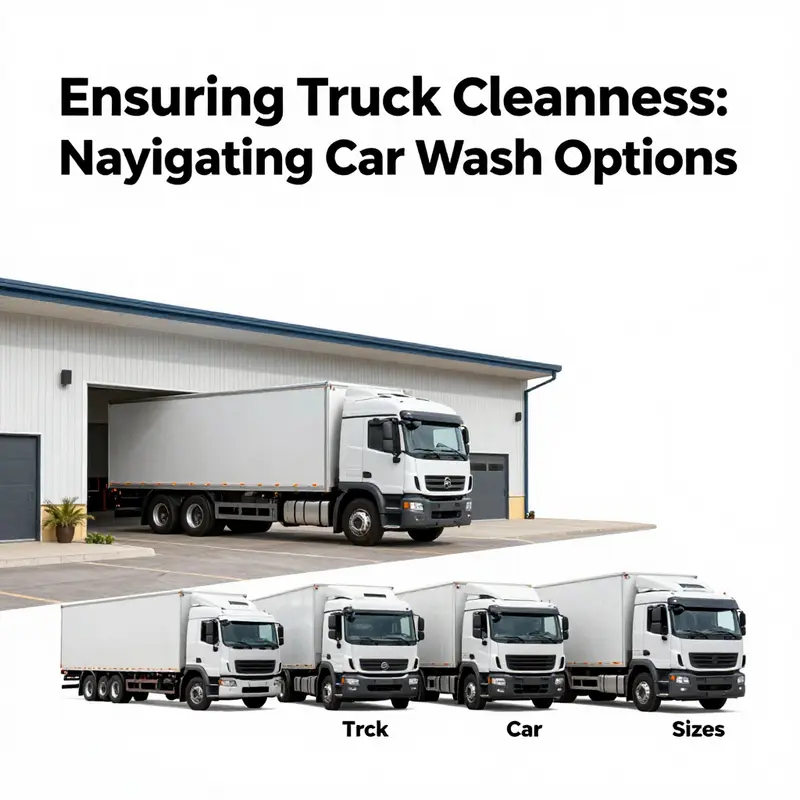
When a fleet or a solo owner asks whether a truck can pass through a car wash, the answer is not a flat yes or no. It depends on the facility and on the size of the vehicle. Standard automated washes are built around passenger cars, SUVs, and small vans. They often come with fixed clearances that look fine for a typical sedan but quickly become a hurdle for anything taller or wider. For many operations, a truck that carries extra roof gear, utility racks, or oversized tires already creeps toward the edge of what these systems can tolerate. To be sure, operators publish height and width restrictions, and drivers who have not checked in advance risk either being turned away or, worse, causing damage to the vehicle or to the wash equipment. The question then becomes a question of capacity and intention. If a truck is in the broad daylight of a sunny weekday, a driver could stroll into a facility that is explicitly designed to handle large vehicles or even give a helpful call to confirm that the bay can accommodate a longer or taller profile. The distinction is practical as well as procedural, because not all car washes are created equal when it comes to large vehicles. A growing category of facilities exists specifically to service trucks, delivery vans, and even buses. These locations do not merely tolerate big vehicles; they build around them. They feature higher ceilings, sometimes 12 feet or more, and wider lanes that give the wheels space to maneuver without catching the wash arms or the wash bay sides. They also deploy heavy duty brushes and more robust drying systems that can withstand the extra surface area and tougher grime common on large metal skins. The systems themselves are often adjustable, allowing operators to tailor the process to the size of the vehicle in front of them. This is not a universal rule, but it is a trend toward inclusivity for larger fleets and service vans that keep commerce moving. It follows that the most reliable way to approach truck cleaning is to know the option set in advance. A consumer-grade expectation—one that says a car wash is a car wash—won’t hold up for a truck with roof racks, a tall cab, or extended equipment. The physical constraints matter, but the service options matter just as much. In many metro areas, commercial or industrial wash facilities will have lanes and bays tuned for larger vehicles. These lanes are not merely wider; they are configured with higher ceilings, reinforced rails, and more substantial drying zones designed to handle greater exposure to the elements and more surface area receiving attention during the wash cycle. For fleet managers, that means the planning process cannot stop at the truck’s manufacturer’s schematic. It must include a real world check of the car wash’s published clearances and a verification of how those numbers translate into what will pass through the wash without issue. The published thresholds often serve as the first line of defense. A typical threshold, published by a major national operator, sits at a maximum height of around 7 feet 2 inches and a maximum width of roughly 86 inches. These two numbers are not arbitrary; they reflect the geometry of the wash bay, the reach and motion pattern of the cleaning arms, and the drying mechanisms. If a vehicle or any attached accessory pushes beyond these boundaries, the wash arms can intersect with the vehicle, or the drying arch can become misaligned, creating a situation that none of the parties wants to confront. It is easy for a driver to miscalculate the height that a roof rack adds, or to overlook a satellite dish or an antenna that sits above the cab. Even if the main body of the truck fits strictly within the stated limits, protrusions can push the effective width beyond what the bay can accommodate. In reality, these numbers are best read as guardrails rather than utopian boundaries. They are there to prevent damage and to ensure that the automated sequence can move smoothly from washing to rinsing to drying without incident. Yet they can also prompt the driver to rethink the approach to cleaning if their vehicle is close to the limit. The prudent path is to measure the truck with everything attached, including mirrors that may fold in or extend outward, antennas, antenna masts, roof racks, satellite communications gear, or payload extensions. This measurement should be compared against the facility’s published clearance, with extra margin on the safe side to account for misalignment and the inevitable slight variation from cycle to cycle. For fleet operators, this means training and process design. A centralized fleet standard might require each model in the lineup to have its own clearance profile, updated whenever a new configuration arrives in service. The profile would indicate height and width, including any common aftermarket equipment that crews tend to install. It also means a policy on pre-visit checks: one short, universal checklist that drivers can use before pulling into a wash. The checklist could include a quick tape measure check of total height at the highest point, a confirmation that mirrors are inside the vehicle width envelope, and a confirmation that no trailing items extend beyond the roof. When these checks are in place, the risk of denial at the entrance or the risk of a costly collision during the wash cycle drops dramatically. It is also worth noting that the size story here is not only about the fixed structure of an automated wash. It is also about alternative options that can serve large vehicles when standard facilities fall short. Mobile car wash services, for example, bring equipment to the location of the vehicle and design their footprint for the constraints of a given site. These services are often framed around sustainability goals, including water conservation and biodegradable cleaning agents. They can be more forgiving in terms of the vehicle size, but even mobile arrangements are not unconstrained. They still depend on the surrounding space, the access route, and the capacity to operate cleaning arms and high-pressure systems in a location that might have limited overhead space or uneven ground. In practice, a truck owner who takes service seriously will treat this as a continuous optimization problem. The goal is to balance the need for a thorough cleaning with the realities of the space in which the vehicle operates. The dimensions become a rule of thumb for planning, but the ultimate decision rests on a straightforward question: can the vehicle pass through the bay without risk to itself or to the equipment? In this light, the publishing of clearance requirements matters not only to drivers but to the entire ecosystem around truck cleaning. It guides fleet procurement decisions, shapes maintenance planning, and informs the design choices of facilities that aim to serve large vehicles as a core business model. It also ties into broader considerations for fleet operations, such as compliance with environmental rules and emissions regulations that govern how often and how thoroughly fleets can be washed, how water is captured or reused, and how cleaning agents are managed. For those who want to dig deeper into the policy and compliance side of truck wash operations, there is a dedicated resource that covers vehicle clearance and related regulatory considerations. This chapter is designed to be part of a larger conversation about how truck size influences access to car wash services, how operators adapt to larger profiles, and how fleets can build efficient and safe cleaning routines that respect both vehicle geometry and facility constraints. You can explore the broader regulatory and industry considerations through the truck wash industry compliance and emissions regulations resource, which offers guidance on how to align vehicle sizing practices with environmental and safety standards. truck wash industry compliance and emissions regulations. For a practical reference on official clearance guidelines from a major operator, you will find a contemporary summary at the external source below. External resource: https://www.wowcarwash.com/vehicle-clearance-requirements
Sizing Up the Wash: The Real-World Choice Between Automatic and Manual Cleaning for Trucks
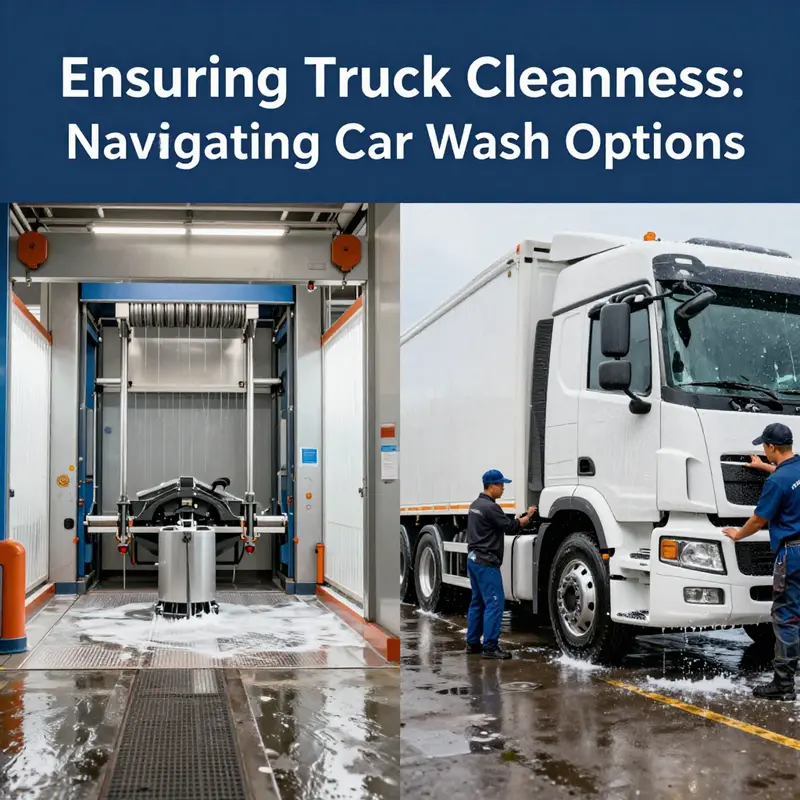
The question of whether a truck can go through a car wash sits at the intersection of engineering, operations, and practical decision-making. It is not a simple yes-or-no answer but a careful assessment of facility design, vehicle dimensions, and the goals of cleaning. On one side are standard automatic washes that most drivers encounter at highway exits and strip malls. On the other are larger, more rugged options—industrial bays, high-ceiling tunnels, and mobile units—that are specifically equipped to handle the demands of big vehicles. The landscape today is more nuanced than ever, driven by advances in automation, water efficiency, and the relentless pressure to keep fleets moving with minimal downtime. When a fleet manager weighs the choice, several threads come into play: speed, effectiveness, cost, environmental impact, and the protection of the vehicle’s finish and undercarriage. Each thread reveals trade-offs, but they also point toward pragmatic strategies that blend the strengths of both automatic and manual cleaning approaches, especially for trucks that carry diverse loads and endure aggressive grime in winter or rural work sites.
A practical starting point is to understand the physical limits of car washes. Many standard automatic washes are designed with passenger vehicles in mind—cars, SUVs, and small vans. They commonly feature height restrictions around seven feet and width limits near eight feet. For a typical full-size truck, including roof racks or a tall cab, those constraints can quickly become blockers. Even when a truck is within those mere numbers, there are subtler clearance concerns: side mirrors, trailer hitches, ladder racks, and sometimes even oversized antennas or antenna arrays can encroach on the wash corridor. The result is not only the risk of a transport failure at the gate but potential damage to the wash equipment and the vehicle’s finishes if an attempt is forced through a tight lane.
Beyond the dimension checks, the type of wash matters a great deal. There are facilities whose entire model is to accommodate large and heavy vehicles. These commercial or industrial washes feature higher ceilings—often twelve feet or more—broader lanes, and more robust, heavy-duty components designed to scrub away mud, tar, and road grime from surfaces that are simply out of reach for smaller vehicles. The wash systems themselves can be adjustable, with settings that tailor spray pressure, nozzle patterns, and dwell times to different vehicle geometries. In such environments, trucks can expect a level of attention to the undercarriage, chassis, and wheel wells that typically falls outside the scope of standard consumer-focused washes. This matters not only for aesthetics but for corrosion control and preventative maintenance; winter road salt can accumulate in crevices and on frame rails if left unchecked.
Even within the automatic category, the current generation of wash systems demonstrates notable sophistication. There are “no-contact” configurations that rely on high-pressure jets and carefully calibrated rinses rather than abrasive brushes. There are “soft-touch” variants that use microfiber elements to reduce the risk of swirl marks while still delivering a thorough rinse. In some larger facilities, technologies such as 3D mapping or laser scanning are used to map a vehicle’s exact contours and optimize spray and drying sequences. For trucks, this combination of precision and gentleness represents a meaningful balance: effective cleaning of large flat surfaces and chrome accents without inviting new damage to paint, decals, or reflective surfaces. The risk calculus changes in favor of the no-contact or soft-touch approaches when the vehicle carries delicate or high-value finishes, or when a fleet’s maintenance philosophy prioritizes paint longevity as a cost-control measure.
Time is the ever-present driver for fleet operators. Automatic washes—especially full-scale tunnel setups and independent automated bays—are designed for throughput. A large truck can often complete a wash cycle, including pre-wet, wash, rinse, and dry, in as little as three to five minutes. This speed has obvious operational advantages for fleets that must keep schedules tight, minimize in-yard congestion, and deliver predictable cycle times. Manual washes, by contrast, are capabilities that shine in detail-oriented tasks. A skilled technician can aggressively target stubborn stains—the kind of dried mud, oil smudges, or sap residues that linger in wheel wells, lug nut recesses, and other hard-to-reach spots. They can also address areas that automated systems struggle with, such as the undercarriage, suspension components, and more exposed chassis elements. The same hands that scrub the exterior can pivot to interior detailing if the truck functions as a mobile workshop or a service vehicle in a remote location. In many cases, fleets adopt a hybrid approach: use automatic washes for routine upkeep and book manual detailing for deeper cleaning or inspection after long hauls. This strategy aligns with a broader operational philosophy that values both speed and meticulous surveillance of vehicle health.
Costs and resource use follow suit with these choices. Automatic washes are typically cheaper per wash, a critical factor for fleets running many vehicles on tight margins. In broad terms, a standard automatic wash for a truck can range from roughly ten to thirty dollars, depending on location, wash level, and any premium features like advanced drying or wax treatments. Over time, the volume savings add up, and many facilities offer bulk plans or subscription models that further reduce per-wash costs. Manual detailing—especially with interior cleaning, paint protection, and engine bay attention—can stretch from fifty to one hundred fifty dollars or more per vehicle, depending on the scope. This makes manual washing costlier per session, but it yields a higher level of personalization and thoroughness, which some operators view as a long-term investment in vehicle longevity and resale value.
Water use and environmental impact are increasingly central to the decision. Modern automatic wash systems frequently employ closed-loop or highly recycled water circuits designed to conserve freshwater. In many installations, it is possible to recover and filter a large majority of used water, sometimes eighty to ninety percent, enabling a significantly lower water footprint per wash. The numbers tell a clear story: an automatic wash for a truck may consume as little as twenty to fifty liters of water, whereas manual washing can consume a hundred and fifty to three hundred liters or more, particularly when water is not recycled or captured for reuse. This difference can become a deciding factor for fleets, municipalities, and facility operators seeking to curb operating costs and align with stricter environmental regulations. Because automated systems dispense cleaning agents in precise, measured doses, they tend to minimize chemical runoff and concentrate safer usage, while manual methods can inadvertently overshoot soap and detergent into drainage pathways if not managed carefully.
Protection of the vehicle itself is a key consideration that often tilts the balance toward or away from automation. No-contact systems reduce contact with painted surfaces and chrome trims, lowering the risk of micro-scratches, swirl marks, or abrasion associated with improper brush use. Soft-touch variants, while gentler than older brush-based designs, still require skilled operation to avoid friction with sensitive edges or decals. A manual wash elevates the risk of human error but offers the opportunity to tailor pressure and technique to each area of the truck—balanced, in the hands of an experienced technician, against potential surface damage. For preventative maintenance, technicians can also address issues visible during the wash window: corrosion spots, rust-prone seams, or ballast and chassis areas that deserve closer inspection. The end result is that automatic systems provide consistent protection against routine wear while manual cleaning provides bespoke care that draws attention to areas an automated cycle might overlook.
In the broader fleet-management context, the question of which path to prioritize rarely sits in isolation. Many operators recognize the value of a phased, integrated approach. They use automated washes for routine maintenance and rapid turnover, then schedule periodic manual detailing sessions for deep cleaning, problem area remediation, and inspection. When fleets expand or diversify—adding heavier-duty vehicles, specialized trailers, or containerized assets—the capability of a facility becomes even more important. It is not only about whether a truck can fit through a gate but whether the wash meets the vehicle’s cleaning requirements and the fleet’s maintenance objectives. A well-considered plan also involves logistical coordination: matching wash capacity to peak travel times, reserving slots for high-mileage routes, and ensuring that staff and technicians are trained to handle the unique challenges presented by large vehicles.
To tie these threads together, a prudent stance for most fleets is not a single choice but a calibrated mix. Automatic washes capture efficiency and consistency, especially for routine cleaning, while manual detailing supplies the depth and nuance that a truck’s most accessible and least accessible regions demand. The hybrid approach can be supported by clear standards for vehicle dimensions and service levels, ensuring that drivers understand which facilities can accommodate them and what to expect in terms time, cost, and outcome. This is where a coordinated fleet strategy—drawing on standard operating procedures for wash selection, maintenance intervals, and emergency response—plays a pivotal role. It helps ensure that a truck does not end up stalled before a wash gate or subjected to a procedure that risks damage simply because a decision was rushed at a rest stop.
For organizations contemplating scalable growth, the practical advice is to prioritize facilities designed for larger vehicles and to insist on flexibility within the wash processes. How much height is truly available, how wide are the lanes, and to what extent can equipment adapt to different truck geometries? Is there a systematic way to measure and monitor post-cleaning outcomes—paint integrity, undercarriage cleanliness, and residual salt or mud? Do the wash operators offer a plan that aligns with fleet-wide maintenance goals and downtime constraints? These questions become the backbone of a sustainable cleaning program. They also support the broader strategic aim of keeping trucks on the road rather than waiting idle at a wash facility.
As fleets cultivate a more sophisticated understanding of cleaning ecosystems, many operators discover that the strongest strategy is a formally adopted, data-informed policy. Such a policy recognizes that a one-size-fits-all approach is unlikely to satisfy the realities of different routes, cargo types, and seasonal challenges. It legitimizes the use of automated systems for routine maintenance, while equally validating the need for manual detailing when dirt, grime, or corrosion require hands-on intervention. It also creates a platform for continuous improvement, where feedback from drivers and technicians informs facility upgrades, process adjustments, and even the design of future wash bays that can more effectively accommodate a growing variety of trucks.
For readers exploring the practical implications of this discussion, the connective thread is clear: trucks can indeed navigate through many car wash environments, but the suitability is closely tied to the facility’s design, the truck’s dimensions, and the cleaning objectives. A fleet that embraces the strengths of both automatic and manual washes—with a deliberately crafted plan, a clear understanding of wash capabilities, and a commitment to staff training—will likely achieve faster turnaround, lower long-term costs, and better protection for its vehicles. In this sense, the act of choosing between automatic and manual cleaning becomes less about a binary decision and more about assembling a dependable care chassis for a fleet’s ongoing operations. For teams looking to align fleet standards with practical wash realities, a useful cross-reference is the broader body of practice in fleet management and facility coordination, where strategies for standardization and emergency response often determine how smoothly wash-day unfolds across numerous vehicles. See a practical discussion on fleet standards and readiness in this context: fleet-standardization and emergency response.
The conversation doesn’t end here. As technology evolves, every wash cycle offers data: cycle duration, water usage, chemical dosage, and cleanliness outcomes. Automated systems are increasingly capable of integrating with fleet-management software to log this information, enabling managers to optimize schedules, track maintenance indicators, and forecast future cleaning needs. This ongoing data-informed approach helps ensure that every truck, whether it runs a long-haul route or serves a regional delivery network, receives cleaning that matches its duty cycle without unnecessary downtime. And as new developments in automated wash design continue to reduce maintenance inputs while improving surface protection, the balance shifts further toward intelligent, adjustable, and scalable cleaning solutions. The next phase invites readers to consider how such innovations can harmonize with other fleet processes, creating a seamless, future-forward care system for trucks that must perform reliably in demanding field conditions.
External resource for further reading on advanced automated wash systems can be found here: https://www.kaleshi.com. This reference offers additional context on the evolution of smart wash equipment and how modern installations adapt to varying vehicle profiles while prioritizing efficiency and water stewardship.
Rolling Clean: The Compelling Case for Mobile Truck Washes in a Busy Fleet World
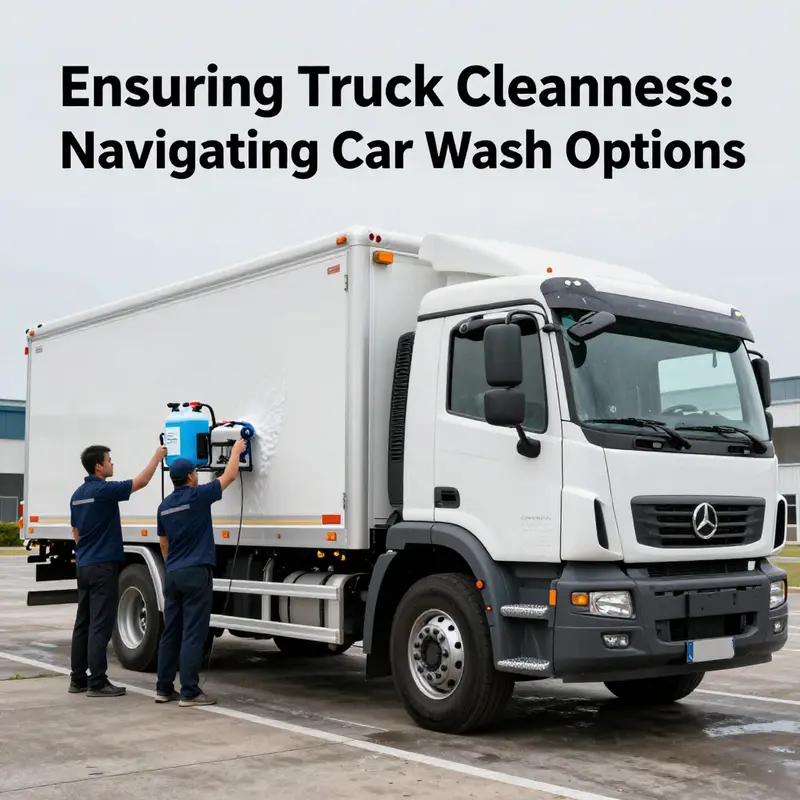
The question of whether trucks can go through a car wash has long divided operators and drivers into two camps: the traditionalists who swear by fixed facilities and the pragmatists who measure fleet uptime in minutes rather than miles. In recent years, a third path has emerged, one that aligns with the realities of modern logistics and the scale of today’s fleets: mobile truck washing. This approach reframes the problem from a simple yes-or-no about vehicle size to a broader assessment of efficiency, care, and environmental stewardship. When viewed through that lens, mobile washes become not just an option but a strategic tool for maintaining clean rigs without disrupting operations or risking road-time with unnecessary travel. They answer the central question with a practical clarity: trucks can stay clean, and they can stay productive, even in the most demanding schedules, when the wash comes to them.
Time dominates decisions in trucking. Every minute spent maneuvering into a facility, waiting in line, or navigating a wash cycle is a minute that scales into downtime, missed deliveries, or delayed maintenance. Mobile car wash services excelling in the trucking space bring the service to the truck’s ordinary habitat—home yards, job sites, loading docks, or parking lots. This eliminates the oft-overlooked cost of travel to a fixed site and the risk that a truck will sit idling while a schedule slips. In practical terms, fleets can slot washes into windows that used to be wasted moments between jobs. An owner-operator barely pausing to fuel up can have a thorough exterior and interior cleaning finished by the time the coffee goes cold in the cab. For larger fleets, the implications ripple outward: synchronized cleanings can fit into nightly stops or midday breaks across tens of units, all without pulling assets out of service for long stretches. The value is not merely convenience; it is a real reduction in the idle and demurrage costs that gnaw at margins when a vehicle sits waiting its turn.
Alongside time savings, reduced wear and tear on both vehicles and their powertrains stands out as a compelling benefit. The drive to a traditional wash facility introduces a small but measurable mechanical stress: acceleration, braking, and the occasional rough pavement encounter that accompanies trucking routes. The cumulative effect—especially for heavy-duty haulers and delivery fleets with dense schedules—adds up in maintenance costs and asset longevity. Mobile washes mitigate this stress by delivering a controlled, purpose-built cleaning visit to the truck’s doorstep. Technicians can focus on the specific needs of a heavy-traffic vehicle without the distractions that sometimes creep into high-volume fixed-site operations. Undercarriage exposure, wheel wells caked with road grime, and trapped debris in trim areas no longer accumulate during brief maintenance checks; a targeted clean keeps components from corroding or building up grime that can wear seals or degrade coatings. The outcome is a cleaner vehicle and a quieter, more economical maintenance profile over time.
A deeper benefit lies in the quality and thoroughness of the cleaning itself. In a fast-paced wash bay, even the most diligent operator can overlook stubborn spots or hard-to-reach areas in a hurry. Mobile technicians bring a different dynamic: a dedicated, controlled environment where the focus rests squarely on one vehicle at a time. This setting enhances attention to detail in places that often slip through the cracks—wheel wells crowded with brake dust, the undercarriage where salt or mud clings after long hauls, and delicate trim pieces that demand careful handling to avoid marring paint. The result is a more complete clean, not just a quick wipe-down. For fleet managers, the implications extend beyond aesthetics. A consistently thorough cleaning can reveal maintenance issues earlier, such as small rust spots, wiper wear, or subtle paint damage that might otherwise be missed during routine inspections. Early detection supports proactive upkeep, reducing the chance of costly repairs that escalate when problems are allowed to escalate between formal maintenance visits.
Flexibility is another defining strength of mobile services. A growing share of offerings embraces customizable packages that range from a brisk exterior wash to full detailing, interior care, tire dressing, and even protective waxing. That flexibility matters to fleets with diverse vehicle profiles, including tractors, delivery vans, and regional transports that demand different finishing touches. A truck in a busy yard might benefit from a quick exterior cleanse after a long road trip, while a non-driving fleet asset—such as a line-haul unit that needs interior deodorizing and a refreshed coat of sealant—might opt for a more comprehensive package. The beauty of mobile washing is that these options are not an add-on in a distant facility; they are sequenced and completed on-site, with the technician adjusting equipment, cleaners, and techniques to the vehicle’s specific characteristics. In this sense, mobile cleaning becomes a form of precision maintenance, aligning the care the truck deserves with the operational rhythm of the fleet.
Environmental considerations increasingly anchor how fleets choose between fixed-site washes and mobile services. Water conservation is a central theme in modern cleaning practices, and mobile units often employ technology designed to minimize waste. Many mobile operators use water-efficient rinsing systems, capture and reuse condensate, and leverage biodegradable, non-toxic cleaning agents that meet stringent environmental standards. For fleets conscious of sustainability goals, this combination of reduced water use and safer formulations translates into a cleaner vehicle and a lighter environmental footprint. The environmental calculus also matters for customers who value green operations as part of their brand promise. A fleet that presents spotless trucks with a minimal ecological footprint can enhance client trust and corporate responsibility narratives, reinforcing a professional image that extends from the road to the customer’s doorstep.
Beyond the individual vehicle benefits, mobile washing delivers logistical advantages that can reshape how fleets plan their maintenance calendars. When a service is scheduled in advance, mobile teams can coordinate around depot or yard routines, ensuring a predictable cadence of cleanings across dozens or hundreds of units. This scheduled approach, in turn, supports brand consistency and vehicle presentation, which can be crucial for customer-facing fleets that rely on a clean, professional look as part of their service proposition. For fleet managers, the ability to centralize and standardize wash cycles—even when the actual work happens away from the depot—offers a cohesive approach to vehicle hygiene that aligns with broader facility management strategies. It becomes possible to maintain uniform standards across scattered locations, with technicians delivering consistent results while documentation and service records stay centralized. In practice, this means fewer ad hoc wash visits and more reliable upkeep, which in turn reduces the risk of discrepancies or lapses in cleanliness that might otherwise affect compliance, insurance, or lease agreements.
Speaking of process and management, there is a practical dimension that deserves attention: the way these services integrate with existing fleet operations. For managers who are weighing options, the choice between fixed-site washing and mobile services is not a binary one but a balancing act that considers location, vehicle mix, and the realities of daily routes. The concept of facility management for truck wash businesses becomes especially relevant here. When a fleet owner understands the back-end needs of keeping a washing operation running—booking windows, standardizing service levels, managing technician routes, and ensuring proper waste handling—the decision to adopt mobile washing can be understood not as an isolated amenity but as part of a broader, more efficient facility strategy. Such an approach reduces friction for drivers, who rarely relish detours to distant washes, and increases predictability for schedulers who must juggle multiple loads and stops. In this light, mobile truck washes do not replace fixed-site facilities; they complement them, offering a scalable solution that supports both on-demand needs and routine maintenance without forcing a fleet to compromise on either.
To bring this back to the central question—can trucks go in car washes? The answer, when framed through the benefits of mobile services, is nuanced but increasingly straightforward. A growing portion of trucks do not have to rely on fixed bays designed for passenger vehicles in order to achieve a pristine finish. Instead, mobile wash providers bring the wash to the truck, preserving uptime, protecting assets, and aligning with responsible, efficient fleet management. The result is not merely convenience; it is a redefinition of how cleanliness fits into the operational life of a truck. With the right mobile partner, a large vehicle can be treated to a thorough exterior and interior cleanse, targeted attention to hard-to-reach areas, and a level of service customization that mirrors the needs of each vehicle and each route. This is the practical embodiment of the modern fleet mindset: keep the wheels turning, keep the asset clean, and keep the process simple enough that the truck’s next mile is the cleanest mile it’s driven in a long time.
As fleets test and adopt these services, the conversation shifts from a question of capability to a question of fit. The better question becomes not “Can trucks go in car washes?” but “How do mobile washes maximize uptime, extend asset life, and reinforce a fleet’s environmental and brand commitments?” In many cases, the answer is clear: when a truck can be cleaned thoroughly where it sits, with options tailored to its needs, and with a service model that respects a busy schedule, the benefits stack up quickly. The result is a cleaner truck, a more efficient day, and a fleet that can present itself at every pickup and delivery as crisply as the equipment it relies on. For operators who want to see the logic in action, the next clean day could come on wheels rather than wheels alone, with the wash traveling to the truck to deliver value where it matters most.
For readers seeking a deeper dive into the operational underpinnings of mobile washing and how it maps onto broader fleet practices, a broader resource on facility management for truck wash businesses offers useful context and practical guidance. facility management for truck wash businesses
External reference for further reading: https://www.alibaba.com/product-detail/Mobile-Car-Wash-Guide-for-Pickup-Trucks_1601372494516.html
Where Your Truck Belongs: Choosing the Right Wash for Size, Duty, and Schedule
Deciding Factors and Practical Steps
Choosing the right car wash for a truck hinges on a handful of practical realities: the truck’s dimensions, how the truck is used, the level of soil it carries, and the downtime you can afford. Start by treating the wash choice as part of vehicle care, not just a cosmetic task. That mindset shifts the decision from “where is the closest wash?” to “which facility or service matches my truck’s needs?” and helps avoid damage, unexpected refusals, or wasted trips.
Measure your truck carefully. Height and width are the two immediate deal-breakers. Measure from the ground to the highest point, including antennas, lights, and load racks. Measure the widest point, including mirrors and any aftermarket tires or fenders. Many automatic washes set limits around seven to eight feet in height and similar widths. Anything taller or wider pushes you into specialized lanes or mobile services. Keep a written record of these dimensions in the vehicle file and on the driver’s clipboard so the right choices are made every time.
Next, match the dirt profile to the wash type. Light dust, bug splatter, and road film respond well to conveyor or touchless automatic washes. Heavy road grime, oil, grease, tar, or salt buildup often need heavy-duty pressure washing, manual brushes, or industrial wash systems designed for trucks and trailers. Food-grade tankers and vehicles that carry regulated loads require washes that meet specific sanitation standards and use approved detergents. When fleets have recurring, specialized cleaning needs, investing in a dedicated schedule with a truck-focused facility pays off in fewer re-washes and less downtime.
Consider access and lane design. Many fixed-site truck washes have higher clearances and wider lanes with reinforced pavement. These facilities are built to handle heavier loads and larger turning radii. They may offer adjustable arches, high-pressure booms, and space for rinsing trailers. Self-serve bays are sometimes an option; they force drivers to do the work but can be ideal for spot cleaning or for trucks that exceed automatic-wash parameters. Mobile wash services are the practical alternative when access, load containment, or scheduling makes visiting a fixed site impractical. Mobile units bring commercial-grade pressure washers, reclamation systems, and trained technicians right to the truck’s parking spot.
Think about equipment compatibility and vehicle finish. Hard-bristled brushes and some automated systems can mar painted surfaces, ladders, and decals. For trucks with special coatings, exposed electronics, or sensitive signage, prefer touchless systems or hand washing by trained technicians. Conversely, heavy brushes often remove stubborn grime and road salt more efficiently. Ask facilities about the types of brushes, pressure settings, and whether they can adjust systems to protect delicate parts. If a facility can’t answer confidently, find one that can.
Check environmental controls and compliance. Water reclamation, proper waste disposal, and permitted discharge are important for both legal compliance and responsible fleet operations. Commercial truck washes often have filtration and oil-water separation systems that capture contaminants. This is especially important for vehicles that transport hazardous materials, food, or chemicals. Choosing a facility with documented compliance and clear protocols reduces regulatory risk. For fleet managers, aligning with compliant facilities supports corporate sustainability goals and may prevent fines in jurisdictions with strict stormwater rules.
Factor in frequency and scheduling. High-mileage trucks need more frequent washes. Daily or multi-week schedules can be arranged with many truck-specific washes or via mobile service contracts. Regularly scheduled washes prevent accelerated corrosion, maintain brand presentation, and reduce the time needed for deep-clean cycles. For owner-operators who can’t afford long downtimes, on-site mobile service that comes during loading or layovers is often the best choice.
Cost must be balanced with the value of proper cleaning. Cheapest isn’t always the best when cleaning trucks. A low-cost wash that damages trim, misses salt, or fails to dispose of wastewater correctly will cost more over time. When comparing prices, include factors such as the need for manual touch-ups, the frequency of washes, and the potential for compliance fees. For fleets, negotiated contracts or volume discounts with a dedicated truck wash can lower per-truck cost and simplify scheduling.
Inspect staff expertise and service scope. Truck washes that handle commercial clients usually train staff on handling larger vehicles, working around safety equipment, and avoiding damage to accessories. Ask about experience with your vehicle type. If your truck carries food or sensitive cargo, confirm that the wash uses appropriate cleaning agents and follows sanitation protocols. Facilities that offer on-site inspection or pre-wash assessments save time and reduce unexpected issues.
Prepare your truck before arrival. Secure loose items, retract or remove antennas when possible, and fasten trailer doors. Point out any fragile equipment like sensors, cameras, or aftermarket add-ons. A brief pre-wash inspection by you or the operator can prevent accidental damage and ensure those areas receive proper attention. If you need special treatment for tar, grease, or heavy deposits, let the wash know in advance so they can allocate the correct equipment or chemical treatment.
For fleet managers thinking bigger, consider building relationships with truck-wash operators or investing in on-site wash systems. Strategic partnerships yield better rates, priority scheduling, and tailored services. In some cases, installing dedicated truck wash infrastructure at a yard or depot is cost-effective. If that’s an option, review site layout for drainage, containment, and worker safety. Educational resources on facility setup and wash-operator training are helpful when moving toward an in-house solution. For guidance on operational and facility considerations, consult resources on facility management for truck wash businesses to learn more about best practices and compliance.
Finally, confirm booking and communication protocols. Ask how the facility handles late arrivals, oversized trucks, and special requests. Good operators provide clear guidance on when to arrive, how to queue, and what to expect during the wash. For mobile services, verify their on-site setup requirements and the expected service window. Clear expectations reduce wasted trips and ensure your truck gets the appropriate level of care.
Industrial and bus-specific wash systems exist for trucks that won’t fit standard options. These systems offer higher clearances, adjustable equipment, and greater pressure, built to manage large surfaces safely. If you’re sourcing equipment or evaluating vendors for large-scale or permanent installations, review manufacturer and supplier information to assess durability and customization options. One helpful resource details truck and bus wash equipment suppliers and specifications.
Choosing the right car wash is therefore a process of matching your truck’s dimensions and duty cycle to the wash’s equipment, expertise, and environmental controls. Measure first, describe the soil profile, confirm compliance and equipment, and then lock in the service that balances cost with protection and convenience. With that approach, you keep vehicles clean, compliant, and ready for the road.
https://www.made-in-china.com/products-search/hot-products/BusWashMachineTruckWasher_CB-730.html
Facility management for truck wash businesses
Final thoughts
In conclusion, the compatibility of trucks with car wash systems is an essential consideration for fleet managers in maintaining their vehicles’ appearance and functionality. By understanding the specific height and width limitations, recognizing the differences between automatic and manual washing methods, and considering the advantages of mobile car wash services, decision-makers can make informed choices. Selecting the right car wash not only streamlines the washing process but also significantly contributes to the overall efficiency and presentation of their fleet.