
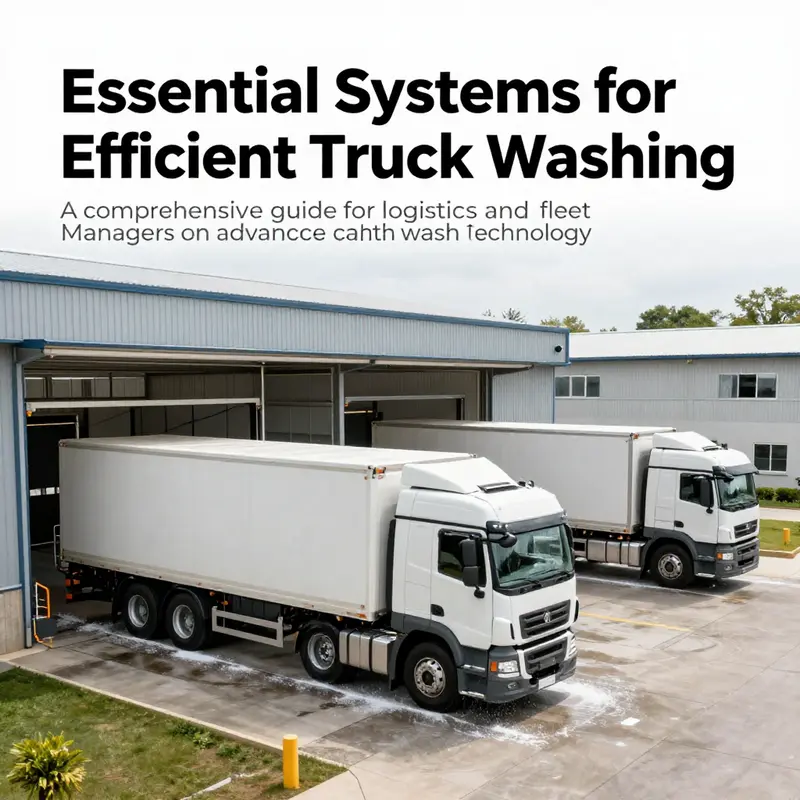
In the logistics and freight industry, maintaining a clean fleet of trucks is paramount for operational efficiency and environmental compliance. Truck wash systems must cater to heavy-duty vehicles, effectively handling significant dirt and grime while being eco-friendly. This article will outline the key components necessary for a robust truck wash system tailored for large commercial fleets, including the automated washing platform, advanced water recycling and filtration systems, intelligent control systems, and optional drying mechanisms. Understanding these components enables fleet managers and operations supervisors to ensure thorough cleaning, reduced water waste, and optimized fleet appearance.
Washing at Scale: The Automated Platform That Drives Modern Truck Cleaning Systems
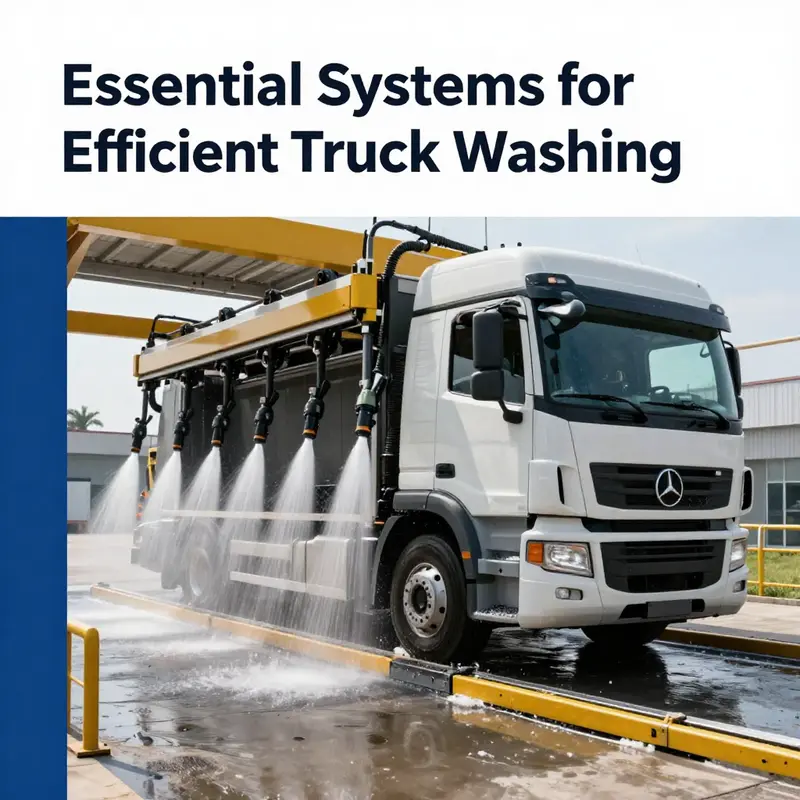
A modern truck wash begins with one core idea: scale. The sheer size, weight, and persistence of dirt on construction and freight vehicles demand more than a hand wash or a makeshift setup. It requires an integrated automated washing platform that acts as the central nerve system of an entire cleaning process. In practice, this platform is a robust, engineered surface—often a pit or raised deck—equipped with multiple high-pressure nozzles, meticulously arranged to deliver 360-degree coverage. The aim is not merely to spray dirt off a surface but to interrogate every angle of the chassis, every wheel well, and every crease in the undercarriage with a coordinated, repeatable sequence. When the truck enters the bay, the platform, guided by sensors and controlled by a smart automator, awakens into a disciplined choreography: pre-soak, aggressive wash, targeted undercarriage cleaning, a rinse, and, if the installation calls for it, a drying phase that trims the total turnaround time without compromising cleanliness or safety.
The mechanical heart of this system is the wash platform itself. Its design must accommodate a fleet that ranges from light-duty service trucks to heavy-duty haulers that routinely carry mud, clay, road salt, and industrial residues. The platform’s height and surface texture are deliberate choices that enable maintenance access while ensuring that tires, exhausts, and suspension components are not compromised during operation. High-pressure nozzles are positioned at multiple angles around the vehicle, and their arrangement is the product of careful engineering: some jets focus on the wheel arches and tires where caked debris clings with stubborn tenacity; others sweep the undercarriage and frame, where grime accumulates and recirculated water might otherwise become a problem if not handled properly. The result is not a spray job but a comprehensive cleansing event that respects the geometry of large vehicles and the realities of on-site dirt loads.
A critical iteration of the platform is its integration with water management. Environmental stewardship and cost-efficiency increasingly dictate the feasibility of automated trucks washing. Contemporary systems rely on closed-loop water recycling and filtration to minimize fresh-water demand and to minimize wastewater dependence on external facilities. Dirty wash water flows into a sump, where solids begin to settle out before moving to filtration stages. Sand filters or hydrocyclones remove finer sediment, while oil and grease separators isolate hydrocarbons that could complicate downstream treatment or reuse. The cleaned water is returned to the wash cycle, sometimes after a gentle polishing step to maintain optimal chemical balance and pressure consistency. This recycling loop is not merely a green footprint feature but a practical economic choice, reducing water costs and the environmental footprint of fleet maintenance programs. In many deployments, the recycling system also includes chemical dosing and monitoring so that detergents and additives are used efficiently, with concentrations calibrated to vehicle type and soil load. The net effect is a closed, disciplined system where water becomes a repeatable resource rather than a dwindling commodity.
Linked to water management is the intelligent control system that orchestrates the entire sequence. Vehicle sensors trigger the start of a wash cycle automatically, enabling what operators often call unmanned or unattended washing. Infrared beams, photoelectric sensors, or laser-based range finders detect the vehicle’s presence, determine its approximate dimensions, and align the wash program accordingly. The control software sequences pumps, valves, and nozzle banks with clockwork precision, ensuring that every phase of the process is delivered at the right time and pressure. For fleets operating on tight schedules or at high throughput facilities, this automatic coordination can be the difference between a ramped-up capability and a bottleneck. Operators can program wash profiles tailored to different vehicle types and soil conditions, and the system can switch to deeper rounds for particularly dirty rigs, or to gentler routines for delicate paintwork in the case of higher-value fleets. The control layer also manages safety interlocks, fault diagnostics, and maintenance prompts, so technicians can intervene only when necessary and with full awareness of the system’s current state.
Optional, but increasingly common, is a drying mechanism that completes the cleaning cycle. High-velocity air blowers or drying fans accelerate the removal of moisture from the vehicle’s surfaces and crevices. In outdoor installations or in cooler climates, a dry pass reduces the likelihood of residual moisture leading to corrosion or streaking. In indoor facilities, the drying step often doubles as a time-saver that helps keep throughput steady and minimizes the need for manual drying. The presence or absence of a dedicated drying stage is a design choice rooted in the facility’s climate, footprint, and desired cycle time. Even when a drying phase is not included, the platform often coordinates with flow-through air or ambient wind to achieve a practical level of surface dryness while avoiding ice formation in winter months.
Durability and portability are not afterthoughts in an automated truck wash platform. For job sites that relocate—such as mining camps, construction yards, or temporary depots—the system must be rugged enough to withstand harsh conditions, yet modular enough to be assembled, relocated, or expanded with relative ease. Structural steel frames, corrosion-resistant coatings, and sealed drive components are standard features that ensure longevity. The platform’s footprint is designed to maximize vehicle maneuverability and minimize layout conflicts with other operational areas such as fueling, loading, or unloading zones. In some implementations, lightweight but sturdy portable versions exist that can be mounted on trailers or integrated into containerized units, enabling rapid deployment and seasonal use without sacrificing reliability.
If one were to map the varieties of automated truck wash platforms in the field, three archetypes stand out, each with its own footprint on throughput, capital cost, and use case. The first is the automatic tunnel drive-through system, where vehicles are guided along a fixed path by conveyors or rails through successive stages. Pre-soak softens the dirt, high-pressure stages remove caked residue, foam or chemical treatment aids in loosening stubborn grime, and a final rinse delivers a surface ready for drying. This configuration excels in high-volume settings—logistics hubs, fleet depots, and central maintenance yards—where dozens of vehicles move through per hour and consistency in cleaning across large fleets is paramount. The second archetype is the touchless truck wash system. Rather than brushes or rollers, it relies on high-pressure jets and detergents to lift soil while keeping the vehicle’s surface pristine. The primary advantage here is reduced risk of abrasion or paint damage, an important consideration for high-value or specialty fleets where preservation of the surface is critical. The third archetype is the mobile truck wash platform. Mounted on wheels or housed in a trailer, these units bring the wash to the location rather than requiring the fleet to bring vehicles to a fixed facility. They offer flexibility for remote sites, seasonal operations, or temporary cleanups after large outdoor activities, though they typically deliver lower throughput than fixed installations.
All three paths converge on a common set of considerations that guide investment and operation. The initial cost reflects not just the equipment price but the integration with site infrastructure, electrical supply, water lines, drainage, and the control software. Ongoing maintenance costs include pump longevity, nozzle wear, filter replacement, and the periodic testing of sensors and safety interlocks. Water management remains a dominant ongoing expense, given the need to balance supply, recycling efficiency, and regulatory requirements for wastewater handling. The physical space—the footprint required for the wash, the staging area for treated water, and the flow of inbound and outbound vehicles—drives site layout and capital planning. Finally, operational complexity must be weighed against staff training, scheduling, and the expected return on investment in terms of labor savings, throughput gains, and the ability to meet environmental targets.
In this design-centered approach, the human element is not erased but remapped. Operators shift from manual labor to process supervision, software tuning, and preventive maintenance. The automation never wholly replaces human oversight; instead, it redefines what it means to supervise a cleaning operation. A well-tuned automated platform can deliver consistent results across a diversified fleet, enabling maintenance staff to focus on preventive care, inventory management for detergents and filtration media, and continuous improvement in cleaning protocols. And because the platform is built to accommodate a wide range of vehicle profiles and soil conditions, fleets can standardize their wash programs, reduce variability, and improve overall cleanliness across hundreds or thousands of vehicles. That consistency has downstream benefits: better fleet appearance, lower corrosion risk on critical components, and more reliable data about wash cycles, chemical usage, and maintenance events.
The broader significance of automated washing platforms extends beyond the gate. They are a response to growing expectations around environmental stewardship, worker safety, and regulatory compliance. Closed-loop water systems minimize fresh water consumption and minimize the generation of wastewater that requires external treatment. Sedimentation tanks, filtration stages, and oil separators ensure that recycled water remains within acceptable quality ranges for the wash process, while permitting safe disposal or reuse of treated effluent where permitted. The automation layer adds another layer of accountability. It records wash durations, nozzle pressures, chemical dosages, and cycle counts, creating an auditable history you can reference for regulatory reporting or internal quality assurance. For fleets facing stricter emissions and water-use regulations, these digital traces become valuable evidence of responsible operation.
Beyond the mechanical and environmental advantages, the automated platform also supports hygienic and safety objectives in sensitive industries. In contexts such as livestock transport or refrigerated freight where sanitation is critical, the ability to deliver repeatable, thorough cleaning cycles without manual intervention can reduce cross-contamination risks and standardize hygiene outcomes. The same systems can be tuned to meet disinfection protocols within allowed chemical regimes, reinforcing a broader approach to fleet maintenance that centers on reliability, safety, and compliance. In sum, the platform is not merely a cleaner but a steward of asset integrity and environmental responsibility, aligning operational performance with the expectations of regulators, customers, and workers alike. The integration of robust platform design, water recycling, intelligent controls, and strategic drying options forms a cohesive core that supports the entire lifecycle of a modern truck fleet.
As with any advanced technical solution, the choice of system must be guided by both practical and strategic considerations. An emphasis on the platform’s durability and modularity yields a future-proof configuration that can adapt as needs evolve—whether a fleet expands, a site shifts location, or new environmental standards come into effect. The goal is a seamless blend of mechanical robustness, water efficiency, and automated precision that reduces not just dirt on a truck, but waste, risk, and cost across the entire operation. In this light, the automated washing platform becomes more than a machine; it is a core capability that unlocks consistent fleet hygiene, supports sustainable practices, and sustains the pace of modern logistics and industrial work.
For readers seeking a broader perspective on how these platforms fit into the regulatory and industry landscape, some resources discuss the compliance and emissions considerations that shape truck wash operations. See truck wash industry compliance and emissions regulations for a concise look at the regulatory context shaping modern installations. This chapter has aimed to connect those regulatory concerns with the tangible engineering choices that define a successful automated washing platform: its geometry, its water loop, its control logic, and its integration with site operations. The story of a truck wash platform, after all, is the story of aligning cleaning science with the realities of job sites, fleet needs, and environmental stewardship, all within a continuously improving loop of performance data and practical experience.
For readers who want to dive deeper into the technology and the practical deployments, further resources discuss the kinds of solutions that drive these capabilities and how they are implemented in real-world settings. External readings on this topic emphasize the blend of proven tunnel concepts and modern European and American innovations that propel the field forward. These perspectives complement the detailed considerations outlined above and offer a broader view of how automated washing platforms are evolving to meet the demands of large-scale truck cleaning in diverse environments. External resource: https://www.risense.com/
Cycles of Clean: The Science and Strategy of Water Recycling and Filtration in Truck Washes
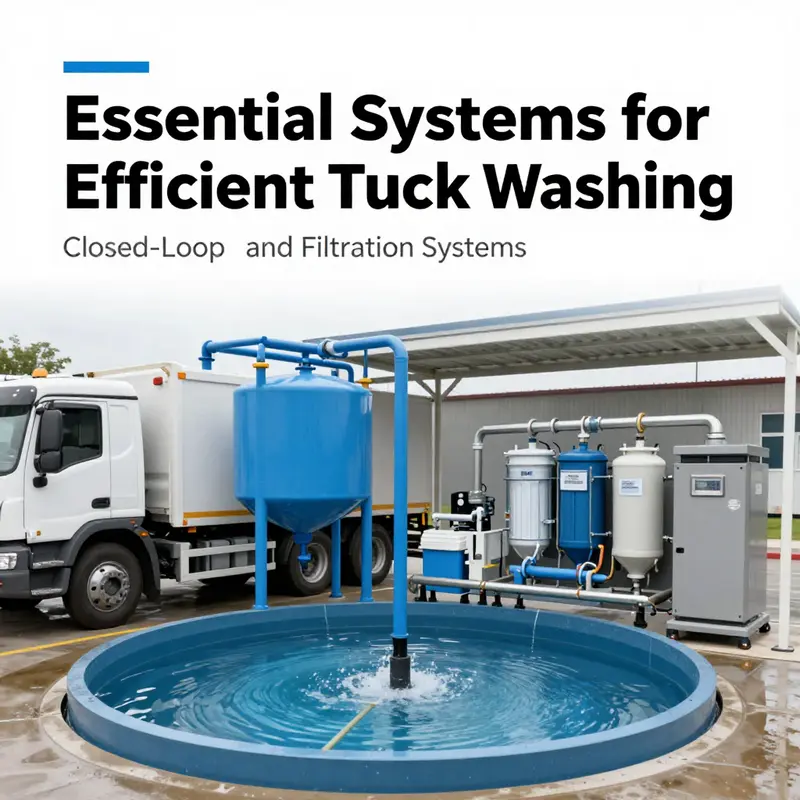
The operation of a truck wash sits at a quiet intersection of cleanliness, efficiency, and environmental stewardship. Large vehicles—whether construction rigs that plow through mud and dust, or freight tractors that accumulate road grime—demand more than high-pressure spray and quick squeegees. They require a disciplined system that treats water as a valuable resource rather than a disposable commodity. The heart of that discipline is a well-designed water recycling and filtration system. It is not merely a cost cutter; it is a core component of regulatory compliance, operational continuity, and public accountability for industries that move vast fleets through daily cycles of washing and reuse. This chapter examines the essential architecture of that system, its functional stages, and the way modern design transforms wastewater from a waste product into a controllable, reusable asset.
At the most fundamental level, water recycling in truck washes rests on a straightforward premise: capture used wash water, remove solids and contaminants, restore the water to a usable state, and reuse it. Yet the execution is anything but simple. Truck wash wastewater arrives with a complex cocktail of mud, clay, dust, hydrocarbons from lubricants and fuels, oils, detergents, and organic matter. The challenge is to separate these components efficiently while maintaining enough quality to support repeated cycles of cleaning without fouling equipment or harming the surrounding environment. The industry therefore leans on a multi-stage process that blends physics, chemistry, and automatic control into a seamless flow.
The journey begins with settling, or sedimentation, an operation that leverages gravity to separate the heavier solids from the clearer liquid. In a typical sedimentation tank, heavier particles like sand and silt sink to the bottom, forming a sludge layer that is periodically removed. This phase is crucial because it reduces the load that later filtration units must handle. Without effective sedimentation, filters would clog more rapidly, backwash cycles would consume more water and energy, and the reclaimed water would remain turbid, unstable, and prone to microbial growth. The goal is not perfect clarity at this stage but a meaningful reduction in solids that makes subsequent steps both faster and more reliable.
Following sedimentation, the water enters a filtration stage designed to capture finer particulates and emulsified contaminants. Multi-media filtration systems commonly use a layered arrangement of sand, gravel, and activated carbon. Each layer performs a distinct task: sand and gravel trap finer suspended solids; activated carbon adsorbs dissolved organics and some hydrocarbons, and helps with odor and color issues. This combination dramatically lowers turbidity and reduces the chemical load in the water. The result is water that is visibly cleaner and chemically more stable, ready for a further round of treatment before it returns to service. Importantly, filtration does more than polish the water for reuse; it also protects downstream equipment from abrasion and damage caused by residual solids, oils, and suspended matter that can degrade spray patterns and nozzle performance.
Disinfection and advanced oxidation follow filtration, ensuring that reclaimed water does not become a reservoir for microbes or residual pollutants. Ultraviolet (UV) disinfection is a common approach, using UV light to inactivate bacteria, viruses, and other microorganisms. In some systems, additional enhancement is achieved through nanophotocatalytic oxidation or similar technologies, which use light-activated catalysts to break down trace organic contaminants into harmless compounds. The combination of UV and advanced oxidation provides a robust barrier against regrowth and contamination, supporting safe reuse across multiple wash cycles. Importantly, these steps are designed to minimize chemical dosing while maximizing biological safety, aligning with environmental and health standards that govern industrial wash operations.
The century-long goal of the recycling chain is to deliver water of a quality that can be trusted for continuous use while minimizing fresh-water intake. In practice, the results can be striking. A notable configuration reported in highway service contexts combines a sequence of sedimentation, precision filtration, and UV disinfection into what some operators call a three-stage treatment loop. In those examples, the reclaimed water supports a daily capacity that can reach into the hundreds of cubic meters, used for vehicle washing, landscape irrigation, and toilet flushing. The impact is not just water savings; it is a reduction in the facility’s overall environmental footprint and a meaningful shift in operating costs away from freshwater purchases. The numbers emerging from these integrated loops are instructive. Water quality improvements are substantial, and the operational model demonstrates how recycled water can reliably substitute for potable sources in many wash scenarios.
Beyond the common three-stage approach, more advanced configurations deploy additional purification steps to push water quality even further. In some industrial contexts, a sequence that begins with sedimentation and progresses through layered filtration and UV or photocatalytic processes can achieve remarkably low levels of chemical oxygen demand (COD) and biological oxygen demand (BOD). These metrics reflect how effectively organic contaminants have been removed. In highway service environments that operate at scale, engineers describe achieving COD reductions from high starting points down to modest residuals, and BOD reductions that can approach near-complete removal. They also report reductions in ammonia and other nitrogen species, which is important for protecting local waterways when effluent is disposed of or when the system finally discharges to a treatment facility. The practical upshot is clear: well-designed recycling systems allow operators to reclaim significant volumes of water while meeting stringent discharge and reuse requirements.
An additional consideration is the integration of sludge handling into the overall cycle. The sedimentation stage concentrates solid waste into a sludge stream that often undergoes dewatering and pressing. The resulting dry or semi-dry solids can be managed as a recyclable or recoverable material, reducing the burden on waste streams and enhancing the circular economy aspects of the operation. This approach aligns with broader sustainability objectives and helps truck wash facilities position themselves as stewards of their landscapes and communities. While the specific hardware varies, the principle remains the same: capture, separate, purify, disinfect, reuse, and reintegrate waste streams into productive use where possible.
The value of these systems becomes more evident when they operate within a broader smart-control framework. Modern wash facilities frequently depend on automated monitoring and control panels to regulate water flow, backwashing cycles, and regeneration of filter media. Vehicle sensors—such as infrared beams or other detector technologies—kick off the cleaning cycle automatically as a truck enters the wash zone. This hands-free operation contributes to safety and throughput, a critical factor when fleets expect quick turnarounds. In some designs, wash cycles can be executed in astonishingly short times, with full sequences completed in tens of seconds. The speed gains are not merely about convenience; they translate into higher daily throughput, reduced queue times, and lower labor costs per vehicle washed.
The environmental payoff of combining filtration with recycling extends beyond the immediate facility. Reused water reduces demand on municipal supplies, lowers stormwater runoff, and minimizes the energy and chemical inputs needed to produce clean water for every wash. In practice, reclaimed water is not a wholesale substitute for every use; it is often allocated to non-potable applications where feasible, such as vehicle washing itself, irrigation for site landscaping, and toilet flushing. The precise allocation depends on local regulations, water quality, and the capacity of the treatment train, but the underlying principle holds: reuse is a strategic lever for sustainability that yields tangible economic benefits through lower freshwater use and lower discharge volumes.
Because these systems operate in a regulatory landscape that varies by jurisdiction, the role of guidelines and best practices cannot be overstated. Responsible operators actively monitor water quality metrics and align practices with public guidelines about effluent quality, disinfection performance, and environmental protection. For professionals seeking a detailed, government-backed reference on water reuse and treatment in commercial and industrial car wash settings, the Environmental Protection Agency’s resources offer comprehensive guidelines, case studies, and best practices that illuminate how to design, operate, and optimize these systems while staying within regulatory boundaries. The EPA materials provide a practical bridge between theory and field deployment, helping operators translate laboratory concepts into reliable, on-site performance.
To connect theory with practice, consider the way a facility might integrate the recycling loop with on-site operations. The recovered water, once treated to meet the facility’s targeted quality, can feed the wash bays across multiple cycles, reducing the need for fresh water during peak demand. A third-party or in-house control system can schedule backwash cycles during off-peak periods to maximize efficiency, while sensors ensure that water quality remains within acceptable thresholds. The end result is a resilient system that supports consistent wash quality, minimizes water and energy use, and reduces waste generation. For the facility manager, this integrated approach translates into predictable operating costs, better environmental performance, and the capacity to meet evolving regulatory expectations.
Within the broader ecosystem of truck-wash operations, facilities that prioritize robust water recycling and filtration tend to attract sustainable- minded customers and partners who value responsible stewardship. The return on investment emerges not only from lower water bills but also from reduced downtime, fewer maintenance incidents linked to poor water quality, and the ability to demonstrate compliance with environmental standards. In practice, a well-executed water recycling system becomes a strategic asset—one that supports high throughput while safeguarding the watersheds and landscapes that communities depend on. The combination of sedimentation, filtration, disinfection, and intelligent control forms a coherent narrative about how modern truck washes can be both highly productive and environmentally respectful.
For operators seeking practical guidance on managing these systems, documented best practices emphasize not only the technical steps but also the operational routines that sustain long-term performance. Regular monitoring, timely backwashing, filter media replacement, and calibration of disinfection performance are essential to keeping reclaim water within usable specifications. The continuous improvement mindset—tied to data collection, performance benchmarks, and proactive maintenance—helps facilities avoid regressions and extend the life of the treatment train. When coupled with site-specific design choices, these practices enable every wash cycle to contribute to a cycle of cleaner water, reduced resource consumption, and a safer environment for workers and nearby communities.
From a planning perspective, the challenges of retrofitting an existing wash facility with a recycling loop can be substantial but not insurmountable. It often begins with a water balance assessment that identifies current freshwater usage, average wash cycle volumes, and typical contaminant loads. This assessment informs the scale and sequencing of sedimentation tanks, filtration beds, and disinfection units, as well as the control strategy that orchestrates their operation. The aim is to deliver a robust treatment chain that can handle peak loads, tolerate fluctuations in incoming water quality, and recover enough water to meet a sizable portion of the daily washing demand. This is not simply a technical upgrade; it is a strategic shift that reframes water as a controllable resource and positions the facility to meet stricter environmental expectations while sustaining high levels of service.
In closing, water recycling and filtration systems in truck washes are neither sporadic technologies nor decorative add-ons. They are foundational components of a modern, responsible wash operation. The layered approach—sedimentation to remove solids, multi-media filtration to capture finer contaminants, and disinfection to ensure microbial safety—creates a reliable platform for water reuse. When paired with intelligent controls that enable unmanned operation and when designed with sludge management and energy efficiency in mind, these systems deliver clean trucks, lower operating costs, and a smaller environmental footprint. Across industries and geographies, the move toward reclaimed water in high-volume wash settings reflects a broader shift in how we think about resource stewardship: one where every droplet is accounted for, cleaned, reused, and reinvested back into the cycle of industry and community.
For more practical guidance on facility operations and management related to truck-wash environments, see the resource on facility management for truck wash businesses. Facility management for truck wash businesses.
External resource: EPA – Water Recycling in Commercial Car Washes, which provides guidelines, case studies, and best practices for implementing water recycling in high-volume wash operations: https://www.epa.gov/water-reuse/industrial-and-commercial-car-wash-water-recycling
Smart Control, Clean Fleet: Mastering Intelligent Systems for Efficient Truck Washing
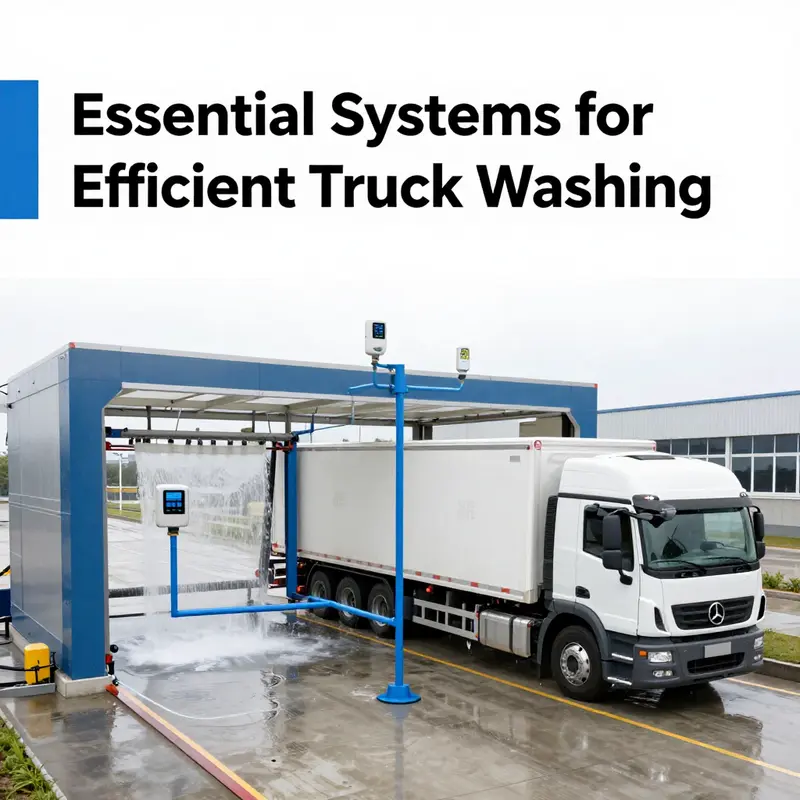
A truck wash that truly serves a modern fleet is not just a bank of nozzles and a water spray. It is an integrated ecosystem where automated motion, high-pressure dynamics, filtration chemistry, and intelligent data processing operate in concert. When a system is designed around smart control, every spray angle, every rinse cycle, and every moment of drying is guided by real-time information, not by a clock or a feeble timer. In practice, this means a washing platform that can adapt to different vehicle geometries, loads, and soil types while conserving water and reducing chemical use. It also means safety and throughput are built into the software that coordinates hardware, sensors, and flow. The result is a clean, fast, and predictable process that scales with a fleet’s needs without sacrificing the integrity of the vehicles or the environment they travel through. At the heart of this approach is the intelligent control system, a conductor that synchronizes the distinct, physically demanding parts of a truck wash into a smooth, reliable operation.
The core of the system remains the automated washing platform. It is typically a pit or raised deck fitted with high-pressure nozzles positioned at multiple angles to achieve near 360-degree coverage. The most effective platforms deliver jets that reach the wheel wells, the undercarriage, and the chassis in a single wash sequence, a feat that would demand several manual passes if attempted by hand. The design must account for the vehicle’s mass and size, which offer different angles of attack: long wheelbases, tall cabs, and bulky trailers all require careful nozzle placement and motion control. An intelligent control approach manages this geometry by mapping the vehicle’s presence, pace, and position as it enters the wash zone, then orchestrating nozzle trajectories and water pressure in real time. The payoff is a thorough cleaning with fewer secondary passes and less metal-to-jet contact, which mitigates wear on sensitive exterior finishes while simplifying maintenance.
A closed-loop water system is the environmental anchor of a modern truck wash. After the rinse, the dirty water is collected, and the system pushes it through sedimentation tanks and filtration units that remove solids and oils before returning clean water to the process. This cycle reduces overall water consumption dramatically and minimizes runoff contamination. The filtration line is a critical control point that benefits from intelligent feedback: sensors monitor turbidity, particulate load, and flow rates, allowing the system to adjust filtration stages, backwashing intervals, and chemical dosing on the fly. By coupling filtration with precise dosing through smart control logic, operators can achieve consistent cleaning performance even as soil loads vary from site to site or season to season. The environmental payoff is not merely compliance; it is measurable value, with water costs and chemical consumption trending downward while the fleet returns to service more quickly.
The intelligent control system is more than a single device or a software shell. It is a network of sensors, actuators, and processors that create a responsive, reliable washing cycle. Vehicle sensors detect entry into the wash zone, often via infrared or photoelectric beams, and trigger the cleaning sequence automatically. This unmanned or unattended operation is central to high-throughput facilities that must service dozens or even hundreds of vehicles in a single shift. The system can adjust to the type of vehicle detected, whether a heavy-duty freight tractor, a construction dump trailer, or a municipal bus, tuning nozzle angles, spray times, and water pressure accordingly. In practice, this means a truck wash can maintain uniform performance across a heterogeneous fleet without requiring constant human supervision, which translates into lower labor costs and safer, more predictable workflows.
Beyond the entry trigger, a suite of sensors provides data that refines the process moment by moment. Temperature and humidity sensors help gauge environmental conditions around the wash bay and within the vehicle’s load area in contexts where this matters, such as preventing damage from chemical exposure or excessive drying times in cool, damp air. Pressure and flow sensors guard against nozzle clogging or pump strain, enabling proactive adjustments to maintain cleaning efficacy while guarding equipment longevity. The control software also tracks cycle times, rinse temperatures, drying durations if present, and even the time a vehicle remains in the wash zone to prevent bottlenecks. This data-rich approach supports continuous improvement. Operators can review throughput performance, identify peak load times, and calibrate schedules to minimize congestion, all while preserving the cleanliness standard across the fleet.
The performance benefits of intelligent control extend to safety and durability as well. Integrating high-visibility components such as LED lighting within the wash area improves operator and bystander awareness during maintenance or in cases where manual intervention is necessary. Smart interlocks can halt the process if doors or gates are opened mid-cycle, and automated fault detection can alert technicians before minor issues escalate into costly downtime. The result is not merely a faster wash but a safer one, where soft-gear operations like latching, loading, or unloading around a live wash zone are less prone to human error. In addition, the control logic emphasizes wear minimization by prioritizing touchless or near-contactless washing approaches whenever feasible. Advances in nozzle control and flow modulation make it possible to remove stubborn grime through strategic, sequential passes without aggressive contact that could mar sensitive finishes or cause surface micro-scratches.
In practice, the combination of smart automation, environmental stewardship, and rapid throughput makes the system compelling for large-scale operations. A modern intelligent wash can achieve throughputs approaching sixty vehicles per hour, a throughput that supports city bus networks, sizeable freight fleets, and tour operator services where downtime translates into lost revenue. The implications of this capability extend beyond speed. When a fleet can be serviced quickly and reliably, maintenance schedules become more predictable, and downtime can be scheduled to align with low-traffic windows or depot planning. This reduces idle time for vehicles and helps operators meet tight service windows while maintaining a consistent standard of cleanliness. The ability to process many different vehicle configurations within the same plant also reduces the need for multiple specialized wash lines, enabling a leaner footprint and simpler maintenance planning, which is especially attractive for facilities operating in urban or space-constrained environments.
The design implications of intelligent control are equally practical for the challenging environments where truck washes are often deployed. In construction sites or mining operations, where locations shift and terrain changes, modular and portable configurations are essential. The control system must accommodate modular power supplies and flexible piping layouts, while still delivering the same level of performance and safety. Here, the intelligence behind the system is not merely about optimizing a single wash cycle; it is about ensuring the system remains reliable and predictable regardless of the site, weather, or soil load. The software can adapt to these external conditions by adjusting sensor calibrations, reservoir water quality, and cycle timing to preserve wash quality. In turn, operators realize a gentler learning curve, since the same control logic applies across installations, reducing the need for bespoke programming for each site and accelerating the deployment of new facilities.
From a customization standpoint, the market has increasingly embraced smart, tailored washing solutions. OEM services now offer modular control packages that can be configured for different fleet profiles, whether a municipal transit system requiring rapid, high-volume washes or a freight company needing deeper cleans for heavily soiled trailers. The customization extends to data interfaces as well: the control system can export cycle data into a fleet maintenance platform, enabling predictive maintenance, trend analysis, and performance benchmarking. In this way, the intelligent wash becomes part of a broader maintenance ecosystem, not an isolated machine. It is this ecosystem integration that allows fleets to capture value beyond clean vehicles; it supports informed decision-making about asset utilization, spare parts planning, and workforce deployment.
Operationally, facilities that adopt these intelligent control systems often pair the wash with practical facility management considerations. A well-designed control platform is most effective when it is integrated with the broader site workflow, including power management, water handling, drainage, and safety compliance. For practitioners seeking practical guidance on implementation, see the resource on facility management for truck wash businesses. This reference helps align the wash system with site-level processes, from scheduling and queuing to maintenance planning and environmental controls. A synchronized approach ensures that the intelligent wash enhances the entire operation rather than functioning as a standalone machine.
The broader narrative around intelligent control in truck washing also emphasizes sustainability as a core objective. Water recovery and filtration are not merely environmental add-ons but integral to the system’s operational economics. By reusing water, the plant reduces demand on local water supplies and lowers utility costs. By tuning chemical dosing through feedback from sensors and cycle outcomes, operators minimize chemical waste and ensure safer handling of detergents and wash additives. The result is a cleaner vehicle, a cleaner site, and a cleaner balance sheet—the trifecta of sustainability, efficiency, and safety that defines modern fleet maintenance culture. As technology evolves, further enhancements such as smarter drying strategies, adaptive energy management, and more refined sensor networks will only deepen the value proposition of intelligent control systems. The aim remains constant: deliver thorough cleaning with minimal resource use, in the safest, fastest, and most scalable way possible.
For readers seeking a practical pathway to implement or upgrade these capabilities, the core takeaway is straightforward: begin with a robust automated wash platform, couple it with a reliable closed-loop water system, and layer in an intelligent control layer that can sense, adapt, and report. The combination creates a system that not only cleans efficiently but also learns from every cycle, guiding future operations toward even greater throughput and lower environmental impact. As the fleet landscape grows more diverse and expectations for uptime increase, the smart control approach provides a sustainable, scalable foundation for truck washing that aligns with contemporary fleet management goals and regulatory expectations. The next steps for any operator involve aligning system capabilities with fleet needs, site constraints, and regulatory requirements, then translating those insights into a practical installation plan that emphasizes both performance and resilience. For ongoing learning, the internal reference on facility management for truck wash businesses can help ground this technical vision in real-world operations, while external resources on touchless washing systems provide a broader technical lens for those seeking deeper architectural or evolutionary insights into the field.
Drying the Final Mile: How Optional Air-Based Drying Mechanisms Shape an Efficient Truck Wash System
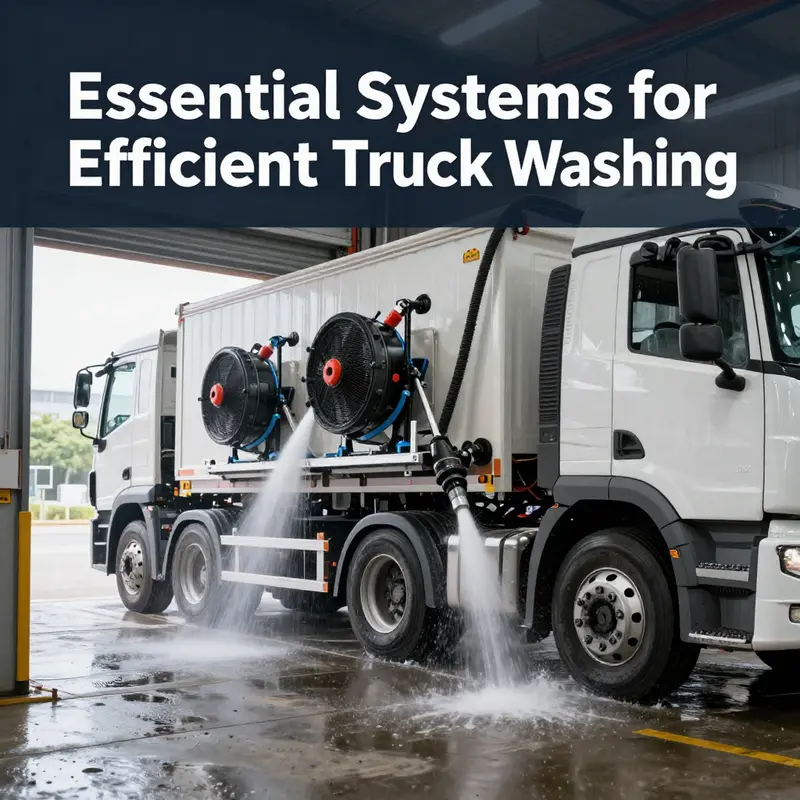
In any discussion of a truck wash system, the drying phase often sits in the shadows beside the splash and rinse. Yet for large, unwieldy vehicles that carry mud, tar, or road grime from long hauls and rough terrain, drying is not a mere afterthought. It is a deliberate, performance-critical step that determines whether a vehicle can leave the wash bay ready for service, or still dripping and unfit for immediate deployment. Across climates and operational contexts—from harsh winter environments to sunbaked desert routes—the drying module is the hinge that closes the cycle with speed and reliability. It interacts with every other subsystem: the wash platform, the water recycling loop, and the automated control logic that governs entry, wash sequences, and egress. If designed with care, the drying phase can shorten line times, reduce downstream labor, and improve the overall perceived quality of the cleaning, all while keeping energy use in check. If neglected or poorly calibrated, it can undo the gains made by a well-engineered wash, leaving spots, streaks, or even residual moisture that invites rust, algae, or customer complaints. The decision to include or optimize drying is therefore a strategic one, deeply tied to the intended operating envelope of the facility and to the fleet profiles it serves.\n\nThe drying module rests on a trio of core modalities that teams usually blend rather than choose outright. The first is hot air drying, which uses heated streams aimed at critical surfaces like the cab sides, undercarriage, and wheel wells. In practice, hot air can evaporate moisture rapidly, particularly in damp or cold climates where ambient air carries little drying potential. When implemented thoughtfully, hot air drying accelerates water removal without requiring the vehicle to linger in the bay, which translates to higher throughput. The caveat is energy demand and careful temperature control. Too much heat, or heat applied too close to painted surfaces, can risk coating integrity or create uncomfortable post-wash conditions for the operator stationed nearby. The most effective designs moderate the heat with intelligent controls—curbing temperature when panels are cool to the touch, or reducing heat exposure on sensitive areas while maintaining ample air flow to shrouded zones such as wheel arches and chassis undersides.\n\nThe second modality is cold air drying, which relies on large-volume fans and high-velocity drafts rather than heat. Cold air drying aligns with energy conservation goals and is gentler on finishes. It depends more on air flow patterns and the distribution network than on the energy input to the air itself. In practice, cold air drying can achieve excellent dryness in temperate to warm conditions or after a thorough wash has reduced surface moisture. The main challenge is achieving uniform drying on complex geometries—cliffs of metal around the undercarriage, exposed conduits, and recessed areas near the tires—where lingering pockets of water can persist. To compensate, systems often pair cold air with calibrated nozzles and guided air trails that sweep along each contour in a sequence designed to avoid dead zones. The result is a dry surface with minimal evaporation delay and a lower risk of thermal stress on coatings.\n\nA third option—high-velocity air jets or smart jet arrays—brings a different strength to the table. These are not merely stronger versions of the previous approaches; they’re strategically positioned to target stubborn moisture pockets with rapid, directional breaths of air. When paired with smart sensing, these jets can adapt their duration and intensity to the vehicle’s size and the measured surface moisture. The beauty of this approach lies in its responsiveness. A fleet of sensors detects remaining dampness across critical zones, and the system modulates the drying sequence in real time, concentrating energy where it matters most and easing off where surfaces are already dry. Combined with heat or ambient air, high-velocity jets help seal the deal in a way that feels seamless to the operator and the driver alike.\n\nThese modalities do not exist in isolation; they are orchestrated by an intelligent control system that binds the drying plan to the vehicle’s entry, the wash stage, and the recycle loop. The controller can initiate dryness as soon as the wash cycle reaches a predetermined point or once moisture sensors in key locations cross a defined threshold. In unattended or unmanned facilities, this automation is not just convenient—it is essential. It reduces labor demands, minimizes human exposure to wash operations, and maintains consistent dry times across a high-volume throughput environment. The result is a smoother, more predictable operation where the line moves with a cadence that fleets and drivers come to expect. The automation also enables safer, cleaner exits from the bay. Without adequate drying, a clean vehicle can still arrive with visible water stains on doors, mirrors, or chrome, and the impression of quality can be diminished. Drying, then, carries a psychological weight as much as a physical one: it signals meticulous maintenance and operational discipline.\n\nIn practice, the most durable truck wash configurations treat drying as an integrated phase rather than a separate add-on. The platform that handles washing and the ductwork that transports air from fans to nozzles must be designed with drying in mind. For example, ducting should minimize heat gain or loss depending on the chosen modality, and the nozzle layout should provide multi-angle coverage that reaches into wheel wells and beneath the chassis. A well-designed system anticipates climate variability: in colder locales, the balance can tilt toward hot air to overcome surface moisture quickly, while in warmer, drier regions, cold air with precise jeting patterns may suffice. The intelligent controller thus becomes a conductor, selecting from a menu of drying strategies based on vehicle type, ambient conditions, and the desired turnaround time. In this sense, drying is not a single knob to twist but a dynamic, responsive workflow that resonates through the entire operation.\n\nFrom an operational perspective, drying also interacts with water management in meaningful ways. A closed-loop recycling system is designed to reclaim wash water efficiently, and that reclaimed water often carries dissolved and suspended solids that require filtration before reuse. Drying, by itself, does not consume water, but it uses energy. The energy choices for drying—whether to heat, blow, or both—must be weighed against the energy captured or saved elsewhere in the plant. For instance, some facilities implement heat recovery where exhausted air from the hot-dry phase passes through a heat exchanger to pre-warm incoming air, reducing overall energy demand. Others rely on high-efficiency motors and variable-frequency drives to modulate fan speed, so electricity use scales with real-time needs rather than running at full capacity by default. In this way, the drying module can contribute to a broader sustainability objective: deliver a thorough clean while nudging total plant energy intensity downward over time.\n\nThe human and customer experience aspects of drying should not be overlooked. Drivers appreciate when a wash is comprehensive yet quick, leaving the vehicle ready to re-enter service almost immediately. A drying phase that consistently achieves dryness in the critical zones translates to fewer follow-up notes from operators about water spots or residual dampness on exterior panels. It also reduces the need for manual touch-ups, which preserves labor for tasks that genuinely require human intervention. For fleets that prize speed and reliability, drying becomes a measurable performance metric—one that influences key decisions about what kind of wash line to deploy, how to configure the bay layout, and which automation features to prioritize in procurement cycles. When integrated well, the drying module elevates the entire experience from merely clean to confidently dried and ready for the next leg of the journey.\n\nAs facilities think about the operational philosophy that best serves their fleet mix, it can be helpful to anchor the conversation in practical guidance that translates across sites. For example, the broader topic of facility management for truck wash businesses highlights the importance of aligning equipment choices with the realities of daily operations, staffing, and maintenance cycles. This holistic view ensures that drying is not treated as an isolated enhancement but as a component that harmonizes with facility layout, staffing models, and maintenance planning. See more on facility management for truck wash businesses for a deeper look at how drying modules fit into a complete operations strategy. facility management for truck wash businesses\n\nThe drying module’s value becomes even more apparent when you consider the user experience from the driver’s perspective. In high-traffic centers that handle dozens of trucks per hour, a dry finish that reliably avoids water spots supports faster offloading, reduced follow-up cleaning, and a smoother handoff to downstream logistics. When the drying phase is tuned to the facility’s climate and fleet profile, drivers experience the wash as efficient and predictable—a factor that can influence their willingness to return to the same service point. In this sense, drying is a critical customer-retention touchpoint, merging the physics of moisture removal with the practical realities of fleet operations and service quality. This synergy—between engineering and experience—defines a well-conceived truck wash system and explains why drying deserves a prominent place in any design deliberation.\n\nTo summarize, optional drying mechanisms in truck wash systems are not optional in outcomes; they are fundamental to achieving consistent cleanliness, rapid turnaround, and customer satisfaction. The choice among hot air, cold air, and high-velocity jets is not binary but contextual: climate, vehicle density, and coating sensitivities shape the optimal mix. The best configurations treat drying as an integrated, adaptive discipline, governed by sensors and smart control that respond to real-time conditions. The result is a system that cleans thoroughly and dries efficiently, with energy use aligned to actual need rather than a fixed boilerplate setting. In the end, drying is what allows a washed truck to be really ready for the road—the final mile in a sequence designed to keep fleets moving, customers happy, and facilities competitive in a demanding market.\n\nExternal resource for deeper technical understanding: Understanding Automatic Truck Wash: Grades, Properties, and Engineering Applications. https://www.sciencedirect.com/science/article/pii/S014890622500276X
Final thoughts
Investing in a comprehensive truck wash system is crucial for logistics and trucking firms aiming to maintain fleet appearance while complying with environmental standards. Fleet managers must consider the automated washing platform for covering all truck aspects, implement robust water recycling systems to conserve resources, integrate intelligent control systems for seamless operations, and optionally include drying mechanisms for efficiency. These considerations not only improve vehicle aesthetics but also enhance operational efficiency and extend the lifespan of the fleet.