
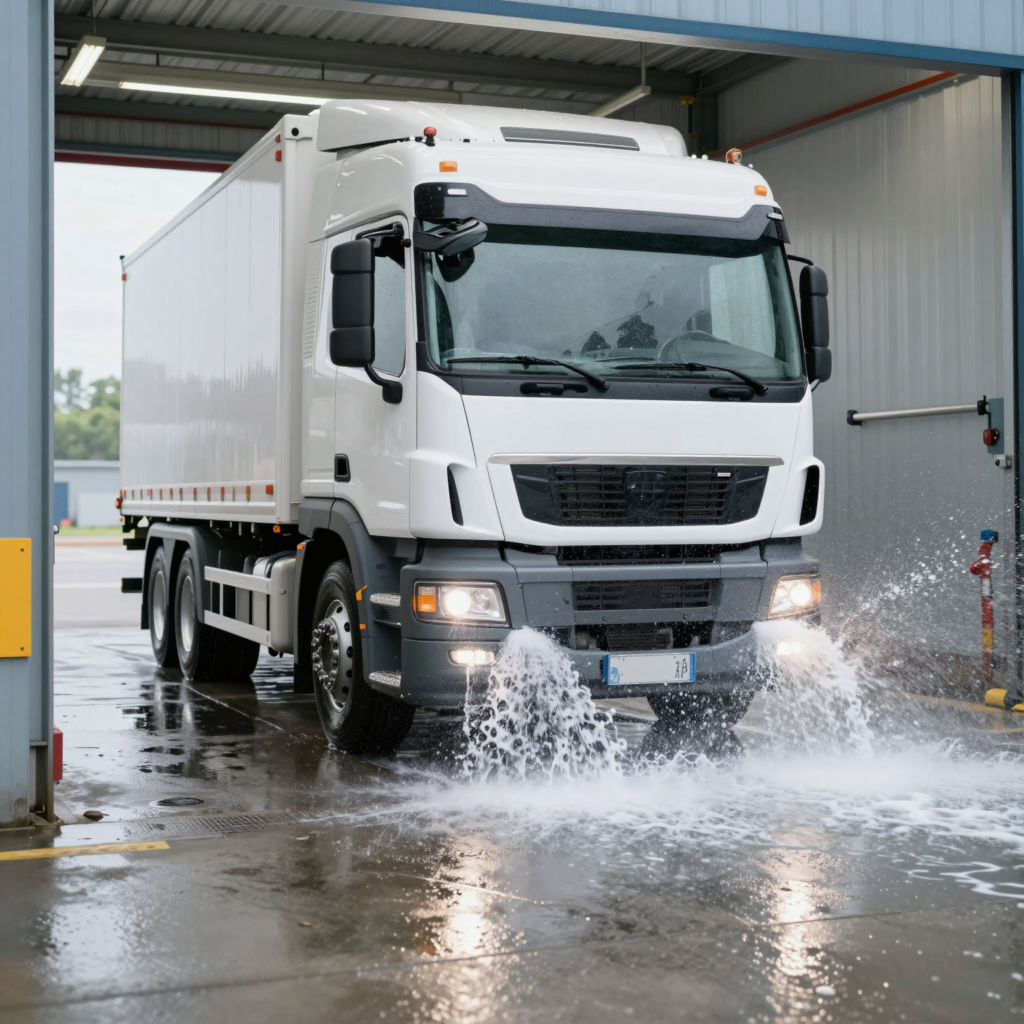
In the ever-evolving landscape of logistics and freight transportation, the profitability of truck washes is an aspect that fleet managers and trucking company owners can no longer afford to overlook. A startling statistic reveals that truck wash owners can expect profit margins ranging from 20% to 35%, depending on efficiency and service offerings (Business News Daily). This potential for high profitability underscores a critical component in fleet operations-the regular maintenance of vehicles not only to meet compliance standards but also to enhance the overall lifespan of the assets.
As vehicle cleanliness plays a pivotal role in preventing corrosive damage and ensuring aesthetic appeal, fleet managers face increasing pressure to maintain a professional image. Regular washes can extend vehicle life by as much as 15% to 20%, resulting in significant savings on repair costs (Logistics Today). Additionally, clean trucks are easier to pass inspections, thereby avoiding costly fines and enhancing operational efficiency. Given these factors, investing in efficient truck washing systems is not just an operational necessity but also a strategic financial decision. Thus, it is imperative for fleet managers to prioritize truck washes as integral to their business strategy, ensuring compliance and potentially boosting revenue through improved customer perception and satisfaction.
Potential Revenue Sources for Truck Washes
-
Basic Wash Services: Providing standard exterior washes that typically range from $15 to $30 per vehicle, appealing to individual truck drivers and small operators.
-
Detailing Services: Offering comprehensive cleaning packages including interior steam cleaning and waxing, with prices ranging from $50 to $150, attracts fleet operators looking for premium service and long-term maintenance.
-
Fleet Contracts: Establishing recurring contracts with businesses that manage truck fleets ensures a steady revenue flow and builds long-term client relationships.
-
Add-On Services: Providing additional services like tire polishing, chassis cleaning, and odor removal enhances customer satisfaction and increases transaction values.
-
Loyalty Programs: Implementing reward systems encourages repeat business by providing discounts or additional services after multiple washes, maximizing customer retention.
For more insights on maintaining fleet standards, learn more about regular trailer maintenance and explore industry compliance standards.
Average Income from Truck Washes
Understanding the financial aspects of truck washes is crucial for fleet managers and business owners in the logistics and transportation sectors. On average, truck washes generate significant revenue, contributing to their sustainability and growth.
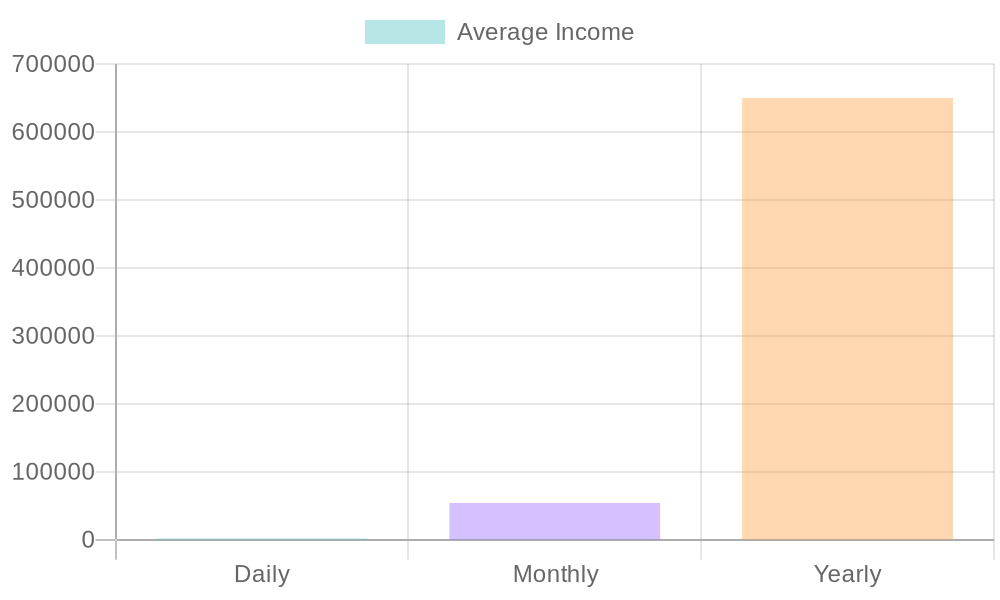
Based on industry data from 2025, the average income for truck washes ranges from $400,000 to $900,000 annually, depending on location and services offered. The median annual revenue is approximately $650,000. This breaks down into:
- Daily Income: Approximately $1,780
- Monthly Income: Roughly $54,000
- Yearly Income: Around $650,000
The revenue varies based on factors such as customer volume, pricing strategies, and service efficiency. Truck washes that adopt automated systems and cater to larger fleets often report higher earnings due to the increased throughput and reduced labor costs.
For a visual comparison, see the chart below illustrating average income across different periods:
For fleet managers aiming to optimize operations and compliance, facility management for truck wash businesses is essential in enhancing revenue and service quality. Regular maintenance of fleet vehicles, as highlighted in our importance of regular trailer maintenance article, further supports profit maximization.
| Business Model | Startup Costs (USD) | Pros | Cons | Average Monthly Earnings (USD) |
|---|---|---|---|---|
| Self-Service | $10,000 – $30,000 | Low labor costs; customers handle cleaning; scalable with additional bays; lower operational overhead. | Requires significant space; limited customer interaction; potential for water and equipment misuse; revenue per customer is lower. | $5,000 – $15,000 |
| Full-Service | $75,000 – $200,000+ | High customer value per visit; ability to upsell services (interior detailing, waxing); strong brand loyalty; higher profit margins. | High labor costs; requires skilled staff; higher ongoing operational expenses (water, chemicals, utilities); more complex management. | $15,000 – $40,000+ |
| Mobile Truck Wash | $15,000 – $50,000 | High flexibility; low overhead (no fixed location); can serve clients at their location; minimal need for large facilities. | Limited to one or two trucks at a time; weather-dependent; variable customer base; travel time reduces productive hours. | $8,000 – $25,000 |
| Fixed Location (Automated/Traditional) | $100,000 – $500,000+ | High throughput capacity; consistent customer flow; potential for high volume; can offer multiple service tiers. | Very high initial investment; long payback period; significant land and building costs; regulatory hurdles and permits required. | $20,000 – $60,000+ |
Case Studies of Successful Truck Washes
In the competitive truck wash industry, several businesses have emerged as leaders by implementing strategic management practices, innovative pricing models, and effective customer retention strategies. Below are summaries of notable case studies, highlighting their revenue growth, management practices, and customer relationship tactics:
1. Road Ready Truck Wash
- Location: Denver, Colorado
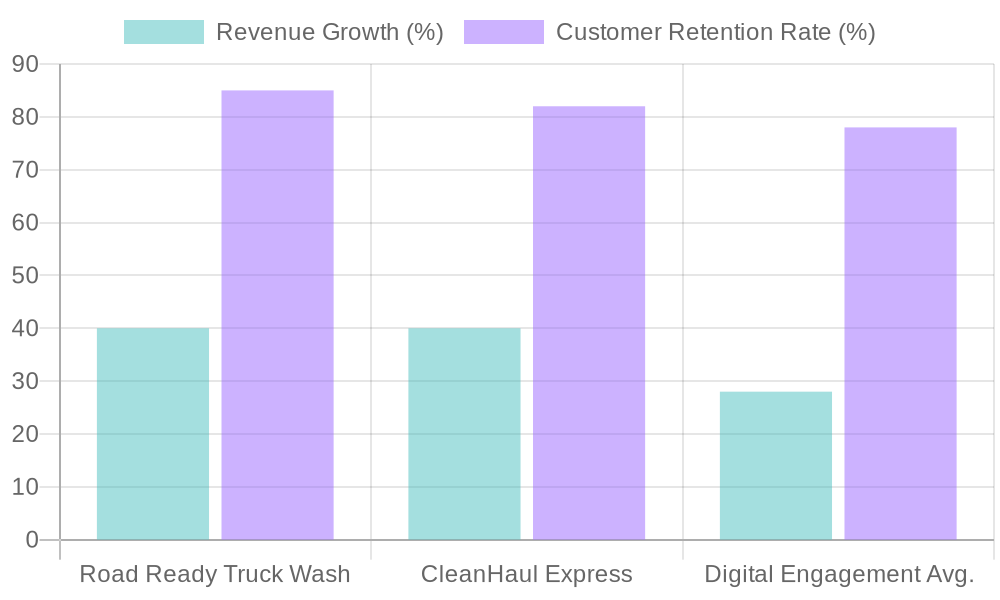
- Revenue Growth: 40% per month
- Customer Retention Rate: 85%
- Strategies: Road Ready implemented a tiered loyalty program offering free washes after five visits, a mobile app for scheduling, and premium services such as tire shine and interior detailing. Personalized email reminders and targeted promotions also significantly boosted repeat usage from 58% to 82%.
Read More about Road Ready Truck Wash
2. CleanHaul Express
- Location: Regional chain in North America
- Revenue Growth: 35% year-over-year
- Customer Retention Rate: 76%
- Strategies: CleanHaul employed a CRM system to customize communications based on driver preferences, sending thank-you messages post-service and offering exclusive long-term customer discounts aimed at building loyalty. This personal touch contributed to a significant reduction in customer churn by 52%.
Explore CleanHaul’s Retention Strategies
3. Digital Engagement Average
- Overview: Various truck wash businesses across the U.S.
- Average Revenue Growth: 28% annually
- Average Customer Retention Rate: 78%
- Strategies: Businesses utilizing online booking and automated services were observed to have up to 76% customer retention, highlighting the importance of digital engagement in enhancing customer experience and driving revenue.
Learn More About Digital Engagement Effects
Performance Insights
The accompanying charts illustrate the performance metrics of these successful truck wash operations:
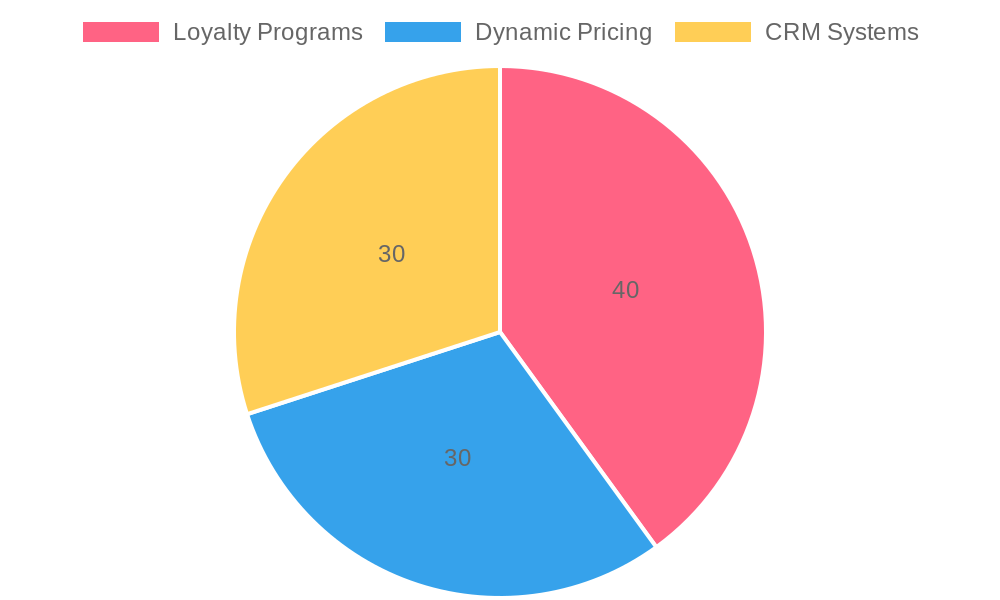
These case studies emphasize the importance of strategic management and customer engagement in driving profitability in the truck wash industry.
Factors Influencing Profitability of Truck Washes
The profitability of truck washes is influenced by several critical factors, which managers must understand to optimize operations effectively. Here are the key determinants:
1. Location
- Accessibility: A truck wash located near major highways or freight hubs will attract more customers, increasing sales. Proximity to trucking businesses and depots can also play a significant role in driving traffic.
- Visibility: Locations that are highly visible from main roads attract more spontaneous visitors, enhancing clientele reach.
2. Competition
- Market Analysis: Understanding local competition is crucial. If several washes are in proximity, competing on price may be necessary, but differentiating through services offered can also be effective. Analyzing competitors’ strengths and weaknesses allows a truck wash to offer unique selling propositions (USPs).
3. Pricing Strategies
- Tiered Pricing Models: Implementing tiered pricing levels can cater to different market segments. Offering basic washes at competitive rates while providing premium services (like detailing) at higher prices can enhance profitability. Loyalty programs offering free washes after a certain number of visits can improve customer retention (learn more about the importance of customer experience).
- Bundling Services: Bundling services together can increase perceived value and sales volume; for instance, offering tire checks with a wash at a slightly elevated price.
4. Customer Experience
- Service Quality: Delivering a high-quality customer experience is non-negotiable in building loyalty. Clean, modern facilities with amenities such as comfortable waiting areas, Wi-Fi, and refreshments can enhance satisfaction (learn more about enhancing the truck wash experience).
- Technology Utilization: Integrating technology that allows for easy scheduling, real-time updates, and smart washing systems can streamline operations and improve customer service.
By focusing on these areas, truck wash managers can create an attractive business model that enhances customer satisfaction and boosts profitability.
In conclusion, the financial potential of the truck wash industry is significant and poised for growth. As highlighted throughout the article, the global truck wash systems market was valued at approximately $45.9 billion in 2023, with projections suggesting it could reach $63.7 billion by 2035. This translates to a compound annual growth rate (CAGR) of around 3.7%.
This growth can be attributed to increased demand for efficient and effective cleaning solutions in the logistics and transportation sectors. The emphasis on compliance with emissions regulations and the need for maintaining fleet standards underscore the ongoing relevance of truck washes. Moreover, regular cleaning not only enhances the longevity of vehicles but also ensures operational efficiency, ultimately translating to cost savings for fleet operators. As companies increasingly recognize the importance of these services, investments in truck wash facilities are likely to yield substantial returns in the coming years. To cater to industry trends, operators can focus on enhanced services and technology to stay competitive in this lucrative market.

“A clean fleet isn’t just about appearances-it’s a critical component of operational safety, regulatory compliance, and long-term cost efficiency. Regular cleaning prevents corrosion, extends vehicle lifespan, and reduces unexpected breakdowns. Moreover, clean trucks reflect positively on a company’s brand and can significantly improve driver morale and productivity.”
- Mark Thompson, Fleet Management Consultant
In the trucking and logistics industry, maintaining a clean fleet is essential for both operational efficiency and brand image. The insights from industry experts like Mark Thompson convey the importance of cleanliness not only for visual appeal but also for safety and regulatory compliance. Learn more about the impact of fleet maintenance on efficiency.
Regular cleaning can help prevent corrosion, extend the lifespan of the vehicles, and reduce the frequency of breakdowns. Clean trucks can also improve driver morale and can enhance a company’s reputation in the competitive logistics landscape. To explore further on the cost management strategies related to fleet management, consider reading about growth strategies in trucking.
Seasonal Trends in Truck Wash Usage
Understanding the seasonal trends in truck wash usage is crucial for logistics and fleet management professionals. The truck wash industry experiences notable peaks and troughs throughout the year, significantly influenced by various factors including environmental conditions and operational demands.
Key Seasonal Trends
| Season | Months | Washing Frequency Trend | Main Driving Factors |
|---|---|---|---|
| Winter Peak | December – February | Significant Increase | Residue from road de-icing chemicals, heavy dirt accumulation from snow |
| Summer Peak | June – August | Significant Increase | High temperatures lead to increased dust, dirt, and debris accumulation |
| First Quarter | January – March | Pre-Season Surge | Preventive maintenance in preparation for peak transport seasons |
Sources:
2026 Bestseller Trends: The Rising Wave of Pressure Truck Washing Machines in Fleet Maintenance
Disentangling transport movement patterns of trucks either transporting pigs or while empty within a swine production system before and during the COVID-19 epidemic
This chart illustrates the vehicle washing frequency trends by season, indicating clear peaks during summer and winter months:.
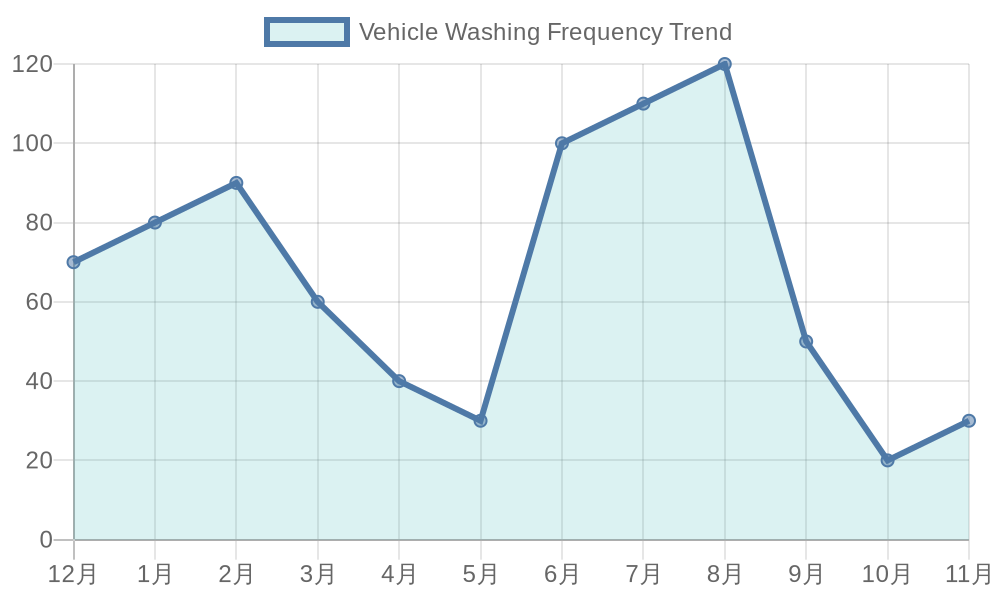
For fleet managers and owners, recognizing these trends enables better scheduling and resource allocation to meet the surges in demand effectively. This awareness also supports compliance with emissions regulations and ensures fleet maintenance remains a priority.