
The cleanliness of trucking fleets is not only a matter of appearance but also impacts operational efficiency and longevity. Fleet managers, logistics coordinators, and fleet supervisors need reliable services to maintain their vehicles. In Lansing, Michigan, several truck washes cater specifically to the needs of trucking and logistics companies. This article will explore the available truck washes in Lansing, examine the services they offer, and highlight the importance of these services for local commuters and businesses.
Rounding the Corners of Clean: Navigating Lansing’s Truck-Wash Landscape
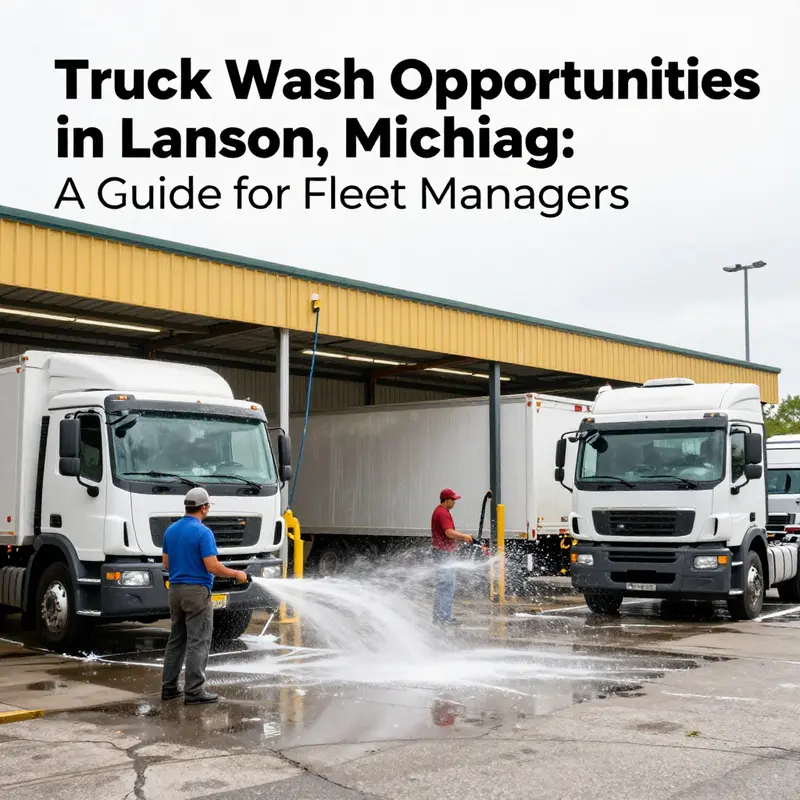
Across the urban and rural tapestry of Lansing, Michigan, a steady stream of trucks keeps the wheels turning on the local economy and the regional supply chain. The city sits at a crossroads—literally and figuratively—where freight corridors converge, making reliable access to truck-wash facilities not just convenient but essential. In regions with harsh winters and salted roads, regular cleansing of a rig is more than a cosmetic routine; it is part of a broader practice that protects the drivetrain, preserves cargo integrity, and supports safe highway operation. The practical reality is that there are multiple options in and around Lansing that cater specifically to heavy-duty vehicles and other large profiles. These facilities are designed to accommodate longer wheelbases, higher clears, wide drive-through bays, and, critically, the kind of debris and road grime that accumulate after regional hauls, icy cycles, or long stretches on rural byways. For drivers who spend weeks away from home base, the ability to stop at a readily accessible site that can handle a tractor-trailer or a fleet vehicle without forcing cumbersome detours is a significant daily consideration. The question of whether there is a truck wash in Lansing is not merely academic. It translates into time saved, downtime minimized, and a practical, repeatable routine that truck operators rely on to keep their equipment in top condition.
What sets Lansing apart in this regard is the mix of facilities that have tuned their offerings to trucks and other oversized vehicles. The typical options you’ll find in and near the city emphasize layout and equipment that accommodate extreme length and height, with drive-through layouts that minimize back-and-forth maneuvering and reduce the risk of contact with other vehicles in a busy service bay. From the perspective of a driver or a fleet manager, the value proposition is straightforward: you want a clean, efficient wash that respects the unique geometry of a commercial vehicle, paired with a level of service that understands the timing pressures of freight movement. A truck wash in this locale will often present a spectrum of services designed to meet the needs of different payloads, locations along major corridors, and the seasonal realities of Michigan weather. The decision is rarely about choosing merely a quick rinse; it is about selecting a facility that can combine speed with thoroughness, and that can deliver a consistent result under varying conditions.
At the heart of a well-functioning truck-wash experience is an understanding of the machinery and processes involved. Heavy-duty washes typically go beyond the standard car wash format. They prioritize equipment capable of handling larger wheel wells, exposed frames, undercarriage components, and the lower portions of the trailer that carry mud, salt, and road debris. A comprehensive exterior wash may include a high-pressure rinse, a controlled agitation stage, and a final rinse designed to minimize water spots on metal surfaces. Many facilities also offer undercarriage washing to flush out accumulated grime from the chassis, axles, and brakes—areas that are often the first to corrode when salt and moisture linger. In colder climates, this becomes even more critical, as winter driving can push corrosive agents into seams and joints that extend the lifetime of the vehicle’s metalwork. Then there are interior and wheel-cleaning components to consider. While not every operation will provide an interior detailing for the cab or a targeted wheel-well treatment for every vehicle, the best trucks washes in Lansing make an effort to address the areas most impacted by heavy-use loads. In the winter or during post-delivery sweeps, a thorough wheel and rim cleaning can prevent buildup that would otherwise require more intensive attention later.
Pricing structures and service combinations vary widely, but some patterns emerge across the landscape. You’ll typically encounter tiered exterior wash options that scale with the level of agitation and treatment, from basic reach-and-rinse to more elaborate packages that include protective coatings, wax or sealant applications, and undercarriage care. For fleet operators, the value proposition often includes predictable, volume-based pricing, loyalty programs, or bundles that align with maintenance schedules. For independent drivers and owner-operators, the emphasis tends to be on speed, reliability, and the ability to service a vehicle that may travel multiple states in a single week. Payment methods span cashless options—credit or fleet cards—and more traditional payment methods, with some facilities offering fleet accounts for businesses that regularly route multiple trucks through the same site. The practical reality is that the Lansing area’s truck-wash ecosystem aims to reduce downtime and increase uptime, which, in this industry, translates into a measurable boost to on-time deliveries and customer satisfaction.
Beyond the mechanics of the wash itself lies a broader consideration: how does a facility manage its environmental footprint and regulatory responsibilities? In Michigan, as in other states, truck-wash operations must balance the demand for powerful cleaning with responsible water management and emissions controls. Wash bays generate runoff and contaminated water that can carry detergents and residues away from the site. Reputable operators implement closed-loop water-recycling systems, filtration stages, and wastewater management practices to minimize environmental impact. They also adhere to site-specific disposal rules and emissions considerations tied to the operation of heavy equipment and the handling of cleaning agents. This combination of effective cleaning with responsible stewardship matters not only for local neighbors but for the long-term viability of the business itself. Customers who seek out facilities that emphasize environmental compliance can feel confident that they are supporting operators who aim to reduce the ecological footprint of routine maintenance, even as they demand high performance in cleansing and restoration work.
What makes a good choice in Lansing is often tied to a blend of operational practicality and user experience. A player in this space will present clearly visible cues about readiness and capacity: wide bays that can accommodate the length and height of a typical tractor-trailer, a straightforward queue or appointment option, and a predictable turnaround time. A well-managed site will show posted hours that align with regional traffic patterns and freight cycles, minimizing the chance that a late-night wash becomes a logistical headache. In winter, access to a heated bay or a sheltered entry can be a significant comfort and efficiency advantage. The driver who faces a morning cold front and a frozen hose will appreciate a facility that has working heating in the bay and hot water options. Similarly, a site that offers convenient payment methods, clear pricing, and visible contact information reduces the friction that often accompanies a maintenance stop on a busy route. The result is a smoother workflow: you wash, you dry, you inspect, and you’re back on the road with minimal delay.
Whenever a driver contemplates which facility to use, several practical questions come to mind. Is the location easy to reach from the primary freight corridors that serve the region? Are the bays wide and tall enough to accommodate the vehicle, including any attached trailers or unusual configurations? Does the service menu align with what the vehicle requires on this particular trip? Are there optional add-ons that could extend the life of the equipment, such as protective sealants or anti-corrosion treatments, and do they fit within the driver’s budget or the fleet’s maintenance plan? What about scheduling flexibility? In the trucking world, time is a resource that cannot be squandered, and a wash operation that can align with a tight timetable—allowing a quick stop during a layover at a distribution center or along a corridor that feeds a major city—will always be viewed as a strategic ally. These questions are not mere frills; they are essential considerations that determine whether a stop earns a place in the route plan or becomes a one-off exception when the schedule goes awry.
The Lansing area also hosts facilities that explicitly cater to oversized vehicles and RVs. This designation signals a facility’s readiness to handle more than standard semi-trailers, including broader turn radii, longer bay lengths, and higher ceilings, all of which reduce the risk of incidental contact with equipment during the wash process. For operators whose work frequently crosses borders or pushes the envelope of what a site can accommodate, such capacity becomes a decisive factor. It’s not simply about a clean exterior; it’s about maintaining the integrity of every essential component that lies beneath and behind the bodywork—frames, suspensions, air lines, and brake assemblies that cannot be neglected in a busy fleet’s maintenance routine. In such environments, the decision to partner with a particular wash facility is often about more than the day’s wash—it becomes a function of reliability, predictability, and a shared commitment to keeping a fleet moving.
Beyond the mechanical and logistical considerations, there is a human dimension to the Lansing truck-wash scene. The personnel who operate these sites—technicians, attendants, and managers—are often the difference between a clean truck and a truck that looks clean but carries residue from a prior trip. Attentive staff can catch issues that a quick pass-through would miss, such as persistent salt buildup in hard-to-reach places, residual grease near the fifth wheel, or stubborn tar on undercarriage members. The best operators cultivate a culture of safety and communication, ensuring that a driver leaves not only with a gleaming exterior but with a clear understanding of any post-wash care that could extend the life of the vehicle. They may offer succinct guidance on the next steps—whether it is a recommended rinse before the long road ahead or a suggested follow-up visit if the day’s conditions included heavy residue. In such settings, the wash becomes part of a broader service ecosystem that supports ongoing maintenance rather than a transactional, one-shot experience.
From a fleet-management perspective, the Lansing market embodies a balance between accessibility and specialization. For smaller fleets or owner-operators, the nearest truck wash that can reliably accommodate a given vehicle profile becomes a critical node in the maintenance network. For larger fleets, the emphasis shifts toward scalability and consistency—finding sites that can manage multiple vehicles without compromising on quality or schedule. Some operators cultivate relationships with a network of preferred sites, streamlining administrative tasks like invoicing and fueling decisions, while others prefer to diversify across several facilities to reduce risk and maintain flexibility. Either approach hinges on a central objective: keeping the truck clean enough to protect cargo, to meet regulatory expectations, and to maintain an image of reliability in a competitive market. In practice, this means choosing wash options that are not merely convenient in the moment but sustainable over the long haul. The decision often involves a simple calculus: how much downtime is acceptable for a given mission, and what kind of maintenance cadence best supports the vehicle’s age, duty cycle, and the local climate.
As readers survey the Lansing landscape for a truck wash, the next steps become a practical exercise in due diligence. You will want to compare distance to your usual routes, the typical wait times during peak freight periods, and the ability of the facility to handle your specific vehicle configuration. A straightforward path is to identify a few reliable sites along or near major corridors and then assess them through a brief, repeatable criteria set: capacity and access, service breadth, the fairness and clarity of pricing, and the perceived expertise of the staff. A facility that can deliver an exterior wash with undercarriage cleaning, a protective finish, and a transparent pricing structure, all within a reasonable time frame, is more likely to become a trusted partner over time.
In the spirit of building a more informed chapter within the broader article, it’s worth highlighting a resource that speaks to the regulatory and industry-wide considerations that shape every wash. For readers who want a deeper dive into the regulatory backdrop and best practices in the field, one can explore truck-wash-industry-compliance-emissions-regulations. This internal link serves as a touchstone for readers who want to connect the local, practical decision of where to wash with the larger framework of compliance, environmental stewardship, and maintenance standards that govern the industry. Although practical maintenance decisions are made on the ground in Lansing, the longer arc of responsible operation runs through such guidance and ensures that the choice of where to wash aligns with broader expectations around safety and sustainability.
As the chapter threads toward its close, it becomes clear that the Lansing truck-wash scene is not a collection of isolated mechanical events. It represents a living system in which locations adapt to the realities of the road, the needs of fleets, and the patterns of seasonal wear. A clean truck is, in many ways, a signal of operational discipline: a sign that the crew behind the wheel is mindful of maintenance, compliance, and performance. This is particularly true in a climate where the interplay of road salt, moisture, and road grime can accelerate wear if left unchecked. The strategic choice of a wash site—how it fits into a driver’s daily schedule, whether it offers undercarriage attention, and whether it provides reliable access during inclement weather—becomes part of the larger discipline of running a professional fleet. Drivers understand that a well-chosen wash site reduces the risk of hidden issues that could cause a failure on the highway or a delay in delivery windows.
In sum, Lansing offers a practical and dependable set of options for any operator seeking to maintain a clean, well-kept vehicle profile. The landscape rewards pilots who plan ahead, weigh the capacity of the facility to accommodate their specific vehicle build, and prioritize not just a bright exterior but a thorough, all-around cleaning that protects the machine and supports the mission. The chapter we’ve embarked on here does not aim to catalog every square inch of a single site. Instead, it sketches a holistic view of what makes a truck wash valuable in a city like Lansing: capacity without complexity, speed with thoroughness, and a grounding in environmental responsibility that aligns with the larger goals of sustainable transport. For readers pursuing this practical knowledge, the question remains not only whether there is a truck wash in Lansing, but how to choose the right one for a given route, a given vehicle, and a given day’s objectives. The answer lies in a combination of observational clarity, an understanding of the services that truly matter to heavy-duty equipment, and a readiness to engage with facilities that treat cleanliness as a component of a broader, disciplined maintenance program rather than a standalone moment in time.
External resource for further exploration: https://www.google.com/search?q=best+truck+wash+in+Lansing+MI+2026
Washing the Wheels of Lansing: A Thorough, Fleet-Savvy Look at Truck Wash Services in Michigan’s Capital
In Lansing, Michigan, the routine upkeep of heavy-duty workhorses matters as much as fuel efficiency or route planning. The capital city sits at the intersection of major trucking corridors, where fleets and independent drivers thread through urban streets and rural byways alike to keep goods moving. The weather in this part of the world ensures that trucks encounter a persistent mix of road salt in winter, mud and debris in spring, and dust picked up from long hauls across the state. The result is a pressing need for reliable cleaning services that can handle not only the exterior shine but the hidden risks that sit beneath the chassis. The truck-wash landscape in Lansing has evolved into a practical ecosystem of facilities designed to meet the varying demands of commercial fleets and individual operators. It is not a single solution but a spectrum of options that reflect the rhythms of modern trucking: quick turnarounds between trips, comprehensive detailing for fleet aesthetics, and flexible on-site services that minimize downtime. The city’s wash spaces exist because a clean vehicle is not simply about appearances; it is about safety, maintenance, and the bottom line for businesses that rely on reliable transportation to meet schedules and commitments.
What makes Lansing’s truck-wash scene resilient is the breadth of services that facilities typically offer, crafted to serve both the one-truck operator who makes a living on the road and the fleet manager who steers multiple vehicles toward efficiency and longevity. Exterior washing remains the entry point for most customers. A basic exterior wash removes the layer of road grime that coats cab surfaces, mirrors, grilles, and trailers. Yet the value of an exterior wash goes beyond aesthetics. Road film can obscure lights and reflectivity, reducing visibility for other drivers and, in turn, increasing risk on busy corridors. A clean exterior also makes it easier to spot signs of damage, such as paint chips or minor corrosion that might otherwise blend into the grime. In Lansing, as in many trucking hubs, professionals perform exterior cleaning with pressure systems calibrated to avoid damaging sensitive components while delivering a thorough rinse. The result is a truck that looks well cared for and is safer to operate as it travels through city streets and rural lanes alike.
Beyond the surface, many Lansing wash facilities extend their services to the heart of the machine—the engine bay. Engine cleaning, when performed correctly, helps remove grease, oil residue, and accumulated grime that can hide leaks and impede cooling. Technicians approach engine cleaning with care, using degreasers and methods that safeguard electrical connections and hoses. The benefit is twofold: a more accurate assessment of engine condition during routine checks and improved heat management, which is especially important for heavy hauling where engines work hard over long distances. While some operators fear that cleaning the engine may cause problems, the reality is that a well-executed cleaning can reveal leaks, loose connections, and wear before they become costly failures.
Another critical service is underbody cleaning. In winter, salt and chemical deicers pile up on the undercarriage, accelerating rust and corrosion on frame rails, suspension components, and brake lines. An underbody wash targets these vulnerable areas, dislodging caked salt, mud, and debris that otherwise linger and cause long-term damage. For fleets that operate year-round in a climate like Michigan’s, this service is more than a convenience; it’s a preventive measure that preserves resale value and reduces maintenance costs. In seasons when roads are slick and visibility is compromised, removing corrosive buildup from beneath the vehicle becomes a practical priority rather than a luxury.
Tire cleaning and inspection form a smaller but meaningful piece of the care puzzle. Clean tires not only enhance appearance but also make it easier to inspect tread depth, sidewall integrity, and potential damage from road hazards. Routine tire cleaning helps fleet managers spot bulges, cuts, or uneven wear that could signal misalignment, improper inflation, or suspension issues. The touchpoints around wheel assemblies also benefit from careful cleaning because accumulated grime can hide rust on rims or wear patterns on brake components. All told, tire cleaning is a practical step toward safer operation and more informed maintenance decisions.
A growing number of facilities in and around Lansing also offer mobile truck-wash services. For fleets, the ability to bring the wash to the wheels rather than towing vehicles to a facility translates into time saved and downtime minimized. Mobile cleaning can be a game-changer for on-site maintenance scheduling, especially for large fleets that require regular cleans between routes or for events where a facility visit would disrupt operations. The mobile model also expands access to specialized cleaning for remote terminals, rural haulers, or contractor teams working at temporary job sites near Lansing. In practice, mobile services align with the broader shift in the industry toward on-site efficiency, allowing operators to keep assets in service while still benefiting from professional cleaning standards.
Interior detailing and cabin care represent a refinement that many fleets increasingly value. The cab environment matters for driver comfort, durability of fabrics and carpets, and overall fleet branding that appears during roadside inspections or client visits. Interior detailing can include carpet and upholstery cleaning, upholstery protection, and the removal of stubborn stains. A well-kept interior complements the exterior and reinforces a professional image for drivers who meet customers and partners on the road. In parallel, some facilities offer basic interior-focused packages that pair with exterior and underbody treatments, creating a comprehensive care pathway that keeps both the cargo and the cabin in top condition.
In Lansing, as elsewhere, facilities sometimes bundle maintenance checks as part of a wash package. These checks can be modest in scope—verifying fluid levels, belt wear, and tire inflation—yet they serve as timely reminders that a wash visit can also be a convenient touchpoint for keeping a vehicle in good repair. For small fleets, a package that includes a quick inspection can translate into fewer unplanned breakdowns and smoother maintenance cycles. For larger fleets, the ability to coordinate multiple visits around routes and schedules becomes a practical advantage, with wash centers acting as maintenance hubs that support operational continuity.
The practical realities of service delivery in Lansing reflect the city’s climate and infrastructure. Wash facilities invest in technology that balances effectiveness with environmental stewardship. Modern systems often feature water recycling, efficient spray nozzles, and waste-water management that minimizes runoff and adheres to local regulations. These considerations matter not just for compliance but for the long-term viability of a wash operation that can handle heavy volumes without compromising the surrounding environment. The equipment choices influence how quickly a truck can be cleaned, how thoroughly difficult-to-reach areas are treated, and how drying processes reduce the chance of recontamination or water spotting on bright paint and chrome. In sum, the Lansing truck-wash ecosystem blends practical cleaning with the realities of winter road use, fleet maintenance expectations, and a commitment to responsible operations.
For operators weighing options, a number of factors shape the value of a given facility. Proximity to routes and depots matters because time saved on a wash can translate directly into a sooner return to the road. Availability of mobile services can be a decisive advantage for fleets with tight schedules or those that want to consolidate maintenance tasks in a single stop. The breadth of offerings—exterior and underbody cleaning, engine bay treatment, tire care, interior detailing, and even small maintenance checks—speaks to the versatility that modern truck washes must provide to stay relevant. Price and package structures also influence decisions. Some facilities may offer tiered options, allowing fleets to select basic exterior cleans or all-inclusive packages that blend cleaning with preventative checks and light maintenance. The way a facility communicates its process—whether through clear intake procedures, predictable wait times, transparent pricing, and after-service care—often matters as much as the physical result of the wash itself.
Choosing the right facility thus becomes a process of aligning needs with capabilities. For a fleet operator, it is essential to consider not only the current requirements but also future needs: how often a vehicle will be washed, the types of services that will be used, and whether the operation benefits from on-site cleaning for late-night or early-morning routes. It is not unusual for fleets to schedule wash visits to coincide with fueling stops or rest periods, turning a maintenance moment into a productive part of the route. For owner-operators and single-truck businesses, ease of access, reasonable pricing, and the quality and speed of the service often determine whether a facility becomes a preferred partner or a one-off stop. In Lansing, the presence of multiple options creates a healthy competitive environment, encouraging higher standards and better customer experience while giving operators the power to choose based on their schedule and needs.
There is a broader context to this local landscape as well. The maintenance ecosystem around truck washes in Lansing intersects with facility management practices that keep operations running smoothly. Managing a wash operation is not only about the physical cleaning; it involves scheduling, staffing, equipment maintenance, chemical handling, water management, and customer service. For operators who study and adopt best practices in facility management, the path to efficiency becomes clearer. A useful resource in this regard is a discussion on facility management for truck-wash businesses, which outlines how to structure operations, maintain equipment, and optimize staffing to deliver reliable service without sacrificing quality. facility management for truck-wash businesses This perspective helps explain why some facilities are able to offer mobile services, rapid exterior cleans, and coordinated maintenance checks all in a single visit, while still maintaining safety and compliance across the operation.
From a driver’s vantage point, the Lansing wash experience often comes down to reliability and predictability. Drivers want a straightforward process: drive in, choose a service level, confirm a price, and receive a clear estimate of how long the wash will take. They want attention to detail—checking that lights and reflectors are clean, that the cab interior smells fresh, that the undercarriage has been cleared of salt buildup, and that tires show no obvious safety concerns after the wash. They also want communication about any recommendations for follow-up maintenance, whether that means scheduling a further interior detail, an engine check, or a more thorough rust-prevention plan for the winter months. When these expectations align with the realities on the ground—efficient staffing, well-maintained equipment, and transparent pricing—the Lansing truck-wash ecosystem earns trust and loyalty, which in turn supports safer roads and steadier fleets.
The community dimension should not be overlooked. Truck-wash facilities often become informal hubs where drivers share routes, weather updates, and maintenance tips. They also contribute to the broader business ecosystem by offering a reliable stop for fleet managers who coordinate multi-vehicle cleaning schedules across a metro area. The ability to synchronize washes with depots, repair shops, and fueling stations reduces downtime and improves overall productivity. In this way, Lansing’s wash facilities play a practical role in the larger supply chain, acting as nodes that help keep commerce moving through the winter storms and into the spring thaw. The value they provide extends beyond the visible shine; it includes safer operation, extended vehicle life, and smoother logistics that benefit customers who rely on timely deliveries.
If you are exploring these options from a planning standpoint, consider not only the immediate cleaning needs but also how a particular facility can fit into a broader maintenance cadence. A facility that can accommodate occasional engine bay cleaning, regular underbody washes, and periodic interior detailing may be more valuable to a fleet than one that offers only exterior washes. Likewise, the availability of on-site or mobile services can be decisive for fleets with dispersed terminals or for drivers who, because of schedule constraints, cannot spare a vehicle for a fixed location wash. The Lansing market suggests a pragmatic conclusion: the right choice is the one that minimizes disruption while maximizing reliability and asset longevity. And for readers who want to dig deeper into how these operations stay efficient and compliant, the broader discussion on facility management for truck-wash businesses provides a useful framework to evaluate practices and performance. facility management for truck-wash businesses
For those who want to gauge the real-world quality at Lansing-area washes, consumer feedback remains a valuable compass. Local reviews often highlight consistency, staff courtesy, wait times, and how well a facility handles the specific needs of heavy-duty vehicles. While individual experiences vary, the broader pattern tends to emphasize dependability, thoroughness, and the ability to deliver a consistent result across multiple visits. This is especially important for fleets that include trailers, tankers, or other specialized equipment, where service gaps could have outsized consequences. In the absence of a single national brand standard in a mid-size market like Lansing, the best guides tend to be the experiences of repeat customers—the operators who return because a particular wash consistently meets or exceeds expectations. For prospective customers seeking options, platforms like Yelp compile local perspectives, offering a useful snapshot of what to expect in terms of service quality, pricing transparency, and overall reliability. A practical step for anyone entering the market is to review recent feedback, compare what is being offered at different facilities, and consider a trial wash to understand how the service aligns with the fleet’s maintenance philosophy and schedule.
In sum, Lansing’s truck-wash facilities form a pragmatic, adaptable network that supports both individual drivers and larger fleets. They address the immediate need for clean, presentable equipment and undertake the longer-term work of protecting vehicle integrity through targeted cleaning and light maintenance checks. The city’s climate and infrastructure make these services not a luxury but a necessary component of responsible fleet operation. Operators who approach washing as part of a broader maintenance strategy—one that integrates scheduling, supervision, and asset care—stand to gain not only in appearance but in operational reliability and economic efficiency. The Lansing market illustrates how a regional service sector can respond to diverse customer needs while maintaining a focus on safety, accountability, and sustainable practice. And as the industry continues to evolve, the connection between well-managed wash operations and dependable, road-ready fleets will only become stronger, with facilities that embrace mobile service models and comprehensive care serving as a practical blueprint for others to follow.
For readers curious about the wider landscape of local feedback and a snapshot of the options available in Lansing, a good starting point is to explore user reviews and local listings that summarize what drivers value most in a truck wash. You’ll find that the strongest facilities tend to differentiate themselves through reliability, transparent pricing, a broad service mix, and a culture of safety and respect for diagnostic attention. These factors combine to create an environment where fleets can trust that their vehicles are not only cleaned but assessed, maintained, and readied for the next leg of the journey. The result is a simple truth that emerges from careful observation: in a city where freight never truly rests, the right truck wash is less about a single wash and more about a partner in the ongoing journey of fleet care. If you want to know how those partnerships are formed and sustained in practice, the facility-management framework mentioned earlier offers a practical lens for evaluating how washes organize themselves to meet demand, protect assets, and support drivers who keep goods moving. facility management for truck-wash businesses
For a quick, external read on how local consumers rate their Lansing truck-wash experiences, you can consult Yelp’s Lansing truck-wash listings. This external reference provides current perspectives from drivers who have hands-on, on-the-ground experience with the service quality, wait times, and overall value delivered by area facilities. It is a useful complement to the internal considerations discussed here and can help readers triangulate expectations with real-world outcomes: https://www.yelp.com/search?cflt=carwashes&findloc=Lansing%2C%20MI
Washing the Wheels of Lansing: How Local Truck Washes Sustain Fleets, Commuters, and a City in Motion
In a city built on wheels and the freight that travels through it, the modest truck wash is more than a cleaning station. It is a quiet engine of reliability, a place where fleets regain a little of their daylight after long nights on the road, and where everyday commuters keep work trucks in service rather than parked on the shoulder. Lansing, Michigan, sits at a crossroads of state routes, regional commerce, and a climate that tests metal and paint with winter salt, mud, and road grime. The trucks that ply these streets carry goods, services, and people from one end of the city to the other. The need for clean, well-maintained vehicles is not merely cosmetic; it touches safety, efficiency, maintenance costs, and the public image of the businesses that rely on those vehicles. When we ask whether there is a truck wash in Lansing, the answer is less about a single facility and more about a network of options that together keep the city moving, even in the teeth of a harsh season or a tight deadline.
The character of Lansing’s truck wash landscape reflects a broader shift in how commercial cleaning is viewed by fleets and independent drivers alike. These facilities are designed to handle large, heavy-duty vehicles, offering robust wash bays, high-clearance drive-through access, and the ability to clean undercarriages where salt and slush tend to collect. They are not a luxury; they are a standard requirement for fleets that aim to minimize downtime and extend the life of their assets. In practical terms, a professional wash reduces the buildup of corrosive materials that can attack paint, exhaust components, and steel undercarriages. For a fleet that returns to the same routes daily or weekly, the calculus is simple: a clean truck performs better, lasts longer, and looks more professional to customers. The difference between a vehicle that has been scrubbed and one that has not is often readable in the margins of a maintenance ledger—fewer corrosion-related repairs, fewer unplanned downtime days, and a more predictable maintenance schedule.
In Lansing, the availability of wash options that accommodate big rigs, work trucks, and other oversized vehicles is a practical necessity. The city’s cold-season realities make the function even more important. Salt and road debris can accelerate wear in ways that are not immediately visible to drivers who log long hours behind the wheel. The undercarriage takes the brunt of salt spray and grit; components such as brake lines, suspension hardware, and frame rails are exposed to corrosive damage that can escalate costs if left unaddressed. A routine wash, especially one that reaches the undercarriage and wheel wells, helps counter these effects by removing material that would otherwise abrade or corrode. For businesses, this translates into fewer unscheduled maintenance events, more consistent vehicle availability, and a steadier cash flow.
The practical benefits extend beyond the mechanical, touching efficiency and the environment. Clean surfaces reduce aerodynamic drag, albeit modestly, which over thousands of miles translates into measurable fuel savings. A truck that looks pristine can also be a smarter asset in the eyes of customers and partners, signaling professionalism and care. In an industry where reliability and timeliness are as valuable as raw horsepower, a clean truck contributes to a broader narrative of accountability and readiness. This alignment between appearance and performance helps fleets meet regulatory expectations and internal standards alike, reinforcing a culture of maintenance that starts with a simple wash.
The local truck wash ecosystem in Lansing has evolved with technological advances that make the process faster, more reliable, and gentler on the environment. Touchless drive-through systems, in particular, have gained traction for their efficiency and reduced risk of surface damage. These automated setups use high-pressure jets, specialized detergents, and sophisticated programming to target grime without physical contact with the vehicle’s finish. For drivers who need to stay on schedule, touchless washes offer a predictable, quick solution that minimizes the potential for human error and cross-contamination between bays. The emphasis on automation does not erase the human element; trained technicians still monitor the process, address any unusual buildup, and provide guidance on the best wash packages for different vehicle types.
Environmental stewardship accompanies the push for efficiency. Modern wash facilities in Lansing increasingly adopt water reclamation systems and carefully managed chemical use to minimize water waste and runoff. Recycled rinse water, closed-loop circulation, and responsible chemical dosing help facilities operate within local environmental guidelines while preserving the cleanliness standards required by fleets. This is not merely a compliance measure; it is a strategic choice that aligns with the city’s broader commitments to sustainable infrastructure and responsible growth. Fleets that operate in environments with strict emissions and water-use norms find value in facilities that can demonstrably manage resources without compromising the quality of the wash.
From a fleet perspective, the decision to partner with a local truck wash is a strategic one. It is not simply about finding a place to remove mud from a bumper during a lunch break; it is about choosing a partner that can help a vehicle stay on the road longer and with fewer interruptions. Regular cleaning protects paint from early fading and surface damage, which preserves resale value and reduces rebranding costs for commercial operators who rely on leased or partially owned equipment. A well-maintained truck implies reliability to customers and regulators alike, a signal that the operator takes preventive care seriously. That perception matters in service contracts, when carriers bid for routes, and when municipal contracts require fleet quality standards. In this sense, a Lansing wash becomes part of a broader performance framework—the quiet but essential behind-the-scenes work that keeps a regional economy functioning smoothly.
For individual commuters who drive large work vehicles or who operate small fleets of their own, access to a dependable wash option is a personal productivity tool. It is easy to underestimate how much time is saved when a wash can be completed in a short drive with a quick, predictable turnaround. The ability to pull into a drive-through bay, allow the machine to do the heavy lifting, and exit with a clean, dry surface can reduce the friction of fleet maintenance on a day’s schedule. In addition, the cleanliness of a vehicle speaks to personal pride in work and the pride a company takes in its image. A truck that shines on a job site or at a customer facility communicates a message of professionalism and care that extends beyond the cab door. It becomes part of the everyday narrative of a business operating in a competitive market.
The Lansing wash landscape is not monolithic. It offers choices that reflect the varying needs of drivers and fleets. Some facilities excel at quick turnover, designed for drivers who value speed and predictable pricing. Others emphasize a more thorough cleanse, with services aimed at stubborn grime, road film, and undercarriage cleaning. A few locations emphasize accessibility for oversized rigs, with wider bays and higher clearances that minimize maneuvering challenges. Still others emphasize the convenience of online scheduling, pre-paid wash packages, or loyalty programs that reward repeat customers. These distinctions matter because they influence how fleets organize their maintenance routines. For a fleet manager, the decision of where to send trucks for regular washes can become as important as choosing which shop to use for oil changes or tire services. When a fleet operates across multiple locations, consistency in wash quality and process becomes a standard worth striving for. Consistency means predictable outcomes, which in turn reduces the risk of unexpected vehicle downtime due to incomplete cleaning or mishandled undercarriage wash.
The human element in Lansing’s truck wash ecosystem should not be overlooked. Behind every automated system there are technicians and service staff who understand the unique needs of heavy vehicles. They know how to position a truck for optimal spray angles, how to protect sensitive components during a wash, and how to communicate the right wash packages for different operator profiles. This combination of technology and skilled personnel creates a service experience that is not merely about cleanliness but about the peace of mind that a vehicle is well-cared-for. Drivers who rely on their equipment every day benefit from that assurance, particularly when they are racing against tight delivery windows or dealing with the sudden demands of a rolling schedule.
The practical realities of Lansing’s weather and road conditions also shape how truck washes operate and how operators think about maintenance. Winter months bring more salt exposure, which requires more frequent wash cycles or targeted treatment to protect vulnerable areas such as brake lines, fuel lines, and suspension components. The most effective wash plans are adaptive, offering options for more intensive cleanings during peak salt times and more economical treatments during milder periods. Fleet managers who align wash scheduling with weather forecasts can synchronize cleaning with maintenance windows, ensuring that trucks come back to service quickly and with minimal impact on routes. In this sense, the wash facility becomes a partner in winter resilience—a place where preparation, rather than reaction, governs maintenance planning.
The broader story of Lansing’s truck wash capacity intersects with the city’s economic vitality. By facilitating reliable fleet operations, these facilities support a corridor of business activity that depends on timely deliveries, clean equipment, and professional presentation. Small service providers, contractors, and freight forwarders rely on the ability to maintain a polished fleet as a component of how they win and fulfill contracts. The maintenance discipline that grows in response to accessible, high-quality wash services feeds into a culture of responsibility across the industry. It fosters better scheduling, more predictable maintenance costs, and a shared understanding that cleanliness and care contribute to performance. In a region that blends manufacturing, logistics, health services, and retail, every truck that rolls out of a wash with confidence adds to a chain of reliability that touches thousands of customers and communities.
To capture the true essence of Lansing’s wash ecosystem, one can look beyond the surface of soap and spray to the systems that connect a city’s commercial life. The drive-through, touchless washes are a signal of how technology reshapes the management of time and resources. The facilities that invest in water reclamation and precise chemical dosing show a commitment to sustainability as a practical business proposition, not merely a compliance obligation. And the trained staff who supervise and support every wash remind us that even in an era of automation, human judgment remains essential to ensuring that a vehicle is not only clean but also protected from unintended harm during the cleaning process. The result is a city whose trucks look, perform, and travel with a level of reliability that enables daily commerce to proceed with assurance.
For readers who want to connect the practical with the strategic, the story of Lansing’s truck washes offers a concrete example of how infrastructure supports economic activity. The specifics of individual facilities—such as their hours, the size of bays, or the pricing of different wash packages—are important, but the underlying principle is broader. Clean vehicles mean fewer maintenance surprises, more on-time deliveries, and a public image that reflects care and professionalism. In a region where winters test every bolt and seam, the difference between a well-cleaned undercarriage and one that is neglected can translate into a measurable improvement in fleet uptime and reliability. The city’s truck wash network, then, is not a luxury; it is a fundamental element of Lansing’s operational backbone, quietly enabling the daily rhythm of work, transport, and service that local residents rely on.
Within this framework, the community can benefit from the ongoing dialogue between facility operators, fleet managers, and drivers. Transparent communication about wash capabilities, maintenance recommendations, and seasonal adjustments helps ensure that every vehicle receives appropriate attention. It also creates a feedback loop where fleet needs inform service offerings, and technology improvements lead to better customer experiences. This is not about a single storefront or a one-off service; it is about a network that knits together the urban economy with practical, repeatable routines that keep trucks clean, safe, and ready to roll. The wheels on Lansing’s roads do not just carry freight; they carry the shared expectations of efficiency, reliability, and professional care that define a thriving regional economy.
If one wanted to dig deeper into the way these facilities operate, resources that discuss facility management and operational excellence provide useful lenses. For example, a broader exploration of how facility management supports truck wash businesses can illuminate the processes behind scheduling, staffing, water treatment, and maintenance planning. Facility management for truck wash businesses offers a framework for understanding how operators balance throughput with quality, environmental concerns with cost control, and customer service with asset protection. This perspective helps explain why a given wash can deliver consistent results even as demand shifts with the weather, road conditions, and the day of the week. It also suggests practical takeaways for fleet managers who want to optimize their wash strategy as part of a broader maintenance and uptime program.
The Lansing wash ecosystem is, in this sense, a living example of how modern logistics and maintenance converge in a mid-sized American city. It demonstrates that high-quality vehicle cleaning is not a peripheral service but a central component of operational reliability. The interplay between speed and thoroughness, between automation and human oversight, and between water use and environmental responsibility reveals a forward-looking approach that aligns with broader industry trends. The result is a city whose fleets perform consistently, whose drivers rely on predictable schedules, and whose businesses can present a professional, well-maintained public face. In this way, the simple act of washing a truck becomes a strategic practice rooted in routine, accountability, and the shared goal of keeping Lansing in motion.
External resource to broaden context: https://www.lansingtruckwash.com/
Final thoughts
Truck washes in Lansing represent more than just a service; they are vital for maintaining the operational efficacy and appearance of commercial fleets. The establishments discussed provide essential cleaning services that support both the drivers and the management perspectives of local businesses. Ensuring that fleet vehicles are clean promotes professionalism and can prevent wear over time, which ultimately contributes to reduced long-term maintenance costs. Investing in truck wash services should be a priority for fleet managers and business owners looking in Lansing.