
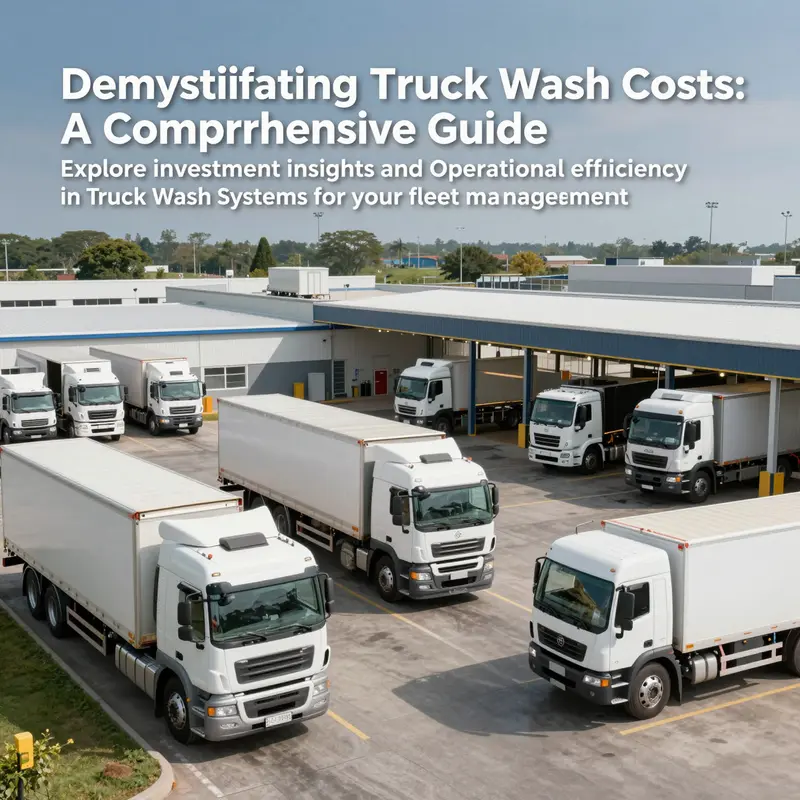
Understanding the cost implications of truck wash systems is essential for logistics and freight managers, trucking company owners, and construction fleet supervisors. As fleet maintenance becomes increasingly crucial for operational efficiency and brand image, the choice between customized and automated truck wash solutions can significantly impact your budget and cleaning outcomes. This article outlines the pricing structures, types of systems available, operational efficiencies, and the long-term economic benefits associated with truck wash investments tailored to your fleet’s needs.
Beyond the Drive-Through: Pricing, Performance, and Practicality in Customized Truck Wash Solutions
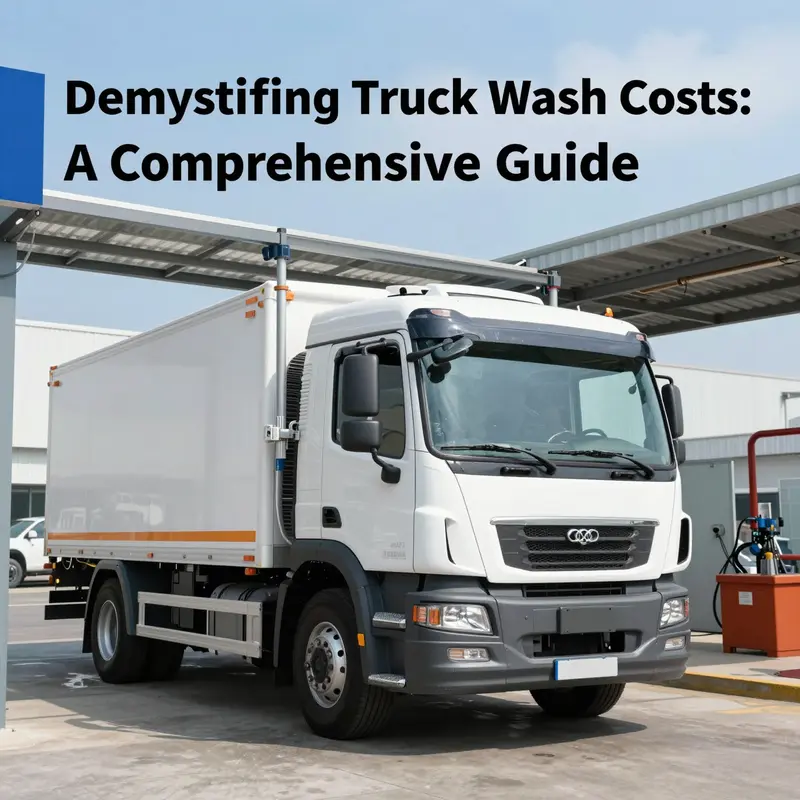
When fleets ask, “how much is truck wash?” the answer quickly expands beyond a simple price tag. The cost of cleaning heavy-duty vehicles is shaped by a spectrum of choices, from basic drive-through options to fully customized, automated systems. The sticker price of a customized truck wash setup is only the opening chapter in a longer story about space, power, business needs, and the ongoing dance between efficiency and maintenance. What looks like a sizable initial outlay can translate into meaningful long-term savings when a system is matched to a fleet’s scale, route geography, and maintenance philosophy. In practice, the price ranges you encounter reflect decisions about automation, size, and the level of sophistication required to tackle the particular contaminants that arrive with every mile of road. Road grime, oil and grease, winter salt, and tar—these are not just nuisances; they are persistent enemies that demand robust, reliable solutions, especially for fleets that run at speed, on tight schedules, and across multiple climates. The logic behind the cost is not merely what you buy today, but what you prevent tomorrow: reduced downtime, extended vehicle life, and a cleaner brand image for a fleet that represents reliability on wheels.
Customized truck wash solutions sit at the higher end of the spectrum because they promise scalability, efficiency, and environmental stewardship in one package. In practical terms, a fully customized, automated system can be priced in the mid to high tens of thousands per set, with typical ranges that reflect the breadth of configurations available. These numbers often assume a complete package—integrated wash stations with heated water where needed, eco-conscious chemical regimes, and a drying or waxing module that finishes the job with a professional sheen. What you pay for is more than scrubbing power. You are investing in a coordinated workflow: pre-wash, primary cleaning, secondary rinsing, disinfection, drying, and often an optional polish or wax cycle that protects finishes and prolongs the vehicle’s marketability. Each of these steps can be tuned to the fleet’s needs, from the level of contact in the wash (touchless versus soft-touch) to the degree of automation that minimizes labor while maximizing throughput.
In the customized category, the price tag also reflects the system’s potential to handle a variety of vehicle types. Fleets rarely operate a single silhouette of truck or trailer; they move from long-haul tractors to tankers, city delivery vans, and even emergency vehicles. A top-tier, automated configuration is designed to adapt to this diversity, offering adjustable nozzles, modular wash stages, and smart control software that calibrates water pressure, temperature, chemical dosing, and drying cycles for each vehicle profile. The result is a one-stop installation that can service buses, freight haulers, and large fleet tractors with the same underlying infrastructure. To the operators who need reliability in harsh conditions, that adaptability is a core justification for the price. The prospect of fewer changeouts, less retooling, and a system that can absorb growth without a forklift and a crew of technicians is a compelling argument for the initial spend.
Yet price is not a value proposition in isolation. A buyer should weigh the ongoing costs associated with maintenance, energy, water usage, chemical consumption, and the upkeep of moving parts. Advanced systems can include heated water and high-pressure cleaning, which substantially improves the removal of stubborn residues like grease, tar, and winter salt but also increases energy demand and heat-management requirements. The eco-friendly path—biodegradable detergents, ozone-based disinfection, and efficient pump systems—often carries a premium up front but can reduce operating expenses and regulatory risk over time. In markets with strict environmental standards, those green features aren’t optional extras; they are a compliance baseline that protects fleets from costly penalties and reputational damage.
The decision matrix also includes space, infrastructure, and site readiness. Customized systems demand adequate layout for drive-through or mobile configurations, reliable power supply, adequate water treatment, drainage, and a wash bay that can accommodate the largest vehicles in the fleet. Maintenance complexity rises with automation; more moving parts mean more potential failure points. The data points from industry observers show a clear pattern: while drive-through and basic in-bay setups deliver fast cleanings at a lower initial cost, their ability to scale, to consistently deliver a uniform finish, and to protect undercarriages and other hard-to-reach areas is often inferior to full automation with carefully designed stages. For many operators, the extra space and the longer wash cycle times of a comprehensive automated system are a small price to pay for a higher-quality, repeatable result and predictable maintenance planning.
Financial planning for customized wash systems thus blends upfront capex with a thoughtful view of opex. Fleet managers consider not only the price today, but the lifetime value of faster turnarounds, fewer labor hours per vehicle, and reduced repaint and corrosion costs over the life of the truck. An automated, high-capacity wash can deliver rapid throughput—impressive numbers like six to ten minutes per vehicle in well-optimized facilities—and this speed translates into more vehicles cleaned per hour, fewer queues, and better fleet utilization. That operational advantage matters when a fleet relies on clean vehicles to maintain service windows and customer commitments, especially in regions with tight delivery timelines. Still, not every fleet will justify a full automation investment. The calculus becomes even more nuanced when you factor in location: a facility backed by robust supporting services, easy access for heavy trucks, and a supply chain that keeps replacement parts and detergents readily available can turn a higher initial investment into a smoother, less risky expansion.
From a practical perspective, the spectrum of options within customized truck wash systems includes choices that determine both price and performance. High-end configurations emphasize complete automation with options like micro-cleaning capabilities, integrated disinfection, aeration, and polishing wax application as standard features. These systems often come with what buyers perceive as “future-proof” capabilities: modular designs that allow upgrades as technology evolves, and comprehensive service plans that include remote diagnostics and online support. The benefit is straightforward: predictable maintenance windows, fewer surprises, and a reduced emergency repair tempo. On the other end of the spectrum, there are modular, semi-automated configurations that can be scaled as a fleet grows, with simpler control logic, fewer sensors, and a slower turnaround as trade-offs for a lower outset cost. The choice between these paths hinges on fleet size, service level commitments, geographic dispersion, and the willingness to manage complex systems.
A critical, and sometimes overlooked, factor in pricing is the inclusion of installation and freight. In many listings, the initial price quote is presented as a set price with freight costs quoted separately by the supplier. This distinction matters; freight and site installation can subtly change the economics of the investment, especially when the wash bay is part of a larger maintenance facility or sits on a site with limited loading docks and crane access. For operators evaluating bids, it is essential to request a complete, itemized quote that accounts for site preparation, electrical work, water treatment, drainage, and any required building modifications. Without that full picture, the headline price may look attractive, only to be followed by a cascade of additional charges that complicate budgeting and project management.
In terms of market dynamics, the literature and industry chatter point to a steady growth trajectory for customized, automated solutions in the United States and in major logistics corridors where half-day delivery commitments are the norm. The market’s momentum is driven by fleets that aim to shorten downtime, enhance asset longevity, and meet environmental standards without sacrificing performance. A rapid-cleaning capability under ten minutes in top facilities, coupled with a drive-through format, demonstrates how modern systems marry speed with care for the vehicle’s finish. The tiered approach to pricing—ranging from basic, lower-cost configurations to fully automated, high-capacity installations—lets operators align investment with expected utilization, maintenance budgets, and long-range fleet plans. The Tampa region, in particular, is highlighted as a hub of advanced fleet cleaning activity, underscoring how location and freight density influence both demand and the adoption of sophisticated wash technologies.
For fleet operators weighing the economics, there is value in thinking of a customized wash system as a long-term asset rather than a single-service expense. The most compelling arguments emphasize uptime and vehicle preservation. A well-chosen system reduces the wear and tear associated with manual wash methods and outdated equipment, improving the vehicle’s resale value and its internal component longevity. It also helps standardize the cleaning process across a dispersed fleet, ensuring uniform presentation and a consistent maintenance baseline. The consequence for procurement teams is a shift in focus from “What is the upfront price?” to “What is the total cost of ownership over the system’s life?” The best practices in this shift involve a clear agreement on maintenance intervals, the availability of spare parts, remote diagnostic capabilities, and a service model that minimizes downtime. In short, the chapter on pricing must also tell the story of value—the durable, repeatable value that a well-chosen customized wash system can deliver to a fleet’s bottom line, brand, and operational resilience.
Within this broader frame, the decision to pursue a customized automated solution often benefits from dialogue with peer operators who have navigated the same choices. Fleet managers who have installed these systems frequently emphasize the importance of aligning expectations with reality: the speed gains, the cleanliness results, and the reliability that automation promises must be weighed against the practical realities of space, utility capacity, and ongoing maintenance commitments. A transparent procurement process—one that includes site surveys, power and water capacity assessments, and a realistic plan for implementation—goes a long way toward preventing cost overruns and schedule slippage. It also helps ensure that the installed system integrates smoothly with existing facilities and workflows, rather than forcing a fleet to contort its operations around a new machine. With careful planning, the initial price becomes one of several calculable inputs in a larger, well-structured business case that supports fleet maintenance excellence.
For readers seeking practical, hands-on considerations that bridge the gap between theory and factory floor realities, there is value in turning to facility-management resources that discuss how to steward equipment investment across a fleet’s lifecycle. See facility-management-for-truck-wash-businesses for more on how maintenance scheduling, supply chain resilience, and staff development harmonize with capital investments in wash technology. The broader message is that the cost of truck wash systems is not a fixed line on a budget sheet, but a dynamic variable that interacts with maintenance routines, energy prices, and the cadence of fleet operations. Operators who view wash systems through this broader lens tend to make smarter, more resilient choices that pay dividends in reliability, appearance, and customer trust.
External resources echo these themes, offering real-world data points and case studies that illuminate how markets are evolving. In a recent market snapshot, the Tampa corridor emerged as a notable center of advanced fleet cleaning activity, reflecting a convergence of port activity, freight demand, and technology-driven efficiency. This context helps explain why customized systems command attention and investment in today’s logistics environment. For a deeper look at contemporary market offerings and deployment examples, see the external source that highlights Tampa’s role in advanced fleet cleaning solutions for 2025 and beyond. External resource: Tampa Truck Wash – Advanced Fleet Cleaning Solutions For 2025. https://www.alibaba.com/product-detail/Tampa-Truck-Wash-Advanced-Fleet-Cleaning1600629434242.html?spm=a2700.galleryofferlist.pproductDetail.2.5d1e5f1aYnXcJw&gps-custom=1
Cleaning at Scale: Decoding the Costs and Types of Automated Truck Wash Systems
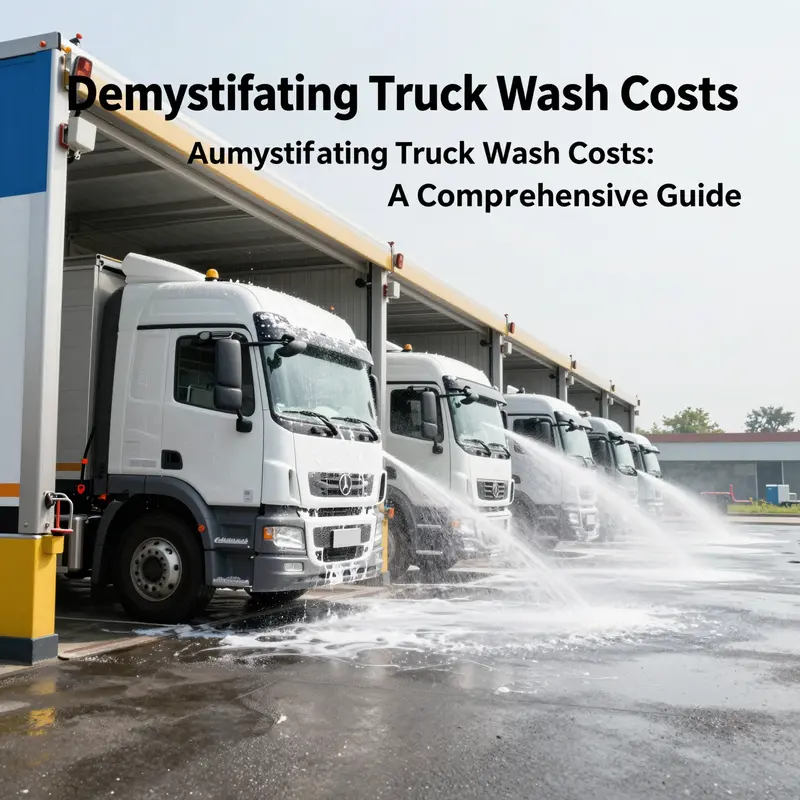
When fleets move goods across vast geographies, the wash bay becomes more than a utility; it is a core component of reliability, uptime, and operational efficiency. The question of how much a truck wash costs cannot be answered with one number alone. It depends on the type of system, the scale of the fleet, the space available, and the long-term costs tied to maintenance, water use, and energy. Automated truck wash systems offer compelling advantages for high-volume operations, but they demand careful financial planning and a clear picture of what is being purchased. The cost discussion begins with an acknowledgment that automated washes exist on a spectrum—from compact, mobile units to permanent, large-scale tunnel facilities—each with its own price tag, throughput, and infrastructural footprint. For many operators, the most meaningful metric is not the sticker price but the total cost of ownership over the system’s life, including water management, chemical consumption, and the labor savings that automation promises. In recent market observations, customized logistic truck washing systems, which cover a range from soft-touch to touchless configurations, typically sit in the realm of forty to forty-five thousand dollars per set, with a minimum order of one set. These configurations often come with lifetime online support, and freight is quoted by the supplier. That freight cost, while variable, can be substantial for operators located far from the manufacturer, and it is essential to factor it into the upfront budgeting. While these figures establish a baseline, the story grows more complex when one looks at the different automated wash modalities available to fleets. Automatic systems can be divided into several archetypes, each with its own cost and performance profile. In-bay automatic systems, sometimes described as roll-over configurations, use a mobile gantry equipped with brushes and detergents to scrub and rinse the vehicle. A tunnel wash, by contrast, relies on a continuous conveyor that moves trucks through multiple stages—pre-soak, high-pressure wash, foam, wax, and drying—creating a pipeline of cleaning that minimizes manual intervention. Then there are touchless washes, which lean on high-pressure water jets and chemical deliveries to lift dirt without any physical contact with the vehicle. Each of these approaches delivers distinct advantages and challenges. Touchless systems reduce the risk of paint or vinyl damage, a consideration that matters to fleets operating premium finishes or graphics. But they can be less effective on stubborn soils such as dried mud or greasy residues, often requiring pre-soaks or multiple passes. Brush-based systems, with rotating brushes mounted on a gantry, can deliver more aggressive soil removal. However, brushes require careful maintenance and monitoring to avoid surface wear or scratches, especially on sensitive finishes. In the cost calculus, the initial investment for automated systems is a primary consideration, particularly for overhead or large-scale commercial installations that demand significant infrastructure and space. The price premium for a tunnel system or a fully integrated, fixed installation can be substantial, and the payback period depends on wash volumes and labor savings. Maintenance and ongoing operating expenses—water, chemicals, energy, and routine servicing—drive the long-term cost. Automated washes promise dramatic labor reductions, a pivotal factor in ROI calculations. For fleets with substantial wash volumes, automation can dramatically shrink manual wash time and reduce the need for dedicated personnel, translating into improved utilization of human resources and faster turnaround. The value, however, is not purely labor savings; it also hinges on water management and recycling. A modern system that includes reclamation and recycling features can materially reduce water usage and wastewater disposal costs, a feature that becomes increasingly valuable in regions with water constraints or stricter regulatory regimes. In practical terms, the capital investment is only part of the equation. A facility owner must also consider space requirements and the potential trade-offs between throughput and footprint. In-bay and tunnel systems demand different footprints, electrical infrastructure, and drainage configurations. A tunnel system, while offering high throughput, imposes a longer asset life cycle and often a larger capital outlay, as well as more significant maintenance complexity. A touchless system, with fewer moving parts, can reduce some maintenance headaches but may necessitate more sophisticated chemical regimens and water management strategies to achieve comparable soil removal. The pace of operation—3 to 6 trucks per hour for many commercial automatic washes—means throughput is a critical lever in site planning. For larger fleets, the throughput can be a decisive factor in determining the feasibility of locating a wash facility on-site, versus outsourcing the work to a nearby washed facility. Conversely, lower upfront costs may tempt operators to pursue mobile or trailer-mounted platforms. These flexible, self-contained units provide automated pre-soak, wash, and rinse cycles without requiring permanent installation. They are particularly appealing to smaller fleets or temporary operations where space or capital constraints preclude a fixed installation. The trade-off, of course, is efficiency and throughput. While mobile units offer a faster deployment timeline and lower initial outlay, they typically cannot match the continuous operation of a fixed tunnel or in-bay system. They may also entail higher ongoing rental or service fees and more frequent relocations, which can affect scheduling and maintenance planning. A comprehensive decision framework for choosing among these options begins with a careful audit of wash volume and fleet size. A fleet with hundreds of trucks and multi-shift operations benefits from a fixed, automated system with robust reliability, predictable maintenance cycles, and strong downtime planning. A smaller operation, with a more variable wash demand, might lean toward a mobile unit or a modular fixed installation that can scale incrementally as the fleet grows. The environmental and regulatory landscape also informs the cost equation. Water usage, chemical handling, and wastewater disposal are tightly regulated in many regions. Investments in water reclamation and recycling systems not only align with sustainability goals but can also yield meaningful cost savings over time. In districts where discharge permits or environmental compliance add overhead, these features may tip the balance in favor of a more complex, integrated solution, even if the upfront price is higher. The financial planning associated with automated wash systems should also include a thorough assessment of maintenance needs. Moving parts demand regular servicing: pumps, conveyors, spray arms, and sensors require routine checks and timely replacements. Unplanned downtime can quickly erode the anticipated ROI, so a maintenance plan with service agreements and spares management is critical. The choice between a fixed, high-throughput system and a more modest setup often hinges on long-range operational goals and capital budgeting cycles. For many operators, the instinct to minimize upfront costs must be balanced by the realities of ongoing maintenance and the cost of water and energy. A lower initial price does not automatically equate to lower total cost of ownership, if the system requires frequent repairs or if it consumes more water and chemicals than a more advanced but steadier option. To illustrate the decision-making process, imagine a mid-sized fleet of 60 to 120 trucks operating across multiple shifts in a region with moderate rainfall and access to water reclamation. An all-in fixed tunnel wash may command a higher upfront investment but deliver consistent throughput, reliable cleaning quality, and a clearer path to waste water compliance. The same fleet could achieve a lower initial outlay with a mobile or semi-permanent unit, but the operator would need to evaluate ongoing service costs, potential downtimes, and the logistics of moving a unit between sites. In both scenarios, the cost discussion should be anchored in a holistic assessment of the site’s layout, drainage, and electrical capacity. The best-cleaning approach is not simply the most powerful machine on the premises; it is the system that integrates clean efficiency with reliable operation and sustainable water management. If a facility has to accommodate a large wash fleet while maintaining safe clearance for trucks and maneuvering space for a gantry, then space optimization becomes a primary determinant of cost and feasibility. The installation costs extend beyond the price tag for the equipment itself. Concrete work, drainage and piping, electrical trenching, and the integration with existing site processes contribute to the total capital outlay. Freight, installation, and commissioning are additional lines in the cost sheet that must be negotiated with suppliers. For the decision-maker, a pragmatic path is to request formal quotes that break down the total cost of ownership, including upfront price, freight, installation, commissioning, spare parts, service plans, and system refurbishments over a typical 5 to 10-year horizon. It is equally important to request performance metrics that align with the fleet’s needs—wash quality, cycle times, water use per truck, chemical consumption per cycle, and the reliability of automated controls. A realist’s estimate should also include a contingency for potential downtime during ramp-up and the training period for operators and maintenance staff. In this regard, the role of standards and best practices comes into sharp relief. Industry guidelines provide a framework for evaluating cleaning systems, especially for industrial cleaning contexts. The International Organization for Standardization (ISO) documents offer general requirements for industrial cleaning systems and help align a site’s equipment choice with recognized benchmarks. While the detailed standards pages are technical, they serve as a compass for those seeking to align cost, performance, and compliance in a coherent strategy. For readers who want to bridge practical budgeting with a broader industry perspective, some operators turn to industry articles and case studies that distill field experiences into actionable guidance. A notable example is the discussion around workforce engagement and operational efficiency in trucking environments, which reinforces the idea that technology alone does not deliver ROI; people and processes do. You can explore perspectives from industry thought leaders in this domain, including insights like those found in Derrick Wolfe Trucking Employee Engagement Growth, which can be accessed here: Derrick Wolfe Trucking Employee Engagement Growth. This kind of content helps illuminate how software, automation, and human factors converge to improve not just wash quality but overall fleet performance. When operators weigh these systems, they should also consider the long-term implications for facility design and future upgrades. A fixed tunnel system may deliver superior repeatability and cleanliness, but it also constrains flexibility. If a fleet later needs to scale beyond initial projections or relocate operations, the fixed nature of a tunnel or large in-bay installation becomes a strategic constraint. Conversely, a modular approach or mobile unit can offer the elasticity to adapt to changing routes, seasonal demand, or corporate reorganizations. The price tag for automation must be evaluated in the frame of strategic goals, not only the current budget cycle. And while price remains a tangible consideration, the quality of the wash, the reliability of the system, and the ease of maintenance ultimately determine whether the investment pays dividends in uptime, customer satisfaction, and regulatory compliance. For teams weighing the decision, the best approach is to treat the purchase as a platform decision rather than a single purchase. The platform includes the hardware, software controls, after-sales support, and the ancillary capabilities that enable the wash to fit cleanly into the broader fleet operations. In this sense, the total cost of ownership can be understood as a multi-year, multi-asset equation that factors in capital cost, operating cost, risk of downtime, and potential revenue or savings from improved vehicle availability. As the market continues to evolve, suppliers are increasingly offering integrated solutions that pair automated washing with data analytics, predictive maintenance, and remote monitoring. These capabilities help operators optimize wash cycles, monitor chemical stock, and anticipate component wear before failures occur. They contribute to a more stable cost profile, smoother maintenance planning, and better adherence to environmental standards. In summary, the cost of an automated truck wash system cannot be reduced to a single figure. The decision hinges on a blend of system type, throughput requirements, facility footprint, and the organization’s long-term cost management goals. For fleets with stable, high-volume wash needs, fixed automated systems—especially those designed for high throughput—can deliver compelling ROI when paired with water recycling and efficient maintenance. For smaller fleets, or for operations that require mobility and temporary deployment, mobile or trailer-mounted units offer lower upfront costs with flexible deployment. The critical step is to perform a rigorous, data-driven evaluation of total cost of ownership, including upfront price, installation, and ongoing operating costs, against the expected benefits in uptime, wash quality, and regulatory compliance. Those who do so well often discover that the most economical path is not the cheapest machine, but the best-aligned platform that integrates with existing workflows, supports sustainable water use, and provides durable performance across the fleet’s lifecycle. External resources can further illuminate best practices, and industry standards can anchor this decision in broadly accepted guidelines. For additional technical context on industrial cleaning system standards, you can consult ISO 16723-1:2023, which outlines general requirements for industrial cleaning systems: https://www.iso.org/standard/94567.html
Counting Every Sweep: The True Cost and Timing of Truck Wash Systems
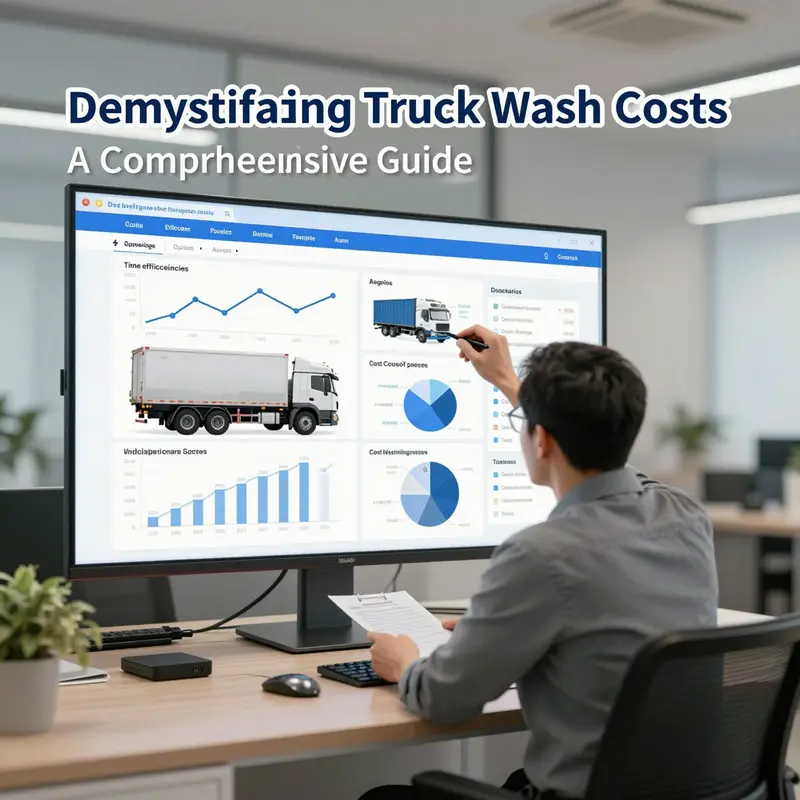
When fleet managers ask how much a truck wash costs, they are usually chasing a sticker price. Yet the true story is far more nuanced. The price tag is only the visible face of a longer financial arc that bends through upfront capital, ongoing energy and water use, maintenance, labor, and the subtle shifts in throughput that determine how often a yard can turn a truck. In this chapter, we explore that arc with a focus on operational efficiency, linking cost to time, capacity, and the cleaning outcomes necessary to keep a fleet moving without surprises. The aim is not merely to compare price bands but to illuminate how the choice of wash system alters the daily calculus of a depot, a distribution center, or a mobile service unit, and how the economics change as volume grows or shrinks. The central thread is that the most economical choice is rarely the one with the lowest upfront price; it is the option that aligns with expected volume, required cleaning depth, and the facility’s ability to sustain it with predictable energy, water, and maintenance costs over time.
The landscape of truck wash options falls into three broad families: manual, semi-automatic, and fully automatic systems. Each comes with a distinct cost structure and a different rhythm of operation. Manual truck wash setups appeal to smaller fleets or facilities with uncertain demand. They require the least initial capital, but they demand substantial labor and time. A bay can wash fewer trucks per hour than automated counterparts, and the variability of human performance translates into inconsistent results. This inconsistency is not just a quality issue; it is a risk to schedule reliability. If a fleet depends on a tight wash cadence to meet delivery windows, the variability of manual cleaning becomes a hidden cost—late departures, idle drivers, and the downstream expense of delayed shipments. In such contexts, the perceived savings on the upfront price is often eclipsed by higher labor costs and slower throughput.
Semi-automatic systems attempt to bridge the gap. They automate key steps while keeping a human in the loop for certain tasks or decisions. The middle ground often translates into faster processing than a fully manual setup and more predictable outcomes, but it also carries a taller labor bill than a fully automated plant. The cost profile here includes not only the equipment price but the ongoing labor overhead, maintenance exposure, and skill requirements to keep the system running smoothly. In practice, semi-automatic configurations are chosen by operations that have moderate volumes, a need for higher cleaning fidelity, and a constraint on capital expenditure. They can be tuned to meet a target throughput with acceptable variability, but their economics hinge on how efficiently labor and equipment can be coordinated during peak times.
Fully automatic truck wash systems sit at the opposite end of the spectrum. Their core appeal is high throughput, repeatable cleaning outcomes, and a leaner labor footprint. They can process multiple trucks per hour in clean, sequential passes, delivering standardized results that fleets can count on for consistency. The catch is the price: the initial investment tends to be substantially higher, and the facility must accommodate the infrastructure that supports it. Space becomes a critical factor, as tunnel-style or in-bay configurations require room for conveyors, gantries, and wash stages. Automatic systems often rely on advanced water management, chemical dosing, and waste handling to sustain performance over time. When fleets have high wash volumes and a need for predictable schedules, automation can lower the total cost of ownership by reducing labor, speeding throughput, and delivering consistent cleaning quality. But if volumes are uncertain, the ongoing maintenance, energy, and water-disposal costs can tilt the economics away from the upfront bargain.
The quantitative heart of the analysis is straightforward once you separate the pieces that drive price from the pieces that drive operating cost. On the price side, the customization level matters. Based on current market data, customized logistic truck washing systems—think soft-touch or touchless configurations—often sit in a price band around forty thousand to forty-five thousand dollars per set, with a minimum order quantity of one set. These systems frequently include lifetime online support and are typically quoted with freight costs by the supplier. This framing is helpful because it anchors expectations about the scale of investment, but it is not the entire picture. Freight, installation, site preparation, and commissioning can add appreciable sums, depending on the geography, the existing bay design, and any regulatory or safety upgrades required by the facility.
Automatic truck wash systems, as a category, are commonly described through their architectural choices—an in-bay automatic or roll-over configuration, a tunnel through which the truck travels on a conveyor, and the increasingly popular touchless variants that use high-pressure jets and chemical dosing rather than physical contact. Each architecture carries its own cost cadence. In-bay systems can be economical to install for moderate throughput and limited space, but they may require careful management of the gantry itself and a robust water-management strategy. Tunnel washes promise high throughput and standardized results but demand substantial space and a longer lead time for installation. Touchless models emphasize surface safety and reduced abrasion risk, yet they can struggle with the same stubborn grime that a brush system would tackle, especially on heavily soiled fleets. The mix of these options means that the cost envelope for automatic systems is wide, with capital expenditure aligned to desired throughput and the degree of automation that matches the depot’s peak load.
The operational cost side is equally consequential and often underappreciated in early planning. Even when the sticker price for a system is compelling, the ongoing costs of water, energy, and chemical management can erode the savings if not properly managed. A primary driver of ongoing expense is water management. Wash facilities require reliable water supply, well-designed recycling or treatment systems, and efficient wastewater disposal. Inadequate water management erodes cleaning effectiveness and can trigger higher chemical usage or regulatory concerns. Energy consumption follows closely, particularly in high-volume tunnel configurations where pumps, conveyors, and drying systems draw substantial power. The chemistry of the cleaning agents matters as well; the cost per wash is influenced by chemical concentration, required dwell times, and the need for rinse water that preserves fleet paint and decals. Many operators overlook the cost of maintenance for moving parts, sensors, seals, and the control software that keeps automation synchronized. Downtime due to mechanical wear or calibration drift can become a meaningful drag on throughput and profitability, especially where a single fault reverberates through the entire wash stream.
To connect these dots, consider throughput. The literature and industry practice converge on a rough rule of thumb: fully automatic systems can handle 3–6 trucks per hour, depending on the configuration and wash cycle depth. Manual and semi-automatic bays typically fall short of this mark, particularly when the fleet includes vehicles with unusual dimensions or heavy soil. The real-world implication is clear: higher throughput reduces the per-truck overhead attributed to labor, water, and energy, but it also escalates the you-need-it-now capital outlay and the complexity of startup. If a depot operates near capacity, a more automated solution can yield meaningful savings in labor and time, delivering scheduling reliability that lowers the cost of downtime and missed windows. Conversely, smaller fleets or facilities with sporadic demand may find that the incremental gains from automation do not justify the higher fixed costs, especially when maintenance cycles threaten unplanned downtime during peak periods.
From a decision-making perspective, the ideal scenario for a large-scale operation points toward a fully automatic system with robust water and waste management, a layout that supports efficient flow, and a plan to minimize downtime during maintenance. The value is then measured in successfully raising hourly throughput, stabilizing cleaning quality, and shrinking the labor footprint enough to reallocate personnel to other high-value tasks, such as fleet maintenance or compliance oversight. On the flip side, a smaller depot or a mobile wash service benefits from a more modest investment with scalable automation, where the emphasis is on predictable performance and a shorter path to return on investment. In such cases, the incremental improvement in throughput and the gains in cleanliness consistency still matter, but they come at a lower capital risk and with greater flexibility to adapt to changing volumes.
A practical planning framework emerges when cost is paired with strategy. First, define cleanability requirements: what level of soil, what undercarriage access, and what impact on paint safety is acceptable? These questions shape whether a brush-based or touchless approach is sufficient, or whether a hybrid may better serve the fleet. Second, quantify volume and peak demand: what is the expected number of trucks per hour on busy days, and how many bays are required to meet that demand without causing queueing at the gate? Third, assess site readiness: does the facility have adequate space for the chosen wash architecture, and are water, drainage, and power supplies aligned with long-term usage? Fourth, model total cost of ownership by itemizing upfront capital, freight and installation, ongoing utilities, chemical costs, maintenance, and eventual replacement cycles for major components. The goal is to produce a dynamic forecast that updates as volumes shift and as technology evolves.
The literature referenced in the broader industry analysis emphasizes the importance of a lifecycle view. A comprehensive assessment weighs automation’s energy efficiency improvements, potential savings in labor, and the longer-term maintenance burden against the needs for flexible operation and the risk of downtime. The investment’s payback period is a function of wash volume, the desired cleanliness standard, and the degree of automation. In high-volume facilities, even modest improvements in cycle time can translate into significant daily tonnage moved and lower per-truck handling costs. In quieter operations, the payback may be longer, and a staged approach to automation—starting with a semi-automatic setup and migrating to full automation as volumes rise—can be prudent. The path you select should be underpinned by a realistic forecast of demand, a plan for system integration with water and chemical management, and a governance model that tracks performance against clear metrics such as throughput, defect rate, and downtime.
Alongside these considerations, it is worth noting the practical caveats often highlighted by practitioners. Undercarriage cleaning, which many basic models struggle to deliver, is a frequent point of contention for customers seeking comprehensive cleanliness. The best value, then, is found in configurations that balance the thoroughness of the wash with the facility’s constraints. For rail-mounted or track-based installations, the complexity and capital intensity rise even further, requiring meticulous site planning and extended commissioning phases. Operators must also plan for maintenance cycles that align with peak usage periods to avoid unplanned downtime. In all cases, the decision should be guided by a holistic view of the fleet’s needs, the yard’s capacity, and the organization’s broader efficiency goals. The investment must yield not only cleaner trucks but also cleaner operations, with predictable costs and reliable performance over time.
Pricing, as a guiding metric, must be interpreted in the context of this broader frame. For an informed pricing exercise, fleets should contact suppliers directly for freight and installation details. The numbers are not one-size-fits-all; location, site readiness, and the scope of automation drive the final quotes. A well-structured procurement process will also seek to understand service commitments, spare parts availability, and the supplier’s track record for uptime. Beyond the sticker price, fleets should map out a maintenance plan, supplier support terms, and a contingency budget for unexpected downtimes that could disrupt scheduling during busy periods. In practice, the best approach is to build a simple, transparent model that captures the upfront investment, the recurring costs, the expected throughput, and the reliability targets. This model becomes a living document, updated as volumes grow, as new cleaning technologies emerge, and as regulations shape wastewater and emission considerations.
To readers seeking a concise synthesis of automation trends, industry benchmarks, and lifecycle cost considerations, a detailed industry report from Truck Wash Technology Journal offers valuable context. It evaluates current trends in automation, energy efficiency, and lifecycle costs, helping operators understand where improvements deliver the most value. See the report here for a structured framework to compare system performance with real-world cost implications: https://www.truckwastechjournal.com/2026/operational-efficiency-in-truck-washing. While that external analysis provides a broad view, the practical takeaway for this chapter remains clear: align the wash system with volume and cleanliness targets, invest in infrastructure that supports reliable operation, and anticipate the ongoing costs that influence total cost of ownership.
The path to an optimal decision is not purely mathematical. It requires a clear sense of how much a truck wash should cost in time and money, and how the chosen solution will keep the fleet moving, clean, and compliant. That means balancing upfront investment with the daily, weekly, and monthly rhythms of a depot. It means recognizing that the most cost-effective option over five years may be different from the cheapest option over one year, especially when the fleet’s loading patterns and maintenance demands change. It means connecting the wash system to the broader facility ecosystem: water supply, drainage, chemical supply chains, energy management, and waste treatment. And it means acknowledging that the answer will be unique to every operation: the truck wash that delivers the right combination of speed, depth, and dependability for a given fleet and a given depot will not look the same as the wash that suits another.
For operators who want to ground their decision in practical experience, a proven path is to start with a clear forecast of wash demand and a transparent cost model. Then, map that model to potential configurations, favoring the option that minimizes total cost per cleaned truck while ensuring sufficient throughput to keep the fleet on schedule. The final choice should reflect a balance of risk, capacity, and reliability, rather than a quest for the smallest capital outlay. In short, the sticker price matters, but the real cost picture—how fast trucks can be cleaned, how consistently, and at what ongoing expense—matters more. The most successful deployments are those that treat the wash as a continuous part of the fleet’s operating system, integrated with maintenance, scheduling, and compliance workflows, so that every wash is a step forward in efficiency, reliability, and the bottom line.
Internal link cue: for operators looking to connect wash facility decisions with broader facility management practices, see the article on facility management for truck wash businesses. facility-management-for-truck-wash-businesses
External resource: https://www.truckwastechjournal.com/2026/operational-efficiency-in-truck-washing
The Clean Capital: How Long-Term Investments in Truck Wash Systems Reshape Fleet Economics
Investment narratives for fleet operators rarely hinge on a single line item. Yet when it comes to truck wash infrastructure, the decision to commit capital reflects a broader calculus of upkeep, throughput, and the evolving demands of regulation and client expectations. The premise is simple but powerful: a well-chosen wash system is not a wedding gift to cleanliness; it is a strategic lever that touches asset protection, operating costs, and brand credibility over many years. The economic logic begins with a first principle of ownership. A customized logistic truck washing setup typically lands in the range of about $40,000 to $45,000 per set, with a minimum order quantity of one set. Suppliers often bundle what amounts to ongoing online support for the life of the system, and freight costs become part of the delivered price. These are not throwaway numbers; they establish the baseline from which lifecycle costs and returns are calculated. The upfront price, while substantial, should be weighed against the more subtly cumulative benefits that accrue as fleets run longer, cleaner, and more efficiently on the road.
Automation in truck washing is not a binary choice between quantity and quality. It unfolds along a spectrum that includes in-bay automatic roll-over configurations, tunnel washes with a staged sequence of pre-soak, high-pressure cleaning, foam application, wax, and drying, and touchless systems that rely on high-pressure jets and specialized chemistries without physical contact. Each category has its own footprint in terms of space, power, water use, and maintenance demands. In-bay roll-overs demand a mobile gantry, a footprint that can be integrated into existing service bays, and a design that accommodates regular maintenance of brushes and fluid delivery systems. Tunnel washes optimize throughput by moving the vehicle through a continuous line of stages, but they call for more expansive facilities, robust drainage and chemical recovery systems, and a higher tolerance for downtime during maintenance. Touchless washes, while seemingly gentler on paint and less physically invasive, can place greater emphasis on chemical discipline and water chemistry, as the lack of brushes shifts the cleaning load to jets and detergents. These distinctions matter not only for the end cleanliness but for the total cost of ownership that fleets must evaluate when discussing procurement with suppliers and facility planners.
The cost differences among systems translate into different throughput profiles. In commercial applications, the economic math shifts from “how clean can we get a truck” to “how many trucks can we responsibly clean in a given hour without compromising reliability and uptime.” Drive-through or hybrid solutions may offer faster cycle times, but they often entail compromises on undercarriage cleaning or the removal of heavy grime in challenging conditions. In many fleets, the practical target is 3 to 6 trucks per hour, a rate that aligns with the realities of space, staffing, maintenance windows, and the need to avoid excessive downtime that would erode any perceived savings. This throughput envelope becomes a central determinant of net present value, because every additional hour of operation reduces the amortized cost per wash and extends the usable life of the equipment by spreading fixed costs over a larger volume of work.
Beyond the mechanics of the wash itself lies a broader payoff that is sometimes overlooked when the upfront price is the main focus. A professional, consistently clean fleet can translate into measurable improvements in efficiency and maintenance. Clean trucks are less prone to corrosion, salt buildup, and debris-related wear that accelerate engine and chassis deterioration. The literature and industry analyses converge on a simple link: regular, high-quality cleaning can improve fuel efficiency through better aerodynamics and more effective cooling, potentially yielding fuel savings of up to around five percent for large, high-mileage operations. Even modest reductions in drag and improved engine performance accumulate across thousands of miles and dozens of trucks, compounding the almost invisible but real annual cost savings. For fleets with tight margins or competitive pressures, those gains are not trivial. They are a meaningful portion of total operating costs, and they compound with every mile traveled. The value proposition of washing becomes linked to the integrity of the vehicle and the efficiency of its operation, two factors that echo through lifecycle planning and replacement strategies.
But financial returns are not limited to direct cost savings. Brand image and customer perception matter in ways that are deceptively durable. A clean, well-presented fleet signals reliability and professionalism to clients, shippers, and partners who are evaluating service levels and dependability. In markets where delivery windows and service quality are the differentiators, a visibly well-maintained fleet communicates discipline and accountability. This reputational halo can influence tender awards, contract renewals, and ultimately revenue stability. While hard numbers drive the investment case, the reputational dimension adds a layer of strategic value that strengthens negotiating leverage and long-term customer relationships.
The economic case for truck wash systems also rests on the evolving regulatory and environmental backdrop. Government support and public investments aimed at upgrading transportation infrastructure are shaping demand in the United States and beyond. As federal and state programs prioritize cleaner air and reduced emissions, fleets are increasingly required to maintain vehicles at peak condition to minimize pollution and maximize efficiency. Automated, water-efficient systems with chemical-recovery capabilities are positioned as not only cost-effective but also compliant with tightening environmental standards. In jurisdictions where water reuse, reduced chemical discharge, and energy efficiency are rewarded or mandated, the payback period for a modern wash system can be shortened, and the value of compliance becomes part of the business case.
From a market perspective, the industry outlook aligns with a disciplined growth trajectory. The global heavy-duty truck wash market is projected to expand at a compound annual growth rate of about 3.9 percent from 2023 through 2032, with the market size forecast to reach around the USD 1.6 billion mark in the updated outlook. This steady expansion reflects a combination of ongoing fleet modernization, infrastructure investments, and a rising emphasis on sustainability and efficiency across supply chains. While the United States market enjoys a stabilizing foundation through public funding and policy support, the global landscape remains buoyed by manufacturers’ efforts to deliver more water-efficient systems, greater automation, and robust after-sales services. The manufacturing backbone for these technologies remains concentrated in several major production hubs, with China entrenched as a critical node for cost-effective, high-performance components and complete systems. This geography supports rapid prototyping, scalable customization, and resilient supply chains that help buyers manage total costs amid volatile procurement conditions.
The lifecycle calculus for truck wash investments is as important as the upfront price itself. In practice, the decision hinges on three overlapping horizons: upfront capital, ongoing operating costs, and the long-tail value captured through maintenance, uptime, and asset longevity. The initial outlay is not simply the sticker price; it includes installation, integration with existing facilities, potential electrical and plumbing upgrades, and, in many cases, freight and logistics arrangements that determine delivered cost. From there, ongoing costs—electricity, water, detergents, filter changes, brush wear, pumps, and potential downtime for service—shape the annual cost profile. A system designed for energy and water efficiency, coupled with a thoughtful chemical-management plan, can meaningfully reduce these recurring expenses. The payback period, therefore, is not a single metric but a dynamic synthesis of utilization rate, local utility costs, and the reliability of the equipment.
For fleet owners weighing these propositions, the procurement decision should also consider integration with broader facility planning. A truck wash is often part of a larger ecosystem that includes maintenance bays, fueling stations, and shipping docks. The benefits of a synchronized design emerge when wash throughput aligns with inbound and outbound flows, crew schedules, and maintenance cycles. In this sense, the financial model for wash systems becomes a module within the fleet’s overall capital allocation. It is not unusual for buyers to assess scenarios in which higher initial investments deliver greater long-run savings through reduced downtime, extended asset life, and improved energy efficiency. The strategic implication is that the wash system becomes a capital asset that supports, rather than disrupts, the continuity of operations—an asset that earns its keep through reliability and measurable performance gains.
As fleets navigate the decision, there is value in connecting with broader facility-management considerations and workforce readiness. The conversation should extend beyond the mechanics of water pressure and brush choreography to the alignment of washing with maintenance planning, driver schedules, and safety protocols. For fleets that emphasize standardized operations and emergency preparedness, there is a useful linkage to discussions about fleet standardization and emergency response. See the discussion on fleet standardization and emergency response for a broader perspective on how these operational threads interweave with infrastructure investments: fleet-standardization-emergency-response. This cross-pollination can help ensure that the wash investment does not stand alone but instead reinforces a disciplined, scalable approach to fleet health and resilience.
Looking forward, the economic case for investing in high-capacity wash systems remains compelling for fleets that operate at scale. The combination of measurable operating savings, compliance benefits, and reputational advantages creates a compelling narrative for long-run returns. The market signals—moderate, steady growth; a shift toward more efficient, automated, and chemically responsible solutions; and sustained government support for modernization—support the view that these systems are not merely a current expense but a strategic tool for optimizing asset performance and cost structure over years. As the logistics landscape continues to evolve, the argument for integrating a thoughtful washing strategy into capital planning strengthens, turning a routine maintenance activity into a disciplined investment in fleet health, energy efficiency, and customer confidence.
For readers seeking a broader lens on market dynamics and industry forecasts, external research provides complementary context to this chapter’s financial narrative. External reference: https://www.marketresearchfuture.com/reports/heavy-duty-truck-wash-market-2745
Final thoughts
Investing in an appropriate truck wash system not only keeps your fleet clean but also maximizes operational efficiency and protects your vehicles over time. Whether you choose a customized solution or an automated system, understanding the intricacies of pricing, time investment, and long-term economic benefits will guide you in making informed decisions. Prioritizing regular truck washing routines enhances customer satisfaction and prolongs vehicle lifespan, positioning your fleet for continued success.