
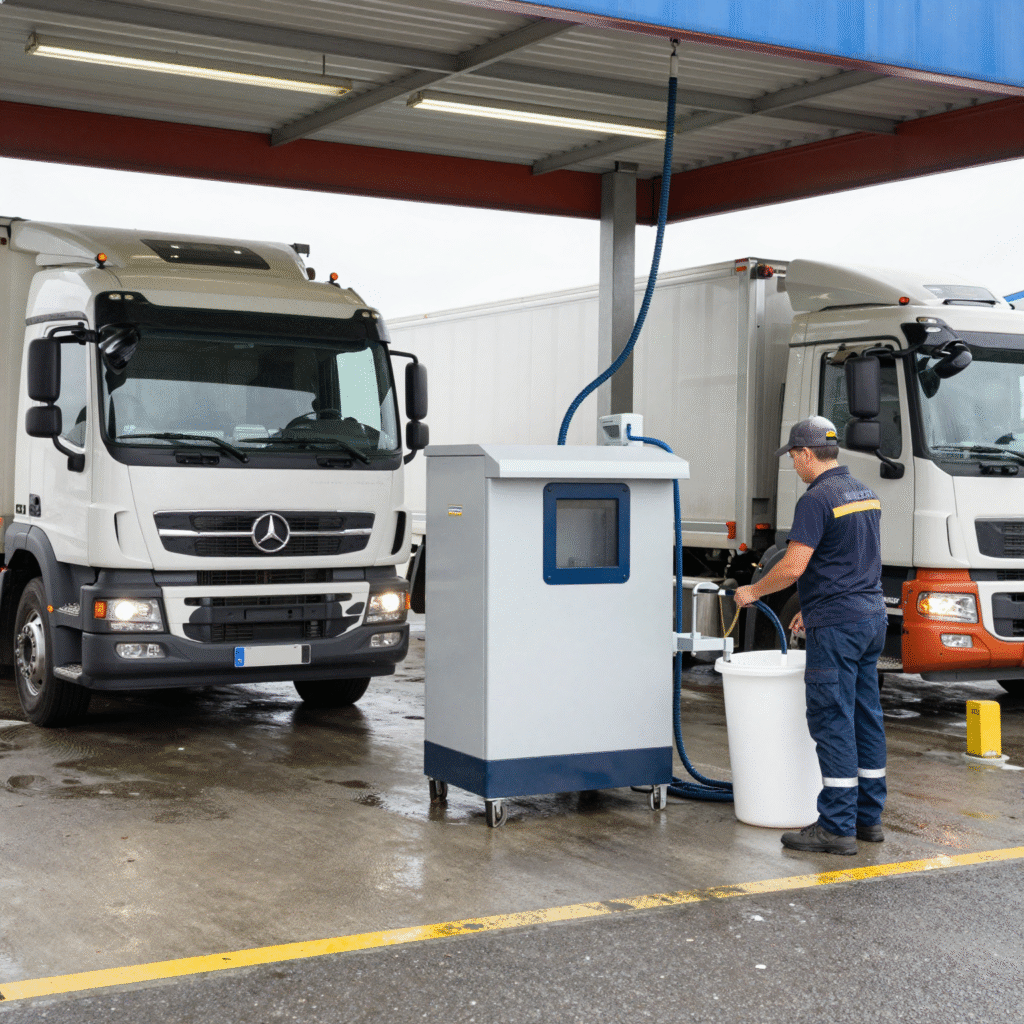
In the logistics and trucking sectors, maintaining a fleet of vehicles is not just about movement but also about longevity and operational efficiency. A well-designed truck wash bay is a critical asset that enhances fleet management by providing a dedicated space for effective vehicle maintenance. Regular cleaning of trucks not only promotes a professional appearance but also prevents the accumulation of harmful substances that can cause long-term damage. By investing in a truck wash bay, fleet managers can ensure that their vehicles operate at peak performance, reduce repair costs, and extend the lifespan of their trucks. Moreover, the convenient setup of a wash bay leads to increased efficiency in daily operations, allowing drivers to get back on the road quickly. For those interested in optimal fleet management practices, exploring the benefits of a truck wash bay is essential for sustainable growth in the trucking industry. For further insights, check out proven strategies for cleaning grease and tar off your trucks fast.
Key Components of a Truck Wash Bay
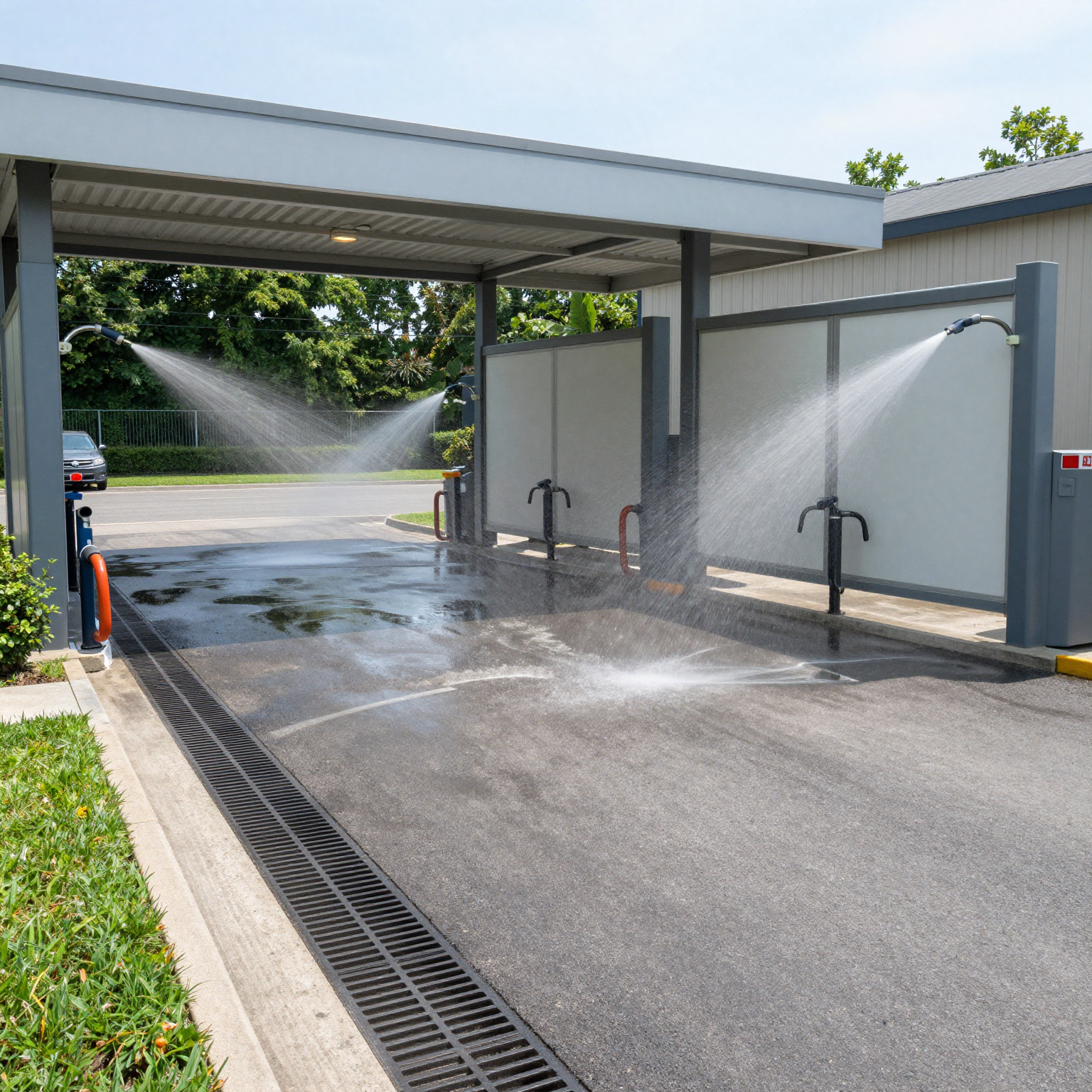
Building a truck wash bay requires thoughtful consideration of various essential elements to ensure efficiency, effectiveness, and compliance with health and safety regulations. Here are the key components:
-
Site Selection
Choosing an appropriate location is vital. The wash bay should be easily accessible to trucks while also being situated away from residential areas to minimize noise and environmental complaints. Considering site drainage and proximity to utility connections is critical. -
Drainage Systems
Proper drainage is crucial to prevent flooding and water pooling. The design typically includes: -
Minimum floor slope (1% to 2%) to facilitate water runoff.
-
Installation of grease traps and interceptors to capture contaminants. This ensures compliance with environmental regulations and helps prevent pollution of local waterways (learn more about compliance).
-
Water Supply
A reliable, high-pressure water supply is necessary for effective cleaning. This may involve: -
Connection to a municipal water source or installation of water tanks for adequate water storage.
-
Incorporating recycling systems to minimize water usage and manage wastewater efficiently.
-
Wash Equipment
A variety of equipment is required, including: -
High-power water jets or automatic wash systems for effective cleaning.
-
Chemical dispensers for detergents that are appropriate for the types of vehicles being washed. Using eco-friendly detergents can enhance sustainability efforts (learn more about environmentally friendly practices).
-
Ventilation and Safety Features
Proper ventilation systems are necessary to handle moisture and fumes. Safety features such as non-slip flooring, appropriate lighting, and clear signage for hazardous areas ensure safe operations within the wash bay. -
Environmental Compliance
Compliance with local environmental regulations is a must. This means setting up appropriate waste disposal methods and ensuring that the wash bay design incorporates significant containment measures to prevent spills and leaks.
Comprehensive Guide to Building a Truck Wash Bay
Building a truck wash bay is a critical investment for logistics and trucking companies, ensuring that your fleet remains clean and compliant with regulations. This guide outlines a step-by-step process on how to build a truck wash bay, covering essential planning, necessary permits, and construction techniques.
1. Initial Planning
Before beginning construction, thorough planning is necessary. Fleet managers should consider the following:
- Location: Choose a site that is accessible to your fleet and complies with local zoning laws. Avoid areas prone to flooding or other natural hazards.
- Size and Capacity: Assess the number of trucks needing service and the type of washes (light, heavy, or both). A spacious bay that can accommodate multiple vehicles simultaneously will enhance efficiency.
- Water Supply and Drainage: Ensure a reliable water source, designed plumbing for wastewater management, and regional regulations compliance.
2. Legal Considerations and Permits
Before construction can proceed, it’s crucial to secure necessary permits:
- Environmental Permits: Consult your local environmental agency about water usage, waste disposal, and potential runoff issues. Different jurisdictions may have varying rules.
- Building Permits: Some states may require specific building permits for commercial structures. Engage with local government departments to identify all requirements.
- Health and Safety Regulations: Confirm compliance with occupational safety and health standards, especially around chemical use for cleaning trucks. Reference standards can include guidelines from facility management for truck wash businesses.
3. Design and Layout
The layout of the truck wash bay should promote efficiency. Key design features include:
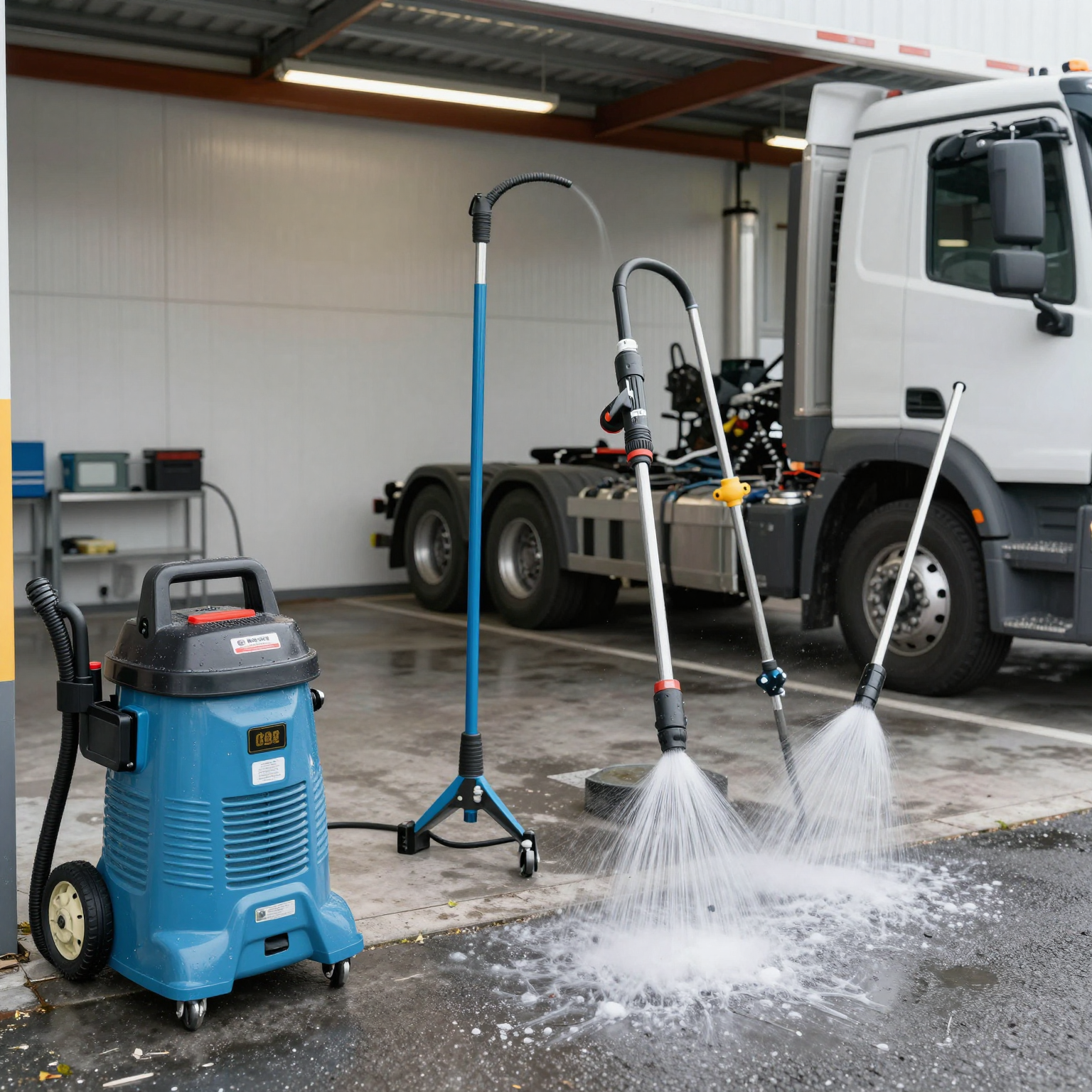
- Wash Equipment: Choose appropriate wash systems, including automatic arches, pressure washers, or self-serve options. Equipment selection should consider the types of vehicles serviced and the cleaning methods employed.
- Accessibility: Ensure easy access ingress and egress for trucks, minimizing the time spent waiting in line. Clearly mark driving paths and ensure they’re wide enough for large vehicles.
- Wash Water Treatment: Incorporate a water reclamation system to recycle water, reducing operational costs and environmental impact.
4. Construction Techniques
When it comes to the construction phase, following established techniques is crucial for durability and safety:
- Foundation Work: A robust foundation is essential. Use reinforced concrete with a thickness of at least 6 inches to withstand the weight of large vehicles. Ensure proper drainage systems are installed to manage water runoff effectively.
- Superstructure: Construct walls and roofing to protect the wash area from the elements. These structures should allow for ventilation and easy maintenance of cleaning equipment.
- Utilities Installation: Install required utilities, such as water supply lines, drains, and electrical wiring for automatic washing systems. Ensure compliance with local codes, especially regarding power supply, which often requires a capacity of 380V.
5. Testing and Final Adjustments
Once construction is complete, thorough testing is essential:
- Equipment Testing: Run all washing systems to ensure they work as intended. This includes testing the effectiveness of water reclamation systems.
- Final Inspections: Schedule a final inspection with local authorities for permit verification before opening to the public.
- Training Staff: Educate your staff on proper machine operation and cleaning procedures to ensure optimal performance.
Conclusion
Building a truck wash bay involves careful planning, legal compliance, and effective construction techniques. By following this guide on how to build a truck wash bay, fleet managers can create a facility that maintains their vehicles’ cleanliness while adhering to environmental regulations. For further insights and resources, you can explore successful stories in trucking and employee engagement at Derrick Wolfe Trucking Success Story.
| Equipment Type | Cost | Efficiency | Features |
|---|---|---|---|
| Mobile Truck Wash | $1,500 | Up to 95% cleaning rate | Uses heated, high-pressure water to remove oil, asphalt, and salt. Designed for fleet flexibility and environmental sustainability. Learn more about mobile truck wash |
| Automatic Truck Wash | $2,000 | Up to 99% cleaning rate | No-contact system with high-pressure water jets and cleaners, reducing maintenance costs. Applicable for small to medium fleets with limited space. Explore the benefits of automatic washes |
| Heavy Duty Truck Washing System | $3,500 | Up to 90% cleaning rate | Equipped with three-brush system (two side brushes and one top brush) for comprehensive vehicle coverage with low maintenance needs. |
Regulatory Compliance for Truck Wash Bays
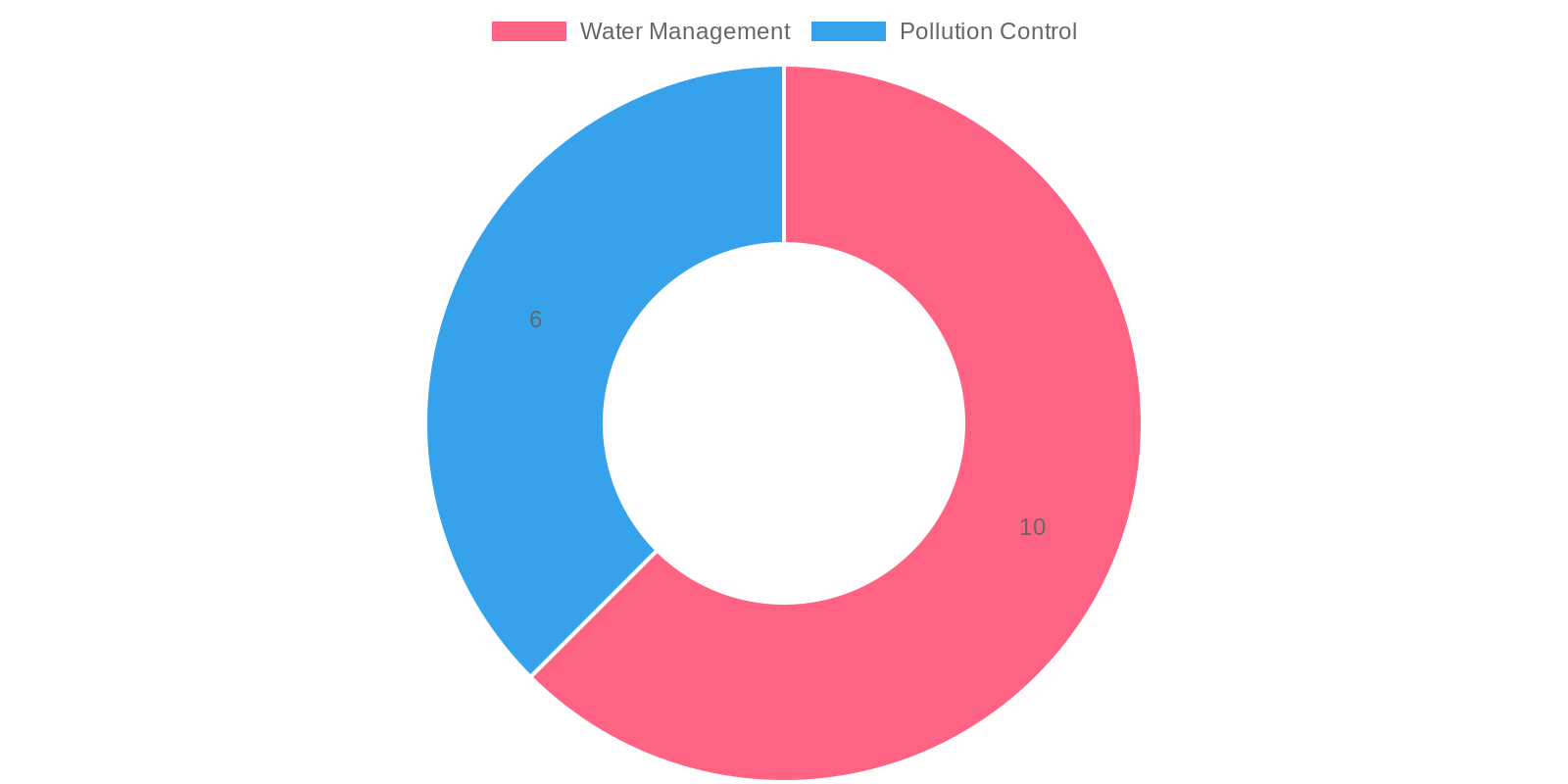
Building and operating a truck wash bay involves adhering to stringent regulations to ensure environmental protection and compliance with state, federal, and international standards. Key areas of focus include water use, pollution control, and best management practices that mitigate environmental impact.
United States Regulations
In the U.S., the Environmental Protection Agency (EPA) manages compliance through the National Pollutant Discharge Elimination System (NPDES). Facilities that discharge wastewater must:
- Obtain NPDES permits if they release wastewater into surface waters or municipal sewer systems.
- Implement measures to reduce total suspended solids (TSS), oil and grease, pH levels, and heavy metals in effluent.
- Use water recycling systems and install oil-water separators to minimize runoff and pollution.
For example, in California, operators are required to reclaim at least 85% of wash water and use biodegradable cleaning agents (California Department of Toxic Substances Control).
European Union Guidelines
The EU follows the Industrial Emissions Directive (IED) and Urban Waste Water Treatment Directive (UWWTD). Compliance requires:
- Operating permits that set emission limits for pollutants like hydrocarbons and heavy metals.
- Implementation of water-efficient technologies and recycling systems that treat all wash water to remove contaminants before discharge (European Environment Agency).
Canadian Standards
In Canada, the framework under the Fisheries Act mandates:
- Treatment of wastewater through substantial filtration and sedimentation tanks before any release.
- Usage of environmentally friendly detergents and maintaining water recovery systems capable of at least 80% recycling (Environment and Climate Change Canada).
Conclusion
Adhering to these regulations not only protects the environment but also fosters sustainable operational practices. Fleet managers and trucking company owners must stay informed about changes in regulations affecting their truck wash operations. To explore effective management practices, check out Facility Management for Truck Wash Businesses.
Maintaining a truck wash bay is essential for ensuring the longevity and efficiency of operations. Regular maintenance not only enhances the lifespan of the facility but also improves the overall effectiveness of truck cleaning processes. Here are some best practices for truck wash bay maintenance that fleet managers and trucking company owners should implement.
Routine Checks
- Daily Inspections:
- Conduct pre-shift checks to verify that all equipment, including pumps, hoses, and wash systems, is operational.
- Look for any visible signs of wear or damage, particularly in high-use areas like nozzles and hoses.
- Weekly Checks:
- Inspect conveyor belts for alignment and damage, ensuring they operate smoothly without fraying edges.
- Check drainage systems for blockages or clogs that could hinder water flow and lead to inefficient cleaning.
- Monthly Reviews:
- Perform pump performance assessments to ensure consistent pressure and chemical delivery.
- Review electrical connections for signs of wear or corrosion, which could lead to potential failures.
Cleaning Schedules
Implementing a strict cleaning regimen is vital for maintaining equipment and ensuring a sanitary environment. A recommended schedule includes:
- Daily: Exterior wash of the wash bay to remove grime, dust, and other debris.
- Weekly: Intensive cleaning of all surfaces, including walls and floors, to prevent the buildup of biofilms and contaminants.
- Monthly: Deep cleaning that includes inspecting and cleaning tanks, filters, and drains to maintain efficiency and compliance with environmental regulations.
Preventative Maintenance and Repairs
Regular preventative maintenance is crucial for minimizing costly repairs and ensuring that the wash bay operates at peak efficiency. Fleet managers should:
- Lubricate Moving Parts: Regular lubrication of rollers, bearings, and any other moving components prevents wear and tear, ensuring smoother operation.
- Replace Worn Parts Promptly: Keeping a log of repairs and replacements helps in planning and prevents unexpected downtimes.
- Train Staff: Regular training for staff on the importance of maintenance procedures fosters a culture of upkeep and attention to detail, contributing to the wash bay’s longevity.
Key Takeaways
Incorporating these practices into your truck wash bay maintenance routine will not only enhance operational efficiency but also extend the lifespan of your equipment. For thorough guidelines, consider exploring resources like this maintenance checklist from CleanPro USA which highlights further essential practices.
By adhering to these best practices, freight and logistics companies can ensure a consistently efficient and reliable truck wash bay, thereby enhancing their overall fleet management process.

This chart illustrates the relationship between the initial investment and long-term savings of an automated truck wash system for fleet managers. The initial investment cost ranges between $50,000 to $100,000 while the long-term savings can exceed $10,000 per truck over five years, demonstrating a strong return on investment.
In conclusion, constructing a dedicated truck wash bay is paramount for logistics and freight companies aiming to enhance their operations. With rigorous cleaning, fleet effectiveness improves significantly, minimizing downtime while extending the lifespan of crucial vehicle components. Moreover, maintaining clean trucks bolsters compliance with environmental regulations, reducing the risk of fines and supporting sustainability initiatives. A clean fleet not only enhances operational efficiency but also fosters positive brand perception among customers, which is particularly vital in industries directly interfacing with the public.
Take the first step toward ensuring vehicle performance and appeal by considering your own truck wash bay construction. Emphasize the dual benefits of operational efficiency and environmental compliance by partnering with reliable service providers. To optimize your fleet management, explore how Summit Fairings can help enhance your vehicles and elevate your operational standards today!