
The importance of clean clothes for truck drivers cannot be understated, especially for those on long hauls. This necessity is not just about comfort; it reflects professionalism and contributes to overall hygiene. Fleet managers, trucking company owners, and construction and mining supervisors need to understand the various solutions available to their drivers while they are on the road. This article dives into how truck drivers can wash their clothes using truck stop facilities, portable solutions available for their use, and the overall significance of maintaining cleanliness during long-distance travel. Furthermore, we will explore the features of laundry services at truck stops, and offer community resources and recommendations that ensure drivers have access to effective laundry solutions wherever they may be.
Chapter 1: Clean Clothes, Open Roads: How Truck Drivers Wash Their Wardrobe at Truck Stops
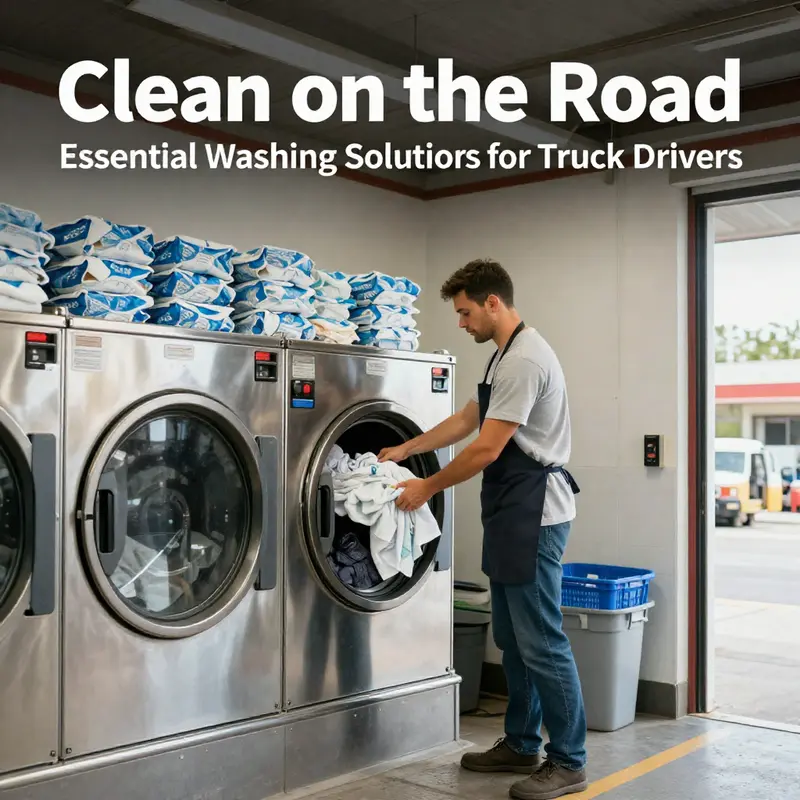
Clean clothes aren’t a luxury for drivers who spend days or weeks on the road; they’re part of maintaining hygiene, comfort, and a professional appearance that travels with them into every yard, dock, and handoff. At a truck stop, the laundry routine follows a steady rhythm: locate a machine, load the drum, select a cycle, add detergent, and start the wash while the hum of machines blends with diesel and distant chatter. These laundries are more than conveniences; they are a practical piece of the road transport ecosystem, designed for efficiency and predictable turnaround. The capacity of the machines matters here, with larger-than-household models to handle multiple uniforms and workwear in one batch, and a bench or folding table nearby for sorting and packing a fresh wardrobe.
Payment and cycle choices matter less than getting clothes clean with minimal wear. Drivers may pay with coins, cards, or mobile apps, and choose cycles from heavy-duty wash to delicate or quick programs depending on time constraints. After washing, clothes move to the dryer, where heat and airflow finish the job, followed by folding and a return to the truck with a refreshed wardrobe and renewed readiness for the miles ahead.
Beyond the practical mechanics, truck stop laundries host a small, informal community. Drivers trade tips on stain removal, share quick recommendations for good rest stops, and use the space as a moment of human connection in a long-haul life. When facilities are scarce, portable kits and sink hand-washing offer a backup, underscoring that reliable laundry infrastructure is a quiet backbone of everyday trucking.
Chapter 2: Clean on the Move—Portable Laundry Solutions That Keep Truckers Fresh

On the road, long days and long hauls accumulate more than miles; they accumulate outfits that need washing. Without a home washer, drivers navigate a patchwork of options, balancing time, space, and power. Laundry becomes a strategic move, not a routine. The modern trucker learns to view laundry as a serviceable task that can be woven into the rhythm of the route, rather than a disruption to it. In this landscape, portable solutions have matured from novelty to necessity. They range from compact devices that fit in the cabin to fully equipped mobile units that travel with or beside fleets. The result is a spectrum that lets a driver choose the right tool for the particular day or stretch, without compromising safety or schedule.
A practical entry point is the compact portable dryer. Designed for small loads of about 2–5 pounds—roughly enough for two or three outfits per cycle—these machines are light, quick to set up, and straightforward to operate. For a driver with a few hours of downtime at a rest area, a small dryer can be a lifesaver, cutting the time needed to refresh uniforms, work shirts, and underlayers. The portability matters as much as the capacity. A device that weighs only a few dozen pounds and can be placed on a folding table or a stable surface inside the cab or a nearby restroom facility means the driver can control the pace of the laundry cycle, rather than waiting for a laundromat to become available or relying on a distant facility. Power options for these compact dryers can be simple: a standard outlet at a rest stop, or a portable power station during a break in a parking area without a dedicated power source. The compatibility with different power solutions makes them versatile for the road’s many stopovers.
Complementing these dryers are portable washing machines that shrink the laundry footprint even further. These devices are designed to fit under a bunk or beside a small sink and can handle typical daily wear and work attire. They often come with small water tanks, easy-fill hoses, and compact spin cycles to reduce drying time. The washing machines available to truckers emphasize efficiency: lightweight frames, energy-efficient motors, and short cycle times that align with a tight schedule. They may operate on standard household power, or they can be billed as low-DC options that rely on the vehicle’s power supply when the engine is running. In either configuration, the goal is to deliver clean clothes with minimal fuss, enabling a driver to rinse away sweat, oil, or grime before donning fresh apparel for the next leg of the journey. For anyone considering such a setup, it is important to balance water use with the available storage and to monitor power draw to avoid depleting the vehicle’s battery or straining the electrical system.
Beyond personal devices, there is a growing fleet-oriented approach: mobile laundry service trucks. These units turn laundry into a service that travels with or between drivers, offering full-scale facilities in a compact, road-ready package. Think of a mobile unit housed within a reinforced container—complete with washers and dryers, hot and cold water systems, climate control, and proper lighting—so that a crew can operate them in a controlled environment anywhere along the route. The appeal is practical and scalable: a fleet can deploy one or more mobile units to service multiple drivers, reducing downtime and standardizing hygiene across a corridor or terminal. Buyers are often drawn by the promise of a consistent, on-demand wash cycle that can support a small team for a shift or a larger operation for a regional haul. Price points for these comprehensive systems reflect their durability and versatility; while individual modules are not cheap, the investment can pay off through improved driver welfare, reduced garment waste, and a more professional appearance on the road. A typical upfront range hints at six-figure sums, but the long-term savings in time and reliability can be substantial for a company operating dozens or hundreds of vehicles.
The appeal of portable laundry extends further through the development of robust power solutions. Portable power stations, designed to deliver reliability during rest breaks, allow drivers to run small appliances such as the compact washer or dryer when the vehicle is parked and the power grid is accessible. These devices provide multiple output options—USB, AC, and DC—opening compatibility with a wide array of devices and power needs. Their role is not limited to enabling laundry; they also contribute to a more comfortable and safer rest environment, powering lighting, fans, or small kitchen devices as needed. Paired with a compact air compressor for tire maintenance and an LED cab lighting kit, these power sources become an integrated system that supports both hygiene and comfort on long hauls. The underlying idea is simple: when a trucker can access the right power at the right time, the road becomes less about improvisation and more about efficient maintenance of personal dignity and professional readiness.
This is where the broader context of trucking facilities matters. While the image of a driver running a load of laundry in a cab or at a roadside stop is compelling, the industry is increasingly thinking in terms of integrated logistics and facility design. Laundries, showers, and other hygiene-related amenities at truck stops are part of a larger ecosystem of serviceable, driver-friendly spaces. Laundries and related amenities are evolving through thoughtful facility-management practices for truck wash businesses—an approach that ties portable options to on-site services. As facilities expand and upgrade, portable laundry becomes a complementary asset rather than a replacement for fixed spaces. For readers who want to explore how these facilities are coordinated and upgraded, one practical pathway is to examine how facility management guides the balance between coin-operated machines, staff-assisted services, and mobile units. This is a living system, where decisions about space, water use, power capacity, and scheduling can ripple across a fleet’s entire operation. For more context on this broader framework, see the discussion on facility-management-for-truck-wash-businesses.
In this integrated world, the driver experiences not only practical tools but also the social and organizational support that makes the job sustainable. The availability of portable laundry options reduces downtime caused by waiting for a Laundromat or a full-service facility. It promotes hygiene and professionalism, which are particularly important for drivers who interact with customers, receivers, and dispatch teams every day. Equally important is the role of the employer in recognizing these challenges and providing well-thought-out solutions. When a fleet invests in durable, well-designed portable units and reliable power systems, it signals that driver well-being matters. This can translate into higher job satisfaction, lower turnover, and a stronger sense of connection to the company’s mission. The reality on the road is that the easiest way to maintain a clean wardrobe is to approach laundry as a modular workflow: a quick wash to reset the load, an efficient dry cycle, and a simple fold and store routine. It’s not about vanity; it’s about maintaining grip on a demanding job where appearances and hygiene matter as much as performance and safety.
Drivers quickly learn that there is no single silver bullet for laundry on the road. Some days call for a quick hand wash in a sink or a folding-area routine at a rest stop. Other days, the schedule allows for a more deliberate approach with a compact dryer and washer kit that minimizes the need for stops or waits. The most enterprising drivers will synchronize their cleanliness strategies with their routes, using mobile services during slower segments or relying on on-site laundry facilities at major hubs. The key is adaptability: knowing when to deploy a portable dryer, when to run a small wash, and when to bring a load to a mobile unit that can serve multiple drivers before a long-haul leg resumes. In a sense, portable laundry solutions are not just devices; they are a reflection of how the industry is adapting to the realities of long-haul life. They embody a practical mindset that values hygiene, time management, and the dignity of doing a job well, even when the road throws curveballs.
On the practical front, buyers and operators should consider storage, weight, noise, and maintenance. A portable dryer, for instance, should be kept in a dry area with stable ventilation. A washing machine must be sturdy enough to tolerate road vibrations and occasional jostling during transit or while parked in uneven lots. Operators should also plan for spares: hoses, hoses connectors, and replacement gaskets. The combined system—dryer plus washing machine plus power solution—must be sized to handle the driver’s typical load, which may include uniforms, work shirts, and undergarments. The best setups provide predictable performance: a known cycle time, a reasonable energy draw, and a simple folding area or cabinet to receive clean clothes. In practice, a well-thought-out workflow might involve loading clothes at the end of a shift, initiating a wash cycle before a rest break, and running a dry cycle while the driver takes a meal or completes paperwork. This level of predictability helps keep a driver moving and reduces the friction that can accumulate when laundry becomes an obstacle to timely deliveries.
As this chapter comes to a close, the trajectory becomes clear: portable, durable, and flexible laundry options are redefining what it means to stay clean on the road. They do not erase the value of fixed facilities at truck stops, but they do empower drivers to choose how, where, and when they refresh their garments. The result is a more resilient and professional image for drivers and fleets alike. It is a practical response to the reality of long-haul life—a reality that demands reliability, efficiency, and care for the people who keep goods moving across the country. Those who invest in thoughtful portable solutions—paired with robust power options and supportive facilities—will find a calmer rhythm on the road and a stronger sense of belonging within their teams.
External resource: https://www.stewartsolutions.com/mobile-laundry-truck
Chapter 3: Fresh Gear on the Road: How Truck Drivers Wash, Dry, and Rotate Clothes Through Long Hauls
Truckers manage laundry on the road through a practical routine. Clean clothes improve comfort, hygiene, and safety. Long hauls with irregular rest breaks mean drivers use two main options: laundromats at stops and on-the-road solutions. At truck stops with laundry facilities, the rhythm is simple: drop a load, grab a shower, return to collect fresh clothes. Self-serve machines with easy payment and clear signage help maintain momentum during a layover. For some, on-site dry cleaning or pickup services offer convenience when time is limited. Portable options like travel kits and sink-washing provide a fallback when a full facility isn’t available.
A typical workflow starts with sorting by color and fabric, pre-treating noticeable stains, choosing an appropriate cycle, and then transferring to drying equipment that minimizes wear. Efficient drivers group items to optimize machine time, keeping work shirts, socks, and undergarments rotating through. Folding tables and clean spaces help reduce wrinkles and make stowage easier when back on the road. The goal is a reliable cadence that keeps clothes serviceable without turning laundry time into a disruption.
When facilities aren’t nearby, drivers turn to practical hacks: washing essentials in the truck’s sink with biodegradable detergents, using portable drying lines, or relying on quick-dry fabrics. Such options won’t replace a proper wash, but they keep a driver presentable between stops and reduce fatigue from damp or smelly garments. Overall, effective laundry on the road blends planning, accessibility, and sensible gear to support hygiene, comfort, and professionalism on long hauls.
Wash, Dry, and Roll On: How Truck Stops Build a Laundry Network for Drivers on the Road
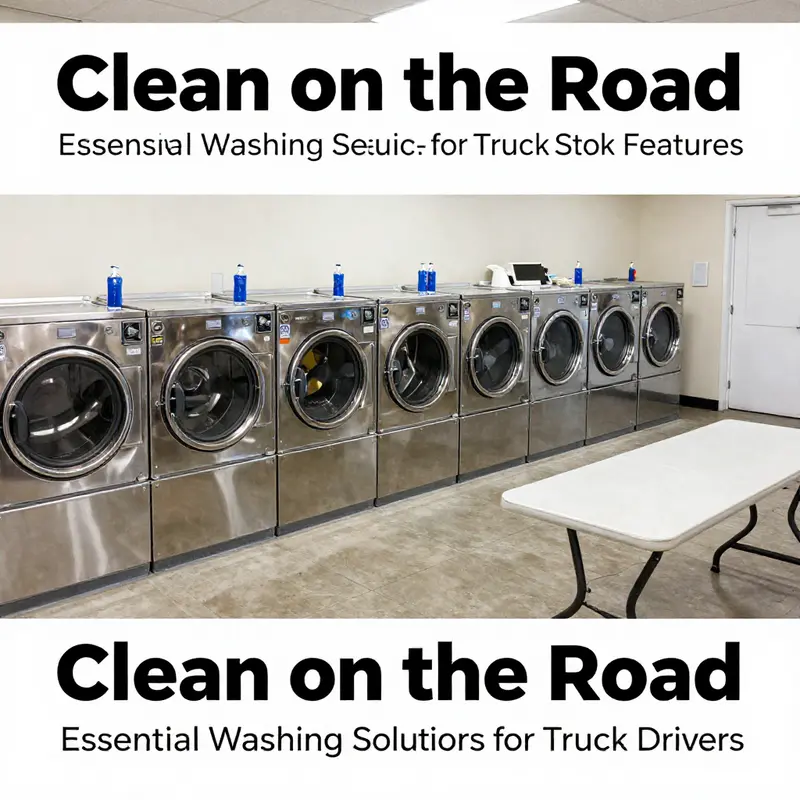
Cleanliness is more than a personal preference on the road; it is a practical measure of readiness and professionalism that can influence safety, comfort, and the perception of the driver by clients and dispatchers alike. For the long-haul workforce, a reliable laundry routine helps maintain the standard of appearance that fleets expect and passengers or customers rarely notice until it’s missing. The modern truck stop has recognized this, transforming laundry from a basic chore into a strategically integrated service that complements fueling, resting, and maintenance in a single, well-designed stop. What may appear as a simple wash and dry operation is, in fact, part of a carefully choreographed ecosystem that prioritizes efficiency, security, and dignity for drivers who live a nomadic life on the highway. Drivers learn quickly that planning is half the battle. If you know where to go and what to expect, you can slip in, handle a load, and be back on the road without wasting time. This shift toward a more comprehensive laundry experience is built on several interlocking ideas: access, convenience, and a sense of safety that makes the space inviting rather than stressful. At the core are self-service laundry machines—coin- or card-operated—that anchor the experience. These machines are typically placed in areas of the facility that are easy to access from the fuel aisles and parking lots, so drivers can swing in between trips without fighting an unfamiliar maze of corridors. The rise of digital payment and status monitoring has removed much of the guesswork that used to come with laundry runs. Drivers can check machine availability from their phones, receiving real-time updates about which washers or dryers are open, how full a load is, and even how long a cycle still has to run. This kind of visibility lets a driver optimize a stop by weaving laundry into downtime between loading, unloading, or waiting for a load to be ready for the next leg. In practice, this means a driver can drop off a load and use the meantime for a quick shower, a meal, or rest, returning to a facility where the clothes are ready or nearly ready with little added waiting. The machines themselves have evolved beyond bulkiness and noise. High-efficiency models can handle large loads, which is essential for bulky work uniforms or multiple sets of gear that accumulate during a long tour. The use of high-efficiency washers helps conserve water and energy without compromising performance, a feature that many truck stops promote as part of a broader commitment to sustainable operations. The result is not only cleaner clothes but a smaller environmental footprint for the stop and a longer life for the garments themselves, where care is tailored to the fabrics typical of road work—durable cotton, blends, and specialized outerwear that needs careful handling to maintain color and insulation. The laundry area often sits near other driver-friendly amenities such as folding tables, ironing stations, and sometimes dedicated waste sorting and recycling zones. For drivers who want a neat, presentable look, these small touches matter. A folding space that is well-lit, private, and equipped with adequate counter space gives drivers a place to sort, fold, and stash away clean clothes without getting them wrinkled or mixed with dirty items. Ironing boards, when available, provide a last-ditch touch before a dispatch or a meeting, turning a functional wash into a proper wardrobe refresh. In many facilities, the laundry area is not a lonely corner but part of a broader, safety-first environment. Good lighting, cameras, and secure lockers help protect belongings while a worker is operating machines. The combination of surveillance, clear sightlines, and exposed, well-trafficked space reduces the risk of lost or stolen items and increases the sense of security for drivers who may be handling expensive or delicate garments in a busy environment. Even the design of the space reinforces a calm, trucker-friendly vibe. Climate-controlled pods or dedicated laundry rooms keep machines quiet and temperatures steady, blending into the facility’s rhythm rather than interrupting it. This level of consideration matters because many drivers operate under tight time windows. A driver might arrive with a schedule already stretched thin, facing a sequence of pickups, deliveries, or rest requirements. In such cases, the laundry area becomes a controlled environment where the routine of washing clothes becomes predictable and reliable. On the technology side, the trend toward self-service with digital status updates is expanding. Some truck stops offer remote monitoring through apps, which can alert drivers when a cycle is finished or when a dryer is ready for loading. The same systems help managers track machine usage, plan maintenance, and optimize energy consumption. This is where the concept of capacity and flow enters the picture. A well-designed laundry area helps prevent bottlenecks on peak travel days when many drivers pass through the same facility. Strategically placed machines, multiple load sizes, and clear signage can reduce confusion and keep lines to a minimum. The end result is a space that feels reliable rather than provisional, a place drivers can trust to deliver clean clothes without extra stops or wasted minutes. Some stops go beyond the basics by offering expanded services that address time constraints head-on. For those who cannot spare even a few extra minutes, pickup or delivery services can be arranged through a partnering system that handles the clothes from door to door. A driver can drop off a bag at a counter and pick up the freshly cleaned and folded items at a designated time, a feature that is particularly appealing to those with demanding schedules or tight delivery windows. These value-added services reflect a broader trend in the industry toward treating laundry as a logistical element rather than a mere chore. It is helpful to see the bigger picture in a broader context of facility design and management. For instance, those who study facility management for truck wash businesses emphasize layout, safety, and efficiency as core principles that translate well to laundry spaces. A well-planned laundry area complements the rest of the truck stop ecosystem, taking cues from customer flow and operational needs. If you want to explore this broader framework, you can read more about the underlying approaches in facility management resources facility management for truck wash businesses. This link provides a sense of how cleanliness, accessibility, and safety converge in spaces designed for mobile workers, and it underscores the idea that laundry is more than a service—it is an integrated part of a driver’s journey. Beyond the concrete features, drivers also bring a mix of personal strategies to make laundry work on the road. Some rely on portable travel kits with compact basins and detergent pods for quick, on-site hand washing when time is tight or machines are occupied. Others carry biodegradable sheets or small, gentle detergents that suit delicate fabrics and reduce environmental impact. While these portable options can’t replace the benefits of a full-service station, they provide a reliable fallback for those who may need to improvise between loads or when they are in more remote segments of a route. Language and culture around laundry on the road also matter. The way drivers talk about the activity—saying I need to do my laundry at the next truck stop, rather than a more general phrase about washing clothes—reflects a specific vocabulary that grows from constant travel. In practical terms, the evolving laundry landscape at truck stops offers a blueprint for continuous improvement. The future may bring even more innovations, such as AI-assisted load optimization that matches the size of a driver’s load to the appropriate machine, water-recycling loops to curb resource use, and the adoption of eco-friendly detergents that preserve fabrics while protecting the environment. In the end, the aim is straightforward: enable drivers to maintain hygiene, minimize downtime, and preserve dignity while they live and work on the road. The laundry experience at modern truck stops is not a luxury. It is a core piece of the road life that helps drivers stay clean, confident, and ready to roll at a moment’s notice. External references continue to underline the practical value of these facilities, with industry guides and traveler resources highlighting how essential laundry services have become in the broader network of services that supports mobile professionals. External resource: https://www.truckstop.com/truck-stop-facilities/laundry-services-for-truck-drivers
Washing the Miles: How Long-Haul Drivers Tap Community Resources and Build Laundry Habits on the Road
A driver’s life on the highway is defined by rhythms more than miles—rest stops, meals, and the quiet ritual of fresh clothes. Clean apparel is not just a matter of comfort; it signals readiness, professionalism, and personal dignity when the cab becomes a traveling home for days at a time. Because the job demands long stretches between conventional home laundry rooms, truckers have become skilled at turning the road into a mobile laundry network. The result is a pragmatic blend of public facilities, community programs, and portable solutions that keeps workwear tidy and morale steady even during the longest routes. In this chapter, we follow that blend, tracing how drivers find, access, and make the most of laundry opportunities while earning a living behind the wheel. It is a story of resourcefulness, routine, and the quiet infrastructure that supports a culture built on reliability and safety on the road.
Across the United States, truck stops and rest areas increasingly recognize that clean clothes are part of the essential suite of amenities drivers rely on. On-site laundry services have moved from a niche convenience to a standard feature at many major hubs along major freight corridors. These facilities typically house coin- or card-operated washers and dryers, with some locations stocking detergent, fabric softener, and fold-out tables ready for a quick turnover. The practical value is immediate: a single dedicated stop can handle a full load of workwear, undershirts, and outerwear after days of travel, reducing the chance of wearing damp or soiled clothing into the next shift. For drivers, this means less time wasted on laundry and more time focused on safety checks, rest, and route planning. The trend is not incidental; it reflects an industry-wide shift to viewing hygiene and readiness as part of professional performance rather than optional self-care.
As drivers plan their routes, the practical geometry of laundry becomes a factor in route scheduling. Industry researchers and associations have begun to document how widespread these facilities have become. One of the practical benchmarks is the mileage of laundry options within reach of major freight corridors. The American Trucking Associations, for example, highlights that a substantial majority of sizable truck stops now include laundry amenities, making them a reliable resource for drivers who map out weeks of travel with disciplined rest periods. The effect on a driver’s day-to-day routine is tangible: laundry no longer requires detours or time-consuming searches; it becomes a predictable pit stop that fits into the cadence of mandatory rest and regulatory compliance. In moments like these, the road reveals itself not as a lonely corridor but as a distributed system of services that sustain a professional life in motion.
Yet even with these on-site options, not every mile includes a perfect laundry stop. When a driver is far from a full-service facility, portable solutions step in as a flexible backup. Compact, battery-powered wash devices designed for RVs and trucks offer a practical alternative for small loads—work shirts, undergarments, and socks that need a quick refresh between longer breaks. The sector has also embraced sink-washing as a viable interim method, paired with mild detergent and a quick air-dry technique that minimizes wrinkles. For drivers who prioritize environmental responsibility, biodegradable laundry sheets and low-water hand-wash methods help reduce the ecological footprint of road laundry. While portable gear cannot replace a full wash and dry cycle in a busy truck stop, it cushions the gaps in service, keeping essential uniforms in rotation and reducing the risk of odor or fabric wear from extended wear.
In addition to the self-service and portable options, there is a community-centered dimension to road laundry that often goes unseen. Nonprofit organizations and charity-inspired programs step in to bridge gaps during peak freight seasons or periods of tight cash flow. Mobile laundry units, staffed by volunteers and funded by donations, roll along major freight corridors to provide free access to washers, dryers, and basic hygiene supplies. These initiatives acknowledge a practical truth of the profession: there are months when the sheer volume of freight, coupled with tight schedules, can strain a driver’s ability to maintain personal care standards. Programs that host “Clean Driver Days” in partnership with local service groups create a tangible, time-limited safety net. They transform laundry from a private chore into a shared community achievement—drivers helping each other stay fresh, safe, and ready for long hours behind the wheel.
For many drivers, such programs do more than tidy clothes; they offer a moment of human connection in a career that prizes autonomy. They also normalize the idea that maintaining hygiene is compatible with a high-pressure workload and a demanding timetable. The effect can be as simple as a driver stepping into a room with folding tables, a clean bench, and a quiet moment to reset. It’s here that a professional image begins—smelling clean, appearing confident, and presenting oneself with care in meetings at shipper facilities or dispatch centers. The psychology of laundry, in this sense, becomes part of the broader mental health and morale picture that managers and drivers alike care about.
Where space and time permit, drivers are increasingly embracing small, in-cab or in-trailer solutions that offer a convenient stopgap. A growing subset of drivers, mindful of sustainability and efficiency, builds routines around a shared rhythm: plan a wash during a regular rest break, fold and air-dry during a longer layover, and leverage the next available laundry facility to complete a full load soon after. This cadence—roughly every four to five days, aligned with mandated rest intervals and maintenance windows—reduces the buildup of grime and stress, keeps uniforms looking professional, and preserves a driver’s mental clarity on the road. The advantage is clear: a driver who starts the week with a clean, well-pressed uniform is more likely to project reliability to customers, maintain comfort in the cab, and avoid the discomfort of stale odors after a long multimode shift.
To help drivers locate laundry options quickly, industry resources now provide route-aware listings that highlight amenities at each stop. A practical approach is to check with official directories that compile truck stop facilities, including laundry and shower options, and to plan stops around a familiar pattern where laundry is guaranteed. This planning does more than save time; it reduces the cognitive load of road living, which in turn supports safer driving and sharper decision-making. For fleet operators and owner-operators alike, the availability of clean clothes becomes part of a broader conversation about driver welfare, route design, and retention. When drivers know there is a reliable laundry option nearby, they experience less stress about hygiene on a long shift, and they can allocate energy to the core tasks of maintaining schedules, meeting safety standards, and delivering freight on time.
The practical toolkit for road laundry thus blends three strands: public facilities, mobile and nonprofit support, and personal portable solutions. Each plays a complementary role depending on the route, the driver’s schedule, and the immediate needs of the moment. The best approach is a hybrid one: use on-site laundry when available to complete full loads efficiently; carry a compact kit for quick refreshes when away from a facility; and participate, where possible, in community programs that provide free access during critical times. In doing so, drivers not only keep their clothes clean but also reinforce a broader professional ethos—one that recognizes hygiene as a cornerstone of safety, performance, and dignity on the road.
For readers seeking practical planning resources, consider exploring facility-focused guidance that discusses how amenities at stops and in fleets are organized to serve drivers. A deeper look into how facilities are managed, including how laundry spaces are allocated and maintained, can provide valuable context for fleet designers and managers alike. facility management for truck wash businesses offers a lens into how such spaces are envisioned, funded, and kept functional for the rugged realities of highway life. This perspective complements the lived experiences of drivers, reminding readers that clean clothes are the product of thoughtful design, shared community support, and disciplined personal routines.
In this landscape, the road becomes less a place of improvisation and more a field test for resilience and care. The chapter’s thread—how drivers wash their clothes—unfolds as a narrative about access, adaptation, and the everyday practices that sustain a professional life on the move. It is not merely about laundry machines or detergents; it is about building a life of reliability where clothing, like cargo, travels with purpose. That purpose is not only the appearance of readiness but the confidence to meet each mile with composure, safety, and a dry, fresh sense of self. The road will always demand endurance, but with a steady system for laundry, drivers can focus more fully on the road ahead and the responsibility they carry to those who depend on them.
External resource: https://www.trucking.org
Final thoughts
Maintaining cleanliness on the road is integral to the professionalism and well-being of truck drivers. Access to effective laundry solutions—whether through truck stops or portable kits—ensures that drivers can uphold hygiene standards while maintaining a polished appearance. By understanding the facilities and resources available, fleet managers, trucking company owners, and supervisors can support their drivers, ultimately enhancing job satisfaction and performance on the road. A commitment to cleanliness reflects positively on both the drivers and the companies they represent.