
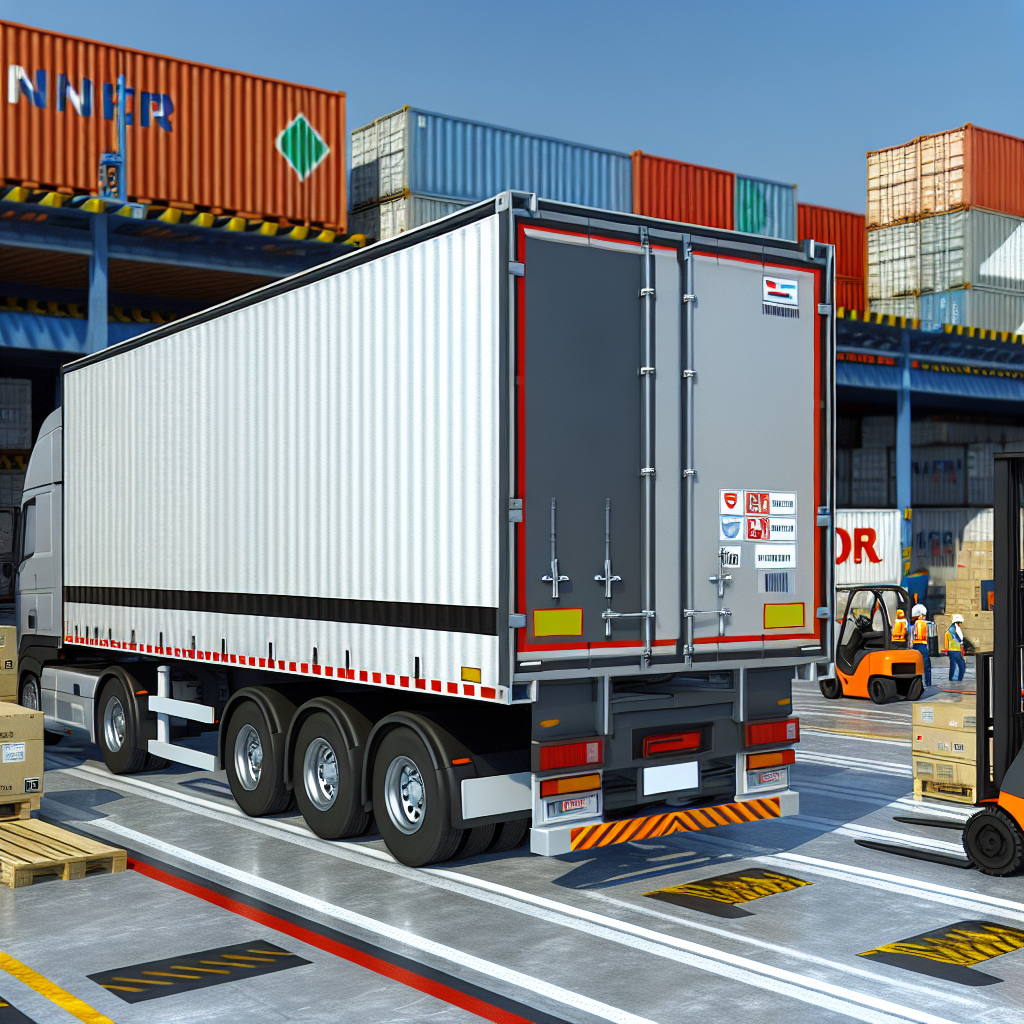
In 2023, the trailer market faced challenges due to weak freight demand and economic uncertainties. These factors led to significant decreases in trailer orders. This situation shows how vulnerable the industry is, with orders falling sharply as fleets reassess their buying strategies in these tough times.
The downturn not only affected new trailer acquisitions but also stressed the importance of maintenance for extending the life of current trailers. Fleet managers must enhance maintenance standards to ensure safety and longevity in this environment of low demand and financial caution. Understanding these market cycles is essential for all stakeholders involved in the industry.
In July 2025, U.S. trailer orders saw a staggering drop of 39% compared to June, falling to 7,794 units after a spike in June where orders reached 13,827 units, a 113% increase from May. This significant decline is attributed to several factors, including increased tariffs on steel and aluminum that have caused production costs to soar. Consequently, many fleet operators have opted to push back their procurement strategies and extend the lifecycle of their existing fleets. This trend indicates a potential slowdown in new trailer purchases and poses serious challenges for manufacturers who must continuously adjust their production schedules in response to fluctuating demand.
Manufacturers are currently facing an 11% reduction in their backlog of orders, reflecting worries that demand may not recover soon. The rising material costs are putting pressure on manufacturers’ financial performance, making it critical to balance production rates with the shrinking demand. As a result, fleet operators are increasingly depending on the used trailer market, further dampening the demand for new trailers.
Overall, the 39% decline in July trailer orders highlights the trailer market’s sensitivity to economic pressures, particularly those tied to tariffs, serving as a caution for manufacturers and fleet operators navigating this challenging landscape. They must strategize carefully to weather these changes and adapt to the current trends.
| Key Data Points | July 2025 | June 2025 | May 2025 |
|---|---|---|---|
| Trailer Orders | 7,794 units | 13,827 units | 6,498 units |
| % Decrease in Orders from June | 39% | 113% increase | – |
| Impact of Tariffs | Increased costs | N/A | N/A |
| Fleet Operators’ Response | Extended lifecycle of existing fleets | N/A | N/A |
| Reduction in Backlog | 11% decrease | N/A | N/A |
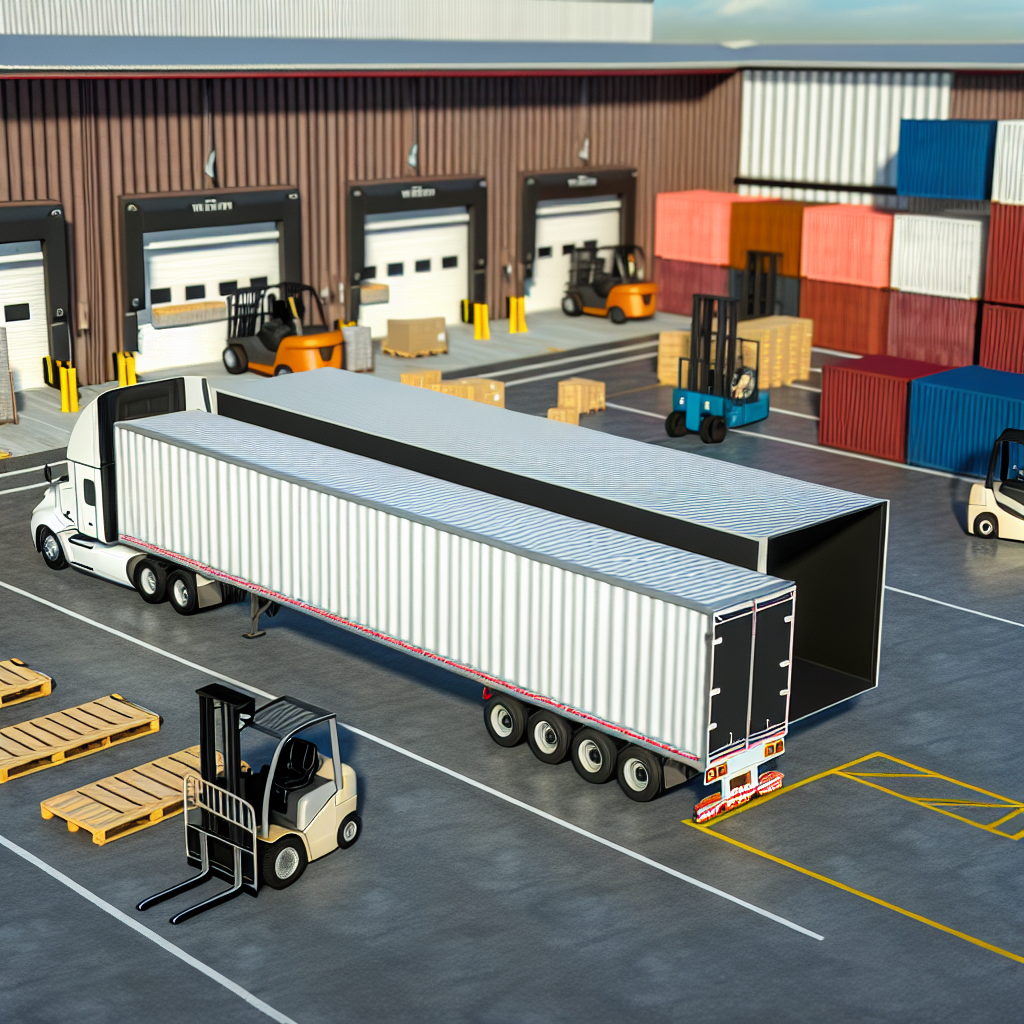

Trailer Production Forecasts for 2025
-
Projected Production Orders:
- FTR anticipates a total trailer production of approximately 187,000 units for 2025, down from the previous year’s figures.
-
Impact of Tariffs on Prices:
- Prices are projected to rise by 16% to 28% due to imposed tariffs on materials.
-
Influencing Factors:
- Tariffs on imports from Canada and Mexico, which have led to increased production costs across the board.
- Market uncertainties that affect fleet decision-making.
-
Named Entities and Companies:
- FTR, under the leadership of Dan Moyer, is a key analyst in this space.
- Companies such as Fontaine Trailer Company and Manac are also affected by these forecasts.
-
Market Adaptation:
- Many manufacturers are adapting their production strategies to cope with weak demand and changing market conditions.
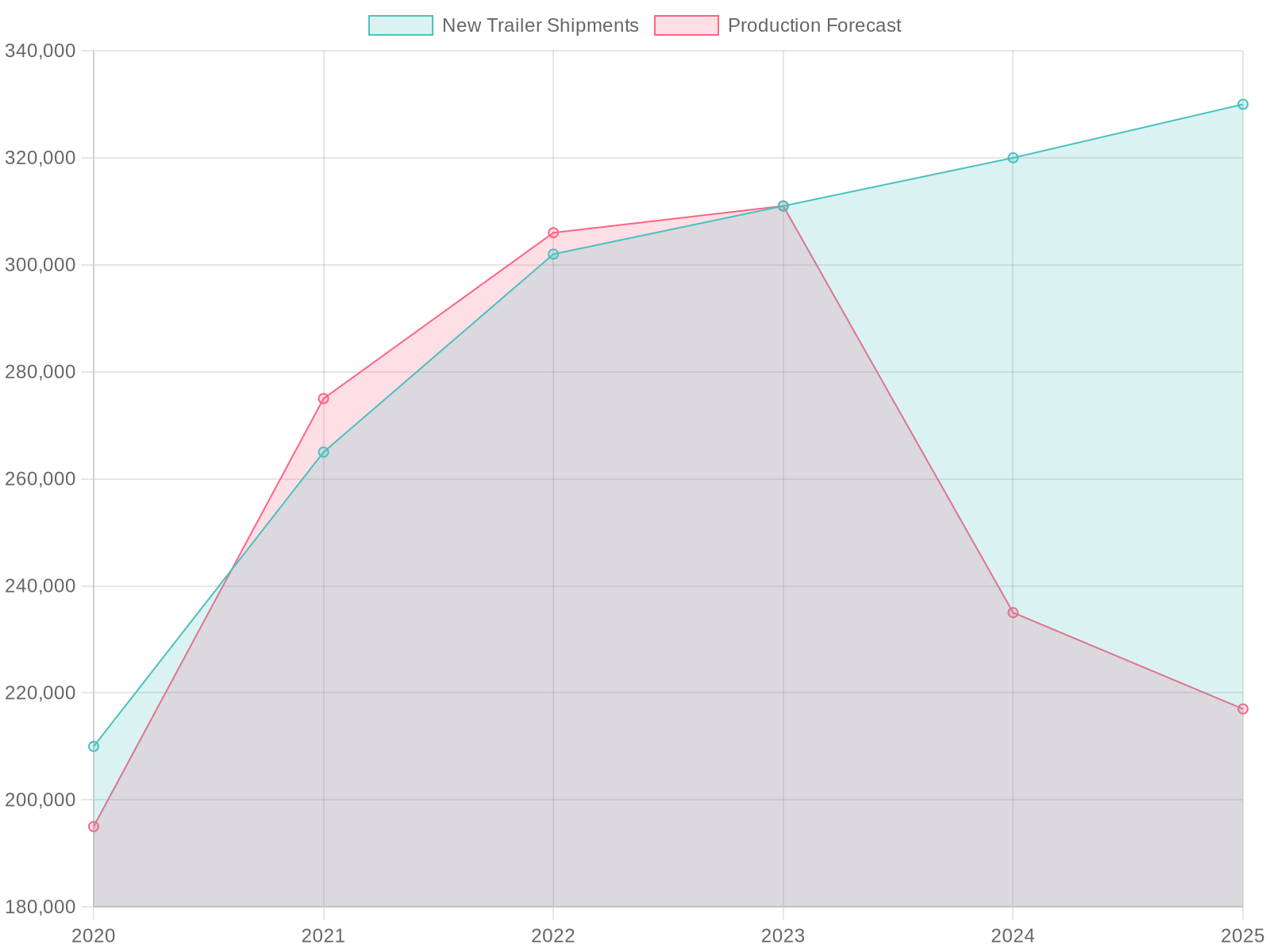
This graph visualizes the production trends in the trailer manufacturing industry over the past five years, comparing new trailer shipments and production forecasts.
Key Data Points from the Graph:
- New Trailer Shipments saw an increase from 210,000 in 2020 to approximately 311,000 in 2023.
- Production Forecasts projected a decline from a high of 306,000 in 2022 to an expected 217,000 in 2025 due to ongoing market challenges.
Sources:
This trends graph will help highlight changes in orders and production that impact forecasts.
| Year | Order Activity | Production Rates | Notes |
|---|---|---|---|
| 2022 | Stable with slight growth | Production steady | Minor fluctuations observed |
| 2023 | Decrease by 5.5% | Reduced production | Economic uncertainties impact demand |
| 2024 | Slight rebound, up by 11% | Recovery expected | Adjustment to tariffs and economic forecasts |
| 2025 | Significant decline by 54% | Production low with few orders | Anticipated weaker conditions continue |
Maintenance Practices
Regular maintenance is essential for extending the lifecycle of trailers, ensuring they remain safe, reliable, and efficient under operations. With many experts in the industry recognizing its importance, John Foss emphasizes, “The life of the trailer can be prolonged by a solid maintenance program.” This support for routine maintenance is particularly vital in the context of current market conditions, where weak demand necessitates the optimal utilization of existing trailers.
Effective trailer maintenance practices encompass a variety of tasks, such as:
- Monthly brake system inspections to ensure safety and reliability.
- Tire pressure checks and rotations every 3,000 miles to promote even wear and extend tire life.
- Lubrication of bearings every 12 months to avoid premature wear and breakdown.
- Regular examinations of suspension components and electrical systems for signs of wear or malfunction.
- Frequent inspections of the trailer floor to identify any wear patterns or damage and replacing worn flooring immediately to prevent costly structural issues.
Additionally, proper storage plays a significant role in the overall life of a trailer. Parking on level, well-drained surfaces protects against frame warping, while covered storage safeguards against UV damage and precipitation. Maintaining tire pressure helps prevent flat-spotting, and disconnecting the battery prevents electrical drain. These practices not only preserve the integrity of the trailer but also enhance its operational efficiency.
As Jason Hirsch notes, “Regular care is so key.” This sentiment captures the essence of why maintenance is not just about extending life but also about ensuring safety and compliance. Proactive maintenance can help fleet operators mitigate the impact of weak demand by reducing downtime related to repairs and associated delays.
Ultimately, adhering to maintenance standards fosters not only the longevity of trailers but also their resale value, as a well-maintained trailer is often more appealing to potential buyers, reflecting responsible ownership and care. Regular maintenance thus becomes a critical strategy for fleet operators to navigate challenges in a fluctuating market.
Trailer Life Cycle and Recycling Initiatives
The average service life of semi-trailers is typically between 18 and 20 years, with effective maintenance practices playing a crucial role in achieving this longevity. Regular maintenance not only enhances safety and reliability but also extends the operational lifespan of trailers, ensuring they perform optimally throughout their service life. Maintenance tasks such as brake system inspections, tire rotations, and lubrication of moving parts help in preventing significant wear and tear, thus prolonging usability.
In terms of recycling and sustainability, the trailer industry is increasingly recognizing the importance of responsible asset management. An exemplary initiative is Trailcon’s effort, where the company has successfully recycled 400 van trailers. This recycling process contributes not only to environmental sustainability but also showcases a proactive approach in managing the lifecycle of trailers. By refurbishing or dismantling old trailers for parts, the industry reduces waste and recovers valuable materials, such as steel and aluminum, which can be repurposed for new products.
Such initiatives are becoming essential as fleets evaluate their environmental impact and look for ways to enhance their sustainability practices. This focus on recycling and responsible management reflects the industry’s commitment to minimizing its ecological footprint while meeting the economic needs of fleet operators. The blend of maintaining trailers for longevity and embracing recycling initiatives illustrates a holistic approach to trailer lifecycle management in today’s market landscape.
As the trailer market grapples with weak freight conditions, it is crucial for fleet managers to make informed decisions about their purchasing strategies. Charles Dutil, CEO of Manac, emphasizes that fleet managers should not delay in reordering trailers, stating, “Honestly, my advice to fleet managers right now is, don’t wait too long before reordering.” This advice is particularly relevant as many fleets are tempted to extend the usage of their existing equipment, which, while initially prudent, can lead to missed opportunities for securing more efficient trailers before prices potentially escalate due to tariffs and market fluctuations.
In a challenging market where business liquidity is critical, understanding the optimal timing for equipment replacement becomes a key strategy for fleet operators aiming to maintain operational efficiency without overextending their budgets.
Conclusion
The cyclical nature of the trailer market continues to manifest as we face significant challenges caused by weak freight demand. With projections indicating that we won’t see a substantial rebound until late 2026 or 2027, fleet managers must recognize the implications of this extended downturn on their purchasing decisions. A notable 5% decline in order activity and a staggering 39% drop in trailer orders from July compared to June serve as stark reminders of the economic pressures at play.
As the industry adapts to these conditions, maintaining trailer standards becomes vital. Proactive maintenance practices ensure that existing trailers remain operational and safe, helping extend their lifecycle during a time when replacing old units might not be financially feasible. As John Foss aptly pointed out, “the life of the trailer can be prolonged by a solid maintenance program.” This strategy is essential for mitigating potential delays and costly repairs in a market where new trailer purchases will continue to be restrained.
Fleet managers are encouraged to prioritize maintenance initiatives focusing on regular inspections, adjustments, and timely repairs to enhance trailer longevity and ensure compliance with safety standards. This not only promises better operational reliability but also supports the resale value of trailers in an unpredictable market.
In short, acknowledging the cyclical nature of the trailer market and the ongoing impacts of weak freight demand is crucial for fleet operators. As we move forward, the proactive management of existing trailers through routine maintenance and care will be key in positioning fleets for when the market eventually rebounds. Take this time to reinforce your maintenance standards and keep your fleet in peak condition—preparation today will yield benefits tomorrow.
Relevant Articles on Trailer Market Dynamics
-
U.S. Trailer Orders Drop 39% in July on Tariff, Market Pressures
Source: Commercial Carrier Journal
Date: August 26, 2025
Summary: In July 2025, U.S. trailer net orders declined by 39% month-over-month to 7,794 units, with tariff pressures and freight market uncertainty being significant factors. Despite the decline, orders were still up 23% compared to the previous year.
-
Trailer orders decline in May amid tariff pressures
Source: Commercial Carrier Journal
Date: June 23, 2025
Summary: A significant 34% decline in trailer net orders for May 2025, linked to tariff volatility and economic uncertainty, with order cancellations reaching 37.6% of gross orders.
-
Tariff pressures, market volatility impact U.S. trailer demand
Source: Trailer Body Builders
Date: August 22, 2025
Summary: July trailer orders saw a 43% decrease from June, raising concerns about OEM strategies amid rising tariffs and market adjustments.
-
Tariff uncertainty stalls U.S. trailer market as buyers delay 2026 orders
Source: Commercial Carrier Journal
Date: October 23, 2025
Summary: A 30% increase in U.S. trailer net orders in September contrasted with significant overall declines, as buyers defer orders amidst uncertainty over market conditions and tariffs.
-
Trailer makers adapt as fleets stall trailer purchases in face of weak freight market
Source: Truck News
Date: September 12, 2025
Summary: The trailer industry is adapting to weak demand, which is expected to persist until at least late 2026 or 2027, with tariffs likely driving up prices significantly.
These articles provide valuable insights into the current trailer market dynamics, including the impacts of tariffs and freight demand fluctuations, as well as the industry’s response to these challenges.
In 2023, the trailer market has been sharply impacted by weak freight demand and ongoing economic uncertainties that have led to notable declines in trailer orders. This cyclical market dynamic reflects the industry’s vulnerability, with orders dropping significantly as fleets reconsider their purchasing strategies amid these challenging conditions. The downturn has not only affected new trailer acquisitions but has also highlighted the crucial role of maintenance for prolonging the lifespan of existing trailers. Fleet managers face the pressing need to enhance maintenance standards to ensure safety and longevity as they navigate through this landscape of weak demand and financial caution. As we explore the current situation in the trailer market, it becomes evident that understanding these cyclical dynamics is paramount for industry stakeholders.
User Adoption Data
In July 2025, U.S. trailer orders saw a staggering drop of 39% compared to June, falling to 7,794 units after a spike in June where orders reached 13,827 units, a 113% increase from May. This significant decline is attributed to several factors, including increased tariffs on steel and aluminum that have caused production costs to soar. Consequently, many fleet operators have opted to push back their procurement strategies and extend the lifecycle of their existing fleets. This trend indicates a potential slowdown in new trailer purchases and poses serious challenges for manufacturers who must continuously adjust their production schedules in response to fluctuating demand.
Manufacturers are currently facing an 11% reduction in their backlog of orders, reflecting worries that demand may not recover soon. The rising material costs are putting pressure on manufacturers’ financial performance, making it critical to balance production rates with the shrinking demand. As a result, fleet operators are increasingly depending on the used trailer market, further dampening the demand for new trailers.
Overall, the 39% decline in July trailer orders highlights the trailer market’s sensitivity to economic pressures, particularly those tied to tariffs, serving as a caution for manufacturers and fleet operators navigating this challenging landscape. They must strategize carefully to weather these changes and adapt to the current trends.
| Key Data Points | July 2025 | June 2025 | May 2025 |
|---|---|---|---|
| Trailer Orders | 7,794 units | 13,827 units | 6,498 units |
| % Decrease in Orders from June | 39% | 113% increase | – |
| Impact of Tariffs | Increased costs | N/A | N/A |
| Fleet Operators’ Response | Extended lifecycle of existing fleets | N/A | N/A |
| Reduction in Backlog | 11% decrease | N/A | N/A |

Trailer Production Forecasts for 2025
- Projected Production Orders: FTR anticipates a total trailer production of approximately 187,000 units for 2025, down from the previous year’s figures.
- Impact of Tariffs on Prices: Prices are projected to rise by 16% to 28% due to imposed tariffs on materials.
- Influencing Factors: Tariffs on imports from Canada and Mexico, which have led to increased production costs across the board. Market uncertainties that affect fleet decision-making.
- Named Entities and Companies: FTR, under the leadership of Dan Moyer, is a key analyst in this space. Companies such as Fontaine Trailer Company and Manac are also affected by these forecasts.
- Market Adaptation: Many manufacturers are adapting their production strategies to cope with weak demand and changing market conditions.
This graph visualizes the production trends in the trailer manufacturing industry over the past five years, comparing new trailer shipments and production forecasts.
Key Data Points from the Graph:
- New Trailer Shipments saw an increase from 210,000 in 2020 to approximately 311,000 in 2023.
- Production Forecasts projected a decline from a high of 306,000 in 2022 to an expected 217,000 in 2025 due to ongoing market challenges.
Sources:
This trends graph will help highlight changes in orders and production that impact forecasts.
Freight Market Conditions Comparison
| Year | Order Activity | Production Rates | Notes |
|---|---|---|---|
| 2022 | Stable with slight growth | Production steady | Minor fluctuations observed |
| 2023 | Decrease by 5.5% | Reduced production | Economic uncertainties impact demand |
| 2024 | Slight rebound, up by 11% | Recovery expected | Adjustment to tariffs and economic forecasts |
| 2025 | Significant decline by 54% | Production low with few orders | Anticipated weaker conditions continue |
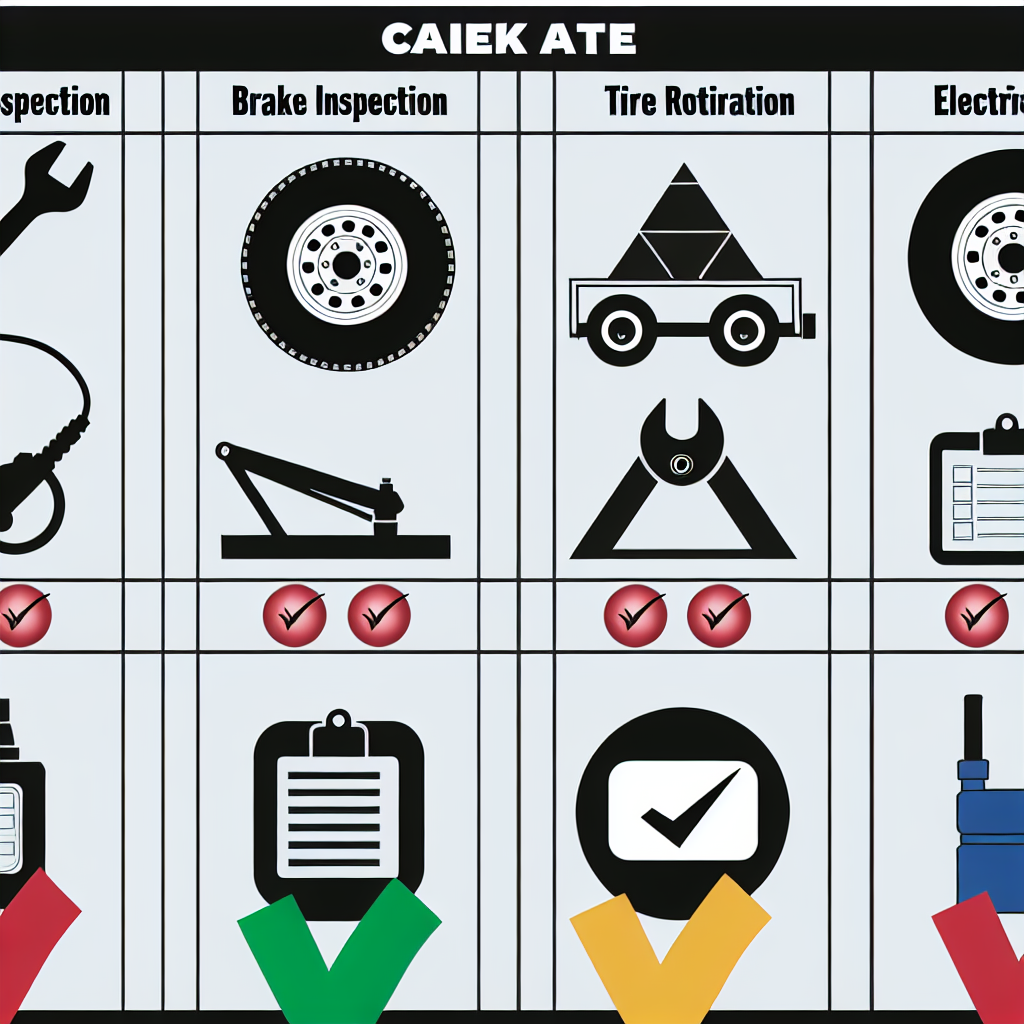
Maintenance Practices
Trailer Maintenance Tips
Regular maintenance is essential for extending the lifecycle of trailers, ensuring they remain safe, reliable, and efficient under operations. With many experts in the industry recognizing its importance, John Foss emphasizes, “The life of the trailer can be prolonged by a solid maintenance program.” This support for routine maintenance is particularly vital in the context of current market conditions, where weak demand necessitates the optimal utilization of existing trailers.
Effective trailer maintenance practices encompass a variety of tasks, such as:
- Monthly brake system inspections to ensure safety and reliability.
- Tire pressure checks and rotations every 3,000 miles to promote even wear and extend tire life.
- Lubrication of bearings every 12 months to avoid premature wear and breakdown.
- Regular examinations of suspension components and electrical systems for signs of wear or malfunction.
- Frequent inspections of the trailer floor to identify any wear patterns or damage and replacing worn flooring immediately to prevent costly structural issues.
Additionally, proper storage plays a significant role in the overall life of a trailer. Parking on level, well-drained surfaces protects against frame warping, while covered storage safeguards against UV damage and precipitation. Maintaining tire pressure helps prevent flat-spotting, and disconnecting the battery prevents electrical drain. These practices not only preserve the integrity of the trailer but also enhance its operational efficiency.
As Jason Hirsch notes, “Regular care is so key.” This sentiment captures the essence of why maintenance is not just about extending life but also about ensuring safety and compliance. Proactive maintenance can help fleet operators mitigate the impact of weak demand by reducing downtime related to repairs and associated delays.
Ultimately, adhering to maintenance standards fosters not only the longevity of trailers but also their resale value, as a well-maintained trailer is often more appealing to potential buyers, reflecting responsible ownership and care. Regular maintenance thus becomes a critical strategy for fleet operators to navigate challenges in a fluctuating market.
Trailer Lifecycle Summary
Trailer Lifecycle and Recycling Initiatives
The average service life of semi-trailers is typically between 18 and 20 years, with effective maintenance practices playing a crucial role in achieving this longevity. Regular maintenance not only enhances safety and reliability but also extends the operational lifespan of trailers, ensuring they perform optimally throughout their service life. Maintenance tasks such as brake system inspections, tire rotations, and lubrication of moving parts help in preventing significant wear and tear, thus prolonging usability.
In terms of recycling and sustainability, the trailer industry is increasingly recognizing the importance of responsible asset management. An exemplary initiative is Trailcon’s effort, where the company has successfully recycled 400 van trailers. This recycling process contributes not only to environmental sustainability but also showcases a proactive approach in managing the lifecycle of trailers. By refurbishing or dismantling old trailers for parts, the industry reduces waste and recovers valuable materials, such as steel and aluminum, which can be repurposed for new products.
Such initiatives are becoming essential as fleets evaluate their environmental impact and look for ways to enhance their sustainability practices. This focus on recycling and responsible management reflects the industry’s commitment to minimizing its ecological footprint while meeting the economic needs of fleet operators. The blend of maintaining trailers for longevity and embracing recycling initiatives illustrates a holistic approach to trailer lifecycle management in today’s market landscape.
Cautious Decision-Making
As the trailer market grapples with weak freight conditions, it is crucial for fleet managers to make informed decisions about their purchasing strategies. Charles Dutil, CEO of Manac, emphasizes that fleet managers should not delay in reordering trailers, stating, “Honestly, my advice to fleet managers right now is, don’t wait too long before reordering.” This advice is particularly relevant as many fleets are tempted to extend the usage of their existing equipment, which, while initially prudent, can lead to missed opportunities for securing more efficient trailers before prices potentially escalate due to tariffs and market fluctuations.
In a challenging market where business liquidity is critical, understanding the optimal timing for equipment replacement becomes a key strategy for fleet operators aiming to maintain operational efficiency without overextending their budgets.
Conclusion
The cyclical nature of the trailer market continues to manifest as we face significant challenges caused by weak freight demand. With projections indicating that we won’t see a substantial rebound until late 2026 or 2027, fleet managers must recognize the implications of this extended downturn on their purchasing decisions. A notable 5% decline in order activity and a staggering 39% drop in trailer orders from July compared to June serve as stark reminders of the economic pressures at play.
As the industry adapts to these conditions, maintaining trailer standards becomes vital. Proactive maintenance practices ensure that existing trailers remain operational and safe, helping extend their lifecycle during a time when replacing old units might not be financially feasible. As John Foss aptly pointed out, “the life of the trailer can be prolonged by a solid maintenance program.” This strategy is essential for mitigating potential delays and costly repairs in a market where new trailer purchases will continue to be restrained.
Fleet managers are encouraged to prioritize maintenance initiatives focusing on regular inspections, adjustments, and timely repairs to enhance trailer longevity and ensure compliance with safety standards. This not only promises better operational reliability but also supports the resale value of trailers in an unpredictable market.
In short, acknowledging the cyclical nature of the trailer market and the ongoing impacts of weak freight demand is crucial for fleet operators. As we move forward, the proactive management of existing trailers through routine maintenance and care will be key in positioning fleets for when the market eventually rebounds. Take this time to reinforce your maintenance standards and keep your fleet in peak condition—preparation today will yield benefits tomorrow.
Relevant Articles on Trailer Market Dynamics
- U.S. Trailer Orders Drop 39% in July on Tariff, Market Pressures
Source: Commercial Carrier Journal
Date: August 26, 2025
Summary: In July 2025, U.S. trailer net orders declined by 39% month-over-month to 7,794 units, with tariff pressures and freight market uncertainty being significant factors. Despite the decline, orders were still up 23% compared to the previous year. - Trailer orders decline in May amid tariff pressures
Source: Commercial Carrier Journal
Date: June 23, 2025
Summary: A significant 34% decline in trailer net orders for May 2025, linked to tariff volatility and economic uncertainty, with order cancellations reaching 37.6% of gross orders. - Tariff pressures, market volatility impact U.S. trailer demand
Source: Trailer Body Builders
Date: August 22, 2025
Summary: July trailer orders saw a 43% decrease from June, raising concerns about OEM strategies amid rising tariffs and market adjustments. - Tariff uncertainty stalls U.S. trailer market as buyers delay 2026 orders
Source: Commercial Carrier Journal
Date: October 23, 2025
Summary: A 30% increase in U.S. trailer net orders in September contrasted with significant overall declines, as buyers defer orders amidst uncertainty over market conditions and tariffs. - Trailer makers adapt as fleets stall trailer purchases in face of weak freight market
Source: Truck News
Date: September 12, 2025
Summary: The trailer industry is adapting to weak demand, which is expected to persist until at least late 2026 or 2027, with tariffs likely driving up prices significantly.