
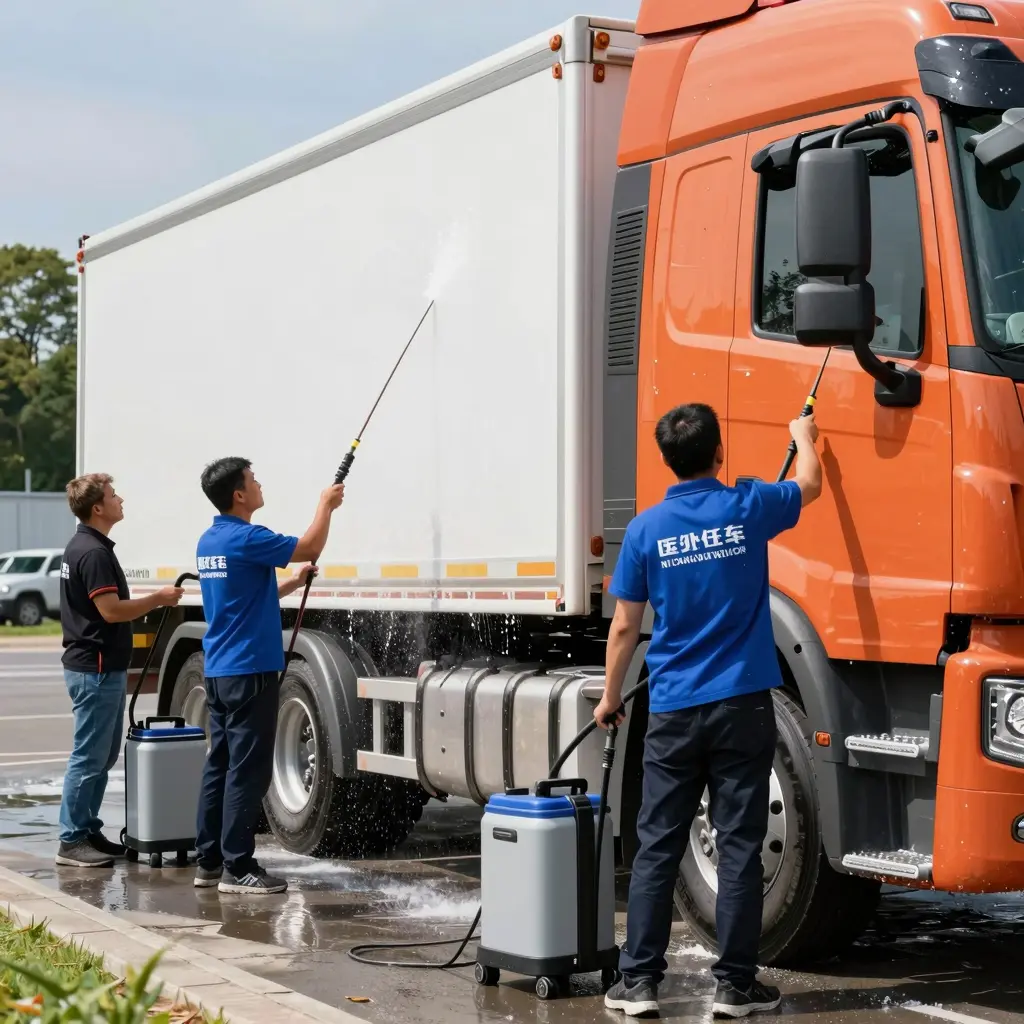
Starting a truck washing business presents a lucrative opportunity in the logistics sector, where operational cleanliness directly correlates with fleet performance and maintenance efficiency. As commercial fleets grow and regulatory pressures around emissions and compliance increase, the demand for professional truck washing services has never been higher. Many successful operators in this industry report profit margins ranging from 25% to 40%, driven by consistent client retention and scalable operations. The relatively low startup costs-often between $10,000 and $50,000-make this venture accessible, especially when paired with mobile services that cater to clients at their preferred locations. Maintaining a clean fleet is not just about aesthetics; it plays a vital role in fleet maintenance that can detect potential issues early, reducing the risk of expensive repairs and enhancing logistics efficiency. For fleet managers and trucking company owners, investing in a truck washing business could prove to be a strategic move that improves both profitability and compliance. For further insights, consider reading about the importance of regular trailer maintenance and industry compliance regulations.
Essential Equipment and Supplies for Starting a Truck Washing Business
Starting a truck washing business requires careful planning and selection of essential equipment and supplies. Here’s a detailed list to help you set up your operations efficiently:
-
Pressure Washers:
Invest in high-powered pressure washers, ideally with a minimum of 3000 PSI. Consider whether you’ll operate from a stationary location or offer mobile services to determine the best type for your needs. -
Eco-Friendly Detergents:
Choose biodegradable, phosphate-free detergents to ensure compliance with environmental regulations while effectively cleaning heavy-duty vehicles. Manufacturers like EcoClean Pro and GreenSpray offer high-performance options that protect surfaces and reduce water contamination. Learn more about the importance of eco-friendly products. -
Water Recovery and Filtration Systems:
Implement systems that allow you to recycle water used in the washing process. This not only conserves water but also helps meet municipal regulations on water discharge. -
Mobile or Fixed Washing Platforms:
Depending on your business model, you may need movable wash stations or fixed installations equipped with automated systems that can accommodate various vehicle sizes. -
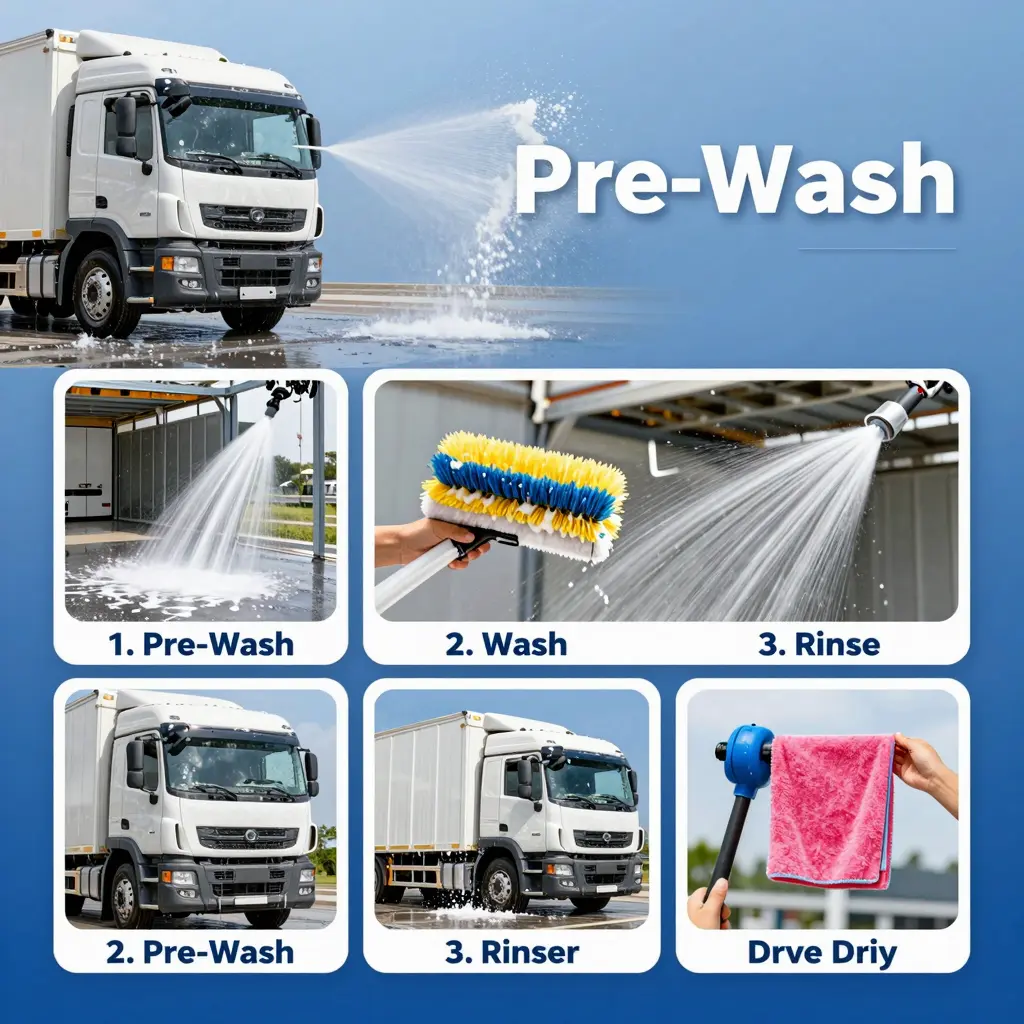
Drying Equipment:
High-speed fans or blowers can significantly enhance the drying process, ensuring trucks leave your wash facility in pristine condition. -
Safety Gear for Staff:
Equip your team with essential safety equipment, including gloves, goggles, and slip-resistant footwear to safeguard against chemical exposure and traction hazards. -
Maintenance and Mobility Equipment:
Consider adding equipment that aids in vehicle positioning, stabilization, and safety during the washing process, such as anchors and guides. -
Insurance and Compliance Documentation:
Prepare essential insurance to protect your business and ensure compliance with local regulations concerning emissions and waste management. Explore regulatory compliance for your truck wash.
Properly equipping your truck washing business will enhance operational efficiency and help you comply with environmental standards, ensuring long-term success in the logistics and transportation industry.
Insights into the Truck Washing Industry
The truck washing industry is experiencing notable growth and presents significant opportunities for logistics and trucking company managers. According to recent reports, the global truck washing market is projected to expand from a size of 56.2 billion USD in 2025 at a compound annual growth rate (CAGR) of 16.99% until 2033. This growth is primarily driven by an increasing fleet size, stricter environmental regulations, and a rising demand for efficient cleaning solutions.
Market Size and Growth Potential
- 2025: Market Size is expected to reach 56.2 billion USD
- 2032: Projected Market Size of 142.52 billion RMB
- CAGR: Approximately 3.88% (2025-2032) for the truck wash systems.
The following chart illustrates the projected growth in market size:

Source: Projections based on current market trends and reports.
Emerging Trends in Truck Washing
As trucking companies navigate the post-pandemic landscape, several key trends are shaping the truck washing industry that managers should pay attention to:
- Pressure Washing Technology: High-pressure washing systems are becoming essential tools for fleet maintenance, responding to heightened hygiene standards and environmental regulations. Fleet managers value these tools for enabling flexible and effective cleaning operations that reduce reliance on external washing services.
- Mobile and Automated Solutions: The demand for mobile or portable washing systems that can operate in various weather conditions is growing. These solutions also help decrease traditional cleaning costs and improve the sustainability of operations.
- Integration of Technology: Many companies are adopting digital platforms that allow for on-demand or mobile truck cleaning services. Smart cleaning systems that monitor performance and produce maintenance reports are expected to revolutionize fleet management.
- Environmental Compliance: As waste management and environmental responsibility become increasingly critical, the truck washing industry is seeing a shift towards systems that use less water and recyclable cleaning agents, in line with global sustainability objectives.
In conclusion, the truck washing industry holds considerable growth potential due to technological advancements and increasing demand for eco-friendly practices. Logistics and trucking company managers would benefit from investing in modern washing solutions that cater to these emerging trends, ensuring their fleets are well-maintained while adhering to environmental regulations.
For more information on industry compliance and regulations, check here. Additionally, if you’re interested in understanding the importance of regular maintenance, learn more about it here.
Effective Marketing Strategies for Truck Washing Businesses
To successfully reach your target audience of fleet managers and truck operators, truck washing businesses should implement both online and offline marketing strategies. Here are some effective approaches:
Online Marketing Strategies
-
Digital Advertising: Use targeted ads on platforms like LinkedIn, aimed directly at decision-makers in the logistics and trucking industry. Highlight your specific truck washing services, pricing, and the benefits of regular maintenance.
-
SEO Optimization: Implement SEO best practices to ensure potential clients can find your services easily. Focus on local keywords such as “truck wash near me” and create blog content that answers common industry questions, like the importance of regular trailer maintenance.
-
Content Marketing: Develop informative blog posts, such as “How Often Should Trucks Be Washed?” This positions your company as an authority in the truck washing industry and attracts organic traffic.
-
Email Campaigns: Utilize email marketing to send seasonal reminders for service, special offers, or tips for fleet maintenance tailored to specific industries like construction and mining.
Offline Marketing Strategies
-
Networking Events: Attend industry trade shows and fleet conferences to meet potential clients face-to-face. Offering demonstrations of your cleaning techniques or free trial washes can entice decision-makers.
-
Partnerships: Partner with local logistics hubs or fuel stations to offer on-site washing services. This saves fleet managers time and provides a convienent solution for their needs.
-
Customer Referrals: Cultivate relationships with existing clients and encourage them to refer your services to other fleet managers. Consider implementing a rewards system for successful referrals.
Utilizing Technology
- Highlighting features like water-saving technology and environmentally-friendly wash systems in your marketing collateral can attract sustainability-focused fleets.
Monitoring Engagement
- Review and analyze the effectiveness of your marketing strategies regularly. Use customer feedback and analytics on engagement rates from your online campaigns to ensure that your marketing efforts yield high returns on investment.
Here’s a chart comparing online versus offline marketing strategies for your truck washing business, evaluating their engagement, cost, and overall effectiveness:
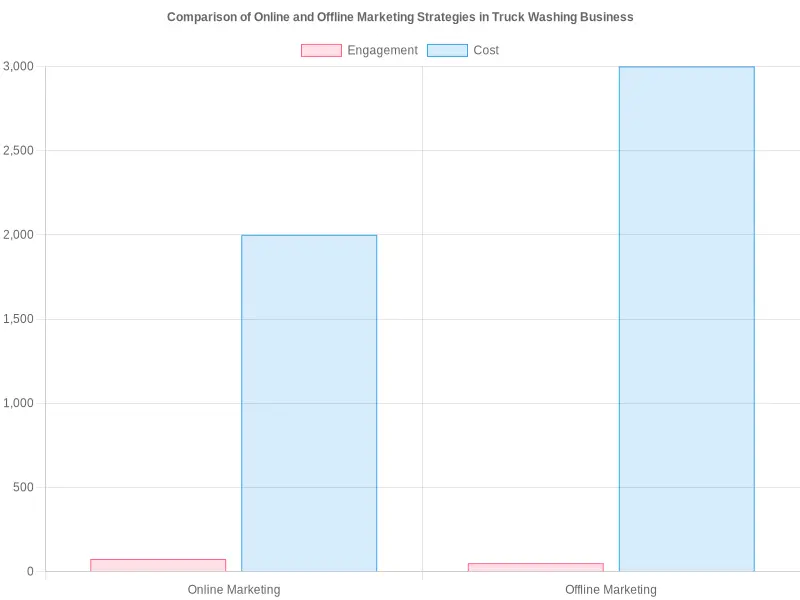
By combining these strategies, you can create a robust marketing plan that caters directly to the needs of fleet managers, ultimately increasing your customer base and fostering loyalty among existing clients.
Key Challenges Faced by New Truck Washing Businesses
Starting a truck washing business is a promising venture within the dynamic logistics and freight industry. However, new entrants face several key challenges that can impede their success. Understanding and addressing these hurdles is crucial for thriving in a competitive marketplace.
1. Intense Competition
New truck washing businesses often find themselves contending with established chains and local independent washes. This competition is particularly fierce in logistics hubs and industrial areas where multiple operators vie for the same customer base. A staggering 75% of industry experts assert that intense market competition is a major challenge, making brand differentiation and quality service essential.
2. Client Acquisition
For newly established truck washes, acquiring a stable clientele can be challenging. Many businesses report that securing a steady customer base requires significant marketing investments, including discounts and collaborative promotions. Initial customer retention rates can be disheartening, often falling below 40% during the first six months. Thus, effective marketing strategies and a strong value proposition are paramount for overcoming this hurdle and building loyalty.
3. Maintenance of Cleaning Equipment
Another substantial challenge is the maintenance costs associated with specialized cleaning equipment such as pressure washers, pumps, and automated systems. The average annual maintenance expenditure for these vital tools can account for 25%-30% of operational costs. Frequent mechanical issues not only elevate expenses but also lead to downtime, which can severely impact service delivery due to missed appointments. Therefore, establishing a proactive maintenance schedule and investing in reliable equipment are crucial steps in mitigating these challenges.
Industry Trends
According to recent statistics, the truck washing market is projected to grow at a CAGR of 5.2% from 2023 to 2030, driven by trends such as the demand for automated wash systems and eco-friendly practices. This growth illustrates both the potential for success in the industry and the necessity for newcomers to adapt to evolving standards and expectations.
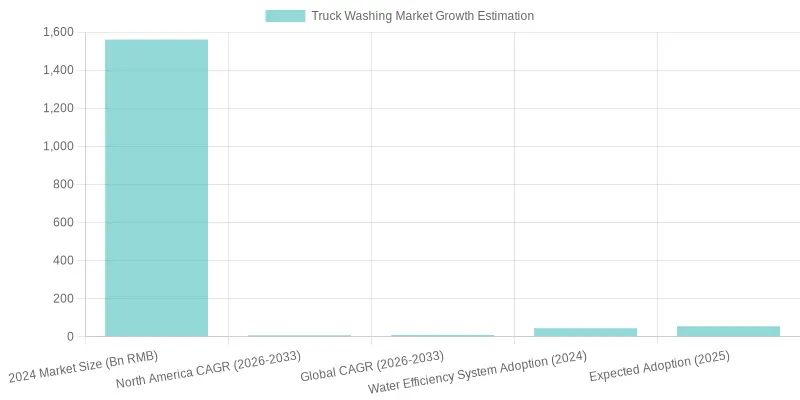
Truck Washing Market Growth Estimates
Additionally, the attached chart below summarizes the major challenges facing new truck washing ventures and their respective impact levels:

Impact of Key Challenges in Truck Washing Business
In summary, while entering the truck washing business presents significant challenges, understanding these obstacles and leveraging industry trends can help new operators navigate the competitive landscape successfully. For further insights, consider exploring the compliance regulations that impact operations.
Comparison of Truck Washing Methods
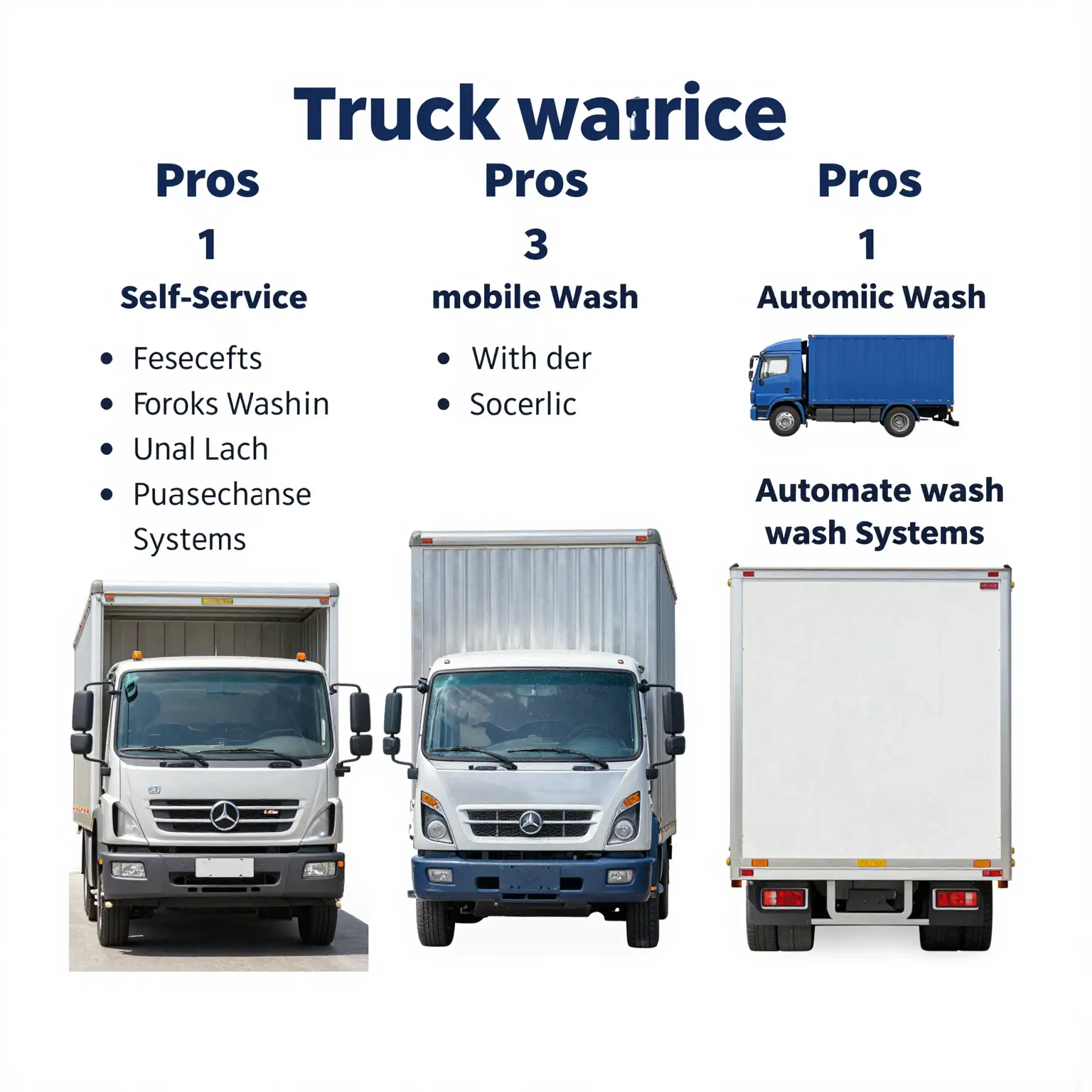
When considering the best truck washing methods for your fleet, it’s essential to evaluate the advantages and disadvantages of each option. Below is a detailed comparison of three primary truck washing methods: self-service, mobile, and automated systems.
| Washing Method | Pros | Cons |
|---|---|---|
| Self-Service | – Low cost – User control over washing process – Flexibility in scheduling – Potential for savings with fewer third-party fees |
– Requires staff training – Labor-intensive – Risk of improper cleaning – Water and chemical waste if not managed well |
| Mobile Wash | – Convenient for large fleets – Reduces travel time – Staff can focus on driving and routes – No need for infrastructure |
– Higher costs per wash – Quality may vary by provider – Weather-dependent – May require scheduling ahead of time |
| Automated | – Fast and efficient – Consistent cleaning results – Minimal labor required – Ideal for high-volume operations |
– High initial investment – Cannot clean heavily soiled areas effectively – May require additional manual oversight for thorough cleaning |
This table provides a concise overview that can aid fleet managers in decision-making regarding truck washing options. Additionally, you may want to explore the importance of regular trailer maintenance to keep your fleet in top condition.
Financial Considerations for Starting a Truck Washing Business
Starting a truck washing business requires careful financial planning. Understanding the various costs involved and potential revenue streams is crucial for success in this competitive market. Here’s a breakdown of the key financial considerations:
Startup Costs
Starting a truck washing business can involve significant initial investments. Here are some typical startup costs you might incur:
- Infrastructure Setup: Costs for land acquisition, facility construction, and necessary utilities can add up, typically ranging from $300,000 to over $1 million depending on the scale and location of your facility.
- Equipment Purchase: High-pressure washing units, water recycling systems, and other specialized cleaning equipment may require an investment of between $150,000 to $1.2 million, based on the type of system you select-fully automated versus manual.
- Compliance Costs: Environmental regulations may necessitate investment in waste management systems, which could lead to additional costs.
- Operating Permits: Obtaining the necessary permits and licenses can incur further expenses.
Learn more about compliance regulations here.
Operating Expenses
Once your truck washing business is operational, you will need to manage ongoing expenses:
- Labor Costs: Labor often constitutes a significant portion of your overhead. Depending on your operational scale, expect to allocate about 30-50% of your monthly revenue to wages.
- Utilities: Costs for water, electricity, and gas-especially for high-pressure and heated water-are ongoing expenses that should be factored into your budget.
- Maintenance and Repairs: Regular maintenance of your equipment is essential to prevent downtime. Budget for maintenance costs that can escalate depending on usage.
- Chemical Supplies: Continuous supply of soap and cleaning agents is necessary, constituting another recurring cost.
- Insurance: Coverage for liability and environmental compliance, which can vary greatly by location, averages around $39/month plus potential higher costs for business insurance depending on your operations.
To understand more about field management and optimization for truck washing businesses, check this guide.
Potential Revenue Streams
The revenue potential for a truck washing business can be robust, especially if you diversify your offerings:
- Basic Wash Services: A simple wash can generate revenue, with sites reporting averages of $120,000 to $250,000 annually for a busy operation.
- Additional Services: Revenue can be boosted by offering detailing, waxing, or interior cleaning, with potential profits of up to $130 per additional service.
- Fleet Contracts: Establishing contracts with logistics companies or local businesses can help stabilize your income while providing repeat business.
- Eco-Friendly Options: As sustainability becomes more significant, eco-friendly washing options could attract customers and premium pricing, leading to higher profitability.
Understanding these financial foundations will not only help in budgeting accurately but also in projecting your business’s growth trajectory while securing funding if needed. Properly managing these factors positions your truck washing business for long-term success in a vital sector of the logistics and transportation industry.
Case Study: High-Traffic Highway Truck Wash
A notable case study revolves around a truck wash business located beside a bustling interstate highway in Texas. This operation averages 50 truck washes per day, showcasing the pivotal role that high-traffic locations play in profitability.
Key Success Factors
- Prime Location: Being situated on a major route ensures a steady influx of customers.
- Stable Customer Base: Regular clients, such as logistics and transportation companies, contribute to consistent business.
- Efficient Operations: Streamlined processes allow for quick turnaround times, maximizing service efficiency.
Lessons Learned
- Cost Monitoring: Continuous monitoring of expenses is crucial to maintain profitability, as operational costs can fluctuate.
- Equipment Maintenance: Regular upkeep of washing equipment helps prevent downtime and ensures optimum performance.
“Our location makes all the difference. Being on a high-traffic route means we see customers daily. We must stay on top of our costs and keep our machines running smoothly to keep our edge.” – Truck Wash Owner
This case highlights the importance of strategic placement and operational efficiency in the truck wash industry. For further insights, learn more about compliance in the truck wash industry and explore the significance of regular maintenance.
Conclusion and Call to Action
Starting a truck washing business can be a rewarding venture if approached strategically. Key considerations include conducting thorough market research, drafting a solid business plan, securing necessary permits and licenses, and investing in high-quality equipment tailored to your specific needs. Emphasizing compliance with environmental regulations is crucial as well, especially regarding wastewater disposal, which can impact your business reputation and sustainability efforts.
Investing in customized truck washing solutions enhances operational efficiency, reduces maintenance downtime, and improves vehicle reliability. Custom systems are designed to meet the unique requirements of your fleet, maximizing cleaning performance, minimizing resource usage, and saving costs in the long term. For instance, these solutions can reduce water and chemical consumption significantly while also integrating advanced technologies like AI to optimize cleaning processes. Learn more about why investing in quality solutions is beneficial.
We encourage you to take the next step toward building a successful truck washing business with Summit Fairings. Partnering with professionals who understand your fleet’s unique needs can lead to exceptional service and operational success. Don’t wait-start exploring your options today! Discover more about quality solutions here.
In conclusion, with the right planning and dedication, launching your truck washing business will set the stage for growth, reliability, and customer satisfaction in an essential industry. Let’s make your business shine!