
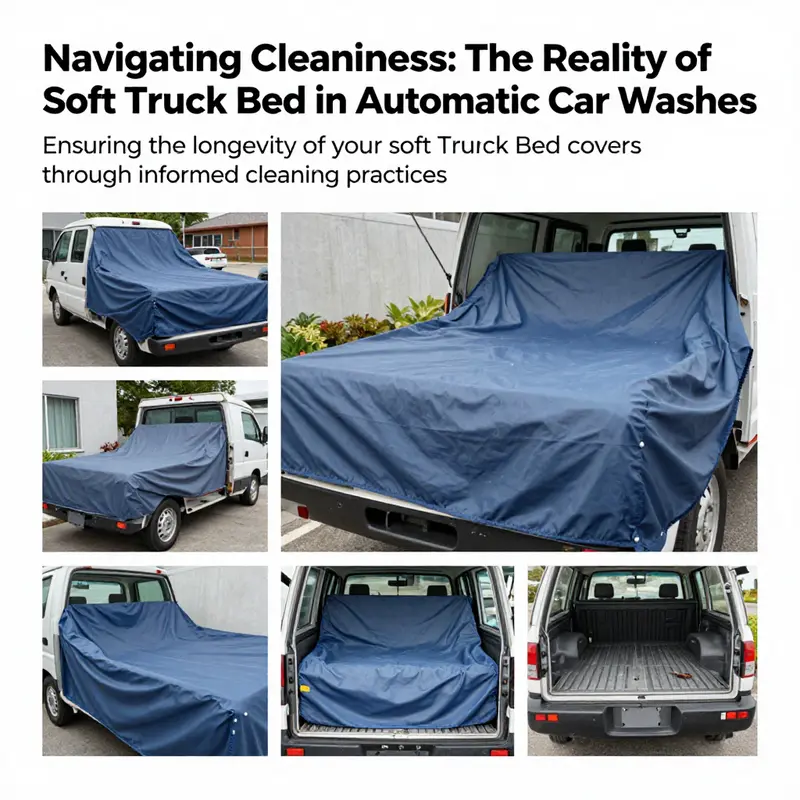
Understanding whether soft truck bed covers can endure automatic car washes is essential for fleet managers and trucking operators. The risks associated with automatic washes are significant, ranging from physical damage to compromised seals. The following chapters delve into specific concerns, including water pressure and fastener vulnerabilities, as well as best cleaning practices that help maintain the integrity of these covers. Your decisions in car wash methods can impact both the longevity and effectiveness of your soft truck bed covers.
Beyond Suds: Why Automatic Car Washes Threaten Soft Truck Bed Covers

Soft bed covers are designed to shield cargo from weather while remaining flexible enough to fold or roll when needed. Automatic car washes, especially those with rotating brushes or high-pressure jets, introduce risks that are not present with manual cleaning. The brushes can snag seams, edges, or fastener housings, causing micro-tears or loosening of attachments over time. Repeated abrasion weakens the fabric and can create entry points for moisture.
High-pressure jets can force water into gaps where the cover seals to the bed rails or tailgate, pushing moisture under the fabric and into folds, inviting mold and rust at contact points. Water intrusion compromises shedding capability and can compromise fasteners and seals, increasing the likelihood of damp cargo space.
Detergents and cleaning agents used in some washes are optimized for metal and paint, not fabrics. They can fade colors, soften fibers, or degrade stitching and adhesive layers. Moisture exposure accelerates wear on Velcro, zippers, and edge bindings, potentially loosening the seal over time.
The drying phase matters too. Heat cycles and prolonged moisture inside folds can foster mold and odor development. Thorough air drying in a shaded area, followed by inspection before folding, helps preserve fabric integrity and performance.
Practical alternative: a manual cleaning routine that emphasizes control and inspection. Start with a light rinse, apply a mild soap with a soft brush, focus on the fabric surface rather than fasteners, and rinse completely. Dry in a well-ventilated area until no moisture remains, then store only when fully dry. If you notice stiffness, cracking, or loose seams, address them promptly with appropriate repair materials or professional help. These steps trade a fast wash for long-term protection of the cover and bed.
For fleet and individual owners seeking broader context, facility design and maintenance practices at truck-wash facilities influence how sensitive components are protected. Consider lines of defense that reduce splash onto covers and provide safe spaces for delicate accessories. This awareness reinforces that the best path is to protect the cover with gentle, targeted cleaning rather than automatic washing through machines.
External reference: For further context on the risks, see related industry discussions and articles on soft bed cover care.
Under Pressure: How Water Jets and Car-Wash Dynamics Shape Soft Truck Bed Covers
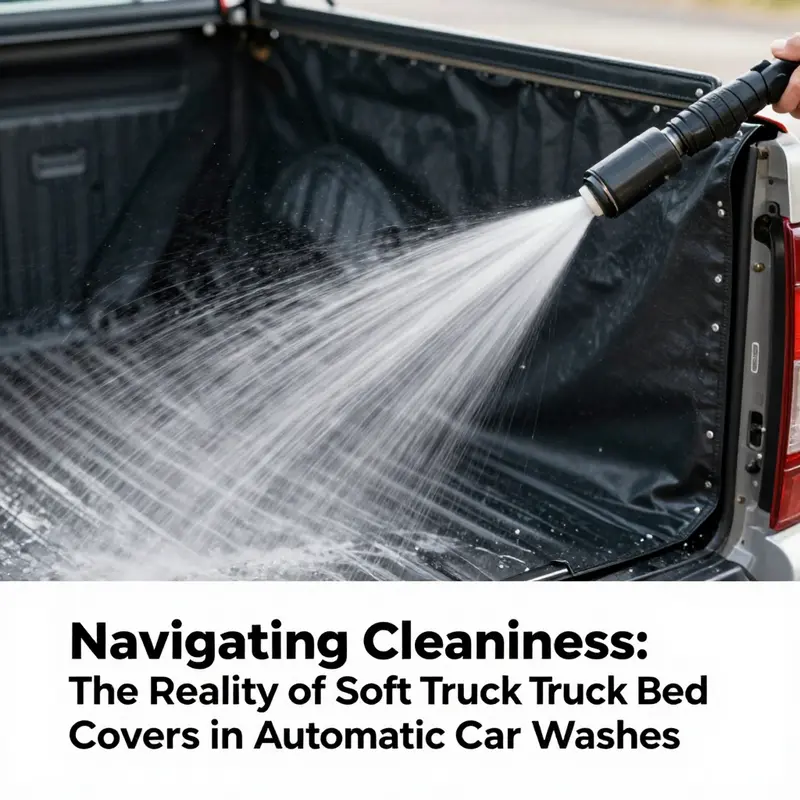
Under Pressure: How Water Jets and Car-Wash Dynamics Shape Soft Truck Bed Covers
When owners ask whether soft truck bed covers can survive a trip through an automatic car wash, the conversation often centers on a single, stubborn truth: water pressure is not merely a convenience in this context; it is a potentially decisive force that can alter the fabric, the seals, and the overall effectiveness of the cover. The question, however, deserves a fuller answer than a simple yes or no. It hinges on the combined impact of mechanical action, water intensity, and the way a cover is anchored to the bed. In a world of high-powered rinse cycles and aggressive brush systems, water pressure is not neutral. It acts directly on the materials, seams, fasteners, and the interface between the cover and the truck itself. This is where the physics of pressure meets the engineering of canvas, vinyl, or woven fabrics, and where practical testing reveals what can withstand routine cleaning and what is best reserved for gentler, more controlled care.
Material science lies at the heart of this issue. Soft truck bed covers are designed to be flexible and water resistant, not waterproof in the sense of enduring relentless, direct high-pressure streams. The fabric is typically treated to resist seepage and to shed water, but the viscosity of the water, combined with the velocity of high-pressure jets, can push moisture through seams or along the edges where the cover is not perfectly sealed. A low-pressure rinse may bead and roll off, but a jet from a power washer or an intense spray from a heavy rainfall scenario, amplified by wind, can create a small but persistent force that sneaks water into the gaps. This distinction between water resistance and true waterproofing becomes critical when you consider repeated exposure. Over time, pressure can gradually compromise the fabric’s surface, leading to micro-tears or thinning that accelerates wear under the weight of repeated folds and repositioning.
Seam integrity is another casualty of pressure. The seams are the most vulnerable points because they anchor the cover to the bed rails and to any fastening system—zippers, Velcro, straps, or magnets. High-pressure water can exploit the tiny gaps where stitching meets fabric, widening them ever so slightly. This can detach portions of the cover from the bed edge, especially at corners or along seams that experience the most movement during a wash cycle. When a seam loosens, the risk shifts from mere cosmetic wear to functional failure: water can seep inward, lifting sections of the cover away from the mounting points and possibly allowing cargo to shift or collect moisture in ways that defeat the purpose of a cover.
The fasteners themselves—whether they are velcro strips, zippers, or magnetic seals—face a parallel challenge. Harsh cleaning agents, moisture, and direct spray can degrade the adhesive properties of Velcro, dry out or warp zipper channels, or weaken magnetic seals that rely on precise alignment. In practical terms, a fastener that loosens under pressure leaves a vulnerable edge where water can creep in, and water that enters through a compromised edge can travel beneath the fabric and stagnate in the truck bed. The consequences are not only a damp bed but also the potential for odors and mold growth if the interior is not properly aired out after a wash.
Beyond the fabric and the fasteners, the interaction between the cover and the bed rail itself is a source of risk when pressure is involved. Direct exposure to high-velocity water can push against the edge of the cover, forcing a little water under the perimeter seal or under any fabric that is not perfectly flat against the bed. If the cover’s grip on the rails is strong but not unyielding, the combination of water pressure and movement can gradually loosen the attachment. In a worst-case scenario, the cover could detach enough to admit water to the bed interior, potentially compromising the cargo and the cover’s protective function.
What all this adds up to is a practical boundary condition for owners: water pressure is a dominant variable in the reliability of a soft bed cover during wash cycles. The material’s inherent design to resist water must be weighed against the realities of automatic car washes, especially those that rely on rotating brushes or high-pressure nozzles. The degradation pathway is not only about a single wash either; it is the cumulative effect of repeated exposures, each adding tiny strains to the seams and micro-adjustments to the fastening system. In other words, a cover might survive a single pass through a car wash, but the risk compounds over time if pressure is a recurring factor.
From a maintenance standpoint, the insights about water pressure translate into a set of actionable guidelines that emphasize preservation and prevention. First, avoid direct high-pressure washing on soft covers. The force of a jet capable of blasting away grime from a stubborn mirror or bumper is precisely the kind of force that can push against fabric edges and seams and introduce moisture where it should not be. Second, favor gentler cleaning methods that rely on a hose with a modest spray and a soft brush or cloth. The goal is to remove dirt without saturating or abrading the surface. Mild soap is generally sufficient; harsh cleaners can degrade fabric coatings or penetrate stitching layers that are meant to be watertight but not pressure-tight. Third, after any washing, allow ample air-drying time before folding or storing. Moisture trapped beneath fabric accelerates mold and mildew, and a damp environment can be a magnet for odor, especially if the cover is stored in a closed space. These steps are not mere housekeeping; they are essential protection against the subtle, cumulative effects of pressure on fabric and fasteners.
The broader takeaway is that waterproofing is not the same as water resistance in the context of soft bed covers. A cover may shed rain efficiently, but that does not guarantee protection against the sustained, directed force of car-wash jets. Water resistance helps in everyday conditions, but the car wash environment creates specialized challenges. The cover’s design may resist incidental moisture, yet the edges where the fabric meets rails and fasteners are precisely where pressure can exploit vulnerabilities. This is why many experts advocate for alternative cleaning strategies that minimize risk while still keeping the cover clean and functional. The recommended path emphasizes manual cleaning—using a hose, mild soap, and a soft brush—followed by thorough drying and careful folding. It is not a rejection of technology or convenience, but a measured approach that aligns the cleaning routine with the cover’s material properties and attachment system.
For those operating fleets or managing multiple trucks, the operational implications of pressure are substantive. The decision not to run large or high-pressure washes through automatic car washes when soft covers are installed is not merely individual caution; it is a policy that protects the bed cover investments and the reliability of cargo protection. In practice, this means establishing cleaning protocols that prioritize gentle, controlled hygiene and documented maintenance checks. Operators may also consider the potential value of installing protective edge guards or reinforcement stitching in areas most exposed to spray, though these modifications should be evaluated against warranty constraints and the cover’s designed tolerances. The practical mindset is proactive: prevent stress points before they become leaks, prevent moisture before it ferments, and preserve the cover’s sealing performance through responsible care.
To support these recommendations, many professionals in the industry advise owners to view cleaning as a two-step process: deter damage first through gentle handling, then verify integrity second through careful inspection after washing. A quick post-clean inspection can reveal seepage at seams, loosening fasteners, or edge curling that might not be immediately evident when the bed is dry. Addressing these signs early prevents more serious degradation and helps maintain the cover’s protective function. It also aligns with broader best practices for vehicle maintenance and equipment longevity, emphasizing routine checks, mindful handling, and preventive action over reactive repairs. For readers who are navigating cleaning protocols for their fleets, a broader resource on the management side of truck-wash operations can offer useful perspectives on how to standardize these practices across a team and ensure consistency in care. Facility Management for Truck Washes.
In sum, water pressure matters in the life of a soft truck bed cover. It is the main culprit behind material wear, seam stress, and the deterioration of fastening systems when combined with abrasive cleaning actions. The prudent course is to treat high-pressure washing as a treatment that risks compromising the cover’s core functions and to reserve manual cleaning as the safe, most reliable method for routine care. By approaching cleaning with a careful, measured ethos, owners can extend the life of the cover, maintain its protective seal, and avoid the upfront and long-term costs associated with premature wear and water intrusion. As with all protective gear, the goal is not to avoid water altogether but to manage its impact with knowledge, discipline, and a willingness to adapt routines when conditions demand it. For a deeper dive into how cleaning practices and facility management intersect with truck-wash operations, see the linked resource on facility management.
External reference: https://www.4x4world.com/truck-bed-covers/soft-vs-hard-truck-bed-covers-which-is-right-for-you
Suds, Strain, and Seals: The Hidden Vulnerabilities of Soft Truck Bed Covers in Car Washes
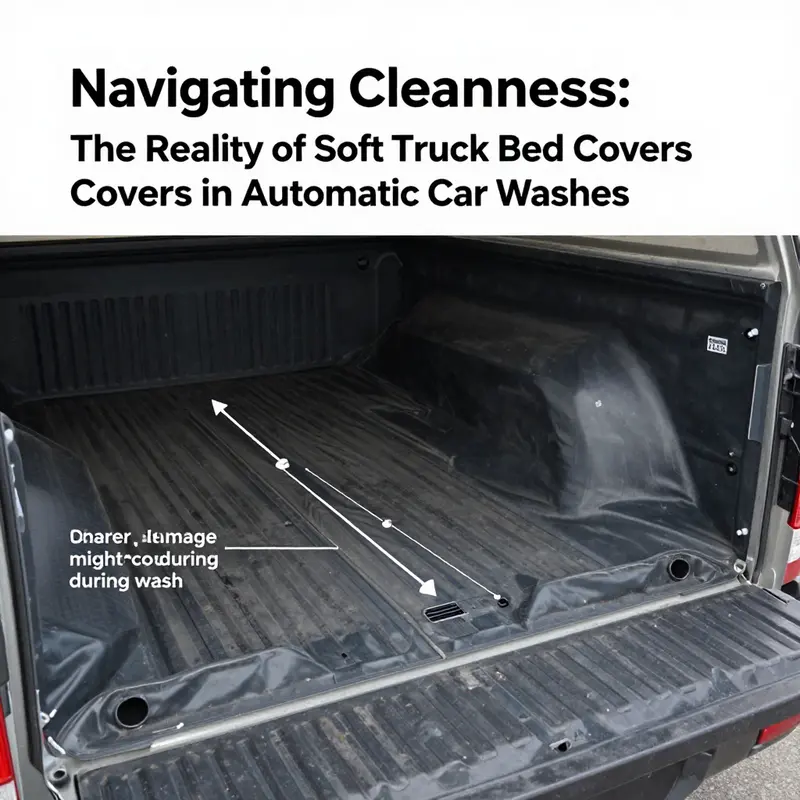
Soft truck bed covers sit at a curious boundary between practicality and protection. They are designed to shield cargo from rain, dust, and road grime while still letting a vehicle breathe under the open sky. Yet when the vehicle encounters an automated car wash, those same protective features become the very points of vulnerability. In the quiet, practical math of daily trucking, the seals and fasteners that keep a bed cover secure are doing delicate work. They form a seal along the bed rails, anchor stitching, and fasten the cover to the edges through a network of clasps, straps, Velcro, zippers, and sometimes magnets. When a car wash swallows a truck into its mechanical wash cycle, the environment around those components shifts from moderate to harsh with unsettling speed. The result is a cascade of stress that can wear, loosen, or even fail the very parts designed to keep the cover in place and the bed dry. Understanding this dynamic helps truck operators, drivers, and maintenance teams choose the right cleaning approach and protect the integrity of the cover over time.
The most immediate threat comes from high-pressure water jets. Automatic washes often rely on sequences of nozzles that arc water at varying intensities to remove grime from trucks of all shapes and sizes. For a soft truck bed cover, those jets can deliver more than just a thorough rinse. Water can be forced into the tiniest gaps where the edge of the cover meets the bed rail or where seams and fasteners meet fabric. The edges frequently rely on a combination of grommets, edge bindings, or bonded seams that are meant to work when the cover sits dry and stationary. A strong stream from a jet can push water past these barriers, seeping under the edge and creating a micro-bath inside the bed. When water accumulates behind a seal, it can loosen the bond between fabric and fastener, degrade Velcro or zippers, and even impact the truck bed’s own drainage system. In the worst cases, repeated exposure to high-pressure sprays can serve as a slow, cumulative form of wear—each pass stressing which seals are supposed to remain airtight and dry.
Beyond water intrusion, the physical contact of the wash cycle itself compounds the risk. The brushes used in many automatic washes are designed to scour away surface contaminants. They are effective on hard surfaces but not forgiving toward soft materials. When those brushes brush over the fabric or vinyl of a bed cover, they apply lateral forces that can pull at stitching lines and edge bindings. Stitching on a cover is meant to hold fabric together and to maintain tension around the edge, but it is not designed to withstand repeated abrasive scrubbing. The scrubbing action can cause micro-tears to form at or near stitching, fray the edge bindings, or loosen the knots that secure straps. Over time, those tiny compromises accumulate, turning into more pronounced wear that may loosen the cover’s grip and increase the chance of water infiltration during subsequent use.
The sealing elements themselves face a stubborn problem: moisture, misalignment, and chemical exposure. Many soft covers rely on grommets, magnetic straps, or Velcro to create a watertight-ish closure when the tailgate is closed. High-pressure jets can lift portions of the cover slightly, which brings the edge into contact with fasteners at a different angle or with a higher angle of attack than the seal is designed to tolerate. This repeated misalignment can bend or deform fasteners, reducing their ability to clamp down evenly and secure the fabric. Harsh cleaning agents used in some car washes can further degrade magnetized fasteners or the resin or coating on Velcro, making closures less reliable. Even if the detergent does not outright remove a fastener, the moisture can cause it to stick, slip, or seize at inconvenient moments. If a closure system relies on zippers, the abrasion of the zipper teeth against the rougher edges of the fabric under a constant wash cycle can degrade the zipper’s glide or cause the slider to catch or skip. In short, the car wash environment places a sustained demand on seals and fasteners that is far outside the normal cycles endured through routine home washing or careful hand-cleaning.
A practical consequence of these dynamics is not only the potential for leaks but also the risk of structural distortion. When water seeps behind a seal, it can undermine the protective purpose of the cover by saturating the bed’s inner surfaces or by creating a water path that travels toward corners where wiring or sensors may be housed. The water may also pool around fasteners, Nudging the fabric into creases or folds that create stress points. Over time, those stress points can become focal points for wear, leading to a creeping loosening of edge bindings, an increased likelihood of rips along seams, or even tearing near anchor points. Vinyl and synthetic fabrics, while tough, are not invincible. Repeated exposure to the mechanical action of brushes plus the blast of water and chemical cleaners can dull the material’s flexibility, creating micro-cracks that propagate under future flexing. Fabric covers can suffer from fiber fatigue as the fibers bend back and forth against fasteners and edge bindings under sliding or brushing motions. The end of the picture is a cover that feels looser, seals that feel barely present, and a bed that is more susceptible to capillary seepage during irregular weather.
From a dry-in-the-morning perspective, one often overlooks the subtle aftermath of a car wash cycle. Even when the cover appears visually intact, moisture trapped at seams or behind fasteners can linger. This lingering dampness invites mold and mildew, a smell that roots itself in fabric fibers and in the crevices of edge seals. The risk is greater in climates where humidity is high or where the cover is folded or stored before it has fully dried. The moisture can compromise the adhesive or bonding materials used in some edge seams or binding channels, reducing their longevity. And because many covers rely on flexible materials for their fit, the loss of tension due to water stress can alter how snugly the cover sits on the bed. A contact patch that was previously flush might become a loose corner after a wash, which invites more spray in future cycles and sets up a cycle of degradation that’s difficult to reverse with quick fixes.
Given these realities, the rationale for avoiding automatic car washes with heavy brush systems becomes clearer. Hand washing provides a measured, controlled environment where drivers or technicians can inspect the seal edges and fastener points with their own eyes and hands. A careful rinse with a low-pressure stream helps to remove loose debris without forcing water into edges where it does not belong. A mild soap keeps the fabric and edge bindings from becoming brittle or brittle-when-wet, while a soft brush or cloth lets the operator clean without abrading the most vulnerable areas. The emphasis is on gentle, deliberate cleaning rather than aggressive scrubbing. After washing, the cover should be allowed to air dry completely before it is folded or stowed. A fully dry cover helps preserve the integrity of seals, prevents the growth of odors, and reduces the risk that moisture will travel into places where it could damage inner bed components or stitching.
In practice, the maintenance philosophy around soft covers hinges on a simple principle: treat the edge and fastener points with care, and you extend the overall life and waterproof performance of the system. A key component of this approach is routine inspection. Before and after any wash, a quick visual and tactile check of the seals, grommets, and edge bindings can reveal early signs of wear. Look for fraying threads, loosened knots, or any edge that shifts when touched. If a strap or zipper feels stiffer than usual or shows signs of uneven wear, it is a sign that the component is near the end of its effective life and may require careful replacement or professional attention. This is not just about preserving the cover’s aesthetics; it is about maintaining a reliable barrier that protects cargo while the vehicle is in motion and in varying weather conditions. The responsibility for ongoing performance rests not only with the material choice but with attentive maintenance that respects the cover’s delicate edges and fasteners.
For those who want a practical path forward, a few explicit actions can help. First, whenever possible, bypass automatic washes that rely on abrasive brushes or high-pressure jets, especially when the cover is installed. If a wash is unavoidable, request a wash that uses lowered pressure and gentle cloth or foam-based cleaning temporarily to minimize edge disruption. Second, opt for hand cleaning as the standard routine. Use a hose with a gentle spray nozzle to rinse away surface grime, apply a small amount of mild soap to a soft brush or microfiber cloth, and work along the cover’s surface and edges with controlled, even strokes. Rinse thoroughly and allow the cover to dry in a shaded, well-ventilated area away from direct heat sources. Third, keep a careful eye on fasteners and seals during cleaning. Inspect Velcro strips for bite and stickiness, particularly after cleaning agents have been used. If a grommet has started to show corrosion or a seam has begun to loosen, address it early—do not wait for a leak to reveal the underlying weakness. For those responsible for fleet maintenance, this kind of proactive care aligns with broader best practices, such as regular trailer maintenance which emphasizes the same proactive inspection mindset. See the guidance under Importance of Regular Trailer Maintenance for a consolidated approach to these tasks, which can be accessed here: https://tripleatruckwash.com/importance-of-regular-trailer-maintenance/.
There is also a broader context to consider. The car wash environment is a shared workspace where trucks of varying shapes and sizes pass through, and the design expectations for a soft cover must accommodate this reality. A cover should be viewed as a moving boundary rather than a static shield; it interacts with other components of the vehicle on a dynamic stage. When driven into a car wash, the cover has to tolerate vibrations, shifts, and the possibility of small contact with wash hardware. Those interactions are precisely what expose the vulnerable points—edges, seals, and fasteners—to potential damage over time. The cumulative effect is that the more frequently a soft cover is exposed to this environment, the more prudent it becomes to limit the number of wash cycles that include aggressive brush action. The alternative—a consistently gentle, hand-cleaning routine—emerges as a reliable pattern for preserving the cover’s integrity, waterproof performance, and overall longevity.
This nuanced understanding of vulnerability is not merely academic. It translates into daily operational choices that affect a fleet’s efficiency and cost management. By avoiding automatic car washes that employ stiff brushes or high-pressure systems, a fleet reduces the rate at which seals and fasteners degrade. This, in turn, reduces the likelihood of leaks, water intrusion into the bed, and the expensive repairs that might otherwise follow. It also fosters a discipline of care around the cover’s four corners and attachment points, where wear most often begins. The goal is not to isolate maintenance to rare, dramatic failures, but to embed a steady practice of careful handling, gentle cleaning, and early intervention when warning signs appear. The resulting durability means fewer disruptions to operations, less downtime, and a clearer path to maintaining the protective function of the cover over the long haul.
In conclusion, the vulnerabilities of seals and fasteners in soft truck bed covers during car washes are real and systematic. The combination of high-pressure water, abrasive brushes, and the mechanical stress of cleaning cycles can push water under seals, loosen fasteners, and degrade edge bindings. Vinyl and fabric materials, while sturdy, respond to repeated exposure to these stresses in a predictable way: gradual weakening of the secure edges, increased susceptibility to leaks, and a greater chance of moisture retention after washing. The safest, most durable approach is to minimize exposure to aggressive automatic washes and to prioritize hand cleaning with gentle tools and low-pressure water. Regular inspection and careful maintenance at the edges and fastener points can dramatically extend the life of the cover and preserve its waterproof performance. For fleets and drivers, aligning cleaning practices with this philosophy supports not only the integrity of the cover itself but the reliability of the entire cargo system you depend on every day.
External reference: Mechanics Help provides practical guidance on cleaning a soft truck bed cover without damaging seals and fasteners, offering detailed steps and cautions that echo the principles outlined here: https://www.mechanicshelp.com/soft-truck-bed-cover-cleaning-tips/.
Can a Soft Truck Bed Cover Survive an Automatic Car Wash?

Owners often wonder if a soft bed cover can ride through an automatic car wash without damage. The short answer is that most soft covers are not designed for the aggressive, automated rhythm of many car wash bays. Brushes, projecting jets, and the way the cover sits on the moving conveyor can create wear patterns that accumulate over time. Fabric may stretch or snag; seams and zippers can misalign; Velcro or magnetic fasteners can lose grip; and water can seep under edges not built to be pressure points. When a truck bed cover is involved, those issues aren’t merely cosmetic; they can affect waterproofing, security, and the life of an accessory that already operates under tough conditions. The result can start with a small snag or edge lift and end with a leaky seal or a distorted corner.
To understand why, consider what a soft bed cover is and how it rides on a pickup. Many covers use a flexible fabric reinforced at seams and edges. Some models have zippers; others use straps, magnets, or hook and loop fasteners to keep the fabric taut. These elements are designed for daily outdoor use and easy removal, not for the abrasion and constant motion of a high-volume wash. Automatic bays use brushes and high-pressure jets that can press against the fabric, lifting edges or pulling fibers. Even if the fabric performs well under normal driving, repeated contact with wash components can reveal vulnerabilities over time. The risk compounds with every wash, especially if the cover is left in place rather than removed or secured to minimize exposure.
Water pressure adds another layer. Jets can push water against the seal where the cover meets the bed rail, or along the fastener lines. Water can sometimes get beneath the fabric, pooling at hinge points or under fasteners. Repeated infiltration can loosen fasteners, degrade seal components, and accelerate rust on metal anchors. The safety and fit of the cover hinge on a fragile interface between fabric and hardware, allowing a slow but steady path to leaks or misalignment.
Zippers can seize; straps can wear through paint; fasteners can degrade under solvents or heavy moisture. In a wash, the edge might ride up on a moving brush, tug on a strap, or catch on a Velcro edge, causing a ripple that becomes a lasting distortion. When fasteners fail, wind can lift the cover at speed or new water paths form. Drying after a wash matters too; trapped moisture in folds invites mold and odors. Air drying away from direct heat is safer, but it takes time and space. If moisture remains, the cover can stiffen or smell, reducing comfort and fabric life.
Practical takeaway: if you want longevity, prefer manual cleaning for most covers. Remove the cover, shake out debris, rinse with a gentle stream, use a soft brush or microfiber with mild soap, rinse thoroughly, and allow to air dry completely before reinstalling. Ensure all fasteners are secure and nothing peeks out to catch air in motion.
Always consult the manufacturer guidelines; different fabrics or coatings may require specific cleaners, rinsing temperatures, or drying methods. Avoid abrasive cleaners and harsh solvents. If a wash facility must be used, look for settings that minimize abrasion and remove the cover before the high-pressure cycles when possible.
Broader context: proper care aligns with industry standards on vehicle care and equipment sanitation. The core message remains: treat the cover as a sensitive component rather than an afterthought; manual cleaning combined with careful drying preserves fabric life, seal integrity, and fit. References and further learning: explore truck wash industry resources for wash standards and compliance. The core guidance stays consistent: manual care and gentle handling are the safest path for a soft bed cover.
Guarding the Shield: A Comprehensive, Long-Term Care Strategy for Soft Truck Bed Covers and Thoughtful Car-Wash Habits

Soft truck bed covers are built to shield cargo from weather, theft, and road debris, yet their longevity hinges on a deliberate care routine that respects both the material and the fasteners that hold the system in place. When a cover is properly cared for, it not only lasts longer but also maintains its sealing performance, flexibility, and overall appearance. The story of long-term maintenance begins with understanding what the cover is made from and how it behaves under the sun, in the rain, and in the domains of dirt and cleaners. Most soft covers use durable vinyl or polyester fabrics with reinforced stitching to cope with outdoor exposure. They typically rely on edge fasteners like grommets, Velcro, or straps to secure themselves to the truck bed. Each component, from the fabric to the fastening system, is a potential vulnerability if neglected. Extended exposure to ultraviolet light, acid rain, tree sap, bird droppings, and detergents can gradually degrade the fabric’s fibers, loosen the seams, and dull the surface, diminishing both protection and aesthetic appeal. A thoughtful maintenance approach treats the cover as a wearable part of the vehicle, deserving consistent attention rather than occasional, reactive care.
The core principle of long-term care is regular, gentle cleaning paired with careful drying and storage. Regular cleaning does not mean frequent, aggressive scrubbing, but rather a steady routine that removes dirt and contaminants before they can settle into fibers or seams. The recommended method is straightforward: use mild soap and water with a soft brush or cloth. Abrasive cleaners should be avoided, as they can scratch the surface, abrade coatings, or break down the stitched seams. High-pressure hoses can likewise threaten the fabric by forcing moisture between layers or loosening edge grips, especially at the junctures where the cover folds or curves over the truck bed. It is easy to underestimate how small losses in the protective layer can snowball into larger issues over months and years. A consistent, gentle wash regime minimizes these risks and helps preserve the cover’s water-shedding properties and its ability to stay taut over the bed.
Drying is the unseen yet decisive step that follows washing. Moisture left to linger on fabric invites mold, mildew, and the musty odors that accompany them. Even a cover that dries rapidly in normal conditions can trap damp pockets if a breeze or sun is absent during air-drying. The best practice is to rinse thoroughly, then allow the cover to dry completely in a shaded, ventilated area. If possible, detach the cover for drying and lay it flat or hang it where air can circulate around every panel. This approach reduces creasing and stress on the fabric and seams. When storage time arrives, the cover should be stored in a cool, dry place away from direct sunlight, and it should not be folded too tightly. Excessive folding concentrates stress at the same crease lines, accelerating wear, fatigue, and potential cracking at the seams.
In parallel with cover maintenance, the vehicle’s exterior care forms a complementary discipline. The exterior surfaces deserve attention that respects both paint and the protective layers that shield it. Use a dedicated car wash soap rather than household detergents, which can strip wax and protective coatings. A careful pre-rinse helps remove loose dirt that could be ground into the paint during washing, a simple step that prevents micro-scratches. The two-bucket method—one for soapy water and one for rinsing the wash mitt—keeps grit out of the soapy bath and avoids reapplying contaminants to the surface. Washing should progress from top to bottom, preventing dirt from lower sections from migrating upward as the cloth or mitt moves downward. After washing, microfiber towels or chamois cloths are ideal for drying because they minimize swirl marks and help preserve a glossy finish. Periodic waxing, every three to six months depending on climate and use, adds a sacrificial layer of protection that resists bird droppings, tree sap, and UV exposure, thereby reducing the need for aggressive scrubbing on painted surfaces in the long run.
The advice regarding car washes themselves bears repeating in the context of soft bed covers. Automatic car washes, particularly those employing brushes or high-pressure jets, are generally not compatible with soft covers. The mechanical action can snag fabric, tear fibers, or loosen seams, and the abrasive contact can prematurely wear the surface. High-pressure water can infiltrate the cover’s edges and the locking or sealing interfaces, potentially compromising your cargo seal or creating damp pockets that foster mold. Even if the material feels robust, these repeated encounters with harsh cleaning mechanisms exact a cumulative toll on both fabric and fasteners. For many owners, the life-cycle cost of a cover that has endured several brush-based washes is higher than the expense of a carefully performed hand wash. In practice, the safer, longer-lasting path is to treat the cover as a washable accessory that benefits from manual cleaning, rather than a feature that should endure brute-force cleaning.
A steady maintenance rhythm also includes mindful handling and storage. When removing or reattaching the cover, be gentle with zippers, Velcro, and any magnetic fasteners. Harsh detergents or extreme moisture levels can degrade these components over time, especially if they are not designed for repeated submersion or high humidity. Inspecting seams after every cleaning session reveals early signs of wear—the telltale fray at a stitching line or a loose thread that, if caught early, can be repaired before it propagates. Keeping tabs on grommets and edge hardware helps prevent unexpected unraveling that could compromise the cover’s ability to shed water and protect cargo. If you notice any weakening or cracking, a repair kit or a professional assessment is warranted before the next heavy rain season. Proactive care, not reactive patching, is the key to preserving both form and function over years of use.
From a broader perspective, the maintenance of soft covers can be seen as part of a holistic vehicle care plan. The cover’s life is intertwined with the truck’s overall condition, including bed rails, sealant integrity, and the bed’s interior protection. A cover that has remained effective at its job continues to contribute to the vehicle’s overall resale value and aesthetic appeal. As dirt, UV exposure, and occasional chemical exposure accumulate, a deliberate care routine reduces cumulative damage and preserves the cover’s taut fit and wind-resistance, which in turn supports fuel efficiency by minimizing drag from a loose or ill-fitting cover. The long-term equation is simple: consistent, gentle cleaning, thorough drying, and proper storage today save more substantial repairs or replacements tomorrow. This is why a disciplined approach to maintenance should be embraced as a core habit by any owner who values protection, reliability, and value retention over the life of their truck.
In applying these principles to the day-to-day realities of ownership, it helps to view maintenance as both a safeguard and an investment. For fleet operators and individual owners alike, a cover that remains in good condition mirrors a wider culture of care that extends to tires, brakes, and overall vehicle readiness. A well-maintained cover signals prudent stewardship and reduces the likelihood of cargo exposure after a wash or a rainstorm. This is not merely about aesthetics; it is about preserving the protective barrier that stands between cargo and the elements. And while it might be tempting to push limits for the sake of convenience, the longer view favors restraint: avoid automatic washes for soft covers, wash by hand, and give the fabric time to dry fully before folding and storage. The payoff is clear—less wear, fewer repairs, and a cover that continues to perform when you need it most.
For those who manage fleets or own multiple vehicles, a broader maintenance philosophy becomes even more powerful. It is worth integrating the cover care into a wider discipline of routine checks, cleaning schedules, and record-keeping so that every part of the system—from cover to hull to hitch—receives consistent attention. This approach yields reliability across the asset base, reduces downtime, and supports a culture of safety and preparedness. In practical terms, that means setting a regular cadence for washing, inspecting seams and fasteners, and scheduling dry storage when the weather will be persistently humid or rainy. It also means educating drivers or operators on best practices, so that the same standard of care applies whether the vehicle sits in a garage or travels cross-country. The goal is not only to protect cargo but to extend the life of the cover itself, ensuring that the original design continues to deliver its protective promise long into the future.
In closing, the path to enduring performance for soft truck bed covers lies in a disciplined, thoughtful routine that treats the cover as a living part of the vehicle system. Regular cleaning with mild soap and water, thorough drying, and proper storage form the backbone of this practice. The caution against automatic car washes with brushes or high-pressure jets remains a central theme, underscoring the need to preserve fabric, fasteners, and seals. When it comes to washing both the truck and its cover, a careful, top-to-bottom approach with the right detergents, proper rinsing, and mindful drying yields the best long-term outcomes. It is a simple, repeatable protocol that, over years, protects cargo, maintains the vehicle’s appearance, and sustains resale value. For fleet managers and individual owners alike, adopting this routine creates a durable picture: a truck that is shielded by a cover that looks and performs as well as the day it was first installed.
Internal resource: For broader fleet maintenance culture, you may explore the topic of regular trailer maintenance in the context of standard operating procedures and safety checks. See importance of regular trailer maintenance.
External reference for broader car care guidance: Car care tips.
Final thoughts
Choosing the right approach to cleaning soft truck bed covers is crucial for preserving their integrity and functionality. Avoiding automatic car washes, especially those using mechanical brushes and high-pressure jets, is highly advisable. Instead, embracing manual washing techniques ensures thorough cleaning while protecting from damage. Long-term maintenance strategies are key in enhancing the durability of your covers, safeguarding your investment in fleet equipment.