
Effective cleaning is crucial for maintaining the appearance and longevity of commercial fleets. Professional truck washes utilize specific industrial-grade soaps designed to combat the unique challenges faced by larger vehicles. This article delves into the crucial aspects concerning the soaps used in professional truck washes, with insights relevant to logistics and freight company fleet managers, trucking company owners and operators, as well as construction and mining fleet supervisors. Each chapter will reveal essential information on soap chemistry, environmental impacts, brand comparisons, and industry regulations, equipping you with knowledge to make informed decisions for your fleet’s washing needs.
Unlocking the Secrets of Professional Truck Wash Soaps: Chemistry, Efficiency, and Environmental Responsibility
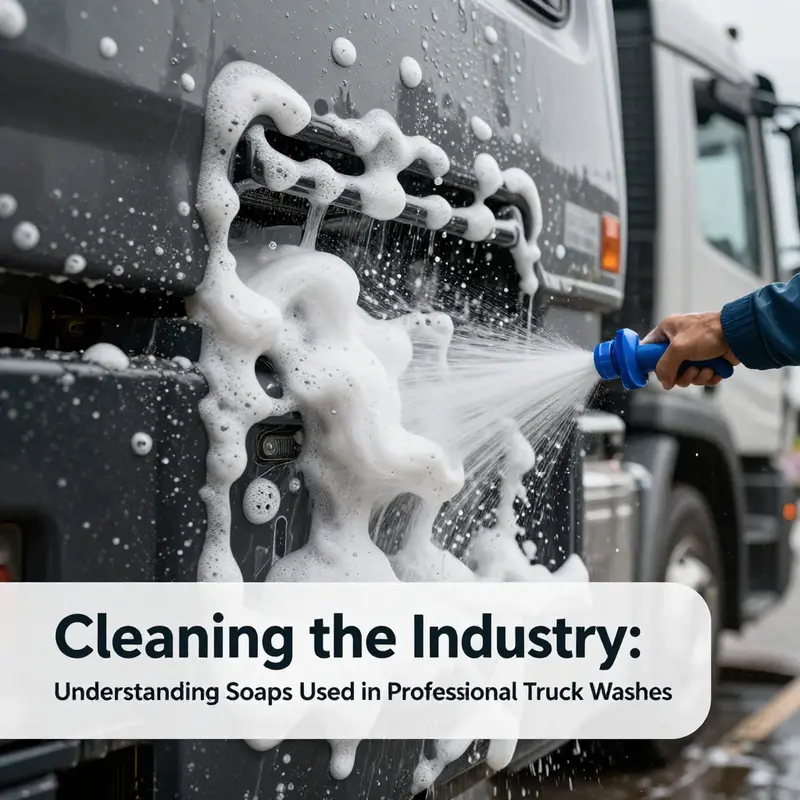
In the world of commercial vehicle maintenance, understanding the chemistry behind professional truck wash soaps is vital for ensuring cleanliness and preserving the integrity of the vehicles. These specialized cleaning agents do far more than simply suds up; they represent a sophisticated blend of scientific principles designed to tackle the unique challenges posed by dirt, grease, and grime that accumulate on massive, moving structures like trucks. Equipped with knowledge of how these soaps operate, truck wash operators can significantly enhance the quality of their washes, while also contributing to environmental sustainability.
At the core of any professional truck wash soap is the ingredient known as the surfactant. These molecules have a dual personality: one end is hydrophilic, meaning it loves water, and the other end is hydrophobic, which means it repels water but attaches well to oils and grease. This unique structure allows surfactants to effectively emulsify the stubborn substances that cling to the surfaces of trucks—such as oil, tar, and road salts—by surrounding these contaminants and preventing them from re-adhering to the surface of the vehicle. The result is a cleaner surface that is stripped of harmful pollutants, ready to shine.
Among the various types of surfactants, anionic surfactants like sodium lauryl sulfate are often employed in truck wash soaps for their powerful cleaning abilities. However, many professionals actually prefer to use nonionic surfactants in their formulations, as they have a lower environmental impact and pose less risk of harming sensitive truck finishes. The choice of surfactants not only affects the performance of the soap but also impacts how the wash interacts with the delicate paint and coating systems utilized on modern trucks, which can be incredibly sensitive to harsh chemicals.
The pH level of the soap is another critical factor in its effectiveness. Most professional truck wash soaps are formulated to have a slightly alkaline pH, typically within the range of 9 to 11. This slight alkalinity helps to enhance the soap’s performance against organic soils and mineral deposits without leading to corrosion of metal components. By maintaining a balanced pH, manufacturers can ensure that their soaps effectively clean vehicles while remaining safe for long-term use.
In addition to surfactants, many truck wash soaps are enhanced with builders, such as citrates or phosphates. These additives play a vital role by softening hard water, which is often a culprit behind soap scum and marks left on vehicle surfaces. By sequestering calcium and magnesium ions, builders improve the overall efficacy of the soap, leading to enhanced cleaning results and the prevention of mineral deposits.
While the chemical interplay within truck wash soaps is essential for providing effective cleaning, some advanced formulations take it a step further by including polymers and lubricants. These compounds can form a protective barrier on the surface of the truck during washing. This barrier reduces the friction created during the washing process, acting as a buffer to minimize the occurrence of swirl marks and fine scratches that can mar the finish. The incorporation of these features demonstrates how the chemistry of truck wash soaps is continually evolving, reflecting the industry’s demand for high-quality results.
With increasing pressures to adopt environmentally friendly practices, many manufacturers have responded by developing biodegradable and phosphate-free formulations. These soaps break down in natural water systems more quickly than traditional products, helping to minimize their ecological footprint. The transportation industry, which relies heavily on effective vehicle maintenance, is particularly sensitive to sustainability goals. By opting for eco-friendly truck wash options, fleet operators can not only maintain compliance with environmental regulations but can also promote their commitment to corporate social responsibility.
The efficiency of these soaps is further heightened by modern technological advancements in the truck washing process. Many professional washes now utilize high-efficiency formulations that allow for dilutions at much lower ratios compared to traditional products. This innovation directly translates to reduced water usage, making it an essential aspect of sustainable washing practices. Moreover, compatibility with various wash systems is crucial; some soaps are tailored specifically for use with high-pressure spray nozzles or recirculation systems, ensuring that operations can run smoothly while delivering a superior clean.
In summary, the chemistry behind professional truck wash soaps illustrates a complex yet fascinating interplay of scientific principles aimed at addressing the multifaceted challenge of keeping commercial vehicles spotless. The focus on surfactants, pH balancing, builders, and polymers reflects a dedicated effort to balance cleaning effectiveness with vehicle safety. Further enhancing these formulas with eco-conscious innovations ensures that the truck wash industry not only meets present-day standards but also anticipates future environmental needs. As the conversation around sustainability in transportation continues, it will be critical for operators to stay informed about the products they use, thereby aligning their operational practices with the broader goals of environmental responsibility. Understanding this chemistry is not just about cleaning; it reflects a commitment to excellence at every level—ensuring that each vehicle that leaves a wash facility is not only shining but also represents a larger ethos of care for the planet.
For further reading and a deep dive into the chemical properties and applications of industrial vehicle washing soaps, you can explore the resources provided by the experts at the International Carwash Association, which serves as a beacon for industry standards and best practices.
Navigating the Green Frontier: The Environmental Impact of Soaps in Professional Truck Washes
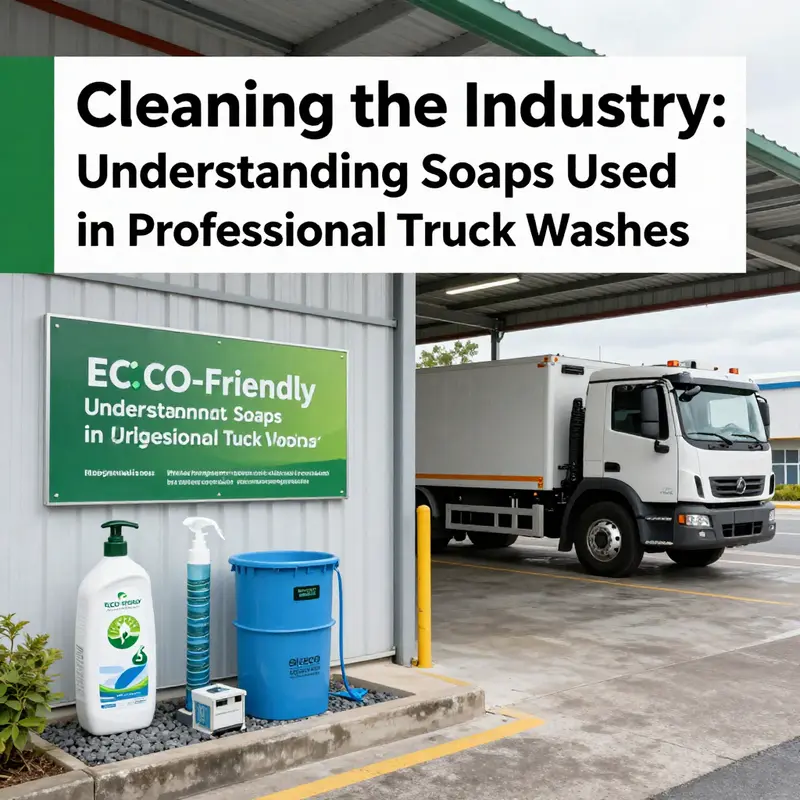
In recent years, the environmental impact of soaps used in professional truck washes has become increasingly vital to address, addressing both regulatory concerns and consumer expectations. Given the routine washing of fleets that can involve hundreds of vehicles daily, the discharge from these operations can significantly affect local ecosystems and water quality if not managed correctly.
Traditionally, many truck washes relied on harsh soaps that contained phosphates, synthetic surfactants, and other toxic chemical compounds. These detergents have the unfortunate potential to contaminate waterways through runoff. When untreated wastewater, laden with these chemicals, enters rivers and lakes, it can provoke a series of negative consequences known as eutrophication. This is characterized by excessive nutrient enrichment of water bodies, which can lead to harmful algal blooms. These blooms not only sap oxygen from the water and create dead zones, but they also produce toxins that can be detrimental to aquatic life and humans alike.
In response to growing environmental awareness and regulatory oversight, many professionals in the truck wash industry are evolving their practices. A notable shift is toward the use of eco-friendly cleaning agents, which are often biodegradable and devoid of toxic ingredients. These alternatives are designed specifically to break down naturally in the environment, mitigating long-term ecological harm. The significance of these eco-friendly solutions extends beyond mere compliance with environmental regulations; they represent a commitment to sustainable practices that align with the values of environmentally conscious consumers.
Moreover, companies focusing on sustainable solutions are adopting water-efficient technologies alongside green cleaning agents. Waterless washing systems, for instance, can reduce water consumption by as much as 80% compared to traditional washing methods, effectively minimizing the volume of polluted runoff entering local waterways. Innovations such as these highlight a commitment to resource conservation while maintaining the cleaning efficacy expected in a professional truck wash setting.
This emphasis on eco-friendliness is not occurring in a vacuum but is instead a response to increasing consumer demand for companies that prioritize sustainable practices. Fleet operators are becoming more discerning in their service partnerships, often preferring to collaborate with truck wash providers that use environmentally responsible soaps and processes—therefore, gaining a competitive edge in the marketplace. As companies promote their environmental, social, and governance (ESG) profiles, the ecological credentials of soap choices become tangible assets in negotiations with clients.
However, the transition to environmentally friendly soaps is not without challenges. Many professional washes remain constrained by the efficacy needed to address tough grime, grease, and environmental contaminants endemic to trucks. This is where the formulation science of eco-friendly soaps plays a critical role. These products are now often designed to meet the same performance standards as their traditional counterparts, ensuring that maintaining a fleet’s visual appeal does not come at the cost of water quality or aquatic life.
It is critical for any operation shifting toward greener practices to closely assess the compatibility of cleaning agents with their washing systems. Some formulations are specifically crafted for high-pressure spray nozzles or designed to work with recirculating water systems. Therefore, selecting the right product is essential not only for the environmental silhouette of the wash but also for ensuring optimal cleaning performance.
Additionally, the industry has actively turned to resources such as the International Carwash Association (ICA) for guidance on best practices and recommended products that fit environmental compliance needs. They provide a foundational understanding of the balance required between cleaning effectiveness and ecological responsibility.
Further, education around these changes is critical. As part of a broader commitment to sustainability, professional truck washes are tasked not only with implementing eco-friendly soaps but also with communicating these initiatives to their clientele. Transparency about the environmental impact of their services can enhance customer loyalty and attract new clients who might be concerned about sustainability impacts.
In summation, while the environmental ramifications of the soaps traditionally used in truck washes cannot be overlooked, the ongoing shift toward greener solutions holds great promise. Innovations in formulations for cleaning agents, along with advances in technology, are enabling truck wash businesses to operate responsibly. By embracing these eco-friendly alternatives and implementing water conservation practices, the industry is not only working towards a reduced environmental footprint but is also aligning with a market trend towards sustainability—making it a win-win scenario for all stakeholders involved.
For those interested in digging deeper into this important aspect of the truck wash industry, resources about the impact of detergents and soaps on water quality can be accessed here. As we look towards the future of truck washes, it becomes increasingly clear that those who adapt and prioritize environmental considerations will thrive in an industry that is rapidly evolving toward sustainability.
Exploring the Best Soap Solutions for Professional Truck Washing
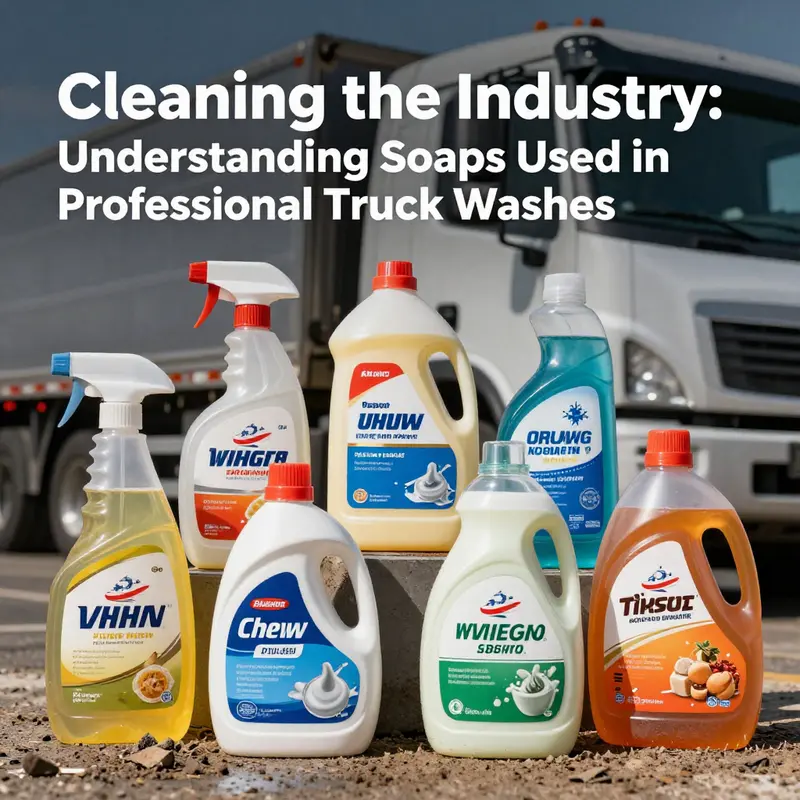
In the world of commercial trucking, maintaining vehicle cleanliness is crucial not just for aesthetics but also for the longevity of fleet assets. As trucks traverse various terrains, they accumulate dirt, grime, grease, and road salt that can damage paint and metal surfaces if not handled with care. This necessitates the use of specialized cleaning agents that stand up to the rigors of heavy-duty use. Among the plethora of soap brands available for professional truck washing, certain contenders have emerged as industry favorites by offering robust features, environmental compliance, and compatibility with high-powered washing systems.
When it comes to professional truck washes, cleaning power is paramount. Heavy-duty soaps must effectively lift and remove the different types of contaminants found on trucks—from stubborn tar and road grime to undesired brake dust. A standout brand in the realm of professional truck washing soap is Wash Chems Pro 50. Designed specifically for semi-trucks and trailers, this commercial-grade formulation is revered by professionals due to its exceptional performance in real-world applications. A thrilling characteristic of this soap is its touchless detergent concentrate, which expedites the wash cycle by eliminating the need for scrubbing. This is especially beneficial in high-volume fleet operations, where speed and efficiency equate to cost savings and increased output.
Another major player in the truck wash soap market is Fleet Wash Supply, known for its variety of professional-grade soaps tailored to meet the unique demands of large-scale operations. A noteworthy aspect of their offerings is the adaptability of their products; they perform effectively, regardless of water temperature and pressure. This characteristic is critical because various washing environments can differ greatly based on location, seasons, and equipment used. Fleet Wash Supply prides itself on producing biodegradable and phosphate-free soaps that comply with stringent environmental regulations, especially important in regions with tight eco-friendly requirements such as California and Europe.
Yet another contender is Armor All—a name that many associate with automotive care and detailing. While they are well-regarded for their interior cleaning and protective coatings, their truck wash products are generally less concentrated and suited for lighter-duty applications. Though effective for personal vehicles, they fall short in meeting the rigorous demands of fleet management and professional truck washing where heavy-duty functionality is a prerequisite. This highlights the importance of thoroughly evaluating soap effectiveness based on the specific application to prevent an inconsistency in washing outcomes.
Light-duty soaps, while attractive in their ease of use, lack the concentrated cleaning strength required for commercial fleets. Professional washes focusing solely on heavy-duty applications should therefore steer away from brands that cater primarily to consumer markets, focusing instead on specialized products that understand the intricacies of commercial transportation. Fleet managers invariably seek solutions that assure quality without damaging delicate surfaces, underscoring the need for concentrated formulas that effectively tackle stubborn dirt and road substances.
As a growing trend, many professional truck washes are trending towards environmental sustainability. The demand for eco-friendly washing solutions is on the rise, and this shift is reflected in the formulations of many current leading brands. Truck washing soaps with biodegradable components have become increasingly popular, appealing to environmentally conscious operations. Not only do these products perform their primary function effectively, but they align well with corporate responsibility objectives, particularly as regulations evolve worldwide governing runoff and environmental impact.
When investing in cleaning agents for fleets, managers often analyze the cost-effectiveness of the products available. Concentrated soaps like Wash Chems Pro 50 may come with a higher upfront cost but prove to be economical in the long run due to their efficiency and performance. They provide a better return on investment, especially when paired with the wash systems designed to work seamlessly with such formulations. Therefore, while the price tag may appear steep initially, the cost savings reflected in reduced water usage, faster cycle times, and extended vehicle lifespan make them a prudent choice.
In weighing choices among different soap brands, compatibility with wash systems also emerges as a critical factor. Certain washing systems, particularly automated ones, necessitate specific types of soaps that work well with high-pressure spray nozzles and recirculating water technologies. A soap that is incompatible with an existing wash system can result in poor cleaning outcomes and operational downtime, thereby increasing labor costs and presenting inefficiencies. Thus, evaluating the nuances of soap formulations against existing wash equipment is a fundamental step in selecting the most effective products.
The comparison of popular soap brands in truck washing ultimately comes down to individual operational needs, regional regulations, and the balance between cleaning power and environmental responsibility. With a diverse range of available options, it is important for wash operators to leverage resources and knowledge to make informed decisions that cater specifically to their fleets. For those pursuing more information about recommended products and industry standards, one can explore Fleet Wash Supply or refer to the International Carwash Association for deeper insights into industry practices.
In conclusion, while various brands cater to the commercial truck washing niche, those like Wash Chems Pro 50 and Fleet Wash Supply distinguish themselves not only through their formulations but by also aligning with the operational, environmental, and economic dimensions that professional truck washes need to consider. As the landscape of truck washing evolves, so too must the choices made by professionals to ensure that they maintain the highest standards in cleanliness while sustaining the economic and ecological pillars upon which the industry rests.
Ensuring Compliance: Understanding Soap Regulations and Standards in Truck Washing
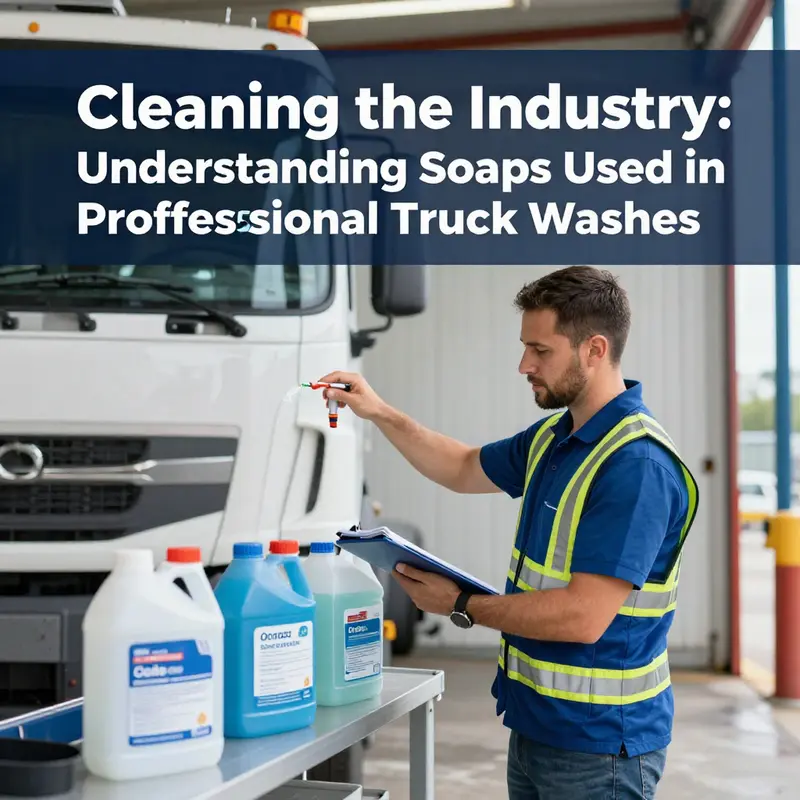
In the professional truck wash industry, regulations and standards for soaps are crucial for maintaining not only the effectiveness of the cleaning process but also the well-being of the environment and the integrity of the equipment used. As trucks traverse countless miles across varied terrains, they accumulate dirt, grease, and pollutants that require effective cleaning solutions. However, the selection of these cleaning agents is not merely a matter of choosing what works best; it also involves navigating a complex landscape of regulations designed to protect the environment and ensure safe operations.
Environmental compliance is paramount in this regard. Many regions have stringent guidelines concerning the use of cleaning agents, especially those pertinent to wash chemicals. Regulatory bodies like the U.S. Environmental Protection Agency (EPA) play a pivotal role in setting standards that dictate the biodegradability of truck wash soaps and control the phosphorus content to mitigate water pollution. These regulations are particularly crucial for automated truck wash systems that recycle rinse water or discharge waste into municipal sewage systems. Without adherence to these regulations, operations risk incurring hefty fines while contributing to environmental degradation.
In addition to environmental protection, cleaning products must meet specific performance standards to ensure they accomplish the desired cleaning objectives efficiently. Organizations such as the American National Standards Institute (ANSI) and the International Organization for Standardization (ISO) have established benchmarks for cleaning agents, delineating the required pH levels, which generally range from neutral to slightly alkaline (pH 8–10). This pH balance is essential for effectively breaking down sticky grime, road salt, and other stubborn contaminants without damaging the truck’s paintwork or sensitive materials like rubber seals and plastics.
The specialized nature of heavy-duty trucks necessitates a deeper understanding of the unique challenges they face and the types of contaminants they encounter. For instance, trucks frequently exposed to diesel exhaust, brake dust, and industrial debris require cleaning soaps with formulations tailored to combat high concentrations of petroleum-based substances. Many of these specialized cleaning products contain surfactants and emulsifiers specifically designed to safely break down heavy oils and greasy residues. In contrast, standard car wash soaps lack the potency required to address the unique cleaning needs of commercial trucks, leading to inadequate cleaning results and potential surface damage.
To navigate these regulations and standards effectively, operators in the truck wash industry must stay informed about the recommended practices endorsed by the North American Truck Equipment Association (NATEA). The NATEA advocates for the selection of soap formulations that meet compatibility tests for a variety of common truck materials. Furthermore, they stress the importance of using products approved for full-automation wash systems, which often require higher-performance soaps due to their different operational mechanics compared to manual washing.
Recognizing the rising demand for eco-conscious operations, many top manufacturers now offer certified eco-friendly soaps. These products comply with green building standards, such as those mandated by LEED (Leadership in Energy and Environmental Design), which are particularly pertinent as truck fleets strive to reduce their environmental footprints. By opting for these eco-friendly soaps, fleet owners not only demonstrate corporate responsibility but also align with an increasing trend toward sustainability in various sectors.
Ultimately, the choice of soap in professional truck wash operations has broader implications than mere aesthetics. When operators opt for compliant, high-performance products, they ensure adherence to regional regulations, but they also enhance the longevity of their vehicles, reduce maintenance costs, and project a professional image that is critical within the highly competitive trucking industry. Furthermore, as fleets become increasingly sophisticated, understanding regulations regarding wastewater treatment and soap efficacy positions businesses for growth and resilience in a dynamically changing industry.
For detailed insights into wastewater treatment and reuse, refer to the EPA’s comprehensive resources available: EPA on Industrial Wastewater Treatment and Reuse.
Final thoughts
In conclusion, understanding the specific soaps used in professional truck washes is crucial for maintaining fleet efficiency and compliance. By selecting the right products, logistics and freight managers as well as fleet supervisors in trucking, construction, and mining can ensure their vehicles are effectively cleaned while adhering to environmental regulations. Knowledge of soap chemistry, impact, brand options, and industry standards empowers decision-makers to optimize their fleet washing practices for better service life and performance.