Introduction
Maintaining the functionality of a truck is crucial for logistics and freight companies, particularly as fleet managers and truck operators strive for operational efficiency and safety on the road. One essential yet often overlooked component is the front washer nozzle, which plays a vital role in ensuring clear visibility for drivers, especially in adverse weather conditions. A malfunctioning washer nozzle can lead to decreased visibility, increasing the risk of accidents and operational delays. As such, understanding how to replace front washer nozzles not only restores safety but also enhances overall vehicle functionality and compliance with safety regulations. This guide aims to provide detailed instructions tailored for fleet managers and supervisors in construction and mining, emphasizing the importance of regular maintenance practices. For those interested in understanding broader maintenance strategies, learn more about the importance of regular trailer maintenance.
Tools and Materials Needed for Replacing the Front Washer Nozzle
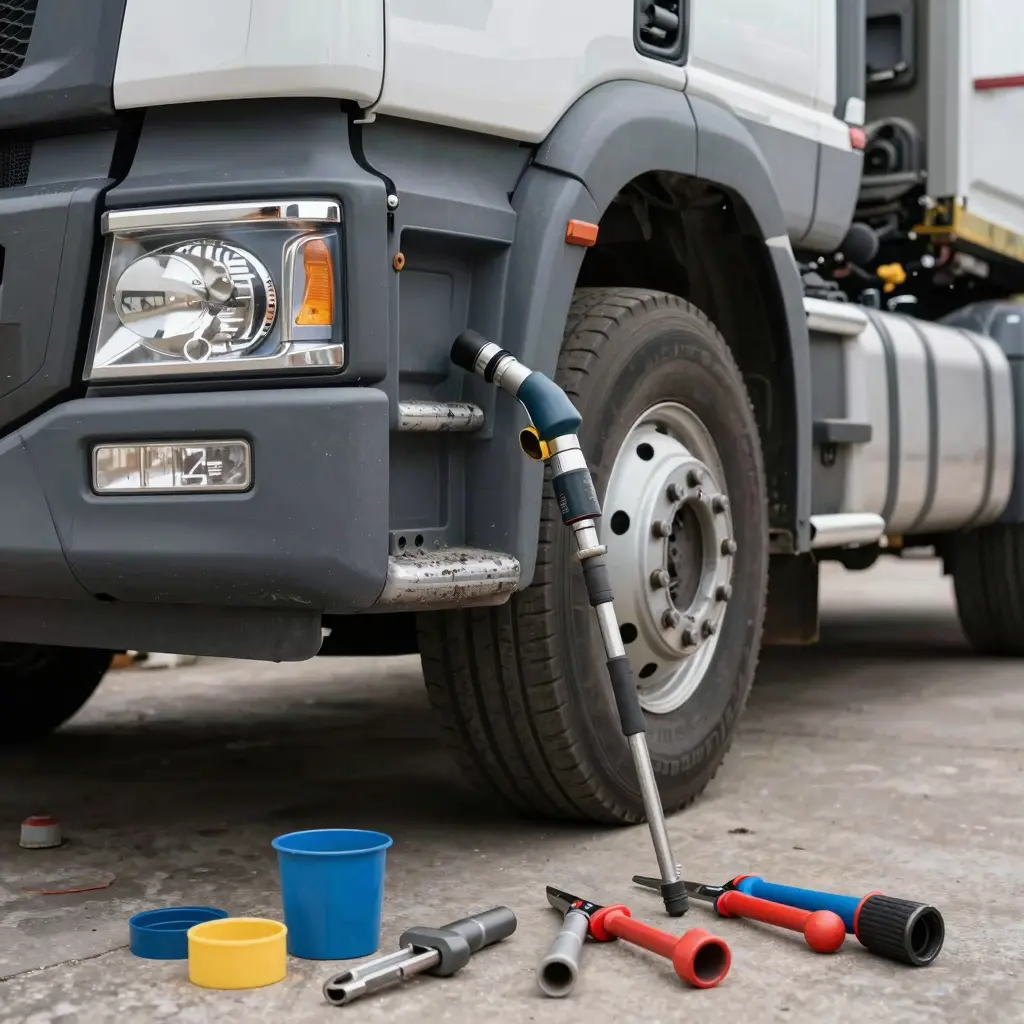
To successfully replace the front washer nozzle on your truck, gather the following tools and materials:
- Screwdrivers: A Phillips screwdriver and a flathead screwdriver (specific type depends on the nozzle fasteners).
- Needle-Nose Pliers: Useful for gripping and manipulating smaller components.
- Metric Wrench Set: Common sizes include 8mm and 10mm for various fasteners.
- Plastic Pry Tool: To safely detach the washer nozzle without scratching the vehicle’s paint.
- Replacement Washer Nozzle: Ensure it is compatible with your truck model, such as Ford F-150 or Chevrolet Silverado.
- Small Container: To catch residual washer fluid when disconnecting the old nozzle.
- Clean Rag: For wiping away excess fluid and debris.
- Flashlight: Recommended for inspecting the nozzle area for debris or damage before installation.
- Trim Removal Tool: If your truck has protective covers over the washer system.
- Vacuum or Air Blower: To clean out the nozzle housing during the replacement process.
These tools are essential for ensuring a seamless and efficient replacement process. For more information about regular trailer maintenance, consider checking out our dedicated resources.
Step-by-Step Instructions to Replace the Front Washer Nozzle on Your Truck
Replacing the front washer nozzle on a truck is a straightforward process that ensures your windshield remains free of debris and maintains visibility during adverse weather conditions. Below are detailed steps tailored for logistics and freight company fleet managers, emphasizing safety throughout the process.
1. Gather Required Tools
Ensure you have all necessary tools before starting the replacement process:
- Flathead screwdriver
- 10mm socket wrench
- Replacement washer nozzle (compatible with your truck model)
- Container for residual fluid
- Safety equipment: gloves and safety glasses
2. Park on Level Ground
Always park the truck on level, stable ground to prevent it from moving during maintenance. Engage the parking brake and utilize wheel chocks for added safety. This critical step minimizes the risk of accidents during the replacement process.
3. Shut Off the Engine & Electrical System
To avoid electrical shorts, ensure the engine is turned off and the ignition key is removed. Disconnect the negative terminal of the battery if necessary, particularly for trucks that have electronic components related to the washer system.
4. Open the Hood
Release the hood latch and carefully open the hood. Secure it with the hood prop if your truck is equipped with one, ensuring that it does not fall closed during the repair.
5. Locate the Washer Nozzle
The washer nozzle is typically found near the base of the windshield on the engine side. Inspect the area to familiarize yourself with the connectivity and the secure mounting of the nozzle.
6. Remove the Old Nozzle
- Detach the Washer Fluid Line: Use a flathead screwdriver to gently pry off the line connected to the nozzle.
- Unscrew the Nozzle: Remove any mounting bolts securing the nozzle using your socket wrench.
- Extract the Old Nozzle: Carefully pull out the old nozzle, taking care not to damage surrounding components.
7. Install the New Nozzle
- Place the New Nozzle: Insert the new washer nozzle into the same mounting hole, ensuring it aligns correctly.
- Reconnect the Fluid Line: Push the washer fluid line firmly back onto the nozzle until it clicks into place.
- Secure the Nozzle: Tighten the mounting bolts securely to hold the new nozzle in place.
8. Test the New Washer Nozzle
- Reconnect the Battery: If you previously disconnected the battery, reconnect it now.
- Fill the Washer Fluid Reservoir: Ensure the reservoir is filled with appropriate washer fluid.
- Activate the Washer System: Test the nozzle’s spray pattern by activating the washer system. Check for leaks and adjust the nozzle angle as necessary for optimal coverage.
Safety Tips
Safety is paramount when undertaking maintenance on fleet vehicles. Here are some additional tips for fleet managers:
- Always conduct pre-replacement inspections of tools and parts for any visible damage.
- Ensure all technicians wear appropriate Personal Protective Equipment (PPE) such as gloves, safety glasses, and steel-toed boots during the process. Refer to this article on Fleet Maintenance Best Practices.
- Document all maintenance activities in a digital maintenance log for compliance and traceability.
The Importance of Washer Nozzle Maintenance for Drivers’ Safety
Maintaining washer nozzles is critical for ensuring safety and visibility while driving, particularly for logistics and construction vehicles that operate in diverse and often challenging environments. Here’s a summary of the key benefits of proper washer nozzle maintenance:
Enhanced Visibility
Washer nozzles are designed to spray cleaning fluid on the windshield, headlights, and other critical areas. A properly functioning washer nozzle removes dirt, grime, and debris, which can obstruct visibility.
- Visibility Impact: According to a report by the National Highway Traffic Safety Administration (NHTSA), clogged or poorly maintained washer nozzles contribute significantly to visibility-related accidents. Even minor obstructions can impair the effective cleaning of windshields, especially during adverse weather conditions such as rain, fog, or dust.
- Accident Prevention: By maintaining the nozzles, fleet managers can ensure that drivers have clear visibility, reducing the risk of incidents that can arise from compromised sightlines.
Safety Assurance
In industries such as logistics and construction, where trucks transport heavy loads and navigate through rigorous conditions, clear visibility is crucial.
- Driver Safety: Well-maintained washer nozzles help keep windshield areas clean, enhancing driver safety. Visibility is particularly vital when navigating through busy urban settings or rural areas where adverse weather can abruptly change driving conditions.
- System Performance: Regular maintenance ensures that washer nozzles are aligned correctly, that the water flow is adequate, and that any clogs or damages are addressed promptly. This is essential not just for ordinary driving situations but becomes even more critical in high-stakes environments like construction zones or during long haul logistics operations.
Cost Implications
Ignoring washer nozzle maintenance can lead to serious repercussions, including:
- Increased Repairs: Clogged nozzles may also lead to more significant issues with windshield washing systems, ultimately incurring higher repair costs.
- Downtime: Fleet vehicles that are not properly maintained can spend more time off the road, affecting productivity and increasing operational costs.
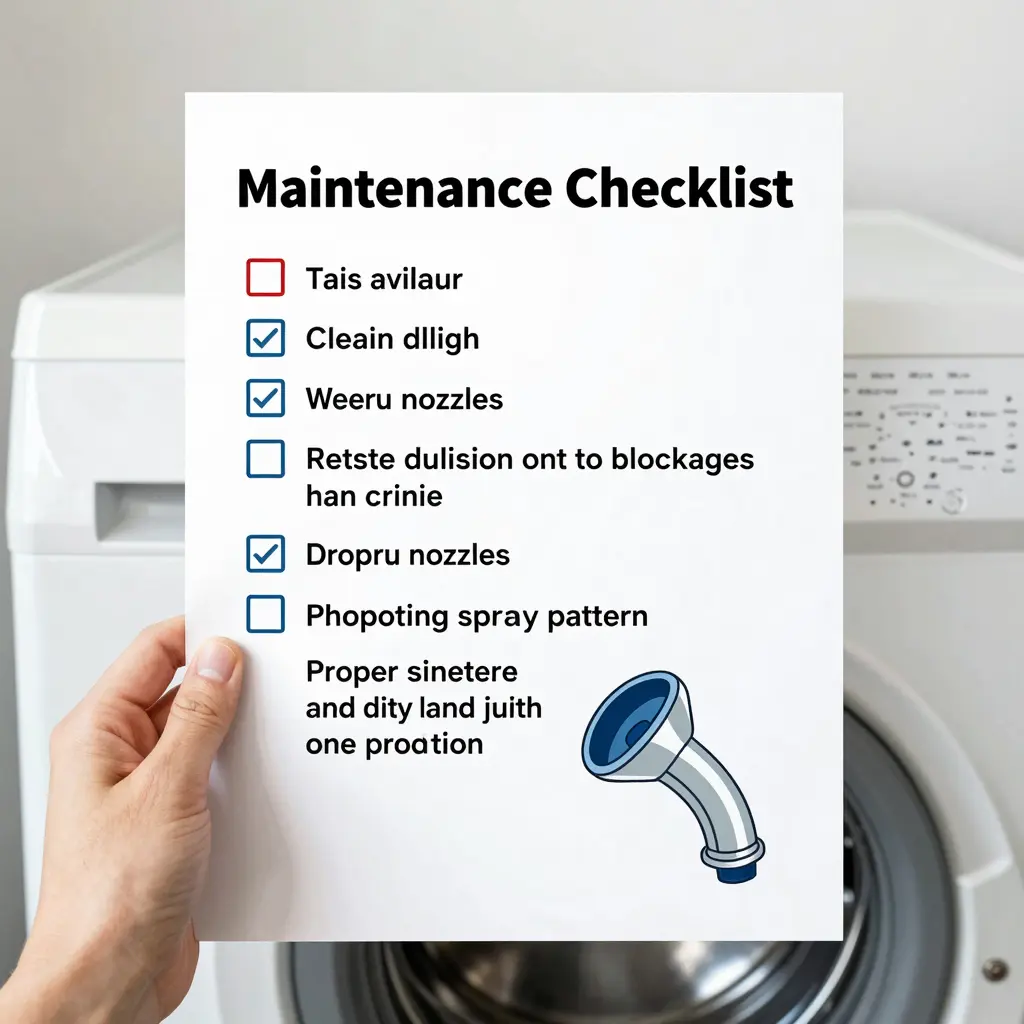
Regular maintenance of washer nozzles should be part of a comprehensive vehicle maintenance strategy. It’s advisable for fleets to conduct checks every 3,000 miles or during seasonal changes to ensure optimal performance. For more on routine vehicle maintenance, you can learn more about the importance of regular trailer maintenance.
Conclusion
In conclusion, proper maintenance of washer nozzles is critical for maintaining visibility and ensuring driver safety, especially in the demanding environments of logistics and construction. Investing in regular maintenance can help prevent accidents, save on costly repairs, and enhance overall fleet efficiency. By adhering to maintenance best practices, fleet managers can help protect their drivers and assets while on the road.
Comparison of Front Washer Nozzle Types for Trucks
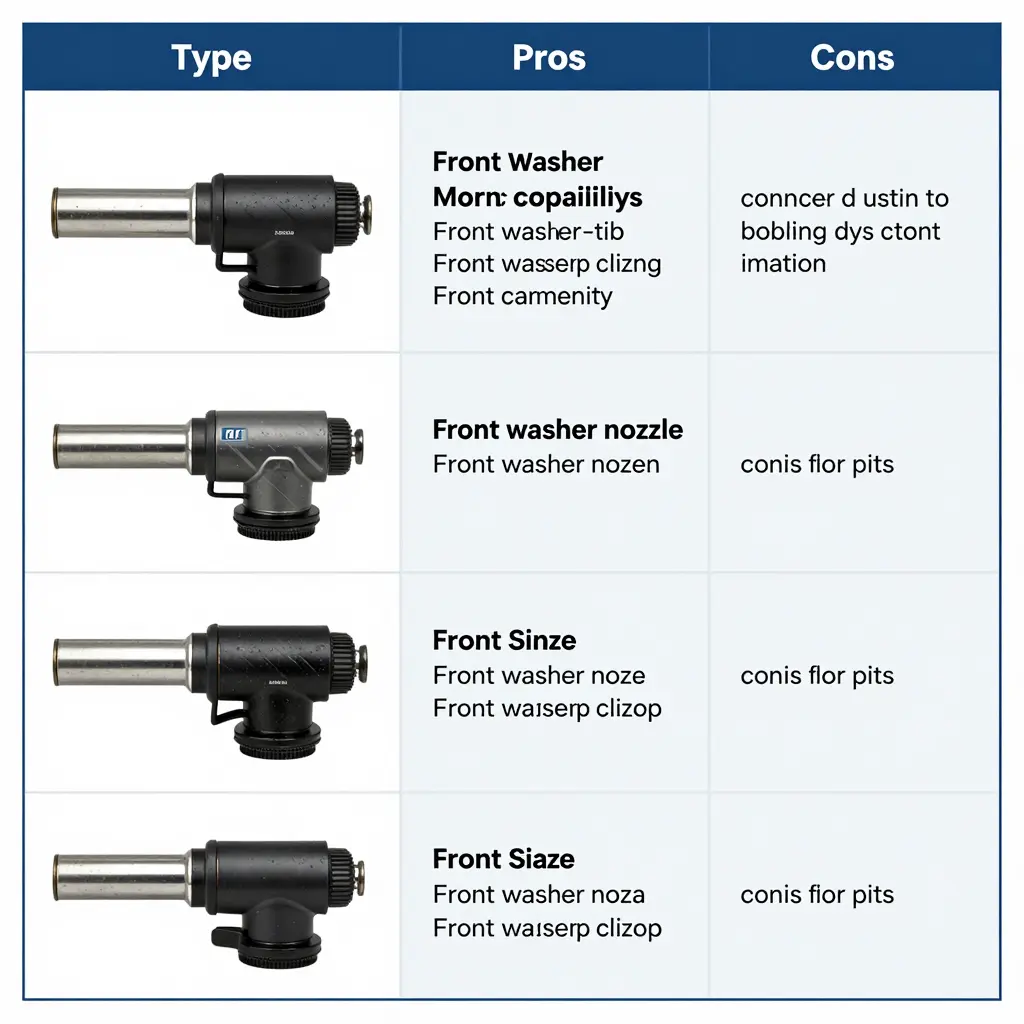
Selecting the right front washer nozzle for your truck can significantly enhance visibility and maintenance efficiency. Below is a table that details various types of nozzles, their compatibility, pros, and cons, helping fleet managers and trucking company owners make informed decisions.
| Nozzle Type | Compatibility | Pros | Cons |
|---|---|---|---|
| Fog Nozzle | Compatible with most truck brands | – Even distribution – Reduces streaking |
– May clog with debris – Less impact force |
| Jet Nozzle | Medium-duty trucks | – Directed water jet – Strong cleaning power |
– Limited coverage area – Requires precise aiming |
| Dual-Action Nozzle | Custom trucks | – Versatile (fan and jet modes) – Adaptable for different conditions |
– More complex installation – Potential for malfunctions |
| Adjustable Nozzle | Most trucks | – User-configurable spray pattern – Good for varying conditions |
– Moving parts that may wear out – May require frequent adjustments |
By understanding the specifications of each nozzle type, you can optimize cleaning efficiency for your fleet trucks. Learn more about the importance of regular maintenance for your fleet and how to ensure your vehicles are always in top condition.
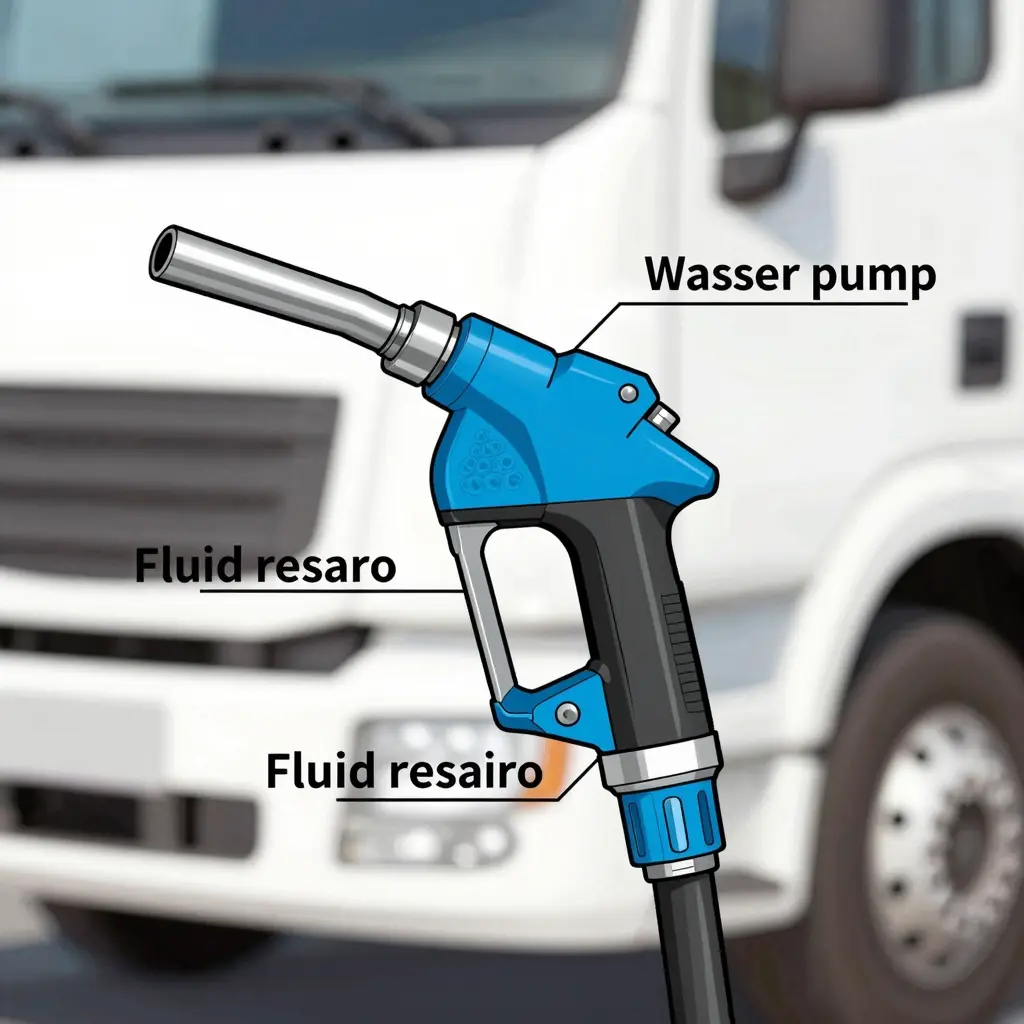
In conclusion, maintaining the front washer nozzles of your truck is essential not only for the vehicle’s functionality but also for the safety of its operation. These nozzles play a critical role in providing clear visibility for the driver, especially in adverse weather conditions, which can significantly impact overall driving safety. Regular inspection and maintenance can prevent clogging and ensure that the fluid is effectively dispersed, thereby enhancing the performance of the wiper system. Fleet managers and operators must take the initiative to replace or clean these components when necessary, as neglecting them can lead to decreased visibility and potential safety hazards on the road. To ensure optimal fleet performance and compliance with safety standards, learn more about the importance of regular trailer maintenance and consider implementing proactive measures for truck upkeep that focus on every part of the fleet’s functionality.
“Clogged or misaligned washer nozzles are a leading cause of reduced visibility during adverse weather, directly increasing the risk of accidents. Regular inspection-especially before long-haul trips-is non-negotiable. A simple 30-minute check can prevent costly downtime and safety hazards.”
- Johnathan Reed, Certified Fleet Maintenance Technician at National Logistics Inc.
Keeping every component of your fleet vehicles in optimal condition is essential for safe operation. This includes regularly checking the washer nozzles to ensure they are functioning properly. For more insights on this topic, you can read about the importance of regular trailer maintenance and how it ties into overall fleet safety.
Common Issues with Truck Washer Nozzles and Solutions
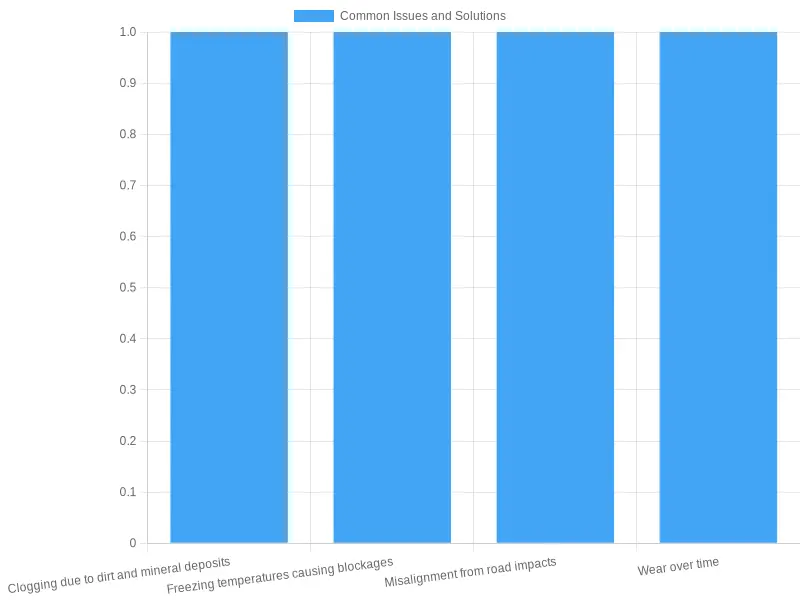
Maintaining efficient truck washer nozzles is crucial for fleet operation. Below is a chart outlining common issues faced by washer nozzles and their corresponding troubleshooting solutions:
| Common Issue | Solution |
|---|---|
| Clogging due to dirt and mineral deposits | Soak nozzles in a 1:1 vinegar-water solution for 30-60 minutes, gently scrub with a soft-bristled toothbrush, then rinse with distilled water. Avoid metal tools. |
| Freezing temperatures causing blockages | Thaw frozen nozzles using warm (not boiling) water; avoid sudden temperature changes that could damage plastic components. |
| Misalignment from road impacts | Realign nozzles by adjusting their position to ensure proper targeting of washer fluid onto the headlight surface. |
| Wear over time | Perform regular inspection and flush the system every 3-6 months to prevent buildup and maintain optimal performance. |
Sources: Toyota RAV4 Headlamp Washer System Technical Guide (2026), Automotive Maintenance Best Practices (2026)
Enhance Your Truck’s Performance and Aesthetics with Summit Fairings
As you take the time to replace that essential front washer nozzle on your truck, it’s also important to consider how aftermarket fairing products can elevate both performance and appearance. Investing in high-quality fairings not only reduces air resistance, improving fuel efficiency, but also enhances your truck’s aesthetic appeal on the road.
At Summit Fairings, you can find a comprehensive selection of aftermarket fairing solutions that suit various truck models and specifications. Don’t settle for just functionality; elevate your truck’s look and efficiency simultaneously.
Now is the time to act! Visit Summit Fairings and explore their innovative range of products designed to maintain and enhance your truck’s performance while also making a statement wherever you go. Your truck deserves the best, so don’t wait any longer-make a choice that combines both form and function today!
Check out the importance of regular trailer maintenance to ensure your entire fleet is running optimally.