

The truck washing industry has emerged as a vital service within logistics, providing essential maintenance that impacts fleet longevity and operational efficiency. With a market expected to grow significantly—from an estimated $150 million in 2024 to approximately $250 million by 2033, underscored by a CAGR of 7.5% from 2026 to 2033—understanding the profitability of truck washing is paramount for logistics and fleet managers. This article will explore the dynamics of operational costs, potential revenue streams, and optimal business models, delivering insights essential for making informed decisions. Ultimately, our discussion will equip you with a clearer understanding of how to capitalize on this burgeoning market and the outlook for the next decade.
Profitability in Truck Washing: Reading Market Size, Growth Trajectories, and the Operational Levers Behind the Bottom Line
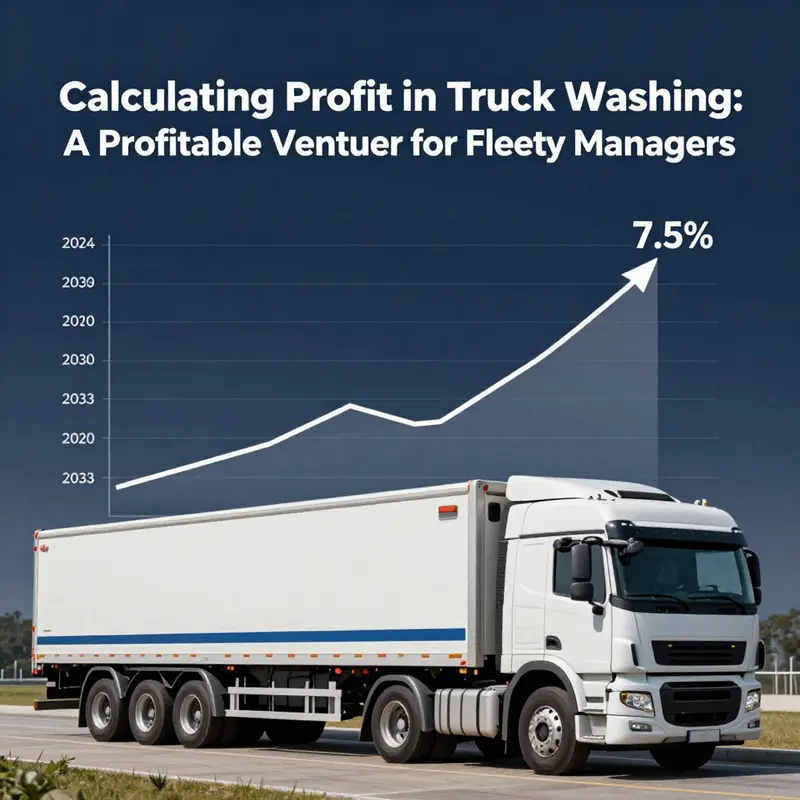
Profitability in truck washing emerges not from a single, shiny advantage but from a disciplined blend of market insight, capital deployment, and operational discipline. The landscape today is shaped by a growing need to maintain fleets in high-use environments, paired with smarter cleaning technology and stricter environmental expectations. For an entrepreneur or investor, the core question about earnings is not only how much demand exists, but how efficiently a business can convert that demand into steady cash flow. The market data available through recent industry studies tell a story of expanding opportunity, a trajectory that signals potential for solid returns when the business model is aligned with throughput, quality, and responsible resource use. In 2024, the global truck washing system market stood at about USD 2.5 billion and is projected to rise to roughly USD 4.1 billion by 2033, underscoring a long-run growth path that operators can translate into profits by embracing scale and efficiency. The growth rate, measured at a CAGR of about 6.1 percent from 2026 to 2033, points to a market that is not a flash in the pan but a durable opportunity grounded in fleet maintenance trends and the push toward smarter, cleaner operations. While the numbers do not reveal margin specifics for individual players, they reveal the structural incentives for profitability: rising demand, sensitivity to efficiency, and the likelihood that better systems can deliver higher margins over time when the business captures the right mix of volume, price, and cost discipline.
The drivers of this growth are practical and not purely aspirational. Fleets are increasingly required to maintain vehicles that face tough operating environments—urban corridors with heavy congestion, seasonal road grime, and regulatory scrutiny around water use and chemical discharge. Cleaning must be effective, fast, and consistent to minimize vehicle downtime and maximize miles per day. That means operators must invest in capable cleaning lines, durable wash components, and intelligent controls that optimize water usage, energy consumption, and chemical dosages. In markets with dense fleets, high throughputs become the backbone of profitability; in more dispersed geographies, service models that bring the wash to the fleet or offer rapid-response mobile cleaning can also sustain healthy margins. The environmental dimension is not an afterthought. Water recycling, filtration, and energy-efficient pumps reduce operational costs while helping meet regulatory demands, creating a competitive edge for operators who can demonstrate responsible stewardship alongside speed and cleanliness.
A closer look at regional dynamics adds texture to the profitability puzzle. For example, mature economies continue to show steady demand growth, driven by aging infrastructure needs for maintenance and a consistent flow of regional/regulatory upgrades that favor automated, high-velocity cleaning lines. In Japan, a well-developed market has shown resilience—valuations around USD 0.15 billion in 2022 and an expected rise to USD 0.23 billion by 2030 illustrate how even established markets still offer expansion opportunities, particularly when integration with fleet management and compliance systems is seamless. The global projection to USD 2.5 billion by 2025 (and beyond) signals that the market remains buoyant across regions, though the pace of growth and the margins available will depend on local competitive dynamics, labor costs, and the availability of capital to modernize facilities.
For investors and operators, the implication is clear: there is an opportunity to earn robust returns by building scale, adopting smarter technologies, and crafting a business model that aligns with the different needs of fleets, from long-haul operators to regional carriers. The most attractive options tend to combine high-throughput automated systems with sophisticated water management. Automated wash lines—whether they employ touchless high-pressure methods, mechanical rollover configurations, or hybrid approaches—are attractive because they reduce labor intensity and produce consistent outcomes. But automation alone does not guarantee profitability. It must be paired with intelligent control systems that monitor water usage, chemical consumption, and energy flow, enabling operators to optimize each wash cycle for speed and quality while keeping costs predictable. The environmental and regulatory tailwinds further favor operators who can demonstrate compliant, sustainable practices. In jurisdictions where water is scarce or where discharge regulations are stringent, the cost savings from recycling, filtration, and closed-loop systems can improve margins meaningfully over a five- to ten-year horizon.
From a cost and pricing perspective, profitability hinges on how efficiently a wash operation converts volume into revenue. The primary revenue line is straightforward: price per wash, multiplied by daily, weekly, and monthly volume. What complicates the calculation is the mix of services that can accompany a wash—differentiated offerings such as pre-wash conditioning, rust and undercarriage treatment, wheel cleaning, or interior services can increase the average ticket. Yet these value-added services must be balanced against incremental labor and consumables to avoid eroding margins. Smart operators design pricing that reflects the value delivered by speed and thoroughness, while incorporating tiered options and service contracts that stabilize income streams. In practice, high-throughput facilities often optimize labor by leveraging automation for core cleaning tasks, reserving human resources for quality checks, maintenance, and customer engagement. The result is a lean cost structure where variable costs move with volume and fixed costs are spread across larger throughput, shifting the profitability curve upward as scale increases.
Another lever lies in the mix of ownership models and location strategy. A site with high fleet density, accessible ingress and egress, and favorable lease terms can yield outsized returns because the hub can attract consistent daily volumes. Conversely, a dispersed layout or a location with limited peak-hour demand may require a diversified model—adding mobile or on-site services to capture opportunistic demand and reduce idle capacity. In both cases, the ability to plan for peak throughput without compromising wash quality is essential. This is where technology and design come into play: intelligent scheduling, predictive maintenance for wash lines, and remote monitoring enable operators to unlock reliability and uptime that translate into more washes per shift and fewer revenue losses due to equipment downtime. The environmental and regulatory backdrop serves to reinforce these operational choices. Water recycling and energy efficiency are not just compliance measures; they are intelligent financial decisions that shrink input costs and stabilize margins when energy prices swing and water costs rise.
The industry literature emphasizes that market growth is sustainable when operators couple capital investments with disciplined operating practices. A modern truck wash that combines robust throughput with rigorous environmental controls is better positioned to weather cyclical shifts in freight demand and labor markets. The most successful operators build a brand around reliability, safety, and speed, offering fleets a predictable maintenance window and minimal downtime. They also cultivate relationships with fleet managers who rely on consistent service levels to keep their operations flowing. In this context, profitability emerges from the alignment of several moving parts: the right mix of automated capabilities, effective water and energy management, a pricing strategy that reflects value and volume, and a deployment plan that brings the service to where the fleet operates most often. This integrated approach helps ensure that as the market grows, margins stay resilient rather than being eroded by rising input costs or underutilized capacity.
For readers seeking a deeper dive into market structure and regional nuances, consider the broader market studies that synthesize interviews with industry stakeholders across North America, Europe, and Asia Pacific. These reports emphasize how capital-intensive projects—new wash facilities, upgraded lines, and integrated water treatment systems—typically rely on long-term payback horizons. Yet they also underscore the importance of speed, quality, and regulatory alignment in sustaining profitability over time. While the numbers provide a directional map, the real profitability comes from executing with precision: choosing the right technology mix, locating the right sites, and building pricing and service strategies that match the realities of fleet maintenance cycles.
From a practical standpoint, a prospective operator should begin by validating local demand through fleet density, maintenance calendars, and competition. Then, map out the expected throughput per hour, identify fixed and variable costs, and model different pricing scenarios to see how margins behave under peak and off-peak conditions. It is also wise to explore partnerships with broader facility management ecosystems—especially in markets where fleets converge at depots or logistics hubs—so that the wash business becomes a component of a larger service portfolio rather than a standalone operation. This approach enhances cash flow predictability and creates opportunities for cross-selling maintenance, fuel, and related services that align with a fleet’s operational cycle. As the market evolves, operators who prioritize sustainable practices, high-throughput capability, and data-driven management will likely enjoy steadier profitability and a stronger competitive position. The journey from market signals to actual earnings is not instantaneous, but the trajectory is clear: growing demand, smarter cleaning systems, and tighter control of inputs create a fertile ground for profitable truck washing ventures.
For those seeking a concise reference point on the market dynamics summarized here, a detailed external market analysis offers additional context and regional granularity that can inform site selection, equipment investments, and capital planning. See the external resource linked at the end of this chapter for a comprehensive view of market size, growth, and trends. Additionally, you can explore related industry insights through the internal resource on truck-wash industry compliance and emissions regulations, which connects profitability considerations to the regulatory environment that increasingly shapes what successful operators must implement to stay competitive in the long run. truck wash industry compliance and emissions regulations.
External resource: https://www.mordorintelligence.com/industry-reports/truck-washing-system-market
Profit Potential in Mobile Truck Washing
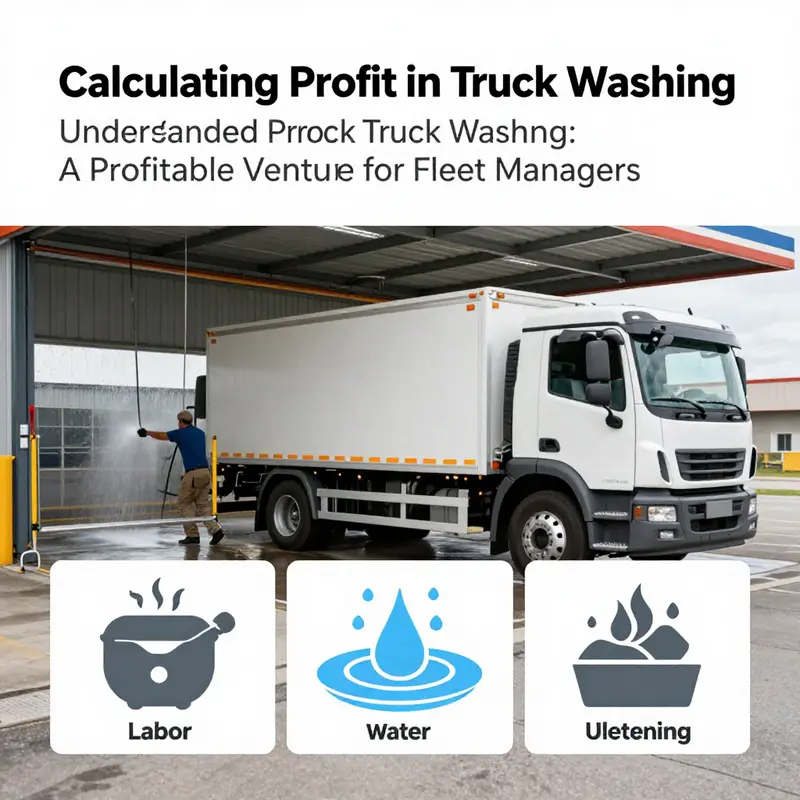
This chapter examines profitability in mobile truck washing. It explains how pricing, direct costs, and operating efficiency combine to determine margins. By pricing for value and managing routing, a mobile wash business can achieve sustainable margins even as competition grows. The discussion highlights the impact of service depth, labor costs, fuel, and equipment maintenance on the bottom line, and it stresses disciplined cost control and repeatable service processes as the path to consistent profitability.
Profitable Paths on the Clean Lane: Unraveling Revenue Streams in Truck Washing
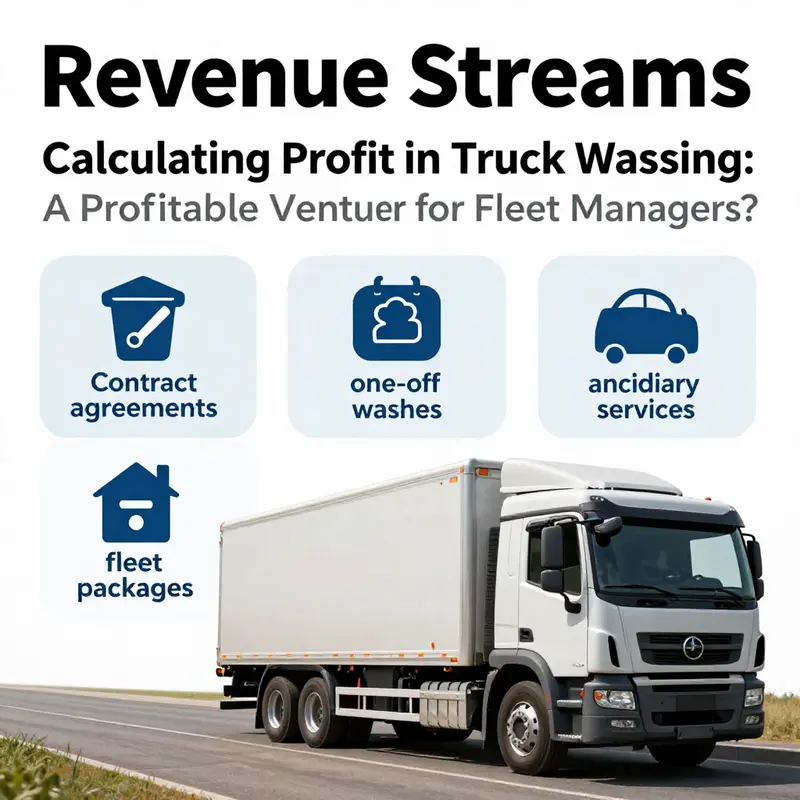
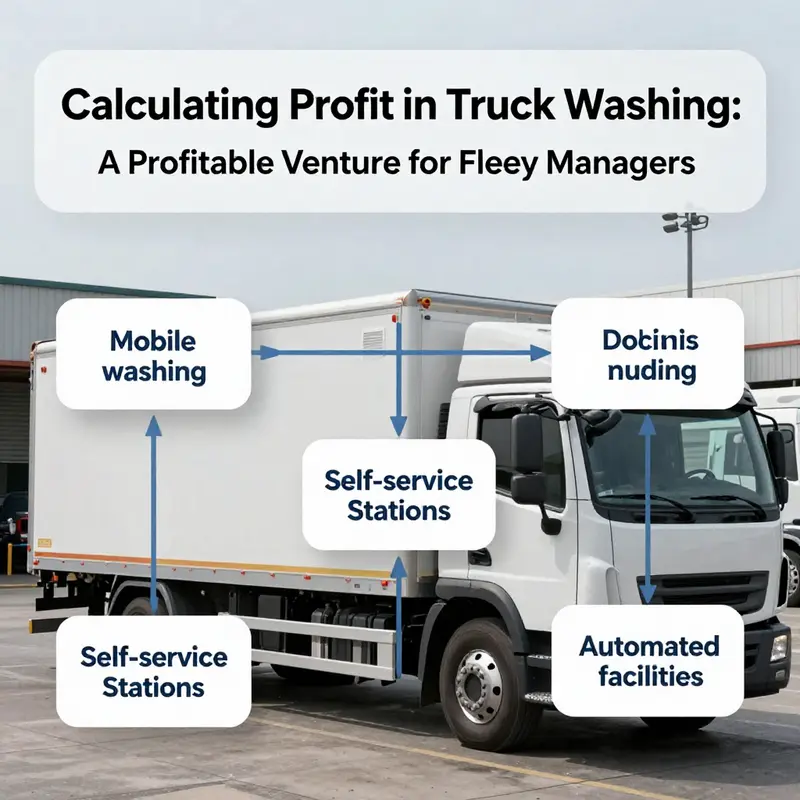
The truck washing sector sits at the intersection of mobility, fleet maintenance, and asset protection. It offers value by keeping trucks presentable, reducing downtime, and extending vehicle life, while improving fuel efficiency through cleaner aerodynamics and fewer regulatory issues. Market signals through 2024 point to a growing demand for cleaning services across fleets of all sizes, with continuing expansion expected as logistics networks scale. Profitability hinges on balancing capital intensity with throughput and service quality. Two common business models illustrate the spectrum: fixed-site washes, often automated or semi-automated, with higher upfront costs but strong capacity, and mobile truck wash services, which require less capital but depend on efficient routing and high utilization. Each model has unique cost structures and revenue opportunities, and the best opportunities often combine core cleaning with premium add-ons, retail of supplies, and partnerships that stabilize cash flow. Operational efficiency—throughput optimization, water reuse, and disciplined labor management—reduces unit costs and strengthens margins. Strategic location near major corridors, logistics parks, and industrial zones boosts repeat business and makes scheduling easier. For planners, a disciplined cost-benefit analysis before committing to a model helps shape a scalable, defendable business plan. Diversification of revenue streams, including premium services, maintenance products, and fleet-management partnerships, tends to improve resilience during demand dips. In sum, truck-washing profitability is a function of model choice, location, load factors, and operational discipline, underpinned by a clear pricing strategy and a diversified service portfolio that aligns with fleet customers’ expectations for reliability and value.
null
null
null
null
Final thoughts
As the truck washing industry continues to grow, understanding the path to profitability becomes essential for fleet managers and trucking company owners alike. By analyzing market trends, operational costs, and revenue opportunities, stakeholders can position themselves strategically within this sector. Current insights predict growth driven by increased demand for maintenance services, technological advancements, and sustainable practices. This comprehensive understanding equips you to make informed decisions about entering or expanding within the truck washing market, ensuring you capitalize on future opportunities.