
Pressure washing a semi-truck is essential for maintaining fleet aesthetics and performance. For logistics and trucking operations, cleanliness can enhance service perception and extend vehicle life. Utilizing the right equipment, preparation, and techniques ensures that your vehicles remain in top condition without risk of damage. This guide breaks down the process into four comprehensive chapters: selecting appropriate equipment, vehicle and workspace preparation, washing techniques from top to bottom, and environmental compliance and safety considerations. By the end of this article, fleet managers will have a robust understanding of efficient, safe, and effective pressure washing for semi-trucks.
Powering Precision: How the Right Equipment Transforms Semi Truck Pressure Washing
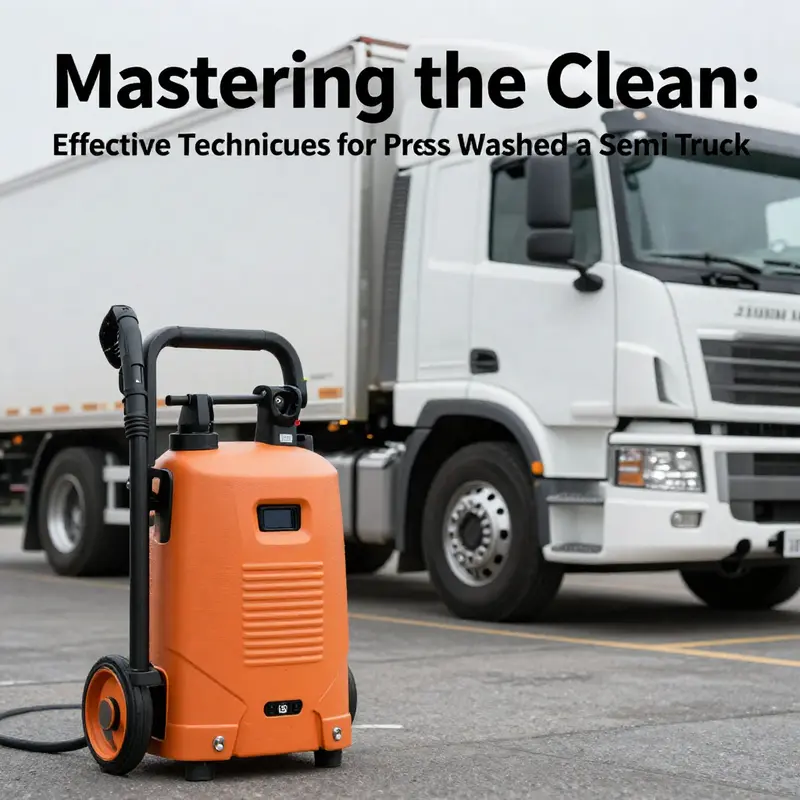
Pressure washing a semi truck is not merely a task, it is a comprehensive process that demands the perfect synergy of advanced technology, meticulously engineered equipment, and an in-depth understanding of the challenges encountered in cleaning large, industrial vehicles. In today’s detailed exploration, we delve into how selecting the appropriate pressure washing machine and its ancillary devices is the cornerstone to achieving a pristine, long-lasting finish while safeguarding the vehicle’s integrity.
At the heart of this process is the pressure washer itself. Commercial-grade machines, designed for heavy-duty applications, are capable of delivering pressures that range from 10–25 MPa (1,450–3,625 psi) for those areas that face the most aggressive build-up of grime, oil residue, and dirt, such as the undercarriage and chassis. The body and cab, with their delicate paint and intricate seals, require a more moderated approach, necessitating lower pressures of 3–5 MPa (435–725 psi) that eliminate the risk of surface damage. This careful modulation of pressure is essential, as even a slight miscalculation could lead to chipped paint or water ingress into sensitive components. As operators, understanding these pressure parameters forms the first step toward an effective wash cycle.
Furthermore, temperature control is a pivotal component of the cleaning equation. Incorporating an electrically heated hot water pressure washer, which heats water to a robust 60–70°C (140–158°F), proves to be far more effective, especially when confronting stubborn grease and oil deposits. Hot water softens and emulsifies contaminants, reducing the need for overly aggressive mechanical action and thereby extending the life of both the equipment and the semi truck itself. The advantage of hot water cleaning is particularly pronounced in crevices and in environments where contaminants have had ample time to settle and bond with surfaces.
The machines used are not standalone. They are accompanied by an assortment of carefully engineered attachments that ensure a comprehensive cleaning. Nozzle tips play a pivotal role in achieving uniform coverage. A wide-angle fan tip, typically set at a 40° dispersion, is ideal for general cleaning tasks because it distributes water evenly over large surfaces. In contrast, a narrow jet tip with a 15° angle is reserved for those focal areas that are veiled by caked-on grime. However, this concentrated stream is used sparingly on painted surfaces to ward off any potential damage from the high-pressure stream. The selection of these nozzles provides a tailored approach that adjusts dynamically based on the particular needs of diverse truck surfaces.
A significant factor in discerning the appropriate equipment is an understanding of the operational scale. Semi trucks, which can span lengths of 13 to 16 meters, require cleaning systems that can handle the sheer volume of water and surface area without sacrificing speed or effectiveness. Facilities that process upwards of 50 vehicles per day must pay close attention to throughput. Systems that boast cleaning cycles in as little as 3 minutes per vehicle, or even up to 60–80 vehicles per hour, are highly coveted in industrial settings. Such high-performance systems not only ensure rapid turnaround but also underpin a smooth operation in busy logistics hubs where time is as valuable as the quality of the clean.
In addition to performance specifications, the durability and resilience of the equipment are of paramount importance. The harsh conditions under which trucks operate—exposure to construction dust, mining grit, abrasive road tar, and corrosive chemicals—mean that the machines used must be built to endure such environments. Manufacturers typically construct these units out of high-corrosion-resistant alloy materials, capable of withstanding the wear and tear associated with large-scale cleaning. For operations in colder climates, anti-freeze designs are indispensable, ensuring that the machine continues to function reliably even at temperatures plummeting as low as -20°C. This consideration is critical to avoiding equipment downtime and costly repairs that may arise due to failure in sub-zero conditions.
A defining feature of these advanced pressure washing systems is the integration of smart technology. Modern systems are often equipped with multi-angle spray arms that rotate and adjust automatically, adapting to the truck’s dimensions and the level of surface contamination detected by built-in sensors. These automation features reduce the margin of error considerably. They are also designed with adaptive water and chemical dispensing systems which automatically adjust the cleaning mix depending on the specific requirements of the vehicle. For facilities that are committed to sustainability and environmental compliance, integrated water recycling systems are a game changer. These systems capture and treat runoff water, facilitating reuse, reducing water consumption, and ensuring adherence to environmental regulations. Their effectiveness is often highlighted in discussions on facility management for truck wash businesses, where operational efficiency and environmental accountability go hand in hand.
The importance of a well-thought-out installation cannot be overstated. The layout of the wash bay, including the position of inlet water and drainage systems, plays a crucial role in effective cleaning. A level, non-slip surface ensures that the truck remains stationary during the cleaning process, minimizing the risk of accidents or incomplete cleaning. Prior to beginning the pressure washing, it is essential to remove any loose debris manually from tires and fenders. This pre-cleaning step prevents abrasive particles from being blasted into delicate surfaces by high-pressure water, which could otherwise accelerate wear or scratch the paint finish. Additionally, measures such as covering sensitive areas like electrical connectors, air intakes, and wheel hubs protect these components from accidental water ingress or excessive mechanical force.
As operators progress through the cleaning cycle, beginning at the top of the truck and moving downwards, there is a natural progression in the required pressure settings and techniques. The process starts with cleaning the roof, hood, and windshield with a low-pressure rinse, lowering the risk of water being forced into seals or gaskets. Gradually, as one moves toward the midsection, a moderate pressure is employed, ensuring thorough cleaning while maintaining the integrity of the surfaces. This top-down approach not only ensures a methodical wash cycle but also takes advantage of gravity to allow runoff to facilitate subsequent cleaning stages.
The undercarriage, wheels, and axles represent the most challenging areas to clean. These sections are typically subjected to the most intense accumulation of grime, mud, oil residue, and brake dust. The high-pressure setting, combined with the strategic selection of nozzle tips, ensures that these often-overlooked areas receive a deep and thorough clean. A 45-degree spray angle is recommended to avoid directing full-force streams onto sensitive suspension components. In particularly stubborn cases, pre-soaking with hot water is advised; for instance, slightly pre-heating the area to ensure that grease and caked-on residues are softened for an easier removal when subjected to the full force of the cleaning stream.
The integration of these technologies is not just about power and efficiency—it is also a tale of precision engineering that minimizes waste and reduces operational costs. The intelligent combination of high-pressure outputs with adaptive water temperatures means that even in places where contaminants are densely packed, the cleaning process is both safe and efficient. This level of precision is crucial when the objective is to extend the life of the vehicle and ensure that its aesthetic remains untarnished by the rigors of daily operation. The equipment, therefore, acts as both safeguard and enhancer; it is a tool that protects the truck’s body while delivering rigorous cleaning that prevents long-term damage such as rust or corrosion.
Equally critical to the entire process is the after-sale support and reliability of the manufacturers. Reputation in the industry is built on consistent performance, and the best systems come with comprehensive service and maintenance plans that cover not only routine upkeep but also technical troubleshooting. Manufacturers with a proven track record are more likely to provide detailed insights into optimizing cleaning parameters and effective methods to troubleshoot potential issues before they escalate into cost-prohibitive repairs. This aspect of equipment selection is particularly important for fleet managers seeking to maintain high standards of cleanliness while avoiding downtime that might disrupt service schedules.
In scenarios where operations scale up to high volumes, investing in premium equipment pays dividends. Not only does state-of-the-art equipment offer faster cleaning cycles that accommodate high throughput, but it also reduces the need for frequent repairs—an aspect that translates into both economic savings and enhanced operational continuity. A well-maintained wash bay with robust, technology-driven equipment can noticeably elevate the efficiency of a truck fleet, allowing for near-continuous operation even during peak cleaning periods. For example, facilities that incorporate features like automatic sediment control and recycling systems experience fewer operational hiccups during busy hours, thus ensuring a steady workflow that enhances overall productivity.
One must also consider the environmental perspective. Contemporary cleaning systems avoid the use of harsh chemicals by relying on high-pressure water, which considerably reduces chemical runoff and the associated environmental hazards. When cleaning agents are deemed necessary, they are selected for their biodegradable properties and pH-neutral characteristics, ensuring that any residues are fully rinsed off and do not damage the truck’s finish. Wastewater management, too, is integrated into the overall design. Washing bays are constructed with sedimentation tanks that filter and recycle water, thereby mitigating environmental impact and ensuring that the water disposal is compliant with regional regulations. This is particularly important in urban areas or regions with strict pollution controls, where environmental oversight plays a significant role in operational planning.
A further dimension of excellence lies in the adaptive features of modern equipment. Intelligent controllers monitor real-time pressure and temperature indicators, automatically adjusting for fluctuations in external environmental conditions. This feature not only guarantees consistent performance regardless of weather changes but also protects the truck from potential damage due to unexpected spikes in water pressure. The precision of these adjustments demonstrates how far pressure washing technology has evolved from simple mechanical sprayers to sophisticated, digitally controlled systems that are capable of intricate, fine-tuned cleaning protocols.
While the emphasis on cutting-edge technology may seem to overshadow the practical aspects of the cleaning process, the value of human oversight remains undeniable. Operators are trained to detect areas that might require additional attention and to adjust techniques accordingly. For instance, areas that are shielded by accumulated tar or those exposed to harsh road conditions may require a combination of targeted high-pressure jets and pre-treatment with hot water. This dual-pronged approach ensures that all surfaces, from the easily accessible exterior to the challenging undercarriage and wheel wells, receive an effective cleaning treatment that is both safe and thorough.
The evolution of pressure washing equipment represents a confluence of precision engineering, environmental consciousness, and practical application knowledge. What started as a simple cleaning operation has matured into a sophisticated process that prioritizes both efficiency and longevity. In a world where every minute counts, the right equipment does more than just clean—it transforms the truck maintenance process by reducing downtime, conserving water, and protecting the multi-million dollar investment that a semi truck represents.
For those responsible for managing truck wash facilities or overseeing fleet maintenance, investing in technology that offers versatility and durability can be a game changer. It is here that operational efficiency meets environmental stewardship and cost-effectiveness, a balance that is difficult to achieve with older, less adaptive systems. Attention to details such as pressure calibration, water temperature management, and the strategic use of nozzle tips embodies the holistic approach necessary for optimal outcomes in truck cleaning routines. The journey from heavy grime to a sparkling clean finish is as much about selecting the right equipment as it is about applying the correct methodology—both of which work in harmony to elevate the entire washing process.
Integrating such sophisticated equipment into a truck wash operation also necessitates a thoughtful approach to facility management. Reliable and efficient systems not only boost the cleaning effectiveness but also contribute to smoother workflow and scheduling. For fleet managers, understanding these advantages is crucial, and numerous resources are available that illustrate how proper facility management for truck wash businesses can be implemented. This comprehensive understanding helps create environments where operational efficiency is maximized and maintenance routines are streamlined, ensuring that fleet vehicles remain in top condition throughout their service life.
In summary, the selection of pressure washing equipment for semi trucks is a multi-dimensional decision. It requires careful analysis of pressure and temperature guidelines, methodical planning in equipment installation, and an unwavering commitment to durability and reliability. The equipment must be robust enough to tackle the challenging environment of dirt, grease, and industrial grime while being gentle enough to preserve the delicate finishes on the truck’s body. By weaving together smart technology, precise engineering, and environmentally sensitive practices, modern pressure washing systems set a benchmark for quality and efficiency that transforms truck maintenance from a tedious chore into a strategic operational advantage.
For further technical insights, one can explore detailed product specifications and case studies available on the official site of a leading manufacturer in this field, which illustrates the advanced features and durability of modern pressure washing equipment. More information on advanced cleaning systems can be reviewed on the externally hosted resource at KS麦迪斯 MDX-8000 Series Technical Specifications & Case Studies.
From Ground Zero to a Pristine Finish: Mastering Vehicle and Work Area Preparation for Semi-Truck Pressure Washing
Preparing the work area and vehicle for pressure washing a semi-truck is not merely a preliminary step—it is the foundation upon which a successful, safe, and meticulous cleaning operation is built. Every aspect of this preparation process demands attention to detail, an understanding of the inherent risks, and a systematic approach that safeguards both the truck’s integrity and the environment in which the cleaning is performed. In this chapter, we explore how to establish a secure and efficient workspace, prepare the truck meticulously, and inspect all the necessary equipment before diving into the high-pressure washing process.
The journey begins with locating an area that proves not only convenient but safe. The truck must be parked on a level, stable surface that is sufficiently distant from busy traffic or any operational hazards. A flat surface ensures that the anti-skid measures are effective, minimizing the likelihood of unintended movement. It is imperative to firmly engage the parking brake and, if possible, deploy wheel chocks around each wheel. This extra precaution ensures that no shifting occurs during the cleaning process, especially when powerful streams of water are in use. In addition, it is advisable to disconnect the battery to mitigate any potential risks—water and electricity are a dangerous mix, and this simple act can prevent inadvertent electrical shorts.
Once the truck is securely parked, attention shifts to the cargo area. The truck’s cargo space, including both the trailer bed and the interior compartments, should be completely cleared of any goods, debris, or loose materials. This stage is double-edged in nature: by ensuring that all items are removed, not only do we protect the cargo from water damage, we also minimize contamination of the cleaning water. The presence of foodstuffs, chemicals, or even residues of salt can compromise the cleaning process by reacting with detergents or corroding metal surfaces over time. A thorough inspection of the interior surfaces is necessary to detect any lingering residues that may require additional cleaning prior to applying high-pressure water. This pre-cleaning check is crucial to prevent long-term damage to the vehicle’s structural integrity, especially if corrosive substances are involved.
Equally important is the establishment of an efficient and organized work area. Before proceeding, it is essential to set up proper drainage systems that will manage the water runoff during pressure washing. Positioning the truck over a designated drain or employing portable drainage solutions, such as absorbent mats or catch basins, not only protects the surrounding environment from water spillage but also prevents accidental slips or falls. When working in a public area or within a busy facility, it is responsible practice to place warning signs and cones around the perimeter. These signals alert others to the cleaning operations in progress and help maintain a controlled environment where bystanders are aware of the potential hazards created by high-pressure water streams.
Another crucial aspect of preparation is the inspection of the pressure washing equipment. Prior to operation, a detailed examination of the high-pressure pump, hoses, nozzles, and spray wand is mandatory. Even a minor leak or crack in any component can lead to hazardous malfunctions during use, potentially resulting in water damage or injuries. Confirm that the water supply is securely connected and that the machinery is filled with clean water. Using clean water is essential, as contaminants in the supply can undermine the effectiveness of the cleaning process and even cause blockages. When degreasing or removing stubborn residues, consider the application of a biodegradable and pH-neutral cleaning agent. However, this should be approached with caution; only dilute, manufacturer-approved formulas should be used to avoid damaging the truck’s paint and protective coatings. The inspection step serves not only to verify the equipment’s condition but also to reinforce a mindset of cautious precision—one that recognizes that the quality of preparation inevitably determines the quality of the cleaning outcome.
In the landscape of multi-step cleaning operations, personal safety cannot be overstated. The human element—represented by the operator or cleaning technician—must be properly equipped with personal protective equipment (PPE) at all times during the process. This includes usage of safety goggles to protect the eyes from high-pressure streams, waterproof gloves that shield hands from sharp components or chemicals, sturdy non-slip boots to avert slipping on wet surfaces, and, finally, a durable protective apron to safeguard the torso from accidental contact with debris or cleaning agents. This comprehensive approach to PPE not only minimizes the risk of injuries but also instills a workplace culture where safety is as valued as efficiency and cleanliness.
Central to the preparation phase is the need to account for all environmental considerations. Attention should be given to the method by which wastewater and runoff water are handled. A recirculating water system is highly recommended in order to reduce wastage and limit the environmental impact. In urban settings or construction zones, particular care must be taken to ensure that contaminated water is collected and treated before being discharged into the environment. This environmentally conscious approach is essential for maintaining compliance with local regulations and for fostering a sustainable cleaning operation that respects nature and community standards. In today’s sustainable business practices, it is not only about achieving a visually pleasing vehicle but also about demonstrating an ethical commitment to environmental protection. For related insights on maintaining a safe work area and best practices in facility management, consider exploring the detailed discussion provided in facility management for truck wash businesses, which highlights strategic methods to organize and optimize cleaning facilities.
Before initiating the actual washing process, it is important to visually inspect all parts of the truck with a critical eye. Conduct a complete survey of areas that might be susceptible to water damage. Sensitive regions like electrical connectors, air intakes, and wheel hubs should be covered with protective plastic bags or specialized covers to shield them from the forceful water spray. This preventive step is often overlooked but is critical since water intrusion in these areas can lead to long-term mechanical failures or electrical issues that would compromise the truck’s reliability. Furthermore, loose debris such as gravel must be brushed away manually. This seemingly simple task can greatly enhance the effectiveness of the later stages of pressure washing. Loose debris can be dislodged by the high-pressure water, turning into projectiles that might damage delicate surfaces or even form abrasive sediments that scratch the truck’s paintwork over time.
After setting the stage with the proper environmental controls and inspection of the truck, operators should take a moment to mentally review the sequence of operations. The preparation process is not a hurried ritual—it is a systematic practice designed to ensure every element is in its correct place for an optimal cleaning experience. The stages of removal of cargo, setup of warnings, equipment inspection, and personal defense must be undertaken with deliberate slow steps rather than rushed actions. Each moment of preparation not only elevates the safety standards but also improves the eventual outcome of the wash, ensuring that every trace of grime, oil, and dirt is removed without the risk of inadvertent damage. As such, the preparatory phase is, in essence, an exercise in both operational discipline and technical acumen.
It is also beneficial at this juncture to incorporate quality control measures. The operator might perform a quick test run using the pressure washer on a small, inconspicuous section of the truck’s surface to determine if the equipment is calibrated correctly. This pre-check allows the adjustment of water pressure and temperature settings, ensuring that delicate areas receive a softer touch while robust zones like the undercarriage benefit from a more intense cleaning force. Such meticulous calibration is essential for preserving the integrity of the truck’s finish. For vehicles with significant grease buildup or residues in hard-to-reach areas, the use of warm water—typically in the range of 60 to 70°C—has proven effective. The increased water temperature facilitates a more efficient breakdown of stubborn substances, ensuring that the subsequent high-pressure rinse can remove softened debris with ease, thus preventing possible abrasion or surface damage.
A further consideration in the preparatory process involves the verification of safety protocols. Each operator should double-check that all safety markers are in place and that communication channels with workers and supervisors are clearly established. Being cognizant of one’s surroundings and ensuring that no unintended observers are within the immediate area further mitigates the risk of accidents. Such diligence is especially important in busy garage environments where multiple operations may be taking place concurrently. Safety protocols are dynamic in nature and require constant enforcement throughout the process—even from the moment the truck is parked until the final stages of drying are completed. This vigilant approach ensures that unexpected incidents are promptly handled and that a safe work environment is sustained.
Taking the time to prepare both the vehicle and the workspace meticulously is perhaps the most integral step in the pressure washing process of a semi-truck. This phase involves strategically addressing several critical factors—securing the truck through physical restraints and battery disconnection, completely clearing the cargo to avoid contamination, setting up and optimizing the work area for safe drainage and proper runoff collection, and carrying out a rigorous equipment inspection to confirm that all machinery is in peak condition. The process is further enhanced by ensuring that each operator is equipped with the appropriate personal protective equipment, a commitment that not only preserves human health but also reduces liability risks associated with high-pressure operations.
By addressing these multidimensional aspects of preparation with due care, the operator paves the way for an effective cleaning process that maximizes both efficiency and safety. What emerges from this detailed approach is a dual benefit. On one hand, the truck receives a cleaning treatment that preserves its mechanical and aesthetic condition; on the other hand, the work area is transformed into a controlled environment where every risk is anticipated and mitigated. The longevity of the truck’s finish and the minimized operational downtime are direct outcomes of this preparatory diligence. In the world of semi-truck maintenance, where every minute counts and every component is vital to overall performance, the preparatory process is worth every investment of time and caution.
The integration of environmental care and safety precautions further reinforces the credibility of the pressure washing process. Operators who pay attention to proper wastewater handling, use of recirculating systems, and diligent waste management not only meet regulatory standards but also contribute to a broader commitment to environmental sustainability. These considerations are crucial for companies that wish to maintain a reputation for responsible business practices. Moreover, by following detailed preparation protocols, operators can avoid common pitfalls that lead to costly repairs or performance issues. It is in the simple, methodical actions—such as using protective coverings for vulnerable areas and manually removing debris—that the difference between a good wash and a truly great one is made.
While the emphasis during preparation is heavily skewed towards safety and environmental stewardship, there is also a significant operational benefit. A meticulously prepared vehicle requires fewer touch-ups and less intensive cleaning during the pressure washing process. This efficiency not only reduces overall cleaning time but also lowers water and energy consumption. Each well-thought-out preparatory step compounds to create a system that is both cost-effective and highly efficient. In an industry where downtime can translate to substantial financial losses, every moment saved during the cleaning operation is a moment gained in overall productivity.
After all these preparations, the semi-truck is now poised for the actual cleaning. The environment is controlled, every possible risk has been assessed, and the operator is equipped with the best possible tools and protective gear. At this junction, the pressure washing process can proceed with full confidence in both its safety and its efficacy. It is the thoroughness of the preparatory phase that invariably leads to a final outcome that both meets and exceeds operational standards.
In summary, transforming the work area into a safe haven for cleaning operations, methodically clearing the truck of all cargo and debris, and meticulously inspecting every piece of required equipment are not mere suggestions; they are mandates for any professional aiming to confidently and successfully pressure wash a semi-truck. This detailed process morphs a potentially hazardous task into a well-organized, efficient, and safe operation that upholds the longevity of the vehicle, supports environmental stewardship, and assures optimal performance. For those interested in expanding their knowledge of advanced operational techniques and learning more about how to optimize these preparatory steps, further insights can be found in the informative resource available at this external link.
By embracing a comprehensive and systematic approach to preparation, operators not only protect their equipment and the environment but also lay the groundwork for an impeccably executed pressure wash that revitalizes even the most battle-worn semi-truck. Every measured step—from vehicle securing to final equipment diagnostics—is a testament to the idea that success in pressure washing is rooted in precision, foresight, and an unwavering commitment to safety. The effectiveness of the cleaning process is greatly amplified when the environment is prepared thoughtfully, ultimately leading to a pristine finish that speaks volumes about the quality and care embedded in the maintenance routine of every semi-truck.
Mastering the Art: A Comprehensive Guide to Pressure Washing Your Semi-Truck from Roof to Undercarriage
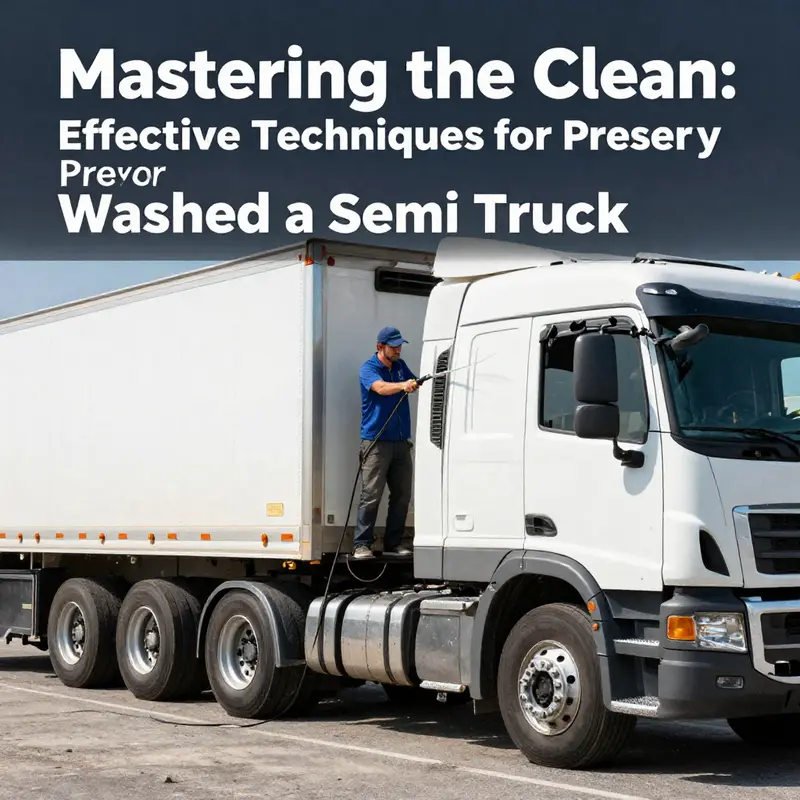
When it comes to pressure washing a semi-truck, there is an art as much as there is a science. Every inch of that colossal vehicle needs to be treated with care and precision, and the process must follow a systematic approach that protects its finish while removing the heavy buildup of grime, oils, and road debris. In this chapter, we delve into the intricacies of pressure washing a semi-truck—from carefully selecting the right equipment to following a meticulously designed top-to-bottom process that ensures precise cleaning without compromising the integrity of the truck’s surfaces.
The journey begins with the importance of equipment selection. Semiconductor trucks are not like ordinary vehicles, and the cleaning process demands pressure washers that offer a range of settings. A commercial-grade pressure washer, one that delivers pressures in the range of 10–25 MPa when tackling dense undercarriage deposits and a gentler 3–5 MPa for the body and cab, is essential. Coupled with this is the transformative role of water temperature. Using electrically heated hot water at a comfortable 60–70°C can aid in breaking down stubborn grease and oils, especially in hard-to-reach crevices where contaminants cling stubbornly. The combination of regulated pressure and warm water not only makes the cleaning process more efficient but also helps safeguard the delicate painted surfaces and rubber seals from potential damage.
Before even turning on the pressure washer, proper preparation of both the semi-truck and the surrounding work area is critical. The truck must be parked on a flat, non-slip surface near a drainage zone to contain runoff and protect nearby vegetation or storm drains from harmful chemicals. It is advisable to manually remove any large particles such as gravel or chunks of debris from tires and fenders beforehand. Additionally, certain sensitive components such as electrical connectors, air intakes, and wheel hubs should be shielded with plastic covers, preventing inadvertent exposure to high-pressure water streams. Such careful preparation ensures that once the cleaning process begins, every pass with the pressure washer is both effective and safe.
Embracing the principle of cleaning from the top down presents several advantages. The process typically commences with the roof and cab roof of the truck, where a controlled, overlapping technique is employed. By starting at the highest points, any dirt, grime, or debris dislodged from these areas is allowed to flow downward naturally, assisting in the cleaning of lower surfaces. A gentle, moderate pressure setting is used here to remove light dust and loose particles without risking damage to the truck’s finish. In instances where more persistent deposits of dried mud or road grime exist, a careful pre-treatment using a specialized cleaning solution with a brief dwell period ensures that the contaminants are sufficiently loosened before a thorough rinse. This measured method continues to prove its worth as one moves from the roof and windshield down through the hood, fenders, and eventually to the sides of the cab and trailer.
Special attention is warranted when addressing pivotal but challenging areas such as the wheels, tires, and the undercarriage. The wheels often become repositories for a mix of heavy grease, brake dust, and debris that is baked into the crevices. Here, the use of a dedicated cleaning tool, like a sturdy brush or a dedicated wheel cleaner, can enhance the removal process. A focused nozzle, ideally with a 15° or 0° jet stream operated at a safe distance, directs the cleaning power exactly where it is needed. However, caution should prevail. Overly aggressive sprays on the painted surfaces can lead to streaks or even micro-abrasions if not managed carefully.
When it comes to the undercarriage and chassis, the stakes are higher. This is the reservoir for substances like salt, oil, and other contaminants that accumulate over prolonged exposure to harsh road conditions—in winter, for example, salt can swiftly corrode metal parts. Here, a high-pressure nozzle set between 10–25 MPa, often coupled with heated water, ensures that these aggressive compounds are effectively neutralized. The cleaning stream is typically angled at about 45 degrees, a technique that avoids direct, potentially harmful impacts on delicate components such as brake lines, suspension joints, or intricate electrical connections. It is in this careful balancing act—ensuring sufficient cleaning power while avoiding collateral damage—that the real skill of a truck washer is revealed.
The methodical top-to-bottom cleaning process is not simply a sequential act; it requires continuous adjustments based on the truck’s geometry and the nature of the accumulated grime. While cleaning the front windshield and mirrors, for instance, forethought is crucial. Clear visibility is essential not only for aesthetic appeal but also for safety on the road. Thus, these areas receive a more refined application of lower pressure, ensuring that the integrity of seals remains undisturbed and that streaks, smudges, or scratches do not mar the reflective surfaces. As the process continues down the body of the truck, care is taken to ensure that all surfaces, from the expansive sides of the cab to the intricately shaped contours of the trailer, are thoroughly cleaned in a continuous downward sweep. Such a technique minimizes the risk of cross-contamination since dirt, loosened from the upper surfaces, is washed away rather than redistributed.
Investing in the proper nozzle tips is an integral part of the cleaning regimen. A wide-angle fan tip, commonly around 40°, is typically deployed for general cleaning purposes. Its gentle spray is effective for removing surface-level dirt while preserving the delicate finish. Conversely, for tackling stubborn spots that have stubbornly resisted the standard cleaning routine, switching to a narrow jet tip such as a 15° option directs a concentrated burst of water at the problematic areas. However, prolonged exposure to such concentrated streams on painted surfaces is ill-advised, as it might lead to etching or other forms of damage. It is this judicious use of nozzle tips that distinguishes an expert cleaner from a mere novice.
Beyond the act of washing, the rinsing process plays a critical role in ensuring a pristine finish. Every trace of detergent or chemical residue must be completely rinsed away. Residual cleaners can not only lead to unsightly water spots but may also interact adversely with the truck’s surface over time, engendering corrosion or chemical discoloration. In some cleaning operations, particularly those conducted in industrial settings, the drying stage might be omitted in favor of a natural air-drying process. However, in scenarios where water spots or the potential for rust are of concern, manually drying the truck using microfiber towels or a chamois becomes a known best practice. Drying not only amplifies the gleam of a freshly cleaned truck but also serves as a preventive measure against long-term wear and tear.
The procedure does not end with rinsing and drying. Post-wash protection has become a mainstay in maintaining the long-term appearance and functionality of semi-trucks. Applying a high-quality wax or sealant can protect the truck’s paint from UV damage and environmental pollutants. This treatment creates a protective layer that helps repel water and fouling agents, making ensuing cleaning cycles less laborious. The careful application of such protective coatings is often the final step in a meticulously planned maintenance routine that keeps heavy vehicles in top-notch condition despite the rigors of the road.
Moreover, safety and environmental considerations weave through every phase of the cleaning process. It is imperative to adhere strictly to safety protocols, keeping the pressure hose at least 12–18 inches away from any sensitive area and monitoring the pressure settings as per the manufacturer’s recommendations. The potential risks associated with high-pressure jets are not confined to the truck alone; they extend to the operator as well. Protective eyewear and proper gear help in reducing the risk of injury from unexpected rebounds or splashes. Equally important is the conscientious handling of wastewater. Many modern truck wash operations employ recirculating water systems that not only ensure efficient water usage but also comply with stringent environmental standards. Wastewater, especially when laden with chemical residues, must be treated appropriately before disposal to prevent ecological harm.
Navigating the complex interplay between effective cleaning and safeguarding the vehicle’s integrity often requires experience and attention to detail. For those seeking additional insights and practical techniques, it is worthwhile to explore further resources on cleaning best practices. For instance, the article on proven strategies for cleaning grease and tar off your trucks fast provides an excellent perspective on dealing with some of the more challenging contaminants that semi-trucks encounter on a daily basis. This resource not only reinforces key principles but also offers practical tips that are immediately applicable in real-world scenarios.
Furthermore, the importance of regularly consulting equipment manuals cannot be overstated. Each pressure washer comes with its own set of manufacturer recommendations regarding safe operating pressures, nozzle types, and water temperatures. Adhering to these guidelines ensures that the cleaning process is both effective and in line with the best practices laid out by experts in the field. An externally recommended guide found on a reputable site such as Kärcher’s official truck cleaning tips can provide further technical insights and safety guidelines that enhance the overall cleaning strategy.
Connecting these detailed techniques with an overarching commitment to excellence in vehicle maintenance underscores the necessity of a systematic approach. Each phase of the process—from the initial preparation to the final post-wash protection—exemplifies a philosophy of care and precision. The effectiveness of this method is evidenced not only in the appearance of the truck after cleaning but also in its prolonged operational lifespan and enhanced performance on the road. By investing time in proper pressure washing techniques, truck owners and operators protect a substantial investment, ensuring that their vehicles continue to perform safely and efficiently.
The expertise required for such a comprehensive cleaning operation can be likened to that of a craftsman who meticulously works on every detail of a fine piece of machinery. Every spray, every rinse, and every protective coat contributes to a final result that is both visually appealing and functionally sound. Whether the semi-truck is part of a fleet or a single unit, the principles remain the same: consistency, thoroughness, and respect for the vehicle’s complex design. This approach not only guarantees an immaculate finish but also prepares the truck to better withstand the challenges of harsh weather and demanding road conditions.
In summary, the detailed process outlined above represents a synthesis of technical know-how and practical experience. It involves selecting the right pressure washer settings, carefully preparing the vehicle and its surroundings, systematically cleaning from the top of the truck down through its undercarriage, and ensuring that each stage of the process is executed with precision. The result is a thoroughly cleaned semi-truck that looks as good as new while being protected from the elements and potential long-term damage. By meticulously following these guidelines, operators can enjoy the peace of mind that comes from knowing their heavy vehicles are maintained to the highest standards.
As you refine your approach to truck maintenance, remember that every step taken today contributes to the longevity and reliability of your equipment tomorrow. The art and science of pressure washing encapsulate an ongoing commitment to operational excellence and environmental responsibility. Embracing these techniques in full measure ensures that your semi-truck not only meets but exceeds the demanding challenges of modern road service.
This comprehensive guide is designed to serve as both a reference and an inspiration to those who take pride in their work. By blending advanced cleaning strategies with practical, easy-to-follow steps, it paves the way for maintaining fleets in peak condition. Whether you are an experienced operator or a newcomer to the world of heavy vehicle maintenance, the insights provided here empower you to elevate your cleaning routine to a realm where precision, safety, and environmental care converge harmoniously.
In closing, the process of pressure washing a semi-truck is much more than a routine chore—it is a critical element of vehicle upkeep that demands thoughtful execution. With every careful sweep of the pressure nozzle, every meticulously adjusted pressure setting, and every protective measure enacted, you are enhancing the performance, aesthetics, and lifespan of your truck. Let this chapter serve as a detailed roadmap to ensuring that every cleaning session is executed with excellence and common sense, ultimately reflecting the high standards you hold for your fleet and yourself.
Safeguarding Your Semi-Truck and the Environment: Mastering Safety and Sustainable Pressure Washing Practices
Introduction to a Responsible Approach
When embarking on the process of pressure washing your semi-truck, it is not just the removal of accumulated grime, oil, and difficulty that commands attention but also the profound duty to protect sensitive electronic systems, vital engine components, and the surrounding environment. A well-executed pressure washing routine is one that carefully considers the interplay between high-powered cleaning and the potential hazards that come from water, chemicals, and improperly managed waste runoff. In this chapter, we journey through the essential safety and environmental practices that ensure your cleaning routine protects both your vehicle and natural surroundings, thereby advancing a sustainable and responsible approach that every operator must adopt.
Prioritizing Electrical Component Safety
The semi-truck, an intricate blend of high-tech electronics and robust mechanical components, requires a delicate touch when subjected to a pressure wash. One of the foremost considerations is the protection of sensitive electrical systems. High-pressure water is a formidable force that can easily penetrate connectors, disrupt the functionality of engine control units, or even seep into wiring harnesses and fuse boxes, triggering short circuits or permanent damage. To mitigate these risks, it is vital to create a barrier between water streams and critical electrical components. Before initiating any cleaning, cover all exposed electrical areas using waterproof protective covers, ensuring that high-pressure jets are directed away from these vulnerable zones. Such preventive measures not only safeguard your truck’s operational systems but also eliminate the potential risk of electric shocks to anyone operating the machinery.
The precision of these actions is critical. For instance, even a slight misdirection of a high-pressure stream might lead to water intrusion. Consistent practice and adherence to established safety protocols ensure that every operator is well aware of the dangers associated with electronic exposure. This approach is particularly important in heavy-duty vehicles where even a small error can lead to extensive and costly repairs. Integrating protective practices into your routine helps maintain a smooth operating cycle, securing both the truck’s performance and the well-being of those in charge of its maintenance.
Engine Compartment: A Zone Requiring Special Care
The engine compartment is another area that demands heightened caution. Given the high temperatures and the intricacies of the coolant system, it is imperative to restrict the use of high-pressure water on the engine bay. Exposing the engine to rapid thermal fluctuations by introducing water on a hot system may result in thermal shock to metal components, and it can also disturb the coolant system’s equilibrium. Operators are advised to allow sufficient cooling time before commencing any cleaning activities involving the engine compartment. Once the system has cooled, use low-pressure settings and controlled water flow to gently remove any accumulated dirt without causing undue stress to the components.
Special attention must be given to areas that house delicate mechanical sensors and wiring. Permanent damage to these components could lead to significant downtime for the truck, hindering fleet operations and increasing maintenance costs. By simply giving the engine compartment a cautiously measured cleaning process, truck operators not only prolong the life of the engine but also ensure that all safety measures remain uncompromised. This measured and patient process is a foundational element in any advanced cleaning regimen where machine care intersects with routine maintenance practices.
Balancing Water and Electrical Safety
When water and electricity mingle in cleaning operations, the margin for error narrows significantly. Because high-powered water jets generate a tremendous amount of force, the operator must remain vigilant to avoid inadvertent exposure of power cords and electrical outlets to water. Prior to initiating a cleaning sequence, ensure that all electrical connections are secure and shielded so that any accidental spray does not come into direct contact with them. Additionally, it is advisable to avoid operating the pressure washer near standing water or damp, slushy areas which can elevate the risk of electric shock. This dual caution helps in reaffirming that both the machinery and the personnel remain safe from electrical hazards.
As operators become more aware of the critical nature of these precautions, the safety culture within the industry gradually shifts towards more comprehensive and proactive measures. It is not unusual to see training sessions that emphasize the importance of keeping all electrical systems dry and the significance of minimizing contact between the pressurized water and exposed electrical equipment. This diligent approach reinforces the principle that safety must always be at the forefront of any operational procedure.
Environmental Stewardship Through Responsible Practices
The broader impact of pressure washing extends well beyond the truck itself. The runoff generated by high-pressure washing can contain detergents, oils, and other contaminants that are potentially harmful to local water systems and ecosystems. Therefore, selecting environmentally friendly cleaning agents is of paramount importance. By opting for biodegradable, non-toxic cleaning solutions, operators ensure that any residual chemicals left behind are less likely to cause long-term environmental damage. The integration of such agents into your maintenance routine demonstrates a commitment to environmental stewardship that goes hand in hand with mechanical upkeep.
Beyond the choice of cleaning products, the location in which the washing is conducted plays a crucial role in preventing ecological harm. Always use designated wash bays or areas with proper drainage systems to manage wastewater effectively. Cleaning a semi-truck in an uncontrolled environment, such as a random stretch of driveway or a sidewalk, can lead to the improper discharge of wastewater directly into storm drains. These drains, in turn, funnel the contaminated water into local waterways, potentially harming wildlife and contributing to water pollution. Conducting washing operations in facilities that are specifically designed to treat and manage wastewater helps in containing and mitigating any adverse environmental impacts. By using such facilities, you are ensuring that the water, along with any cleaning agents it carries, is properly treated before being released into the environment.
For businesses that regularly engage in pressure washing of heavy-duty vehicles, the incentive to manage wastewater responsibly is both an ethical and regulatory mandate. Regulatory bodies often require that facilities demonstrate compliance with environmental standards, and these guidelines are in place to protect the natural resources that communities rely on. By adopting practices that are in harmony with environmental laws and guidelines, operators contribute to a cleaner environment while maintaining the highest standards of operational integrity.
The Art of Controlling Pressure and Angles
Another critical aspect of safe and sustainable pressure washing lies in the precise control of water pressure and spray angles. It is essential to adhere to recommended pressure settings that prevent damage to the truck’s surfaces while effectively removing entrenched grime. For example, maintaining water pressure below 3,000 PSI is crucial in many cases so that delicate components are not overwhelmed. The use of fan-shaped spray patterns effectively distributes the water, helping to avoid concentrating the pressure on a small area which might lead to chipped paint or compromised seals.
The importance of selecting the right nozzle tips—transitioning from wide-angle fan tips for general cleaning to narrower jet tips for targeted removals—cannot be overstated. The controlled use of these tools ensures that all surfaces, from the smooth body panels to the rugged undercarriage, are cleaned without any collateral damage. Maintaining a steady distance of at least 15 centimeters (or about 6 inches) between the nozzle and the truck further helps distribute the force of the water evenly, thereby preserving the structural integrity of the semi-truck while delivering thorough cleaning results. These technical nuances, when executed with precision, accumulate into a masterful routine that balances aggressive cleaning with delicate care.
Operators must continuously calibrate their pressure washer’s settings based on the truck’s age, condition, and the prevailing weather conditions. In cooler weather, the water temperature might be adjusted to ensure that grease and dirt are effectively dissolved without causing thermal shock to any metal components. Meanwhile, in warmer conditions, careful monitoring of the water pressure becomes even more crucial to prevent warping or deterioration of sensitive surfaces. This dynamic interplay of temperature, pressure, and nozzle settings is a testament to the comprehensive nature of safe pressure washing practices that professionals have come to refine over years of experience.
Personal Protective Equipment: The Final Barrier
No discussion of safety in pressure washing would be complete without a detailed focus on personal protective equipment (PPE). Given the potential hazards associated with high-pressure water, chemicals, and slippery surfaces, wearing appropriate PPE is both a legal mandate and a practical necessity. Safety goggles protect the eyes from high-velocity splashes that might carry hazardous substances. Similarly, heavy-duty gloves shield your hands from chemical irritants and potential abrasion from high-pressure impacts. Hearing protection is also advised during prolonged use of pressure washers, which can generate noise levels that are harmful over time.
Additionally, operators should consider wearing non-slip work boots to reduce the risk of falls on wet surfaces, particularly when working on inclined or uneven ground. Protective clothing that covers the body can act as a barrier against both chemical splashes and the abrasive force of the water jet. Establishing a habit of performing a quick safety check before every session—noting any potential hazards such as loose debris, wet floors, or exposed electrical outlets—builds a robust safety culture that benefits everyone involved.
The consistent use of PPE represents a tangible commitment to safety that transcends the immediate concerns of vehicle maintenance. It demonstrates a proactive approach that prioritizes human well-being over expedience, reinforcing a message that sustainable and responsible cleaning practices are not solely about environmental considerations but also about caring for the technicians who perform these tasks.
Integrating Best Practices into a Unified Routine
Successful pressure washing of a semi-truck is much more than an exercise in brute force; it is an art that requires a careful blend of technical expertise, precautionary measures, and environmental mindfulness. Each stage of the cleaning process—from safeguarding electrical components and engine areas to managing wastewater—demands meticulous attention to detail. Operators must not only master the art of using high-pressure washers but also develop a deep understanding of how their actions interact with the natural environment.
The evolution of pressure washing technology has provided the means to perform intensive cleaning with remarkable efficiency. However, the true measure of success in this domain lies in the operator’s commitment to safety and environmental stewardship. When the delicate balance between aggressive cleaning power and gentle handling of truck components is achieved, it paves the way for a procedure that is both highly effective and entirely sustainable. This approach is not only beneficial for the longevity of the vehicle but also for ensuring that the same practices do not inadvertently contribute to long-term environmental degradation.
The industry has witnessed significant progress in the development of eco-friendly cleaning processes, and it is imperative that operators remain informed about the latest advancements. For instance, the use of recirculating water systems has become increasingly popular as they greatly reduce water waste and ensure compliance with local environmental regulations. Such systems also help in capturing and treating the wastewater generated during the cleaning process. By integrating these advanced technologies into standard operating procedures, fleets can not only achieve a higher level of cleanliness but also adhere to stringent environmental standards.
Incorporating new practices also means staying up-to-date with regulatory guidelines. The importance of understanding and implementing these regulations cannot be overstated, as non-compliance can lead to hefty fines and long-term reputational damage. Industry publications and dedicated training sessions often highlight these aspects, stressing the dual responsibility of vehicle operators to look after both their immediate assets and the broader community. It is through continuous education and adaptation that operators can ensure their practices remain both current and effective.
For additional details on how regulations and environmental considerations shape the daily operations of truck maintenance facilities, you can explore our insights on compliance and emissions regulations in the truck wash industry. This resource provides a deep dive into how modern facilities manage the intersection of operational efficiency and environmental demands.
Conclusion and Forward-Thinking Practices
Ultimately, the pressure washing of a semi-truck serves as a microcosm of the bigger picture: balancing industrial efficiency, personal safety, and environmental responsibility. Each step, from the careful handling of electrical components to the meticulous control of water pressure and temperature, is steeped in rigorous safety practices that have been honed over decades. The integration of cutting-edge technology with time-tested safety protocols ensures that every cleaning operation is as effective as it is conscientious.
Adopting these practices not only extends the lifespan of your semi-truck by preventing early wear and tear but also reinforces a legacy of environmental care. The thoughtful measures discussed in this chapter—protecting sensitive areas, using appropriate tools and techniques, being mindful of water runoff, and consistently wearing PPE—serve as a blueprint for any operator who wishes to excel in this field. When these elements come together, the result is a safe, comprehensive, and environmentally sound cleaning process that stands as a benchmark for industry best practices.
Before closing, remember that continuous improvement is key. Stay informed about new safety protocols, regularly assess your cleaning methods, and be proactive in adopting innovations that further reduce environmental impact. For extended guidance and governmental recommendations, you can consult the OSHA Pressure Washing Guidelines which offer further insights on maintaining safe work environments while using high-pressure cleaning equipment.
In this way, the art of pressure washing transforms from a mere maintenance task into a comprehensive practice that encapsulates modern industrial ethics, advanced technology, and a deep respect for both human and environmental health. Every drop of water, every spray of detergent, and every measured burst of high-pressure rinse contributes to a larger story—one where responsibility and sustainability go hand in hand with the pursuit of operational excellence. Embrace these practices as a part of your routine, and you will not only maintain the aesthetic and functional integrity of your semi-truck but also help pave the way toward a greener, safer, and more responsible future for the entire industry.
Final thoughts
A well-executed pressure washing process not only improves the appearance of semi trucks but also plays a crucial role in prolonging their lifespan. By selecting the right equipment, thoroughly preparing both the vehicle and work area, and employing effective washing techniques, fleet managers can ensure their trucks always look their best while adhering to environmental and safety regulations. With these practices, your fleet’s upkeep will stand out, enhancing professionalism and reliability in your logistics operations.