
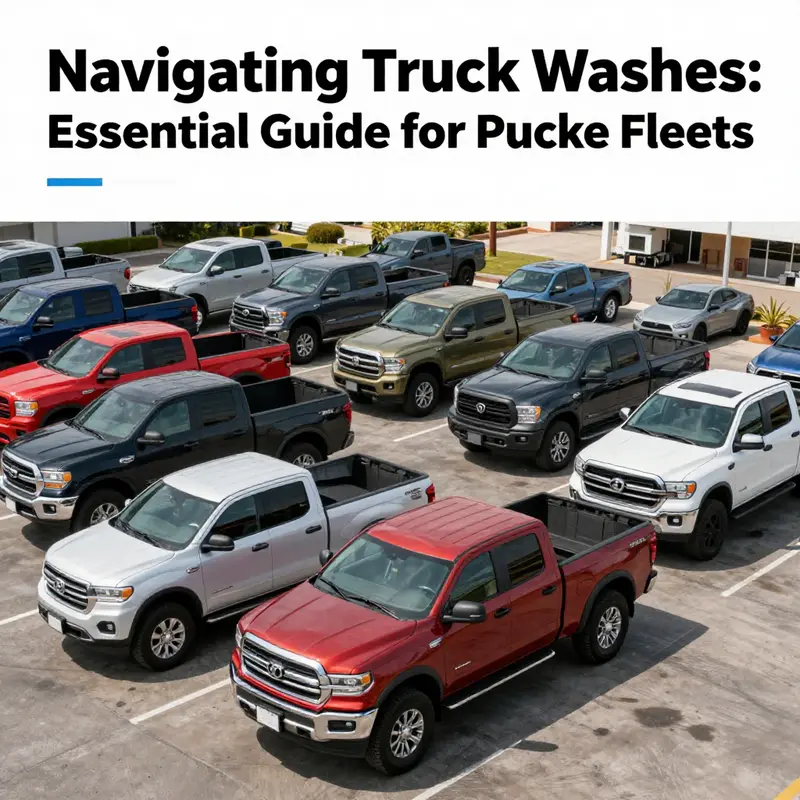
In the transportation and logistics sector, maintaining the appearance and integrity of fleet vehicles is crucial. Whether managing pickups for goods transport or supervising construction fleets, understanding how car washes affect vehicle aesthetics and durability is paramount. This guide tackles three critical aspects: the specific considerations for washing vinyl-wrapped trucks, essential safety tips for unwrapped trucks, and how to select the right car wash for your pickup fleet. Each chapter aims to empower fleet managers and company owners with the knowledge to protect their assets while ensuring operational efficiency.
When Wraps Hit the Wash: Navigating Car Wash Realities for Vinyl-Wrapped Pickup Trucks
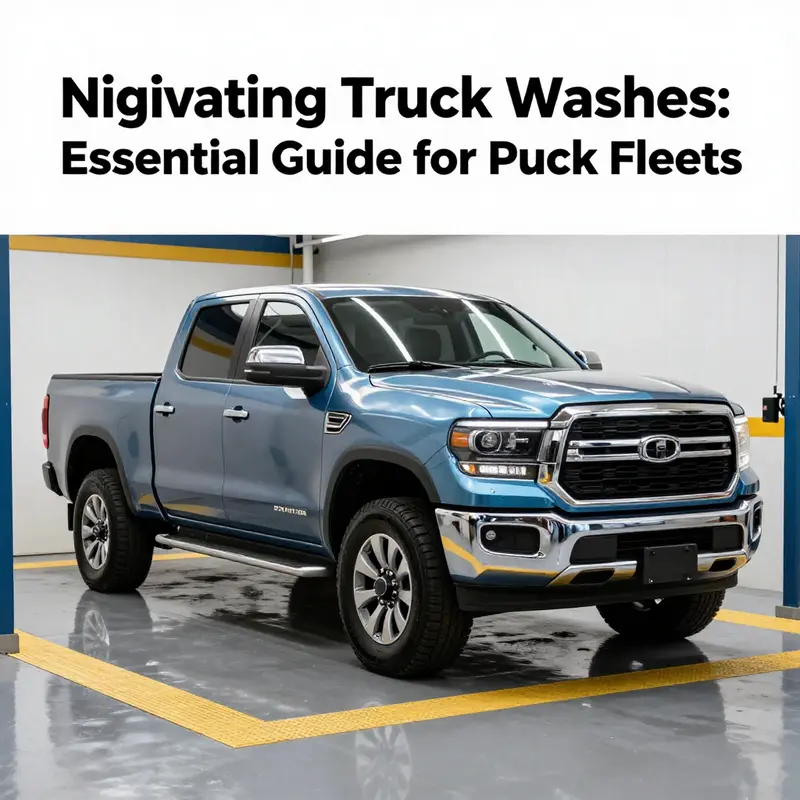
A vinyl-wrapped pickup trades the rugged practicality of steel and paint for a glossy, customizable shield that can turn a workhorse into a moving billboard or a personal statement. But with that shield comes responsibility. A car wash, which many drivers treat as a routine necessity, becomes a test of careful maintenance when a wrap is involved. The question of whether a pickup can go through a car wash is not a simple yes or no; it depends on the wrap itself, the timing of the wash, and the washing method you choose. The core idea is straightforward: wraps can be durable, but they are also delicate in certain respects. If you want your wrap to stay intact and look good for years, you must respect the material’s needs and the vehicle’s design realities. This means aligning washing habits with the wrap type, installation quality, and your local climate. The consequences of rushing a wash or choosing the wrong method are not merely cosmetic. Lifting edges, micro-bubbles, or even small tears can undermine the adhesive layer, alter the wrap’s appearance, and necessitate more costly repairs down the line. In this sense, maintenance becomes a stewardship activity, a daily ritual of keeping color, texture, and edge integrity intact while the truck does its essential work on the road. The practical upshot is that you can wash a vinyl-wrapped pickup, but you should do it with a plan. A plan that begins with curing time and continues through careful choice of washing method, cleaning agents, and techniques that protect the wrap’s surface and seams. This is not about fear or paranoia; it is about prudent care that recognizes the wrap’s special status in the vehicle’s ecosystem.
Curing time sets the stage for all subsequent cleaning decisions. After installation, the wrap enters a bonding phase where the adhesive cures and the vinyl settles against the vehicle’s curves and creases. The general guideline is to wait at least 72 hours before subjecting the wrap to any washing process. During this window, the adhesive flows and cures, seeking a firm, stable bond. Washing too soon can disturb this process, leading to lifted edges, micro-bubbles, or a slight dehydration of the adhesive film that changes how the wrap sits on the panel. The 72-hour period is not arbitrary; it correlates with the way thermoplastic films cure and bond, which is sensitive to heat, moisture, and the mechanical actions of washing. In practical terms, that means delaying even hand washing or a drive-through wash during the first three days unless absolutely necessary. The goal is to give the wrap a chance to cling to the paint or base surface without interference from aggressive cleaning actions that could disrupt the bonding layer.
Once the curing window has passed, the cleanings you choose become the main line of defense for the wrap’s longevity. Hand washing sits at the top of the safe methods list for many wrap installers and wrap manufacturers. It offers the most control over contact with the surface. When you hand wash, you can tailor every step to minimize risk: you can use a gentle, pH-neutral soap, a soft microfiber towel, and a careful, single-direction wipe pattern that avoids scrubbing across edges and corners. The key is to treat the wrap as a delicate skin rather than a hard shell. Gentle contact, low friction, and well-rung cleaning procedures preserve the wrap’s gloss and prevent micro-abrasions that accumulate into a dull finish over time. In addition, hand washing lets you inspect the wrap closely as you clean. You can watch for lifted edges, corner bubbles, or gaps that may require a prompt touch-up or other corrective action before those vulnerabilities grow. The discipline of careful inspection embedded in a hand-wash routine is an ongoing maintenance practice that pays dividends in the long run.
Touchless automatic car washes present a compelling alternative for wrapped trucks once the curing period has elapsed. These facilities rely on high-pressure water jets and chemical sprays to clean the surface without physical contact. The absence of brushes or cloths touching the wrap reduces the likelihood of surface abrasion, which is a common concern with brush-based washes. For wrapped surfaces, the reduced physical risk can be an important advantage, especially for owners who want convenience without descending into a hands-on routine every time. However, the touchless approach is not a catch-all. The high-pressure jets still exert force on the vehicle’s form, and there can be pressure points near door edges, mirrors, and complex panels. The risk is not so much about tearing the wrap as it is about lifting, micro-tears at creases, or forcing water under the edge where the adhesive is still adjusting. If you do choose a touchless wash, it is wise to keep the wash cycle length moderate and to avoid repeated or aggressive passes directly over the wrap seams. You may also want to select a wash that uses gentler chemical formulations designed with wraps in mind, rather than standard detergents that can leave residues. The bottom line is that touchless washes can be safe for wrapped trucks after cure, but the operator’s quality and your wrap’s particular adhesive system matter. This is a case where the best practice is to pair the method with informed maintenance decisions rather than relying solely on the wash type.
Against these, brush-based automatic car washes—those traditional systems that rely on rotating bristles and wash mitts—pose a higher risk to vinyl-wrapped surfaces. Bristles can physically contact the wrap with enough pressure to lift edges, create micro-scratches, or push lift under the edges where the adhesive bond is strongest yet still vulnerable. The danger is greatest along door edges, corners, and around features such as moldings or badges where the wrap wraps around sharper transitions. In many wrap-care guides, the guidance is explicit: avoid brush-based washes for wrapped vehicles, especially if the wrap is still relatively new or if the installation includes longer, more flexible panels. The simple reason is that brushes are not perfectly uniform; they can catch, tug, or drag across the wrap rather than glide smoothly over a flat surface. Even minor contact can lead to swirl marks or lift that becomes visible, especially on high-gloss finishes that highlight imperfections. For unwrapped trucks, brushes pose less risk because the base paint can tolerate more aggressive cleaning; but even then, heavy-handed scrubbing near seals or trim can introduce water intrusion or micro-damage. The wrap, however, is a separate system—an outer layer designed to protect the substrate while presenting a vibrant finish. Its vulnerabilities require a gentler touch and more mindful maintenance plan.
Chemical considerations are another crucial dimension. Vinyl wraps are created to withstand day-to-day cleaning, but they are not resistant to every chemical on the market. Harsh solvents, abrasive cleaners, or wax products that are not formulated specifically for vinyl wraps can degrade the film or leave residues that are difficult to remove. Some cleaners can cause the wrap to haze or become brittle over time, especially if repeatedly applied or left on the surface for extended periods. A practical approach is to select cleaning products labeled as wrap-friendly or vinyl-wrap-safe, and to consult with the installer for any brand-specific cautions. The caution extends to sealants and protective coatings. While a good sealant can help repel dirt and make subsequent cleanings easier, some coatings are not compatible with vinyl films. If in doubt, rinse and wipe using plain water or a mild, wrap-safe cleaner, and avoid waxes unless the wrap manufacturer or installer has given explicit approval. When you do use any chemical, follow the product directions precisely and rinse thoroughly to prevent residue buildup in creases or along edges where micro-dirt can accumulate. The adhesive layer behind the wrap is a living tissue that responds to heat, moisture, and chemical exposure; it rewards gentle, consistent care over aggressive or sporadic cleaning rituals.
Beyond the mechanics of washing, the wrap’s location on the truck matters. The cab and bed wrap areas see different usage patterns: the cab is more likely to encounter door-entry scuffs, drive-through checks, and the friction of passengers moving in and out of the vehicle. The bed area, which often includes longer panels and more wide-open exposure to road grime, can accumulate tar, road salt, and grime differently. Hot sun and high temperatures can intensify adhesive migration and impact the wrap’s finish, just as exposure to freezing conditions can cause contraction and micro-cracking if the wrap’s adhesive is not flexible enough for cold cycles. In urban environments with salt exposure in winter, washing frequency might need to increase during the salt season, but with the same careful approach—gentle cleans, avoidance of harsh scrubs, and attention to edges and corners. The best practice is to incorporate wrap care into a routine that considers weather patterns, road conditions, and the wrap’s own curing timeline. Your wash schedule thus becomes a balance between cleanliness and conservation, ensuring that the wrap remains an attractive and protective layer rather than a stubborn maintenance headache.
The role of the installer cannot be overstated in this equation. A well-applied wrap with high-quality adhesive and precision trimming will be more forgiving of imperfect washing methods than a lower-quality or hastily installed wrap. A good installer will provide care instructions tailored to the wrap type, including recommended soaps, no-wax policies, and any region-specific considerations like humidity and temperature ranges. If you follow those guidelines, you are less likely to encounter late-stage edge lifting, micro-bubbles, or color fading that can occur when the wrap is stressed by aggressive cleaning. When in doubt, seek a quick consultation with the installer or with a wrap manufacturer for the specific film and adhesive system used on your truck. They can offer short, actionable advice that preserves the wrap’s life expectancy and aesthetic appeal. For readers seeking broader perspectives on industry practices and fleet maintenance as they intersect with wrap care, see the resource linked here: derrick-wolfe-trucking-employee-engagement-growth.
In practice, a wrapped pickup that adheres to a thoughtful cleaning protocol will continue to perform well. The 72-hour rule post-installation gives you a window in which the wrap achieves maximum bond strength and minimizes the risk of damage from early cleaning attempts. After that window, you can consider either hand washing or touchless washing as appropriate to your schedule and priorities. Hand washing remains the gold standard for wraps when time and effort permit, because it offers the most precise control over how much pressure is applied to any one area. A careful hand-wash approach involves pre-rinsing to rinse away loose dirt, using a mild, wrap-safe cleaner, and employing a soft microfiber cloth or sponge to lift dirt rather than grind it into the surface. Always rinse from top to bottom to keep dirty water from running over already-cleaned areas, and dry with a clean microfiber towel to prevent water spots that can dull the glossy finish over time. When choosing a touchless wash, you may want to communicate with the wash operators about your wrap to ensure they avoid aggressive cycles that emphasize speed over gentleness and to request a cycle that focuses on surface cleanliness with minimal contact at the edges.
A wrap is an investment in appearance as well as protection, and the way you wash it speaks to its long-term performance. The discipline of using gentle products, avoiding harsh abrasives, minimizing edge contact, and respecting the curing period builds a foundation for a wrap that remains vibrant and intact. This is not merely about aesthetics; it is about preserving the value and utility of a vehicle that blends commercial function with personal or brand identity. The wrap is an add-on to the truck’s core structure, and the care it requires is a complement to the care of the truck itself. For drivers who rely on their pickup as a work tool and a mobile advertisement or personal expression, the wash process becomes part of the daily workflow rather than an isolated ritual.
In sum, pickup trucks with vinyl wraps can go through car washes, but with distinctions that matter. After a 72-hour curing window, two main safe pathways exist: hand washing with wrap-safe products or touchless automatic washes that minimize direct contact with the surface. Brush-based car washes should be avoided because the bristles can lift edges and scratch the surface, compromising the wrap’s integrity. For unwrapped trucks, standard car washes remain generally safe, though the same caution around seals and trim applies to prevent water intrusion. The overarching principle is to treat the wrap as a sensitive, protective layer that requires gentle handling, chemical mindfulness, and a washing method aligned with the wrap’s installation and the environment in which the truck operates. By integrating these practices into routine maintenance, the wrapped pickup can continue to project its designed look while performing its daily tasks with reliability and longevity. For readers seeking deeper procedural insights and wrap-specific care strategies, the comprehensive guide on wrapping maintenance offers further elaboration on the nuances of cleaning methods, product compatibility, and best practices across different wrap types and climates.
For a broader view of maintenance practices relevant to the trucking world and fleet-care considerations that intersect with wrap upkeep, see the linked internal resource on industry processes and people-first approaches to fleet management. This connection helps place wrap care within the wider context of vehicle maintenance and organizational standards that drive efficiency and value in commercial operations.
External resource for deeper care guidance: How to Wash a Wrapped Pickup Truck: Complete Guide. This external guide provides detailed procedural steps, cautions, and wrap-specific tips that complement the core guidance presented here and help readers implement best practices in real-world scenarios. How to Wash a Wrapped Pickup Truck: Complete Guide
Safety Tips for Washing Unwrapped Pickup Trucks in a Car Wash
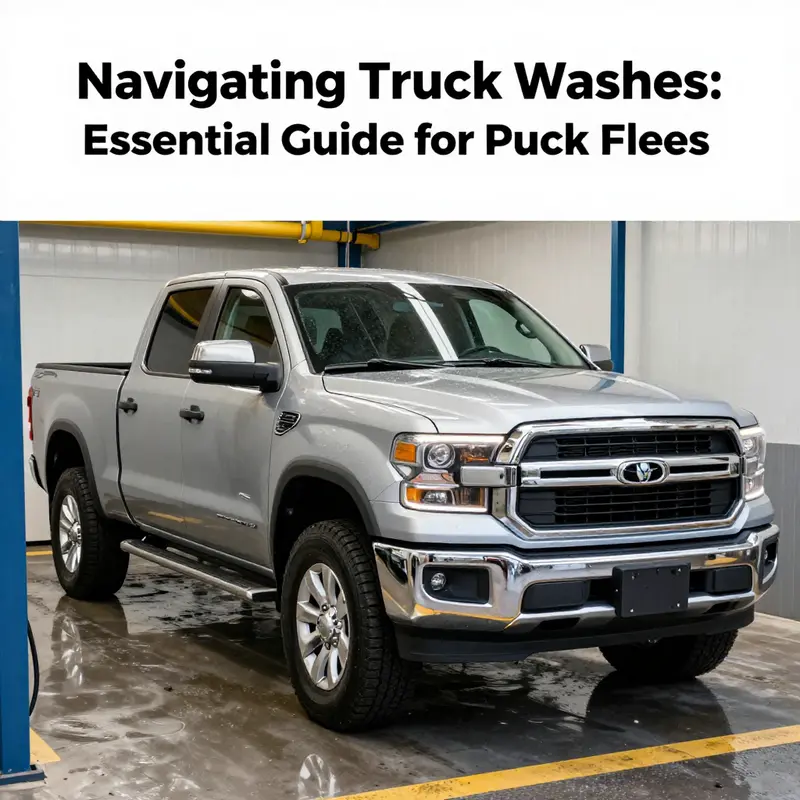
Washing an unwrapped pickup truck in a car wash can be a straightforward way to keep a work vehicle clean and presentable, but it also carries a set of practical risks if approached carelessly. The question isn’t whether it’s possible, but how to do it in a way that protects the metal, the paint, and the many exposed components that together define a pickup’s rugged utility. The automations inside most car washes are designed to etch away grit and road grime with speed and intensity. For an unwrapped truck, that power can be a boon when used with a measured plan, yet it becomes a problem whenever safety and surface protection are neglected. The best approach treats the wash as a process rather than a single moment of force. It begins with honest assessment of the vehicle’s current state, proceeds through careful preparation, continues with appropriate selection of wash type, and ends with thorough postwash care that helps prevent rust, seal damage, or water intrusion into areas that should stay dry. In this sense, washing an unwrapped pickup becomes less a test of endurance for the truck and more a test of disciplined maintenance practices for the owner or fleet operator.
First, the choice of wash matters. Not every automated system is equally capable of handling a pickup’s size, shape, and profile. A car wash designed primarily for compact cars may struggle with a longer wheelbase, higher ground clearance, or a taller grille. If the facility isn’t explicitly rated for larger vehicles, it may misalign brushes, fail to reach under the overhang where dirt hides, or even produce scuffs along body panels that are more exposed by the truck’s geometry. The prudent move is to verify with the operator or the wash’s posted capabilities that your truck will fit within the equipment’s travel envelope and that the cycle can be completed without forcing the vehicle into awkward alignments. The goal is not to test the machine’s limits but to ensure that the machine translates its cleaning power into a safe and even wash for your truck.
Preparation starts well before you roll into the bay. The bed of a pickup often serves as a workspace for tools, cords, or loose cargo. Loose items can shift during the wash cycle, turning into projectiles that scratch the paint, jam seals, or strike the interior with sudden movement. Before entering the wash, take a moment to remove loose items or secure them so they won’t bounce around. If the bed contains tools or equipment, consider placing them in a secure field bin or covering them with a tarp. A covered or closed bed reduces the risk of water and cleaning agents entering the cargo area and also minimizes debris that may be thrown around during high-pressure rinsing. If your truck has a tonneau cover, ensure it’s properly latched or stowed so it cannot flap or warp under pressure, which could transfer stress to adjoining panels.
The vehicle’s openness, a defining trait of trucks, calls for cautious handling of the bed area and cargo compartments. Even when a cover is in place, water and spray find their way into seams and gaps. The next step is to secure the bed’s access points as needed. If the truck bed is open to the elements, consider temporarily closing it or using a tarp to protect items from splashing water. The fewer exposed surfaces under high spray, the lower the chance of water intrusion that can lead to corrosion or dampness in places where it shouldn’t be. This step is not merely about cleanliness; it’s about preserving the truck’s structural integrity and avoiding long-term issues that can arise from moisture seeping into corners and crevices.
As you approach the bay, do a quick but thorough check of the truck’s exterior to identify any issues that a wash could aggravate. Scratches, chips, or loose trim can worsen if exposed to aggressive brushes or high-velocity water streams. A small chip near a seal can quickly become a leak, especially when detergents and heated water expand and contract metal and plastic at different rates. If you notice problem spots, you might choose to wash by hand in those areas or at least adjust the wash cycle to minimize contact with vulnerable zones. The emphasis is on proactive awareness rather than reactive damage control. A deliberate, informed approach reduces the likelihood of accidental harm and makes the entire process predictable and manageable.
Once inside the wash, the interaction between the spray pattern and the truck’s surfaces becomes the defining factor in whether the experience is safe and effective. High-pressure jets are designed to dislodge stubborn grime, but aimed directly at seals, weatherstripping, or near sensitive electrical components, they can force moisture into places where it does not belong. The wisdom here is to avoid directing heavy, concentrated jets at the truck’s vertical seams around doors and the tailgate, as well as near the windows, mirrors, and any exposed wiring harnesses. If you notice that a particular zone tends to show water intrusion or if the machine’s nozzle configuration seems to cluster near trim lines, guide the vehicle’s position carefully or request a wash cycle that reduces pressure in those areas. In effect, you become a careful navigator of a robust cleaning system, coordinating your vehicle’s geometry with the machine’s mechanical reach so that both work in harmony rather than at cross purposes.
Chemistry is another critical dimension of safety. The detergents used in car washes are formulated to lift oils, wax, and road salt while preserving finishes. For unwrapped trucks, it’s important to confirm that the cleaning agents are appropriate for the paint and clear coat, and that they won’t strip protective wax or sealants more aggressively than necessary. A gentle, pH-balanced detergent is a sensible default for most finishes. If you have a routine hand-wax or sealant on the truck, be mindful that an overzealous wash can dull the protective layer you’ve spent time and care applying. The goal is to remove grime without erasing the gloss you’ve worked to maintain. In addition, be mindful of the undercarriage and wheel wells, where aggressive formulations can interact with rust-preventive coatings and metal surfaces. A routine that emphasizes moderate chemistry can help preserve finishes while still delivering a thorough cleaning.
The shutdown signal of a well-executed wash is the dry-off. Wet surfaces are not merely a cosmetic concern; they reveal potential problem spots where water can collect and lead to corrosion if left to sit. Drying is your final defense against water spots, mineral deposits, and the secretive creep of moisture into areas that should stay dry. After the wash, take charge of the drying process. A microfiber towel or a soft chamois is ideal for drying, especially around door sills, wheel wells, and any recessed areas where water tends to linger. Focus on the undercarriage and any exposed metal components that might be prone to rust with repeated exposure. If the wash included air dry, you may still want to perform a quick manual dry along seams and crevices to ensure that moisture does not become trapped. This extra step is small in effort, but it pays dividends in the form of a longer, rust-free life for exposed metal and a fresher overall appearance.
The practical discipline of monitoring throughout the cycle cannot be overstated. The modern automated wash is a complex choreography of rollers, brushes, and jets that operate with little margin for error. Staying nearby during the wash allows you to observe misaligned brushes, odd noises, or any unusual movement of water that might indicate an issue with the machine or the vehicle. A quick observation can prevent a minor misalignment from becoming a significant scratch or panel damage. If you notice something off, do not hesitate to halt the process and request a manual inspection or a re-run with adjusted parameters. In many facilities, staff can intervene to protect your vehicle without compromising the wash’s effectiveness. The objective is proactive oversight rather than passive acceptance of a potentially risky situation.
Another essential consideration centers on thermal conditions. Never run a hot truck through a car wash. Heat expands and softens surfaces, and the rapid cooling that follows when water contacts hot metal or plastic can create stress points. This is especially pertinent on warm days or after extended periods of driving when the truck remains warm from use. Allow the engine and body to cool down to a safe temperature before entering the wash bay. This simple precaution reduces the risk of paint distortion, warped plastics, or softened trim that could be further damaged by brushing or high-pressure spray. If you are in a hurry, plan your timing so that you are not rushing a cooling period. The vehicle’s readiness for the wash should be treated as a nonnegotiable prerequisite rather than a variable dependent on convenience.
The concept of protection extends beyond the immediate vehicle to the interactions with the wash facility. For fleet operators or owners who manage several trucks, there is a structural layer to safety: the facility’s own practices and the crew’s training. A well-run wash operation establishes clear guidelines on vehicle size accommodations, safe zones for drivers, and proper use of high-pressure equipment. It also emphasizes the management of water runoff and the safeguarding of the wash’s equipment from potential damage caused by large vehicles. In the context of fleet management, the emphasis shifts from a one-off wash to a recurring routine where maintenance, safety protocols, and scheduling align with the vehicles’ duty cycles. For those who oversee fleets, the realities of daily operations often demand attention to facility management for truck wash businesses to ensure consistent, safe, and reliable service across a broad spectrum of vehicles. facility management for truck wash businesses.
Even with careful preparation and prudent technique, there are boundaries to what an unwrapped pickup can tolerate. If your truck has areas that are particularly susceptible to wear—such as freshly painted panels, recent paint repairs, or delicate chrome trim—exercising extra caution during the wash is prudent. Consider using cycle options that reduce the aggressiveness of brushes or the intensity of jets in targeted zones. Some facilities offer gentler or shorter wash cycles tailored for higher-value or more sensitive finishes; if you are aware of these options, they can help maintain the truck’s appearance longer between professional detailing sessions. The overarching principle remains clear: treat the wash as a protective, maintenance-driven activity rather than a rough, one-size-fits-all cleaning routine. The goal is to achieve a clean vehicle without inviting new risks that could compromise the truck’s exterior or its functional components.
Aftercare, once the wash is complete, continues to protect your investment. A final inspection helps you catch issues the wash cycle may not fully reveal. Look for any water intrusion near windows and doors, check seals for softness or misalignment, and verify that no more water sits in places it should not. In the wheel wells, a quick wipe-down can help prevent the accumulation of grime that accelerates rust or corrosion. If your truck carries a vinyl wrap or other specialized finishes, the care routine changes; for unwrapped trucks, the focus remains on preserving paint integrity and preventing water-related problems at seams and joints. A routine of periodic hand washing in areas prone to wear complements automated washes by allowing you to address micro-defects before they become noticeable problems. The more intentional your postwash approach, the longer your truck will look and perform at its best.
In the broader arc of vehicle care, washing unwrapped pickups in a car wash is not a rebellious act against rugged utility but a straightforward practice that, when done thoughtfully, supports longevity and reliability. The technique centers on choosing the appropriate wash configuration, preparing the vehicle with care, protecting vulnerable surfaces, monitoring the process, and performing thorough postwash care. The result is a clean, well-maintained truck that continues to do the heavy lifting it was built for, without inviting unnecessary wear or damage. For those managing fleets or simply caring for a single workhorse, the discipline of safety and preparedness turns a routine cleansing into a durable maintenance habit that pays dividends in fewer repairs, longer paint life, and a vehicle that reflects the seriousness with which its operator treats it. And while this chapter focuses on unwrapped trucks, it remains useful to recognize how approaching wrapped vehicles requires adjustments in technique and cycle selection, a topic explored in other chapters that address the nuances of vinyl finishes and adhesive safety.
External resource for further guidance: For more comprehensive guidelines, see CarWash.com’s Safety Tips for Washing Trucks.
Rolling Through Safely: Navigating Car Wash Choices for Pickup Trucks
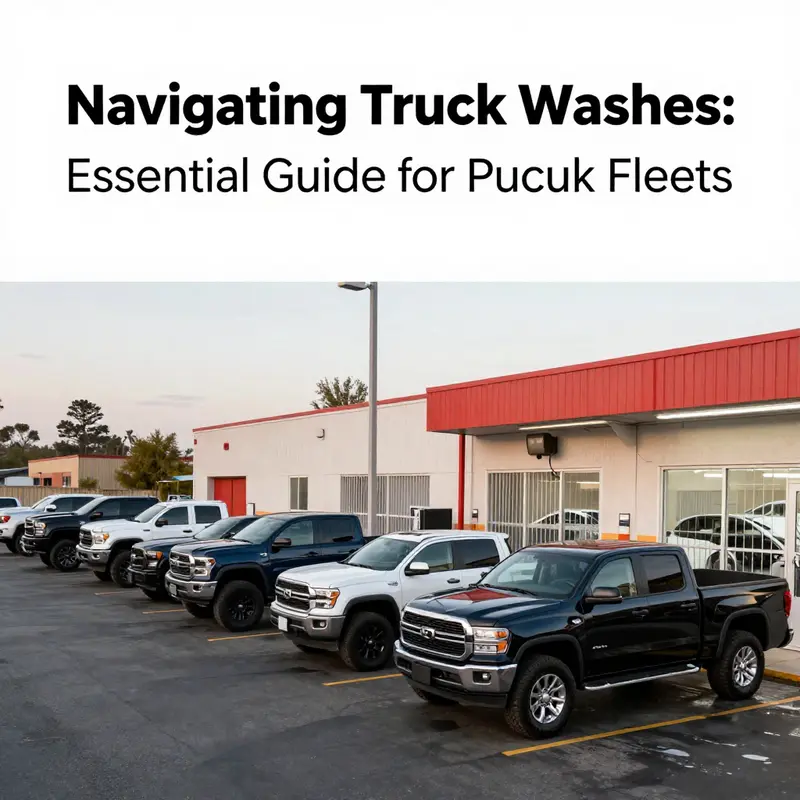
Rolling through a car wash with a pickup truck is a routine for many owners, yet the decision isn’t as plain as it might seem. The size and profile of a pickup, combined with how it’s used—whether for rough terrain, muddy construction sites, or daily commuting—shape which wash options are practical and safe. The core question remains straightforward: can pickup trucks go through a car wash? The answer is generally yes, but with important nuances. The choices you make depend on whether the truck carries a vinyl wrap, the condition of seals and trim, and your priorities for appearance, protection, and value retention. In a broader sense, the decision also reflects how you balance convenience with prudent maintenance and long term care of the vehicle’s exterior. When you step back and look at the bigger picture, the wash is not just a quick rinse. It is a routine that, when chosen thoughtfully, can extend the life of the finish, protect chrome and painted surfaces, and keep your truck looking as rugged as it performs. The goal is to align the wash approach with the truck’s build, its recent changes, and the realities of its typical dirt load. That means knowing what to avoid, what to prioritize, and how to choose a service or setup that respects the truck’s size and its specific cleaning needs.
For trucks that are not wrapped, the pathway through a car wash is often straightforward. Most standard car washes—whether touchless or traditional brush-type—are designed to handle larger vehicles. A pickup’s height and length generally fit within the clearance limits of many wash bays, and the spray patterns can be adjusted to target undercarriages, wheels, and sides without difficulty. Yet even here, the practical considerations remain worth noting. The undercarriage is where mud, road grit, and tar from off-road or work sites accumulate. Excessive pressure at high angles can push water into seals, potentially affecting doors, bed rails, and other seams. A cautious approach is to avoid jet streams right at the seams and to prefer washes that allow control over pressure and beam direction. In many regions, car wash operators are familiar with larger vehicles and tailor the experience to them, offering longer bays, higher arches, and adjustable spray patterns that protect paint and trim while delivering a thorough cleaning. The result is a balance: effective dirt removal and a finish that avoids the risk of chipping, scratching, or water intrusion around vulnerable points.
Yet the landscape shifts when a vinyl wrap is present. A wrap adds a layer of protection and a crisp, glossy appearance that many owners want to preserve. It also introduces a set of sensitivities that can redefine the washing routine. The adhesive that bonds the wrap to the surface needs time to cure after installation, and even after cure, the material can be more susceptible to certain types of mechanical action than bare paint. The clearest, most practical guidance for wrapped pickups is to wait at least 72 hours after wrap installation before taking the vehicle through any car wash. This postponement gives the adhesive the opportunity to fully bond to the substrate, minimizing the risk of lift, bubbling, or edge curl caused by agitation or pressure fluctuations. After that initial cure period, touchless automatic car washes are generally considered safe for wrapped trucks. They minimize physical contact, which reduces the chance of mechanical damage to the vinyl surface. In contrast, traditional brush-type washes are generally discouraged for wrapped surfaces. The brushes’ bristles, their movement patterns, and the way they bend around contours can pull on the wrap, especially at edges and seams. Lifting, bubbling, or micro-scratches are possible outcomes if a wrap is subjected to aggressive brushing. The practical upshot is that wrapping, while it adds a vivid, durable layer to the truck’s exterior, also introduces a maintenance discipline. When a wrap is involved, the safest route after the cure period is to lean toward wash systems that emphasize contactless cleaning or, if needed, very careful hand wash with wrap-friendly products and techniques guided by the wrap installer’s recommendations. Even with wrap-safe practices, keep in mind that the area around seals and trim can still be sensitive to water ingress, and the risk is not zero. A wrap’s protective benefits come with a trade-off, and understanding that trade-off helps preserve both the look and the longevity of the wrap.
For unwrapped or painted pickup trucks, the calculus shifts again. In most cases, standard car washes will do the job well, provided you follow a few practical precautions. A painted surface has a long history of resistance to ordinary wash cycles, but the risk of micro-scratches or stubborn contaminants removed with overly aggressive brushing remains. The safe path is to select car washes that offer adjustable pressure settings and clear guidance on nozzle types. In particular, it is wise to avoid high-pressure jets directed straight at vulnerable areas such as door seals, weatherstrips, and trim pieces. The goal is to prevent water intrusion into channels and gaps that could lead to rust or interior moisture. A careful wash routine also considers contaminants that require particular attention, such as salt-laden roads in winter or heavy off-road grime picked up from work sites. High-quality detergents, appropriate rinse sequences, and a thorough but gentle approach help ensure that you remove the most stubborn soils without risking the paint’s integrity. The practical experience of fleet operators, off-road enthusiasts, and daily drivers suggests that, for most unwrapped pickups, a well-chosen wash can be part of a routine that preserves the vehicle’s appearance and resale value. The key is to stay mindful of the truck’s specific vulnerabilities—paint edges, chrome accents, and any aftermarket parts that may be more sensitive to aggressive cleaning—and to tailor the wash approach accordingly.
Beyond the simple choice between wrap or no wrap, a deeper level of consideration comes from the wash system itself. Pickup trucks invite a broader range of dirt and debris, from thick mud and tar to tree sap and road salt. This reality makes the wash’s mechanical design and operational features especially important. When evaluating options, look for systems that can handle the dimensions and the grunt of a pickup. Mobile truck wash services, for example, have grown popular because they bring the wash to the vehicle, with equipment sized to reach cabs, beds, and undercarriages efficiently. These services typically deploy high-pressure water systems, along with detergents designed for heavy-duty cleaning. The advantage here is not only convenience but also the ability to select a service with technicians who understand the unique demands of larger vehicles. They can adjust spray patterns, manage rinse cycles, and apply specialized treatments that help remove stubborn grime from wheel wells and undercarriage components without overexposing sensitive areas to harsh forces.
For those who prefer a DIY approach, portable car wash units offer flexibility and control. These compact systems bring a robust set of capabilities into a garage, a commercial detailing shop, or even a job site. In the hands of a careful owner, a portable unit can deliver a powerful wash while enabling precise control over water pressure, nozzle selection, and chemical delivery. The right portable system should offer adjustable pressure settings so you can tailor the blast to sensitive areas like the cab and windows, while still delivering enough force to break free deep mud from the undercarriage and wheel components. Multiple nozzle options become essential in this context, allowing you to switch from a broad spray for general rinsing to a focused jet for tight spaces and stubborn buildup. A built-in detergent dispenser helps ensure a consistent application of cleaning agents, improving overall effectiveness while reducing waste and excess runoff.
What to look for when selecting a wash setup is not only capability but also efficiency and durability. Water efficiency matters because it aligns with environmental considerations and practical limitations, especially if you are washing a truck regularly or on a job site with water constraints. A good system should offer measured flow, adjustable spray patterns, and the ability to recapture or minimize runoff where possible. Ease of use is another critical factor. An operator-friendly interface, intuitive controls, and straightforward maintenance routines help ensure that the washing process is quick and effective rather than a source of fatigue or frustration. Durability becomes relevant because pickup trucks are heavy users. Trucks used for work often encounter repeated exposure to mud, grime, and road chemicals that can take a toll on wash equipment. A robust, well-engineered system that can withstand frequent use in varied conditions will provide better long-term value and reliability.
In a practical sense, choosing the right wash approach for a pickup involves aligning your vehicle’s characteristics with the wash’s capabilities. Size and weight matter; you want a system that can accommodate the truck’s height and length without awkward contact with car wash structures. Dirt load influences the required cleaning power and dwell time for detergents. A ride that includes off-road adventures or heavy work duties may demand deeper cleaning and more durable protective steps to ensure contaminants do not linger in crevices or on undercarriage components. The intended result matters as well. If maintaining a showroom-like finish is a priority, a gentle, wrap-friendly approach may be worth extra time or investment. If the objective is practicality and consistency, a reliable, efficient, brush-free wash can provide steady results with less risk of unwanted contact in sensitive areas. In any case, the decision should reflect both the truck’s physical condition and the owner’s expectations for appearance, protection, and resale value.
Operationally, a practical path is to adopt a blended approach. For wrapped pickups, after the recommended cure period, you might opt for touchless washes as a primary option, reserving hand care or wrap-specific detailing for spot cleaning or maintenance as necessary. For unwrapped or painted trucks, a conventional wash routine with occasional professional detailing can help maintain the finish and protect seals. If you rely on mobile services or portable units, you can schedule regular cleanings that fit your work cycle. The goal of these choices is to sustain a clean, blemish-free exterior while minimizing the risk of damage to sensitive components or protective layers. A well-chosen wash strategy also contributes to the vehicle’s long-term performance by reducing corrosive exposure, preserving seal integrity, and supporting a consistent, professional appearance that carries into business conversations, customer impressions, and personal pride.
The broader context for these decisions also includes practical considerations about the service environment. When you hire a mobile truck wash service, you are typically engaging a team that brings high-pressure water systems, professional-grade detergents, and trained technicians who understand how to work with large vehicles. The advantage is dramatic for fleets and individuals who want consistent results without changing schedules or traveling to a fixed facility. The trade-off can be cost or scheduling flexibility, which may depend on location, truck usage, and the frequency of cleanings. A DIY portable system offers another balance: it is a capital investment with ongoing operating costs and maintenance, but it grants you control over timing and sequence. Both paths underscore one simple reality: for pickup trucks, the wash is more than a rinse; it is an ongoing maintenance decision that reflects how you want your vehicle to perform and appear over time.
To connect this practical guidance with the broader ecosystem of truck care and fleet management, consider how wash choices fit into the overall maintenance strategy. A fleet owner, for instance, might integrate wash scheduling with other routine services, such as wheel alignment, brake inspections, and exterior detailing. Integrating these activities helps maintain safety, performance, and appearance while optimizing downtime. The interplay between wash choices and maintenance schedules is an often underappreciated facet of vehicle care. It is not merely about aesthetics; it is about protecting investment, ensuring reliability, and lowering long-term costs through proactive care. If your truck operates in demanding environments, you will likely find value in building a wash routine that reflects that reality. In such cases, a light, frequent wash can prevent the accumulation of corrosive substances, while a periodic deeper clean can address stubborn deposits in wheel wells and undercarriage compartments that a routine rinse might miss.
The decision to use a particular wash system should also be informed by practical safety considerations. Large vehicles can pose risks in wash bays designed for smaller cars, both for the vehicle and for the operators. Always ensure that the chosen facility or setup has appropriate clearance, clear signage, and staff who can assist with large vehicles. If you are using a DIY portable unit, follow manufacturer guidelines for pressure settings, nozzle selection, and chemical use. The last thing you want is a misapplied spray or an overpressurized jet that could cause damage to seals, trim, or wrap. The safest path is to approach the wash as a controlled, repeatable process. Start with moderate pressure, test in an inconspicuous area, and gradually extend the cleaning scope. This approach minimizes risk while enabling you to achieve a thorough clean.
Finally, it is important to keep communications open with the people who support your wash decisions. If you use a wrap, maintain a dialogue with the wrap installer or a professional detailer who understands wrap maintenance. They can offer guidelines about touchless wash cycles, recommended detergent types, and aftercare products that help preserve adhesion and finish. If you operate a fleet, cultivate a standard operating procedure that captures the wash guidelines for wrapped and unwrapped vehicles alike. Document preferences for pressure ranges, nozzle configurations, and contactless options, and ensure that drivers understand the rationale behind these choices. A well-documented protocol reduces confusion, ensures consistency across vehicles, and makes it easier to train new drivers or team members as your operation grows.
In sum, pickup trucks can go through car washes, but the optimal path depends on the specific vehicle configuration and the owner’s priorities. Wrapped trucks require a 72-hour cure window before washing and should generally favor touchless options after cure, with a wary eye on any brushes that could compromise the wrap. Unwrapped trucks offer more flexibility across wash types, provided the operator avoids high-pressure jets near seals and trim. Whether you lean toward a mobile service, a DIY portable unit, or a traditional car wash, the essential elements remain constant: effective dirt removal, careful protection of vulnerable areas, and a wash routine that aligns with the vehicle’s size, usage, and finish. The chapters of car care come together in a single, practical decision: choose a wash system that respects the truck’s distinctive footprint, supports its finish, and suits your routine. And in doing so, you keep your pickup looking as capable as it is capable of performing, ready for the next job, the next road trip, or the next day’s commute.
For those who want to explore deeper, a broader context on industry standards and care considerations can be helpful as you weigh your options. A dedicated resource on truck wash industry compliance and emissions regulations offers a wider lens on how wash practices intersect with environmental and safety commitments across the fleet landscape. This broader perspective can inform your choice of service provider or DIY setup, ensuring that your wash routine aligns with best practices and regulatory expectations while still delivering a clean, well-maintained truck. See more on industry compliance and emissions standards here: Truck Wash Industry Compliance & Emissions Regulations.
If you are curious about more granular, wrap-specific guidance beyond general wash recommendations, there is a detailed reference that outlines wrap care after installation. It covers timing, wash type suitability, and best practices to preserve the integrity and appearance of vinyl wraps over time. The guide emphasizes caution with brushes and high-pressure contact and highlights the advantages of touchless cleaning for wrapped surfaces. For wrap-focused guidance, refer to the following external resource: https://www.caranddriver.com/tech/a41895368/how-to-wash-a-wrapped-pickup-truck-complete-guide/
Final thoughts
The importance of maintaining fleet aesthetics and functionality cannot be overstated. For pickup trucks, particularly those with vinyl wraps, understanding how to navigate car wash options ensures longevity and protects investments. Equipping yourself with the right knowledge on car wash choices, particularly distinguishing between touchless and brush car washes, arms you with the tools needed for optimized fleet management. This not only fosters a professional image but ultimately enhances your operational efficiency and asset value.