
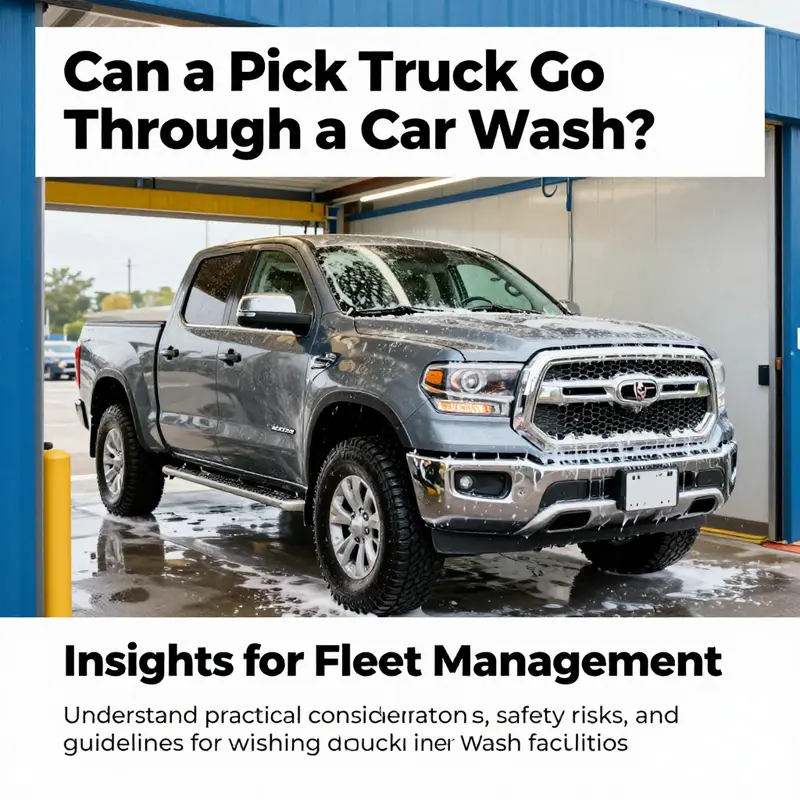
The logistics and freight industry often relies on pickup trucks for various operational tasks, making their maintenance crucial. A commonly asked question by fleet managers and truck operators is whether these larger vehicles can be effectively cleaned in automated car washes. Understanding the specific design and capability of these facilities is pivotal in avoiding unnecessary damage. This article will examine critical considerations for washing pickup trucks, explore safety and potential damage risks, and provide guidelines for effectively using car wash services, ensuring thorough upkeep while safeguarding your vehicles.
Big Rides, Clean Passages: Navigating Pickup Trucks Through Automatic Car Washes

The question of whether a pickup can ride through an automated car wash is more nuanced than it first appears. It sits at the intersection of vehicle design, facility capabilities, and the practical desire to keep a truck looking sharp after a day on dirt roads, muddy trails, or salt-coated highways. For many drivers, the appeal is straightforward: a quick, efficient wash that doesn’t require manual scrubbing or a trip to a self-serve bay. For others—fleet managers, weekend explorers, and parents guiding curious kids—the decision is about safety, maintenance, and long-term value. The answer, in short, is yes for many pickups, but not universally, and never without a quick check of the specific wash’s clearance, length, and cleaning approach. What follows is a careful walk through the factors that influence that choice, a practical sense of how modern facilities handle larger vehicles, and the best ways to protect one of the most valuable assets many drivers own: a pickup truck that remains capable, durable, and visually appealing after every wash.
A pickup is not a compact sedan, and the geometry that makes it so useful also introduces considerations that don’t always apply to smaller cars. Ground clearance, wheel track width, and undercarriage exposure all shape how a truck behaves in a car wash’s confined spaces. High ground clearance can be a blessing when navigating deep ruts or rough terrain, but it also means the undercarriage, frame rails, and exhaust components are in the line of spray and bristle reach in a way that demands attention. Car washes designed with larger vehicles in mind usually provide more generous vertical and horizontal clearances, but not every facility does. Some older or smaller sites may have ceilings that feel ample when a compact car is inside but become a bottleneck when a full-size pickup steps onto the wash ramp. In practical terms, that can translate into occasional scrapes on a top-mounted antenna, a sagging ceiling panel, or even a misalignment of the wash racks if a truck’s length and wheelbase push the space to its limit.
The path to a safe wash starts before the truck ever rolls forward. A quick but important check is ensuring the vehicle is prepared for the process. Close all doors and windows, and verify the door seals are intact and dry before entry. Water entering through jambs or seals can lead to interior fogging, electrical quirks, or corrosion around metal components that aren’t designed for continuous dampness. For trucks equipped with sensitive electronics near the doors or on the sides, operators often caution against aggressive jets aimed directly at side sensors, cameras, or keyless-entry components. In many cases, drivers who pre-inspect their truck and address any loose trims—bed covers, aftermarket bed liners, or chrome accents—find the wash experience smoother and safer. A clean vehicle surface with no loose pieces reduces the risk of snagging or chafing against moving wash components.
The actual wash type matters as much as the truck’s dimensions. In general, a touchless wash minimizes physical contact and therefore the risk of surface marring for vehicles with aftermarket accessories. Soft-touch systems offer gentle brushes that can be effective for removing stubborn grime but may accumulate residues or become aggressive against chrome trim or plastic bed liners if not properly calibrated. Brush-based systems designed for larger vehicles often include wider, heavier brushes capable of tackling the broader wheel wells and wider fender flares typical of pickups. If your truck has aggressive aftermarket styling—such as heavy-duty bed liners, chrome steps, or aftermarket wheels—opting for a touchless or gentler soft-touch option can reduce the chance of micro-scratches or damage. The reality is that many drivers experience a better overall outcome when they choose a wash designed to accommodate larger vehicles, with gentle handling and careful spray patterns that account for greater vehicle height and width.
Undercarriage protection is where pickup ownership intersects most directly with wash design. Road salt, mud, and wet gravel can cling to undercarriage components and accelerate corrosion or hide gritty residues that abrade protective coatings. Modern car washes understand this risk and often include an undercarriage rinse or a dedicated rinse cycle aimed at flushing out the vulnerable underside. If you routinely drive in off-road conditions or salt-laden environments, selecting a wash that explicitly includes undercarriage cleaning is a simple, practical precaution. It’s not just about cleanliness; it’s about prolonging the life of exhaust shields, frame components, suspension parts, and other undercarriage elements that, once damaged or corroded, can lead to more costly repairs.
Wheel wells and tires deserve attention too, especially for pickups with large tires and lifted suspensions. Wider tires and deeper wheel wells can trap more water, mud, and debris, which, if left to dry, can encourage the buildup of brake dust and even contribute to corrosion around brake components. A thorough wash should incorporate targeted cleaning in the wheel-well area, with sufficient spray reach and appropriate brushing or high-pressure accents to dislodge stuck material. For vehicles carrying aftermarket rims or oversized tires, a facility with adjustable spray patterns and well-calibrated brush pressure helps ensure the rims and seals stay intact, while the treads gain a more complete cleansing without scouring delicate finishes.
In addition to mechanical action, the water delivery and rinse strategy of a car wash can influence outcomes for pickups. Some operations employ high-pressure, targeted sprays to crack and lift grime from crevices that are more exposed on larger vehicles. Others use broader, softer jets to minimize water infiltration into door seams and electronics. The key is balance: enough cleansing power to cut through road grime and salt without forcing water into areas where it can do more harm than good. This is especially relevant for trucks with bed accessories, fender trim, or roof racks. Accessories can create channels that channel spray in unexpected ways, which might push water into gaps or seam lines where it can accumulate. If you rely on such hardware, a quick test wash with a non-damaging cycle to observe spray patterns can provide valuable reassurance about what to expect in a full wash.
Beyond the mechanical and chemical aspects of washing, there is a broader discipline at play: the proper sequence of steps that a wash facility should follow to minimize risk to a pickup. The safest car wash experience integrates careful pre-rinsing, efficient soap application, targeted brushing or nozzle contact where appropriate, and a thorough rinse that leaves minimal residue on paint and metal. For pickups with aftermarket finishes or protective coatings, it becomes critical to avoid excessive abrasion or chemical exposure that might dull the luster or degrade coatings over time. If your truck wears a protective wax or sealant, some facilities recommend avoiding aggressive polishing or high-velocity air drying in immediate sequences that could disrupt the coating’s bond. The goal is not simply a clean surface but a preserved, gleaming finish that reflects years of use without showing the scars of every wash.
An important practical consideration for drivers is to understand the clearances and geometry of the chosen wash site before entering. If the facility lists its maximum height in the fine print of a sign or online page, that information becomes a decision point. A truck that clears a 7-foot threshold with little sag or bumper intrusion may still brush a light fixture or a guard rail if the turning radius and ramp slope are unusual for that particular model. Therefore, the process should begin with a quick verification of the wash’s stated dimensions—height, length, and any restricted zones along the path. If a truck is equipped with a roof rack, cargo carrier, or light bar, those items become more than cosmetic accessories; they can change how the truck negotiates entrances and exits, especially if the wash bay has a narrow lens or a tight apex where the vehicle must align just right.
The door seals and electronics discussion dovetails with a simple but critical habit: never assume the wash will accommodate every feature of every pickup. Some manufacturers place cautions in owner manuals about automatic car washes for certain configurations—lowered suspensions, sensitive electronics near body seams, or specific trim that might interact poorly with wash components. While it is not necessary to treat every pickup as an exception, it is wise to review the vehicle’s manual for any model-specific warnings and to contact the wash facility if there is any doubt. A few minutes of due diligence can prevent a moment of panic when a station’s high-pressure jets begin their dance around the sides of the truck. And if the vehicle has a convertible or retractable components, or a tonneau cover that folds or slides, it’s prudent to confirm how those elements will respond to wash cycles. The simple act of securing, retracting, or safely tucking away these features is often enough to avoid a rushed, error-prone entry that could result in rub marks or mechanical strain.
Choosing the right wash type also means assessing the truck’s cosmetics. Pickups frequently wear bed liners, aftermarket chrome trims, or protective coatings that reward gentle handling. A brush-based system can deliver strong cleaning, but the risk is higher for those who have delicate finishes or older paint that has seen its share of chips. A touchless or soft-touch approach generally offers a safer profile for pickups carrying accessories or coatings that require careful handling. It is not only about curiosity and convenience but about sustaining the vehicle’s appeal for resale and the owner’s pride in maintenance. After the washing cycle, the post-wash ritual matters as well. Drying becomes a proactive step; water left in wheel wells or along the undercarriage can cause spots, stains, and, over time, corrosion. A thorough dry, focusing on the wheel wells, underbody, and any exposed metal surfaces, helps prevent that kind of wear. For owners who want to elevate protection further, a light application of wax or sealant after the car wash can seal in the cleanliness and offer an additional barrier against the elements. This attention to aftercare is particularly valuable for pickups driven in areas with harsh winter weather, where salt and moisture can be persistent adversaries.
For those who manage fleets—whether they oversee a handful of daily drivers or a larger cadre of trucks that keep goods moving—the decision to wash a pickup is rarely a solo one. It involves balancing cleanliness goals with maintenance budgets and downtime constraints. In fleet terms, this is where facility design and operational planning play a decisive role. A well-planned wash facility for trucks can schedule throughput to minimize downtime while ensuring every vehicle receives consistent, protective cleaning. It can establish standard operating procedures that take into account the truck’s typical usage, the seasons, and the common contaminants encountered in the field. A thoughtful approach also considers the educational role of the wash in fleet maintenance: drivers who know which cycles to select, how to prepare their trucks, and why certain features require special care contribute to longer life cycles for the vehicles and a more predictable maintenance budget overall. For operators and fleet managers, there is a clear link between wash practices and the bottom line, because clean, well-maintained equipment performs better and lasts longer, reducing the need for untimely repairs and downtime.
In this context, the broader industry guidance matters. Learning from established practices and documented guidelines helps a facility calibrate its offerings to better accommodate pickups. Readers who want to explore a structured perspective on wash facility operations, safety, and maintenance can consult facility management resources that address the unique needs of truck wash environments. These resources encourage facility owners and managers to design spaces and processes that reduce risk, improve throughput, and support consistent results across a diverse fleet of vehicles. That kind of systems thinking—balancing mechanical capability with practical human considerations—distills down to a core principle: a pickup can go through a car wash, but the journey should be planned, informed, and conservative enough to protect the truck and deliver a satisfactory result every time.
All of this points to a simple operational stance. If you own or operate a pickup and you want to wash it in an automated setting, you should first verify the wash’s dimensions and processes, choose a cycle that aligns with your truck’s configuration, and prepare the vehicle accordingly. When in doubt, select a facility that explicitly supports larger vehicles and features an undercarriage rinse option. If you manage a fleet, incorporate the wash into the broader maintenance schedule, ensuring drivers perform the brief pre-checks and post-wash care that preserve finish, rust resistance, and component longevity. And if you are curious about how wash facilities optimize their operations, you can explore resources dedicated to facility management for truck wash businesses, which can provide practical guidance on throughput, safety, and maintenance planning. facility management for truck wash businesses.
Ultimately, the most important takeaway is practical: there is no universal verdict that fits all pickups and all car washes. A well-designed facility that understands the geometry of larger vehicles can deliver a reliable, safe wash that cleans effectively without compromising components. The vehicle’s own design, its accessories, and the chosen wash cycle all converge to determine the outcome. A cautious driver, a facility that clearly communicates its height and length constraints, and a wash cycle chosen with the truck’s specifics in mind—these elements together make the experience predictable and positive. For drivers who approach the decision thoughtfully, the car wash becomes less a source of anxiety and more a routine tool that keeps the pickup looking good and performing well year after year. As with many aspects of vehicle care, knowledge and preparation dramatically improve results, turning a potential risk into a straightforward, repeatable maintenance task that respects the boundaries of the wash and the capabilities of the truck.
External resource for broader industry guidelines and safety considerations is available from trade organizations that publish standards and recommendations for car wash operations and vehicle compatibility. To explore these guidelines, you can consult industry bodies and their resources, such as the Car Wash Association of America, which maintains up-to-date considerations relevant to car wash design, safety, and best practices for different vehicle classes. https://www.cwaa.org
When the Wash Heads Toward the Tailgate: A Practical Guide for Washing a Pickup

The question of whether a pickup truck can go through a car wash sounds straightforward, but its answer depends on size, wash design, and the vehicle’s finish. The three main factors are height and length, with width sometimes playing a role in tight tunnels. Start by confirming the facility’s clearance and measuring the truck with mirrors folded, roof racks removed if possible, and any protrusions retracted. If the height with accessories pushes toward or past seven feet, the risk of contact rises.
Next, the wash method matters as much as the dimensions. Brush systems rely on rotating bristles; touchless setups use high pressure jets. Wraps complicate things because edges can lift or delaminate if brushes contact seams or if pressure is high. In general, wrapped pickups benefit from touchless cycles or careful hand washing to protect the film.
Preparation helps the odds. Check posted specifications, and call ahead if you are unsure. Retract mirrors, remove lightweight trim, and secure or remove roof-mounted accessories. A quick pre wash to remove loose dirt reduces abrasion during the cycle.
Seasonal considerations also apply. Winter salt can linger under edges, so post wash rinsing matters. Summer sun can dry soap quickly; try to wash in shaded times or use a final rinse to keep film edges pliable.
A practical approach many owners use is a mixed routine: a safe touchless or gentle wash for maintenance, plus hand washing for wrap care. If you decide to go through a wash, choose a facility that can tailor cycle pressure and detergents for wraps, and be conservative with brushes and spray near edges.
In short, whether a pickup can pass through a car wash safely depends on the vehicle setup and the wash itself. If the truck is stock in height and the facility offers generous clearance with a touchless option, it may pass. If wrap edges or tall roof racks push the profile, a hand wash is the wiser path. The goal is to protect the wrap and the underlying paint while keeping maintenance convenient. For wrap care resources, consider consulting manufacturers or wrap care guides before committing to a given wash.
A final reminder: always verify the facility’s policy on large vehicles and wraps, and err on the side of caution when in doubt.
Clearance, Compliance, and Cleanliness: Navigating Pickup Truck Car Wash Guidelines for Safe, Effective Washing
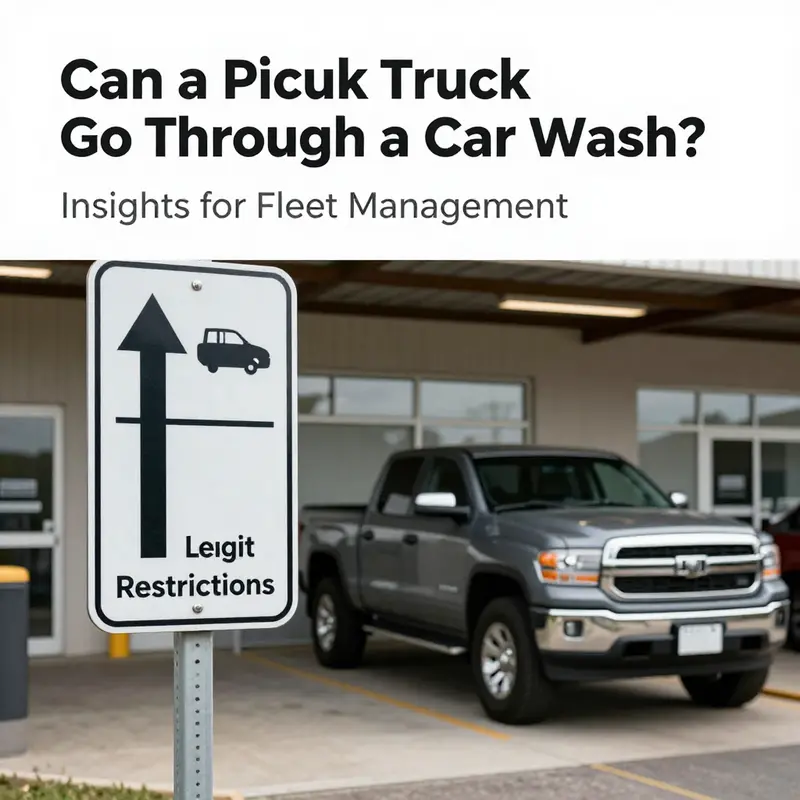
The question, can a pickup truck go through a car wash, is one of those everyday curiosities that sits at the edge of practical travel knowledge and a broader conversation about vehicle size, facility design, and maintenance priorities. It is not merely a matter of yes or no. It is a layered inquiry that asks us to consider how the vehicle’s dimensions interact with the architecture of a car wash, how different wash types treat the unique geometry of a pickup, and what our own expectations should be about what a wash can and cannot deliver. In the simplest terms, most automated car washes are built to accommodate a wide range of vehicles, from compact cars to average-size SUVs. Yet pickup trucks—especially extended cabs, crew cabs, or models with higher-than-average roofs—can push the envelope. The truth lies in specifics: the bay clearance, the length of the wash tunnel, the height of the ceiling, the width of the entry, and the way a particular facility constrains or guides the path through the washing process. To navigate this reality responsibly, a driver must approach the question with a practical plan grounded in measurements, communication, and a realistic understanding of what automated systems can achieve on a typical day.
The most critical factor in deciding whether a pickup can pass through a given car wash is bay clearance. Clearance is not a single number but a matrix of height, width, and sometimes the curvature of the bay entrance, the turning radius of the wash, and even the length of the tunnel itself. A tall cab, a bed-mounted toolbox, a ladder rack, or a roof rack can add inches to overall height that push a truck from “fit” to “too tight.” Similarly, the length of a pickup, especially when paired with a long bed or extended cabin, can make a difference in whether the vehicle can align properly with the wash’s guiding rails and how easily it can exit a tunnel without scraping mirrors or doors. Because bay specifications vary, the safest approach is to verify the facility’s maximum vehicle dimensions in advance. When in doubt, a quick phone call or a careful look at the wash’s posted measurements can save a lot of trouble. A surprising number of facilities publish their height, width, and length limits online, sometimes with diagrams that show where vertical restrictions appear and where turning spaces get tight. This proactive step reduces the risk of a miscalculation that can lead to scrapes, damage to wash equipment, or a pause in service with a potential for misunderstanding and delay.
Beyond the binary question of fit, the type of wash matters. Automatic, touchless or brushless washes are generally the safer option for pickup trucks seeking an exterior cleanse without the risk of brush-induced contact with mirrors, fenders, or protruding bed equipment. These systems rely on high-pressure sprays and powerful detergents rather than the rotating brushes that can, in the wrong alignment, strike a cab roofline, antenna, or window seals. For a pickup with a taller profile, a brushless approach can reduce the chance of incidental contact while still delivering a thorough rinse and soap application. It is also worth noting that some facilities market a distinct “truck wash” service that uses longer arms and specially calibrated nozzles designed to reach around the higher contours and extended bed areas that are more common on pickup configurations. If a facility has this option, it is usually the best match for larger vehicles because it is designed with clearances and reach in mind. The result is a more efficient pass through the wash, with less risk of contact between moving components and the vehicle’s outer surfaces.
A practical caveat accompanies the discussion of exterior washing: the bed and cargo area. Standard automated washes focus on exterior cleanliness, and they are not typically tasked with cleaning the interior of the truck bed or the cargo bay. Debris, mud, and residue that accumulate in the bed can persist through a wash and may even interfere with the effectiveness of the equipment if the contents are heavy or loose. For these reasons, many owners and fleets treat the bed as a manual clean zone or a separate service, rather than something that can be reliably addressed by an automated pass. If you routinely haul materials or mud into the bed, plan for a dedicated bed cleaning at home or with a full-service facility after the exterior wash. This approach preserves the life of the wash equipment and ensures the bed receives attention suitable to its use. Another interior consideration is peace of mind. While the exterior is being refreshed in the wash tunnel, the cab interior remains a separate service line, focused on vacuuming, stain removal, and sanitizing—services that are often offered as add-ons by shops that service fleets or owner-operators. A larger pickup can easily merit this kind of bundled care when a full exterior wash is followed by an interior detailing, ensuring that the vehicle is not only clean on the outside but also free of residues and odors inside.
The layout of the vehicle—especially the bed, hitch, and any trailers or accessories attached—can introduce additional restrictions. A pickup with a gooseneck hitch or a standard hitch may not clear a wash tunnel without careful alignment. Even when a vehicle appears to fit the tunnel, the hitch could snag on a wash arm or interfere with the movement of spray nozzles. If a hitch is present, the driver should verify with the facility whether it will remain in place during the wash or whether it must be removed prior to entry. A few other common realities arise with lifted or modified trucks. Trucks with lifted suspensions, oversized off-road tires, or wide tires might visually seem to fit a bay, but the installed suspension and wheel geometry can cause unexpected interference with the wash’s side rails or with the way a vehicle travels through a narrow space. In such cases, facilities frequently recommend a specialized wash service or suggest that the vehicle not be washed in the automated tunnel at all, to prevent damage to the vehicle or to the wash equipment. These cautions are not about fear or restriction but about practical risk management that protects both the customer’s asset and the service provider’s investment.
Given the variability in equipment design, it is prudent to assess not only fit but also the wash’s capability to handle larger vehicles in a way that preserves the vehicle’s finish. Touchless washes deliver a clean without brush contact, but they can be less forgiving in the removal of heavy soils like dried mud, clay, or tar from deeper crevices—areas that are more likely to appear on a pickup used for work or outdoor activities. Brush-based systems, though more aggressive in surface cleansing, carry a risk of micro-scratches or scuffing if the truck’s paint or chrome finishes are delicate, or if the wash rollers are not perfectly aligned with the truck’s body lines. The safest, most practical choice for many pickups is a touchless or brushless wash paired with a good pre-wash and a careful post-wash inspection. In this scenario, you reduce the likelihood of mechanical contact while still achieving a comprehensive exterior cleanse. Some facilities will custom-tailor a wash sequence for larger vehicles, using a longer rinse cycle and higher-clearance nozzles designed to deliver efficient cleaning without forcing the vehicle to drift into tight corners or contact points. If such a service exists, it is worth pursuing, particularly for owners who depend on their trucks for daily work and must minimize downtime and risk.
An important but sometimes overlooked aspect of washing a pickup lies in preparation. Before approaching the wash, the owner should remove loose items from the bed, including tools, tarps, cords, loose cargo, and any materials that could become projectiles inside the wash or cause damage to the equipment. Unsecured items can tumble during the wash cycle, producing hazards for the wash operators and creating additional work to retrieve items afterward. It is also wise to remove any tailgate covers, ladders, or exterior racks that could catch a passing spray or collide with a wash arm. Checking the mirrors and antennae is a simple but essential step; retracting or protecting them reduces the risk of accidental contact with moving components. It is not just about the vehicle’s safety but about the washing system’s reliability. The same applies to inside-the-bed items: if you insist on disposing of debris after the vehicle exits the wash, you might find yourself cleaning out an even dirtier bed after a rushed pass. Better practice is to prepare with a clean bed and to perform any interior bed cleaning in a separate, dedicated session that allows you to maximize the wash’s effectiveness on the exterior without compromising cargo security during the process.
The decision to use an automated car wash for a pickup also hinges on clear communication with the facility and an awareness of how a large vehicle interacts with a “one size fits all” approach. The Car Wash Industry Association highlights that standard practices emphasize visitor safety, equipment protection, and uniformity of service—principles that are particularly salient when dealing with larger vehicles. The most reliable route to making the right choice is to contact the wash ahead of time, provide the precise make, model, year, bed configuration, and any modifications, and ask for confirmation that the truck will be accommodated in the bay you intend to use. In many cases, a facility can direct you to a specific bay or a time slot that optimizes space for bigger vehicles, or they can recommend a different service tier that is better suited to your truck. There is a reason some fleets develop a standard operating procedure for car wash visits: consistency reduces risk, shortens downtime, and keeps maintenance costs predictable. For individuals with occasional needs, the same principle applies but at a smaller scale. A short call or quick email can avert a potential problem that could derail a Saturday wash and leave you with stray mud and a tired truck.
From a broader perspective, the logistics of washing a pickup in an automated facility intersect with everyday fleet management and small-business operations. Fleet owners, operators, and even families who rely on their pickups for weekend projects may weigh the convenience of a car wash against the potential for damage, the risk of branches or trailer attachments, and the time spent waiting in line for a bay that may be crowded with smaller cars. In practice, many choose to treat car wash time as a booked service window much like a maintenance appointment. They check dimensions, they pick a wash type aligned with the truck’s use, and they schedule a two-part process when needed: one for exterior cleansing and another for interior detailing. The difference between a purely cosmetic wash and a more thorough detailing is that the latter often includes vacuuming, upholstery cleaning, and odor removal, which are typically performed in a separate bay or by a dedicated team within the same facility. This approach underscores a larger truth about pickup care: the optimal outcome arises from aligning the vehicle’s characteristics with the facility’s capabilities and from a clear plan about what portion of the job is best accomplished by the automated system and what portion requires manual attention.
To ground this discussion in a practical, real-world mindset, consider how you might implement these guidelines in a typical family or workday. If you drive a pickup with a tall cab and a standard bed, you should start by measuring the vehicle’s overall height and length, including any roof racks or antennas. Compare these measurements to the wash’s posted maxima. If your truck is near the limits, you should consider stopping by a facility during off-peak hours to estimate clearance with a staff member who can visually confirm the fit. If you decide to proceed, choose a wash type that minimizes contact with the sensitive edges of the truck—preferably touchless—and proceed with caution. Observe the way the truck moves through the tunnel and take note of any unusual sounds or signals from the wash equipment. If something feels off, stop the process and seek guidance. It is always better to pause than to push through a misalignment that could result in a dent, scrape, or a longer downtime for the vehicle than a simple re-wash would have required.
In addition to the practical steps surrounding fit and wash type, there is a social and procedural layer to consider. The facility’s staff can offer guidance on how to align your vehicle with the wash’s entry and exit paths, including whether you should center the truck in the bay or maintain a fixed distance from the walls. Many operators appreciate the courtesy of a little extra space around the vehicle, especially if the pickup carries a large shell or canopy that alters its silhouette. And for the operator, clear communication about your truck’s configuration helps avoid missteps that can lead to delays or damage. It can be tempting to assume that a pickup is a straightforward job for a car wash, but the reality in many shops is that the ride height, the presence of a bed step, or the aftermarket parts can create a cascade of minor obstacles that accumulate into a service disruption if not anticipated.
The practical takeaway for readers who own or operate pickups is simple but potent: do not treat a car wash as an automatic solution to your cleaning needs; treat it as a service with limitations that must be understood and respected. Before driving into a bay, confirm the maximum dimensions, select the appropriate wash type, prepare the bed, retract or remove sensitive attachments, and be prepared to adjust or cancel if the vehicle does not fit the bay safely. If the vehicle does fit but is close to the threshold, proceed with extra caution, keep the speed slow, and monitor for any signs of friction or contact. In many environments, the difference between a successful wash and a problematic episode is a few careful questions asked in advance—questions about height, width, and length; about bed contents; about hitch attachments; and about whether the facility can accommodate a larger vehicle in its current configuration. And if there is ever doubt, the safest choice is a dedicated truck wash service that can guarantee space and equipment calibrated to the needs of bigger vehicles. These services are designed to handle the unique geometry and the heavier build of pickups, and they often offer a combination of exterior washing with interior detailing, providing a comprehensive solution for owners who rely on their trucks for work or recreation.
As you incorporate these insights into your own routines, a broader pattern emerges about how car wash facilities are evolving to serve a wider range of vehicle sizes while maintaining the care and safety of both the vehicles and the equipment. Some facilities recognize the value of offering targeted options—truck-specific bays, longer wash arms, and higher-capacity pumps—precisely because they understand that pickups are a substantial portion of the market. Others focus on reliability and speed, streamlining the process so that a larger vehicle can pass through a standard bay without compromising outcomes. In either case, the underlying principle remains constant: know your dimensions, choose the right wash type, prepare properly, and communicate clearly. When you blend these practices, you create not just a clean truck but a smoother, safer experience for everyone involved. For readers who want a deeper dive into the operational considerations that govern how car wash facilities manage larger vehicles, a practical resource on facility management for truck wash businesses provides a helpful context and actionable recommendations that align with the core ideas discussed here. facility management for truck wash businesses.
Ultimately, the central thread of these guidelines is about balancing practicality and protection. A pickup can go through many car washes, but it is not a universal guarantee. The outcome hinges on precise measurements, appropriate wash types, proactive preparation, and a willingness to prioritize safety over speed. The more you tailor your approach to the specific vehicle and the specific facility, the more consistently you will achieve a clean result without compromising the truck’s integrity or the wash’s equipment. The guidance offered here is not a rigid rulebook but a mindset: approaching each wash with curiosity, respect for the constraints of the environment, and a readiness to adjust your plan as conditions change. In the end, this mindset helps ensure that the simple act of washing a pickup—the routine maintenance task many drivers perform on weekends or between jobs—remains a straightforward, reliable, and safe part of vehicle care.
External resource for broader context on standards and safe practices is provided by industry associations, which offer guidelines that inform both operators and vehicle owners. For authoritative industry guidance on vehicle safety standards in car washes, see the Car Wash Industry Association’s Vehicle Safety Guidelines: https://www.carwash.org/vehicle-safety-guidelines.
Final thoughts
In conclusion, while many automated car washes can cater to pickup trucks, it is essential to understand the vehicle’s dimensions and the facility’s specifications. Safety risks must be acknowledged, including damage from tight spaces or incompatible equipment. By following established guidelines, fleet managers can maintain their vehicles efficiently while ensuring the investment in both the truck and the car wash service pays off. Proper maintenance through effective cleaning practices will extend the longevity and appearance of your fleet.