
Proper maintenance of vehicle exteriors is crucial for fleet managers and trucking company owners. With various cleaning products available, understanding the impact of these products on automotive finishes is vital. This article examines the suitability of Murphy’s Oil Soap for washing trucks. We will explore the potential damage to truck surfaces, the benefits of using optimal car wash products, and best practices for maintaining a truck’s appearance. Each chapter will provide insights to help you make informed decisions for your fleet.
The Oil-Trap Dilemma: Why an Oil-Based Wood Soap Shouldn’t Be Added to a Truck Wash
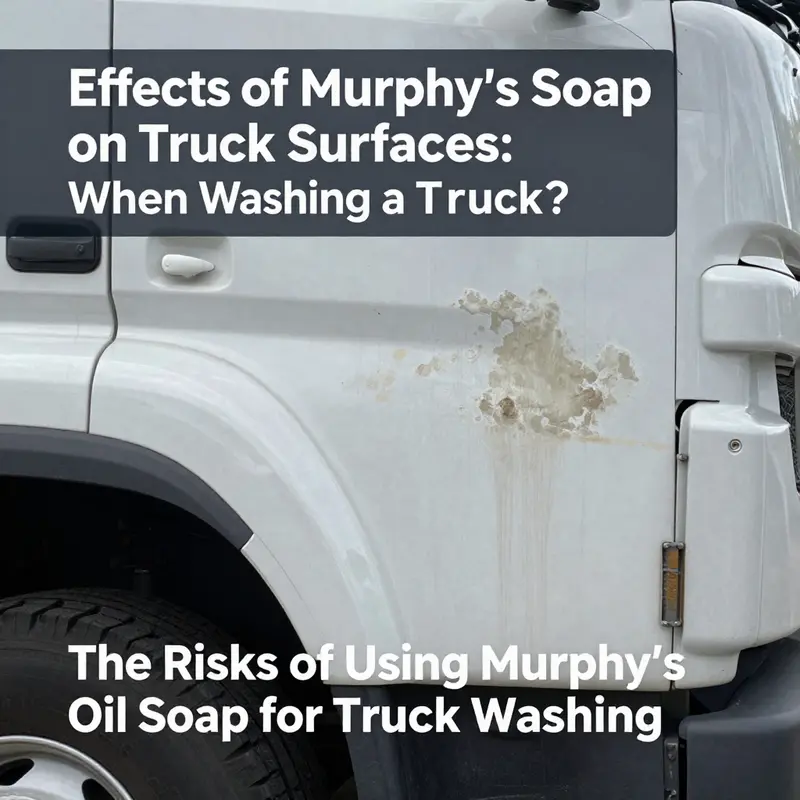
When a fleet or a DIY truck owner contemplates cleaning a vehicle, the instinct to reach for a familiar cleaner can feel logical. A product that’s well-regarded for wood, tile, or certain metal finishes promises straightforward grime relief and a clean scent to boot. The temptation grows when the dirt looks stubborn but not catastrophic. Yet the leap from wood-friendly cleaning to washing a painted truck hull is a transition that deserves careful thought. The exterior of a modern truck is not simply a painted panel. It is a layered system designed to shed water, resist road grime, and hold a wax, sealant, or ceramic coating in place. In that context, assuming a wood-focused cleaner will behave like an automotive soap is a misstep. The finish you see—gloss, depth, and clarity—depends on choices made at the moment of cleaning. A gentle, car-specific approach is essential to protect not just the color, but the very clarity of the reflections that make a truck look sharp on the road or at the job site.
The core issue with using an oil-based, wood-cleaning product on a painted surface is its formulation. These cleaners are designed to lift grime from wood by employing surfactants and oils that break down and suspend soils. The oils, in particular, create a residual film that can linger on the surface long after you rinse. On wood, that film can be beneficial—condition and brighten the natural grain. On a vehicle, however, it often becomes a liability. The film can mask the true color of the paint, dull reflections, and create a surface that isn’t as receptive to subsequent waxes or sealants. In practical terms, you may discover that the wash looks fine at first, but after a few days, dust clings more readily to the film, the surface lacks the crisp sharpness you expect, and you notice higher maintenance costs to restore brightness.
What makes this situation more complex is the way the film interacts with automotive finishes over time. A paint job isn’t just pigment; it’s a sequence of layers, each designed to work in harmony with cleaners that respect its chemistry. When an oil-containing product is introduced, it can leave behind a slick layer that reduces surface tension. Dirt then adheres differently, not in a simple clean swipe but in a manner that requires more elbow grease or stronger cleaners to achieve the same results. The reality is that the oil film can become a magnet for new grime, turning routine washes into a cycle of dulling and re-cleaning. The risk isn’t just aesthetic; it can compromise the finish’s ability to bond with wax or sealant in the future, diminishing protection and gloss retention.
Beyond the surface appearance, there is a practical concern for the conditions in which trucks operate. Vehicles spend time exposed to sunlight, temperature cycles, road salts, and various contaminants. A product designed for wood that deposits oils on a painted surface may also interact in subtle ways with rubber seals, trim components, and plastics around doors and windows. Over time, repeated exposure can lead to accelerated wear or softening of certain seals, especially in high-heat environments or during repeated cleaning in which residue is not fully rinsed away. Even if these effects are not immediately visible, they accumulate. The cumulative harm isn’t always obvious after a single wash, but it compounds across weeks and months of routine maintenance. In fleet settings, where consistency and predictability matter, such unintended consequences become a reliability concern for the overall upkeep program.
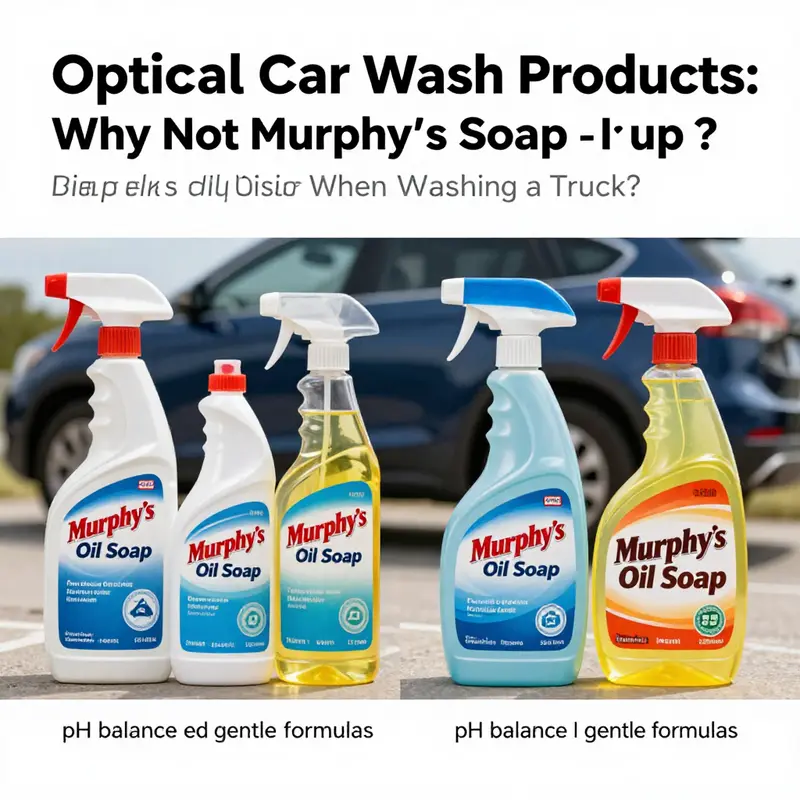
Given these potential downsides, the safer, more predictable path is to rely on products specifically formulated for automotive finishes. Automotive soaps are designed with pH-balanced chemistry that clean dirt and road grime while remaining gentle on paint, clear coats, glass, chrome, and sensitive trim. The term “pH-balanced” is more than a buzzword; it reflects a formulation tuned to lift soil without stripping protective layers or leaving behind harsh residues. When you wash with a purpose-built car wash soap, the detergents work in harmony with waxes, sealants, and coatings, helping to maintain gloss and continuity across panels. The goal is to remove dirt and contaminants without inviting new concerns about durability or appearance.
This approach aligns with a broader understanding of vehicle surface care championed by automotive-care professionals and researchers alike. The essential idea is to treat the vehicle’s finish as a fragile system that benefits from cleaners designed for its unique needs. Regular cleanses with the right soap prevent micro-scratches and keep the protection layer intact. In practical terms, that means choosing a soap that is specifically formulated to be gentle on paint and coatings, yet effective at lifting dirt. It also means rinsing thoroughly, avoiding cleaners that linger, and following up with the protective step that suits the finish you’ve chosen—be that wax, polymer sealant, or ceramic coating.
For those who want to see this guidance reflected in fleet operations, it helps to consider the discipline of surface maintenance across the fleet. Professional fleets often adopt standardized cleaning protocols that emphasize compatible products and routine. The emphasis is on choosing cleaners that respect the different materials on a truck—paint, chrome, glass, rubber seals, and plastic trim—without introducing elements that could cause staining, dullness, or premature wear. In practice, this translates to using pH-balanced car wash soaps, two-bucket washing methods with clean water and a dedicated wash mitt, and a careful rinse that removes all residues before drying with a soft microfiber towel. The overarching aim is consistency: a predictable outcome in gloss and protection, regardless of which driver or technician handles the wash.
A central question that naturally arises is whether there are exceptions to this guidance. There may be occasions when a very small amount of a non-automotive cleaner is used for a localized cleanup, but even then, the risk needs to be weighed against the benefit. If a spot cleaner is contemplated, it should be tested on an inconspicuous area and rinsed away completely, with attention paid to any adverse changes in slickness, color, or coating compatibility. The short answer remains: if the goal is to preserve long-term finish, the safer path is to avoid non-automotive products in the wash process altogether.
In thinking about how to effectively communicate this to a diverse audience—drivers, shop technicians, and fleet managers—it’s useful to anchor the discussion in actionable practices. A strong maintenance routine begins with the right pre-cleaning steps: a thorough pre-rinse to loosen soil, followed by a targeted wash with a proper automotive soap using a clean wash mitt. The two-bucket method—one with soap, one with clean rinse water—helps prevent reintroducing dirt onto the surface. Rinsing frequently and thoroughly ensures that oils or residues do not persist between passes, and drying with a clean microfiber cloth minimizes the risk of water spots and micro-scratches caused by trapped minerals.
The practical etiquette of washing also matters. Avoid washing in direct sunlight or on intensely hot panels, which can cause soap to dry too quickly and leave film or streaks. Keep a mindset of minimal contact pressure; even soft mitts can mar paint if dirt is ground into the surface. The aim is to lift and carry away dirt, not push it around. When heavy grime, grease, or tar is present, consider using a purpose-built tar or grease remover designed for automotive use. These products are crafted to target stubborn soils without compromising the finish, and they’re typically formulated to be compatible with paints and coatings when used as directed.
For readers concerned about the broader implications of product choices in a fleet setting, there is wisdom in looking to established best practices rather than experimenting with off-label cleaners. In professional fleets, the emphasis is on reliability, repeatability, and surface compatibility. The regimen is designed to minimize risk and maximize the appearance and protection of the vehicle. If you want to explore how fleet managers translate these principles into daily routines and long-term strategies, consider exploring proven strategies for cleaning grease and tar off your trucks fast. This internal reference points to practical insights drawn from real-world fleet maintenance and hands-on experience on the shop floor.
In addition to the immediate practicalities, there is a broader narrative about how cleaning choices reflect a fleet’s care culture. Fleet owners often measure success not just by the cleanliness of a truck, but by the longevity of its finish and the efficiency of the maintenance process. A consistent, surface-friendly approach reduces the need for corrective detailing and protects the investment in coatings and trims. It also supports driver pride and professional image, which in turn affects fleet reliability and morale. When drivers know that the cleaning standards are predictable and proven to protect the finish, they’re more likely to adhere to the established routine, report issues early, and contribute to a smoother operation overall.
If there is a final takeaway from this discussion, it’s this: the instinct to cut corners with a familiar household cleaner may feel expedient, but it can undermine the very appearance and protection you rely on. The finish on a truck is too valuable to gamble with untested cleaners. A carefully chosen car wash soap—one that respects paint and coatings—offers a reliable route to clean, bright results that last. The choice isn’t merely about cleaning dirt; it’s about safeguarding the finish and extending the life of the protective layers that keep a truck looking sharp mile after mile.
For readers seeking a practical link to fleet-best practices, consider the broader context of how fleets standardize their cleaning procedures. A succinct, fleet-ready approach blends surface-safe products with a disciplined washing protocol. It balances ease of use with the need for consistent results across vehicles and drivers. In the end, the equation is straightforward: select a product engineered for automotive finishes, follow a clean, repeatable washing process, and maintain protective coatings with timely waxing or sealing as recommended for the specific coating in use. This approach delivers not only a cleaner truck but a more durable finish that stands up to the demands of daily operation.
External reference for further guidance on product choices and best practices in car washing can be found at the Automotive Care Association’s guidance on car wash soap selection: https://www.autocare.org/2023/10/09/car-wash-soap-what-to-use-and-what-not-to-use/ .
For practical, fleet-focused insights tied to everyday operations, you may also explore related discussions on surface care and maintenance in the fleet context, such as best-practices discussions that emphasize efficiency, safety, and consistency across truck washing routines. And for a deeper dive into how teams translate these principles into daily workflows, see the related case studies and how-to guides that discuss facility management, employee engagement, and training commitments in truck-wash operations.
In short, while a common wood-cleaning product might seem like a tempting shortcut, the disciplined choice is to reserve such cleaners for the surfaces they’re designed to treat and to protect automotive finishes with soaps and routines tailored to vehicles. The payoff is a brighter finish, a longer-lasting gloss, and a maintenance program that serves the fleet well rather than inviting hidden costs and repeated repairs.
null
null
Why Wood Cleanser Isn’t a Fit for Your Truck Wash: Protecting Paint, Finish, and Shine
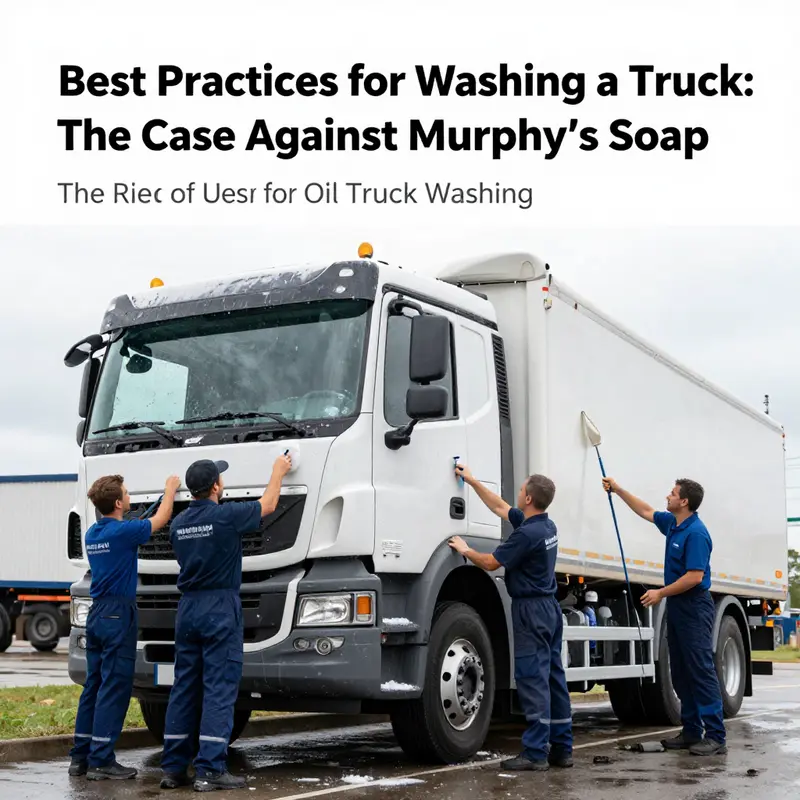
Every truck owner eventually faces the same practical question: can I reach for a wood-cleaning soap I already have on hand when washing the vehicle? The impulse is understandable. If a product is good at lifting dirt off wood and delicate materials, might it not do the same for a metal body with a glossy finish? The short answer is, not really. The broader truth is that the chemistry crafted for wood care is rarely compatible with automotive paint, clear coats, or the protection layers that keep a truck looking sharp between detail sessions. Wood cleaners often rely on formulations that are more aggressive than the paint job on a vehicle can tolerate. They are designed to soften, lift, and lift away waxy residues from wooden surfaces, which means they use surfactants and solvent blends that can strip protective wax, dull gloss, or even etch the finish over time if used repeatedly. This is not a one-off risk; repeated exposure compounds the issue, especially for vehicles that spend their days in the sun, rain, and the kinds of environments that make a good wash essential in the first place. The goal of washing a truck is not merely to remove dirt; it is to do so in a way that preserves the integrity of the paint and the longevity of any wax or sealant applied to protect it. That distinction matters because the same soap that performs beautifully on wood may be too harsh for automotive finishes. The result can be a wash that cleans well in the moment but leaves the finish dulled, with micro-marks that catch the light poorly, or with wax layers gradually eroded and unevenly restored over time. The contrast between wood care and car care is not just about fragrance or scent profiles; it is about underlying chemical behavior, pH balance, and how the product interacts with the wax, sealant, or topcoat that guards a vehicle’s exterior. When a cleaning product is not designed with automotive finishes in mind, the risk is not immediate disaster in every wash. Rather, it is slow, cumulative damage that can undermine shine, depth of color, and the vehicle’s resale appeal. The idea that you can “just use whatever soap is handy” presumes automotive finishes are either invulnerable to mild cleaners or capable of self-healing, which is rarely the case. In practice, the safe, reliable approach is to choose products calibrated for automotive surfaces. These are crafted to lift dirt without removing or degrading protective layers. They are balanced to be gentle on clear coats and paints while still being robust enough to deal with road grime, bird droppings, tree sap, and fallout. The distinction becomes particularly important when you consider salt exposure in winter, acid rain, or the kind of grime that forms a stubborn film on the surface. Regularly washing with a product designed for vehicles helps preserve the layer of protection you work hard to maintain, from wax to sealant. The decision tree then becomes practical and straightforward. If a product is advertised for wood or delicate materials, treat it as a tool for those surfaces and background tasks, not for an automotive exterior. In this context, the best practice is to lean into dedicated automotive wash soaps that are pH-balanced and formulated to protect rather than strip. The chemistry behind these soaps targets the dirt itself, not the protective film that keeps a truck’s finish looking polished. For most drivers, a pH-balanced soap in the automotive category offers the simplest, most reliable approach. Why pH balance matters is more than a marketing buzzword. A neutral or near-neutral pH reduces the risk of corrosive effects on paint and clear coats. It also minimizes the likelihood of dulling wax or sealant layers during the wash, allowing you to maintain the surface’s reflective quality. The practical implications are clear. With the right product, your wash becomes a protective routine rather than a potential risk. You will often notice dirt lifting away in fewer passes, a cleaner surface that doesn’t require aggressive scrubbing, and a finish that still shines after drying. Yet the product choice is only part of the broader process. The discipline of washing a truck effectively hinges on technique. The two-bucket method, for example, is a simple but profoundly effective habit. One bucket holds clean, soapy water, and the other holds rinse water for squeezing out the wash mitt. This discipline prevents dirty water from being reapplied to the vehicle, minimizing the chance of introducing micro-scratches or swirls. A clean mitt is your ally; a dirty mitt is a risk. The wash mitt itself deserves attention. Microfiber mitts or mitts made from soft materials designed for automotive finishes protect the surface as you lift dirt from the top down, gradually moving to the lower panels. The order matters: start at the roof and work down to the doors, the bumper, and finally the lower panels where grime is typically heaviest. This approach minimizes the chance of rubbing grittier debris across already clean areas. Water temperature, too, plays a role, though not in the same dramatic way as it does with hard cleaners. Lukewarm water is adequate for breaking down road grime without shocking the finish or reducing the effectiveness of the soap. Rinsing regularly during the wash helps keep grit from building up on the mitt and turning into micro-scratches. When you’re finished, drying becomes a crucial step. A soft microfiber towel or a dedicated drying chamois helps to prevent water spots, which can be unsightly and, if left to bake in sun, contribute to mineral deposits. The act of drying should be methodical and complete, bringing moisture away from edges and seams where water can collect. The routine doesn’t end with the towel. A quick once-over with a dedicated spray wax or a sealant curing product can further protect the finish and boost the glow, especially after a thorough wash. Reapplication frequency depends on exposure. In winter, when road salt is prevalent, or in dusty seasons, more frequent protection helps maintain gloss and reduce the likelihood of micro-abrasion over time. The actionable guidance here is simple: choose a proper automotive wash soap, use the two-bucket method, wash from top to bottom with a soft mitt, and dry with care. If you want to take it a step further, consider reapplying a wax or sealant after a wash to refresh the protective layer. This sequence is more than a set of steps; it’s a philosophy of maintenance that preserves the vehicle’s appearance and protects investment. In the broader literature and expert guidance, these patterns recur. Car enthusiasts and professional reviewers alike emphasize that the finish of a truck is a living surface—subject to the elements, to detergents, and to the manner in which you care for it. For readers seeking a deeper dive into best practices that align with professional standards, a highly regarded resource on truck washing outlines a comprehensive framework that reinforces these principles and expands on technique in meaningful ways. For a concise, practical synthesis of effective truck washing that aligns with automotive care norms, consider the guidance offered in this authoritative resource. proven strategies for cleaning grease and tar off your trucks fast. It highlights approaches for tougher soil while staying aligned with finish protection, a reminder that some grime requires deliberate care rather than routine scrubbing. The underlying takeaway is consistent: the right tool for the job matters. When the job is preserving a gleaming, protected finish on a truck, you want a soap designed for automotive finishes, not a product crafted for wood. The difference is not a matter of preference but a matter of chemistry and long-term outcomes. It is also a reminder that the grooming of a vehicle is interconnected with maintenance habits that extend beyond weekly washes. Regular sessions that respect the surface, pair well with wax or sealant maintenance, and pay attention to environmental factors yield the best results. In contexts where conditions are especially challenging—salt spray near coastlines, winter road treatments, or heavy dust in dry seasons—the strategy becomes even more critical. It is not simply about looking good in the moment; it is about maintaining the integrity of coatings that protect color depth and reflectivity. In short, if the goal is a truck that looks sharp for years, the path is clear. Use automotive-grade, pH-balanced wash soaps. Embrace the two-bucket method. Dry thoroughly with a microfiber approach. Reapply wax or sealant as needed and maintain a wash cadence that matches the environment. Resist the temptation to treat the exterior with a product designed for wood or delicate wood-based surfaces, even if it smells pleasant or feels gentle on other materials. The consequences of such a choice are rarely dramatic in the moment but can accumulate into dullness, uneven sheen, or a loss of protective brilliance that is difficult to recapture with a single wax touch-up. The road to a showroom shine for a truck lies in honoring the surface as a protected, layered system, not as a canvas for whatever soap happens to be on hand. For those who want a broader perspective on how to integrate washing into overall fleet aesthetics and maintenance practices, exploring additional resources on facility management and maintenance strategies for truck wash operations can be illuminating. Guidance in this area helps ensure that individual washes fit into a larger system of fleet care, training for staff, and consistent standards across locations. You may find it useful to consult related material that discusses the connection between cleaning, safeguarding, and the practical realities of keeping a fleet ready for service. External resources, including professional road tests and industry perspectives, reinforce the principle that thoughtful care, not ad-hoc product choices, yields the best long-term results. For readers seeking further evidence and nuance, the following external resource provides a complementary perspective on how professionals approach truck washing with a focus on efficiency, safety, and finish preservation: https://www.caranddriver.com/features/a45168792/best-ways-to-wash-a-truck/. By integrating these insights with the practical steps outlined above, you can craft a washing routine that respects the finish, supports longevity, and keeps a truck looking its best through the seasons.
Final thoughts
Using the right cleaning products is essential for protecting the investment in your fleet. Murphy’s Oil Soap, while excellent for wood surfaces, poses risks to automotive finishes that can lead to costly repairs. By selecting pH-balanced car wash products and adhering to best washing practices, fleet managers and trucking company owners can ensure their trucks maintain a pristine appearance while extending their lifespan. The considerations presented in this article provide the necessary knowledge to make informed cleaning decisions.