
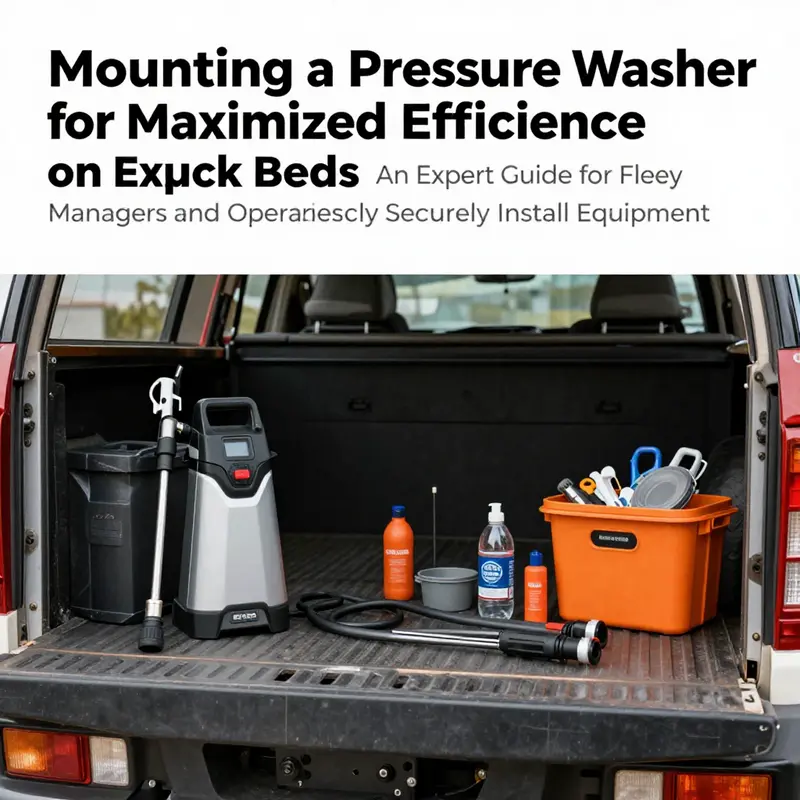
Mounting a pressure washer to a truck bed isn’t merely about convenience; it speaks to the efficiency and operational success of logistics and fleet management. Proper installation ensures not only safety during transport but also functionality when the pressure washer is required on-site. This guide is structured to provide comprehensive insights tailored specifically for fleet managers and construction supervisors. We will explore the best practices surrounding mounting systems, securing the equipment, protecting essential components, ensuring adequate ventilation, and the importance of thorough testing post-installation.
Anchoring on the Move: Mastering the Right Mounting System for a Truck-Bed Pressure Washer
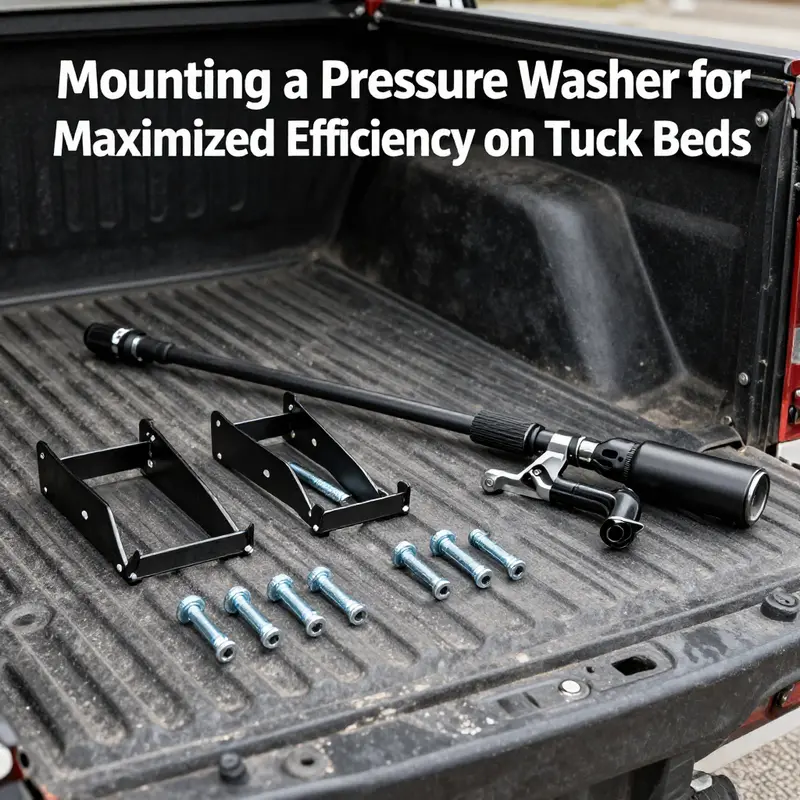
Choosing the right mounting system for a pressure washer on a truck bed begins long before the first bolt is tightened. It starts with a clear sense of how the truck will be used, the weight and profile of the washer, and how vibrations, road conditions, and weather will interact with a mounted setup. The goal is not merely to secure a heavy object but to create a stable, accessible, and durable platform that protects the unit, protects anyone nearby, and keeps hoses and cords from becoming tangled or damaged. With this frame of mind, the selection process becomes less about chasing the shiniest kit and more about aligning the mounting system with the realities of mobile use. Titanium-like confidence comes from choosing a system that can withstand the constant rhythm of travel, not just the moment of installation. In practice, durability starts with material quality. Look for heavy-duty brackets constructed from corrosion-resistant materials such as stainless steel or powder-coated aluminum. These materials resist rust, handle sustained vibrations, and endure the elements, which matter when a washer leaves the shop for a muddy back road or a damp, salty coastal job site. A robust frame, paired with a resilient finish, translates into fewer maintenance worries and a longer service life. Beyond the metal itself, pay attention to how the system is assembled. A well-engineered mounting kit will feature reinforced joints and hardware that can tolerate repeated installs and removals without loosening. The goal is not a one-time fix but a modular solution that can adapt if you upgrade the washer, swap to a larger hose reel, or change the vehicle. Stability is the natural partner of durability. A mounting system should lock the unit securely enough to prevent any shift during transport. Even with a rigid cradle, a secure setup relies on clamping and restraint that keep the washer steady under acceleration, braking, and rough pavement. Anti-slip pads are an often overlooked ally here. Placed between the mounting surface and the washer, these pads dampen vibration and reduce the chance of skidding or walking the unit out of alignment with every pothole. The most effective anti-slip solution works with the rest of the system, not as a band-aid on a loose structure. When you consider stability, you also consider weight and balance. Positioning the washer near the center of the truck bed helps maintain a low center of gravity and consistent load distribution. This minimizes handling surprises when cornering or braking. It also simplifies wiring and hose management, letting you run cords and hoses along predictable paths rather than forcing them into awkward routes that could snag or wear through insulation. As you weigh options, factor ease of access into the design equation. Equipment mounted with one eye on the road and the other on the nozzle is a recipe for fatigue and mistakes. A mounting system should enable quick installation and removal, particularly if you use the washer at multiple sites. A modular cradle or platform that slides in and out or folds away when not in use can dramatically reduce setup time without compromising security. Ventilation takes a quiet but essential role in the design. Gas-powered units, in particular, generate heat and require clear airflow around the engine and exhaust area. The mounting system should leave ample clearance around the unit to avoid overheating and to keep intake and exhaust paths unobstructed. This is not about aesthetics but about reliable performance and safety on long drives or in hot climates. The design should also protect critical components from debris and road spray, so consider shields or guard rails that preserve airflow while shielding hoses and electrical connections from spray and abrasion. Storage integration is another practical advantage. Some mounting systems incorporate built-in storage for hoses, nozzles, and cleaning supplies. When a vehicle is often on site for hours or days, having a compact, organized space reduces the chance of loose accessories that can rattle, snag, or get misplaced in rough terrain. Compatibility remains the final, essential filter. Every washer has its own dimensions, weight, and layout of ports, cords, and hoses. A mounting kit must be able to accommodate the particular model you own or intend to purchase. Verify the total load against your truck bed’s capacity and ensure the mounting hardware can handle not only the weight of the washer but also the dynamic forces of driving. This is where a careful reading of the manufacturer’s specifications and, if available, the mounting kit’s compatibility notes pays off. The process of choosing the right system is iterative and needs a calm, measured approach. It is not about matching the biggest kit to the biggest washer but about aligning the system to the job, the vehicle, and the operator. In the course of decision-making, it helps to anchor your thinking with a real-world reference that connects mounting strategy to practical outcomes. For example, one resource that blends mounting considerations with broader field practices discusses how professionals balance stability, access, and maintenance to keep trucks ready for action. This perspective underscores how crucial it is to pair mounting hardware with thoughtful workflow and routine checks. Proven strategies for cleaning grease and tar off your trucks fast illustrates how the right combination of secure mounting, organized hose storage, and accessible controls can streamline operations and reduce downtime. That alignment matters here, too, because a mounting system that respects weight, allows for easy inspection, and keeps everything within reach reduces risk and improves uptime on every job. The goal is not simply to transport a washer; it is to enable rapid deployment at the job site, with safety and efficiency baked into the mounting choice. The design should also accommodate future needs. If you anticipate upgrading to a larger model or adding accessories such as an extended hose reel, consider frameworks that offer generous clearance and straightforward upgrade paths. This forward-looking stance helps prevent obsolescence from creeping into your setup and keeps you prepared for changing work demands. Finally, the installation mindset should include a careful test and ongoing maintenance routine. After mounting, drive short distances over varied surfaces to observe any movement or vibration. Tighten bolts and straps if you detect looseness, and confirm that anti-slip pads remain in good condition. Regular inspections before each use become part of the process, not an afterthought. By integrating these checks into your routine, you minimize the chance of a sudden shift on the highway or a rattling incident at the transfer site. The aim is continuous reliability: a system that stays secure, remains accessible, and continues to operate smoothly under the conditions of real-world use. Looking ahead, a robust mounting strategy dovetails with maintenance practices and efficient workflow. It supports not just the washer today, but the fleet you manage tomorrow, ensuring that each deployment is as safe and productive as the last. External guidance, in combination with your own field experience, helps you shape a mounting solution that respects the realities of work in the field while keeping the bed clear for other tools when needed. For reference on broader maintenance and safety practices in the truck-wash ecosystem, reputable automotive-maintenance resources can provide practical context and updated standards. External resource: AutoZone offers practical guidance and compatible parts for vehicle-mounted equipment and safety-conscious installation practices. https://www.autozone.com/
Lock, Load, and Ride: Mastering a Secure Pressure Washer Mount in the Truck Bed
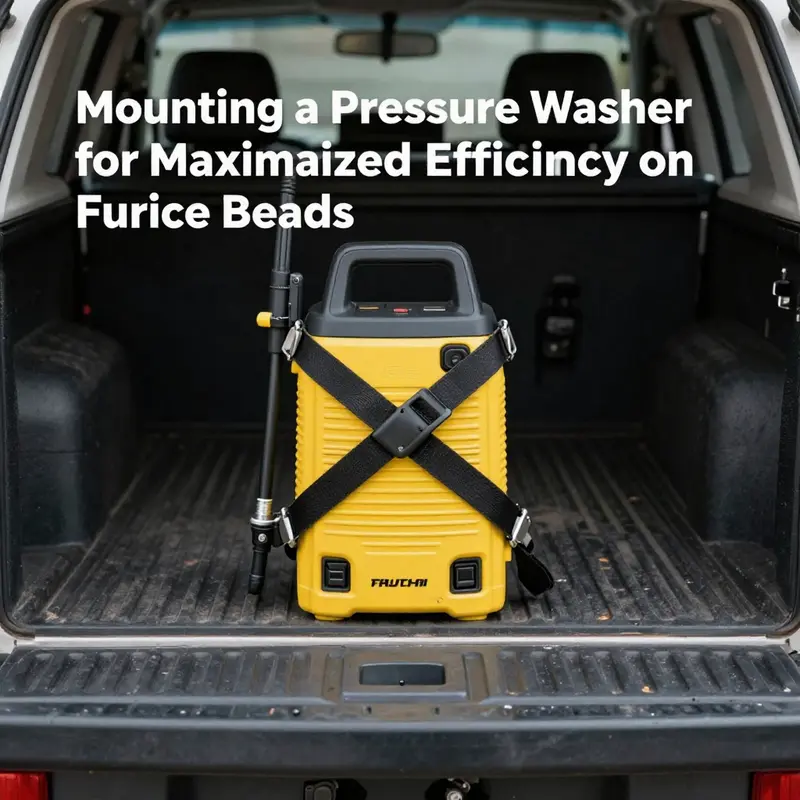
Mounting a pressure washer in a pickup bed is more than a matter of tucking equipment into a space. It is a careful orchestration of balance, restraint, and accessibility that keeps you safe on the road and ready to work the moment you reach a job site. The approach is practical, almost meticulous, because the consequences of a loose unit can range from equipment damage to injuries or lost time on the clock. The goal is straightforward: a clean, stable installation that can survive the bumps of travel while remaining sufficiently flexible to be used when you reach your destination. To achieve this, you begin with a plan that treats the truck bed as a dedicated work platform, not a generic cargo space. You size the mount to the pressure washer’s footprint and weight, confirm compatibility with your model, and choose materials that resist the elements and the vibrations that come with a moving vehicle. A purpose-built mounting system offers the most reliable path. These kits are designed to cradle the washer, absorb vibration with anti‑vibration mounts, and provide anchored points for restraint. They are usually built from powder-coated steel or aluminum, materials chosen precisely for durability and corrosion resistance. When you buy a kit tailored to your unit, you increase the odds of a snug fit, with mounting brackets that align with the washer’s frame, pumping system, and control access. In this sense, the mounting system becomes the backbone of your entire setup, a foundation that shapes every other decision you make while on the job. If a purpose-built kit isn’t available for your exact model, you can still achieve a secure installation by using high-grade, rated tie-downs and sturdy mounting points in the truck bed. The key is to ensure the mounting method distributes the weight evenly and keeps the unit from shifting under load. Weight distribution matters as much as the fasteners themselves. Place the pressure washer near the center of the bed so that the heaviest portion, typically the pump or engine, sits over the axle line or slightly forward. This subtle placement helps minimize tailgate stress during sharp turns or sudden stops and reduces the leverage that could flip or tilt the machine during evasive maneuvers. Once the core mounting strategy is chosen, attention moves to securing the unit. Even with a rigid mount, you should use high-quality ratchet straps rated for well above the washer’s weight—many operators prefer straps with a 1000‑pound-plus rating to provide a safety margin. Run straps across robust points on the unit’s frame or handles and anchor them to solid bed anchors, such as factory D-rings or integrated bed rails. Tighten with controlled force; there is a fine line between stability and damage. The objective is to eliminate movement without deforming housings, hoses, or switches. Rubber anti-slip pads are another essential layer of protection. A thin sheet or pad under the washer cushions vibrations, prevents scuffs on the bed surface, and reduces micro-movements that can over time lead to wear. Anti-slip material also dampens minor irregularities in the bed floor, so the unit remains where you put it even on imperfect pavement. The bed’s edges matter as well. A well-planned layout keeps the hose and cords away from the tailgate area and any potential pinch points. If you’re transporting an electric pressure washer, route cords to avoid sharp edges and heat sources, and consider protective sleeves that guard against abrasion. If you operate a gas-powered machine, ensure the fuel tank is securely fastened and kept away from heat or friction points that could lead to leaks or vapors collecting near hot surfaces. Ventilation is not a luxury; it is a safety imperative, especially for gas units. The mounting arrangement should leave clear airflow around the engine and exhaust area to reduce heat buildup and to simplify servicing. Even when the system is stationary, a neighborly breeze can help dissipate heat and keep components within their safe temperature thresholds. Accessibility is another dimension of good design. You want controls, triggers, nozzles, and the power switch accessible from a stable stance and without having to contort your body. A compact layout that keeps hoses paired with their reels or brackets helps you avoid tangled lines or snag hazards during the work day. It also reduces the risk of pulling components loose when you reach for the trigger or pull the hose into place for a wash. After installation, testing is not a ritual but a practical necessity. Take a short test drive over familiar roads to observe how the setup behaves under real driving conditions. Light vibrations, minor looseness, or shifts in strap tension reveal issues that may not be apparent on a level driveway. At the first sign of looseness, stop and recheck all fasteners, mounts, and anchor points. Re-tightening should become a routine part of pre-trip checks, especially for longer journeys where vibration compounds over time. A prudent operator checks the entire assembly before every use, treating these checks as part of the job. This habit not only protects the washer but also preserves the truck bed finish and the integrity of the mounting hardware. In this approach, the mount becomes not a temporary fix but a dependable system that travels with you. It supports quick access when you need to work and offers peace of mind when you hit the highway. The balance between rigidity and accessibility is the art at the heart of a successful mounting strategy. The most resilient setups combine a purpose-built cradle with a restrained, methodical approach to fastening and maintenance. They recognize that the washer’s weight, heat, and vibration are constants of the job, and the truck bed is a dynamic space that must accommodate shifting loads, road conditions, and the occasional late-night call. If you want more on the broader context of safety and compliance in truck-mounted equipment, you can explore related guidance that ecosystems like the professional wash industry reference when planning a transportable setup. For a compact, practical reference, see the truck-wash-industry-compliance-emissions-regulations guidance. This resource highlights how transport considerations intersect with compliance and performance, reinforcing the idea that a secure mount is not just about avoiding a spill or a dent; it is about maintaining operational readiness and regulatory responsibility. When you consider transport and storage as integral parts of the workflow, you begin to see that every bolt, strap, and pad is part of a larger system designed to protect people, machines, and the road you travel. The conversation about mounting a pressure washer to a truck bed is not simply about keeping equipment in place; it is about fostering confidence—confidence that your tools will be available when you arrive, that your vehicle will perform reliably, and that you will return home safely after a long day. The discipline of planning, securing, and checking is the glue that holds the whole process together, turning what could be a cumbersome chore into a streamlined routine. And as you gain experience, you will notice how the smallest details—where the heaviest component sits, how the strap threads through a handle, whether the anti-slip pad has enough surface area—add up to a workflow that feels effortless, even on rough roads. In the end, mounting a pressure washer to a truck bed is less about wrenching and more about choreography: a careful alignment of purpose-built hardware, tactile restraint, and deliberate movement through space. It is a practice that rewards preparedness and clarity, ensuring you are ready to work quickly, safely, and efficiently wherever your assignments take you. For readers seeking a concise external reference on best practices for transporting and storing pressure washers—one that complements the hands-on guidance presented here—consider a transportation and storage guide from a leading manufacturer, which provides procedural clarity for various vehicle configurations and washer variants. External resource: https://www.karcher.com/pressure-washers/transportation-and-storage
Guarding the Lifelines: Protecting Electrical and Hydraulic Systems When Mounting a Pressure Washer to a Truck Bed
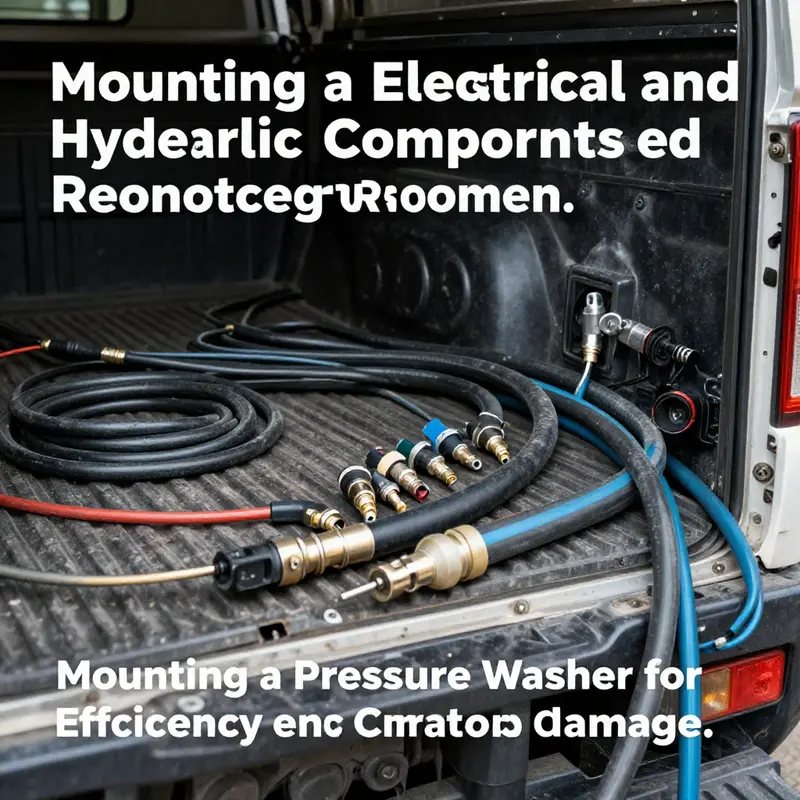
Mounting a pressure washer to a truck bed demands more than just a solid cradle and a few straps. It requires a careful hand on the critical lifelines of the unit: the electrical wiring that powers the motor and controls, and the hydraulic circuits that drive the pump and spray. The truck bed environment—dust, spray from hoses, road vibration, and the potential for rain or splashes—creates a perfect test bed for decisions that will influence safety, reliability, and longevity. The goal is to create a compact, stable, and resilient installation where moisture and debris stay out of the electronics and hydraulic interfaces, where movement is managed rather than amplified, and where maintenance remains straightforward even after a long day on the road. The most enduring impression of a well-mounted washer is not just how quickly it’s ready to use, but how confidently it performs in a new location with minimal fuss.
A thoughtful approach begins with isolating electrical components from water and debris. A pressure washer’s motor and control panel deserve a dry, protected home inside the bed, not a fleck of spray or a puddle that could wick into the connections. One practical strategy is to outfit the mounting area with weatherproof connectors and protected harness routing. Seal all connections with waterproof joiners and ensure any splices are tucked within conduit or loom so they cannot abrade against metal edges or pinch under straps. The goal is not to create a fortress but to maintain clean, dry paths for power and control lines. When wiring is visible, it should be routed away from the sharp corners of the bed, away from moving parts, and secured at regular intervals with zip ties that do not compress the insulation. The control panel, if possible, should sit in an enclosure that shields it from rain and dust while still allowing easy access to the trigger, nozzle, and power switch. Elevating the panel keeps it out of splash zones and reduces the chance that splashback or a loose hose will reach sensitive electronics. In short, the electrical layout should read as a deliberate shield rather than an afterthought.
To keep the electrical system robust, grounding cannot be an afterthought. Ground the truck chassis and the washer unit to prevent static electricity buildup, which can pose both a safety hazard and a nuisance for sensitive electronics. A well-grounded setup minimizes the risk of sparking at the connection points and helps stabilize voltage during surge events that occur when the pump starts under load. In practice, this means confirming a solid, metal-to-metal bond at the mounting points and ensuring any grounding conductors are continuous and protected from abrasion. It also means choosing mounting hardware that resists corrosion and vibration without compromising the integrity of the electrical connections. A vibrational environment demands robust, vibration-dampening mounts that can absorb impulse and ripple without transferring it into the wiring or the control panel. With the right mounts, the unit remains centered and steady, reducing stress on the cables and hoses that feed the motor and pump.
Hydraulic protection follows a similar logic of containment and cleanliness. Protecting hydraulic components from contamination and damage is essential when you install a pressure washer in a truck bed. Use protective covers for fittings, hoses, and quick-connects when the unit is not in use. Such covers act as a shield against dust, metal shavings, and moisture that can be present in a workshop or on a job site. Cleanliness, a recurring theme in maintenance and reliability, cannot be overstated here. The installation area should be free of debris—grease, metal shavings, and particulates can irritate seals and compromise pump performance if they work their way into the hydraulic circuit. Handle hoses with care: avoid sharp bends or kinks, and use routing brackets and clamps to secure them away from edges that might rub or vibrate against the truck bed. Inspect hoses for signs of wear before use, and replace any segment showing soft spots, cracking, or blistering. Even a small leak on a high-pressure line can quickly escalate into a safety risk when the vehicle is moving.
The protection of electrical and hydraulic interfaces also encompasses how cables and hoses are organized relative to the vehicle’s operation. Route hoses and cords in paths that minimize exposure to heat sources and moving parts, such as the exhaust system or the tailgate mechanism. Protective sleeves or conduit along the length of the harness keeps moisture and debris at bay while reducing the wear from vibrations. For gas-powered units, secure the fuel system well away from heat sources and friction points, and ensure the fuel tank is fastened so it cannot shift during transit or in the event of a rough road. The overarching philosophy is simple: create a dry, clean, and comfortable corridor for the critical components, with enough slack and strain relief to accommodate motion without straining the connections.
A mounted pressure washer must still breathe and be accessible. Ventilation around the unit helps prevent overheating, especially in the closed confines of a truck bed where a hot engine bay and exhaust can trap heat. Leaving adequate clearance around the unit supports airflow, which is particularly important for gas-powered models that generate more heat in operation. Access to controls must be unobstructed so the operator can reach the trigger and switch without leaning over the unit or removing protective covers. The human factor matters greatly; ease of operation reduces the temptation to reach into a hazardous area during startup or shutdown. Consider the control layout as part of the installation design, not as an afterthought after the mount is secured. If the unit is to be used on a regular basis in remote locations, a weatherproof cabinet mounted above the washer can provide a dry workspace for adjustments, while keeping the control panel within reach and shielded from weather.
Before any road test, perform a thorough inspection of all electrical and hydraulic connections. Look for loose bolts, unfastened straps, or improperly seated hoses. Tighten fittings to the manufacturer’s torque recommendations and verify that the mounting hardware does not hide or trap any electrical connectors. A short drive over potholes and a few bumps helps reveal any vulnerabilities that static tests do not show. If vibration or movement is detected, reassess the mounting configuration, the anti-slip pads, and the routing to ensure there is no chafing or potential for abrasion. After learning the rhythm of travel, schedule a routine inspection before each use. A quick check can prevent leaks, electrical shorts, and other failures that would otherwise escalate during a job.
This approach also aligns with broader safety standards in the industry, emphasizing a holistic view of mounting that recognizes how electrical and hydraulic systems interact with the vehicle. For readers seeking a broader framing of industry safety standards and emissions considerations in truck-related operations, see truck-wash-industry-compliance-emissions-regulations. The alignment with industry norms helps ensure not only that the washer operates effectively on the road but that the entire setup contributes to a safe, compliant workflow on every site you serve.
In practice, the discipline of mounting is as much about discipline as it is about hardware. It is about choosing a layout that stabilizes the unit while maintaining ready access to controls, about routing cables and hoses to minimize wear, and about choosing protective measures that keep moisture, dirt, and heat from compromising vital seals and connections. It is about balance—the balance between a compact, transport-ready configuration and the resilience to withstand the rigors of daily use. The result is a setup that looks simple on the outside but has been crafted with attention to electrical insulation, grounding integrity, and hydraulic cleanliness. When this balance is achieved, the pressure washer becomes a trusted tool that travels with the truck rather than a project that must be retraced and retraced every time you reach a new site. The operator smiles because the system behaves as if it were installed at the factory, not jerry-rigged in a loading bay. And because the installation prioritizes the protection of lifelines, the unit delivers consistent performance, longer service life, and safer operation across all terrains and weather conditions.
For readers who want to explore related safety and maintenance practices further, a detailed external guide on contamination control for hydraulic systems can offer additional context. External resource: https://www.parker.com/literature/hydraulics/contamination-prevention-guide.pdf
Breath, Reach, and Stability: Ventilation and Safe Access for a Truck-Bed Mounted Pressure Washer
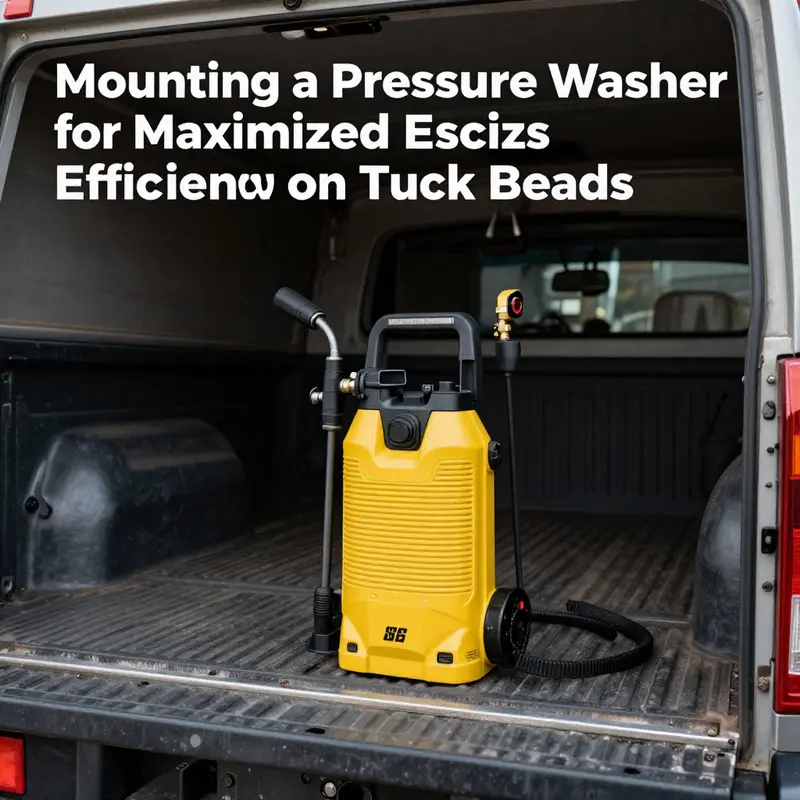
When you plan to load a pressure washer into a pickup bed, the first concerns often surface around straps, brackets, and the weight of the machine. Yet ventilation and accessible controls play an equally crucial role in safety and reliability. A pressure washer that has adequate airflow around it not only lasts longer but also operates more predictably in the demanding environment of mobile service. Gas-powered units, in particular, release fumes and vapors that can accumulate if the space is cramped or sealed, turning a job into a health hazard and a risk to equipment. Even electric models generate heat under heavy use, and the heat must dissipate to prevent overheating that can shorten motor life or trigger safety shutoffs. The practical upshot is simple: plan for space to breathe and a clear line of sight to the controls before you bolt the unit down.
Ventilation begins at setup. Position the washer toward the center of the truck bed to preserve balance, but avoid letting it sit so close to walls, canopies, or cargo that air currents are forced into dead zones. A well-ventilated pocket around the unit enables heat to escape and fumes to dissipate, which is essential for gasoline engines. If your truck has a canopy or cover, ensure there are intentional gaps or vents that maintain airflow without compromising security. When you secure the washer, you should still be able to gauge air movement around the cooling shrouds and intake grills. If airflow feels restricted, revisit the mounting layout. The goal is not merely to keep the unit from overheating; it is to ensure sustained performance on long drives where ambient temperatures rise and fall with the sun and shade.
Access is the companion priority to ventilation. A pressure washer can be safely mounted, but if you cannot reach the trigger, nozzle, or power switch without twisting or stepping into a hazardous position, the arrangement defeats safety. A single eye on the controls is more than a convenience; it is a safety feature. The mounting system should keep the unit stable yet leave enough clearance to operate hoses and connections without kinks or force. Never block the intake vents or exhaust outlets with cargo, straps, or other equipment. Any obstruction can redirect exhaust away from the operator, or worse, funnel fumes toward the cab or open windows at a stop. The best practice is to leave a few inches of space on all sides for both air exchange and user maneuvering room.
The design of the mounting system itself matters. A purpose-built kit with robust brackets, a cradle, or a platform reduces the risk of movement during transit. Even when a rigid mount is used, add anti-slip pads between the washer and the mounting surface to dampen vibration and isolate the machine from chassis-induced motion. This combination improves both comfort and longevity. As you tighten straps, remember that the unit still needs to shift only if necessary for safety, not because the mount was forced to bear an excessive load. Straps rated for at least a thousand pounds provide a reliable buffer against road irregularities, but they should be used to reinforce, not replace, a correctly engineered mounting system. Keeping the weight balanced—so the center of gravity remains within the wheelbase’s stability envelope—helps prevent the unit from sliding forward or backward during braking or acceleration.
Environmental considerations round out the ventilation and access equation. Leaks of water or cleaning chemicals must not spill into the surrounding soil or drainage systems. A drip tray or pallet under the unit can catch drips that would otherwise soil the truck bed and complicate cleaning later. If you operate in strong sun or stubborn heat, shade becomes more than comfort; it protects seals, hoses, and battery life. Store hoses and cords in a way that minimizes exposure to sun and abrasion. A hose reel is useful for keeping the high-pressure line tidy and out of harm’s way, while a protective sheath around electrical cords shields them from tailgate movement and rubbing on metal edges. Even with an electric washer, airflow remains important to carry away the heat generated during peak use. When the day ends, a quick walk-around to confirm nothing obstructs vents, nozzles, or control panels becomes a small but vital habit that preserves safety and readiness for the next job.
The chapter on secure mounting and maintenance cannot ignore the broader safety framework that governs mobile work environments. Where ventilation and access intersect with compliance, it helps to anchor your decisions in established guidance. For a broader perspective on how truck-wash operations balance safety, equipment, and regulatory expectations, you can explore more about truck-wash industry compliance and emissions regulations. This reference provides context for how your setup fits into a wider safety and environmental framework, ensuring your mounting approach aligns with best practices across the fleet. truck-wash industry compliance and emissions regulations
As you finalize the mounting arrangement, the test becomes your most practical teacher. Take short test drives over a variety of road surfaces—potholes, gravel, and slick pavement—to observe how your setup behaves at speed and during braking. Listen for rattles around the mounting cradle and feel for any unusual vibration that could transmit into the unit’s frame or connectors. The goal is not only to secure the washer against a single worst-case bump but to ensure a stable, repeatable performance profile across a typical day’s route. Before each use, perform a quick inspection that covers the mounting bolts, strap tension, and hose connections. A loose bolt or a shifted strap can transform a routine wash into a hazardous situation in minutes. If you notice any movement during the drive, adjust the mounting components promptly and retighten the fasteners after a short test cycle. These checks, though simple, form a protective layer around your equipment and the people who operate it.
In practice, the balance of ventilation, access, and secure mounting is not a rigid formula but a thoughtful arrangement tailored to your truck, your washer model, and your typical work environment. The design should respect the machine’s needs while acknowledging the realities of on-the-road use. For gasoline-powered units, you may wish to place the fuel storage in a separate, vented compartment that does not trap fumes near the washer’s intake. For electric units, the emphasis shifts toward heat dissipation and cable protection, ensuring cords do not rub on sharp edges or pinch at hinges. Either way, the guiding principle remains: keep the unit cool, accessible, and clearly visible, and maintain a path for air to circulate around the exhaust and cooling components.
Finally, the integration of ventilation and accessible design with your overall mounting plan strengthens both safety and productivity. When a unit is ventilated properly, the operator experiences less anxiety about fumes or overheating, which translates into steadier handling and fewer interruptions during a job. When access is clear, controls and hoses are operated with confidence, and the risk of accidental disengagement or pull forces on connectors is reduced. These factors, in turn, support longer equipment life and more reliable performance on the road. If you are building this system from scratch or refining an existing setup, treat ventilation and access as ongoing commitments rather than one-time steps. Revisit them with each equipment upgrade or change in vehicle configuration, and maintain a practical mindset that favors airflow, reach, and secure, vibration-free mounting as your baseline standard. For further context on how these considerations fit into broader safety and regulatory expectations, see the referenced guidance on truck-wash industry compliance and emissions regulations.
External safety resources offer additional validation for your approach. For general safety guidelines and consumer protections, you can refer to the U.S. Consumer Product Safety Commission at https://www.cpsc.gov/ .
null
null
Final thoughts
Properly mounting a pressure washer in a truck bed is a critical operation that ensures safety, efficiency, and readiness for use on various job sites. By investing time in selecting the right mounting system, securing the unit adequately, protecting its vital components, ensuring proper ventilation, and routinely testing its installation, fleet managers can significantly improve both the lifespan of their equipment and the productivity of their operations. A well-executed setup not only safeguards your investment but also bolsters your team’s on-the-ground effectiveness.