
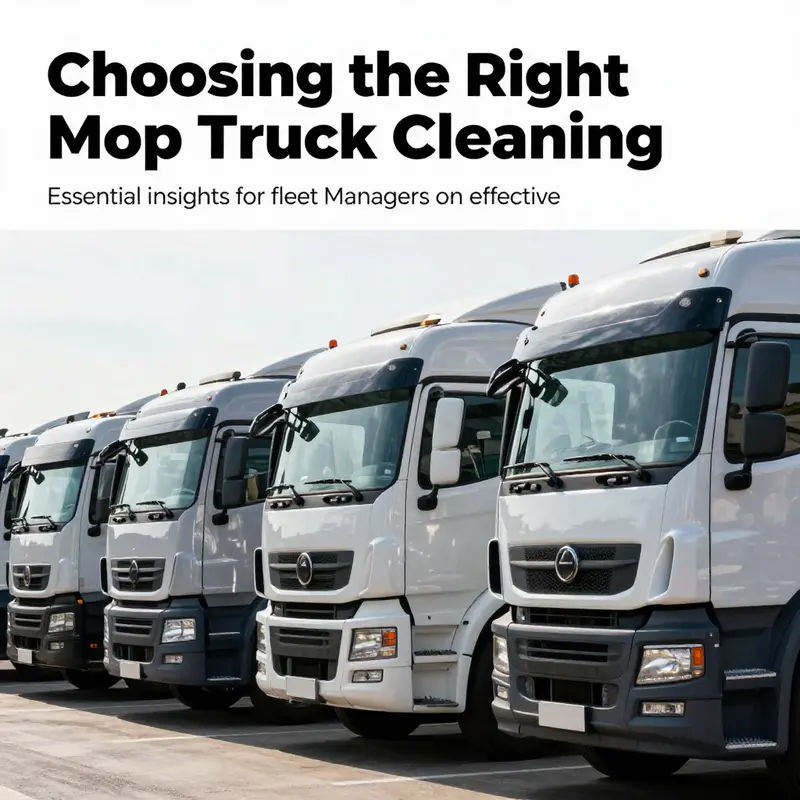
Maintaining the cleanliness of a fleet of trucks is vital for image, safety, and vehicle longevity. Selecting the appropriate mop for washing trucks not only ensures the trucks look their best but also plays a significant role in preserving the quality of the paint and finish. This article explores various types of mops designed explicitly for large vehicles, highlights key features essential for effective cleaning, outlines the benefits of using an extendable mop, and provides guidance on where to purchase the best mops for truck washing. Each chapter builds a comprehensive view of how to optimize your truck washing process, ensuring that fleet managers, trucking company owners, and construction supervisors can make informed decisions.
Choosing the Right Heavy-Duty Mop and Tools for Truck Washing: Practical Options and When to Use Them

Washing a truck effectively requires more than a household mop. Trucks are large, heavy-use machines that collect road grime, oil, salt, and tar in places a flat mop cannot reach. For consistent results, use tools engineered for large vehicles. This chapter lays out the most suitable mop types and companion tools, explains why each one matters, and helps you match gear to the job so cleaning is safer, faster, and less damaging to finishes.
Start by thinking of truck washing as a system rather than a single task. One tool rarely does everything. Instead, plan for three complementary categories: reach-and-delicate cleaning, aggressive scrubbing for stubborn grime, and high-power rinsing for the undercarriage. Within those categories, several mop and brush styles stand out because they combine durability, reach, and surface safety.
The go-to for gentler, large-surface cleaning is the extendable microfiber wash mop. These mops feature soft, high-absorbency heads made from microfiber or snowflake fiber. Their long, telescoping handles eliminate the need for ladders when cleaning roofs and high side panels. Microfiber traps dirt in its fine fibers, so you lift away grit instead of dragging it across paint. Look for mop heads that attach securely and are machine-washable. Replace heads when fibers clump or abrasion appears. A microfiber mop paired with a telescopic pole makes rinsing and sudsing tall trucks simple, and it reduces the risk of scratches caused by grit caught in cloth.
For crews and fleet managers, mops with built-in soap dispensers are a productivity game-changer. These specialized wash mops hold a soap reservoir inside the handle or head, letting you apply detergent while you work. That reduces trips to the bucket and gives a consistent soap flow over large panels. Choose models with easy-fill reservoirs and simple mixing ratios. When using on sensitive surfaces, always dilute cleaners per manufacturer guidelines to avoid paint dulling. Built-in-dispenser mops speed cleaning of cabs, trailers, and roof fairings, and they help conserve detergent while maintaining coverage.
When the job calls for scrubbing, durable car wash brushes and wash brooms are essential. Brushes with soft but resilient nylon bristles strike a balance between abrasion and effectiveness. They remove stuck-on grime, road film, and bugs from grills and front fascias without gouging paint. For wheels and wheel wells, bristle density and shape matter: pick narrower, firmer brushes to get between spokes and into lug recesses. Wash brooms—wide, long-handled brushes—cover flat areas like trailers quickly and handle heavy soap loads. For metal and robust areas where paint is already compromised, you can use firmer bristles, but never use stiff, wire-like brushes on painted surfaces.
Tough residues such as grease, tar, and caked mud demand more than a brush. For these, pair targeted scrubbing with solvent-based degreasers and mechanical force. Use an aggressive brush only after applying a suitable cleaner. Work in sections, allowing the detergent to emulsify heavy deposits before scrubbing. After loosening grime, follow up with a high-volume rinse. For fleet operators, a documented process that includes pre-treatment, agitation, and rinsing ensures repeatable results and reduces rework. For practical tips on dealing with grease and tar specifically, consult the proven strategies for cleaning grease and tar off your trucks fast.
A high-pressure washer, paired with specialized attachments, is indispensable for effective undercarriage and chassis cleaning. An undercarriage cleaning tool on a pressure washer blasts away mud, salt, and oil lodged under the truck. While pressure ratings vary, many commercial users turn to models that deliver higher pressure for the most efficient cleaning. Use a lance and nozzle designed for undercarriage work to avoid damaging components. Keep washer pressure and nozzle distance consistent to prevent paint lifting on body panels. High-pressure rinsing is also the most efficient way to remove detergent and loosened grime from wheel wells and hard-to-reach recessed areas. For an overview of high-pressure systems and safety practices, see this external reference: https://en.wikipedia.org/wiki/Pressure_washer
Beyond tool type, a few features determine how well a mop or brush will perform on a truck. Telescopic handles offer reach and better ergonomics. A 90-degree rotating head increases access under overhangs and along rooflines, letting you maintain comfortable wrist positions while cleaning odd angles. Sturdy construction—aluminum or reinforced composites for poles and nylon or snowflake fibers for heads—ensures tools survive repeated use in outdoor, chemical-prone environments. Corrosion-resistant fittings and reinforced joints extend service life, especially for fleet operations that wash daily.
Ergonomics matter. A long pole can reduce ladder use, but it also introduces weight and balance issues. Lightweight poles with secure locking mechanisms minimize fatigue and prevent sudden collapses. Handle grips and swivel joints should be simple to operate with gloved hands. For crews washing multiple trucks a day, choose tools that minimize lifting and awkward reaches to protect workers from musculoskeletal strain.
Maintenance of cleaning tools is often overlooked but critical. Rinse mop heads and brushes immediately after use to remove grit and chemicals. Machine-wash microfiber heads on a gentle cycle without fabric softener; softeners leave residues that reduce absorbency. Inspect bristles for deformities and replace heads before they scratch surfaces. For poles and handles, rinse threads and joints to prevent salt and soap buildup from seizing mechanisms. Store tools off the ground to prevent contamination and to maintain shape.
Compatibility with cleaning agents and water systems also guides the choice of mop. Microfiber readily holds suds and works well with mild, pH-balanced detergents designed for automotive finishes. Strong alkaline degreasers are necessary for heavy oil and tar, but use them cautiously and only with tools rated for chemical exposure. Some fibers degrade when exposed to harsh solvents. If in doubt, test a small area first or use a brush and pressure rinse combination instead of a mop.
For fleet and commercial washing operations, standardization reduces cost and improves consistency. Choose a small set of versatile tools that cover most tasks: an extendable microfiber mop for panels and windows, a wash broom for large flat surfaces, a selection of brushes for wheels and tight spots, and a pressure washer with an undercarriage attachment. Train staff on sequence: pre-rinse, pre-treat problem areas, scrub, high-pressure rinse, and final wipe or squeegee where needed. Standard processes lower chemical use and reduce the risk of damage.
Safety must be part of tool selection. Extendable poles put workers at heights; attach safety anchors or use fall protection when necessary. When using pressure washers, wear face and eye protection to guard against debris and chemical splash. Be mindful of the direction of spray to avoid driving water into electrical components or cabin vents. When cleaning food-grade or specialized tankers, check cleaning protocols and compatibility before applying aggressive cleaners.
Finally, balance cost with longevity. Cheap tools may save money up front but wear out quickly and can damage vehicle surfaces. Invest in robust materials and replaceable heads. For large operations, buying replaceable heads and spare poles in bulk reduces downtime. Keep an inventory of spare parts like mop heads, bristle sets, and sealing washers so that a damaged tool does not stop a wash bay.
Choosing the right mop and complementary cleaning tools for trucks is about matching capability to task. Use extendable microfiber mops for gentle, high-reach cleaning. Add soap-dispensing mops for efficiency. Deploy durable brushes where extra agitation is needed. Rely on high-pressure washers and undercarriage attachments for deep cleaning and rinsing. Maintain tools properly, standardize your kit for fleet work, and always follow safety and chemical compatibility practices. Combined, these choices make truck washing faster, cleaner, and safer while protecting paint and components over the long term.
Reaching the High Ground: A Deep Dive into the Telescopic Mop That Powers Truck Cleaning
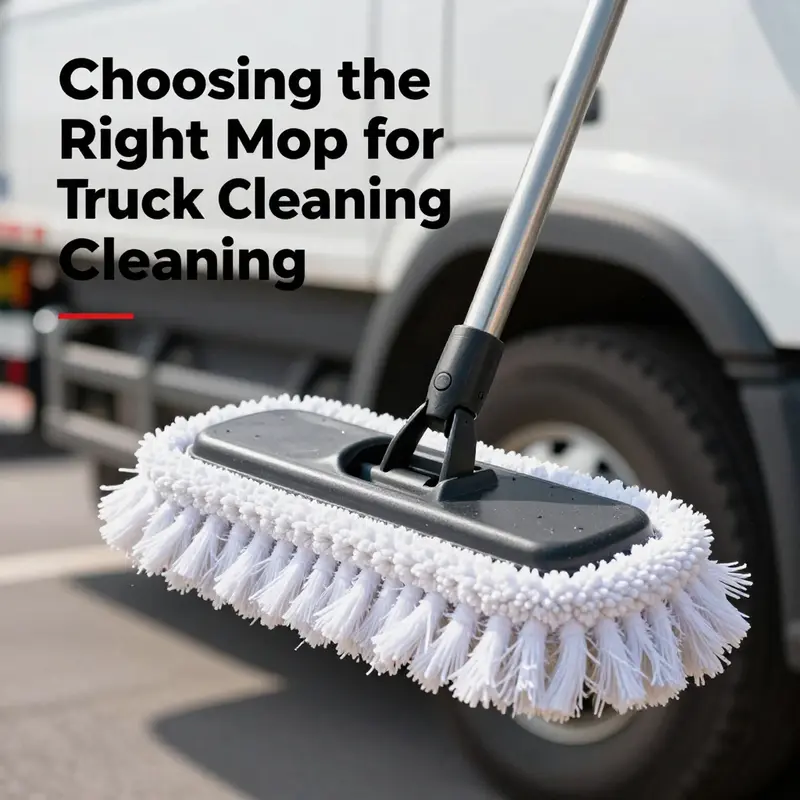
Cleaning a fleet of trucks is a careful balance between speed, safety, and respect for the vehicle’s finish. A good wash starts with the right tool, and for large surfaces that span roofs, cab sides, and wheel wells, the mop you choose can determine whether dirt slides off cleanly or stubborn grime clings on. The core idea is simple: invest in a heavy-duty, extendable mop or cleaning brush that is specifically designed for large vehicles. The reality is a bit more nuanced, because the truck’s contours demand a head that can reach tight angles without scratching or leaving lint behind. The best mops for trucks combine reach with gentleness, offering a head that is soft enough to kiss the paint and tough enough to stand up to repeated use in outdoor conditions. In practice, this means looking for an extendable, telescoping handle that lets a single person maneuver a long reach without stepping onto a ladder, and a head built from materials that balance absorption, scrubbing capability, and surface-friendliness. The difference between a good wash and a great wash often comes down to the geometry of the tool and the material it uses. A 90-degree rotating head, for example, is not a frivolous luxury; it is a practical feature that unlocks clean angles around mirrors, under cab overhangs, and along the top edge where dirt and road dust accumulate in subtle ridges. When you pair a rotating head with a sturdy, extended handle, you gain control and precision that are hard to achieve with a fixed, shorter tool. This is especially valuable on trucks that carry heavy loads, where every pass must be deliberate to avoid streaks or missed patches. The material choice for the mop head matters almost as much as the length of the handle. Chenille microfiber stands out as a gentle but capable option. It is soft enough not to scratch chrome trim, polished mirrors, or painted surfaces, yet dense enough to trap dirt, water, and oil film in a single sweep. Microfiber’s split-fiber structure creates micro-scrub action that lifts grime rather than just sliding it around. The chenille texture, with its plush strands, is particularly effective on vertical surfaces where water can cling and gravity can work with you rather than against you. Such heads are also highly absorbent, which helps speed up the drying phase. Quick drying is not merely about aesthetics; it reduces the opportunity for water spots and mineral deposits, a small but meaningful advantage on fleets that must hit the road with minimum downtime. Beyond the immediate touch of the mop head, the overall build quality of the tool matters. The handle is typically stainless steel or reinforced plastic, chosen for durability in damp outdoor environments and resistance to corrosion or warping after repeated exposure to cleaning solutions. A secure connection between the head and the handle is essential. A wobbly joint becomes a source of fatigue and can compromise the evenness of the wash as you work your way around a truck’s curvature. A robust joint also helps when you apply a little extra pressure to lift stubborn grime from wheel wells or the lower panels where road grit tends to gather. The long, extendable design is not just for reach; it is a safety feature. Reducing the need to climb ladders lowers the risk of height-related accidents and gives maintenance crews a more controlled, single-operator workflow. In fleet contexts, safety isn’t an afterthought—it is a core parameter of efficiency and reliability. The versatility of a high-quality truck mop extends beyond exterior washing. A true all-purpose tool should handle interior surfaces with the same care it gives the exterior. Dashboards, vinyl trim, windows, and even seats can benefit from a soft, absorbent head that lifts dust, smears, and minor stains without introducing lint or leave-behinds. This versatility reduces the number of tools a driver or custodian must carry, freeing up space in limited wash bays or on a mobile cleaning cart. The right mop becomes a multi-tasking workhorse, able to switch from cleaning a sun-bleached roof to buffing a dusty dashboard with the same family of materials and the same hand-eye coordination. The workflow becomes smoother when one tool can transition from ceiling to console without a change in technique or cloth type. Maintenance is another aspect that should inform the decision. A mop that is easy to rinse and dry is more economical over the long term because it minimizes the risk of mold, odors, or degraded fibers. Some models are machine washable or designed for rapid air drying, which is a practical advantage for fleets that clean multiple vehicles in a single day. When you consider the full lifecycle of the mop, the returns show up in both durability and hygiene. Cleanliness is more than appearance; it affects how quickly a truck can be turned around for the next job, and it can even influence the lifespan of exterior finishes when used with appropriate cleaning solutions. The 90-degree rotating head deserves particular emphasis in the narrative of truck washing. In the field, you will encounter tight angles near door seams, the inside edges of running boards, and the perimeters of chrome trim. A rotating head makes it possible to align the cleaning surface with the angle of the panel, allowing the microfiber to lay flat against the contour rather than fighting the shape. The effect is a more uniform wash with fewer passes and less risk of missed spots. The combination of a rotating head and an extendable handle unlocks a reach that previously required ladders or awkward positions, enabling one operator to cover a whole truck efficiently while maintaining a comfortable posture. This kind of ergonomic advantage is not just a convenience; it translates into fewer operator injuries and less fatigue at the end of a long shift. As you assemble your tool kit for truck washing, consider how the features interact. The extendable handle is most effective when paired with a head that resists shedding fibers and a construction that won’t loosen at crucial joints. The chenille microfiber head’s softness must be matched by a durability that resists fraying under repeated contact with gritty surfaces. A high-absorbency, lint-free performance ensures the surface dries promptly and leaves no residue to attract dust later. The durable construction supports consistent performance across the fleet, while the head’s ease of cleaning ensures rapid turnover between vehicles. In practice, the best choice is a tool that combines all of these attributes into a single, cohesive unit rather than a kit of mismatched parts. The practical outcome of selecting the right mop is measurable in the quality of the wash and in time saved. A safe, high-reach tool reduces the need for temporary ladders or scaffolding, which in turn minimizes setup and break-down time. A gentle, micro-fiber head preserves paint and trim while delivering a thorough clean. A rotating head adds precision where it counts, and a sturdy, corrosion-resistant handle provides confidence under tough outdoor conditions. The tool becomes a natural extension of the operator, enabling a steady rhythm that moves around the vehicle in balanced passes rather than scattered, uncertain streaks. In the broader context of fleet maintenance, the right mop is a small but significant investment in the vehicle’s long-term aesthetics and value. It feeds into the maintenance culture that treats trucks as assets worthy of careful care rather than disposable tools of mobility. When fleets standardize on a single, high-quality cleaning system for exterior and interior tasks, the crew benefits from familiarity, efficiency, and consistent results. The approach aligns with the broader discipline of fleet cleanliness, where materials, methods, and tools are chosen to support rapid turnover, safer work practices, and a professional finish that reflects well on the company. For readers seeking a broader blueprint for integrating tool choices into a fleet’s cleaning program, the conversation often circles back to proven strategies for cleaning grease and tar off your trucks fast. This principle—match the tool to the task, then optimize the workflow around it—resonates across the whole fleet maintenance life cycle. External reference for practical context: https://www.amazon.com/dp/B0B8XJQZK9 As you weigh options, remember the practical boundary conditions of your operation: climate, wash bay size, and the types of grime you most frequently encounter. A mop head that handles mineral-streaked water and road film, paired with a robust, extendable handle and a rotating head, is a robust foundation. The goal is not merely to remove dirt but to do so with a control that preserves finish, reduces downtime, and enables technicians to work from a comfortable stance. Sustainability and hygiene follow closely behind; a machine-washable or easily rinse-able head reduces hygiene risks and makes routine maintenance straightforward. The chore then transcends mere utility, becoming a reliable process that protects investments and supports the fleet’s reputation for reliable appearance and professional maintenance. In time, the fleet that invests in this combination of reach, softness, absorption, and durability will find the wash bay becomes a predictable, efficient space rather than a crowded sprint against grime. The vehicle’s exterior will look consistently cared for, the chrome and trims will shine without risk of micro-scratches, and the operator will experience a smoother workflow that translates into on-time service, better crew morale, and a safer work environment. External reference for practical context: https://www.amazon.com/dp/B0B8XJQZK9
Extend Your Reach, Protect Your Paint: A Practical Guide to Using an Extendable Mop for Truck Washing
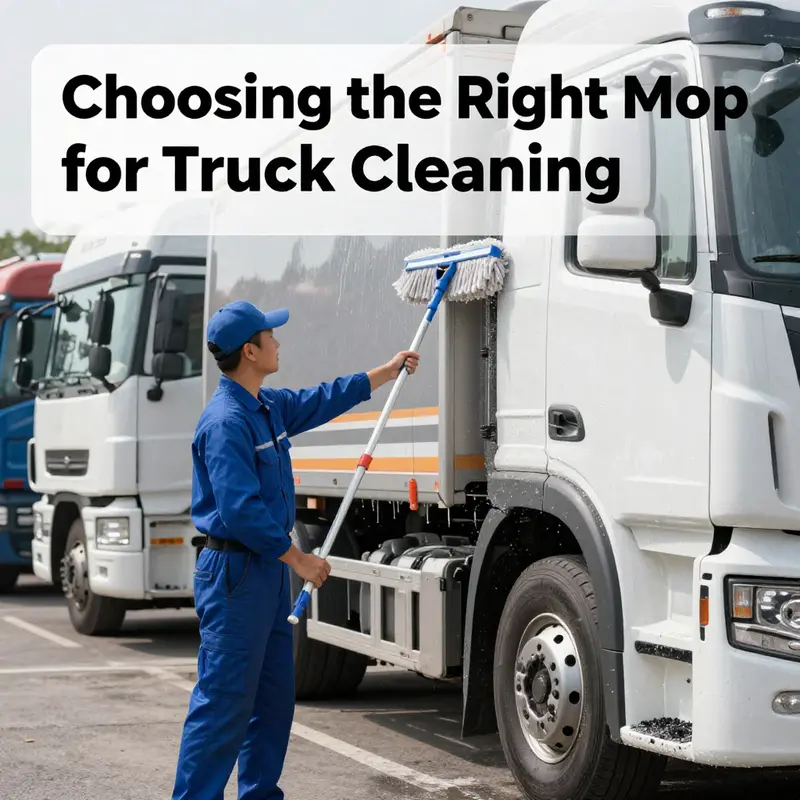
Washing trucks presents a puzzle of scale, height, and stubborn grime. Long-haul rigs push dirt across expansive roofs, chrome accents, and underside contours that standard home mops simply cannot reach without assistance. The result is a labor-intensive process that can fatigue a technician, increase the time a vehicle spends out of service, and, if done with the wrong tool, risk paint damage from rough contact or aggressive scrubbing. An extendable mop designed for heavy-duty use offers a solution that feels almost obvious once you try it: it lengthens your reach, adapts to the vehicle’s shape, and keeps your body in a comfortable, efficient working posture. The core idea is straightforward, yet its impact on workflow is profound. By choosing a tool that combines a telescoping handle with a soft, absorbent cleaning head, you empower operators to tackle high surfaces, tight corners, and large expanse areas in a single, coherent motion rather than a zigzag of ladders and awkward positions. This approach not only saves time but also reduces the risk of accidents on wet pavement or slick ramps, and it protects the truck’s finish by avoiding abrasive contact with hard edges or chipped paint.
The heart of the extendable mop lies in three interlocking capabilities: reach, material, and geometry. First, the extendable, telescoping handle is essential. Trucks can be awkwardly tall, and trailers add to the challenge with their length and uneven geometry. A handle that can extend sufficiently to cover the roof without leaning ladders or scaffolding is a safety and efficiency win. Operators can adjust length on the fly to maintain a comfortable stance, keeping elbows at the side and the back aligned as they glide along the surface. Second, the head material matters. For trucks, you want something that is soft yet durable, capable of lifting dry and wet grime without scratching delicate finishes. Microfiber heads excel here, offering high absorbency and gentle contact. Snowflake-fiber variants—composed of a fibrous blend designed for gentle scrubbing—are another option that can lift stubborn film without aggressive abrasion. The goal is to strike a balance between cleaning power and paint preservation. Third, the geometry of the head—especially the inclusion of a 90-degree rotating joint—enables access to areas that rarely lie perfectly flat under the truck’s overhang. This rotating head becomes a crucial ally when cleaning concealed nooks along the wheel wells, undercarriage panels, and roof gutters, where grime tends to accumulate in stubborn pockets.
Beyond materials and geometry, durability cannot be an afterthought. Trucks operate in harsh outdoor environments, and cleaning tools must withstand repeated exposure to water, cleaning solutions, and abrasive particles like road dust and tar. A sturdy construction translates into fewer replacements, less downtime, and more consistent results across a fleet. The most reliable extendable mops in this category resist warping in damp weather, maintain secure locking mechanisms on the telescoping sections, and keep the head securely attached to the shaft so that vigorous scrubbing does not loosen the head mid-work. While a lighter tool may feel nimble at first, the demands of large-vehicle washing demand something that can endure frequent use without flexing or bending at critical joints.
From an ergonomic standpoint, the value of extendable tools goes beyond reach alone. When the handle length is adjustable, the operator can maintain a natural posture throughout the cleaning cycle. This translates into reduced strain on the back, shoulders, and wrists, especially during lengthy shift work or when detailing fleets of vehicles in a day. A swivel or curved head further enhances comfort by aligning the pad with the vehicle’s curves rather than forcing the operator to contort the wrist or shoulder to awkward angles. The advantage is not only convenience but also consistency. A comfortable operator tends to apply a steady, controlled contact, which is gentler on paint and yields a more uniform wash across curved surfaces and flat panels alike. Microfiber pads, in particular, can be washed and reused, which reduces waste and lowers ongoing costs. When viewed through a fleet-management lens, the long life of a quality microfiber head and its replaceable pads translates into lower per-vehicle cleaning costs and easier inventory planning for maintenance crews.
Customizable cleaning features add another layer of versatility. Some extendable mops offer adjustable pad textures or soft- to medium-density performance patches. These options enable cleaners to modulate scrubbing intensity depending on the level of grime encountered. For instance, a mild, soap-filled wash on a clean panel can be achieved with a gentler contact, while a deeper clean on a tar-strewn bumper area can be addressed with slightly firmer pressure—always within the safe limits of a soft-pad interface that protects the paint. A subset of models also provides accessory heads designed to follow the vehicle’s shape more precisely, such as a curved or angled head that makes it easier to align with wheel rims or the contour of a truck’s cab. While the core operation remains straightforward—apply soapy water, lift grime, rinse—the ability to tailor the tool to the surface conditions saves time and reduces the likelihood of missed spots or over-scrubbing.
A practical advantage of extendable mops is their integration into standard wash routines without introducing complexity. For fleets and service crews, minimizing tool changes between tasks is a measurable efficiency gain. The extendable mop can be used on multiple fronts: it handles the easier, broad panels with a sweeping motion and then, with a simple adjustment, reaches over wheels and into crevices that were previously a hurdle. In this sense, the tool becomes a unifying component of a truck-wash workflow, replacing several shorter or non-extendable tools that would otherwise be needed for different zones of the vehicle. This consolidation reduces clutter, makes it easier to manage inventory, and streamlines the training process for new staff who no longer need to master a stack of specialized implements.
Cost-effectiveness is a natural outcome when a fleet adopts an extendable mop that balances performance with durability. Because the heads are designed to be washable and replaceable, the ongoing costs are predictable and manageable. A single high-quality microfiber pad can service many cleaning cycles before replacement, assuming routine maintenance like rinsing and air-drying after use. The system’s longevity matters, too. A tool built to withstand frequent exposure to water and detergents will not degrade quickly, which means fewer replacements and less downtime while waiting for new supplies. In a fleet setting, where time equals dollars, the return on investment for such a tool can be realized in shorter wash cycles, improved throughput at busy bays, and more consistent results across multiple vehicles. It also lends itself to semi-automated workflows where operators can rely on a predictable tool to perform a substantial portion of exterior cleaning, freeing personnel to focus on more intricate detailing tasks or undercarriage rinsing that requires direct water control and force.
For those managing multiple vehicles, the extendable mop’s versatility becomes even more compelling. The same tool that deftly handles a long trailer roof can be employed to wipe down a bus body, an SUV, or even recreational vehicles parked in a fleet yard. Beyond trucks, it may find utility on boats, RVs, and large windows when the weather demands a minimal set of equipment with broad reach. The capacity to adjust length while maintaining a gentle touch on sensitive surfaces means operators can switch tasks without swapping brushes or scoursets, preserving technique and reducing the chance of cross-contamination between surfaces.
A note on practical use spaces and safety helps connect the theory with day-to-day operations. In open-air lots and wash bays, wet surfaces can become slippery. The absence of ladders is a safety boon, but it does not eliminate the need for careful handling of the mop and awareness of the vehicle’s contours. When cleaning the roof, keep the line of motion steady and avoid abrupt jerks that could loosen the pad or throw the handle off balance. For wheel washes and undercarriage access, angle control becomes critical; a 90-degree rotating head helps, but the operator should still slow down when passing over protruding components or tight joints where dirt can trap grit. The goal is consistency, not speed alone. A slow, even stroke with a soft pad yields better results and reduces the likelihood of scratching or depositing road debris into crevices that are difficult to rinse later.
To guide decisions about which extendable mop to choose, teams should consider a few practical criteria. Length range is important: ensure the tool reaches the highest points of the largest trucks in the fleet while still feeling manageable when retracted. The head should feature a reliable 90-degree joint or equivalent rotating mechanism for tight spaces and underhangs. Material compatibility matters too. Microfiber remains a solid default for most exterior finishes, but some operators prefer mixed-bristle options for heavy soils or grease-prone surfaces. Durability features, such as reinforced joints and weather-resistant coatings on the shaft, help ensure the tool holds up under frequent outdoor exposure. Finally, evaluate maintenance options: can pads be replaced easily, and is the overall system easy to clean and dry between cycles? A well-chosen extendable mop emerges as a trusted companion, one that supports consistent cleaning across a fleet and aligns with the organization’s safety standards and service expectations.
For teams seeking a broader perspective on integrating tools with cleaning best practices, consider exploring industry-focused insights that pair tool selection with proven maintenance strategies. See the detailed perspectives at proven-strategies-for-cleaning-grease-and-tar-off-your-trucks-fast for a broader view of how tools fit into faster, more reliable exterior care. This approach helps ensure that the choice of an extendable mop complements the overall process, from initial soap application to a thorough final rinse, delivering clean, paint-friendly results across diverse vehicle types and conditions.
In sum, the extendable mop stands out not as a novelty but as a practical, value-adding component of truck-cleaning operations. It provides reach where ladders once loomed, offers a gentle yet effective cleaning action for painted surfaces, and supports a safer, more ergonomic workflow. Its adaptability to varied surfaces, combined with the potential for cost savings through durable construction and reusable pads, makes it a compelling choice for fleets, service bays, and on-site maintenance teams. When paired with a thoughtful cleaning protocol and proper pad maintenance, this tool helps ensure that every vehicle in a fleet leaves the wash with a consistent shine and a preserved finish, ready for the road ahead. For readers who want to connect the tool choice to broader fleet health and maintenance discussions, the linked resource and related internal conversations provide avenues to align washing practices with long-term asset care and operational efficiency.
Reaching Every Corner: Selecting the Right Heavy-Duty Mop System for Washing Trucks
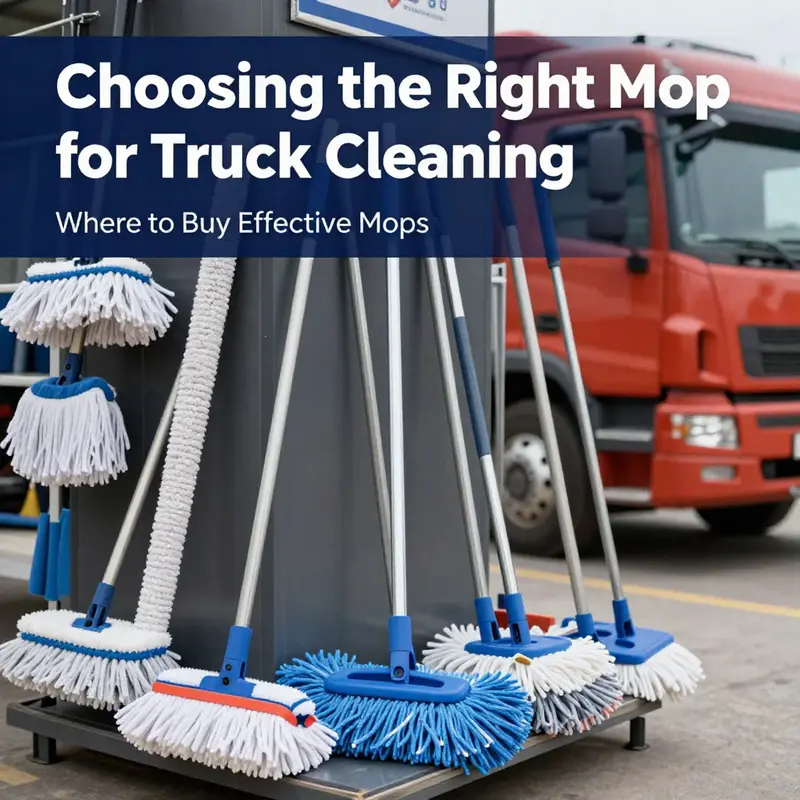
Cleaning trucks demands more than elbow grease; it requires a tool that can match the vehicle’s scale without compromising the finish. A heavy-duty, extendable mop or cleaning brush crafted for large vehicles is the backbone of an efficient wash routine. The modern solution is not a fragile sponge on a stick but a purpose-built system that combines an extendable handle, a durable head, and a flexible head orientation. When you pair a high-quality microfiber head or a snowflake-fiber alternative with a telescoping shaft and a 90-degree rotating head, you gain reach, control, and gentleness all at once. This combination makes it possible to clean roof panels, the long expanse of a truck’s sides, and the tight spots around wheels and under overhangs without the risk and hassle of ladders. It is the kind of tool that turns a routine wash into a thorough, paint-friendly service, especially in fleets where consistency and speed matter just as much as coverage.
At the heart of this setup is the material choice. Microfiber heads, known for their soft yet highly absorbent fibers, pick up dirt, dust, and grime with minimal abrasion. The fibers trap grime within their microscopic structure, reducing the chance of scratching sensitive paint jobs. Snowflake fibers—an engineered blend that tends to feature bundled filaments structured like tiny snowflakes—offer similar benefits with a slightly different brushing action. Either option can be designed to be gentle on the surface yet aggressive enough to remove stubborn road film, grease, and tar. The key is to select a head that feels soft to the touch but is built to withstand the continuous cycle of dipping, scrubbing, and wringing that a fleet wash entails. A soft, dense microfiber head will often outperform stiffer bristles on a vehicle’s finish, especially when you are working around decals, chrome trim, and weathered paint where abrasion is unacceptable.
Another essential feature is the extendable handle. A telescoping mechanism lets you adjust reach from a compact length for maneuvering in tight spaces to a full extension that spans from ground level to the truck’s roof without stepping on a ladder. This reduces the risk of slips and injuries while keeping the operator in a comfortable posture. When selecting a mop, it’s wise to consider the range of the extension and how smoothly the segments lock into place. A wobble-free, robust connection is crucial because the last thing you want is a mid-wash extension that slips or loosens as you work across a high surface or a curved cab roof. The most reliable designs offer a balance between light weight for easy handling and solid construction to endure outdoor weather and repeated use in a busy fleet environment.
The orientation of the head matters as much as the materials. A 90-degree rotating head is a standout feature for truck cleaning, allowing you to pivot the head to align with curves, edges, and undercarriage contours that are not accessible with a fixed-angle head. This flexibility translates into better coverage with fewer passes, which saves time and reduces wet-drag across the paint. It also helps you maneuver around door frames, mirror housings, and the wheel wells without contorting your body or forcing awkward angles that could invite streaks or scratches. When combined with an extendable handle, this rotating head becomes a versatile wrist and arm ally, able to follow the truck’s shape as you work from top to bottom, left to right, and around the most intricate features.
Durability rounds out the core considerations. Trucks operate in outdoor environments, exposed to sun, rain, dust, and road grime. The mop head and handle must stand up to frequent use, repeated wetting and wringing, and the occasional hard jolt when dropped or bumped against a fender. A sturdy construction typically means reinforced joints, corrosion-resistant metal components, and a head that is securely attached to the handle to prevent loosening during heavy scrubbing. The value of durability isn’t only in longevity; it translates to predictable performance under demanding conditions, which matters when you are trying to maintain a clean fleet without interrupting service.
Choosing the right mop is only part of the equation. A well-planned wash routine ensures you maximize the benefits of this tool. Start with a pre-rinse to loosen loose dirt and reduce initial drag on the mop fibers. Use a detergent compatible with large-vehicle finishes, avoiding harsh solvents that can degrade seals or decals over time. Apply the cleaning solution in a controlled sweep, moving from the topmost surfaces downward to prevent dirty rinse water from re-soiling areas you have already cleaned. The microfiber or snowflake-fiber head should glide rather than scrub with brute force; let the fibers do the heavy lifting to lift grime away from the paint rather than grind it into the surface. In areas where tar or grease is prevalent, consider a targeted pre-treatment after the initial rinse, allowing the solvent to soften the film before the microfiber head engages. A rotating head helps you adapt to the structure around doors and gill slits while the extendable handle keeps you out of the path of spray, which can be intense on large vehicles.
Rinse thoroughly after scrubbing. Residual detergent can leave a film on the finish if not properly rinsed, which may attract new dirt or create streaks in direct sunlight. A final, focused rinse of the roof and upper panels ensures gravity does its work and carries loosened particles down toward the ground instead of accumulating in sheltered crevices. The goal is a uniform, clean surface across the entire exterior without aggressive scrubbing that could wear the clear coat or decorative trim. When used in a fleet setting, cross-checking with a wash schedule helps you allocate time efficiently, ensuring every vehicle gets a consistent level of care without bottlenecks on busy days.
One practical tip for maintaining effectiveness is to care for the mop head between vehicles. Rinse and wring thoroughly, and allow the head to air-dry in a shaded area to prevent mold or mildew buildup. If you store the mop when not in use, keep it dry and avoid folding the fibers in ways that can permanently deform them. Over time, microfiber heads may lose some of their absorbency, and a quick head replacement becomes a cost of doing business rather than a surprise expense. In a fleet scenario, factoring in replacement heads into budgeting can prevent interruptions in service and maintain consistent cleaning standards across the board.
Beyond the mechanics of the tool itself lies a broader philosophy of vehicle maintenance. The mop is not a stand-alone solution; it is part of a system that includes pre-soaking, rinse management, and post-wash care for the fleet. When you approach truck washing as a process, you gain leverage to improve efficiency and outcomes. The process benefits from a straightforward, repeatable sequence: pre-rinse, targeted detergents, microfiber agitation, thorough rinsing, and finally a dry pass if necessary to minimize water spots. A rotating head that can pivot to align with the truck’s geometry reduces the number of passes, which can lower labor time while improving the quality of the finish. A high-quality extendable mop is ideally paired with a compatible hose setup and a dependable detergent that is strong enough to remove road film yet gentle enough to protect the paint and seals. Fleet supervisors who adopt this mindset tend to see more uniform cleanliness, less paint wear, and better overall appearances for their vehicles, which can translate into better resale values and higher customer satisfaction.
For those who want to explore practical examples or gain additional context on truck-cleaning strategies, a deeper dive into proven practices for tackling grease and tar is available through related resources. For a detailed discussion on how these strategies can be implemented on a busy fleet, see proven strategies for cleaning grease and tar off your trucks fast.
As you consider procurement, it is worth noting that the options for heavy-duty mops extend beyond a single retail channel. Fleet managers often look for sources that provide bulk purchasing with reliable warranty terms and consistent product quality. Platforms that cater to commercial and fleet buyers frequently offer a range of extendable, microfiber-based cleaning solutions that are designed to withstand daily use in outdoor conditions. The right choice is one that balances head material with head size and fiber density, a robust telescopic mechanism, and a head that can rotate to meet the demands of a large vehicle. When you invest in such a system, you also invest in efficiency—fewer passes, faster wash times, and less fatigue for the operator, which in turn supports safer, more consistent fleet maintenance.
The practical takeaway is straightforward: if you are responsible for cleaning trucks, look for a heavy-duty mop system that emphasizes an extendable, telescopic handle, a soft microfiber or snowflake-fiber head, and a 90-degree rotating head. This combination enables you to reach the roof, the sides, and the wheel wells with graceful efficiency while protecting the vehicle’s finish. It is a single tool that can substantially improve your exterior cleaning workflow, especially when integrated into a broader, repeatable washing protocol. The right tool doesn’t replace good technique; it amplifies it, turning a challenging exterior wash into a controlled, consistent, and safe operation. For fleet operators seeking reliable, scalable solutions, this approach offers a clear path to cleaner trucks, happier drivers, and a more professional presentation across the board.
External resource: https://www.walmart.com/search?q=Microfiber+Car+Wash+Mops
Final thoughts
Selecting the right mop for washing trucks is crucial for maintaining fleet appearance and extending vehicle life. By understanding the types of mops available, their key features, and the benefits of using an extendable mop, fleet managers can enhance their washing processes. Moreover, knowing where to buy these tools ensures access to the best products at competitive prices. Implementing these insights will facilitate better upkeep of your vehicles, reflecting professionalism and care in fleet management.