
Understanding ‘Low Wash’ in Freight Trucks: A Critical Component of Fleet Management
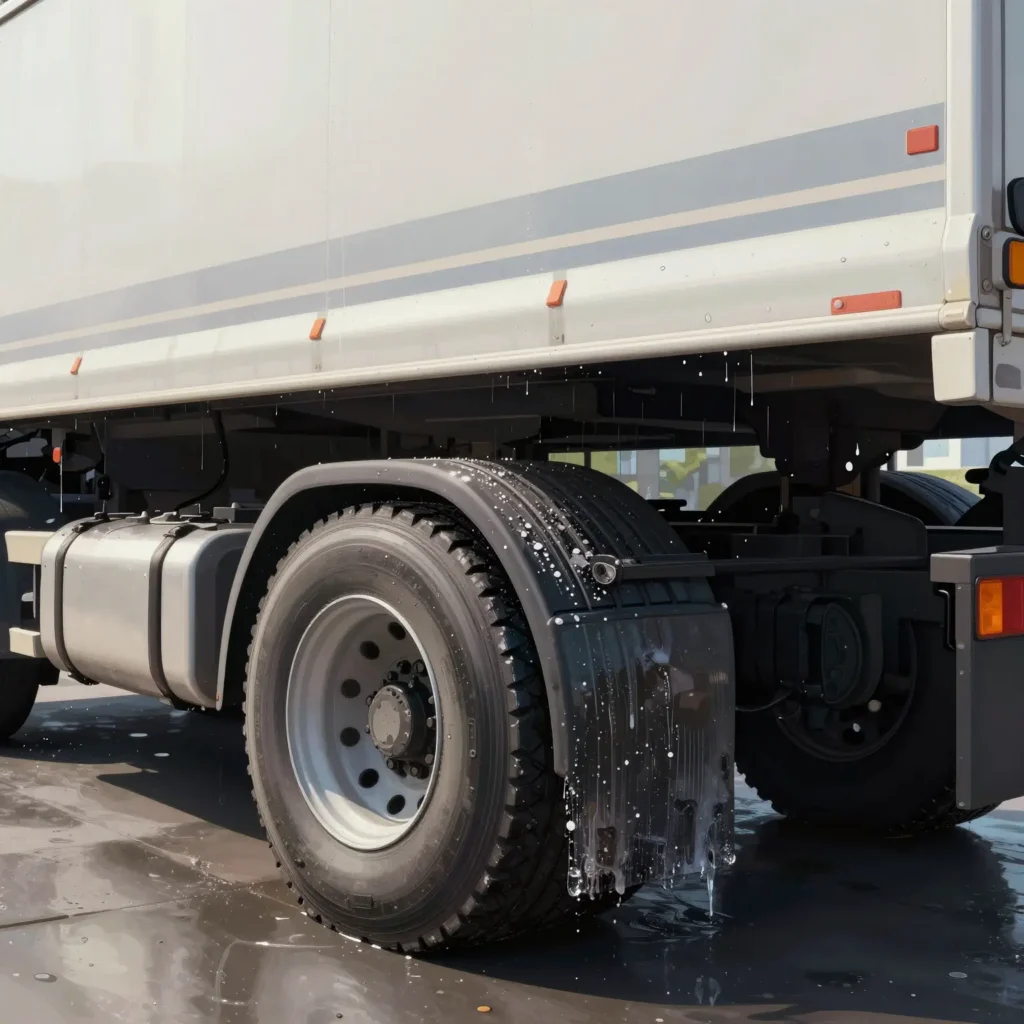
“Low wash” may sound like a trivial term, but it holds significant importance in the freight trucking industry. Referring specifically to the cleaning of low areas in trucks, such as the undercarriage and wheel wells, this process is not only essential for maintaining vehicle aesthetics but plays a pivotal role in extending the lifespan of these vital assets. As fleet managers and trucking company operators face mounting pressure to optimize vehicle performance and cut operational costs, understanding the relevance of low wash practices becomes imperative.
Regular low washes help to prevent rust and corrosion generated by residue like road salt and grime, which can lead to severe damage over time. Moreover, addressing these low areas during routine cleaning significantly enhances the overall health and reliability of the fleet. In this article, we will delve into what low wash entails, its operational benefits, and best practices for implementing an effective washing routine within your fleet. By prioritizing low wash services, fleet managers can better ensure their trucks remain in optimal condition and ultimately drive down maintenance costs, allowing for a more efficient logistics operation.
For fleet managers keen on refining their maintenance protocols, understanding vehicle integrity and preventive maintenance is crucial, especially in avoiding unnecessary downtimes due to repairs.
Understanding ‘Low Wash’ in Trucking and Logistics
In the trucking and logistics industry, the term ‘low wash’ refers to a cleaning technique that involves minimal water usage during the washing process of commercial vehicles. This method has garnered attention for its efficiency, environmentally friendly nature, and ability to maintain the aesthetic and functional aspects of trucks without excessive resource consumption.
Technical Aspects of Low Wash
Low wash techniques typically utilize advanced cleaning agents and equipment that are designed to break down dirt and grime effectively while minimizing water usage. The key components and implications of low wash include:
- Water Efficiency: By using less water than traditional washing methods, low wash techniques help preserve local water resources, which is increasingly important in areas facing drought or water shortages.
- Reduced Wear and Tear: Frequent washing of trucks can sometimes lead to wear on their exterior surfaces. Low wash methods, especially those employing high-quality foams and gentle pressure, can minimize this wear while still ensuring thorough cleaning.
- Chemical Use: The effectiveness of low wash techniques often relies on specialized biodegradable detergents. These chemicals are crafted to be effective at breaking down contaminants while being safer for the environment compared to harsher alternatives.
- Potential Impact on Vehicle Performance: A clean vehicle can lead to improved aerodynamics, which positively impacts fuel efficiency. Trucks that are kept clean can experience fewer issues with engine cooling and overall long-term performance, as dirt and grime buildup can impede mechanical functions.
Maintenance Implications
The transition to low wash techniques represents a strategic move for fleet managers and owners who prioritize both environmental responsibility and cost-effectiveness. Regular use of low wash methods, paired with adherence to maintenance protocols, can help minimize long-term upkeep costs while ensuring that vehicles remain at peak performance levels.
For more insights into maintaining optimal vehicle standards, consider the importance of regular trailer maintenance. As the logistics industry continues to evolve, incorporating innovative cleaning practices like low wash can directly influence operational efficiency and sustainability.
Understanding the Impact of Low Wash on Truck Performance
What is Low Wash?
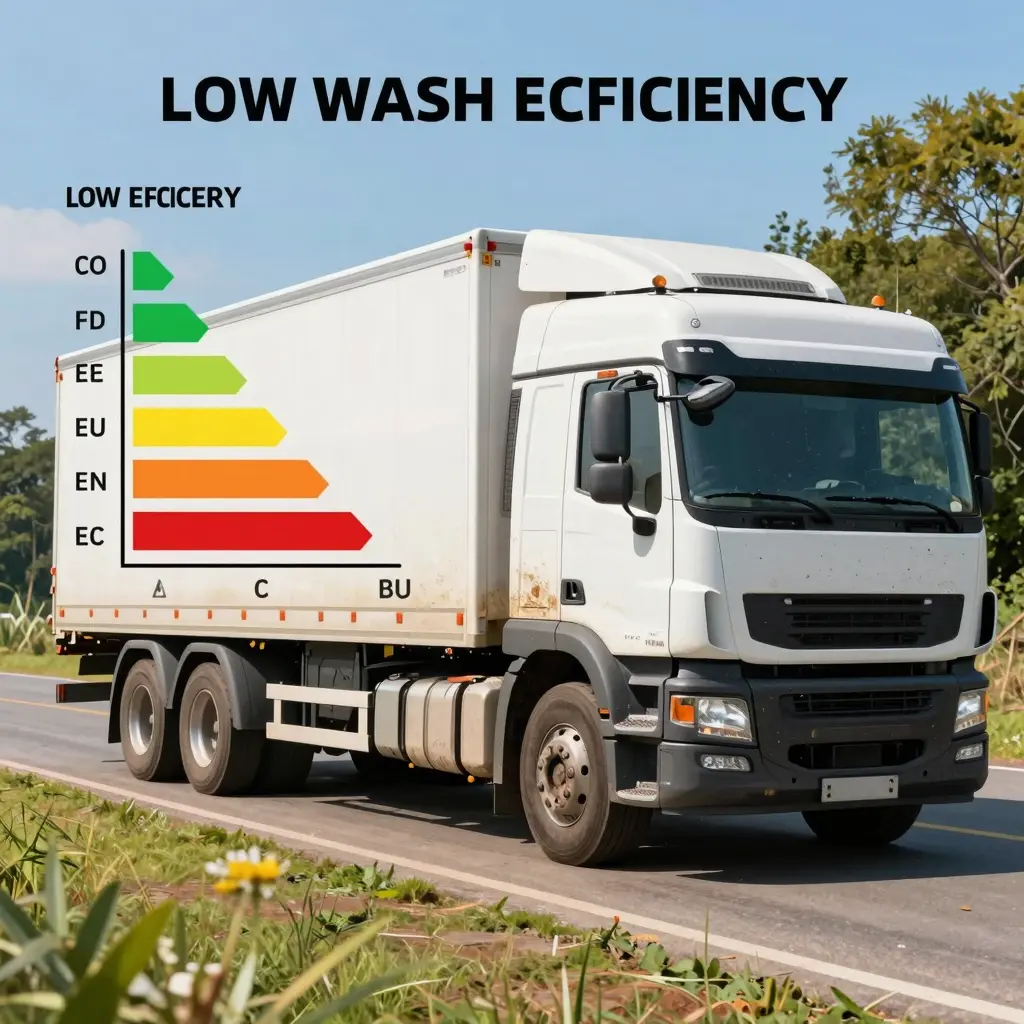
Low wash refers to the insufficient cleaning of trucks, which typically results in the accumulation of dirt, grime, and debris on their surfaces. This unclean condition can negatively affect various aspects of truck performance, including fuel efficiency, wear on parts, and overall vehicle longevity.
Fuel Efficiency
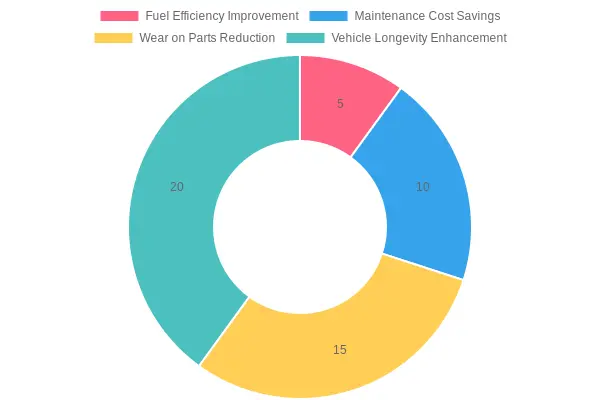
Maintaining a clean truck is pivotal for optimizing fuel efficiency. Research indicates that vehicles that are regularly washed can see an improvement in fuel efficiency by up to 5%. Dirt, grime, and debris increase aerodynamic drag, which forces the engine to work harder. When a truck is clean, it experiences less resistance, leading to measurable fuel savings. These savings can significantly impact operational costs for fleet operators.
Read more on how keeping trucks clean helps minimize repair costs.
Wear on Parts
The accumulation of dirt and debris accelerates the wear on vital parts such as the truck’s paint, trim, undercarriage, and brake systems. Regular washing helps in removing corrosive elements like salt, mud, and chemicals that can lead to premature deterioration. This practice not only extends the life of parts but can also reduce the frequency and costs of repairs.
The National Institute for Occupational Safety and Health (NIOSH) emphasizes that regular cleaning reduces maintenance needs significantly.
Vehicle Longevity
Cleaning trucks consistently helps preserve their body and structural integrity. By preventing rust and corrosion, regular washing considerably extends the lifespan of the vehicle, postponing the necessity for replacement or major overhauls. Fleet operators benefit from a longer-lasting vehicle that can handle the rigors of heavy use.
Maintenance Cost Savings
Fleet operators report significant cost savings associated with reduced maintenance needs. A study by the American Trucking Associations reveals that a well-maintained fleet that undergoes regular washing can see maintenance cost reductions between 10-20% annually. These financial advantages underline the economic viability of implementing consistent washing practices.
Summary Table
Here’s a summary of how low wash negatively impacts truck performance:
| Category | Impact / Data | Source |
|---|---|---|
| Fuel Efficiency | Regular washing can improve fuel efficiency by up to 5%. Dirt increases drag, causing higher fuel consumption. | American Trucking Associations (ATA) |
| Wear on Parts | Accumulated dirt accelerates wear on body and mechanical parts, leading to higher repair costs. | National Institute for Occupational Safety and Health (NIOSH) |
| Vehicle Longevity | Cleaning preserves structural integrity, preventing rust and extending vehicle lifespan. | U.S. Department of Energy – Vehicle Technologies Office |
| Maintenance Cost Savings | Regular washing can reduce annual maintenance costs by 10-20%. | American Trucking Associations (ATA) |
In conclusion, the implications of low wash on truck performance can be significant. Fleet managers and operations supervisors must advocate for regular washing to enhance fuel efficiency, minimize part wear, prolong vehicle lifespan, and ultimately lower maintenance costs. Regular maintenance checks, including washing, play a critical role in ensuring that fleets operate effectively and economically. For detailed insights on the importance of regular trailer maintenance, visit here.
Maintenance Cost Comparison for Trucks: Low Wash vs. No Wash
The following table provides an overview of the long-term maintenance costs for trucks operating with a low wash versus those without. These figures consider metrics such as fuel costs, replacement part costs, and other relevant expenses based on multiple sources.
| Metric | With Low Wash ($)** | Without Low Wash ($)** |
|---|---|---|
| Annual Maintenance Costs | 15,000 – 20,000 | 20,000 – 25,000 |
| Fuel Costs (Annual) | 30,000 – 40,000 | 35,000 – 45,000 |
| Replacement Parts (Annual) | 5,000 – 10,000 | 7,000 – 12,000 |
| Total Estimated Costs (Annual) | 50,000 – 70,000 | 62,000 – 82,000 |
Note: Prices can vary based on specific truck models, usage, and regional operating conditions.
Observations:
- Savings: Operating trucks with a low wash can lead to significant savings in maintenance costs due to reduced corrosion and degradation of truck components.
- Fuel Efficiency: Regular cleaning helps maintain optimal aerodynamics, potentially improving fuel efficiency over trucks that are not regularly washed.
- Value Preservation: Maintaining a clean truck can positively affect resale value, adding to overall cost benefits in the long term.
Overall, adopting a low wash practice can be a cost-effective strategy for fleet managers aiming to minimize long-term maintenance expenses. For more insights into truck maintenance, visit the importance of regular trailer maintenance.
Common Causes of Low Wash in Trucks
Low wash in trucks can significantly affect their appearance and, ultimately, their resale value. Fleet managers must stay vigilant to identify any underlying issues that can lead to low wash problems. Below are some common causes and preventative measures:
-
Chemical Application Inefficiency: Inadequate or inconsistent chemical application during washing can compromise cleaning effectiveness. Fleet managers should monitor chemical levels and ensure proper mixing ratios to maintain optimal wash performance.
-
Equipment Malfunction: Issues such as clogged nozzles or malfunctioning pressure systems can lead to inadequate washing. Regularly schedule maintenance inspections to ensure all truck wash equipment is in optimum working condition. Learn more about maintenance practices.
-
Environmental Factors: Harsh weather conditions, such as extreme temperatures or heavy pollution, can contribute to faster grime accumulation. Fleet managers should develop washing schedules that account for these factors and promote more frequent washes when necessary.
-
Operator Training: Inexperienced operators can affect washing techniques, leading to inconsistent results. Providing comprehensive training and standard operating procedures can drastically improve wash outcomes. Explore strategies for fleet standardization.
-
Neglecting Routine Wash Cycles: A lapse in routine washing schedules can allow dirt and grime to build up, necessitating more intensive cleaning that may still fall short. Enforce a strict washing regimen to avoid low wash issues.
Regular monitoring and proactive measures can help fleet managers identify and resolve low wash issues before they escalate. By prioritizing wash maintenance, the quality and lifespan of fleet vehicles can be preserved efficiently.
Actionable Solutions to Mitigate Low Wash Issues in Trucks
Low wash incidents in trucks, which refer to inadequate cleanliness or ineffective washing processes, can have detrimental effects on fleet maintenance and operational efficiency. Addressing this issue involves implementing several actionable solutions. Fleet managers are encouraged to adopt a multi-faceted approach encompassing innovative tools, regular practices, and adherence to cleaning protocols. Here are some effective strategies:
1. Regular Washing Schedule
Establishing a consistent washing schedule is crucial. A recommended practice is to wash trucks at least once per week or after every long haul. This routine helps prevent dirt accumulation and ensures maintenance of the vehicle’s exterior. Reports suggest that fleets adhering to regular wash schedules experience lower maintenance costs and prolong vehicle life by up to 30%.
2. Invest in Eco-Friendly Cleaning Solutions
Using biodegradable and environmentally friendly cleaning products reduces the impact of washing on the environment while maintaining effective cleanliness. Many modern cleaning chemicals are designed to cut through grime without causing damage to vehicle surfaces or harming the environment. Fleet managers can explore options such as eco-friendly truck washing solutions that are innovative, safe, and effective.
3. Utilize Advanced Washing Technology
Automatic truck washes equipped with cutting-edge technology can increase efficiency and effectiveness in cleaning. These systems can manage water usage and cleaning agents while ensuring comprehensive washing procedures. Managers should also consider integrating spray technologies that cover all angles of the vehicle, especially undercarriages that are often missed.
4. Maintain Equipment Regularly
Regular maintenance of washing equipment is vital to ensure optimal performance. Fleet managers should inspect and service washing systems routinely. This includes checking for clogs, ensuring correct pressure settings, and maintaining soap dispensers to avoid washing with diluted or ineffective solutions.
5. Employee Training
Training staff on proper washing techniques and the importance of vehicle cleanliness can drastically improve wash results. Employees should understand the impact of low wash incidents and be educated on the right products and methods. Additionally, utilizing employee feedback can lead to further improvements in practices.
6. Monitor Fleet Cleanliness
Implementing a cleanliness auditing system helps monitor adherence to washing protocols. Managers can utilize inspection checklists and schedule audits to evaluate truck conditions regularly. Consistent monitoring allows for timely identification of trucks that need immediate attention.
7. Collaboration with Professional Services
Engaging professional truck wash services can ensure that all vehicles are washed to the highest standard, especially for fleets operating in harsh conditions. Regular engagements with experts can also provide insights into best practices that improve overall fleet hygiene.
Benefits of Regular Truck Washing
Regular washing not only enhances the aesthetic appeal of trucks but also brings tangible benefits. For instance, studies reveal the following impacts:
| Benefit | Description | Source |
|---|---|---|
| Maintenance Cost Reduction | Regular truck washing removes abrasive dirt, salt, and grime that can corrode paint and metal components, reducing costly repairs. Fleets with consistent wash schedules report up to 30% lower maintenance costs. | FEMA, 2025 Report |
| Fuel Efficiency Increase | Clean vehicles experience reduced drag, leading to improved fuel economy. A clean truck can achieve up to 5% better fuel efficiency compared to a dirty one, saving significant fuel costs. | ATA, 2024 Study |
| Longevity of Vehicle Life | Consistent cleaning helps preserve structural integrity, preventing rust, and extending the operational lifespan by 2-3 years on average. | NFSC, 2025 Vehicle Lifecycle Analysis |
By implementing these strategies, fleet managers can make substantial progress in addressing low wash issues, ensuring that their trucks are impeccably clean, compliant with industry standards, and performing at their best. Furthermore, for more insights into the importance of regular maintenance, including washing, check out this guide on trailer maintenance.
Visual Aid

Conclusion
In conclusion, tackling low wash incidents in trucks requires an organized approach, leveraging the right tools, practices, and professional support. Fleet managers who prioritize cleanliness not only foster compliance and enhance operational success but also extend asset longevity and reduce overall costs.
Truck Performance Metrics Visualization
In addressing low wash issues, understanding the performance metrics is crucial for fleet managers. The chart below demonstrates the impacts on truck performance metrics such as fuel efficiency and tire wear before and after implementing effective washing strategies.
Changes in Truck Performance Metrics
- Fuel Efficiency: Regular washing reduces drag caused by dirt accumulation, potentially improving fuel efficiency significantly.
- Tire Wear: Clean trucks experience reduced tire wear, leading to extended tire life and lower replacement costs.
Here’s the chart illustrating these metrics:

Chart showing the impact of washing on truck performance metrics.
For further insights, learn more about the importance of regular trailer maintenance and how it relates to overall vehicle efficiency.
The Importance of Maintaining Trucks in Optimal Conditions
Maintaining trucks in optimal conditions is crucial for ensuring their reliability and longevity. Low wash issues can significantly impact a truck’s performance, leading to increased operating costs and safety risks. As Derrick Wolfe, an established fleet manager, says:
“Routine maintenance, including proper washing, is not just about aesthetics; it significantly reduces wear and tear on vital components, keeping our trucks safe and efficient on the road.”
Ignoring low wash issues can lead to extensive vehicle damage, affecting both operational efficiency and safety. Fleet managers should prioritize regular maintenance routines to not only enhance the appearance but also the functionality of their vehicles.
For more insights on how regular maintenance aids in adhering to industry compliance regarding emissions regulations, learn more here.
In conclusion, maintaining trucks in optimal conditions allows logistics and freight companies to operate smoothly while reducing unexpected costs associated with breakdowns.
Conclusion
In conclusion, understanding and addressing low wash in trucking is essential for maintaining operational efficiency, vehicle longevity, safety, and a strong brand image. Low wash, which refers to the insufficient cleaning of trucks, can lead to significant long-term consequences such as increased maintenance costs, reduced fuel efficiency, and compromised safety. Studies illustrate that regular truck washing not only preserves the vehicle’s aesthetics but also plays a crucial role in preventing mechanical damage that can escalate repair expenses. In fact, a dirty truck may experience higher fuel consumption, up to 7%, due to increased drag, according to industry reports.
Moreover, safety is paramount in our industry. Clean windshields and mirrors ensure optimal visibility for drivers, significantly reducing the risk of accidents, especially in adverse weather. Additionally, the professional appearance of a well-maintained fleet bolsters a company’s reputation, reflecting responsibility and accountability to clients and partners alike.
To mitigate the risks associated with low wash, fleet managers and operators must prioritize regular washing as part of their maintenance routine. By investing in professional cleaning services, logistics and trucking firms can reap the benefits of improved operational efficiency, enhanced vehicle lifespan, and a prestigious position within the industry. For a deeper dive into the connection between washing practices and compliance with emissions regulations, consider learning more about industry compliance. Act now, and ensure your fleet not only looks great but operates at its best.