
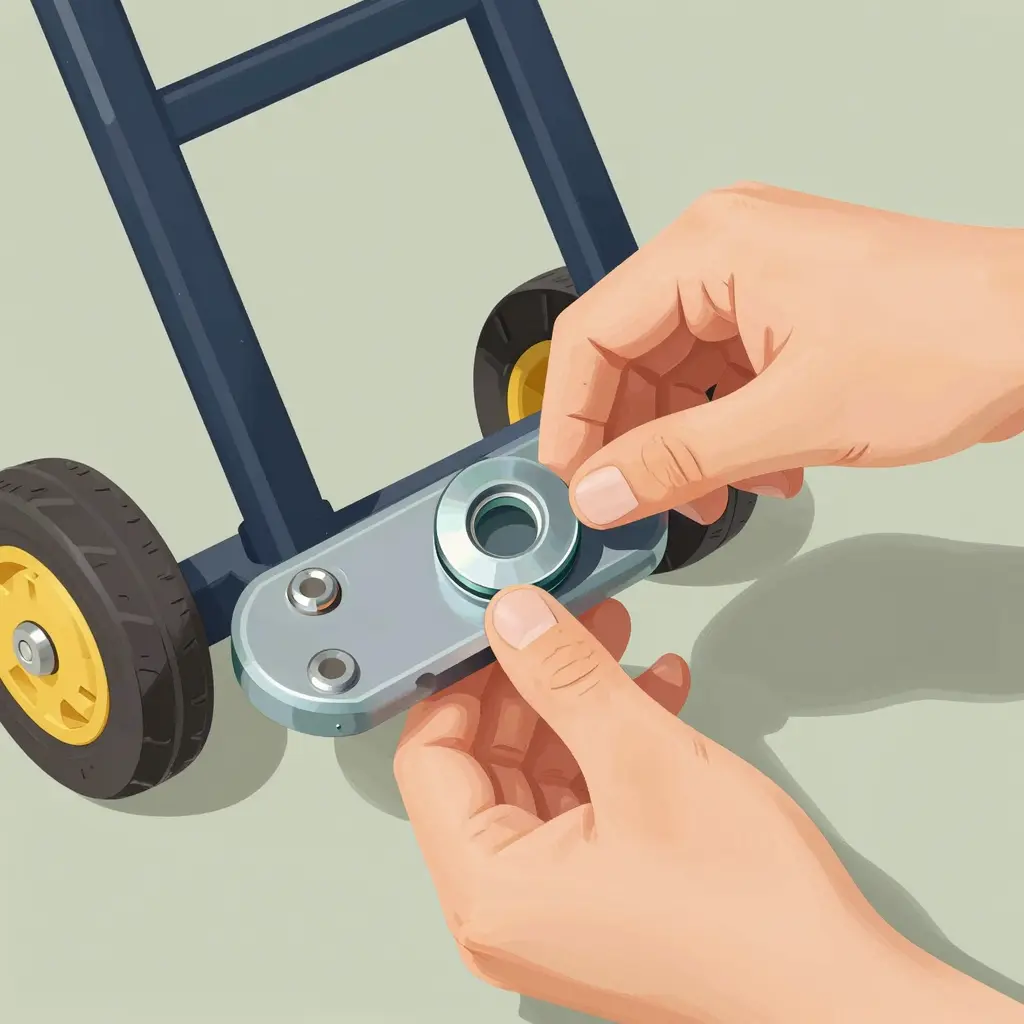
The Importance of Properly Installing a Lock Washer on a Hand Truck
In the world of logistics and construction, the hand truck serves as an indispensable tool for transporting heavy materials efficiently and safely. Yet, the effectiveness of this crucial equipment hinges significantly on the integrity of its components, particularly the lock washer. Properly installing a lock washer is essential not only for ensuring the structural stability of the hand truck but also for extending its lifespan. Fleet managers and construction supervisors must prioritize hand truck maintenance to avoid costly downtime and enhance operational efficiency. A well-installed lock washer secures bolts and nuts, preventing them from loosening during transit and minimizing the risk of equipment failure. As fleet management becomes increasingly complex, understanding the intricacies of hand truck upkeep, including proper washer installation, is vital. By adhering to these maintenance best practices, supervisors can foster a more reliable workforce and maintain a smooth, productive operation. For further insights on the importance of maintenance, check out the importance of regular trailer maintenance and investing in people key to truck fleet success.
Tools and Materials Required for Installing a Lock Washer on a Hand Truck
Installing a lock washer on a hand truck requires precision and the right tools. Here’s an ordered list of the necessary items:
-
Lock Washers
Essential for securing nuts and preventing them from loosening due to vibrations. Ensure to choose the right size for your application. -
Flat Washers
Used in conjunction with lock washers to provide a smooth surface and distribute the load evenly. Position first beneath the lock washer. -
Screwdrivers
Various sizes may be necessary, depending on the type of screws used to secure your hand truck components. Phillips and flathead are commonly used. -
Wrenches
An adjustable wrench or socket wrench will help tighten nuts securely onto bolts when installing lock washers. -
Pliers
Useful for gripping and turning fasteners where a wrench may not fit, ensuring tight installation. -
Torque Wrench
Ensures that the nuts are tightened to the manufacturer’s specifications, preventing any future loosening due to vibration. -
Safety Glasses
Personal protective equipment (PPE) to protect your eyes while working on machinery. -
Work Gloves
To protect your hands during installation, especially when handling tools and sharp components.
When preparing to install, ensure to follow all safety protocols and refer to manufacturer instructions for best practices, such as proper torque specifications. For more information on maintenance that applies to various fleet equipment, you can learn more about the importance of regular trailer maintenance or discover fleet standardization for emergency response.
Step-by-Step Guide to Installing a Lock Washer on a Hand Truck
Lock washers play a vital role in preventing the loosening of fasteners due to vibrations, making them essential for equipment like hand trucks. Here’s a concise and actionable guide to successfully install a lock washer on your hand truck.
Tools and Materials Needed:
- Lock washers (appropriate size for your bolts)
- Hex nuts
- Wrenches or socket set
- Bolt
- Screwdriver (if required)
- Safety goggles
Installation Instructions:
-
Prepare Your Work Area
Ensure that you have a clean, well-lit workspace. Gather all necessary tools and materials to avoid interruptions during the installation process. -
Identify the Bolts
Locate the bolts where you will be installing the lock washers. Typically, these will be in places where there is a potential for movement or vibration. -
Remove Existing Components (if applicable)
If there are existing washers or bolts, use your wrench or socket set to remove them carefully. Make sure to keep any removed components for reference during reinstallation. -
Inspect the Bolts and Holes
Check for any damage or wear. Ensure that the bolts are clean and that the holes are free from debris which might hinder the lock washer’s effectiveness. -
Select the Correct Lock Washer
Choose the right size lock washer that matches your bolt. It’s essential that the lock washer fits snugly to ensure it performs its role of preventing loosening. See more on how to choose the correct lock washer for additional guidance. -
Insert the Washer
Place the lock washer over the bolt. The split-side should face the nut if you are using a split lock washer. This orientation helps create friction that enhances grip as the nut is tightened. -
Add a Flat Washer (if necessary)
In some cases, you might need to add a flat washer before the lock washer. If your assembly requires it, place the flat washer before installing the lock washer to distribute the load evenly. -
Thread the Nut onto the Bolt
After positioning the lock washer, screw the nut onto the bolt by turning it clockwise until it is hand-tight. This provides initial alignment. -
Tighten the Nut with a Wrench
Using the appropriate size wrench, tighten the nut until it is secure. Be careful not to overtighten, as this can damage the lock washer and reduce its effectiveness. -
Perform a Final Check
Once everything is tightened, double-check the installation to ensure that the lock washer is properly seated and that the nut is secure. Repeat the process for any additional bolts on the hand truck.
Benefits of Using Lock Washers
Using lock washers increases the reliability of fastenings in hand trucks. They prevent loosening due to vibrations, minimizing the need for maintenance. For more information on the importance of regular inspection and maintenance, see our guide on the importance of regular trailer maintenance.
“Despite their small size, lock washers play a critical role in vehicle maintenance by preventing nuts and bolts from loosening under vibrations and dynamic loads, thereby ensuring the safety and structural integrity of vehicles.”
- Industry Expert
Incorporating the right components, like lock washers, can significantly impact vehicle safety and performance. For fleet managers and operators, understanding how these simple yet effective components work is crucial for maintaining a reliable fleet. For more on maintaining the integrity of your fleet, consider the importance of regular trailer maintenance.
Additionally, lock washers contribute not only to safety but also to the overall performance of the vehicle by keeping all fastenings tight under various operating conditions. Implementing tools like these can help prevent costly repairs and downtime, ensuring a competitive edge in logistics management.
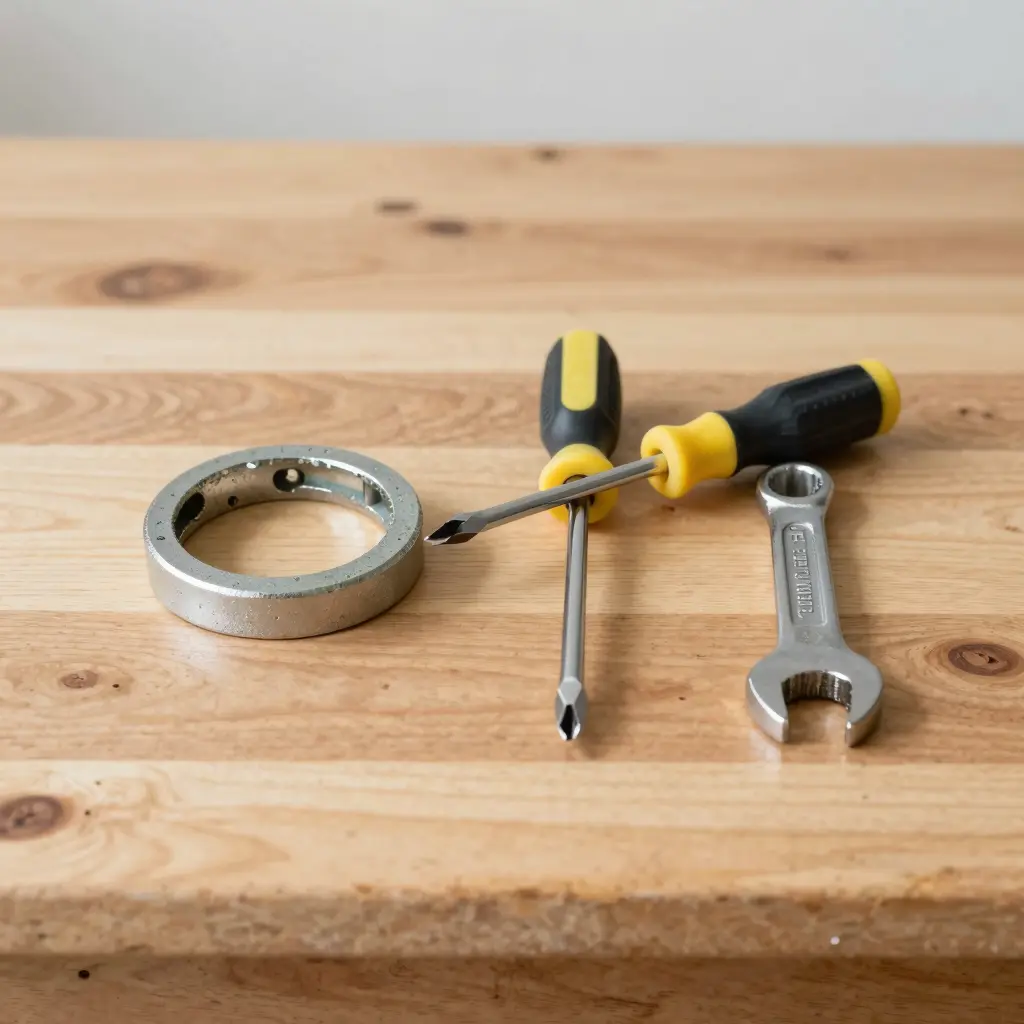
Installing a lock washer on a hand truck requires precision and the right approach to ensure optimal performance. However, several common issues can arise during the installation process. Below are some troubleshooting tips to address these challenges effectively.
1. Insufficient Tension
- Issue: After tightening, the lock washer does not create enough tension, leading to loose assemblies.
- Solution: Ensure that the washer is correctly seated under the fastener. Use a torque wrench to apply the manufacturer-specified torque. Consider using a thicker washer if the tension remains insufficient. Learn more about the importance of regular maintenance.
2. Wrong Bolt or Washer Size
- Issue: The lock washer fits poorly on the bolt, resulting in ineffective locking.
- Solution: Always check that the washer and bolt sizes match. Use calipers to ensure the inner diameter of the washer aligns with the bolt size. Additionally, opt for appropriate types of lock washers (e.g., split, wave, or toothed) based on the assembly requirements.
3. Washer Deformation
- Issue: Lock washers can deform if over-tightened, compromising their locking ability.
- Solution: Avoid excessive force while tightening. If deformation occurs, replace the washer with a new one to ensure proper function. It’s also helpful to consult guidelines on proper lock washer installation from reputable sources like DeLong Fasteners.
4. Contaminated Surfaces
- Issue: Grease, dirt, or debris on assembly surfaces can prevent proper locking.
- Solution: Thoroughly clean the surfaces before installation. Ensure that both the washer and the substrate are free of oil, dirt, or rust. Regular maintenance checks can preempt such issues-discover effective strategies for maintaining your fleet.
5. Misalignment
- Issue: The lock washer does not align properly, leading to ineffective locking.
- Solution: Ensure all components are aligned before tightening. If alignment issues persist, disassemble the parts and reposition them before re-tightening.
6. Incorrect Installation Direction
- Issue: Installing the washer in the wrong direction can lead to failure in retaining the bolt.
- Solution: Verify the installation direction. Most lock washers are designed to be installed in a specific orientation-typically with the flat side against the surface and the curved side facing the bolt.
Final Thoughts
Proper installation of lock washers can significantly enhance the durability and reliability of hand truck assemblies. If problems persist, consider consulting a professional or referring to detailed installation and maintenance guides. Always remember that even minor mistakes can lead to significant consequences, particularly in demanding logistics environments.
Comparison of Lock Washers for Hand Truck Maintenance
In maintaining hand trucks, selecting the correct type of lock washer is crucial. Below is a detailed comparison table outlining various types of lock washers, including their features, advantages, disadvantages, and recommended uses:
| Type | Features | Pros | Cons | Recommended Uses |
|---|---|---|---|---|
| Split Lock Washer | A flat washer with a split | Good for preventing loosening due to vibration | Can be less effective on soft materials | General use in automotive and machinery |
| Belleville Washer | Curved design creates spring action | Provides flexibility and high load capacity | More complex installation | High-stress applications like suspension |
| Tooth Lock Washer | Has small teeth for grip | Excellent grip on flat surfaces | Can cause damage to surfaces | Heavy machinery and construction equipment |
| Internal Tooth Washer | Teeth on the inner side | Stabilizes the assembly; good for soft materials | Limited effectiveness on hard surfaces | Electrical connections and light applications |
| External Tooth Washer | Teeth on the outer side | High resistance to loosening | Can mar surfaces if over-tightened | Use with irregular surfaces in heavy-duty applications |
Additional Information
For maintenance crews and managers, understanding the nuances of these lock washers can significantly enhance the integrity and safety of hand trucks. Regular checks and the right equipment can promote longevity in operational efficiency and safety standards. To dive deeper into maintenance protocols, you can learn more about the importance of regular trailer maintenance or explore best practices for cleaning grease and tar off your trucks fast.
In conclusion, proper installation and maintenance of lock washers on hand trucks are not just best practices but essential components that significantly enhance operational safety and efficiency. As delineated throughout this article, a secure connection is critical to preventing mechanical failures that can cause serious accidents and costly downtimes. The critical role of lock washers in ensuring stability under varying loads and conditions cannot be overstated; improperly installed washers may lead to equipment loosening, thereby jeopardizing the integrity of critical components. Furthermore, by adhering to best practices in maintenance, companies can extend the lifespan of their equipment while ensuring compliance with safety regulations, such as those discussed in the article on industry compliance regulations. Fleet managers, operators, and supervisors must prioritize regular inspections and proactive maintenance strategies to safeguard not just their machinery but also the safety of their workforce. Ultimately, commitment to maintaining and installing lock washers correctly is a commitment to operational excellence and workplace safety.
How to Install a Lock Washer on a Hand Truck
Installing a lock washer on a hand truck is a necessary maintenance task that ensures the stability and security of the attached components. A lock washer helps to prevent loosening due to vibration or impact. Here’s a step-by-step guide on how to install a lock washer on your hand truck:
- Gather the Necessary Tools: You will need a wrench or pliers, a flat surface to work on, and of course, the lock washer and bolt you intend to install.
- Remove the Existing Bolt: If there is a bolt already in place, use your wrench or pliers to remove it. Ensure that you keep any additional washers or nuts that may have been on the bolt.
- Choose the Right Lock Washer: Make sure that the lock washer fits the diameter of the bolt. It should sit snugly without being too tight.
- Install the Lock Washer: Place the lock washer onto the bolt, ensuring that the teeth of the washer face the part you are securing (the hand truck frame).
- Reattach the Bolt: Insert the bolt back into place, passing it through the lock washer and whatever other components you are securing.
- Tighten the Bolt: Use your wrench to tighten the bolt securely but avoid over-tightening, which could strip the threads.
- Test for Stability: Once everything is in place, give the hand truck a slight shake to ensure that everything is tight and secure.
Importance of Fleet Performance
For logistics and trucking companies, ensuring that your fleet operates efficiently is crucial. Using premium products can significantly enhance fleet performance. By investing in high-quality parts and tools, fleet managers can:
- Improve Efficiency: Tools designed for durability and reliability ensure that your vehicles remain operational without frequent breakdowns.
- Enhance Safety: Better quality components, such as high-grade lock washers, minimize the potential for accidents caused by equipment failure.
- Maximize Lifespan: Superior products can tolerate wear and tear better, extending the life of your equipment.
Elevate Your Fleet’s Performance
Ready to enhance your fleet’s performance? Improve your operations with premium parts from Summit Fairings. Our products are designed to meet the rigorous demands of the logistics and trucking industry, ensuring safety and efficiency.
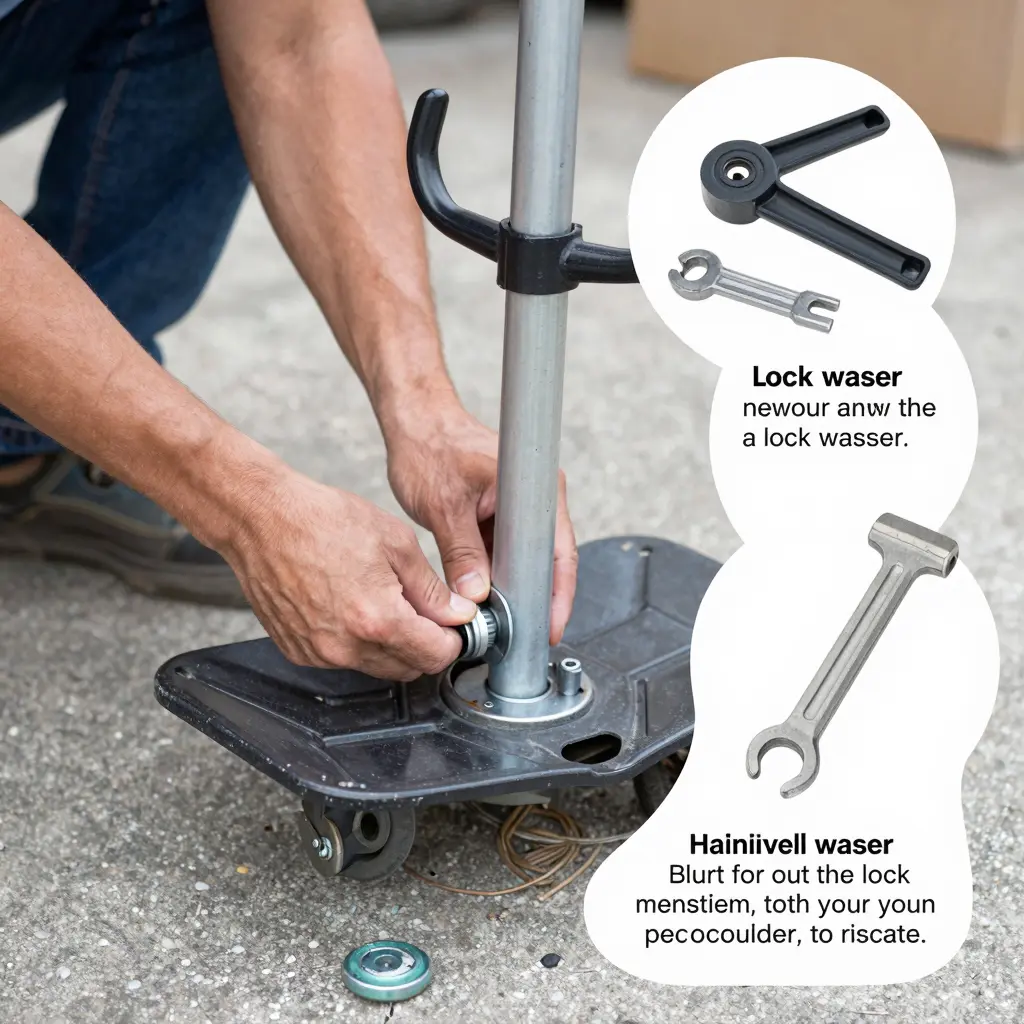
Credits: Image illustrating the installation process for a lock washer on a hand truck.
For further insights on maintaining your fleet, check out our post on the importance of regular trailer maintenance to ensure operational compliance and safety.
User Feedback on Lock Washer Installation for Hand Trucks
Lock washers are critical components in securing fasteners used in hand trucks, yet their installation can present various challenges. Based on user feedback from multiple sources, several recurring themes emerge concerning the installation of lock washers.
Common Experiences and Challenges
-
Importance of Proper Installation Techniques: Many users emphasize that the effectiveness of lock washers depends heavily on correct installation methods. A guide by DeLong Fastener stresses that without using the right torque, the washers may not perform effectively. This can lead to loose connections, jeopardizing the safety and operation of the hand truck.
-
Alignment Issues: Installation can be particularly tricky due to alignment problems, especially with tooth-type lock washers. According to an article by AYA Fasteners, even slight misalignment can prevent the washer from seating correctly under the bolt, which is crucial for maintaining tension and preventing loosening.
-
User Tutorials: Visual aids such as video tutorials can make a significant difference in understanding the installation process. For instance, a YouTube tutorial demonstrates proper techniques, showcasing how to avoid common mistakes while installing lock washers. These resources have proven invaluable for users needing a clear visual guide.
-
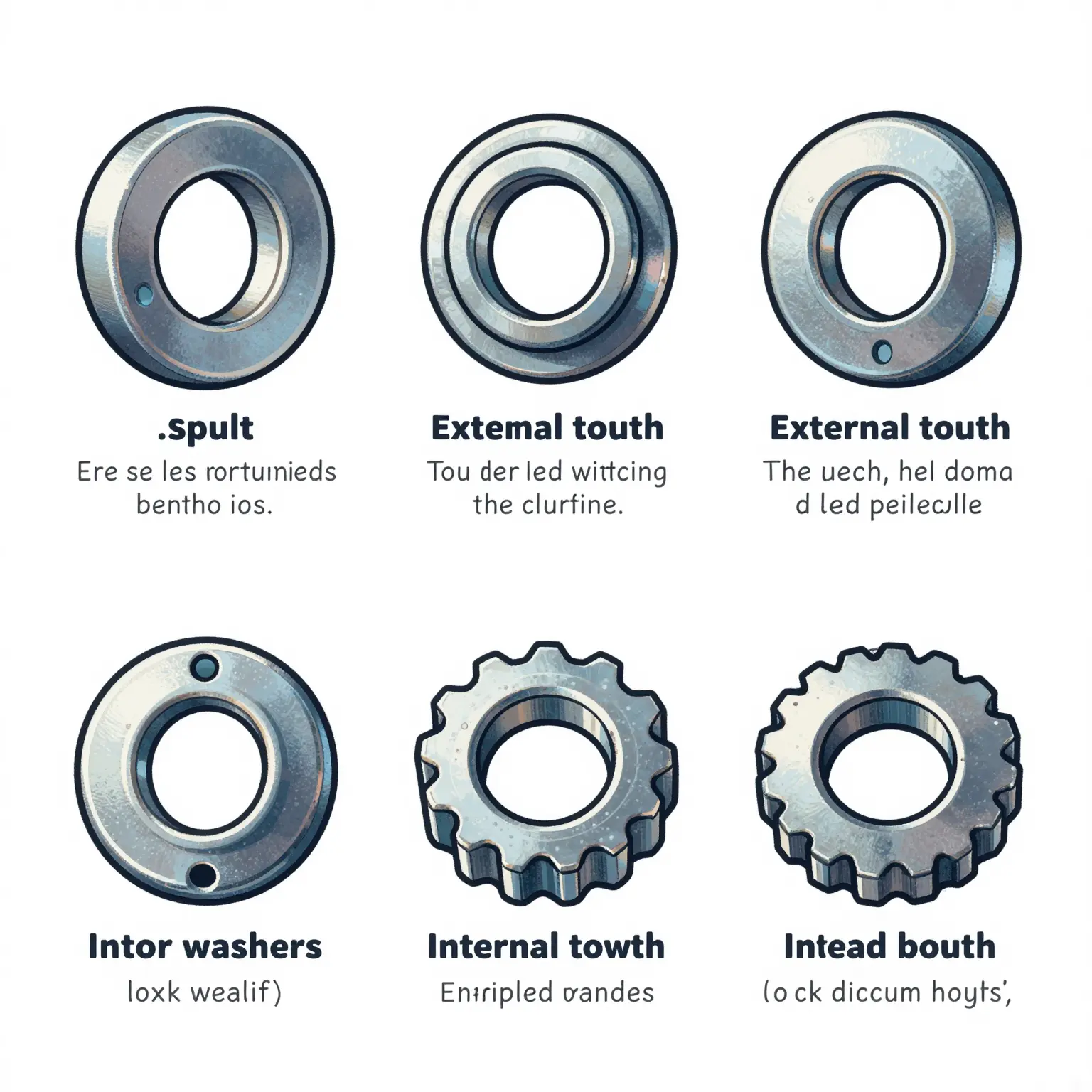
Types of Lock Washers: Different types of lock washers-like split, external tooth, and internal tooth-serve varied applications. Users note that understanding which type to use is vital for the specific demands of their hand trucks. An illustration highlights these types, ensuring that users can select the correct washer for their specific application.
-
Installation Tools Required: Proper tools, such as wrenches and screwdrivers, are essential for successfully tightening lock washers. Users report that having the right tools reduces installation challenges, thereby significantly enhancing efficiency and safety.
Conclusion
In conclusion, while lock washer installation on hand trucks is straightforward, it does require attention to detail and proper techniques. Adhering to the guidance from experienced users and utilizing instructional materials can significantly mitigate potential issues. For fleet managers and supervisors, understanding these common challenges will facilitate better maintenance practices, optimizing the performance and safety of hand trucks across various operational contexts.
Images:
Correct Lock Washer Installation
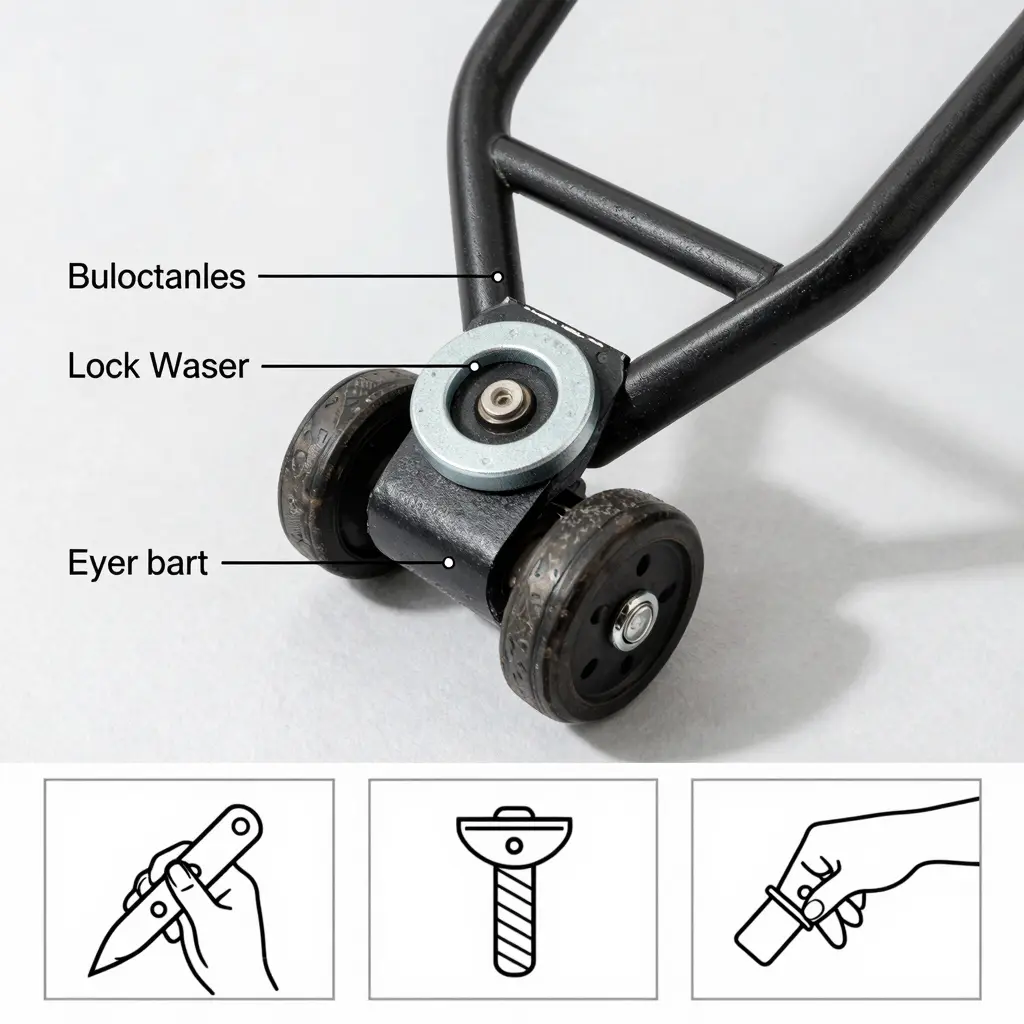
Types of Lock Washers
For more strategies to ensure the longevity and adherence to maintenance requirements for your fleet, learn more about the importance of regular trailer maintenance.