
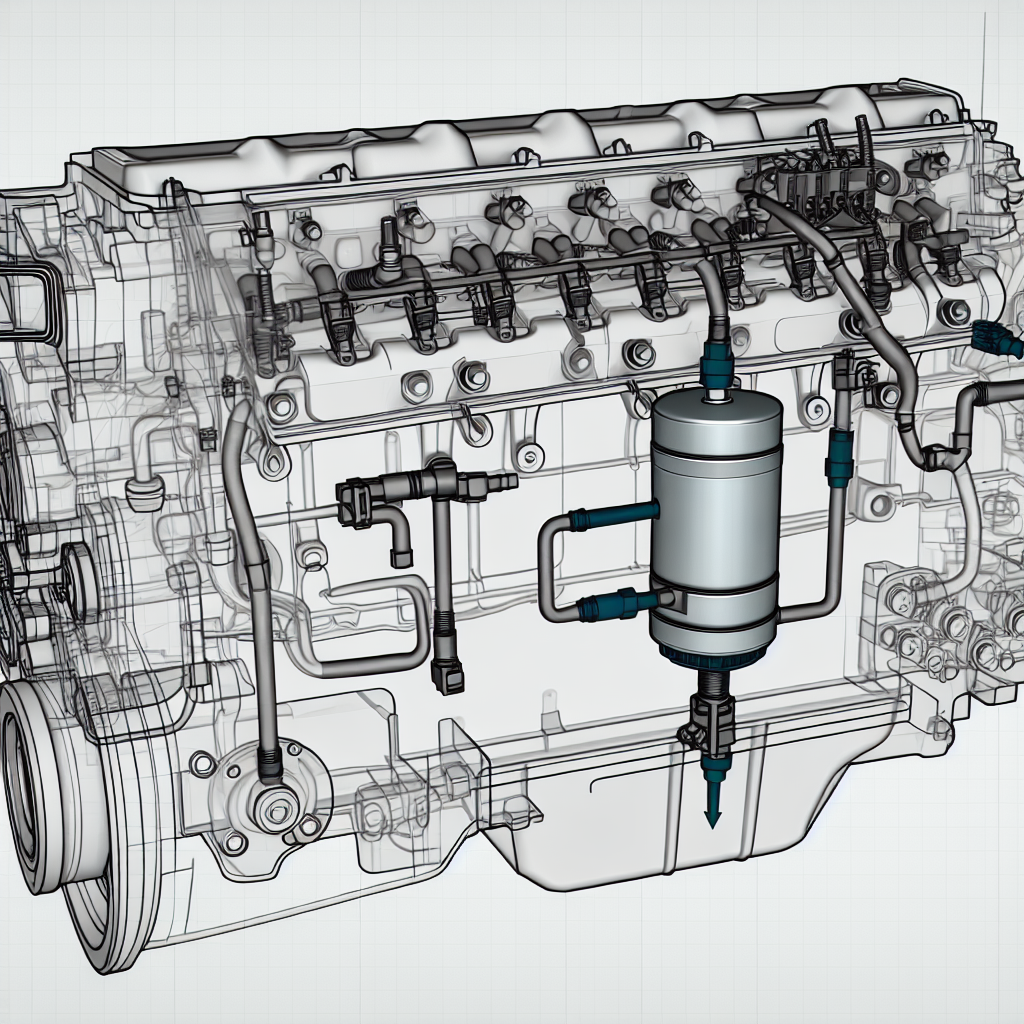
In the world of diesel engines, lift pumps are often unsung heroes. They perform a vital role that directly impacts engine health and performance. These low-pressure pumps draw fuel from the tank to the fuel system, ensuring that the high-pressure fuel pump and injectors operate smoothly.
Unfortunately, the importance of a properly functioning lift pump is sometimes overlooked in favor of larger components. Neglecting lift pump maintenance can lead to serious problems, such as difficulty starting, engine stalling, and reduced performance. A single malfunction can create a cascade of issues, damaging key parts of the engine and resulting in expensive repairs. Therefore, understanding and maintaining lift pumps is essential for the longevity and efficiency of diesel vehicles.
Differences Between Lift Pumps and Fuel Pumps
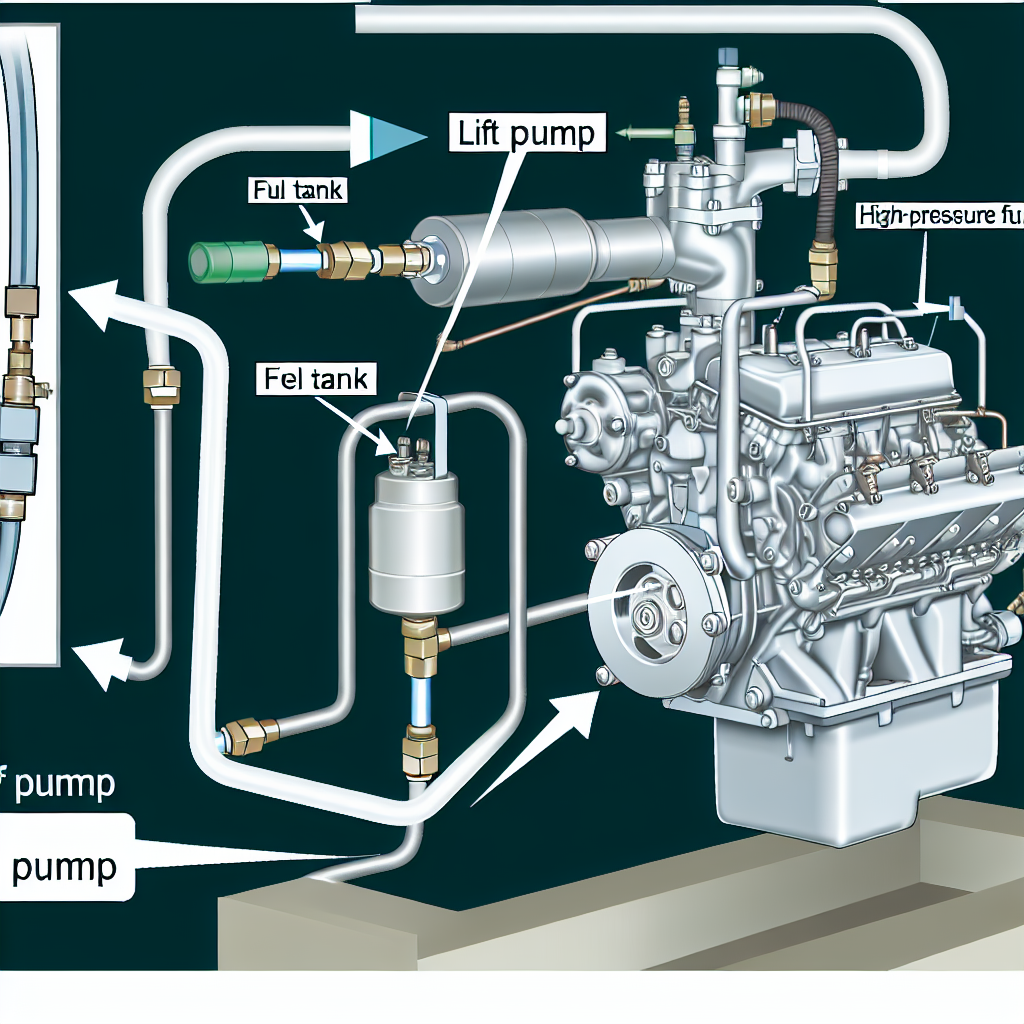
In diesel engines, both lift pumps and fuel pumps play crucial roles in the fuel delivery system, but they serve distinct functions and operate at different stages of fuel processing.
Lift Pump (Fuel Supply Pump):
- Function: The lift pump’s primary role is to draw fuel from the fuel tank and deliver it to the high-pressure fuel injection pump. It operates at low pressure, typically supplying fuel at around 8 to 15 psi, though this can vary depending on the engine design.
- Operation: Located near or inside the fuel tank, the lift pump ensures a consistent and adequate fuel flow to the injection pump. It also helps in priming the fuel system by removing air pockets, preventing vapor lock, and maintaining system integrity.
- Importance: A properly functioning lift pump prevents fuel starvation, which can lead to incomplete combustion, power loss, and decreased efficiency. It also reduces strain on the high-pressure fuel pump by ensuring a steady fuel supply.
Fuel Pump (High-Pressure Fuel Injection Pump):
- Function: The fuel pump, often referred to as the high-pressure fuel injection pump, pressurizes the fuel to extremely high levels required for direct injection into the engine’s combustion chambers. This high-pressure delivery is essential for efficient combustion and optimal engine performance.
- Operation: Driven mechanically by the engine (via camshaft, timing gear, or timing belt), the fuel pump compresses the fuel to pressures that can exceed 30,000 psi, depending on the engine’s design and requirements.
- Importance: The high-pressure fuel pump is critical for atomizing the fuel into a fine mist, ensuring complete combustion, and achieving the engine’s designed power output and efficiency.
Interaction Within the Fuel System:
- Fuel Delivery: The lift pump draws fuel from the tank and supplies it to the high-pressure fuel pump.
- Pressurization: The high-pressure fuel pump then compresses the fuel to the necessary high pressures for injection.
- Injection: The pressurized fuel is delivered to the injectors, which atomize and inject it into the combustion chambers.
This coordinated process ensures efficient combustion, optimal engine performance, and longevity of the fuel system components.
Comparison of Lift Pumps Features
| Lift Pump Model | Flow Rate (GPH) | Max Pressure (psi) | Compatibility | Key Features |
|---|---|---|---|---|
| Model A | 50 | 15 | Ford 6.0L & 6.4L Diesel | Compact design, easy installation. |
| Model B | 70 | 20 | Dodge Cummins 5.9L | High flow capacity, long-lasting filter. |
| Model C | 60 | 18 | GM Duramax 6.6L | Adjustable pressure, built-in anti-siphon. |
| Model D | 55 | 16 | Multiple diesel engines | Enhanced fuel filtration, noise reduction. |
| Model E | 65 | 19 | Universal compatibility | Lightweight, corrosion-resistant materials. |
This table helps compare various lift pumps on critical parameters like flow rate, maximum pressure, and compatibility with diesel engines, aiding readers in making informed choices.
Maintenance Tips for Lift Pumps
Maintaining the efficiency and longevity of lift pumps is crucial for ensuring optimal performance in diesel engines. Regular maintenance can prevent issues that could compromise engine performance and lead to costly repairs. Here are essential tips for proper lift pump maintenance:
1. Change Fuel Filters Regularly
One of the simplest yet most effective maintenance tasks is frequently changing the fuel filters. Clogged or dirty filters can impede fuel flow, causing the lift pump to work harder, which may lead to premature failure. Check your manufacturer’s guidelines for recommended intervals, but a good rule of thumb is to change the filter at least once a year or every 10,000 miles, whichever comes first. Be vigilant for any signs of fuel filter obstructions such as decreased performance or difficulty starting.
2. Conduct Regular Inspections
Regular inspections are essential to identifying any potential problems before they escalate. During each inspection, examine the lift pump for leaks, corrosion, or any signs of wear. Pay close attention to the electrical connections and any hoses associated with the pump. If you notice unusual sounds like knocking or whining during operation, this may signal underlying issues that require immediate attention.
3. Ensure Cleanliness
Maintaining a clean environment around the lift pump is vital. Debris, dirt, and grime can enter the fuel system and clog filters or damage components. Make a habit of cleaning the area around the lift pump and removing any accumulated dirt. If working on the fuel system, always ensure that your tools and hands are clean to prevent contamination.
4. Monitor Fuel Quality
The quality of the fuel used can significantly influence the lift pump’s performance. Poor-quality diesel can contain contaminants that may clog filters or corrode components. Use high-quality fuel and consider adding a fuel stabilizer if the vehicle will not be used for an extended period. Periodically check the tank for water accumulation, as water can cause bacteria growth that could damage the fuel system.
5. Document Maintenance Activities
Keeping a detailed record of all maintenance activities can help identify patterns in pump performance and maintenance needs. Note the dates of filter changes, inspections performed, and any repairs made. This log not only assists in adhering to a regular maintenance schedule but can also be a useful reference when troubleshooting unexpected issues.
By following these maintenance tips, you can extend the lifespan of the lift pump and improve overall engine reliability and performance.
Additional Resources for Diesel Engine Maintenance
Maintaining your diesel engine is crucial for ensuring its longevity and optimal performance. Here are some common maintenance tips and credible resources from trusted automotive brands and experts:
- Regular Fluid Analysis: Conducting routine oil, coolant, and fuel analyses can help detect potential issues early. Caterpillar emphasizes the importance of proper fluid sampling and understanding analysis results to monitor engine health effectively. Caterpillar – SOS Services
- Cooling System Maintenance: Ensure that the cooling system is functioning correctly, especially during extreme temperatures. Perkins advises checking coolant levels with a hydrometer and maintaining the appropriate glycol mix to prevent overheating or freezing. Perkins – Summer Maintenance Tips
- Air Filter Inspection: Regularly inspect and replace air filters to prevent dust and debris from entering the engine, which can cause significant damage. Perkins highlights the importance of using genuine filters designed specifically for your engine to ensure optimal performance. Perkins – Engine Facts
- Scheduled Maintenance: Adhering to a regular maintenance schedule is vital. Perkins provides detailed maintenance schedules to help prolong engine life and prevent unexpected failures. Perkins – Scheduled Maintenance
- Seasonal Considerations: Adjust maintenance practices according to seasonal changes. Caterpillar offers specific tips for summer and winter maintenance to address temperature-related challenges. Caterpillar – Engine Summer Maintenance Tips
Further Reading
For comprehensive guides on diesel engine maintenance, consider consulting these resources:
- Preventive Maintenance for Heavy Duty Trucks: Provides detailed maintenance practices to improve operational efficiency. Preventive Maintenance Handbook
- Maintenance Guidelines and Best Practices: A guide covering operational issues and system-specific practices. CAMIRO Guidelines
By following these maintenance tips and utilizing these resources, you can significantly enhance the performance and lifespan of your diesel engine.
Common Issues Arising from Faulty Lift Pumps
A faulty lift pump in a diesel engine can result in a myriad of problems that range from immediate performance issues to severe long-term engine damage. Understanding these common issues is crucial for maintaining diesel engine health.
Symptoms of a Failing Lift Pump:
- Difficulty Starting the Engine: A malfunctioning lift pump often struggles to maintain proper fuel pressure, resulting in hard starts or failure to start altogether. This can be an early indication that the lift pump requires immediate attention.
- Rough Idling and Engine Misfires: Inconsistent fuel delivery due to lift pump failure can cause rough idles and engine misfires, degrading performance.
- Loss of Power During Acceleration: An impaired lift pump may prevent adequate fuel supply under load, leading to noticeable power loss during acceleration.
- Unusual Noises from the Pump: Whining or grinding noises from the lift pump are potential signs of internal wear or mechanical failure.
- Increased Fuel Consumption: A failing pump can lead to inefficient fuel delivery, increasing overall fuel consumption.
- Excessive Exhaust Smoke: Improper fuel combustion resulting from low pressure can produce unusual exhaust smoke, signaling an issue needing prompt care.
Long-Term Consequences of Ignoring Lift Pump Issues:
- High-Pressure Fuel Pump (HPFP) Failure: Inadequate fuel supply can strain the HPFP, leading to its failure, which incurs costly repairs often exceeding $3,000.
- Injector Failure: Contaminated fuel can damage fuel injectors, where replacements cost around $1,000 per injector.
- System-Wide Contamination: Debris from failed components can circulate throughout the fuel system, necessitating extensive repairs.
- Engine Overheating: Improper injection increases heat, risking damage to vital components.
- Extended Downtime: Complicated repairs mean lost time and revenue for owners.
Expert Insights:
“Ignoring lift pump symptoms isn’t just an inconvenience; it risks significant collateral damage.”
“A malfunctioning pump can severely impact overall engine reliability and efficiency.”
Addressing lift pump issues promptly is essential to preventing these severe consequences and ensuring reliable diesel engine operation.
User Experiences with Lift Pump Failures
Users have reported a range of issues stemming from lift pump failures in their diesel engines, shedding light on the significant impacts these malfunctions can have on vehicle performance and maintenance.
Common Problems Encountered
Common symptoms of lift pump failures include extended cranking times, unexpected engine stalling, noticeable loss of power under load, and strange noises emanating from the fuel tank area. For example, one user described a situation where the engine stalled during a turn, resulting in inconvenience and requiring a tow to a service center for repairs.
Impact of Failures
These lift pump issues can lead to serious consequences such as increased emissions, reduced fuel efficiency, and potential damage to more critical components like fuel injectors. Tracking over 50 trucks over a year revealed that vehicles with aftermarket high-flow lift pumps had a 7% reduction in injector failures while providing smoother acceleration during heavy hauling.
Solutions Implemented by Users
To combat these problems, users have found regular fuel filter changes essential, suggesting intervals more frequent than manufacturer recommendations. Others have opted to upgrade to high-flow lift pumps or swapped out CP4 pumps for the more durable CP3 models. These measures have proven effective in enhancing performance and mitigating the risk of future lift pump failures.
Lift Pump Maintenance Schedule
Maintaining your diesel fuel system, particularly the lift pump, is crucial for engine performance and longevity. Regular maintenance can prevent issues that could compromise engine performance and lead to costly repairs. Here are essential tips for proper lift pump maintenance:
- Fuel Quality Management:
- Always purchase diesel from reputable, high-volume stations to minimize contamination risks.
- Regularly check and drain water from fuel/water separators to prevent corrosion and microbial growth.
- Regular Fuel Filter Maintenance:
- Replace primary and secondary fuel filters at manufacturer-recommended intervals, typically every 10,000 to 25,000 miles.
- Use OEM or high-quality aftermarket filters to ensure effective contaminant removal.
- Preventive Maintenance Schedule:
- For vehicles known for lift pump vulnerabilities, consider proactive replacement around 150,000 miles.
- Install a low-pressure fuel gauge to monitor lift pump performance.
- Operational Best Practices:
- Keep the fuel tank above one-quarter full to ensure proper pump cooling.
- Only use fuel additives approved by the engine manufacturer.
Conclusion
In conclusion, lift pumps play a critical role in ensuring the health and performance of diesel engines. These systems are responsible for delivering fuel to engine components, and their proper functioning is essential for smooth operation. Neglecting lift pump maintenance can lead to serious issues that not only affect engine performance but can also result in costly repairs.
Regular maintenance is paramount to prevent pump failures and enhance engine performance. Here are key actions to take immediately:
- Assess Your Lift Pump Regularly: Schedule routine checks to ensure everything is functioning correctly.
- Implement a Maintenance Schedule: Prioritize regular filter changes and inspections to keep the pump in top condition.
- Gain Awareness of Symptoms: Be vigilant for warning signs such as rough idling or difficulty starting, which could indicate pump failure.
- Invest in High-Quality Fuel: Poor fuel quality can damage the lift pump—always opt for reputable sources.
By following these steps, you will safeguard your investment, enhance engine longevity, and ensure reliable performance. Remember, maintaining your diesel engine starts with a well-maintained lift pump.
Expert Quotes on Diesel Maintenance
When discussing diesel engine maintenance, many experts highlight the importance of various maintenance tasks. Here are some noteworthy insights:
- Regular Maintenance: “Dirty oil or blocked filters can damage injectors and turbo components. At Core Diesel, we recommend service intervals based on your vehicle’s usage, not just the mileage recorded in the logbook.” [Source]
- Cooling System Care: “Overheating is a major cause of engine failure, so a properly functioning cooling system is vital. Check the coolant level and condition frequently, especially before long drives. Flush the cooling system every 2-3 years.” [Source]
- Fuel System Efficiency: “Diesel engines rely on the fuel system’s efficiency, including the fuel injectors and fuel filters. Replace fuel filters as recommended by the manufacturer. Clean injectors regularly to avoid clogged nozzles and reduced fuel efficiency.” [Source]
- Air Intake Maintenance: “A clean air supply is essential for proper combustion and engine performance. Replace the air filter regularly to ensure smooth airflow. A clogged air filter can lead to reduced fuel efficiency and increased engine wear.” [Source]
- Exhaust System Checks: “Diesel engines produce higher emissions, so a healthy exhaust system ensures proper exhaust gas flow and reduces engine strain. Regularly check for leaks, rust, or cracks in the exhaust system.” [Source]
These insights underscore the importance of keeping a close eye on all engine components, including lift pumps, to enhance reliability and performance.
By following these recommendations, diesel vehicle owners can not only keep their engines running efficiently but also prevent costly repairs in the long term.
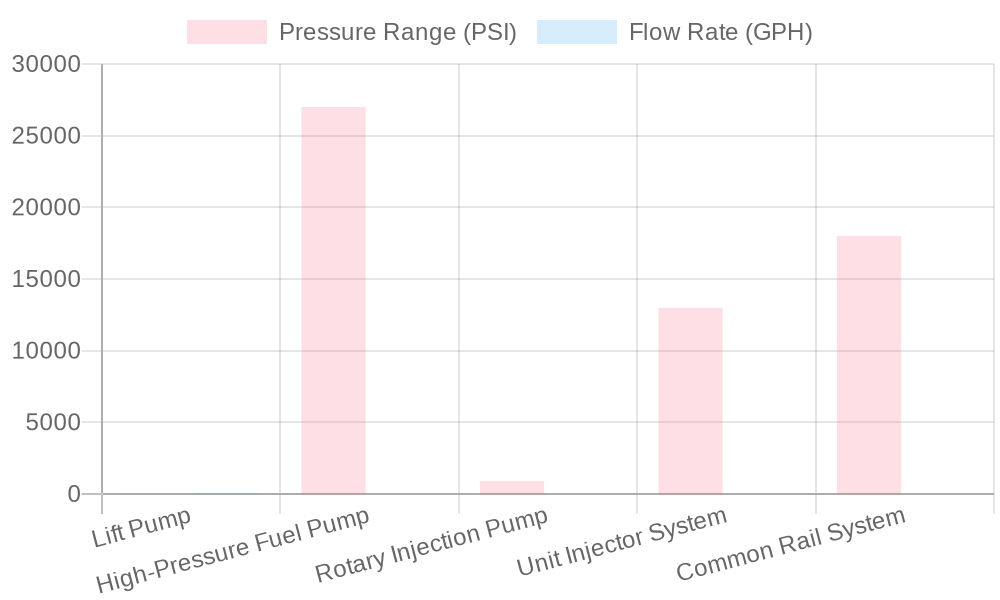
This graph provides a visual comparison of various diesel fuel pumps, including lift pumps and high-pressure fuel pumps, showcasing their differences in pressure ranges and flow rates.
The data highlights how these pumps function within the fuel delivery system, emphasizing the essential roles they play in ensuring efficient engine performance and operation.