
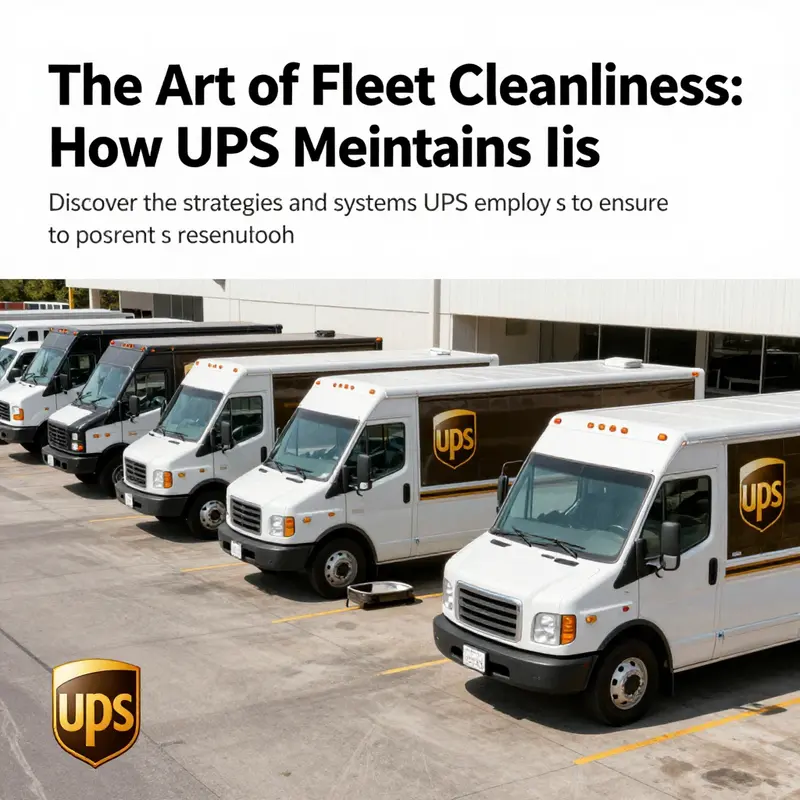
Maintaining a fleet of delivery trucks that reflects professionalism and reliability is crucial for logistics and freight companies. UPS, a global leader in package delivery, implements a comprehensive cleaning strategy to uphold their fleet’s image and longevity. This article delves into UPS’s daily maintenance practices, the professional car wash systems they utilize, efficiency strategies, technological innovations, and the impact of cleanliness on branding. Each chapter provides invaluable insights for logistics and fleet management professionals looking to enhance their operations.
Daily Rituals of Cleanliness: The Subtle Routine Behind How UPS Keeps Its Trucks Pristine
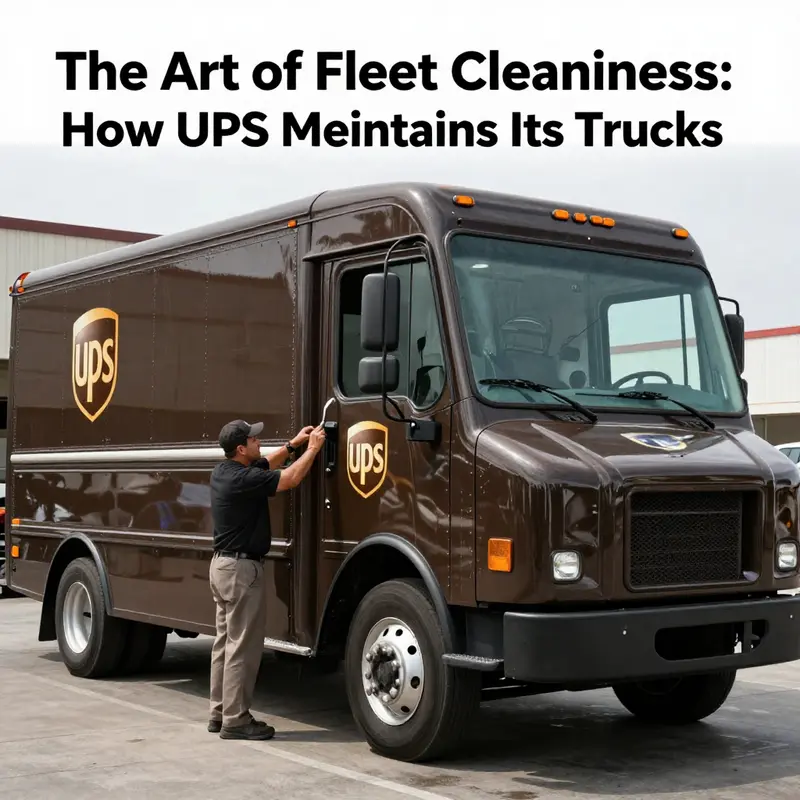
Cleanliness on a UPS fleet is not a cosmetic afterthought; it is a disciplined practice woven into the rhythm of a high-volume operation. The trucks that transport packages across cities must look presentable, but more than that, they must stay functional and reliable in a way that minimizes downtime and preserves brand trust. The routines described by observers and insiders hinge on a layered approach. At the most visible level, there are daily, practical actions that drivers perform as part of their normal routes. In the cab, the driver’s seat area and interior surfaces are wiped down, and any loose packaging scraps or debris that accumulate during a shift are removed. The exterior is checked for obvious grime, and after especially wet, muddy, or dusty drives, a quick exterior wipe becomes a necessary ritual. These spot cleanups are not flashy; they are efficient, purpose-driven tasks designed to maintain a tidy, professional appearance while the vehicle is still in service. The logic is simple: a clean cockpit supports safer driving, and a clean exterior reinforces the company’s image to customers who see the trucks rolling through neighborhoods and business districts multiple times each day. This is cleanliness as operational hygiene as much as aesthetic care, a quiet prerequisite for reliability in a fleet brimming with moving parts and vital timelines.
While the daily, on-the-go touches keep the fleet in decent condition, the system also accommodates deeper, more thorough cleaning at the right intervals. For many depots and service centers, professional, commercial-vehicle cleaning systems come into play. These systems are built to handle large surfaces and to endure the rigors of a fleet that spends long hours on the road. They typically deploy high-pressure water jets, specialized detergents, and automated brushing mechanisms that can clean wide panels, wheels, and undercarriages without risking the finish or the paint. The scale matters here: large bays and conveyor-like wash sequences are designed to move a vehicle from entry to exit with minimal downtime. A truck can pass through a wash bay during a scheduled downtime window, or a depot might allocate a portion of the day specifically for deep-cleaning sessions that address accumulated grime from long-haul stretches, weather events, or heavy-duty urban routes.
Even within these professional cleaning frameworks, the fleet benefits from coatings and finishes that resist dirt buildup and are relatively forgiving to maintenance cycles. Durable, low-maintenance coatings help keep dirt from clinging as tenaciously as it would on more delicate finishes. The practical upshot is not just a shinier appearance, but a longer interval between intensive washes, a reduction in labor time, and less downtime for the vehicle to be out of service. When a truck is well-protected against dirt, the crew can allocate more of the workday to delivering packages and less to polishing and scrubbing. These design choices—tough finishes paired with systematic cleaning schedules—play a crucial role in maintaining a fleet that meets customer expectations for appearance and brand reliability.
The workflow surrounding these practices is carefully choreographed to avoid bottlenecks. Time is a precious commodity in a network where each vehicle has limited downtime and a tight schedule to keep. Drivers are trained to perform spot checks and quick cleanups while they are out on the road, but the real time savings come from the depot and maintenance hubs where the fleet converges. In these hubs, routines are standardized so a vehicle can transition from operation to maintenance and back with predictable timing. The emphasis is on reducing friction—whether that means automated wash sequences, direct access to cleaning detergents and tools, or clear, visible guidelines for how to handle different types of grime that accumulate on urban streets or rural byways. The aim is a balance: keep surfaces clean enough to project a professional image while ensuring that cleaning does not erode the time available for actual deliveries.
What emerges from these descriptions is a broader picture of how cleanliness is integrated into the daily life of a large, dynamic fleet. It is not a single, monolithic ritual but a spectrum of practices that align with the realities of route variability, weather, and the wear-and-tear that comes with heavy usage. For drivers, the day may begin with a quick sweep of the cab and a visual check of the exterior, followed by performance of spot-clean tasks during brief rests or at traffic stops. When conditions demand, a more deliberate cleaning session can take place at a depot or servicing facility. The goal remains constant: the trucks should communicate through their appearance that they are well-maintained and ready to fulfill their duties. There is a quiet, almost invisible logic at work that connects the daily habits of drivers with the long-term health of the fleet.
From the perspective of fleet management, this daily discipline is connected to a larger philosophy of maintenance and efficiency. The routines are designed not only to look appropriate but to protect asset value and extend vehicle life. Clean, well-maintained exteriors reduce the likelihood of corrosion or accelerated wear in difficult environments. Clean interiors improve the ergonomics of the driving experience, which in turn can influence driver comfort and job satisfaction, factors that ripple into safety and performance. In this sense, the cleaning practices are not merely about appearances; they are an integral facet of operational excellence. The organization of cleaning tasks—who does them, where they are done, when they occur, and how they are integrated into the day’s route—reflects a broader commitment to standardization and reliability that helps the fleet function like a well-oiled machine across diverse geographies and shifting conditions.
An additional layer of consistency comes from the way these routines are communicated and reinforced within the workforce. There are guidelines and resources intended to codify best practices, ensuring that drivers across regions share a common understanding of how to approach cleaning tasks. Such resources may be part of internal training materials, aimed at helping drivers perform essential cleaning tasks without sacrificing route efficiency. The existence of these guidelines, and the fact that they are referenced in discussions about daily maintenance, underscores that cleanliness is treated as a core operational competence rather than a peripheral duty. It is a discipline that aligns with the company’s emphasis on safety, reliability, and professional presentation every time a vehicle is observed by customers, partners, or the general public.
The logistical architecture behind these practices also accommodates variability in location and infrastructure. Some sites rely on portable cleaning equipment or small-scale, on-site services to manage cleaning needs when a full wash bay is not readily available. Other locations have access to more comprehensive facilities capable of handling deep-cleaning cycles that address heavier grime, such as after winter plowing, long dusty drives, or heavy rain. In every case, the objective remains the same: keep the fleet looking orderly, while ensuring the maintenance of critical components and surfaces. This adaptability reflects a practical understanding of how a large, dispersed fleet operates and the necessity of flexible cleaning options that can scale with demand.
For readers who want to glimpse the analog in other industries, the logic mirrors the broader field of facility management for truck wash operations. The emphasis on routine, efficiency, and standardized workflows maps cleanly onto the broader literature on managing large wash facilities, where space usage, timing, and process sequencing determine how effectively a fleet can be prepared for the next leg of its journey. This alignment is not accidental. The cleaning practices within a major parcel network resemble the disciplined, systematic planning that drives successful fleet support operations, and that is why keywords such as “maintenance schedules,” “wash bays,” and “spot-clean routines” recur in professional discussions about fleet hygiene. As the fleet evolves with new routes and changing weather patterns, the underlying principles stay constant: disciplined daily care combined with scalable, professional cleaning when needed.
Ultimately, the precise details of every wash cycle and every cleaning task stay behind the scenes, hidden in depot schedules and maintenance logs. Yet the effects are visible in the steady, reliable appearance of the trucks that continually roll through the network. The trucks do not exist in isolation; they are a moving advertisement for the company’s reliability and efficiency. A vehicle that looks cared for conveys a quiet message about the standards that underpin every delivery. The daily maintenance practices, while modest in their daily impact, accumulate into a fleet that remains clean, functional, and ready to roll at a moment’s notice. In that sense, cleanliness is a strategic asset—part of the operational DNA that supports timely deliveries, sustains equipment health, and sustains customer trust across a vast, interconnected logistics system.
For readers who want to explore related ideas further, the discussion echoes established practices around facility planning and vehicle cleaning at large-scale operations. It also opens a window into how organizational culture values appearance, upkeep, and responsibility as a shared responsibility across drivers, depot teams, and management. The result is a fleet whose cleanliness is not a one-off act but a continuous, integrated practice that keeps pace with demand, weather, and the relentless cadence of a modern logistics network.
Internal resource note: This emphasis on organized spaces and predictable workflows mirrors best practices in facility management for truck wash businesses. facility-management-for-truck-wash-businesses
External resource: For a broader look at how large fleets standardize cleaning across depots and acquire the right equipment to keep trucks clean and efficient, see the discussion of commercial-vehicle wash systems in industry publications. https://www.vehicleservicepros.com/technology/article/21212345/commercial-vehicle-wash-systems
Efficient, Eco-Smart Clean: How UPS Keeps Its Trucks Pristine with Modern Automated Wash Systems
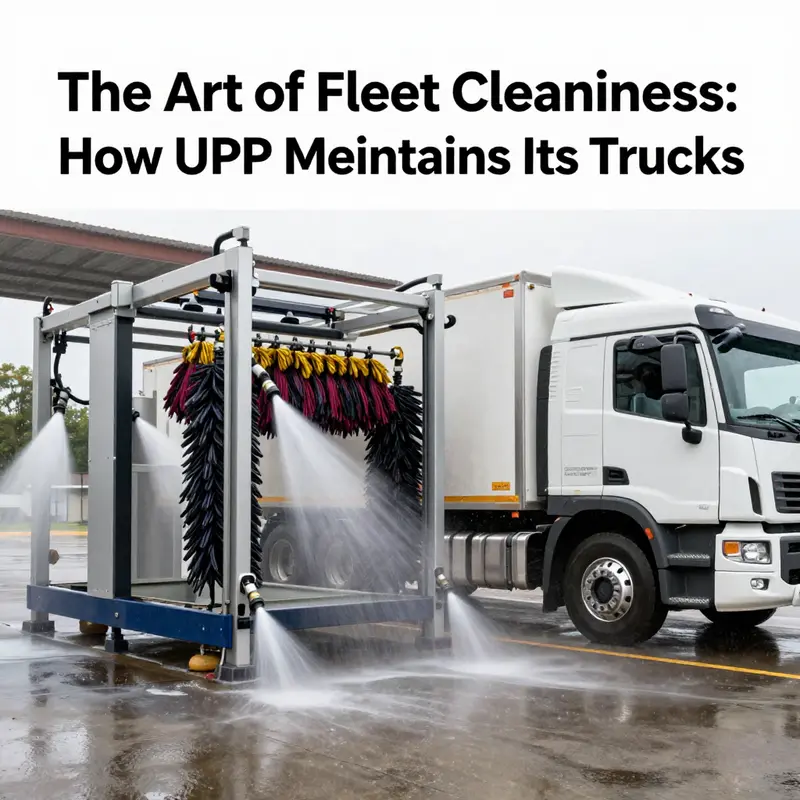
The image of a UPS truck rolling through a neighborhood is more than a delivery moment; it is a moving advertisement for reliability and care. Cleanliness is treated as a core element of fleet readiness, not merely a cosmetic concern. Drivers carry out daily spot checks that combine practical maintenance with quick cleanups: wiping the cab interior, removing debris after harsh weather, and ensuring the exterior shine remains uninterrupted by grime or road spray. This routine is deliberately simple for speed and consistency but serves a larger purpose. It preserves visibility, protects sensitive components, and reinforces brand perception across millions of daily interactions. When a full wash is warranted, the system scales up in a way that honors efficiency and the demands of a 24/7 operation. The choice of wash method is not arbitrary; it reflects a balance between throughput, vehicle integrity, and environmental stewardship that is embedded in the fleet’s discipline.
At the heart of the process lies a lifecycle approach to vehicle cleaning. Professional, purpose-built wash systems for commercial fleets are designed to handle large surfaces, heavy traffic, and varied soiling without compromising paint or undercarriage components. These systems apply precise combinations of high-pressure water, specialty detergents, and automated brushing, calibrated for doors, side panels, wheels, and chassis. The operation prioritizes rapid cycles that minimize downtime while maximizing coverage and consistency. Even in the busiest hubs, the wash sequence respects the vehicle’s structure, ensuring contact with only the intended surfaces and avoiding misalignment that could scratch trim or sensors. In many locations, portable power washers or contracted detailing services supplement the main line when a vehicle requires a deeper level of cleanliness. The result is a fleet that looks well-maintained and performs with predictable reliability, reinforcing a professional image to customers and partners alike.
Sustainability sits at the core of these choices. Advanced wash stations deployed across the network employ closed-loop water recycling technologies. Water used in a single pass is collected, filtered, and reused, dramatically reducing fresh-water draw. In some contemporary configurations, total water usage per wash can be cut by roughly seven-tenths compared with traditional methods. This is not merely an environmental gesture; it is a practical response to rising resource costs and city-water restrictions in dense urban areas where many hubs operate. The savings ripple through the operation, allowing funds to be diverted toward maintenance and upgrades that further extend the lifespan of trucks and improve uptime. In parallel, the cleaning agents are chosen for environmental compatibility. Since the early 2000s, the fleet has leaned toward non-toxic, biodegradable cleaning enzymes in place of harsher chemical options. The shift protects ecosystems and personnel while delivering effective cleaning performance. The cost benefits are notable as well, with a significant reduction in detergent and water expenses—an annual figure reported in the seven- to eight-figure range across expansive fleets. The same enzymatic approach reduces residue and run-off concerns, aligning with stricter environmental guidelines in many of the jurisdictions where UPS operates.
As the fleet has evolved, so too have the wash systems’ capabilities to accommodate new vehicle variants. Electric-powered logistics vehicles, for instance, require wash stations that can cleanse exterior surfaces without compromising batteries, sensors, or under-floor components. The transition to electrified fleet elements has nudged system designers toward gentler, more adaptive cleaning regimes that still deliver thorough results. The objective is to maintain accessibility to every surface while guarding finish integrity and component longevity. These considerations influence every decision, from nozzle placement to spray angles and the timing of brushing actions. The solutions are modular and upgradeable, ensuring the fleet can grow without forcing a complete replacement of the wash infrastructure. In practice, this means inspections, calibration, and maintenance logs are integrated into the station’s control software, so operators can verify that each wash run adheres to the same strict standards regardless of the vehicle type entering the bay.
A notable feature in modern wash environments is the infusion of intelligent technologies. Some of the most advanced installations employ real-time vehicle scanning through 3D modeling and machine vision. The system assesses a truck’s size, shape, and level of soiling, then adjusts water pressure, brush angles, and chemical dosage on the fly. It is a precise balance of efficacy and waste minimization, ensuring no part of the vehicle is left untreated while avoiding excessive use of water or cleaners. The control systems—often centralized and networked—provide monitoring dashboards and alert operators to any anomalous readings. In practice, this means more consistent cleaning outcomes from truck to truck and shift to shift. The result is a fleet that consistently presents a professional exterior and a pristine interior, which translates into better customer perception and smoother handoffs in busy loading zones.
The mechanical heart of these wash bays often resembles a carefully choreographed sequence. High-pressure pumps generate ample force to dislodge dried mud and road film without forcing water into sensitive gaps. Automated multi-angle spray arrays reach every contour of the vehicle, while rotating brushes maintain continuous contact with the surface, ensuring uniform coverage even on the taller cab sections and long trailer bodies. Behind the scenes, a closed-loop filtration system keeps debris out of the treated water and maintains optimal chemical concentrations. Smart controls coordinate the timing of rinse cycles, foam applications, and final squeegee-like dry passes, so a truck exits the bay looking uniformly spotless. This combination of hardware and software creates an ecosystem that can be trusted to deliver repeatable results while minimizing the chance of accidental damage to seals, mirrors, or reflective surfaces.
These capabilities do more than protect appearances. They sustain the fleet’s performance by reducing corrosion risk on metalwork, preserving paint finishes, and limiting the buildup of grime in hard-to-reach areas that might affect aerodynamics or sensor function. Safeguarded by protective coatings and appropriate cleaning protocols, trucks remain efficient during long service runs, reducing the likelihood of performance issues caused by residue or moisture intrusion. The long-term operational advantage is clear: better upkeep means fewer unscheduled repairs and a higher rate of on-time deliveries, which in turn reinforces the reliability that customers rely on every day. The maintenance culture extends beyond the wash bays; it threads through scheduling, route planning, and depot management so that every lane of the operation benefits from a clean, well-presented fleet.
For professionals and enthusiasts who want to understand the broader context of these technologies, the literature on industry practice emphasizes the central role of facility management. See the discussion on how facilities manage wash operations, maintenance schedules, and equipment life cycles facility management for truck wash businesses. This perspective highlights the interconnected nature of scheduling, staffing, water treatment, and waste handling—factors that collectively sustain high levels of cleanliness with minimal disruption to service. The emphasis on lifecycle planning mirrors the way the UPS fleet treats its washing infrastructure as an asset rather than a transient amenity, ensuring that the investment in cleaning yields durable returns in reliability and brand integrity.
To bring the discussion full circle, consider the broader implications for fleet operations. The wash system is a living component of a larger network that includes maintenance bays, fueling locations, and service routes. The choice of a high-efficiency, automated wash station reduces variability and speeds up throughput, delivering consistent results across hundreds of vehicles each day. It also fosters a culture of responsibility: drivers learn to initiate spot-clean routines that preserve the exterior between washes, facility teams monitor water use and chemical dosages, and logistics planners account for wash cycles in depot scheduling. The cumulative effect is a fleet that not only looks professional but functions smoothly under demanding conditions. In this way, the washing system becomes a silent enabler of reliability, a steady steward of the fleet’s public image, and a practical investment in sustainable operations.
External resource for deeper technical context and industry benchmarks can be found here: https://www.carwashjet.com/solutions/logistics-fleet-washing
Smart Wash, Steady Route: The Efficiency Engine Behind UPS Truck Cleaning
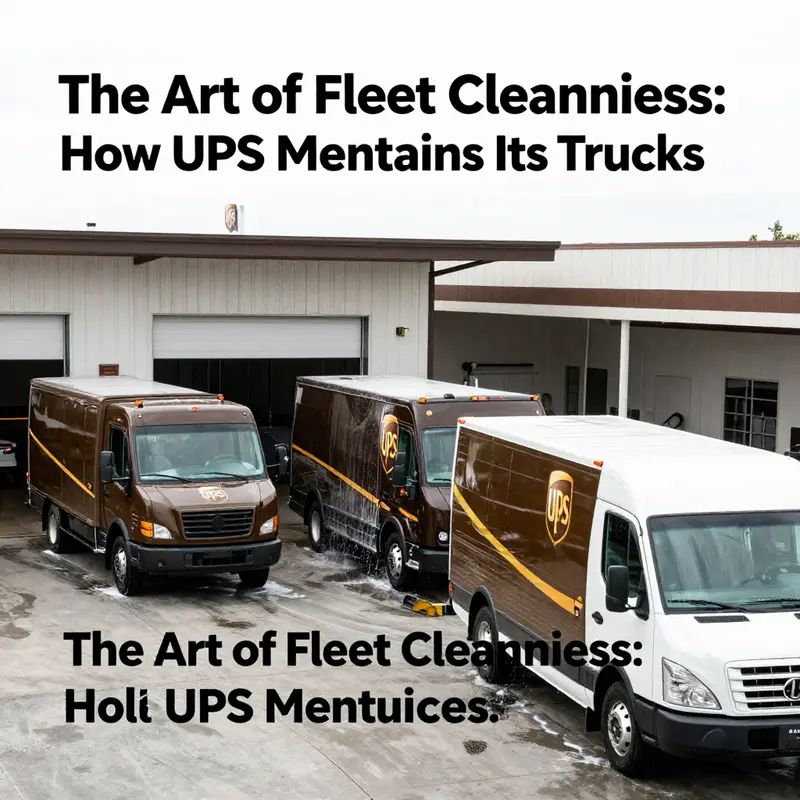
The gleam on a UPS truck is more than a cosmetic polish; it is a visible marker of reliability, consistency, and care that travels with the package you rely on. The way UPS keeps its fleet looking professional mirrors the precision of its logistics. Cleaning is woven into daily routines and larger maintenance plans alike. At the crew level, drivers perform routine tasks that prevent grime from becoming a distraction or a distraction from the mission. A quick wipe of the cab interior, a careful brush along crevices, and the removal of debris after a rainstorm or a rough day on the road are not afterthoughts but part of a disciplined habit. These small, daily actions prevent buildup that could degrade visibility, hinder performance, or undermine the corporate image that customers associate with timely deliveries. Yet the same fleet benefits from more intensive cleaning when required, and for that purpose the company relies on professional, purpose-built wash systems designed to handle the scale and needs of commercial vehicles. These systems are not just about cleanliness; they are about protecting the fleet’s integrity, ensuring that a fleet’s appearance reinforces a brand built on reliability and care.
The core logic of efficiency in wash operations rests on balancing speed with thoroughness. High-volume days demand quick, repeatable routines, while the occasional heavy-use period—such as after winter roads laden with salt or after long hauls in dusty terrain—calls for deeper cleaning. At many locations, dedicated vehicle wash facilities use industrial-grade equipment that is explicitly designed for large bodies, heavy wheels, and the undercarriage. The wash process commonly employs high-pressure water jets paired with specialized detergents and automated brushing mechanisms. This combination of water velocity and cleaning agents helps loosen grease, dirt, and road grime without threatening the vehicle’s paint or finish. The automated aspect reduces the risk of human error during large-scale cleaning and allows technicians to sustain a consistent standard across hundreds or thousands of trucks. In practice, this means wash cycles that are calibrated to deliver uniform coverage—about the sides, the top surfaces, the wheels, and the undercarriage—without incurring excessive downtime that would ripple through delivery schedules. When a facility has to decide between a thorough deep-clean and a shorter touch-up, the decision is guided by the condition of the fleet, the season, and the operational tempo. Even the most routine wash is performed with attention to detail, a reminder that a well-cleaned exterior supports safer operations and fewer maintenance interruptions.
Beyond the wash bays themselves lies a broader operational philosophy. Not every location relies exclusively on a single approach. Some yards deploy portable power washers for on-site, spot cleans, especially in facilities where a full-scale wash bay is not immediately accessible. In other instances, fleets contract with third-party detailing services for periodic deep-clean sessions that address stubborn residues like tar, heavy brake dust, or exhaust deposits. This flexibility ensures that the fleet remains presentable and well maintained, while also preserving the speed of the delivery network. The design of these programs emphasizes efficiency, aiming to minimize downtime while preserving the aesthetic and protective qualities of the fleet’s finish. A crucial aspect of this efficiency is the coatings chosen for the trucks themselves. Durable, low-maintenance finishes resist dirt adhesion and grime buildup, reducing both the frequency and the duration of intensive washes needed to return a vehicle to its best appearance. This layering of protective coatings, routine spot cleaning, and scheduled deep cleans creates a reliable rhythm. It is a rhythm that supports the fleet’s consistent branding and the customer perception that a well-kept truck signals a meticulous, dependable service.
A corner of the story that often goes underappreciated is water and wastewater management. The most forward-looking wash programs rely on closed-loop water recycling systems at their vehicle wash facilities. In these setups, water is captured, treated, and reused, with the ability to reclaim a substantial portion of the water used in the cleaning process. Industry summaries indicate efficiencies in the neighborhood of ninety percent recovery for water in some commercial wash operations. That level of reuse translates into a meaningful reduction in freshwater withdrawal, which in turn lowers the environmental footprint of routine fleet maintenance. The closed loop also reduces wastewater discharges and minimizes the potential for pollutants entering local waterways. The environmental benefit is not merely regulatory compliance; it is a core component of a broader sustainability strategy that aligns with the company’s operational goals. In addition to water recycling, advanced filtration systems are employed to remove grease, dirt, and other contaminants from the recovered water. The result is water that remains safe to reuse across multiple wash cycles without sacrificing cleaning effectiveness. This approach preserves cleaning performance while enabling ongoing reuse, which is essential when managing a large, continuous washing operation.
The interplay between efficiency and sustainability extends beyond water management. The same fleet that is washed with care is operated with a commitment to reducing emissions and energy use across the network. Cleaning activities are designed to dovetail with a broader initiative that includes alternative fuels and route optimization. For instance, the use of renewable natural gas and other low-emission fuels forms part of a wider strategy to reduce the environmental impact of the entire operation. At the same time, route optimization technology helps minimize stops and unnecessary maneuvers, such as long or frequent left turns, thereby lowering fuel consumption and emissions. This alignment—cleaning efficiency, fuel strategy, and route optimization—illustrates how a seemingly ordinary activity like washing a truck fits into a larger system of operational excellence and sustainability. When trucks are kept clean and well-maintained, they operate more efficiently and reliably, reinforcing the trust customers place in a brand that seeks to minimize its footprint while maximizing performance.
The chapter of practice that frames these activities in a larger context is not just about neat appearance or regulatory compliance. It is about ensuring that the fleet’s image reflects the careful, disciplined execution that customers expect. Cleanliness communicates attention to detail and reliability, while efficient wash processes minimize downtime and preserve vehicle availability for high-demand windows in peak seasons. The integrated approach—daily spot maintenance by drivers, professional wash bays for thorough cleaning, flexible use of portable or contracted services, and a sustainability-forward mindset for water, energy, and emissions—creates a resilient system. It keeps the fleet looking uniform and professional across thousands of miles and countless deliveries, a factor that matters as much as route speed or parcel sorting accuracy. This is the practical reality behind the polished exterior: a blend of routine discipline, scalable infrastructure, and a philosophy that sees washing not as a cost center but as an operational investment that supports safety, efficiency, and brand integrity.
For readers who want to explore the broader regulatory and industry context that shapes these practices, one can find discussions of how truck wash operations align with emissions regulations and industry standards. The idea is not to pursue novelty for novelty’s sake but to confirm that efficiency gains in washing are compatible with, and sometimes driven by, stricter environmental expectations and evolving compliance requirements. The emphasis remains on effective cleanliness, minimal disruption to service, and responsible resource use. As the fleet continues to travel and serve customers, the wash program stands as a quietly sophisticated element of the operation—a reminder that clean, efficient, and sustainable practices can coexist with speed, reliability, and scale. For a deeper dive into related regulatory and industry considerations, see the discussion linked here: truck-wash-industry-compliance-emissions-regulations.
Beyond the mechanics, the story of UPS truck washing is also a story about how an organization translates a routine maintenance task into a strategic advantage. It is about the choices that define the pace of a workday—the moment the cab is wiped down, the moment the wash bay doors open, the moment a vehicle exits with a uniform shine and a clean undercarriage. It is about how water is treated as a resource to be conserved rather than a commodity to be consumed. It is about how infrastructure investments—closed-loop systems, advanced filtration, durable coatings—translate into lower operating costs, higher vehicle availability, and a brand image that remains consistent across disparate markets and weather conditions. And it is about a culture that views every component of the operation as interconnected: maintenance, sustainability, efficiency, and service quality all reinforcing one another in the service of getting packages to people on time. The result is not just a cleaner fleet; it is a more resilient, responsible, and reliable logistics system that can meet the demands of a complex, ever-evolving network.
As technology and environmental standards advance, the washing of UPS trucks is likely to become even more integrated with data-driven maintenance practices and real-time monitoring. Sensors could track wash cycles, water quality, and chemical usage, enabling even finer control over resource use and performance. In such a future, a truck’s appearance will reflect not only brand standards but also verifiable efficiencies achieved through analytics and continuous improvement. The chapter of practice described here offers a snapshot of what is possible when a fleet treats washing as a disciplined, sustainability-conscious operation rather than a routine chore—a perspective that positions the entire logistics enterprise to move smoothly, with minimal friction, toward its next mile.
External resource: For a broader contemporary perspective on how major fleets approach vehicle washing within sustainability frameworks, you can consult the official sustainability overview on vehicle wash practices from the company’s site: https://www.ups.com/us/en/sustainability/operations/vehicle-wash.page
How Modern Truck Wash Technology Keeps Delivery Fleets Clean and Operational
The process of keeping delivery trucks clean has moved far beyond a hose, bucket, and a few rags. For large logistics fleets, the requirement is twofold: preserve a professional appearance and do so without causing downtime. That means washing must be fast, effective, repeatable, and gentle on finishes. The technological advances deployed across commercial truck wash facilities meet all of those needs by combining adjustable mechanical systems, targeted fluid dynamics, integrated drying, sanitation methods, and data-driven controls into a single, optimized workflow.
At the heart of modern systems are automated washing rigs configured for the unique geometry of delivery vehicles. These rigs use adjustable brush heights and flexible carriage designs to follow rooflines, box bodies, and protruding mirrors. Brushes travel along guided tracks and can be raised or lowered depending on a vehicle’s dimensions. This mechanical adaptability ensures consistent brush contact without forcing aggressive scrubbing that could strip paint or wear protective coatings. Adjustable elements save time too: a single wash bay can process several different truck models with minimal manual setup.
Complementing physical brushes are extended, directional water jets. These jets are engineered to reach recessed areas and undercuts that tend to trap grime, such as wheel wells, seams along the cargo body, and the undercarriage. Nozzle design and jet pressure are calibrated so that the water shears off accumulated dirt rather than simply pushing it around. Operators can vary pressure levels across a wash cycle: lower pressures protect delicate surfaces and seals, while short bursts of higher pressure clear compacted road film and salt residue.
High-pressure water cleaning is balanced by specialized cleaning chemistries formulated for large surfaces. Detergents used in these systems are chosen for effectiveness on oil, road film, and environmental soils while being safe for common vehicle finishes. Many fleets rely on dosing systems that mix cleaning agents automatically, ensuring consistent concentration and avoiding waste. These systems use controlled contact time and agitation from brushes to lift soils efficiently so less mechanical force is required.
Water management is another critical technological pillar. Modern facilities routinely incorporate filtration and recycling systems to capture wash water, separate oils and particulates, and reuse treated water for subsequent cycles. Recycling reduces freshwater demand and lowers disposal costs while supporting regulatory compliance. Settling tanks, centrifuges, and multi-stage filters are typical components; combined they remove solids and hydrocarbons before discharge or reuse. Captured solids can be managed through standard waste handling procedures, and liquid streams are often monitored to ensure they meet local environmental standards.
Integrated drying and water-removal systems streamline turnaround. Vacuum-assisted drying and air-knifing remove residual water from horizontal surfaces quickly, minimizing streaks and water spots. These systems use directed airflow and vacuum channels to displace water into collection troughs, where it joins the treatment stream. LED lighting is often installed throughout wash bays to improve operator visibility during inspection stages. High-contrast, bright lighting helps spot missed areas, verify wheel and chassis cleanliness, and confirm that seals and hinges remained intact after washing.
Some operations include enhanced sanitation steps, such as ozone-based disinfection, to reduce microbial loads inside cabs or on frequently touched exterior points. Ozone systems produce reactive oxygen species that neutralize biological contaminants without long contact times or residue. When applied in controlled doses, ozone can provide an extra level of sanitation for vehicles that move between food handling, medical, or other sensitive environments.
What sets the latest installations apart is their connectivity and data intelligence. Wash systems now include sensors and mobile-linked controls that provide real-time feedback on flow rates, chemical dosing, cycle duration, and equipment status. This telemetry supports preventive maintenance and helps managers optimize schedules to minimize downtime. A wash bay that interfaces with fleet management software can alert when a vehicle has exceeded a mileage threshold, been exposed to corrosive conditions, or requires a targeted undercarriage treatment. Mobile connectivity also allows technicians to adjust parameters remotely, reducing the need for onsite interventions and improving responsiveness to unusual soiling events.
Operational design extends beyond machines to include facility layout and process flow. Efficient wash sites are arranged so incoming trucks follow a linear path: pre-rinse and inspection, targeted pre-treatment, automated wash, rinse, drying, and final inspection. Staging areas enable quick manual touch-ups by drivers or attendants, and maintenance zones allow for periodic deep cleaning without interrupting the main production line. The physical layout, combined with robust scheduling, provides predictable throughput—an essential characteristic for busy distribution centers.
Durable vehicle finishes reduce the frequency of intensive washes. Many fleets apply protective coatings during production or through fleet maintenance programs. These coatings repel water and adhesives, making soils easier to remove with routine washes. A vehicle with a well-maintained finish spends less time in the wash bay and requires milder cleaning cycles, a clear efficiency gain for high-volume operations.
Human factors remain part of the equation. Drivers are trained to perform quick daily checks and to report heavy soiling or mechanical concerns. This front-line vigilance minimizes the need for emergency deep cleans and helps preserve wash equipment by avoiding abrasive contaminants. Facilities also train attendants in safe chemical handling, equipment operation, and environmental compliance. Investing in people ensures that technology performs as intended and that maintenance protocols are followed.
Regulatory and environmental considerations shape technological choices as well. Filtration systems, proper chemical selection, and controlled discharge practices keep facilities within local permitting requirements. Choosing biodegradable cleaning agents and implementing closed-loop water systems lower environmental impact and reduce exposure to fines. This compliance focus often aligns with corporate sustainability goals and brand commitments to communities served.
Looking ahead, the trajectory is toward greater automation and intelligence. Robotics and adaptive sensors will further reduce human intervention. Machine vision could support automated inspection steps by identifying stubborn stains or potential damage before they worsen. Predictive maintenance algorithms will flag components that need service based on usage patterns, not just on fixed schedules. As these systems mature, washing will become an integrated node in the fleet lifecycle rather than a separate support activity.
For operators considering similar upgrades, a solid resource on running and managing washing operations is available, particularly around the logistics of facility operations and upkeep: facility management for truck wash businesses. To explore examples of automated truck wash equipment and their features, you can review an overview of automatic truck and bus wash machines for technical specifications and common configurations: https://www.made-in-china.com/products-detail/602719485314/Customized-Automatic-Truck-and-Bus-Wash-Machine-With-Rollover-Car-Wash-Machine.html
The combination of adjustable mechanics, targeted fluid dynamics, efficient water management, sanitation options, and connectivity creates systems that keep delivery fleets clean with minimal disruption. When these technologies are matched with thoughtful facility design and trained staff, the result is reliable appearance management, improved asset longevity, and measurable gains in operational efficiency.
Shining Brown on the Road: The Branding Force of Clean UPS Trucks and the Quiet Craft of Fleet Washing
Every fleet carries an unspoken contract with the people it serves. In the case of a global logistics network that moves millions of packages daily, the contract hinges not only on speed and reliability but on the visible heartbeat of its brand: the trucks themselves. The sheen of a clean, well-maintained vehicle is more than a cosmetic detail. It is a visual guarantee that the people who rely on the service can trust that the company will handle their packages with the same care that goes into keeping its fleet looking purposeful and professional. This is the essence of how the fleet washing philosophy operates within UPS, a corporation whose identity is inseparable from the color and contours of its delivery machines. Cleanliness, in this sense, becomes branding writ large, a moving billboard that communicates efficiency, accountability, and a commitment to quality.
Behind the gleam of a freshly washed cab lies a carefully balanced system. The everyday routine performed by drivers—spot checks, quick wipe-downs, and the removal of debris from the exterior—translates into a disciplined culture of care. A driver’s small, daily ritual matters because it feeds a larger narrative: that the vehicle is a professional instrument, not a neglected workhorse. The cab interior receives attention to keep controls, dashboards, and seating free of grime that could distract or degrade the driving experience. Exterior upkeep—removing dirt, bird-strike grime, or weathered residue—preserves the vehicle’s appearance and protects finishes over time. When this small-scale maintenance happens consistently, the fleet begins to look like a cohesive, mission-ready fleet rather than a jumble of patched vehicles that reflect wear and irregular care.
For more thorough cleansing, the process escalates to systems designed specifically for commercial-scale cleaning. The emphasis is on efficiency as much as cleanliness. High-pressure water jets drive away caked grime, while specialized detergents target the stubborn soils that accumulate on large metal surfaces, wheels, and undercarriages. Automated brushing mechanisms sweep across expansive panels, delivering uniform results while protecting paint and finish from unnecessary abrasion. The aim is not simply to remove dirt but to do so in a way that respects the integrity of each truck’s livery—the iconic brown that signals reliability from a distance—and preserves the legibility of logos and markings that customers recognize instantly on a highway shoulder or a busy city street. The use of durable, low-maintenance coatings widely adopted in the fleet further moderates grime buildup, reducing the frequency of intense wash sessions without compromising the vehicle’s appearance or protective layer.
The operational philosophy here balances speed and thoroughness. Cleaning windows, wiping the interior, and removing cargo-area debris are tasks that can be integrated into the day’s routine with minimal downtime. When a longer wash is needed, facilities design workflows that keep the fleet moving. Short maintenance blocks are scheduled during off-peak hours or at locations with multiple bays so that one or more trucks can be cleaned while others continue to operate. This partitioning minimizes the cost of downtime while maximizing the visual consistency of the fleet. In this way, the wash process becomes an extension of maintenance rather than a separate disruption to service execution. It is about aligning the physical appearance of the fleet with the brand promise—precision, care, and timeliness.
This approach to cleanliness does more than preserve looks. It reinforces customer perception at critical moments—the moment a consignee sees a UPS vehicle delivering a package or a shipper spots a brown delivery van among a sea of blue and white. The visual identity is reinforced by the condition of the fleet, so much so that customers often equate the vehicle’s cleanliness with the care given to the package inside. A clean, well-kept truck signals that the team responsible for every delivery is attentive, organized, and dedicated to quality. It is a semantic cue that translates into trust, reliability, and a sense that the service will perform as advertised. The branding logic is simple: the vehicle is a moving advertisement for the company’s standards, and those standards become credible in the eyes of customers when every truck on the road looks like it has just left a staging area where brand integrity is a top priority.
Within this larger system, the human element remains central. Drivers are not merely operators; they are custodians of the vehicle’s image. The training materials that guide their routines emphasize not only the mechanics of cleaning but also the rationale behind it. A UPS Driver’s Guide to Cleaning His Truck, issued through official resources, frames maintenance as a dual purpose activity: operational efficiency and brand integrity. The guidance encourages drivers to keep the exterior free of grime, to maintain windows for clear visibility, and to ensure cargo areas are free of debris. It also underscores the importance of preserving the vibrant, consistent brown color that customers recognize. This guidance helps standardize expectations across the network, ensuring that a driver in one city adheres to the same standards as a driver in another, thereby supporting a uniform brand experience regardless of location. In short, the daily work of washing a truck is not simply a maintenance task; it is a discipline that ties people, process, and perception into a single, coherent system.
The practical details of the wash process also reflect a philosophy of efficiency and durability. While the public-facing image matters, there is a parallel concern for protecting the fleet’s longevity. Regular cleaning reduces the accumulation of corrosive residues and grime that can degrade paint, seals, and metal surfaces. A well-cleaned truck is a better-preserved asset, with a lower risk of issues that could disrupt service. The fleet’s coatings, chosen for their resistance to dirt and weathering, work in concert with cleaning regimes to minimize the frequency of intensive wash sessions. Yet when a deeper cleanse is required—whether to remove tar, road grime, or stubborn contaminants after heavy use—the combination of professional wash systems and routine maintenance plans ensures the process is thorough without being disruptive. It is a quiet choreography: the bay doors open, the high-pressure jets activate, the brushes sweep in measured, even cycles, and the operator oversees the sequence with a focus on uniform cleanliness and fleet-wide consistency.
From the perspective of organizational branding, the impact of this cleanliness goes beyond the immediate visual. It contributes to a perception of reliability that travels with every mile. The brand’s recognition is reinforced by repeat visual cues—the shape of the trucks, the color, the alignment of logos, and the general impression of purpose that comes with a spotless exterior. For customers who see the fleet in transit or at destination facilities, those cues reduce cognitive load; they signal a predictable, well-managed operation that will deliver on time. This effect—brand recall through consistent vehicle appearance—has long-term implications for customer confidence and overall brand equity. It is not a single act of washing but a disciplined practice that runs through the fleet’s lifecycle, from routine spot cleans performed by drivers to the larger, scheduled deep cleans managed at maintenance facilities.
To the observer, the wash may appear routine, even mundane. But the implications are strategic. A well-presented fleet communicates a clear message about the company’s standards, about attention to detail, and about the pride its teams take in their roles. It is a form of nonverbal communication that travels miles before any package does. In an industry where trust is earned anew with each delivery, the appearance of the truck becomes a proxy for service quality. Cleanliness signals that the organization is systematic, disciplined, and mindful of the customer’s experience. This is branding in motion.
Within the broader ecosystem of fleet operations, the emphasis on cleanliness interacts with broader topics like facility management, maintenance scheduling, and driver training. A robust approach to truck washing aligns with the logistics network’s need to minimize downtime while maintaining a consistent customer-facing image. The industry often discusses best practices in facility management for truck wash operations, where facility design, workflow optimization, and maintenance planning converge to support rapid, repeatable cleaning cycles. The focus is not only on the act of washing but on the design of spaces and processes that make cleanliness a sustainable, scalable capability across dozens or hundreds of locations. You can explore discussions on facility management for truck wash businesses to see how different operators translate these principles into practical layouts, staffing, and throughput planning. Facility Management for Truck Wash Businesses.
All of this sits atop a culture of continuous improvement. The brand benefits from feedback loops that tie customer expectations to the visible health of the fleet. When customers encounter a clean, reliable vehicle, they are more likely to recall the service positively, which in turn reinforces the idea that the company values timeliness, precision, and care. The fleet’s appearance, therefore, becomes a form of brand stewardship—an ongoing obligation that lives in the behavior of drivers, the policies of maintenance teams, and the design of the wash facilities themselves. The integration of daily spot cleans, routine exterior washes, and periodic deep cleans forms a continuum, ensuring that the brand’s global image remains coherent wherever the trucks travel.
For those who study or practice fleet operations, the connection between cleanliness and branding offers a compelling reminder: visual identity is not just skin deep. It is a reflection of process, culture, and commitment. The observable care of a UPS truck in transit communicates to customers a consistent message about reliability and quality. It also sets a standard within the industry, signaling that brand integrity begins on the road and in the parking lot, carried forward by every driver who treats their vehicle as a rolling ambassador. In this light, the act of washing becomes a strategic activity—one that sustains a brand that many people rely on every day, even when a single package is the immediate focus of attention.
External resource for further reading: https://www.ups.com/us/en/operations/truck-cleaning-guide.page
Final thoughts
UPS’s approach to washing their trucks goes beyond aesthetics; it embodies a commitment to operational efficiency and brand integrity. Implementing a combination of daily maintenance practices, professional car wash systems, and innovative technologies showcases the importance of cleanliness in the logistics industry. For fleet managers and operators, adopting similar strategies can elevate service quality and enhance customer perceptions, underscoring that a clean vehicle is not only visually appealing but also a critical aspect of brand representation.