
Washing a truck’s engine bay is routine maintenance, no different from cleaning grease and grime off any working truck. The skill is knowing which conditions turn a harmless rinse into an expensive repair. Two cause most of the damage: a hot block and an open air intake left exposed to water.
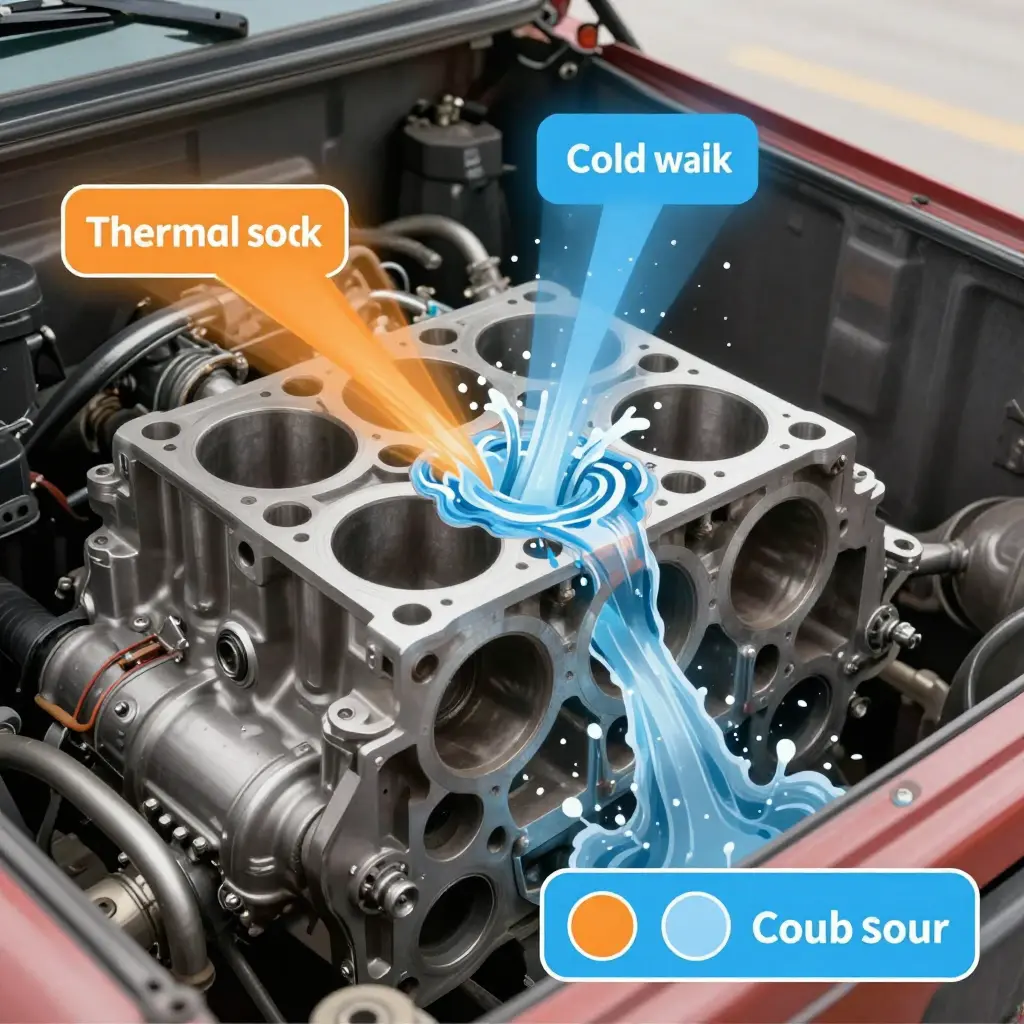
A hot block is an engine that has not cooled down. Spray cold water on it and the metal contracts faster than the surrounding parts can follow — thermal shock. That sudden cooling can crack manifolds, warp heads, and stress seals.
An open air intake is a direct path into the combustion chamber. Water pulled through an uncovered intake will not compress, so the piston stops while the crankshaft keeps turning. That is hydrolock, and it bends rods and can destroy the engine.
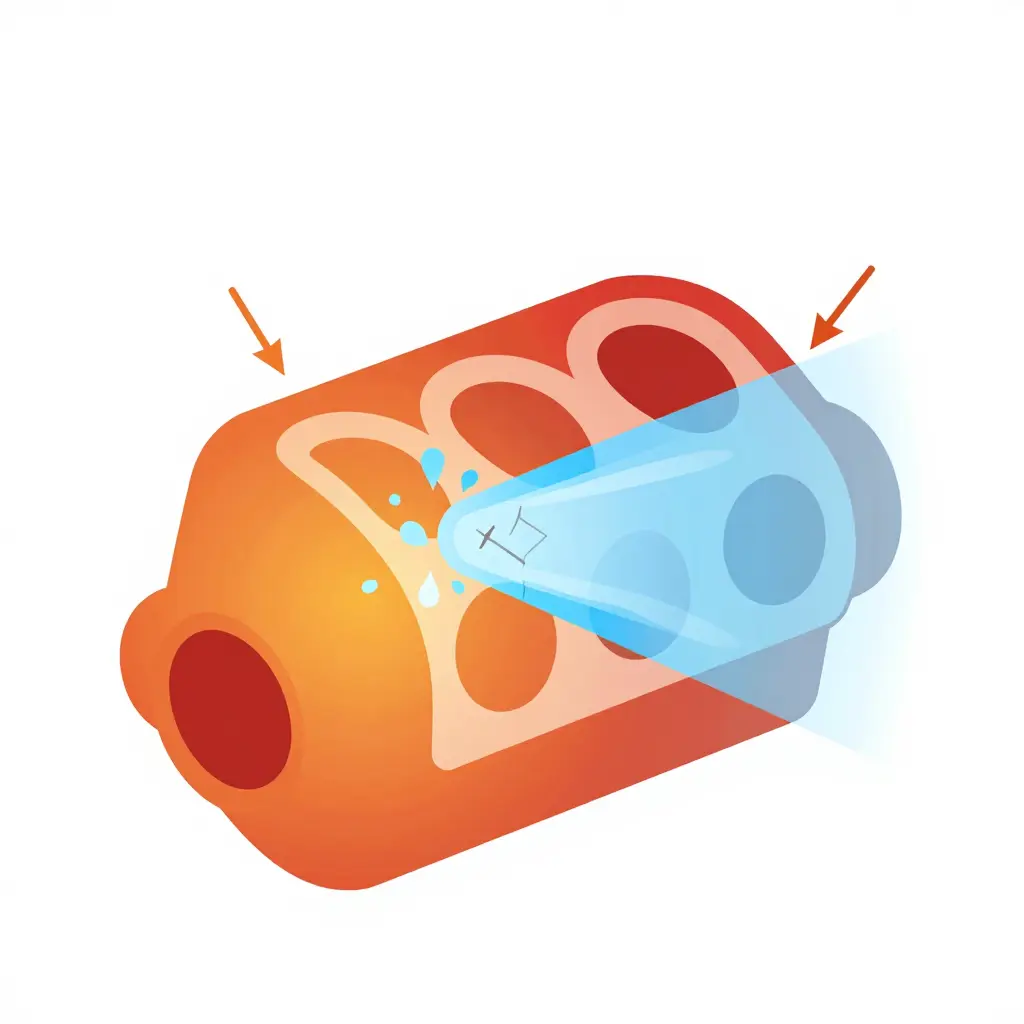
Visualizing Thermal Shock on a Hot Engine Block
The diagram below shows what happens the moment cold water meets a scorching block. The warm-colored section is metal that has expanded with heat; the chilled spray area contracts fast. Both forces act on the same rigid casting at once, so stress piles up along the boundary between them — exactly where cracks begin.
So let the engine cool completely before you reach for the hose. A few minutes of patience protects the casting, gaskets, and seals that one splash of cold water could compromise.
How Water Reaches the Engine Through an Open Air Intake
The most expensive mistake in engine cleaning is assuming a little water cannot hurt. It can. Liquid water entering the intake tract fills a cylinder, and unlike air it will not compress. The result is hydrolock: bent connecting rods, cracked pistons, or a seized engine — a five-figure repair out of a quick rinse.
Air normally flows through the air filter housing and into the cylinders on the intake stroke. Send water in instead and the piston rises on its compression stroke against a fluid that refuses to compress. Something has to give: the connecting rod buckles, the piston cracks, or the crankshaft stops dead. Water ingestion does not need a flood; a few ounces in the right cylinder is enough.
Water gets in through a few predictable paths:
- Direct spray – a hose or nozzle aimed straight at the intake opening.
- Runoff – water pooling on the hood and funneling along the hood line into the intake mouth.
- Puddles – splash kicked up from standing water beneath the truck.
- Forced water – a pressure washer driving a jet past seals and into the air filter housing.
Cover or seal the intake before you wash. A plastic bag or cap over the opening costs pennies and keeps out the water that causes hydrolock. Pair it with the habits in our proven strategies for cleaning grease and tar off your rig, and your engine bay comes clean without the risk.
Before You Begin: Preparation Checklist
Treat preparation as a safety procedure first and a cleaning job second. Work through these in order before you pick up a hose.
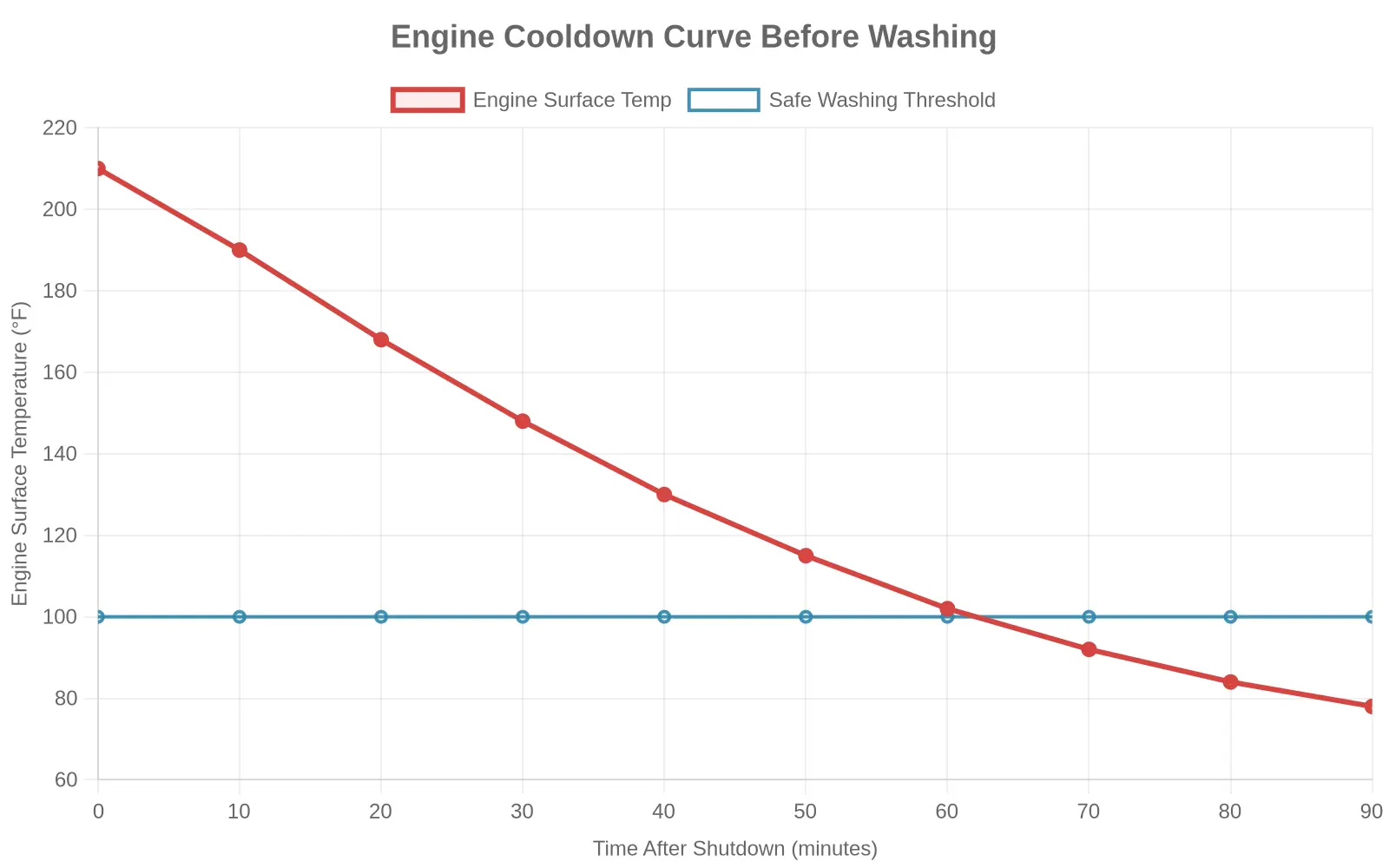
- Cool the engine completely. Give a hot block 30-60 minutes to drop to the touch. A cool engine prevents thermal shock to castings and steam burns to you.
- Disconnect the battery. Remove the negative terminal where your truck’s layout allows, so stray water cannot short a live circuit.
- Cover the air intake and electrical components. Bag the intake, alternator, fuse box, and connectors. Secure the intake cover with tape so no water can enter a cylinder.
- Check for exposed wiring or sensors. Look for cracked looms, bare wires, and loose connectors, then repair or shield them before washing.
- Gather the right tools. A low-pressure nozzle, degreaser, soft brushes, plastic bags, and rags (see our proven strategies for cleaning grease and tar).
How to Wash Your Truck Engine Safely, Step by Step
A clean engine bay runs cooler, makes leaks easier to spot, and shows you small problems before they strand you on the road. The goal is simple: strip the grime without pushing water where it does not belong.
Begin with a completely cold engine. A hot block plus cold water can crack castings and warp parts, and residual warmth dries the cleaner before it has time to work. Once everything is cool to the touch, cover the intake opening, the fuse box, and any exposed connectors with plastic wrap.
- Apply engine degreaser. Spray a dedicated engine degreaser across greasy surfaces and let it dwell so it can break down oil. For baked-on grime, use the same approach as for stubborn grease and tar buildup on your trucks.
- Agitate the grime. Work a soft brush into heavy deposits, but stay gentle around wiring and rubber hoses.
- Rinse with low pressure, top to bottom. A calm low-pressure rinse carries loosened dirt downward instead of forcing it past seals and bearings.
- Steer water away from critical parts. Keep the nozzle off electrical connectors and never spray straight into the intake opening.
- Rinse thoroughly. Repeat until the runoff runs clear, flushing soap out of every crevice and ledge.
- Inspect for trapped water. Check for pooled spots around the intake, connectors, and drip trays, then blow them dry with compressed air or a towel.
Once the bay is dry, pull the covers, reconnect anything you wrapped, and start the engine.
The Step-by-Step Truck Engine Washing Procedure
Preparation matters more here than anywhere else, so do not skip it. The full sequence:
Step 1: Let the block cool completely
Park the truck and walk away. Give the engine at least 30 to 45 minutes to reach ambient temperature before you touch anything. A cool block means no thermal shock, no cracked manifolds, and no steam burns.
Step 2: Protect the air intake (do not skip this)
The air intake is the one opening on your engine you cannot flood. Water pulled past the filter and into a cylinder while the engine turns over means hydrolock — bent rods and a very expensive repair. Seal the intake before any water touches the bay.
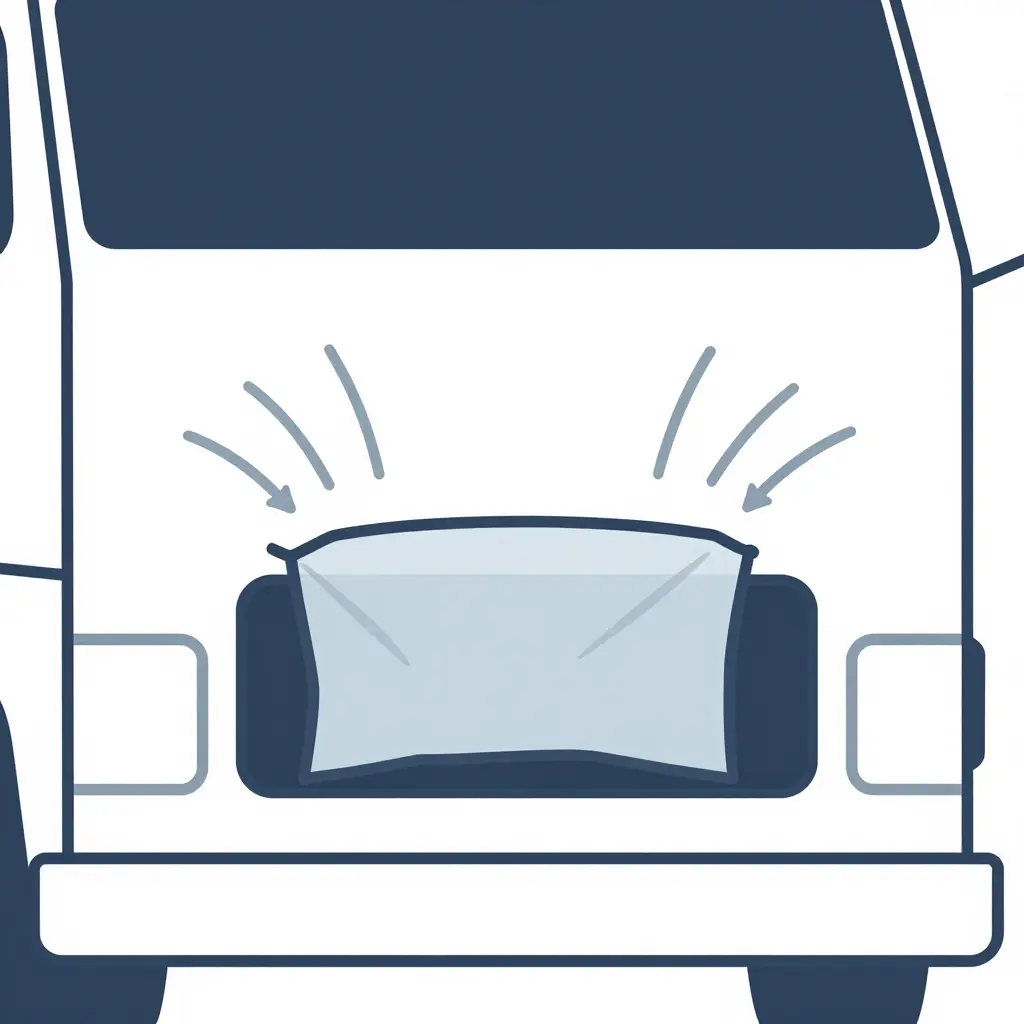
A plastic bag or a purpose-made intake cover does the job:
- Slip the cover fully over the opening so the entire mouth is enclosed.
- Secure it tightly with tape or a strap so it cannot shift or blow off mid-wash.
- Double-check that no edges are left exposed and no gaps remain around the seal.
With the intake covered, your spray is deflected away instead of being drawn in.
Step 3: Cover sensitive electricals and the alternator
Bag the alternator, fuse box, and exposed connectors the same way you covered the intake. A little masking tape over harness plugs goes a long way.
Step 4: Start with degreaser, work top-down
Apply a dedicated engine degreaser to the grimiest areas first and let it dwell. For stubborn buildup, these field-tested methods for cleaning grease and tar off your trucks apply straight to the engine bay.
Step 5: Rinse with low pressure
Keep the nozzle moving and the pressure low. Never aim a straight jet at seals, sensors, or the covered intake. Water should flow across surfaces, not blast into them.
Step 6: Remove the covers and inspect
Once rinsing is done, pull the intake cover and inspect it. If it is wet, or the seal was compromised, do not start the engine until you have confirmed no water got in. Replace the air filter if there is any doubt.
Step 7: Dry, then start
Let everything air-dry or use low-pressure air. Only after the intake is uncovered and clear should you fire the engine up.
Drying and Post-Wash Protection
Trapped water is behind most post-wash breakdowns. When moisture settles on connectors, plugs, or inside the intake tract, it triggers electrical faults and accelerates corrosion long after the rinse is over. A deliberate drying step is the line between a clean engine and a costly one.
- Blow compressed air across electrical connectors, plug wells, and sensor harnesses to force out standing water before it seeps into sealed pins.
- Remove intake covers or air-box lids only after every surrounding surface is dry, so debris cannot fall into the tract.
- Apply dielectric grease to connector seals and battery terminals to repel water and block corrosion at the contacts.
- Inspect the air filter for moisture; a damp element chokes airflow and can pull water toward the intake.
- Run the engine briefly, watch for warning lights, and listen for misfires or a rough idle to confirm no faults remain.
Leave no hidden pockets of water behind and the rinse stays a rinse. With dielectric grease on the connectors and a dry intake, the systems that keep your truck running stay protected. For heavy grime, these proven strategies for cleaning grease and tar off your trucks help you prep.
Frequently Asked Questions About Washing a Truck Engine
Can I wash a warm engine?
A little warmth helps degreaser lift grime, but a hot block can crack the moment cold water hits it, and the steam comes fast. Wait until the block is cool to the touch before you start washing a truck engine.
What happens if water gets into the air intake?
Water reaching an open air intake is the fastest route to hydrolock. Liquid fills a cylinder, pistons cannot compress it, and connecting rods bend or snap. Always cover or seal the intake before spraying near the front of the engine.
How long should I wait after driving?
Give the engine at least thirty minutes to cool after a long haul, and longer if the block is still hot. You want the block cool to the touch, not hot. Rushing it invites thermal shock, cracked manifolds, and warped parts that cost far more than the cleaning saves.
Can I use a pressure washer?
You can, but stay gentle. Keep pressure around 1,000 to 1,500 PSI and hold the nozzle at least a foot away. A focused jet drives water past seals and toward the open air intake. Because this method creates heavy runoff, learn how to handle wash water and runoff responsibly first.
Will water damage my alternator?
It can. Alternators, starters, and exposed connectors dislike direct spray; water accelerates corrosion and shortens their lifespan. Wrap these parts in plastic or angle the spray away from them. A light splash is usually harmless; a sustained blast usually is not.
Do I need to disconnect the battery?
Disconnecting the negative terminal is a wise precaution, especially on older trucks with exposed wiring, because it prevents shorts if water reaches live connectors. If you leave it connected, avoid spraying the battery, fuse box, and ECU directly, and never let water pool on the terminals.
How do I dry the engine bay correctly?
After rinsing, use compressed air or a leaf blower to push standing water out of crevices and connector boots. Wipe the block with a towel, then run the engine a few minutes so residual heat evaporates what is left. Never leave puddles sitting near the open air intake.
Is it safe to wash a diesel engine?
Yes, with care. Diesel engines tolerate water well, but they still have sensitive electronics, an open air intake, and a hot block that dislikes thermal shock. Cover the intake and electrical components, use low pressure, and let the engine cool first. The same rules apply.
Turning a Repair Into a Routine Rinse
A clean engine bay runs cooler, exposes leaks earlier, and makes every future inspection easier. Ignore two traps, though, and the same job can quietly destroy a truck. Spray a scorching block and you can crack cast iron and warp aluminum. Force water into an unsealed intake and you risk a hydrolock that ends in a rebuild.
Neither trap takes special skill to avoid. Let the engine cool completely, cover the intake and sensitive electronics, use low pressure, and dry everything before you fire it up again. For tougher grime, start with proven methods for cleaning grease and tar rather than cranking up the pressure. Respect the cooling and intake precautions, and knowing how to wash your truck engine is routine work rather than a gamble.
The short version:
- Let the engine cool fully before you start.
- Seal the air intake and electrical components.
- Rinse with low pressure, never a narrow jet.
- Dry thoroughly, then start and check.