

In the fast-paced world of logistics and freight transportation, maintaining the cleanliness and functionality of truck brushes is paramount. These brushes are not just tools; they play a critical role in keeping the fleet’s vehicles in prime condition, extending their lifespan, and ensuring compliance with industry regulations. Regular washing of truck brushes helps to prevent the accumulation of grease, dirt, and other harmful substances that can compromise not only the vehicles’ appearance but also their performance. For fleet managers, trucking company owners, and construction supervisors, understanding the best practices for washing truck brushes is essential. In this article, we will delve into the importance of washing truck brushes and provide you with a comprehensive guide on effective cleaning techniques. By adopting these methods, you can enhance operational efficiency and maintain high standards in fleet maintenance. Learn more about compliance and the importance of regular trailer maintenance that correlate with maintaining clean tools.
Benefits of Keeping Truck Brushes Clean
Maintaining clean truck brushes is essential for logistics and fleet management, offering numerous advantages that enhance operational efficiency and prolong the life of the equipment. Here are some key benefits:
-
Improved Cleaning Efficiency: Clean brushes effectively remove dirt, grime, and debris, leading to a more thorough wash. This efficiency minimizes the time spent on cleaning operations, allowing for quicker turnarounds.
-
Cost Reduction: Regular cleaning helps prevent the premature wear of brushes, extending their lifespan. This can significantly reduce replacement costs as brushes can last longer when well-maintained. According to data, main brushes can operate for 600-1,000 hours, while side brushes can last up to 600 hours, reducing operational costs over time.
-
Enhanced Fuel Efficiency: When truck brushes are clean, they require less water and resources for cleaning, which directly reduces the consumption of these resources and improves overall fleet efficiency. Efficient cleaning reduces excessive water use by up to 90%, optimizing resource utilization.
-
Minimized Downtime: By maintaining brushes in clean condition, companies can avoid unexpected breakdowns associated with inefficient cleaning methods. This reliability plays a crucial role in scheduling and meeting delivery timelines.
-
Regulatory Compliance: Clean brushes comply with environmental regulations and standards, ensuring that fleets do not face potential fines or legal issues. Proper cleanliness supports compliance with emissions regulations and operational safety.
-
Safety Assurance: Keeping brushes clean allows for better visibility and maintenance checks, which reduces safety hazards on the road. Regularly cleaned equipment mitigates risks associated with equipment failure and accidents, enhancing driver and public safety.
In summary, investing time and resources into keeping truck brushes clean not only promotes efficiency but also contributes significantly to the longevity of fleet maintenance efforts.
Step-by-Step Process for Washing Truck Brushes
Washing truck brushes is essential for fleet maintenance, ensuring the longevity of both brushes and vehicles. Fleet managers must be diligent in this process to maintain efficiency and equipment cleanliness. Here’s a concise guide to effectively wash truck brushes:
- Preparation
- Gather all necessary materials: a mild vehicle wash detergent, warm water, soft scrub brushes, and a rinsing area.
- Ensure you have gloves to protect your hands and a well-ventilated space for drying the brushes.
- Soaking
- Begin by filling a bucket or container with warm water. Add a mild car wash detergent to create a soapy mixture.
- Submerge the brushes in the solution for about 10-15 minutes. This loosens the dirt and debris stuck in the bristles.
- Scrubbing
- Using a soft brush or your fingers, gently scrub the bristles, following their natural direction to prevent damage. Focus on the base of the bristles and any areas heavily soiled with debris.
- Rinsing
- Rinse the brushes thoroughly under clean, running water to remove all soap residue and loosened dirt. Ensure no cleaning agent remains, as this could harm the brushes or the vehicles in the future.
- Drying
- Instead of standing the brushes upright, lay them flat or hang them upside down in a well-ventilated area. This prevents moisture accumulation that could lead to mold or deteriorating handles. Avoid direct sunlight which can warp the bristles.
- Regular Maintenance
- After each use, rinse the brushes immediately to remove leftover dirt and cleaning agents.
- For deeper cleans, use a pH-neutral cleaner and avoid soaking natural bristle brushes for too long to prevent shedding and warping.
By following these steps, fleet managers can ensure their truck wash brushes remain effective and durable. For expert tips on maintaining truck wash equipment, explore this comprehensive guide on best practices for maintaining truck wash equipment.
Regularly washing your truck brushes is part of a larger strategy for maintaining a clean fleet, which can also prevent issues related to debris build-up on vehicles. You might also want to check the importance of regular trailer maintenance for comprehensive fleet care.
Comparison of Truck Brush Washing Methods
When it comes to maintaining a clean fleet, selecting the right washing method for truck brushes is crucial. Below is a table comparing various methods, detailing their pros and cons, along with their suitability for different types of fleets.
| Washing Method | Pros | Cons | Suitability |
|---|---|---|---|
| High-Pressure Washing | – Excellent cleaning power | – Potential for surface damage | Suitable for large logistics fleets |
| – Efficient for tough stains | – Requires careful handling | (e.g., construction, mining vehicles) | |
| Automatic Brush Washing Machines | – High convenience and efficiency | – High initial investment | Suitable for fleet bases, fixed locations |
| – Reduced manual labor | – Requires space for installation | (e.g., public transportation fleets) | |
| Manual Soft Brush Washing | – Gentle on vehicle surfaces | – Labor-intensive and time-consuming | Suitable for small to medium fleets |
| – Can be tailored for specific surface needs | – Inconsistent results if not done properly | (e.g., owner-operators) | |
| Chemical Foam Application | – Effective for removing dirt and grime | – Need for rinsing afterwards to prevent residue | Suitable for all types of fleets |
| – Enhances cleaning efficiency | – Potential environmental concerns with usage |
Regularly cleaning truck brushes is essential to ensure optimal performance and longevity, contributing significantly to the overall maintenance of fleet vehicles. For more insights on maintaining your fleet, learn more about the importance of regular trailer maintenance and best practices for cleaning grease and tar off your trucks.
How to Wash a Truck Brush
Proper maintenance and cleaning of your truck brush are essential to ensure its longevity and effectiveness. Here are effective steps that you should follow:
- Pre-clean: Shake off any loose debris from the brush to prevent it from scratching vehicle surfaces.
- Soak: Fill a bucket with lukewarm water and mix in a mild car wash soap. Submerge the brush head and let it soak for about 10-15 minutes for plastic bristles. For natural or synthetic fibers, reduce soaking time to 5-10 minutes.
- Scrub: Using a soft brush or your hands, gently clean around the base and handle, taking care to scrub in the direction of the bristles.
- Rinse: Rinse thoroughly under running water to remove all soap residues.
- Dry: Hang the brush to air dry in a shaded and ventilated area. Avoid direct sunlight and heat that can damage the bristles.
These cleaning steps will help maintain the brush’s performance while preventing scratches on your fleet vehicles. For more information on truck maintenance, you can learn more here.
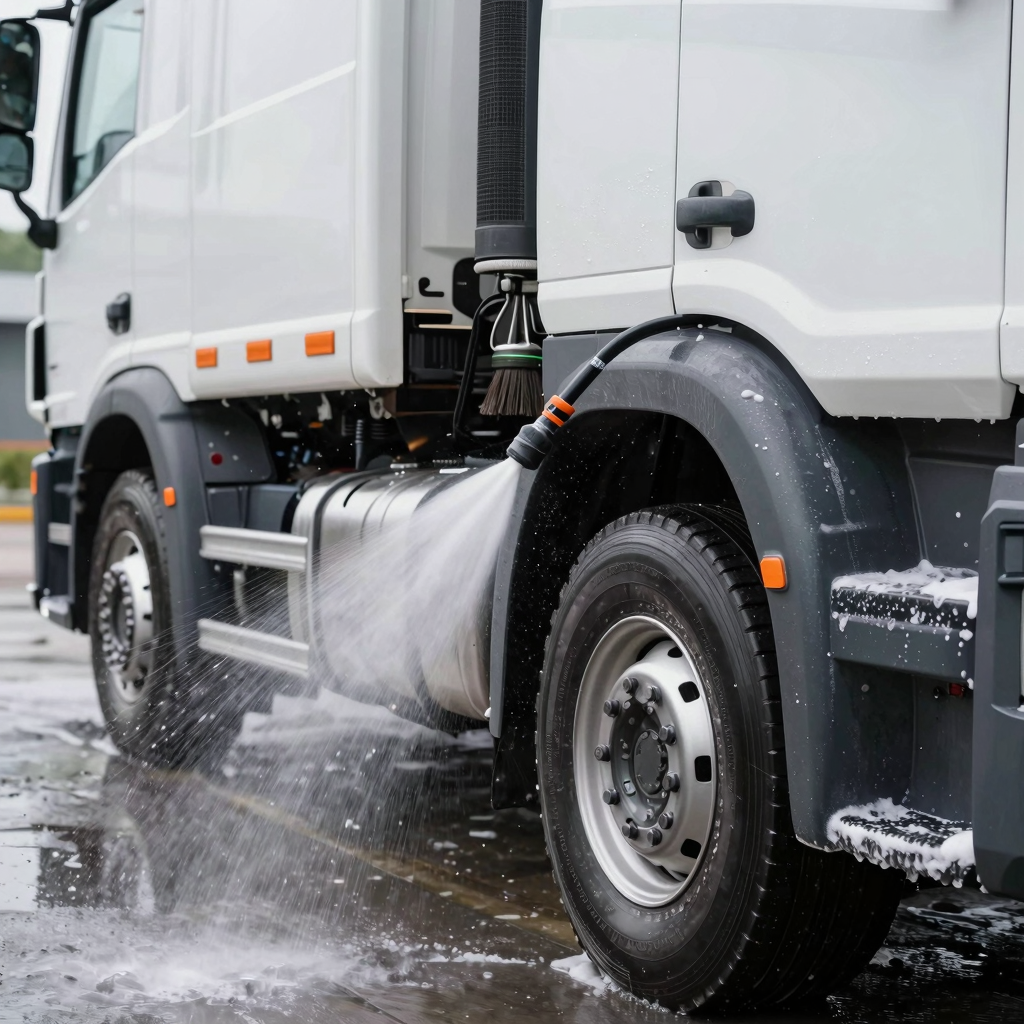
Maintenance Tips for Truck Brushes
To prolong the lifespan and effectiveness of truck brushes, especially in the demanding environments of construction and mining, it is vital to implement a robust maintenance routine. Here are practical tips tailored for fleet supervisors:
- Regular Cleaning: Always clean truck brushes with warm, soapy water immediately after use to prevent debris buildup that can damage the bristles. For stubborn grime, consider using specialized brush cleaners.
- Inspect Periodically: Check brushes for loose bristles or damaged ferrules every month; secure any loose bristles with epoxy if needed. Additionally, visually inspect handles for cracks or signs of wear every three months.
- Proper Storage: Store brushes in a dry, ventilated area to prevent mold and corrosion. Avoid placing them in damp or enclosed spaces.
- Rotate Usage: Use different brushes across various vehicles to minimize wear on any single tool and ensure optimal performance.
- Lubrication: Apply a light coat of lubricant to any metal parts monthly to avoid rust, and use a brush comb to keep bristles straight and functional.
Adhering to these guidelines will ensure that your brushes remain effective assets in your fleet’s cleaning operations. For further insights on maintenance, explore the importance of regular trailer maintenance.

Importance of Cleanliness in Trucking Operations
Maintaining cleanliness in trucking operations is not merely a matter of aesthetics; it is crucial for safety, compliance, and operational efficiency. According to a report by the American Trucking Associations (ATA), “A clean cab reduces the risk of driver fatigue and distraction, as cluttered or unhygienic environments can impair focus.” Regular cleaning also contributes to the longevity of mechanical systems by preventing debris buildup that can lead to failures. Experts recommend implementing daily cleaning routines to ensure vehicles remain in optimal condition.
“Cleanliness is not just about appearance-it’s a core component of safety and compliance.” – Federal Motor Carrier Safety Administration (FMCSA)
Incorporating strict cleaning protocols helps maintain a professional image and ensures regulatory compliance, making it essential for fleet management.
Recommended Frequency of Washing Truck Brushes
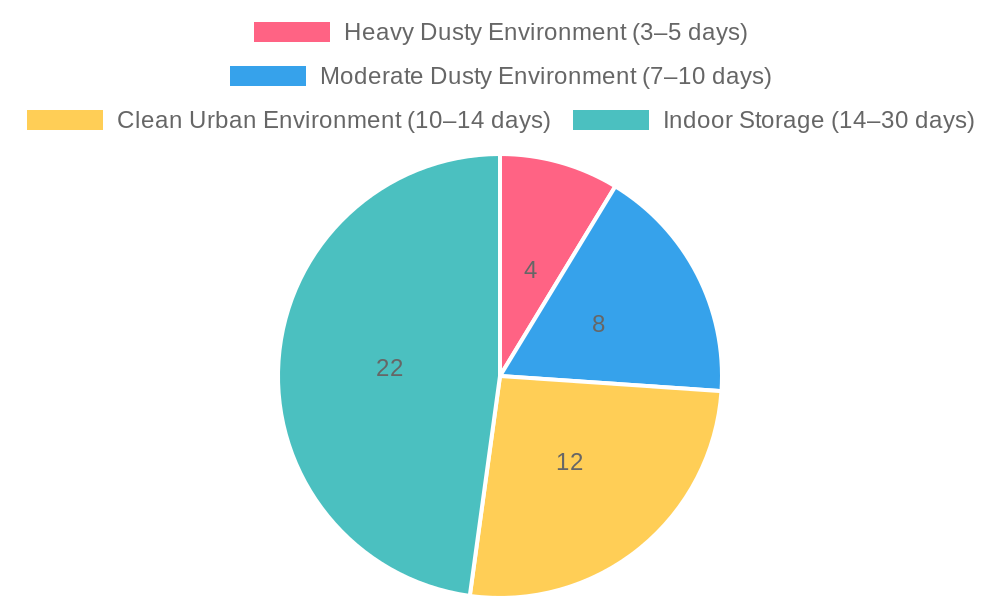
Keeping truck brushes clean is essential for maintaining their efficacy and prolonging their lifespan. The frequency of washing these brushes depends primarily on the environment they are used in and their level of usage. Here is a summary of recommended washing frequencies based on various usage levels and environmental factors:
| Usage Level & Environmental Factor | Recommended Washing Frequency |
|---|---|
| Heavy Dusty Environment | 3-5 days |
| Moderate Dusty Environment | 7-10 days |
| Clean Urban Environment | 10-14 days |
| Indoor Storage | 14-30 days |
Source: Industry guidelines for fleet maintenance and brush hygiene (2026 update, based on data from commercial vehicle care standards and equipment manufacturer recommendations).
The chart below illustrates these washing frequency recommendations visually to assist fleet managers and operators in scheduling maintenance effectively.
By adhering to these guidelines, fleet managers can ensure that their truck brushes remain in optimal condition, thus helping maintain the vehicles they serve and minimizing operational downtime. For further insights into the maintenance of your fleet, learn more about regular trailer maintenance and the importance of compliance with cleaning regulations.
Conclusion and Call to Action
In conclusion, maintaining the cleanliness of trucks is essential for effective fleet management. Regular washing not only preserves a vehicle’s appearance but also plays a crucial role in regulatory compliance and reducing environmental impact. According to a recent article on FreightAmigo, regular washing can significantly decrease emissions, offering operational benefits and extending vehicle lifespans. Keeping trucks clean allows fleet managers to detect potential issues early, which can prevent costly repairs down the line.
Moreover, investing in custom-fit fairings can enhance fuel efficiency by reducing aerodynamic drag, aligning with a trucking company’s goal of optimizing costs. As highlighted in a TikTok video on fairings, these aftermarket solutions can fit almost as well as OEM parts, providing a more cost-effective approach for fleet operators.
To ensure your fleet performs at its best, prioritize regular truck washes as part of your maintenance strategy and consider the advantages of custom-fit fairings. For top-quality truck washing services and custom-fit fairing solutions, visit Triple A Truck Wash today!

How to Wash a Truck Brush
Washing your truck brush is essential for maintaining its effectiveness and prolonging its lifespan. Here are the steps to follow:
- Preparation: Gather materials, including a garden hose, commercial brush cleaner, and a bucket.
- Rinse: Start with a thorough rinse of the brush using a hose to remove any loose debris or grime.
- Cleaning Solution: Mix the brush cleaner in a bucket according to the manufacturer’s instructions.
- Scrub: Use the solution to scrub the brush fibers gently with a smaller brush to reach deep.
- Rinse Again: Rinse the brush with clean water until all soap residue is removed.
- Drying: Hang it upside down to ensure proper drying without moisture being trapped.
To maintain your fleet effectively, consider the importance of regular trailer maintenance and the best practices for cleaning food grade tankers to enhance cleanliness and compliance.