
Gravel dust poses a significant challenge for truck maintenance, especially for fleet managers and supervisors in industries like logistics, construction, and mining. The abrasive particles can compromise paint quality, leading to long-term damage and increased maintenance costs. This guide offers a structured approach to washing off gravel dust from trucks, ensuring that your fleet remains in optimal condition. By addressing each critical stage of the cleaning process—from pre-rinsing to drying—this article will equip you with effective techniques to prolong the lifespan of your vehicles, enhance their appearance, and uphold a professional image. Each chapter builds upon the last, ultimately providing a comprehensive method for maintaining the surface integrity of your fleet.
Mastering the Pre-Rinse: The Essential First Step for Preserving Your Truck’s Paint Amidst Gravel Dust Challenges
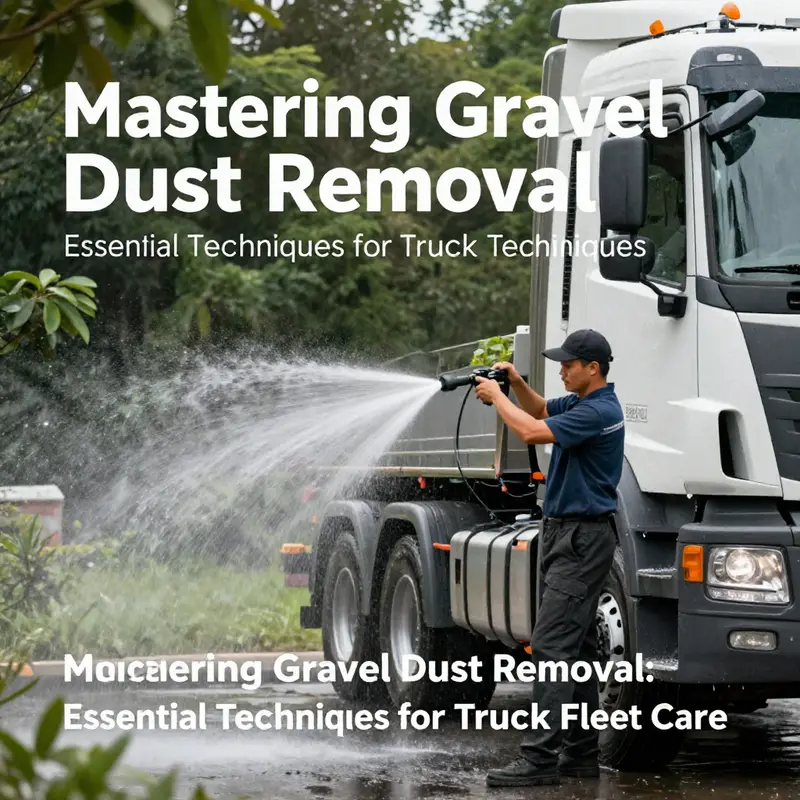
When gravel dust accumulates on a truck, it is more than just an aesthetic nuisance; it is a potential threat to the integrity of the vehicle’s paint and finish. Tiny, abrasive particles cling to every surface and can easily scratch or degrade the protective layers if not removed correctly. The journey to a spotless truck begins with one essential step—a careful pre-rinse that sets the stage for a comprehensive cleaning process. In this chapter, we explore how the pre-rinsing phase is not only vital to dislodge stubborn dirt but also essential to maintain the longevity of the truck’s exterior. The process demands a blend of the right tools, proper timing, and an understanding of why each minute detail matters.
The pre-rinse stage is a deliberate, measured approach that loosens and removes coarse contaminants before more intensive cleaning commences. Because gravel dust often contains particles that are exceptionally hard and abrasive, the first step involves applying water at a controlled, moderate pressure. Using a pressure washer with settings between 1,500 and 2,000 PSI is ideal. At this range, the water has enough force to break the bond between the dust and the truck’s surface without driving the particles further into the paint. It is a fine balancing act; too little pressure may leave behind remnants of the abrasive dust, while too much pressure can inadvertently damage delicate components, such as seals, trim, and exposed electrical parts. When executed properly, the pre-rinse phase serves as a preventive measure, minimizing the risk of scratches during the subsequent cleaning and scrubbing stages.
A critical element of an effective pre-rinse is the strategic application of water. Starting from the top and slowly moving downward ensures that gravity assists in washing away the dislodged loose debris, rather than redepositing it onto cleaned areas. This top-to-bottom method is especially significant because dirt that is lifted from the upper sections of the truck will naturally flow downward, carrying away contaminants from the entire surface. Operators should be mindful not to direct the water stream straight onto sensitive engine compartments, delicate moldings, or intricate detailing. Instead, angling the spray correctly ensures that these vulnerable areas are treated with the same care as the more robust body panels.
Beyond the mere application of water pressure, incorporating a pre-soak solution can have a transformative impact on the cleaning process. A pre-soak solution, typically a pH-neutral car wash soap diluted in water, works to loosen not only the stubborn gravel dust but also the oils and grime that might have accumulated over time. After the initial rinse, applying the pre-soak to the truck’s surface allows the cleaning agents to break down any chemically bonded contaminants. Leaving the solution on the surface for a period of three to five minutes is recommended as it gives the soap enough time to act effectively. This waiting period is more than a passive delay; it is an active part of the cleaning process that transforms stubborn, ingrained dirt into particles that can be easily rinsed away. In this light, pre-soaking is best seen as an investment in the long-term appearance and durability of the truck.
The process of pre-rinsing is not simply about removing dirt; it is about preserving the integrity of the truck’s finish. Gravel dust is composed of hard, jagged particles that can cause micro-scratches when they are dragged across the surface by a scrubbing brush or cleaning mitt. These micro-scratches might seem negligible at first, but over time they can deteriorate the protective layers of clear coat and paint, leading to oxidation and premature wear. By thoroughly rinsing off the loose debris upfront, you reduce the likelihood of such damage. The pre-rinse effectively minimizes the risk that gritty particles will be inadvertently rubbed into the truck’s finish during later washing phases, making it an indispensable step for any truck owner serious about maintaining their vehicle’s aesthetic value and resale condition.
Temperature and environmental conditions play a significant role during the pre-rinse stage. Washing a truck under direct, intense sunlight, especially when the vehicle’s surface is hot, can lead to rapid evaporation of water. This quick evaporation leaves behind spots and may even cause a film of residual soap to harden on the truck’s surface. For optimal results, it is best to perform the wash during the cooler parts of the day, such as early morning or late afternoon. Additionally, choosing a shaded area to conduct the washing process further minimizes the risk of water spots and uneven drying. These simple adjustments—timing the rinse appropriately and selecting the right location—can greatly enhance the overall effectiveness of the pre-rinse and the subsequent steps in cleaning.
The mechanics of the pre-rinse extend to the manner in which the water is applied. Using a high-pressure hose or a pressure washer set to moderate levels is crucial for dislodging the abrasive debris while preventing damage to sensitive structures. It is important to use a jet nozzle that allows for directional control. By aiming the spray carefully, particularly around areas like wheel wells, undercarriage panels, and lower body sections where gravel dust tends to accumulate, you ensure that the cleaning power is concentrated where it is needed the most. However, this directional control must be balanced with caution; direct, forceful streams aimed at seals, trim, and near intricate components can lead to unintended damage such as water intrusion or premature wear of rubber and plastic parts. With consistent attention to detail, the water’s force becomes a friendly ally, effectively loosening and washing away contaminants while preserving the truck’s structural and aesthetic integrity.
Integrating the pre-rinse into your regular truck care routine offers significant benefits that extend far beyond simply removing surface dirt. When executed meticulously, the pre-rinse establishes a clean foundation upon which all subsequent cleaning efforts can build. This phase not only prepares the surface for more detailed washing with microfiber mitts and specialized cleaning agents but also reduces the overall time and effort required in later stages. A vehicle that has been thoroughly pre-rinsed is less likely to harbor embedded grit, meaning that when you move to the scrubbing phase, you encounter fewer challenges related to stubborn, adherent particles. This makes every subsequent step in the cleaning process more efficient, less labor-intensive, and ultimately more effective at maintaining the pristine appearance of your truck.
Moreover, the benefits of a properly executed pre-rinse extend to long-term maintenance and protective measures. Once the gravel dust and other particulate contaminants are successfully removed, there is an opportunity to further shield the truck’s surface from future harm by applying a high-quality wax or sealant. These protective coatings provide an additional barrier against environmental hazards, including UV rays, weather-induced erosion, and residual dust accumulation. However, applying wax or sealant to a surface that has not been pre-rinsed can trap particles against the paint, which may result in premature breakdown of the protective layer. Thus, the importance of beginning with a thorough pre-rinse cannot be overstated—it is the very first step in a holistic approach to truck care that prioritizes long-term durability and appearance.
The art of the pre-rinse is a nuanced process that demands attention to both technique and timing. At its core, the pre-rinse is about preparing the truck for a deeper, more focused cleaning process. By using moderate pressure water, directing the spray wisely, and allowing a pre-soak solution to work its way into every crevice, you create a clean canvas that is far less vulnerable to the abrasions that can occur during scrubbing. It is not a rushed process but rather one that requires patience and a careful hand. Motorists and truck operators are encouraged to view this initial phase as a crucial investment in the longevity of their vehicles—a small amount of extra time and care at the outset can yield significant rewards in the form of enduring, well-maintained paint and a truck that continues to look as impressive as it did on the day it rolled off the lot.
For those who have embraced the importance of these pre-rinse techniques, it is not uncommon to notice a marked difference in the ease with which subsequent cleaning tasks are accomplished. The removal of loose, abrasive dust translates to fewer obstacles when working with microfiber cloths and soft brushes. This results in a cleaning process that is more forgiving on the truck’s finish, effectively reducing the chances of swirl marks or accidental scratches. It is a simple yet profoundly effective strategy that underscores the importance of preparation. In fact, many truck maintenance experts and enthusiasts alike stress that a well-executed pre-rinse is not an optional step but a foundational element of proper truck care. For more insights into truck cleaning methods, you may wish to explore proven strategies for cleaning grease and tar off your trucks fast, which further detail specialized techniques for handling stubborn contaminants.
The process described above is integral not only for daily maintenance but also for situations where the truck is exposed to exceptionally challenging conditions. During long hauls or when operating in environments laden with dust and gravel, rigorous pre-rinsing can make the difference between a well-preserved finish and one compromised by accumulated abrasives. The routine becomes almost ritualistic—first, assess the level and stubbornness of the accumulated dust; then, deploy the right combination of water pressure and pre-soak solution; and finally, ensure that every drop of soap and dislodged debris is completely rinsed away. Such deliberate procedures, repeated over time, bolster the truck’s resilience against environmental hazards and ensure that its appearance remains sharp, vibrant, and free of the damage that can otherwise be induced by abrasive contaminants.
Incorporating these thoughtful techniques into your truck washing routine not only elevates the standard of cleanliness but also serves as a testament to the care and attention you invest in your vehicle. The pre-rinse phase embodies a commitment to quality and preservation, effectively marrying the immediate goal of removing dirt with the long-term vision of protecting your truck’s finish. It demands an attitude of mindfulness—every spray, every angle, and every drop of water is part of a larger narrative about responsibility and respect for your machinery. This is why the pre-rinse is often seen as the unsung hero in the world of truck maintenance. Neglecting it may provide short-term gains in speed, but over time, the cumulative effect of repeated, carefully executed pre-rinses will undoubtedly pay dividends in maintaining that coveted showroom finish.
The science behind these techniques is influenced by a deep understanding of both mechanical and chemical principles. For instance, the moderate pressure range of 1,500–2,000 PSI is carefully chosen because it is sufficient to overcome the adhesive forces that allow gravel dust to stick to the truck’s surface, yet gentle enough to avoid triggering the cascade of damage that can occur when harder forces are applied. Similarly, a pH-neutral car wash soap is selected for its balanced chemical properties; it cleans effectively without stripping away the protective wax or sealant layer that might have been applied during previous maintenance cycles. This meticulous selection of water pressure and cleaning agents reflects an underlying philosophy: that every step of the process should be designed to preserve rather than to strip away. In this way, the pre-rinse is emblematic of an overall approach that values preservation over aggressive cleaning, ensuring that each action contributes to the truck’s long-term health.
When these principles are implemented meticulously, the benefits become clear. Not only does the pre-rinse facilitate a more effective removal of gravel dust and the associated abrasive elements, it also paves the way for a smoother, more efficient overall cleaning routine. Every subsequent action—from hand washing with a soft sponge to drying with a microfiber towel—becomes far less likely to cause micro-scratches or other forms of damage. In essence, the pre-rinse is a foundation upon which the entire cleaning process rests. It eliminates the risk that abrasive particles might be forced into the truck’s surfaces, thus preserving both the shine and the integrity of the paint. This methodical approach to cleaning resonates with truck enthusiasts and professionals who have long understood that the key to a lasting finish begins with the very first step.
For further reading and to broaden your understanding of the importance of proper rinsing techniques in vehicle maintenance, consider visiting the AAA Car Care Guide, which offers an in-depth look at best practices in car and truck care. Their comprehensive advice on how to wash a car properly reinforces the critical lessons discussed here and provides additional perspective on how each step in the cleaning process is interlinked. AAA Car Care Guide stands as a valuable external resource for anyone interested in elevating their truck maintenance routine.
In conclusion, the pre-rinse phase is much more than a preliminary step; it is the cornerstone of all effective truck washing practices. By dedicating time and attention to this essential process, truck owners can dramatically reduce the risk of damaging the delicate protective layers that guard against the onslaught of abrasive gravel dust. The careful application of moderate pressure water, the strategic use of a pre-soak solution, and the adherence to environmentally mindful practices all converge in this single phase. In every spray of water and every minute spent waiting for the pre-soak to work its magic, there lies an investment in the future of your vehicle’s appearance and durability. Embracing these techniques means choosing a proactive approach over a reactive one, and ultimately, it ensures that your truck remains as dependable in its looks as it is in its performance.
The art and science of the pre-rinse process illustrate that even the simplest steps in vehicle maintenance can yield spectacular results when executed with precision and care. For truck owners who truly value the longevity and aesthetics of their vehicles, mastering the pre-rinse is not optional—it is an essential ritual that lays the groundwork for every subsequent cleaning effort. It symbolizes the commitment to quality and stewardship that is necessary for maintaining a vehicle in peak condition, even in the face of harsh environmental challenges. By adopting these practices, every wash session transforms from a mundane chore into a deliberate act of preservation, ensuring that the truck is not only clean on the surface but also protected against the abrasions and damages of everyday road life.
Ultimately, establishing a robust pre-rinse routine is about honoring the balance between effective cleaning and gentle treatment. It is a measured approach that yields long-term benefits far exceeding the immediate satisfaction of a quick rinse. The careful application of pre-rinse techniques protects the truck’s exterior, enhances the performance of subsequent cleaning steps, and serves as a bulwark against the persistent threat of gravel dust damage. For any truck owner who is serious about maintaining a pristine, long-lasting finish, embracing these methods is a move towards excellence in vehicle care—a philosophy that pays off with every journey taken on the open road.
A Deep Dive into Safe Gravel Dust Removal: Techniques to Preserve Your Truck’s Finish
Understanding the Menace of Gravel Dust
Gravel dust is more than just an aesthetic issue—it is a silent adversary to your truck’s finish. Every journey on the rugged roads generates tiny abrasive particles that adhere to your vehicle’s surface, penetrating and undermining the protective paint layer if not handled properly. The significance of efficient gravel dust removal is magnified when you consider that these particles, though minuscule, can work their way into the truck’s curves and crevices, causing micro-scratches and, over time, even corrosion. The art of safe cleaning involves a careful dance between water, gentle tools, and cleaning agents that protect rather than strip the protective layers. In this chapter, we explore the detailed steps necessary to safely remove gravel dust while preserving the truck’s finish, drawing upon industry best practices and expert advice. To accomplish this, one must approach the cleaning process with both patience and a methodical strategy that minimizes the risk of damage. A careful pre-rinse softens and loosens the stubborn particles, allowing the subsequent cleaning steps to work effectively without causing undue abrasion. This careful attention to detail not only prolongs the visual appeal of your truck but also prolongs the life of its paint.
The Critical First Step: Pre-Rinsing with Low-Pressure Water
The process of safely removing gravel dust begins with a gentle pre-rinse using low-pressure water. This initial step is crucial because it helps to dislodge and wash away the loose particles cluttering the surface of your truck. When water is applied at a low pressure, it softens the bond between the gravel dust and the paint, reducing the chance that these particles will embed themselves further into the surface when mechanical action, such as scrubbing, is introduced. Using high-pressure water during this stage may seem like it would clear away the debris faster, but it can in fact drive tiny grains deeper into the paint or clear coat and even cause micro-scratches that compromise the vehicle’s finish over the long term. Instead, allowing a gentle cascade of water to settle and rinse off the superficial layers of grime sets the stage for the more detailed cleaning that follows. It is best to perform this rinse in conditions where the truck is not heated by prolonged sunlight; the natural cooling effect of early morning or later afternoon conditions facilitates a more controlled and effective removal of contaminants.
Choosing the Right Tools: Soft Brushes and Microfiber Sponges
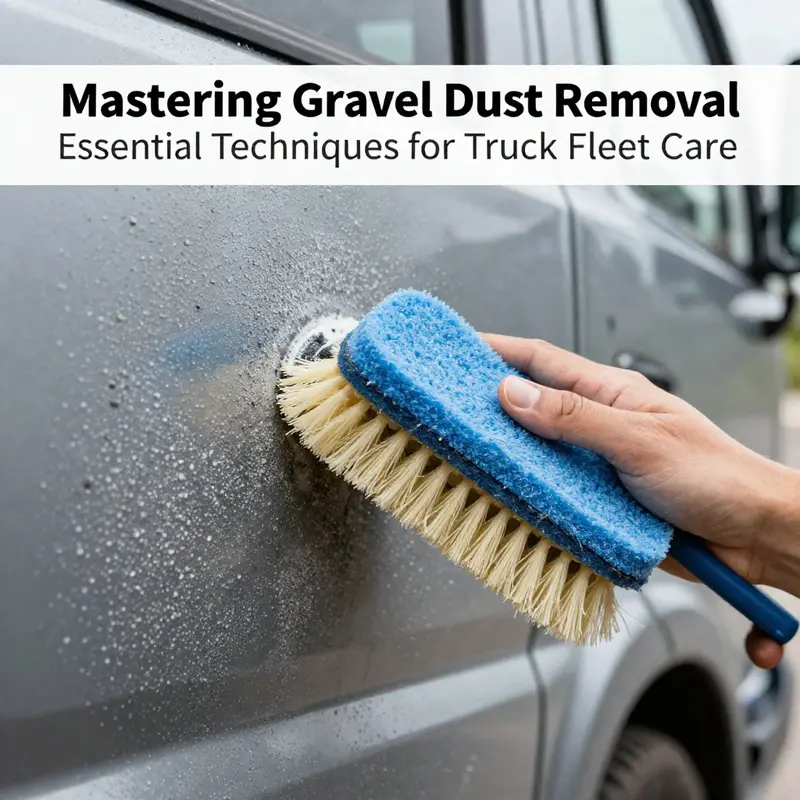
Once the initial rinse has loosened the loose particles, attention should turn to the tools used for the cleaning process. A soft-bristled brush or a microfiber sponge is ideal because these tools are designed to gently maneuver around the contours of your truck’s body without scratching sensitive surfaces. The importance of using a tool with soft fibers cannot be overstated, as hard or abrasive brushes can create microscopic scratches, which, over time, will compound the damage originally caused by the abrasive dust. When preparing your tools, it is essential to saturate them with a pH-neutral and truck-specific cleaning solution. This step helps to further break down and disintegrate any particles that have adhered stubbornly to the paint. The cleaning solution should be specifically formulated to be safe on truck finishes. It avoids the harsh effects of common household cleaning agents, which, although effective in other cleaning scenarios, contain chemicals that can strip the wax or sealant that protects the paint. The use of distilled water for this process is ideal, as it avoids the mineral deposits that can occur with hard tap water, which might lead to spotting or other cosmetic issues.
Methodical Cleaning in Small Sections
A vital aspect in ensuring the safety of your truck’s paint is the method through which you carry out the cleaning. Instead of attempting to clean the entire surface in one go, it is advisable to work methodically in small sections. This systematic approach ensures that every area receives the attention it needs and prevents the cleaning solution from drying on the surface, which can result in unsightly residue or spots. For each small section, start by applying your chosen cleaning solution with a soft brush or sponge, carefully scrubbing to dislodge dirt and embedded dust from crevices and wheel wells. This approach allows you to focus on high-risk areas where grit tends to accumulate, such as near the edges, around embellishments on the truck, and in other areas that might be prone to neglect. After treating each section, a quick rinse with water is paramount to remove any traces of the cleaning agent and dislodged particles before they can dry and leave marks. The repetitive cycle of applying the cleaning solution, gently scrubbing, and rinsing each section ensures thorough and safe cleaning.
Understanding the Chemistry: The Role of pH-Neutral Solutions
The choice of cleaning solution plays an indispensable role in the overall process of removing gravel dust safely. Using a pH-neutral, truck-specific wash solution is critical because it strikes the right balance between effective cleaning and maintaining the integrity of the truck’s protective coatings. Many common household detergents are overly alkaline or acidic for vehicle finishes, potentially stripping away the wax layer that shields the truck from future damage. The use of a carefully formulated wash solution minimizes this risk while effectively dissolving and carrying away dirt and dust. As you work through the various sections of your truck, the cleaning solution acts as a lubricant, reducing friction between the cleaning tool and the paint. This chemical assistance not only helps to remove deeply set particles but also prevents the occurrence of swirl marks which may result from aggressive scrubbing. Maintaining this balance is key to achieving a cleaning process that is both effective and gentle, preserving the integrity of the protective sealants that are essential for long-lasting paint. Given the fragile nature of these coatings, the emphasis on pH-neutral solutions is a recurring theme in professional guidance on truck maintenance.
The Importance of Thorough Rinsing and Patience in Drying
After you have carefully scrubbed the truck in manageable sections, it becomes imperative to conduct a thorough rinse. The process of rinsing is important not only to remove residual cleaning solution but also to ensure that no loosened debris remains on the surface. Using clean water, preferably low in pressure, you must make sure that every trace of soap and detached dirt is washed away. Residue left behind might lead to spotting or, worse, corrosion, particularly if the water used is hard and filled with minerals. The act of rinsing must be diligent, and patience is key to guaranteeing that the procedure is effective. Once the rinsing is complete, drying the truck in a gentle manner becomes the final step in this protective process. A high-quality, clean microfiber towel or chamois is recommended for drying, as these materials are soft and highly absorbent. The drying process should be carried out with care, patting rather than rubbing the surface to avoid creating swirl marks that can detract from the truck’s appearance. Ensuring that the truck is dry not only prevents water spots but also prepares the surface for any subsequent protective measures such as waxing or sealing.
Optional Steps: Reapplying Wax and Sealant for Long-Term Protection
Once the truck has been thoroughly cleaned, rinsed, and dried, it is the perfect opportunity to consider additional protective measures. Applying a high-quality wax or sealant can provide an extra layer of defense against the accumulation of dust, grime, and other environmental contaminants that will inevitably make their way onto the truck over time. Wax or sealant not only enhances the truck’s shine but also replenishes the protective barrier that is essential for the continuous safeguarding of the paint. In many instances, professionals recommend a periodic application of these protective substances, particularly after a thorough cleaning session. The benefits of waxing include a reduction in adhesion of dirt and dust, making the next cleaning session easier. Additionally, a well-maintained wax layer can mitigate the adverse effects of UV radiation and minor abrasions from road debris, thereby extending the life of the truck’s finish. This step, though optional, is invaluable in the context of long-term maintenance and investment protection.
Avoiding Common Pitfalls: Timing, Temperature, and High-Pressure Equipment
One must always be careful about the environment and timing when cleaning a truck. Washing a hot truck under direct sunlight might seem convenient during a warm day, but it often results in the water evaporating too quickly, leading to water spots that mar the hard-earned shine of the paint. It is advisable to choose times when the truck’s surface is cool to the touch. Early mornings or late afternoons are ideal periods as the temperatures are more moderate, allowing the cleaning process to take its course without the risk of rapid evaporation or accelerated drying that leads to residues. Likewise, while high-pressure water jets might be enticing for a quick rinse, they are best reserved for parts of the truck that do not have delicate finishes. Areas such as the wheels or undercarriage, which are built to withstand tougher conditions, can benefit from high-pressure cleaning. However, painted surfaces and areas with intricate details demand a gentle approach. Neglecting these details in the quest for speed can lead to scratches and other damages that necessitate more expensive repairs over time. This holistic approach to timing and method underscores a philosophy of care and attention, central to effective truck maintenance.
Integrating Professional Techniques and Insights
For those who find that routine cleaning does not entirely remove deeply embedded gravel dust, it might be worth considering professional detailing services. Professionals often employ a combination of specialized tools, such as clay bars and advanced polishing compounds, to treat surfaces that have accumulated stubborn contaminants over prolonged periods. These tools are designed to gently lift and remove embedded debris without harming the truck’s finish, offering a remedy for situations where routine cleaning might fall short. In some cases, particularly where extensive damage has already occurred, a professional intervention might be the best course of action to restore the truck’s appearance. By integrating these professional techniques—or even consulting with experts who are adept at maintaining vehicles—it becomes possible to achieve a finish that is both pristine and long-lasting. For truck operators who manage fleets or work within the trucking industry, adhering to such professional standards is part of a larger commitment to maintaining the aesthetic and functional quality of their vehicles. This emphasis on quality is echoed in resources such as articles on strategic cleaning, including insights into proven cleaning methods that are available to those interested in further refining their approach. One such resource can be found in a guide detailing proven strategies for cleaning truck surfaces, which offers valuable techniques that complement the methods discussed here.
Bridging Everyday Maintenance and Long-Term Truck Care
In merging the routine tasks of cleaning with the strategic practices of long-term maintenance, truck owners can ensure both the longevity of their vehicle’s exterior and the overall efficiency of their operations. Every step, from the initial pre-rinse to the final application of wax or sealant, is interconnected in the broad goal of protecting the truck from the harmful effects of gravel dust. Each phase of the process builds upon the previous one, ensuring that the destructive potential of abrasive particles is neutralized before it can cause visible harm. Truck care is not merely about appearance—it is a fundamental aspect of operational reliability, impacting resale value and overall durability. The science behind low-pressure water rinsing, when combined with targeted use of pH-neutral solutions and gentle scrubbing methods, forms a comprehensive strategy that addresses immediate cleaning needs while also preparing the vehicle for future environmental challenges.
The thoughtful approach to cleaning, including working in well-defined sections and using the right cleaning agents, is essential for preserving the integrity of the paint. It is this attention to detail that differentiates routine washing from effective maintenance. The principles of safe cleaning discussed here also underline the importance of adhering to manufacturer guidelines and industry-standard practices that have stood the test of time. It is a reminder that every truck, whether part of a large fleet or a single personal asset, demands the same level of care and expertise. By embodying the procedures outlined here, truck owners not only maintain the aesthetic appeal of their vehicles but also contribute to the broader narrative of responsible truck ownership—a narrative defined by diligence, attention to detail, and a commitment to long-term quality.
Final Thoughts on the Precision of the Gravel Dust Removal Process
Taking the time to understand and execute each step of the gravel dust removal process can make a significant difference in the longevity and appearance of a truck’s finish. In a world where environmental contaminants pose constant challenges, the methods explored in this chapter stand out as robust, effective, and respectful to the vehicle’s design. From starting with a gentle pre-rinse to systematically addressing each section of the truck with a suitable cleaning agent, every stage of the process has its distinct purpose. By consistently avoiding pitfalls such as high-pressure water on painted surfaces or the use of harsh household cleaners, truck owners can ensure that their cleaning efforts do not inadvertently cause more harm than good.
Moreover, the integration of professional detailing techniques provides an option for those incidents when routine home cleaning does not suffice. Whether by incorporating periodic waxing to enhance the protective layer or seeking out professional cleaning services for persistent grime, each measure plays a critical role in maintaining a truck’s pristine condition. It is essential to remember that the beauty of a well-maintained truck is not solely in its shine but in the reliability and care that underpin every maintenance decision. For further guidance on refining your truck-cleaning regimen, interested readers may wish to review external insights, such as those presented by Car and Driver – How to Wash Your Truck Safely, which offer additional expert perspectives on ensuring long-term truck care.
In conclusion, the journey to effectively remove gravel dust from a truck is both an art and a science. It involves a meticulous process that blends gentle physical actions with carefully chosen chemical agents, all delivered in an environment that is controlled and patient. Whether you are a seasoned truck operator or a newcomer to the world of vehicle maintenance, the principles outlined in this chapter provide a dependable roadmap to preserving the integrity of your truck’s paint. By investing the necessary time and attention into each stage—from the initial low-pressure rinse through to drying and optional waxing—you are not only addressing the immediate concerns of abraded surfaces, but you are also setting the stage for sustained performance and visual appeal. This comprehensive approach to cleaning ultimately safeguards your truck, ensuring that it remains a symbol of reliability and care on every road it travels.
A Perfect Blend: Mastering the Art of Gravel Dust Removal with the Ideal Truck Wash Solution
When it comes to maintaining the integrity and appearance of your truck, few challenges are as persistent and damaging as gravel dust. Gravel dust, composed of countless particles that are both abrasive and fine, can embed itself in every crevice and imperfection of your vehicle’s surface. The solution to this problem lies in the careful selection and use of a dedicated truck wash solution—one that is gentle on your truck’s finish yet powerful enough to lift the most stubborn deposits. What follows is a detailed discussion on the art and science of removing gravel dust safely, while emphasizing the importance of choosing the right cleaning product.
The process begins long before you even apply any foam or suds. It starts with understanding that not all cleaning agents are created equal. Household cleaners, for example, might seem like a convenient option, but their harsh chemicals can strip away protective wax layers and leave your truck vulnerable to the ravages of the elements. Instead, you need a product that is specifically formulated to care for automotive finishes. A pH-balanced automotive shampoo, specially designed to lift dirt and dust while preserving wax and sealant layers, is a cornerstone in this battle against abrasive contaminants. Using this type of product minimizes the risk of chemical damage and maintains the integrity of your truck’s paintwork.
Preparation is fundamental to achieving the best results. Before you even introduce a wash solution, it is essential to remove the loose deposits that settle on your truck’s surface. Begin by using a low-pressure rinse that runs water over every inch of the exterior. This initial rinse dislodges the very top layer of dust and debris so that when you apply your cleaning solution, it is not forced to work against a heavy accumulation of grit. Using high-pressure water at this stage is risky; the force might drive particles deeper into the protective layer or even scratch the surface. A gentle, low-pressure water stream minimizes these risks while effectively softening the stubborn rock fragments that can otherwise mar the finish.
After the initial rinse, the next critical phase is the application of the proper wash solution. Here, the merits of a dedicated automotive shampoo become crystal clear. The ideal product should not only be pH-neutral to prevent any chemical stripping of the protective wax or sealant, but should also be formulated to counteract the specific type of buildup that truck surfaces endure. Gravel dust is particularly challenging because its particles can become lodged in tiny crevices, making them more difficult to remove without the right chemical composition. Such shampoos dissolve the dust, allowing it to be washed away rather than scrubbed into tiny scratches. As you work the cleaning solution into the surface, use a soft, microfiber sponge or a gentle brush. This approach ensures that the product penetrates the trapped particles without inflicting damage on the underlying paint. The combination of proper product formulation and gentle application is key to preserving the longevity and shine of your truck’s finish.
Beyond the chemical composition of your wash solution lies the mechanical process of cleaning. An effective method that is widely recommended by experts is the two-bucket technique. One bucket should be dedicated to the soapy water solution, and the other should be used solely for rinsing your wash mitt. This practice prevents the reintroduction of dislodged dirt back onto the truck’s surface, significantly reducing the risk of scratches caused by reused contaminants. The two-bucket method exemplifies a commitment to both detail and caution. By separating the dirty wash water from the clean soap mixture, you create a system that treats your truck with care—ensuring that every move you make further refines, rather than damages, your truck’s exterior look.
When working with stubborn, embedded deposits of gravel dust, additional treatments may be necessary. A pre-wash spray can be particularly effective in this case. By applying the spray to the most troublesome areas before the main cleaning phase, you give the product time to break down and loosen embedded particles. In some situations where the dust has penetrated well into the paint’s microstructure, a clay bar treatment may be beneficial. This method gently lifts away microscopic contaminants that a standard wash might miss, further ensuring that your truck’s finish remains unsullied by abrasive particles. It is this combination of chemical and mechanical processes that gives a dedicated truck wash solution its edge, making it indispensable for any thorough cleaning routine.
While technical application is critical, timing and environmental conditions also play a significant role in the cleaning process. Washing your truck when the surface is still hot from direct sunlight can lead to rapid water evaporation, resulting in water spots and streaks that may exacerbate imperfections already present on the paint. Therefore, the ideal washing conditions are during cooler parts of the day, either early in the morning or later in the afternoon. By choosing the right time for cleaning, you ensure that the wash solution is able to work properly without the interference of quick evaporation or the pressure of an overheated surface. The result is a more even cleaning process that not only removes gravel dust but also helps to maintain the aesthetic integrity of your truck.
It is also important to consider the physical tools that accompany the wash solution. Soft-bristled brushes and microfiber sponges are the best choices for this type of detailed cleaning. Their delicate nature prevents scratching, ensuring that only the impurities are removed while the truck’s paint remains intact. The careful interplay between a superior chemical wash solution and the right physical method is what distinguishes a careful cleaning process from one that might inadvertently cause damage. This method pays dividends in the long run, offering both a brilliant shine and robust protection for your truck’s external surfaces.
Truck owners must be proactive not only in cleaning but also in preserving the finish once the cleaning process is complete. After a thorough wash and rinse, drying should be carried out with a clean, soft microfiber towel. This step is equally crucial because leftover moisture can lead to spotting, which detracts from the overall appearance of your truck. The drying process must be as gentle as the washing process; vigorous wiping or using abrasive materials can introduce swirl marks, which are unsightly and serve as a precursor to further degradation. The mantra during every stage of cleaning should be one of cautious progress—each step contributing to the overall goal of maintaining the vehicle’s pristine condition.
Selecting the right truck wash solution is more than an operational decision—it is an investment in the longevity of your vehicle. A dedicated truck wash solution that is pH-balanced is formulated to offer deep cleaning power without interfering with the protective layers that are essential for long-term maintenance. Many of these products are developed after extensive research and testing, ensuring that they meet the challenging requirements posed by truck exteriors that undergo constant exposure to harsh elements and rugged conditions. Investment in such products is essential, as it not only improves the immediate cleaning outcomes but also contributes to the overall health of your vehicle over time. The process, while slightly more meticulous, will pay off by minimizing repair costs and preserving the visual appeal of your truck for years.
In the broader context of truck maintenance, the significance of using the correct wash solution cannot be overstated. Many truck operators have shared experiences where the use of household detergents and makeshift cleaning measures resulted in faded, dull, or even permanently damaged paintwork. Moisture, when inadequately addressed after cleaning, can create the perfect breeding ground for corrosion and rust, especially along wheel wells and undercarriage areas where gravel dust tends to accumulate. Consequently, the advisable practice is to follow a regimented cleaning methodology that uses targeted solutions and carefully selected physical tools. The emphasis on both chemical compatibility and mechanical gentleness is what truly ensures that every cleaning session enhances rather than detracts from the longevity of your truck’s exterior.
Moreover, the cleaning process itself becomes a ritual that reinforces the connection between the vehicle’s maintenance and its overall performance. A truck that is well-kept not only offers enhanced aesthetic appeal but can also signal higher levels of care and reliability. For fleet operators and individual owners alike, adopting a rigorous cleaning routine using the right wash solution is indicative of a deeper understanding of asset management. By selecting the perfect blend of chemical and mechanical actions, you not only remove harmful gravel dust but also defend against the gradual wearing of protective coatings. This holistic approach has a dual benefit: it extends the life of your vehicle and, in turn, reinforces the value of the truck as a long-term investment.
In practice, the journey towards an immaculate finish begins with thoughtful planning. For instance, when a truck’s surface shows persistent signs of accumulated dust even after a standard soap-and-water rinse, the next step is to introduce a pre-wash treatment. This specialized spray is designed to further break down grime that might have bonded with the truck’s paint during long hauls on unpaved roads. The pre-wash treatment acts as a precursor to the more intensive cleaning phases, softening stubborn debris so that the eventual application of the pH-balanced shampoo can be markedly more effective. The ultimate goal is to remove every trace of dust without requiring excessive physical scrubbing that might cause microabrasions.
Considering the delicate nature of this process, it is also important to heed the advice and recommendations of automotive care experts. These specialists advise that a routine inspection of your cleaning equipment is vital, as even a slightly worn or contaminated sponge can defeat the entire purpose by reintroducing grit onto the truck’s surface. Ensuring that every tool—ranging from the microfiber towels to the wash mitts—is in optimal condition is a critical part of the procedure. This attention to detail can mean the difference between a surface that gleams with carefully preserved paint and one that shows premature signs of wear. Indeed, each step in the process contributes to a chain of events that ultimately elevates the overall quality of your vehicle’s upkeep.
For those looking to dive deeper into the subtleties of truck wash procedures, there are many resources available that describe these techniques in exhaustive detail. Among these is a comprehensive discussion on proven strategies for cleaning grease and tar off your trucks fast, which, while focusing on different but related contaminants, offers insights that can be applied to the challenge of gravel dust. Drawing on such external guidance can provide additional reassurance and help in fine-tuning your own cleaning methods. It reinforces the idea that every aspect of truck care, from product selection to detailed procedural steps, is integral to achieving and maintaining a flawless finish.
Beyond the immediate benefit of removing gravel dust, the use of an appropriate truck wash solution also ensures that the protective layers on your truck’s surface remain intact. With frequent exposure to the harsh conditions typical of trucking environments, these surfaces constantly battle against not just dust but also chemical contaminants, moisture, and UV damage. A high-quality, pH-balanced wash solution not only cleans but also preserves the integrity of these surfaces, making it easier for wax and sealants to bond effectively. Over time, such careful maintenance practices can help mitigate the gradual deterioration that occurs with regular exposure to the environment. This preventative care is particularly valuable in climates and conditions where trucks are subjected to high levels of exposure to abrasive particulate matter.
In summary, choosing the right truck wash solution plays an indispensable role in the overall process of removing and managing gravel dust. It is a decision that transcends mere aesthetics, influencing both the immediate cleaning results and the long-term durability of your vehicle’s paint and coating systems. The correct cleaning product, when applied with proper technique and attention to detail, provides a foundation for a series of maintenance steps that safeguard your truck against ongoing environmental hazards. The combined power of a proper pre-rinse, a carefully selected pH-balanced shampoo, and meticulous physical cleaning techniques ensures that every particle of gravel dust is addressed without compromising the truck’s overall health.
For further exploration into the complexities of truck maintenance and cleaning, external resources such as the detailed product guides available at Meguiar’s (https://www.meguiar.com) can offer additional practical advice and expert tips. These guides elaborate on the chemistry behind effective automotive cleaning solutions and the subtle differences between various formulations—knowledge that can prove invaluable when selecting the ideal product for your specific needs.
By integrating these methods into a comprehensive cleaning routine, truck owners are empowered to counteract the damaging effects of gravel dust efficiently. This process, while requiring a measure of discipline and attention to detail, brings with it the satisfaction of preserving a valuable asset. The journey from a dusty, worn appearance to a vibrant, protected finish emphasizes the importance of choosing an automotive cleaning product that is fundamentally aligned with the unique challenges faced by truck surfaces. Over time, the combined benefits of careful chemical selection, precise mechanical action, and rigorous maintenance routines will reveal themselves in the form of a consistently pristine truck—ready to face the road yet again without the marks of previous battles against gravel dust.
Embracing this philosophy of mindful cleaning is about more than just aesthetics; it’s about recognizing the interdependence of every element in your truck care regimen. Whether you are a dedicated fleet manager or an individual truck owner, the principles outlined here highlight the significance of not cutting corners when dealing with abrasive contaminants. The chemical properties of a dedicated truck wash solution, when combined with the correct methodical approach, affords your vehicle an additional layer of protection and helps maintain its value over time. In this way, every wash is more than a routine chore—it is an essential step in the long-term investment in your truck’s performance and appearance.
Final Flourish: Mastering the Final Rinse and Drying Process for Gravel Dust-Free Trucks
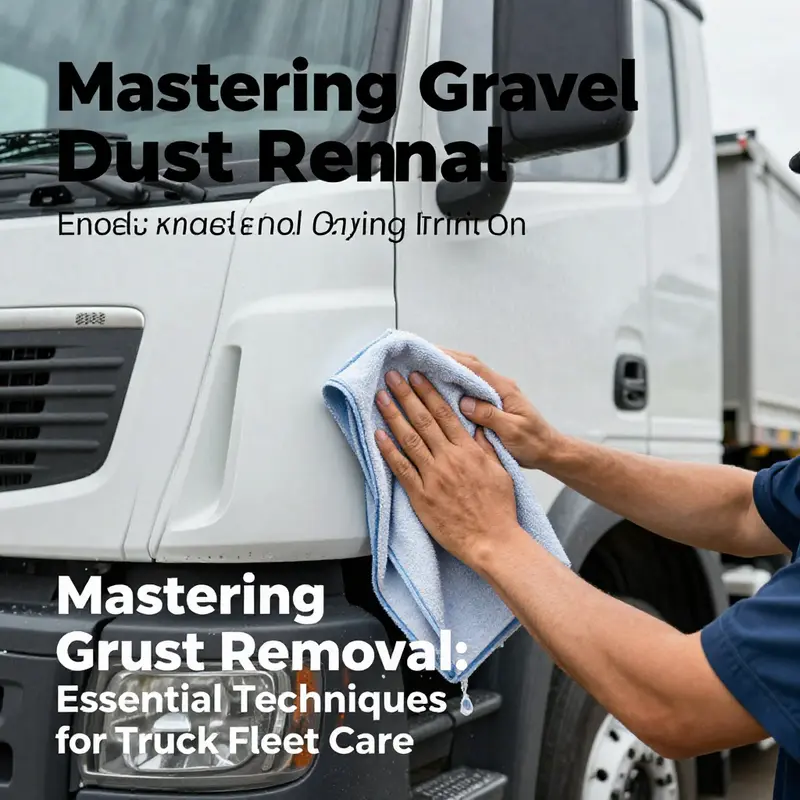
When it comes to maintaining the appearance and longevity of a truck’s finish, the final rinse and drying steps are as important as any part of the cleaning process. After spending considerable time loosening debris with a pre-rinse, carefully scrubbing with a soft brush or sponge, and applying a truck-specific cleaning solution to break down dirt and grime, you are now at a critical juncture in the operation: the final rinse and drying process. This stage ensures that all remnants of cleaning agents are washed away and that the surface of the truck remains scratch-free and properly protected. The purpose is not only to remove leftover dirt and soap but also to eliminate the risk of water spots that can mar the shine and compromise the integrity of the truck’s paint. By investing extra care during these steps, you empower your vehicle with long-term protection and maintain a professional aesthetic that is both impressive and durable.
The final rinse is an exercise in gentle precision and detailed attention. A high-pressure water source is the ideal tool at this stage, one that is capable of eradicating the final traces of soap and dirt from even the most intricate parts of the vehicle. Starting at the upper areas of the truck allows gravity to assist as the water streams downward, carrying with it the remaining particles of gravel dust that have been loosened earlier. This methodical approach ensures that dirt is not re-deposited on areas that have already been cleaned, but instead, gets flushed downward off surfaces where it can be easily tracked away. It is essential during this rinse to continuously check that no stubborn soap residue clings to panel seams, crevices, or under the wheel wells where the abrasive dust might have taken residence. Paying careful attention to these details during the final rinse contributes significantly to maintaining the truck’s flawless exterior. The process of rinsing also serves as a vital link between the two main stages of truck cleaning: the cleansing and the drying, and missteps at this junction can lead to complications such as water spots or even corrosion if any detergent residue remains.
During this rinse, it is beneficial to adopt a systematic rhythm. As you move the high-pressure water source gently across the entire surface, you encourage the water to reach every nook and cranny. Enthusiasts of professional truck cleaning care will often note that this stage is one of quiet concentration where care must be taken to not let the force of the water embed dirt further into the paint. Special attention should be given to winding compartments and hidden gaps under trim pieces. When executing these steps, each movement should be slow and deliberate, ensuring that all areas – from the roof down to the bumpers – are thoroughly rinsed. By focusing on the details of this process, you reinforce the protective layers already present on the truck, safeguarding it from future damage. If you happen to observe small accumulations of grime around the wheel arches or along the contours of the side panels, do not hesitate to direct the water precisely towards these spots. It is this attention to meticulous rinsing that helps maintain a streak-free finish, laying the groundwork for a properly executed drying process that is as critical as it is delicate.
Immediately following the thorough rinse, the drying phase commences. Sometimes, even a perfectly executed rinse can be undermined by poor drying practices, making it crucial to move swiftly from rinsing to drying. The objective in drying is clear: remove all water to prevent spots and to preserve the integrity of the freshly cleaned paint. Moisture left behind can lead to mineral deposits from hard water, leading to unsightly water spots, and in persistent cases, might even contribute to rust or corrosion along the seams and edges of the truck’s panels. The most effective techniques for drying involve the use of clean, high-quality microfiber towels or chamois cloths. These materials are soft enough to avoid scratching, yet absorbent enough to quickly and effectively wick away water. Instead of aggressive wiping, the recommended approach is to gently pat and blot the surfaces, slowly working over the entire truck until every trace of water is removed. It is a subtle process that rewards patience and care.
The drying process not only removes moisture but also adds a final layer of inspection to catch any areas that may have been missed during the rinse. As you move methodically across the truck’s surface, you should be alert to any signs of water stagnation or residual moisture in the intricate details of the bodywork. For instance, even a small droplet left on the side mirror or trapped at the edge of a panel gap can create a spot that will stand out once the vehicle has dried completely. By ensuring that the towel or cloth you are using is clean, you avoid reintroducing any dirt or scratches onto the truck. It is highly recommended to use multiple towels if needed; once one becomes saturated, switch to a dry one to maintain a consistent level of care throughout the drying process. This highlights the importance of proactive maintenance: if you keep your microfiber towels in good condition, free of abrasive particles, you reduce the risk of causing micro-scratches during the drying phase.
The importance of drying in a shaded or cool area cannot be overstated. Exposing a freshly rinsed truck to direct sunlight while drying often leads to rapid evaporation, which can further lead to uneven drying patterns and the formation of streaks. When sunlight is involved, water tends to evaporate too quickly, leaving behind any minerals or detergent residues as persistent marks on the paint. Therefore, if possible, reposition your truck under a shade or pause the process until you can work in a cooler environment. This not only enables more controlled drying but also prevents the formation of spots that can diminish the overall appearance of your vehicle. A calm and measured approach to drying – one that avoids the pitfall of haste – results in a uniformly smooth and visually appealing surface that is the epitome of meticulous truck maintenance. Sometimes, professional truck maintenance facilities even recommend drying in multiple steps, starting with an initial blotting followed by a period of air drying and then a final wiping to ensure that every drop of moisture is removed. This process, while time-consuming, ensures a level of detail that is unrivaled by more hurried methods.
Beyond the practical aspects of rinsing and drying, the entire procedure builds a framework of best practices in truck care that aligns with the broader goals of maintaining fleet vehicles. Consistent application of these techniques not only ensures that the truck remains in peak aesthetic condition but also plays a significant role in protecting the underlying layers of paint and the protective wax or sealant coating. A well-maintained finish is a safeguard against the harsh elements and abrasive particles that trucks often encounter on the road. Moreover, the routine of a proper final rinse and drying becomes a foundational aspect of preventive maintenance. Just as routine oil changes and tire rotations are critical for the performance and resale value of a truck, so too is a careful final rinse and drying process essential for sustaining its surface integrity. The systematic nature of the process, beginning with the pre-rinse and culminating in the final drying, is what distinguishes a professional truck wash from a basic cleaning regime.
It is interesting to note that professional truck maintenance also involves periodic reviews and improvements in these routines. For example, in the realm of comprehensive truck cleaning strategies, experts routinely emphasize not only on the intensity of cleaning agents and techniques but also on the environmental factors that could inadvertently compromise the cleaning process. One key element is the time of day when the wash is performed, which correlates directly with the efficiency of both rinsing and drying. Washing a hot truck under direct sunlight is a common mistake that can negate many of the positive effects of careful cleaning. As water evaporates much faster on a hot surface, this leaves behind unsightly spots and can lead to mineral build-up that dulls the truck’s finish. Professional operators in the field have found that early morning or late afternoons yield significantly better results since the vehicles are cooler and the environment more conducive to a gradual, even drying process.
Integrating these techniques into your everyday truck maintenance routine is not just about preserving aesthetics. The careful management of the final rinse and drying stages creates ripples of long-term benefits that extend far beyond immediate appearances. For instance, by diligently ensuring that all residues are removed during the final rinse, you prevent the risk of abrasive debris scratching the fresh coat of paint during the drying phase. This is particularly crucial when handling vehicles that frequently operate in environments laden with gravel and dust. Moreover, a well-executed drying process seals in the protection offered by waxes or sealants that might have been applied afterward. In this way, a methodical approach to the final rinse and drying process plays an essential role in extending the lifespan of the truck’s finish and reducing maintenance costs over time. The cumulative effect of these small, careful steps is a vehicle that not only looks the part but is also more resilient against the challenges posed by everyday wear and environmental hazards.
For those looking to refine their truck maintenance expertise further, it can be especially helpful to seek out resources that delve into the nuances of outdoor vehicle care. Detailed advice about the use of high-pressure rinsers, the selection of appropriate microfiber drying cloths, and even the optimal timing for washing a truck can all be found in comprehensive guides on truck washing. One such resource offers insight into how to manage stubborn residues like grease, tar, and yes, even gravel dust. For additional reading and a broader perspective on these techniques, check out the article titled proven truck cleaning techniques. In parallel, industry professionals also advise that building a habit of careful drying under shaded environments can make a significant difference over the long term. This habit is especially critical in regions that experience high levels of sunlight and humidity, where rapid water evaporation can otherwise compromise the cleaning process.
In reflecting on the process overall, the connection between a meticulous final rinse and subsequent drying underscores the harmony between art and science in truck maintenance. Each step, from the initial low-pressure pre-rinse to the targeted application of cleaning agents and the subsequent high-pressure finish, has a specific role in ensuring that the truck’s exterior remains resilient and pristine. This sequence is not merely a checklist of tasks but a well-thought-out routine honed through practical experience and scientific understanding. The interplay of water dynamics and cleaning agent chemistry is fascinating in its complexity. When water is allowed to flow over the surface in a controlled manner, it carries away not just dirt but also chemical residues that might otherwise degrade protective coatings. This precision is the hallmark of a responsible truck maintenance routine. Attention to every detail – the correct pressure, the optimal water temperature, and the choice of drying tool – culminates in a result that is more than just clean; it is a celebration of the craft of vehicle care.
By approaching the final rinse and drying phases with both care and consistency, truck owners and operators develop a routine that significantly enhances the lifespan of their vehicles’ exteriors. Such care maintains not only the aesthetic brilliance of the truck but also its resale value and operational efficiency over time. Every truck, whether part of a large commercial fleet or a personally cherished vehicle, deserves this level of diligent maintenance. The final rinse washes away the detritus of daily operations, while a careful drying locks in the benefits of a thorough cleaning session. In the end, the interplay between these steps represents a symbiotic relationship – one where each phase reinforces the success of the other, contributing to a lasting, protective finish.
For those eager to refine their technique even further, external references can provide valuable insights. An instructive article titled How to Wash a Truck Safely and Effectively offers detailed advice on managing the challenges of truck cleaning in various environmental conditions. This resource further elaborates on the strategies that can be used to optimize every phase of the truck wash, reinforcing the importance of precision from the final rinse to the ultimate drying process. In summary, mastering these final steps is not simply an act of cleaning; it is an exercise in maintaining the integrity of your truck, ensuring that every journey is accompanied by a vehicle that reflects the highest standards of care and attention.
Ultimately, the careful orchestration of a final rinse and proper drying emerges as the unsung hero in the realm of truck maintenance. It is here, at the juncture between water and air, that the battle against stubborn gravel dust and residual cleaning agents is truly won. By developing a routine that emphasizes precision, care, and a methodical approach, truck owners can preserve the beauty and durability of their vehicle’s finish for years to come. This routine not only protects the investment in the truck but also instills a sense of pride in maintaining a vehicle that shines with professional care. The interplay between water and the truck’s surface – when managed with expertise – results in a flawless finish that is both practical and visually appealing, embodying the art of truck maintenance at its finest.
Final thoughts
Effectively washing gravel dust off trucks is essential for maintaining fleet appearance and paint integrity. By implementing the discussed techniques—from pre-rinsing to proper drying—you ensure not only aesthetic value but also protect your vehicles from long-term damage. Regular and correct maintenance, backed by the right products and methods, can significantly extend the lifespan of your fleet. As a logistics or construction manager, prioritizing these best practices will contribute to the efficiency and appeal of your operations.