

Maintaining a fleet of trucks, whether for logistics, freight, construction, or mining, is critical for aesthetic appeal and operational efficiency. Regular cleaning ensures optimal performance and longevity, making it a fundamental part of vehicle maintenance. This article outlines a detailed approach to washing trucks, structured into three critical chapters. The first chapter focuses on essential preparations and the tools needed for effective cleaning. The second chapter provides a comprehensive, step-by-step process to wash your trucks efficiently. Finally, the last chapter discusses the finishing touches and maintenance strategies to keep your fleet in top condition. By following these guidelines, fleet managers and operators can preserve their investment and enhance the overall functionality and appearance of their vehicles.
Prep as Prime: Laying the Groundwork and Gear for a Safe, Scratch-Free Truck Wash
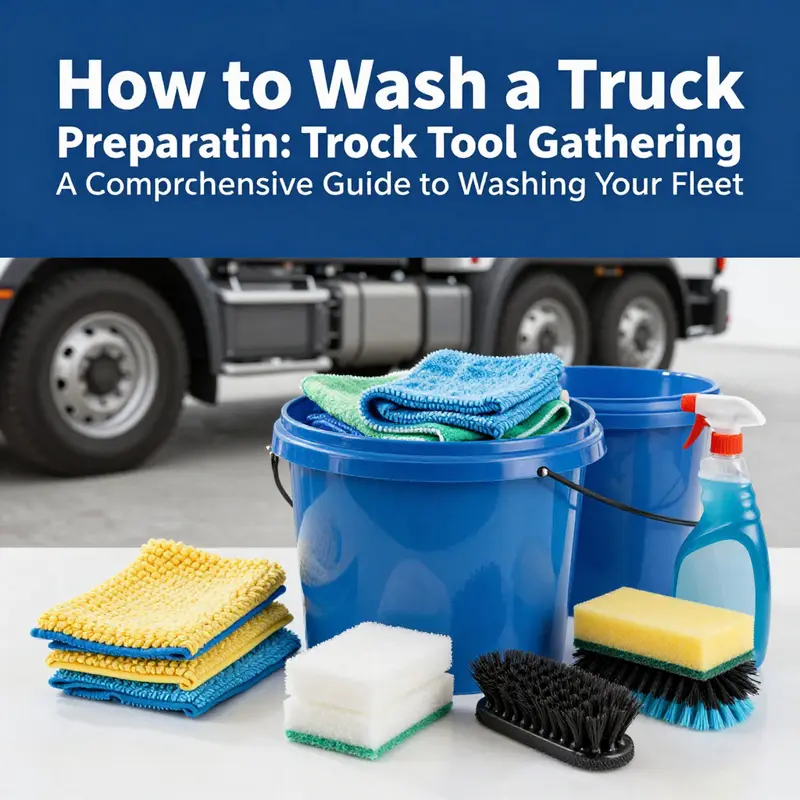
A truck wash begins long before the first spray of water. The best results come from a quiet, deliberate preparation that treats cleanliness as a careful craft rather than a hurried chore. When you commit to laying the groundwork—selecting the right spot, gathering the right tools, and mapping out a sensible sequence—you set the stage for a finish that looks sharp, lasts longer, and protects the vehicle’s finish from the kind of stubborn grime that can cling stubbornly to chassis rails and wheel wells. This is more than a routine; it is a ritual of care that recognizes the truck as a working tool deserving of meticulous upkeep. The preparation phase is where you translate intention into outcomes, where every decision about where to wash, what to use, and how to move your hands becomes a safeguard against damage and a promise of shine that endures through miles of road dust, tar, and weather.
Begin with the setting. A flat, well-drained surface is not just a comfort; it’s a practical safeguard. A gravelly incline or a sun-baked driveway can invite runoff that splashes back onto freshly cleaned panels, leaving streaks and forcing you to rework sections you’d rather move past. If possible, choose shade or a late-day window when the sun slides toward the horizon, not grazing the paint. Direct sun can cause cleaning solutions to dry too quickly, which, in turn, leads to water spots and streaks. The environment matters as much as the hands-on work, because a good wash respects the surface and the surrounding space. If you maintain a fleet or run a wash bay, you’ll recognize the value of a layout that channels runoff away from painted surfaces, collects used wash water, and minimizes slip hazards for operators. In commercial settings, this is where the seeds of efficient workflow take root, and it’s not incidental that effective facility management for truck wash businesses often traces its roots back to the planning phase of each wash.
As you plan the operation, you begin to gather what you will need. The lineup should be complete but not cluttered, a clear toolkit designed to support a measured, methodical attack on dirt. A high-pressure washer or a hose with a well-chosen nozzle stands at the center. The pressure should be adjustable and appropriate for truck finishes; a range roughly in the mid-range of the common spectrum is a practical starting point for most trucks—powerful enough to lift grime, gentle enough to avoid blasting water into crevices and seams. The idea is not brute force but controlled, progressive cleaning that respects the paint and seals. With that core tool in hand, assemble microfiber wash mitts or soft sponges designed for automotive surfaces. These are your first line of contact with the finish, and their softness matters as much as their ability to hold cleaning solution. A couple of buckets—one for the soapy mixture and one for rinsing—are essential. The two-bucket method, familiar to detailers, prevents dirty rinse water from re-soaking a clean panel and reduces the chance of introducing micro-scratches during the wash. Add a selection of soft-bristled brushes for wheels, wheel wells, and other intricate areas. Keep a set of stumpier, stiffer brushes for stubborn grime where a gentle touch won’t do, and reserve the softer tools for paint and plastic trim. A supply of clean, microfiber towels ensures that you can dry the surface thoroughly, a step that is as important as cleaning itself because water spots can mar the finish and create opportunities for corrosion over time.
Beyond the tools themselves, clean, purpose-driven cleaners matter. Use a pH-balanced, truck-specific car wash soap rather than household detergents. The distinction is practical and protective: car wash soaps are formulated to lift dirt without stripping wax or harming protective coatings, while dish soaps can remove waxes and sealants over time, leaving the surface more susceptible to heat, UV damage, and micro-scratches. For heavier-duty tasks such as removing tar, grease, or road grime, select a dedicated degreaser or stain remover, but approach these products with restraint. Test on a small, inconspicuous patch first and follow the manufacturer’s instructions to avoid unintended reactions with trim, plastics, or exposed metal. The goal is to tailor the cleaning approach to the material you’re treating, not to overpower it with one solution that works on nothing in particular.
The preparation extends to protection and safety. Wear gloves to shield your skin from cleaners, and consider a mask if you’re in a dusty environment. Think about eye protection if you’re splashing water or cleaners in a space with low visibility. A quiet nod to safety is a quiet nod to efficiency. Covering sensitive components in the engine bay or around the air intakes is an optional precaution in some setups, but the core principle remains the same: minimize risk to components that aren’t meant to be washed with water in the first place. In many setups, this means ensuring the engine is completely cool before any wash begins and avoiding direct spraying into sensitive electrical areas. If you’re detailing in a supported facility, you might also map out zones for wash, rinse, and dry, creating a predictable rhythm that makes the process feel less like an improvisation and more like a well-rehearsed routine.
The preparation you invest in is, in a fundamental sense, a preflight check. It’s where you decide how you will approach the truck’s most challenging sections, from the undercarriage to the wheel wells, from the cargo bed to the engine bay when it’s sanctuary-level clean. And it’s in this phase that you begin to weave a practical narrative that will carry you through the entire process. As you think through the sequence, remember that the best results come from a top-to-bottom approach: start high, work down, and never press hard on delicate surfaces. This is more than a technique; it’s a philosophy born from experience: the finish is best when every movement respects the material that carries it.
To bridge the practical with the strategic, consider a simple but meaningful connection to broader operations. In professional settings, a thoughtfully designed workflow reduces waste, decreases downtime, and protects assets over the long term. A well-managed wash space—where tools are organized, cleaning agents are stored safely, and waste water is managed—creates a ripple effect of efficiency. For those maintaining fleets or operating multiple washing bays, the principles of facility management for truck wash businesses can elevate execution: clearly defined zones, standardized supplies, and a predictable wash rhythm help crews stay steady and reduce rework. This isn’t abstract theory; it’s the practical backbone that keeps a shop running smoothly while delivering a consistent, high-quality finish. In the hands of a skilled operator, the right plan translates into less guesswork, less backtracking, and more time with the truck itself, not the cleanup after it.
With the groundwork laid, you’ll find the actual wash proceeds with confidence rather than uncertainty. The preparation phase becomes a quiet mentor, guiding every subsequent choice—from the pressure setting you select to the way you dampen a mitt before it touches the paint. When the truck is ready, the surface itself seems to respond to the intention you brought into the process. A careful start helps prevent scratches and swirls, and it makes the top-to-bottom rhythm you’ll follow afterward feel natural rather than forced. You’ll hear the water moving, feel the suede-soft touch of the mitt on the panels, and sense how the dirt loosens in stages as you pass from roof to bumper. The truck seems to awaken under your care, not fight against a blunt, hurried assault. That is the essence of preparation: a calm, composed, and deliberate approach that respects the vehicle’s surface and your time.
As you integrate the practice into your routine, you’ll likely find yourself revisiting and refining your toolkit. You may discover that a wider sponge, a longer reach brush, or a slightly different nozzle improves results for a particular truck’s paint or body style. The beauty of preparation is that it invites iteration. You measure outcomes, adjust your approach, and then re-enter the process with a clearer sense of how to protect the finish while lifting the grime. You learn to read the surface: where the dirt clings, where tar threatens to smear, where wax or sealant might need renewed attention. That reading comes from experience, and it is born in the quiet hours of planning and gathering—the hours when you choose not to rush but to equip yourself for success.
In this light, the preparation is not simply a set of steps; it is a performance of care. It is the moment you honor the truck as a capable partner on the road and as a canvas that bears witness to your stewardship. The tools you choose, the schedule you set, the surfaces you protect, and the sequence you commit to—all these become part of a single, coherent practice. The aim is a finish that looks like factory-clean from the first pass, with a protective glow that speaks to the residual value of the vehicle after miles of service. The chapter you’re reading now is about more than the mechanics of washing a truck. It is about the discipline of preparation and the elegance of using the right gear in the right way, so that the hard-won results endure through weather, traffic, and time.
To bring this into a practical frame that resonates with both home garages and professional bays, consider a guiding principle you can apply every time you wash: treat the process as a careful ritual, not a race. Let your setup reflect that mindset. Prepare the area to keep water and chemicals where they belong. Gather the tools that will touch the surface with the respect it deserves. Plan a top-down cadence that reduces the risk of recontamination or missed spots. And always, always dry thoroughly. Water left on panels can leave micro-marks and, over time, contribute to corrosion in vulnerable spots. The path from preparation to polishing is short when you walk it with calm intention and the right kit in hand. If you’re taking notes for a fleet or shop manual, this is where you codify the simple truth: a well-prepared wash is twice as effective and half the effort of a rushed, unplanned one.
As you move toward the next phase of the wash, the practicalities begin to take shape in more concrete terms. The two-bucket method, the choice of mitts, and the careful attention to each surface will become your daily toolkit. The wheel wells will demand a different approach from the glossy panels. The undercarriage will require more direct action than the roof. Each surface has its own rules, and your preparation is the map that helps you navigate those rules without losing your way. The more deliberate your gear selection and the more explicit your plan, the more likely you are to finish with a truck that looks as strong as its work ethic. Now that you’ve built the foundation, you’re ready to translate this preparation into a sequence that makes the wash feel like a precise, satisfying routine rather than a series of ad hoc steps. The value of preparation is not merely in achieving cleanliness; it is in elevating the entire experience of cleaning to something that preserves, protects, and honors the vehicle’s integrity while delivering the shine you expect.
The chapter that follows expands on how to execute this plan with the same level of care you’ve invested in preparation. It will walk through the critical steps of pre-rinse, bodywork care, wheels and tires, cargo bed, engine bay, and undercarriage, always with the same emphasis on surface safety and efficiency. You’ll see how the top-down approach you practiced in preparation becomes a natural rhythm, how the tools you gathered find their exact purpose in each zone, and how the approach to drying and finishing ties everything together into a durable, showroom-worthy result. The road from prep to polish is not a solitary journey; it’s an integrated practice that links planning, technique, and outcome in a single, coherent motion. And when you understand that connection, you’ll find that every wash becomes faster, gentler, and more resilient—an outcome that reflects not only on the truck but on the person who tends it with care.
For readers who manage fleets or wash facilities, there is an additional layer of discipline that comes with scale. The principles of preparation extend beyond a single vehicle. They translate into standardized checklists, clearly labeled stations, and predictable workflows that reduce errors and increase throughput. In such environments, referencing broader best practices—like those discussed in facility management for truck wash businesses—can help align daily tasks with strategic goals. The synergy between personal care and systemic efficiency is where a simple wash becomes part of a responsible, sustainable maintenance routine. By embracing careful prep as a guiding discipline, you create a foundation that supports everything that follows: the scrupulous detail work, the mindful use of cleaners, and the confident top-down rinse that reveals the truck’s true character. In other words, prep is the quiet investment that pays back in speed, quality, and longevity, mile after mile after mile.
null
null
Final Finish and Forward Care: Extending Cleanliness Beyond the Wash

When the last rinse drains away and the suds vanish, the post-wash moment is where care becomes part of the routine rather than a separate chore. The goal is not merely a clean exterior but a finish that resists the elements and stays sharp mile after mile. A disciplined finish protocol protects paint, reduces water spotting, and makes future washes quicker and more effective.
Begin with a thorough rinse to clear away any remaining soap and loosened particles. A gentle spray helps you avoid forcing grime into crevices, then switch to careful drying with a high-quality microfiber towel. Dry in sections from top to bottom, rolling the towel rather than dragging it across the surface. This reduces the chance of introducing micro-scratches and helps lift remaining moisture that could cause water spots if left to dry on its own.
The eye sees to the surface, but the neglected zones are where the finish fails first. After drying, inspect wheel wells, lower door edges, the area around door handles, and the undercarriage. These pockets trap grit and road salt that dull shine over time. A soft brush or an old toothbrush is often enough to loosen stubborn grime from seams and grooves. A second pass with a flashlight can reveal specks that catch light and betray neglect. Patience and a methodical approach beat a quick once-over every time.
With dirt managed, the decision about protection comes into focus. A high-gloss finish lasts longer when protected by a layer that resists UV degradation, water spotting, and mild contaminants. Wax and sealant are the two broad paths. Traditional wax adds depth and warmth, but may require reapplication more often. A synthetic sealant offers greater durability in demanding climates and longer intervals between applications. The choice depends on how you use the truck and the finish you want. In salty or sunny environments, sealants can deliver consistent protection with less maintenance; in cooler climates or for a richer look, wax remains a viable option.
Apply according to product directions, with a clean surface and a cool, shaded environment. Use thin, even coats, avoid pooling, and allow adequate curing time before exposure to rain or heavy spray. Buff to a soft glow and remove residue promptly to prevent streaking. The result is more than cosmetic; it creates a barrier that helps grime rinse away more easily during the next wash.
Beyond the exterior, the interior deserves its own care plan that complements the shine outside. Vacuum seats, carpets, and mats, paying attention to corners and seams where dust accumulates. Wipe the dash, console, and door panels with cleaners that are safe for plastics, leather, and vinyl. If you have leather, condition it periodically to maintain suppleness and prevent cracking. For fabric interiors, consider a fabric-safe cleaner and a light brush to lift fibers without fuzzing them. A tidy interior is the natural partner to a pristine exterior and supports overall vehicle value and comfort.
Maintenance is ongoing: establish a cadence that fits your climate and workload. Regular washing, such as every two to four weeks in moderate conditions, helps prevent the buildup that leads to harsher scrubbing later. In areas with salt-heavy winters, you may wash more often; in hot, dusty climates, you might adjust for seasonal conditions. Tie protection to the wash: apply a protective layer when the finish looks dull or when contaminants cling more stubbornly to the paint. Keeping a routine reduces the risk of neglect and makes each wash more effective.
Finally, reference the vehicle and product maker’s care guidelines to protect warranties and ensure compatibility. If you’re unsure about a product, test it in a small, inconspicuous area and watch for staining, discoloration, or surface roughness before proceeding widely. Document your routine and results—what was cleaned, what product was used, how it looked afterward. Noting times and dwell periods helps refine your process and yields a repeatable standard, whether you’re maintaining a single truck or an entire fleet.
In sum, the final touches after a wash are a practical investment in durability and confidence. When done with care, drying, inspection, protection, and interior upkeep become a sustainable maintenance cadence that protects the truck’s finish and keeps it looking ready for the road. The reward is consistency: a truck that not only shines today but remains dependable and visually sharp for miles to come.
External reference for further context: https://www.truckssupply.com/blog/how-to-wash-a-truck/
Final thoughts
In conclusion, a well-maintained truck fleet not only enhances the company’s image but also extends the lifespan and efficiency of the vehicles. The preparation phase, effective cleaning techniques, and proper maintenance steps outlined in this guide provide a comprehensive pathway to achieving a pristine fleet. Adopting these best practices will ensure your trucks remain in peak condition, safeguarding your investments and optimizing your operations. Regular maintenance, cleanliness, and care lead to increased productivity and reduced long-term costs, making washing your trucks an essential part of fleet management.