
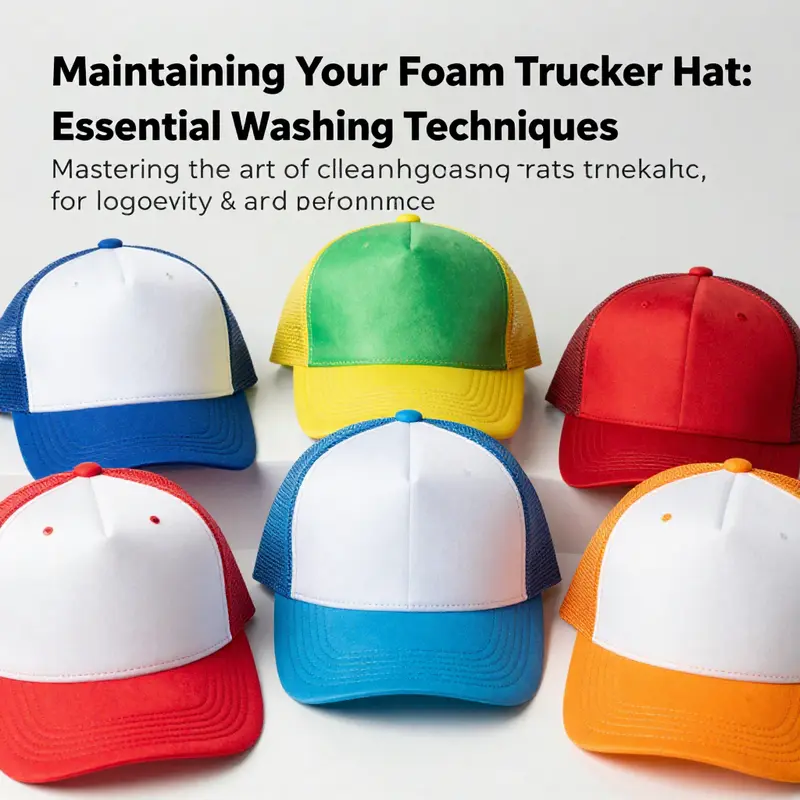
The care and maintenance of foam trucker hats are crucial for ensuring their longevity and appearance, especially for professionals involved in logistics, trucking, and construction. Understanding the specific cleaning techniques not only preserves the integrity of these hats but also promotes a polished image for teams on the road and job sites. This article discusses best practices in checking care labels, pre-treating stains, and implementing proper washing and drying techniques to keep foam trucker hats in peak condition.
Read It First: How Care Labels Shape the Gentle, Shape-Preserving Wash of a Foam Trucker Hat
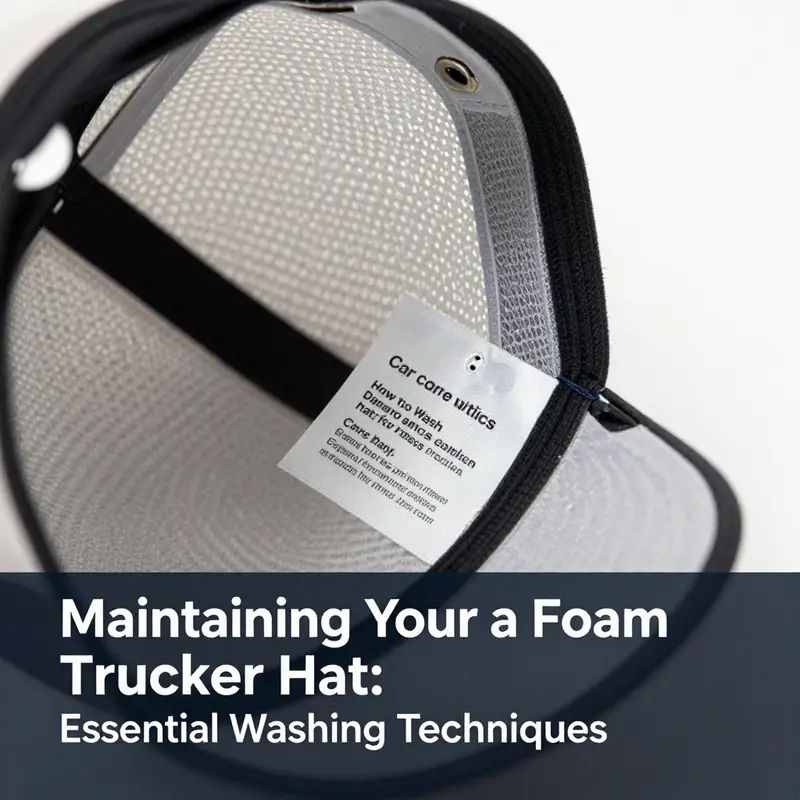
When you reach for a foam-trimmed trucker hat, the first thing you should do isn’t decide which soap to grab or how long to soak it. It’s turn the hat over and read the care label. That small fabric tag, tucked at the crown or along a seam, holds the hat’s roadmap. For foam hats, the brim is often built from a low-density polyurethane foam, a material that gives the cap its distinctive silhouette and light, airy feel. Yet that same foam is surprisingly vulnerable to the wrong kind of moisture, heat, or harsh chemicals. The label is not just a set of instructions; it’s a warning and a promise. It tells you how to preserve the brim’s crisp shape, how to protect the fabric crown from fading, and whether the hat can tolerate a light hand wash or should only be spot-cleaned. Reading it first keeps you from turning a shape-retaining accessory into a limp, warped souvenir of past adventures. In practice, the care label guides a careful sequence of decisions that honors the hat’s construction and the way you wear it on the road or in daily life. The label often suggests one core principle: minimal moisture, gentle handling, and a slow return to air. The logic behind that guidance makes sense when you consider how foam behaves. Foam is resilient in a general sense, but it is not immune to the consequences of prolonged exposure to warm water, agitation, or direct heat. When the brim absorbs too much moisture, the foam can lose its loft or, in extreme cases, deform. The crown—usually a fabric blend—responds differently, absorbing moisture and taking longer to dry, which can lead to mildew or odor if not addressed with patience. This is why the care label exists in the first place. It is a micro-guide to the physics of the hat you own and the way you use it. If the label is present and clear, the next steps can be straightforward, almost ritual-like in their simplicity. You begin with assessment, then move to a gentle cleaning, followed by careful drying. The macro idea is to treat the hat as a composite object: the foam brim that defines its shape and the fabric crown that carries the visual identity. Each material asks for a slightly different treatment, and the label helps you harmonize those treatments so the hat emerges clean, not distressed. When the message on the tag is to hand wash only, you honor that instruction with a method that protects the foam’s integrity while still lifting surface grime. If the label allows for a cool-water wash, you proceed with a mild detergent and a light touch, mindful that any soap or scrub should be gentle enough to avoid abrading the foam’s surface or displacing the brim’s mold. The distinction matters because it affects not just the hat’s appearance, but its performance. A hat that maintains its shape will continue to fit the way you expect while you’re on the job, at the gym, or on weekend adventures. In other words, care labels aren’t mere bureaucratic boilerplate; they are practical road signs on the path to a durable, well-kept accessory. They tell you when you can safely submerge non-foam parts or when you should avoid soaking entirely. They can also indicate drying preferences—whether the hat should air-dry flat or upright—because the orientation during drying influences how the foam brims and crown recover their form. The guidance often aligns with broader principles you’ll encounter in high-traffic environments where equipment sees frequent use and needs to stay reliable. For instance, reliable sources emphasize that heat is a foe to foam; it’s a factor that can shrink, warp, or stiffen the foam. A charged radiator, a sunny windowsill, or a dryer are all risks to avoid. The care label, in its quiet way, helps you keep heat away from the foam while nudging you toward controlled air flow. When you translate that to practical steps, you’re not just washing a hat; you’re performing a small act of maintenance that preserves the hat’s usefulness and the job’s rhythm, whether that rhythm involves long drives, outdoor work, or casual daily wear. The step-by-step approach that follows emerges from the same logic that governs many durable goods: minimize stress, respect materials, and respect the finished silhouette you value. If the label permits, you can begin with warm water and a mild detergent, letting the hat meet a gentle bath rather than a battlefield. The water’s warmth is a balancing act: warm enough to loosen grime but not so hot that it invites the foam to soften or collapse. A mild detergent—free of aggressive whiteners or solvents—helps lift oils and sweat without oversaturating the brim. The technique matters as much as the ingredients. For the foam brim, the preferred method is to apply the cleaning solution with a soft cloth or an old toothbrush, gently dab and wipe rather than scrub. This keeps the foam’s microstructure intact and reduces the risk of abrading the surface. The crown, meanwhile, can often tolerate a light rinse, provided you avoid aggressive rubbing that could stress the fabric or push moisture into the foam-core junction where the crown meets the brim. The idea is to work with the hat’s architecture, not against it. It is tempting to take shortcuts when you see a stubborn stain, especially around the sweatband. A cautious approach here pays off. Gently scrubbing with a damp cloth or a soft brush can lift sweat and oils without saturating the interior. If a stain persists on the foam, you can prepare a tiny amount of mild dish soap with warm water, applying it with the cloth in a dab-and-blot motion rather than a scrubbing motion. The key is to avoid soaking the foam, which can degrade its resilience or alter its shape. In the broader context of care guidance, this technique echoes the philosophy of keeping to the label’s caution while still achieving a clean result. When you rinse, do so thoroughly under lukewarm running water, making sure you remove all soap residues. Residual soap can attract more dirt or irritate the skin, and it can also leave a dull film across the foam’s surface. Rinsing is not a mere final step; it’s an essential part of preserving the hat’s feel and appearance. After rinsing, you will handle the hat with the same measured care you used during washing. Gently squeeze out excess water—not a wringing motion, which can distort the foam’s geometry. The brim deserves special attention while the hat is still damp: gently reshape it to its original contour with clean hands. If you have a form or a rounded object that matches the brim’s curve, you can use it to help maintain the intended arch as the hat dries. Next comes drying. Lay the hat flat on a clean towel in a well-ventilated space, away from direct sunlight or any heat sources that can sculpt the foam with heat. The crown should be allowed to dry at its own pace, maintaining a natural air flow that prevents moisture from becoming trapped in fabric fibers. The drying time can vary, but a span of several hours to a full day is not unusual. The important factor is the absence of direct heat, which can cause the foam to crack or the crown to lose its shape. If you need the hat back sooner, consider using a flexible hat form or a clean object that can support the brim without pressing down. Upright drying can be suitable for hats with mesh backs, allowing interior moisture to escape while preserving the crown’s silhouette. However, if you rely on air drying, ensure the hat has adequate space around it so air can circulate and carry away moisture. The general rule remains: avoid machine washing or drying. The agitation of a washer and the hot, forced-dryer heat are especially unkind to foam. The consequences can be subtle yet lasting: warped brims, a creased crown, or a finish that looks dull and tired. A hat that has lost its shape may no longer sit the same on your head, and that is a feeling no one wants when a piece of personal gear has earned its place in your daily routine. There is also a practical, everyday aspect to this care sequence. Foam hats often carry graphics—team logos, slogans, or artwork—that can fade or crack under the wrong cleaning conditions. Harsh chemicals, high heat, or aggressive scrubbing can accelerate color loss or warp the distortions in the print. That’s why the care label’s guidance about cleaners and temperatures is not merely conservative; it is essential for keeping those graphics legible and vibrant for as long as possible. If the care label is absent or unclear, the conservative approach remains wise: opt for a cool-water hand wash with a mild detergent and avoid soaking. This version of the rule—when uncertain—protects both the foam’s integrity and the hat’s overall shape. In addition to these steps, you can consider a light refresh for the foam if there’s an odor after washing. A light mist of a fabric deodorizer or a foam cleaner designed for porous surfaces can help. The spray should be fine and evenly distributed, and the hat should be allowed to air dry again away from heat sources before wearing. Doing so can help you enjoy a fresh feel without introducing moisture that could weaken the foam or encourage mildew. The broader context for all of this is the reality of foam hats as practical, on-the-go gear. They are designed to be worn in a variety of environments, from dusty outdoor settings to grease- and tar-prone shop floors. That means the maintenance routine you adopt should be gentle, repeatable, and unlikely to damage the hat’s essential features. The care label is your compass here, but even if the label is missing, you can rely on a few guiding practices. Use cool-to-warm water, steer clear of soaking, apply a mild detergent, and keep agitation to a minimum. Always reshape the brim while damp and give the hat ample time to dry in a shaded area with good air circulation. The result is not just cleanliness but retention of the hat’s character—the very thing that makes a foam-trucker hat a reliable companion on the road. This approach also harmonizes with the broader ethos of vehicle and equipment care on the road. When you think about maintenance for a truck or fleet, you’re thinking about consistency, predictability, and longevity. The steps you take with a foam hat mirror the discipline that underpins regular maintenance across heavy-duty contexts. To connect this practice to a broader frame of reference, consider exploring related material on maintenance routines that emphasize consistency and careful handling in high-use environments. For a resource that frames the importance of routine checks and upkeep in the trucking world, you can read about the Importance of Regular Trailer Maintenance. This reference emphasizes how steady, small maintenance acts contribute to reliability and performance in demanding settings, and the idea can translate usefully to everyday wearables like a foam trucker hat. The practical implication is simple: the same care philosophy that keeps a trailer performing well can guide how you preserve a hat’s shape, color, and comfort. By translating that mindset to your hat care, you bridge the gap between work-life maintenance and personal gear care, allowing you to extend the life of a favorite cap without complicating your routine. In summary, the care label acts as a first, and perhaps most important, step in the washing process. It informs you whether you will hand wash, whether you can use a mild detergent, the appropriate water temperature, and the recommended drying method. If the label is clear, you follow exactly what it prescribes. If not, you default to a cautious, cool-water hand wash, gentle brushing, careful rinsing, and air drying away from heat. This approach builds a durable habit: you begin with respect for the hat’s materials, you apply gentle methods, you watch for any sign of stress in the foam or fabric, and you finish with a dry, shaped cap that looks and feels like the one you wore before the soiled moment occurred. The end result is a hat that remains a faithful companion on days when you need shade, style, and a reminder of the road. External resource: https://www.thespruce.com/clean-baseball-cap-4129765
Stain-Smart Pre-Treatment for Foam Trucker Hats: Setting the Stage for Gentle, Shape-Preserving Cleaning
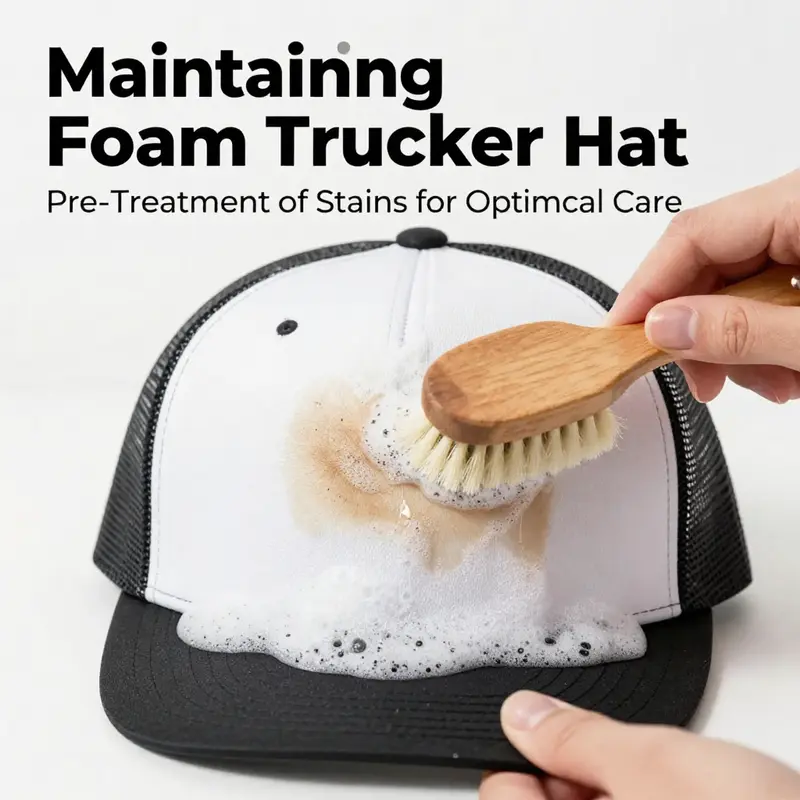
A foam trucker hat carries more than the memory of a season’s worth of rides and road trips; it carries sweat, grime, and the stories of people who wore it in heat, humidity, and wind. The foam brim, especially when composed of low-density polyurethane, is delicate enough to distort with rough handling yet tenacious enough to carry stubborn stains if treated hastily. The pre-treatment phase is where care pays off. It is the quiet, crucial moment that determines whether the hat comes out of the wash with its shape intact, its colors bright, and its overall silhouette preserved. In practice, pre-treating stains becomes a ritual of restraint as much as a ritual of cleanliness. By attending to the stains first, you set the stage for a washing process that respects the hat’s materials and its intended fit, while still eliminating the pervasive residues that daily wear leaves behind. The path to a clean foam trucker hat begins with recognizing what you’re dealing with and then choosing a gentle, targeted approach that minimizes moisture exposure to the foam itself while maximizing stain removal where it matters most—the surface of the fabric crown and the non-foam components.
Identifying the stain is the first step in a rational, effective pre-treatment. Sweat stains stand out because they leave a yellowish to brown tint, often concentrated along the brow line and the upper crown. Grease and dirt, on the other hand, show up as slick, darker patches that cling to the weave of the fabric and the edges where resistance to moisture is strongest. In some cases, you’ll see a combination of these elements, along with a musty odor that hints at trapped moisture. The distinction matters because different stain types respond to different pre-treatment strategies. Sweat contains proteins and oils that are best broken down with an enzyme-based approach, while grease responds well to cleaners designed to break down oils. Dirt is usually best lifted with a gentle scrubbing action and a mild detergent that can lift particulates without pushing them deeper into the fabric’s threads.
The enzyme-based stain remover is the most effective initial weapon against sweat stains on a foam trucker hat. When you apply it directly to the stained area, you activate enzymes that break down the proteins and oils present in perspiration. Gently rub the solution into the stain with your fingers or a soft brush, taking care not to press too hard where the foam meets the crown. The goal is to engage the stain at its surface without forcing moisture into the foam. After a careful application, allow the solution to sit for about 15 to 30 minutes. That window is long enough for enzymes to do their work yet short enough to prevent the solution from soaking into the foam’s pores and risking distortion or softening. If an enzyme-based remover isn’t available, you can use a heavy-duty, non-bleach dishwashing detergent as a substitute. Apply generously, rub in with a soft brush or your fingertips, and let it sit for the same 15 to 30 minutes. The detergent acts as a solvent that helps loosen oils and lift the stain from the fabric, while its mild nature keeps the foam’s integrity intact.
This pre-treatment step is not a one-size-fits-all flourish. You will tailor your method depending on the hat’s role and the degree of staining. For the foam brim itself, you want to avoid soaking the foam while still letting the treated area breathe and absorb the cleaner. The fabric crown and mesh back, usually more forgiving, can tolerate a slightly more thorough treatment as long as the foam is kept out of the soak. If you’re dealing with particularly stubborn stains or a strong odor, the option to soak the non-foam portions of the hat in a warm-water bath with a mild, enzyme-friendly detergent for about 30 minutes exists. Do not submerge the foam entirely; instead, you can submerge only the fabric crown and mesh sections or use a basin method that focuses on the affected areas. The idea is to restart the cleaning cycle with the confidence that the esthetic and structural features of the hat are preserved.
The choice of water temperature during washing further reinforces the need for a cautious, measured approach. Hot water can warp or degrade the foam, so lukewarm or cool water is the steadfast rule. It’s a small restriction that pays heavy dividends in keeping the foam’s cells intact and the hat’s brim from bending out of shape. When you move to the washing phase, you can employ a gentle scrub technique. An old toothbrush provides a controlled, delicate touch to lift micro-debris from the crown’s fabric weave and the mesh panels without roughing up the texture. As you work, keep the movement slow and predictable. Let the water carry away the loosened dirt rather than pressing it deeper into the fabric. The aim is to create a clean surface layer that makes the subsequent rinsing straightforward and complete.
In the washing process proper, you often submerge only the non-foam components if possible. If the hat is fully washable, you may gently swirl the entire item in lukewarm water with a small amount of mild detergent. The key is to keep agitation gentle and brief. Aggressive scrubbing is the enemy here; it can distort the foam’s shape and loosen the brim from the crown. If you do choose to soak, do so briefly and avoid the foam altogether unless you’re certain the foam is designed to withstand immersion. This care ensures the foam’s structural integrity remains intact while you neutralize residues on the fabric and strip away the staining on the brim.
Rinsing is the next crucial phase. You’ll want to rinse thoroughly under lukewarm running water until all soap and cleaner residues are gone. The aim is to remove all traces of the cleaning agents without leaving a film that could attract more dirt. Foam, with its low-density structure, can trap residues more easily if left behind. A careful rinse ensures that when you move to drying, the hat isn’t weighed down by detergents that could irritate the foam or alter its texture. It’s not only about cleanliness; it’s about preserving the hat’s future wearability. Once you’ve rinsed, you’ll proceed to the careful drying steps. Here, the emphasis shifts from stain removal to shape preservation.
Drying is where the hat’s form reveals whether you treated it well. Gently squeeze out excess water without wringing—that twisting action can distort the foam’s shape or compress the brim. As you remove moisture, reshape the brim while the hat is still damp. The dampness makes the brim more pliable, and setting it back into its original contour at this stage helps ensure it dries with its intended curve. Place the hat on a clean towel, laying it flat in a shaded, well-ventilated area. Avoid direct sunlight and any source of heat, such as radiators or hair dryers, which can quickly distort the foam and compromise its elasticity. The hat should air-dry completely, typically in the 12- to 24-hour range, depending on ambient conditions. A longer drying period under gentle airflow is better than a rushed, heated process that risks warping. If you have a fan or a gentle breeze, you can position the hat nearby to accelerate the process, but never aim the air directly at the foam with intense force.
One of the most important cautions is to resist machine washing or machine drying altogether. The agitation and high heat generated by machines are capable of warping and shrinking foam with little chance for recovery. Foam hat components rely on a precise relationship between the brim’s stiffness and the crown’s rigidity to maintain the hat’s overall shape. Subjecting the hat to a machine’s abrasive motion or heat disrupts that relationship and produces a misshapen product that may never recover its fit. The machine-free approach, while slower, is the path that preserves the hat’s original silhouette and the evenness of color across the fabric.”
Beyond the basic wash and dry cycle lies a final touch for freshness. If the foam has a residual odor after cleaning, you can refresh the overall feel by using a light mist of a fabric deodorizer or a specialized foam cleaner that’s designed for odor elimination and mildew prevention. The key is to apply only a light veil that does not saturate the foam itself. Allow the hat to air dry again, making sure that any added deodorizing agents do not linger as a moisture trap within the foam structure. These reconditioning steps can extend the hat’s wearability between cleanings and help keep it looking and smelling its best without inviting moisture buildup that could promote mold or mildew.
As you consider the reason behind these guidelines, a recurring theme becomes clear: foam, particularly low-density polyurethane foam, is inherently less durable than many other hat materials. Its resilience depends on controlled moisture exposure and a thoughtful, gradual return to dryness. Consequently, the cleaning routine should be minimal and conservative. Regular maintenance—gentle spot cleaning after light use, careful airing out between wearings, and a quick, surface-level wipe-down after exposure to sweat—helps reduce the frequency and intensity of full washes. This approach not only extends the life of the foam but also helps maintain the hat’s structure and crown integrity over time. A well-formed brim and crown retain their visual appeal longer, which means you spend less time fixing distortions or re-shaping after every wash. The careful pre-treatment of stains, especially those from sweat, becomes a practical habit that makes a big difference in the long run, turning a potentially fragile cleaning task into a manageable, predictable routine.
Internal linking to related practices can further enrich this guidance. For readers looking to translate these garment-cleaning principles into broader industry contexts, you can explore proven strategies for cleaning grease and tar off your trucks fast. This internal reference ties the care of personal gear to the broader discipline of maintaining equipment and gear used in demanding environments, underscoring a shared emphasis on gentleness, patience, and thorough rinsing as hallmarks of good maintenance. It’s a reminder that the fundamental rules—spot treatment, avoid harsh agitation, and avoid excess heat—apply across materials and scales, from hats to heavy-duty vehicle components. While the specifics differ, the underlying philosophy remains the same: treat the item with care, respect its materials, and let the cleaning process unfold with measured steps rather than brute force.
As you bring the chapter to a close, it’s worth noting that this chapter’s focus is intentionally narrow to avoid undermining the hat’s long-term durability. The preprocessing stage—not just the washing itself—shapes the eventual outcome. The enzyme-based approach to sweat stains optimizes the breaking down of proteins and oils at the stain’s core, setting up a cleaner surface for the final rinsing and drying. The alternate method with a heavy-duty dish detergent offers a practical fallback when enzyme-based products aren’t available, ensuring you’re not stranded with a stubborn stain and a dirty brim. In both scenarios, the emphasis remains on gentle application, precise targeting, and careful timing. The entire process rests on respecting the foam’s delicate structure while ensuring the hat’s outer crown and mesh regions receive the attention they need to look fresh again.
For readers who want to explore the broader context of cleaning and maintenance in a connected field, consider the linked internal resource described above. Its emphasis on careful, methodical steps mirrors the approach you apply to your foam hat, reinforcing a consistent mindset across different cleaning challenges. The shared lessons—understanding material limitations, selecting appropriate cleaners, and avoiding aggressive methods—help you build a reliable routine that keeps both your gear and your riders’ confidence in top shape. And when you combine this disciplined stance with patience during drying, you’ll see the payoff in the hat’s appearance and its fit after a complete, careful restoration.
External resources can also provide additional perspectives on stain-removal practices that you might adapt to hats. For readers seeking practical, step-by-step ideas outside the hat-washing context, a widely shared guide on sweat-stain removal offers relatable insights that translate well to foam hats. See the external resource for additional strategies and examples that echo these principles, and always remember to tailor any technique to the hat’s specific materials and construction. Sweat stain removal, when done correctly, becomes less about harsh chemicals and more about thoughtful timing, surface care, and patience. The result is a cleaner hat that preserves its shape and continues to be a comfortable, trusted accessory for many seasons to come.
External resource: https://www.doubleportion.com/blog/6-ways-to-get-sweat-stains-out-of-your-hats
Preserving Shape and Comfort: A Gentle, Hand-Wash-First Guide to Cleaning Foam Trucker Hats
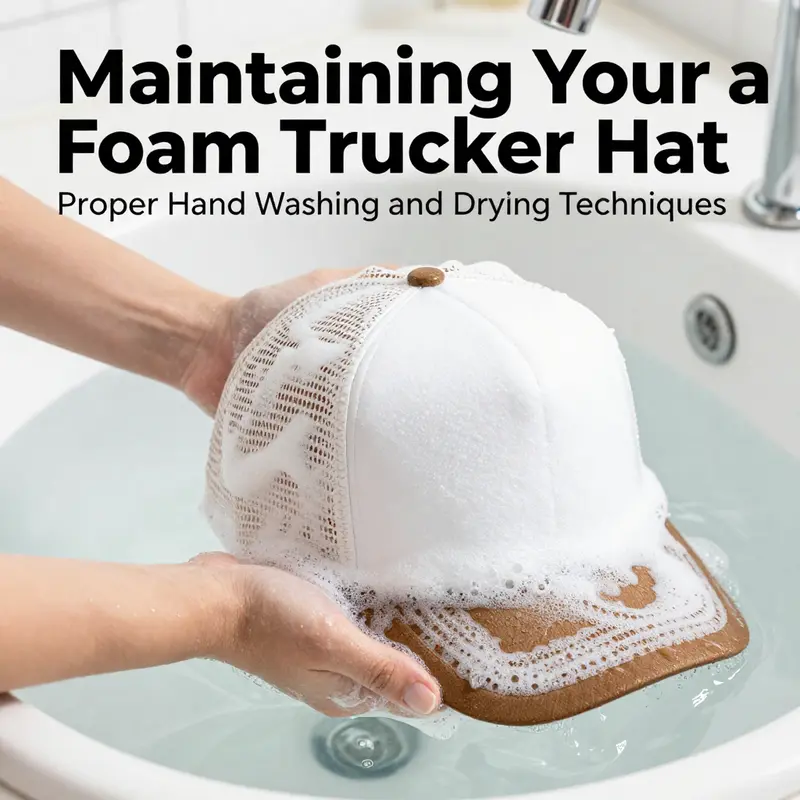
A foam trucker hat sits at the crossroads of practicality and personal expression. It’s a piece of gear that travels with you, keeps sweat and sun at bay, and broadcasts your style with every tilt of the brim. But the very material that makes it so comfortable—the front-panel foam and mesh-backed crown—is delicate. Water, agitation, and heat can warp the foam or dull its rebound. The goal is to lift dirt without distorting the hat’s shape, feel, or silhouette. With an understanding of the foam’s vulnerability, a careful, patient routine becomes the best way to extend life and keep it clean.
The best approach is to treat the hat like a sculpture you don’t want to distort. Start by checking the care label and noting the hat’s current state. If a label exists, follow its guidance; if not, lean on general principles: keep moisture light, avoid high heat, and minimize agitation. The foam panel deserves special respect, while the mesh back and fabric crown are more forgiving.
Preparation: fill a basin with lukewarm water and add a small amount of mild detergent. The soap loosens oils without harsh chemicals. Use a light touch: a few drops, not a flood. Submerge only the foam front as needed, while the non-foam parts may be rinsed or submerged briefly. Wash with a soft touch, using fingertips or a soft brush to lift dirt from the sweatband and seams. For stubborn marks on the foam, dab with a cloth and the soapy solution rather than rubbing. If needed, a diluted oxygen-based stain remover can be tested on an inconspicuous area first.
Rinsing: rinse with cool water to remove soap, keeping the foam surface from prolonged moisture. Gently press out excess water without twisting or wringing the foam, which could distort its shape.
Drying: reshape the hat while damp and let it air-dry away from direct heat or sun. Place it on a clean towel in a shaded, well-ventilated area. If you have a hat form, resting the damp hat on it helps preserve brim curvature. Slow, even drying helps keep the foam buoyant and the crown from warping.
Odor control and upkeep: if needed, apply a gentle fabric deodorizer sparingly after the hat is completely dry. Avoid strong solvents or fragrances that could affect the foam’s texture. To extend life, avoid machine washing or drying. Refrain from storing the hat in a compressed position, and consider gentle air-outs after wear. Routine cleaning should be conservative: clean only as needed, and alternate between thorough cleaning and light surface wipes if washed more than once per season.
In short: treat the foam hat with care, avoid machines, and dry slowly to preserve its shape and comfort.
Final thoughts
In conclusion, properly washing a foam trucker hat involves systematic care—from checking care labels to pre-treating stains, and implementing gentle hand washing techniques. By following these steps, fleet managers and supervisors in logistics and construction can maximize the use and longevity of foam trucker hats, ensuring that employees project a professional image while on the job. Regular maintenance not only enhances the hat’s visual appeal but also supports the health and safety of workers who wear them.