
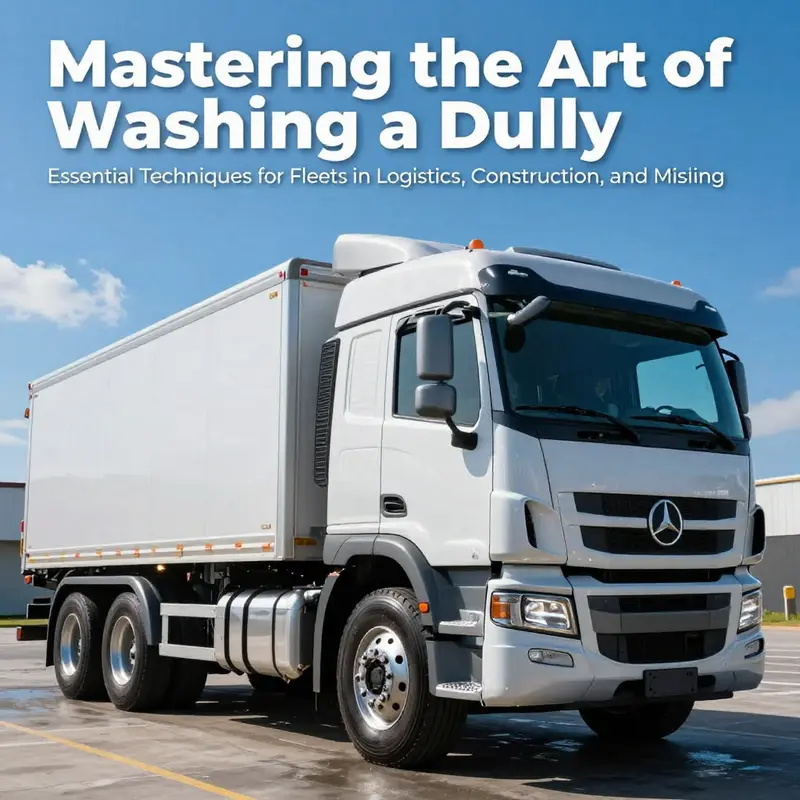
Washing a dually truck requires systematic planning and strategy, particularly for logistics and freight company managers who oversee heavy-duty fleets. The task is more than just a routine clean; it’s an essential investment in vehicle maintenance and longevity. This guide will explore comprehensive steps for washing a dually truck, from preparation through to effective cleaning techniques, ensuring that every critical area receives the attention it deserves. Each chapter will provide targeted strategies that fleet managers, trucking company owners, and construction supervisors can implement to maintain the integrity of their vehicles while also ensuring compliance with industry standards.
Gear Up and Pick the Perfect Spot: Preparing to Wash a Dually Truck
Essential tools and choosing the location
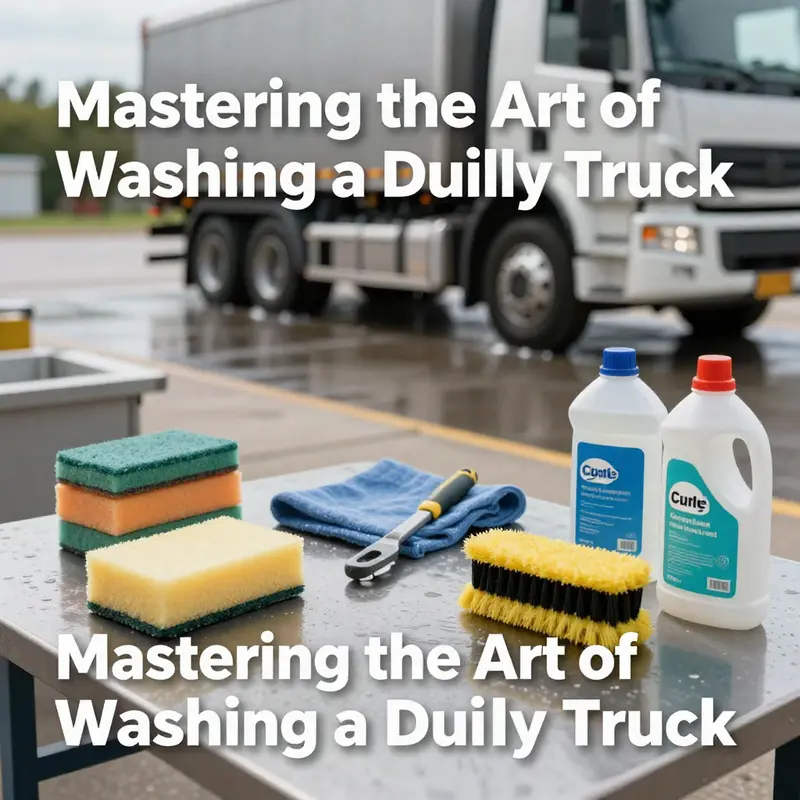
Washing a dually truck starts long before any soap hits the paint. Preparation determines how clean the truck will get, how quickly the job moves, and whether sensitive parts survive the process. A dually’s extra width, dual rear wheels, and heavier undercarriage demand both the right tools and a fitting work area. Gather the gear purposefully, stage it logically, and choose a location that protects the truck, the environment, and you.
Begin with the water source and delivery. A high-pressure water gun or pressure washer is central. It removes caked-on mud, coal dust, and road grime from wheel wells and frame rails. Yet pressure alone is not always best. Choose an adjustable unit and set it to a lower psi for delicate spots. Keep a spray nozzle with a gentle fan pattern for paint, mirrors, and rubber seals. If a pressure washer is unavailable, a strong garden hose with an adjustable nozzle will suffice, but plan for more manual scrubbing.
The cleaning method should include the two-bucket system. One bucket holds clean water and the pH-neutral truck soap. The second bucket holds rinse water. Rinse the mitt or sponge in the dirty bucket, then re-soak in the clean bucket. This simple habit prevents abrasive grit from being reintroduced to the paint. For a vehicle the size of a dually, multiple rinsing buckets and a grit guard are a worthwhile investment. They save time and reduce swirl marks.
Soft cleaning implements matter. Use microfiber mitts and soft sponges for body panels. These materials lift road dirt without scratching the paint. Reserve stiffer brushes for wheels, tires, and the undercarriage. A wheel brush with long bristles reaches brake dust tucked deep in spokes. Long-handled, extendable brushes are invaluable for roofs and high cab surfaces. They keep you steady on the ground and cut the need for ladders.
Add a selection of detail brushes and extendable tools to reach door jambs, trim, and the narrow channel between dual rear wheels. Those narrow spaces trap moisture, salt, and debris. A small detailing brush and a thin, stiff scrubber will dislodge grit from between tires and around axle housings. Consider a flashlight for inspection; you will often find clumps of mud or trapped gravel that need individual removal before pressure washing.
Include wheel and tire cleaners that are safe for your wheel finish and rubber. Many wheel cleaners break down brake dust and tar, but they should be chosen for compatibility with alloy, painted, or chrome-plated surfaces. For the undercarriage, select a degreaser formulated for heavy grime yet safe for suspension bushings and seals. When using stronger chemicals, always follow dilution instructions and rinse thoroughly.
Drying tools finish the arsenal. Several large, plush microfiber towels and a chamois or drying blade will prevent water spots. Have multiple towels on hand to avoid dragging particulate from one area to another. Compressed air or a leaf blower can speed water removal from mirrors, door seals, and around the dual wheels. This reduces risk of trapped moisture, which can lead to corrosion.
Personal protective equipment is often overlooked but essential. Gloves protect skin from cleaners and grime. Safety glasses guard against splashback during pressure washing. Sturdy footwear with good traction is critical; surfaces get slippery when wet and muddy, especially around a dually’s rear tires. A respirator mask is wise when working with stronger chemical degreasers in confined or poorly ventilated areas.
Choosing the location is as important as the tools. Park the truck on a flat, level surface to prevent movement and to ensure runoff flows away. Good drainage matters. Standing water can hide hazards and promotes rust when it collects under the frame. If possible, use a commercial truck wash bay or a private area designed for heavy vehicles. These facilities typically have proper drainage and water reclamation systems to capture pollutants before they enter storm drains.
Avoid washing on public streets, sidewalks, or anywhere runoff drains directly to local waterways. Local regulations often restrict washing commercial vehicles in public right-of-ways. Check municipal codes or property rules first. If you must wash at home, choose a permeable surface where water can soak into a lawn area away from wells and septic systems, rather than into storm sewers.
Shade matters. Washing in direct sun accelerates evaporation, leaving mineral spots and streaks. Shade lengthens the window for rinsing and drying, making a better finish easier. Time the wash for cooler parts of the day. Early morning or late afternoon reduces rapid drying and lowers the risk of soap residue etching.
Plan for proximity to power and water. Position the truck so hoses and cords reach comfortably without crossing walkways. Coil extra hose length to prevent tripping. If using an electric pressure washer, ensure the power supply is protected from water and the cord is rated for outdoor use. Never run extension cords through standing water.
Stage your supplies before beginning. Place buckets on stable platforms, keep brushes sorted by purpose, and pre-mix washer-safe soap at recommended concentrations. Pre-rinse the wheel wells and undercarriage to loosen embedded material. Pre-treat heavy grease or tar with a targeted cleaner and allow dwell time per product instructions. When doing this, prevent runoff from flowing into storm drains by blocking or diverting it, or by using absorbent pads in the wheel areas.
Protect sensitive components. Cover exposed electrical connectors, fuse boxes, and open intake areas with breathable, water-resistant coverings while cleaning. Use a low-pressure spray near sensors and lights. When in doubt, remove delicate trim or cover it with soft material to avoid scuffs from brushes. Remember that while a pressure washer is powerful, a gentle hand often yields better results on trim, decals, and painted pinstripes.
Consider the undercarriage carefully. Duallys have additional frame mass and dual-axle complexity. If you cannot access all areas safely from the ground, use ramps or a lift if available. Never place yourself under a raised truck without proper supports. If you plan to use a wand or undercarriage attachment with a pressure washer, check seals and avoid pointing high-pressure jets directly at rubber boots, bearings, or electrical connectors.
Think about environmental stewardship. Use biodegradable, phosphate-free cleaners when possible. Capture and dispose of wash water responsibly. Some commercial truck wash facilities reclaim and filter wastewater; using them reduces pollution. If you operate a fleet, consider investing in a portable reclaim system to remove oil and solids before water soaks into soil or enters drains. For tips on quickly removing grease and tar from heavy vehicles, consult proven strategies for cleaning grease and tar off your trucks fast, which covers efficient degreasing methods and product handling.
Finally, plan the workflow to save time and reduce rework. Start with a walkthrough of the truck, noting areas of heavy buildup. Stage the wash from top to bottom to prevent dirty water from running over cleaned surfaces. Wash wheels and lower panels last, or isolate them and rinse before returning to upper panels. Reserve drying and detailing for the end, and apply any protective treatments like wax or sealant after the truck is fully dry.
Preparedness reduces mistakes. Proper tools and a suitable site protect paintwork and components. They also minimize environmental impact. When you set up correctly, cleaning a dually becomes a structured task rather than an endless chore. With the right gear, a controlled location, and a clear plan, you will clean more thoroughly, faster, and with less risk of damage.
For a broad selection of specialty cleaning tools designed for large vehicles, explore suppliers that offer long-handled brushes and heavy-duty cleaning equipment: https://www.alibaba.com
Shade-Cooled Precision: The Essential Pre-Rinse for Cleaning a Dually Truck
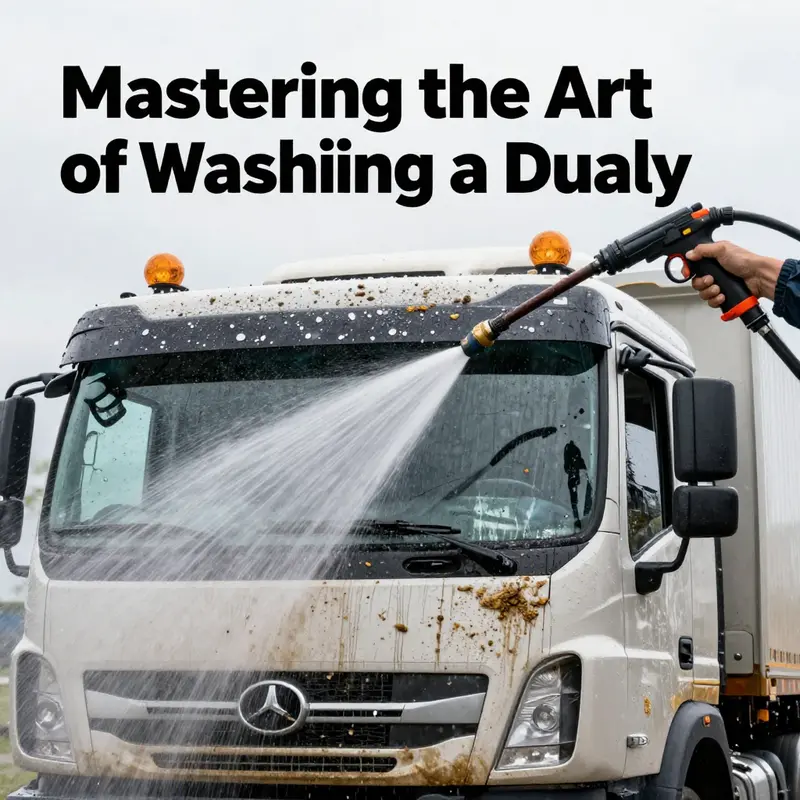
The pre-rinse is more than a mere splash of water before soap; it is the quiet, disciplined opening act of a thorough wash, especially for a dually truck with its broad shoulders and rear wheel twins. The size alone creates a unique challenge: a vast surface area that gathers coal dust, mud, grease, and road grime in pockets you can only reach with a systematic approach. A well-executed pre-rinse softens the grime, loosens stubborn deposits, and protects the paint and seals by reducing friction during scrubbing. When the engine and exhaust components are so close to the surface, and the dual rear wheels share a narrow gap that traps debris, a careful, top-to-bottom rinse becomes essential groundwork rather than a decorative prelude. This is the moment where control, timing, and environment come together to set the stage for a clean that lasts.
Before the water ever touches the glossy panels, the location matters. A flat, well-drained area is ideal, preferably a designated washing zone or a commercial wash bay where runoff is managed and soap can be rinsed away without entering storm drains. For the dually, shade is not a luxury but a safeguard. Cleaning in direct sun can cause water to evaporate quickly, leaving mineral spots and streaks that require extra effort to remove. The principle is simple: keep the vehicle cooler than the surrounding air to give you time to work without dried residue forming on the paint. A cool engine bay is also a safety advantage; it reduces the risk of steam scalding and preserves the integrity of rubber seals. In practice, this means initiating the pre-rinse in a shaded stall or a shaded arc of the yard and scheduling the wash for cooler parts of the day if possible. This approach aligns with professional guidelines that emphasize environmental responsibility, equipment safety, and efficient water use.
Now, picture the sequence: you start with cold water and a high-pressure nozzle, moving in a controlled pattern from the roof, down the sides, and toward the rear. The goal is to knock loose the loose dust, coal ash, and mud that cling to every contour and in the crevices between dual rear tires. The top-down motion is not merely conventional wisdom; it prevents dirty water from running over already-clean surfaces and helps minimize the chance of grinding grit into fresh paint later in the process. For a dually truck, the areas that demand particular attention start with the roof and windshield frame, but the large flat panels of the cab and the long hood deserve the same methodical treatment. As you progress, you must monitor for stubborn patches—mud caked along rocker panels, grime embedded in the wheel wells, and salt residues near the undercarriage. These are the spots where a careful pre-rinse pays off, reducing the amount of heavy scrubbing required during the main wash and lowering the risk of micro-scratches.
An important practical note is to avoid spraying directly into electrical components, engine bays, headlights, or fuse boxes. The engines of heavy-duty rigs are not just larger; they present more potential points of entry for water into sensitive electronics. Use a gentler stream or lower pressure for these areas, and keep the nozzle moving. The pre-rinse should feel like a thorough rinse, but not a blast that risks forcing water into seals or dormant crevices. If any area looks especially delicate or exposed, pause and rinse around it with a softer spray to shield it from unnecessary stress. This mindful approach is a cornerstone of a longer-lasting finish and safer maintenance for a vehicle of this size.
In terms of technique, the pre-rinse should not merely wet the surface; it should actively help lift the surface grime. A high-pressure stream can be the most efficient method to dislodge stubborn dust from the wheel arches and the undercarriage, yet it must be employed judiciously. For the undercarriage, you may want to apply a longer soak with slightly lower pressure in the later stages of the pre-rinse, allowing loose salt and grease to loosen before you start scrubbing. The goal is to arrive at a surface that feels slick and clean to the touch, not one that looks spotless but still wears a crust of road film in hard-to-reach pockets. This is particularly critical for the dual rear tires, whose inner space traps moisture and debris where a simple rinse often misses. A quick pass with the nozzle along the inner lips of the tires should be followed by a careful wipe or brush work to ensure nothing remains that could contribute to corrosion or inhibit friction-free scrubbing later.
A key element of an effective pre-rinse is the use of a pre-wash solution that forms a thick, clingy foam. This foam serves as a gentle solvent that encapsulates debris without stripping protective coatings or pitting the paint. It should be applied from the top down after the initial rinse, allowing the foam to cling to vertical surfaces and to linger on stubborn patches where the grime has settled into grooves and crevices. The principle here is not to rush but to create a thick layer that can be rinsed away in one pass, taking the loosened soil with it. When you apply this pre-wash foam, ensure you cover the entire surface, including the wheel arches and the lower doors where mud tends to accumulate. Let the foam dwell briefly, then rinse with a steady, controlled flow. The pre-rinse then becomes a two-part process: cold water to saturate and mobilize, followed by the thick, clingy pre-wash to emulsify and loosen the more stubborn soils.
The connection between the pre-rinse and the subsequent washing steps is direct. A clean, pre-rinsed surface reduces the friction created by the soap against the painted finish. It also minimizes the chance that abrasive grit will rub against the clear coat during scrubbing. This is especially important for a dually, where the extended length and the mass of metal create more places for grit to hide and more opportunities for scratches if you neglect the initial rinse. The attention you give to the pre-rinse will pay off in the ease of cleaning the wheels, the undercarriage, and the fenders, where stubborn grime often hides and where the risk of scratching is highest. In practice, you begin by neutralizing the worst of the dirt and dust with the water, then apply a warm, thick layer of pre-wash foam for the heavy lifting. What remains after this stage is a lighter sea of soil that can be removed with brushing and gentle scrubbing in the next phase.
If you are looking to reinforce your method with perspectives from industry practices, consider a concise collection of proven techniques that emphasizes not only the mechanics of washing but also the rationale behind each step. For instance, you can explore strategies that focus on removing grease and tar from trucks, which translates well to heavy-duty cleaning because it reinforces the habit of segmenting tough grime before touching the more delicate finishes. This approach keeps the metal surface protected and ensures the paints’ longevity. It is easy to overlook the role of the pre-rinse because it happens so early in the process, but the best crews treat it as a skillful craft, not a hurried chore. In practice, you would integrate this mindset by treating the pre-rinse as a diagnostic pass: check the truck’s various zones, anticipate where grime clings, and plan a targeted pass that uses a higher spray velocity in those zones while maintaining a cautious approach near sensitive components.
To connect this practical method to broader learning, consider the following pointer from established cleaning dialogues: a robust pre-rinse lays the groundwork for the rest of the wash and reduces repetitive scrubbing. It also helps conserve soap and water by removing loose particles before the cleaner comes into contact with the surface. If you need a more detailed walkthrough that ties the proactive pre-rinse to subsequent cleaning steps, you can consult resources that discuss tailored strategies for heavy-duty cleaning and maintenance. For readers who want a deeper dive into combining pre-wash strategies with effective post-wash protection, a path toward a robust, well-documented process is available via targeted guidance that outlines step-by-step workflows and practical tips.
In the spirit of practical, hands-on learning, there is value in reflecting on a concise, scenario-based reminder: the dual rear wheels are not just a design feature but a cleaning focal point. A flashlight can aid in inspecting the narrow space between the tires, where dirt, moisture, and salt can accumulate. A thorough pre-rinse should not miss this niche; the goal is to reveal clean lines and clear grooves rather than leave a damp, muddy pocket that will harden when the next steps are taken. The pre-rinse is a disciplined choreography: begin with top surfaces, sweep down the sides and into wheel wells, and finish at the rear while paying particular attention to the undercarriage. This rhythm ensures that the later scrubbing and rinsing steps work with gravity, not against it, and that the finish remains smooth and free of grey residue—a telltale sign of insufficient pre-treatment.
To summarize the core practice in a single, actionable note: start in shade, attack with cold water from top to bottom, and then apply a thick, clingy pre-wash foam to the surface before any heavy scrubbing. This sequence, especially for a dually, minimizes surface friction, protects components, and yields a cleaner, more durable finish with less effort in the long run. If you want to explore how this approach translates into broader maintenance strategies, you can review broader cleaning strategies and how to address greasy, tarry soils on heavy-duty trucks. For a complementary perspective on pre-wash application and its implications for the overall washing process, consider this resource: Proven strategies for cleaning grease and tar off your trucks fast.
As you transition from pre-rinse to the next stage—actual scrubbing with truck-specific cleaners—the principle remains the same: pre-rinse earns you time, protection, and a better, more efficient wash. The dually truck, with its complex architecture and expansive silhouette, benefits enormously from a shade-friendly, top-to-bottom, buildup-averse pre-rinse. It is the quiet, unsung discipline that unlocks a glossy finish, extends the life of seals and paint, and reduces the risk of scratches that can undermine resale value. In practice, this means adopting a routine, not a ritual: schedule the pre-rinse as a deliberate, protective first step; use the right kind of foam that clings to soil without stripping finishes; rinse thoroughly; and then proceed with the rest of the wash with a cleaner canvas and a deeper appreciation for what a well-executed pre-rinse can accomplish for a heavy-duty vehicle. For more practical technical guidance on further stages of the process, continue to the next sections that explore cleaning and detailing, so you can maintain visibility, value, and performance over time.
External resource for engine bay considerations and safe practices after the main rinse can provide additional context on how to handle the most sensitive areas and how to avoid common pitfalls. See an industry overview on engine bay cleaning for safe, effective practices: https://www.popularmechanics.com/cars/how-to/a37980162/engine-bay-cleaning/
Precision Cleaning for a Dually: Focusing on the Key Areas That Take the Worst Grime
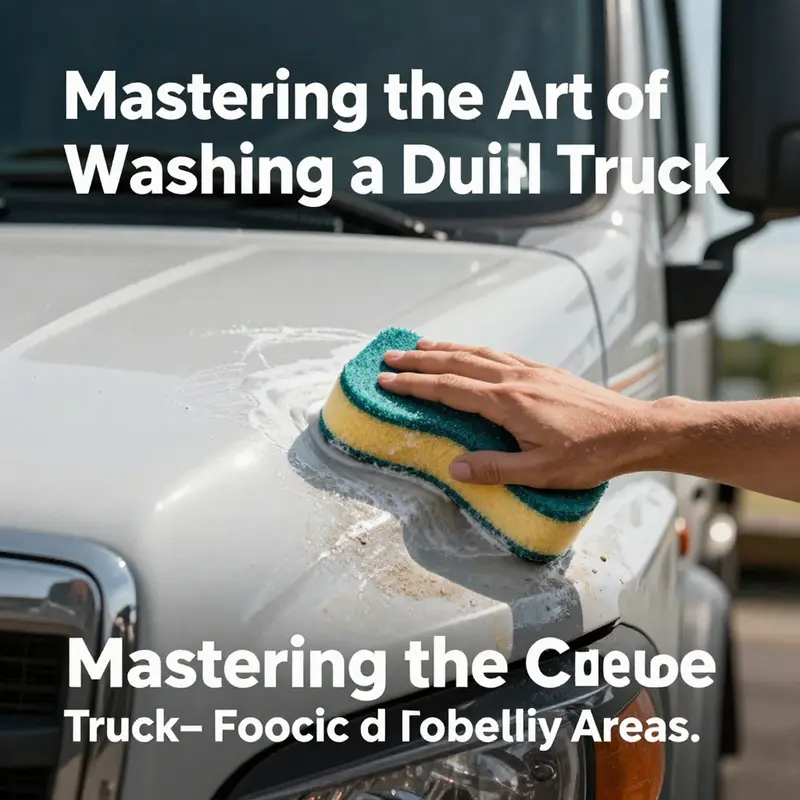
A dually truck presents its own cleaning choreography, a balance of power and nuance that mirrors its mechanical heft. When you wash a truck with dual rear wheels, the grime tends to settle in pockets where mud, brake dust, oil, and road grime accumulate—especially around the wheel wells, undercarriage, and the front end where insects and leaves hitch a ride. Getting these areas right is not just about making it look sharp; it’s about protecting finishes, reducing corrosion risks, and extending the life of components that see the heaviest wear. The goal is to apply cleaner where it matters most, then rinse and dry with care so the finish is left bright rather than stained or dull. The process flows best when you approach it from top to bottom, from the cleanest sections down to the heavy buildup, and with an eye for anything that could trap moisture or damage seals if neglected. This chapter builds on that premise, weaving through the surfaces that demand extra attention and offering practical cues that help you avoid common missteps while preserving the truck’s value and reliability. The act of cleaning, done methodically, becomes a preventive ritual as much as a cosmetic one, especially for a dually that spends time on rough terrain, in mud, or along salted winter roads. As you read this, imagine tracing a careful arc around the truck, letting the cleaner do the work in the places that accumulate the most stubborn grime, and letting the water carry away the spent residues so they don’t re-splash onto surfaces you’ve already cleaned.
Begin with a plan rooted in safety and environmental mindfulness. Gather a body of tools that can handle a large vehicle with dual rear wheels: an adjustable-pressure high‑volume water source, soft sponges or microfiber mitts, stiff brushes for wheels and the undercarriage, a pH-neutral or truck-specific soap, a dedicated tire cleaner, a wheel brush, a supply of clean microfiber towels or chamois, and optional wax or a protective coating for post-wash defense. Locate your washing site in a flat, well-drained area such as a commercial wash bay or a designated truck-wash zone. This is not the moment for public streets or drains that could channel runoff into storm systems. Make sure the truck is cool before you begin; hot surfaces dry cleaner quickly and can leave streaks or etchings if you’re not careful. The practice aligns with established safety and environmental guidelines, which emphasize controlled water use, appropriate cleaners, and the protection of electrical components. A useful compass for these steps is the counsel offered by trusted industry resources that stress safety, proper equipment use, and environmental stewardship as you work on heavy-duty vehicles.
The pre-rinse is your first line of defense against scratches and stubborn residue. Start at the top and work downward, walls and roof first, then the hood, fenders, sides, and finally the rear. This top-to-bottom sweep is designed to lift loose dirt before soap and brushing come into play, so you don’t grind debris into paint with aggressive scrubbing. While you rinse, keep a keen eye on any sensitive electronics or sealed areas—engine bays, headlights, fuse boxes—low-pressure or gentler streams are essential here. The goal is to dislodge large particulates without forcing water into seals or into electrical connections. After this rinse, the surfaces already look less murky, and the risk of drag-through residue on freshly cleaned areas is reduced. The approach is practical and proportionate: you’re preparing the surface so soap and brush work can deliver maximum results without unintended side effects.
When you apply cleaner, you’ll want to thin down with care and use a methodical, surface-by-surface approach. Dilute a truck-specific cleaner according to its directions, avoiding household detergents that strip wax or compromise the paint’s protective layer. A soft sponge or mitt should glide across the panels from top to bottom, the downward motion ensuring that runoff doesn’t dirty areas you’ve already treated. The sections that demand the most patience are the tires and rims, the undercarriage, and the wheel wells where mud tends to dry into baked-on crusts. A dedicated tire cleaner can break down brake dust and oil residues, but you’ll still want to scrub with a stiff brush to reach into rim spokes and deep treads around the tire–wheel interface. The undercarriage and frame rails are a magnet for road salt, grease, and road grime, particularly after winter driving. Here, a robust degreaser paired with a long-handled brush helps dislodge buildup from the suspension components, exhaust system, and the crossmembers that anchor the chassis. If you choose to bring in a pressure washer for these sections, operate at a lower pressure and keep the spray at a respectful distance to avoid disturbing seals, wiring, or delicate components. The fenders and wheel wells demand thorough attention as well: dried sludge can become a magnet for moisture, promoting corrosion if left in place. At this stage you may notice that some areas need more than a standard scrub; that’s perfectly acceptable and expected when you’re dealing with a dually that has experienced heavy use.
The central focus areas—the tires, wheel wells, undercarriage, front grille, and radiator—are where the cleanest surfaces meet the most stubborn grime. The tires and wheels accumulate baked-on brake dust and road grime that can sting clear coat if left to dry. Work the cleaner into the tire surface and scrub the wheel faces and spoke patterns with a stiff brush, paying close attention to the junction where the wheel meets the fender. The wheel wells, those pocket areas between the dual tires, trap mud and moisture and can harbor residue that leads to corrosion if it lingers. A second pass with a brush and more cleaner helps lift entrenched material that could otherwise dry as crust. For the undercarriage, you’re tackling the frame rails, suspension components, and even the exhaust path where winter salt and road muck collect. A heavy-duty brush and a well‑lathered degreaser do the heavy lifting here. If you opt to use a pressure washer for this section, keep the nozzle at a safe angle and distance, and avoid aiming directly at seals or joints that could be compromised by forceful jets. The front grille and radiator deserve special care too. The grille is a collection point for insects, leaves, and dirt, which can obscure airflow if allowed to persist. A soft brush or even a quick puff of compressed air helps loosen debris before you apply a gentle cleaner to the grille’s surface. Resist the temptation to blast radiator fins with abrasive cleaners or high pressure; fins are delicate, and abrasives or corrosive cleaners can worsen their condition over time. As you work the cab exterior, the lower body panels near the tires, the doors’ sides, and the wheel wells repeatedly collect grime. A microfiber mitt keeps paint safe, and working from top to bottom minimizes runoff recontaminating areas you’ve just cleaned. In this rhythm you not only improve the look but also reduce the risk of water spots or soap residues lingering on rubber seals.
A dually’s dual rear wheels introduce a unique canyon of dirt between the tires that demands closer inspection. The space between the two tires can trap moisture and road residues that remain invisible at first glance. Use a flashlight to illuminate the gap and employ a brush and mild cleaner to remove any built-up sludge. This is one of those practical touches that can save you from long-term maintenance headaches, particularly if you haul materials that kick up dust, oil, or mud. The engine bay deserves select attention as well, but only when it is completely cool. Compressed air can be used to dislodge loose dust, provided the engine is cold and the air pressure is mild. A damp cloth afterward can wipe remaining dust without introducing water into critical components. Direct high-pressure water on the engine bay is a no-go, since moisture can sneak into electronic sensors, wiring looms, or exposed connectors. If you follow this careful path, you protect an area that can be costly to repair should moisture find its way into sensitive parts.
Rinsing thoroughly after soap application is essential. A strong rinse from top to bottom removes soap residue from every crevice—around wheel wells, inside door jambs, and near rubber seals. Any soap left behind can corrode seals or attract dust and grit that later abrades paint as the truck dries. After rinsing, drying becomes the next deliberate step. Use clean, dry microfiber towels or a chamois and work surface by surface, ensuring the entire truck is dry to the touch. Immediate drying helps prevent water spots and leaves less opportunity for mineral deposits to leave their traces on paint. If you choose to apply a wax or ceramic coating, do so following manufacturer guidance. The coating acts as a shield against grime, making future cleanings easier and helping preserve the vehicle’s shine. The long-term payoff is not just aesthetics; a well-sealed finish resists corrosion and preserves resale value, particularly important for a large, heavy vehicle that endures rigorous use.
Incorporating a targeted strategy for the dually’s most demanding areas is where the above steps converge into a practical, repeatable routine. The idea is to treat the heavy, dirt-prone zones as priority zones, while maintaining sensitivity to seals, electrical components, and airflow paths. When you embed a habit of inspecting the wheel wells, undercarriage, and the front end after each wash, you build a resilient maintenance loop that reduces the risk of neglect. If you’re looking for a bridge between practical steps and a broader approach, consider this: there are proven strategies for cleaning grease and tar off your trucks fast, which can be a useful reference as you refine your technique. Proven strategies for cleaning grease and tar off your trucks fast.
Ultimately, the process should feel purposeful rather than mechanical. The dually’s size adds a layer of complexity, but it also rewards a deliberate plan. The sequence—top to bottom, careful attention to dual-wheel spaces, control over water pressure near sensitive parts, and a final protective layer—forms a holistic approach to cleanliness. You’ll find that when the key areas are well cared for, the entire truck looks better, stays cleaner longer, and the risk of long-term damage from corrosive residue or water infiltration drops significantly. The chapter’s arc is more than a set of tasks; it’s a framework that respects the vehicle’s architecture while delivering a finish that mirrors the truck’s rugged functionality. When you share this method with others, the message is consistent and clear: a careful, area-focused wash not only yields a superior appearance but also sustains the mechanical integrity of a heavy-duty machine built to haul hard and work hard.
External reference: Engine bay cleaning guidance provides additional perspective on safely handling components and moisture in sensitive areas. See https://www.popularmechanics.com/cars/how-to/a37980162/engine-bay-cleaning/ for a practical overview of safe engine bay cleaning practices.
Locking in Clean: Drying and Protecting Your Dually After a Thorough Wash
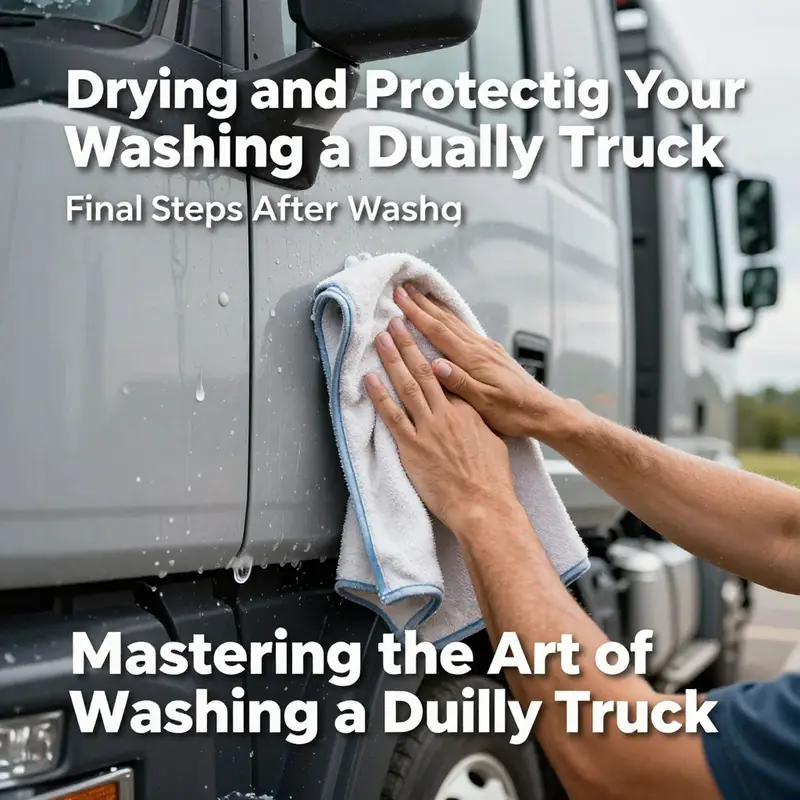
The final act of washing a dually truck is where precision turns a good cleanup into lasting value. After the scrubbing, rinsing, and brushes, the quiet, almost meditative work of drying and protecting begins. It’s not merely about avoiding water spots; it’s about guarding the paint, the metal, and the many intricate crevices that a heavy-duty vehicle with dual rear wheels hides in plain sight. The dually wears the road differently from a single-rear-wheel pickup. Its mass and configuration invite grit to linger and moisture to cling in places that are easy to miss. When you complete the wash with a careful, methodical dry followed by thoughtful protection, you extend the life of the coatings, protect sensitive hardware, and maintain a showroom shine that can survive blasting gravel and slushy highway debris.
Drying starts with a mindset: you’re chasing a flawless, streak-free finish, not simply removing dampness. The best approach is to work with the flow of gravity—start at the top and move downward, panel by panel, paying special attention to areas where water tends to pool. A clean microfiber drying towel or a soft, plush chamois acts like a conductor, drawing moisture away without dragging minerals across the surface. The risk with rougher fabrics is not just micro-scratches; it’s the stubborn habit of dragging tiny grit that can create faint swirl marks over time. For this reason, dedicated drying materials are worth the investment. A high-quality, lint-free microfiber towel glides across door edges, into recesses around mirrors, and along the contours of a long van or flatbed. It may seem excessive for a routine wash, but on a dually, those extra minutes save you from rework later and protect the finish in the long run.
Crevices demand particular attention. The space between the dual rear tires may trap a surprising amount of moisture and dirt that a quick wipe can miss. A flashlight becomes your ally here, helping you spot damp pockets and mineral residues that would otherwise dry as dull specks on the rubber and the metal rim. A careful, controlled dab is better than a broad swipe; you want to lift moisture without grinding grit into wheel wells or chrome accents. The brake dust that clings to the wheel faces can be a stubborn film, but it’s far easier to lift when the surface is still damp from the final rinse rather than when it has dried into a stubborn film. For the suspension components and undercarriage, you again avoid aggressive jets of water. A damp microfiber with a light touch is sufficient, followed by a dry pass to pull away any residual dampness near seals or joints. The aim is not to dry the truck with one big stroke but to dry it in layers, ensuring that moisture never lingers where grit can settle or corrosion can begin.
As the body dries, attention naturally flows to the rails, the rocker panels, and the lower door edges. These zones are particularly vulnerable to water spotting because they often catch airborne minerals born from road grime, irrigation, or simply the mineral content of the local water. A second, slower pass with a fresh microfiber helps catch the last lingering droplets and leaves the surface with a uniform, glassy sheen. It’s this phase where you learn the quiet discipline of detailing—the kind of patience that makes a dually look truly cared for rather than merely washed. In more than one garage session, I’ve seen a truck gleam after a deliberate dry where every crevice is touched with intention, every line of paint allowed to drink in a final, even layer of moisture-free finish.
Protection, however, is where you pivot from maintenance to investment. Once the surface is completely dry, you have the opportunity to shield the paint and trim from the elements for months to come. Wax provides a classic, budget-friendly finish that enhances gloss while offering a sacrificial barrier against water, salt, and minor contaminants. A modern wax or sealant designed for heavy-duty finishes can resist the wear of highway exposure and construction-zone debris, preserving color depth and clarity. For owners who want a longer window between detailing sessions, a ceramic coating offers a tougher, more enduring shield. Ceramic coatings cure into a hard, hydrophobic layer that makes water bead and roll off, reducing the chance of mineral deposits and giving contaminants fewer opportunities to bond with the clear coat. The choice between wax and coating is not merely price—it’s about how you use the truck and the climate you contend with. If your daily routine takes you through road salt, coastal air, or frequent gravel roads, the added protection of a ceramic layer or a paint protection film (PPF) on high-impact areas becomes a prudent investment.
Every protective choice has its place on a dually. Hood and fender surfaces, front accents that take the brunt of road debris, and rocker panels—the zones most exposed to rocks and tar—often benefit from PPF as a mechanical shield. PPF doesn’t just guard against chips; it helps maintain the smooth, reflective surface that makes the truck look new longer. The logic carries through to the undercarriage, where a robust sealant might be preferred in lieu of a heavy coating, balancing durability with serviceability. The aim is not to create an impermeable fortress but to install a shield that reduces maintenance frequency while preserving the vehicle’s aesthetics. In choosing protection, consider your typical routes, the climate, and the type of wear your dually faces on a daily basis. A highway-hauling schedule with frequent salt exposure will demand different protection than a weekend off-roader traversing dusty trails. In practice, this means you may opt for a layered approach: a durable sealant on the painted surfaces, a PPF strip on vulnerable high-wear zones, and a protective coating or sealant for trim pieces and chrome. It’s a holistic plan rather than a single weapon, designed to work in concert with your washing routine.
Drying and protection are also about maintaining the integrity of the truck’s more sensitive systems. The engine bay, for instance, remains off-limits to high-pressure water until it is completely cooled. Here the emphasis shifts from water management to cleanliness through gentler means. Compressed air can loosen dust from the air intakes and crevices, followed by a careful wipe with a damp cloth to avoid pushing grime into electrical channels or onto belts. A light hand with a damp cloth around hoses and connections preserves what keeps the vehicle running and reduces the risk of corrosion caused by residual moisture. The same logic applies to the electrical elements that reside near the engine bay. When in doubt, keep the water to the exterior and use air and damp cloths for the interior surfaces, wiring looms, and sensor housings. These steps are not merely protective; they are preventive measures that extend the life of your truck’s most critical systems while keeping the exterior gleaming.
As you complete the drying phase, you might consider a quick post-wash check: look for water spots, re-evaluate the door jambs and seals, and confirm that nothing is left damp where it can foster corrosion or odor formation. This is the moment to make tiny corrections that preserve the finish; a microfiber-tipped touch under the door seals removes any residual moisture that could later become a stubborn spot. It’s in these small, repeatable habits that the value of a careful wash is realized. The dually, with its dual rear wheels and wider stance, rewards patience. The extra real estate means more to clean and dry, but it also means more opportunity to demonstrate pride in ownership through meticulous care. When you combine the methodical wet-to-dry approach with deliberate protection, you multiply the life span of your finish and the clarity of your glass, the crispness of your chrome accents, and the overall impression of a vehicle that has seen the road but not surrendered to it.
If you want a practical anchor for extending the life of the finish beyond waxes and coatings, consider a routine that pairs structural upkeep with cleaning discipline. After each wash, document how you approached drying and protection, including the products used and the time of year. Noting the climate, the condition of the roads, and the frequency of washings can guide future decisions about coatings and film. A short record helps you compare the effectiveness of different strategies over seasons and miles. When you share this kind of disciplined approach with a fleet or a crew, it becomes a standard—the kind of reliable practice that yields consistent results across a lineup of vehicles and drivers. For stubborn areas and tough grime, you can lean on established methods for cleaning grease and tar off your trucks fast, which provides a ready-made playbook for when the dirt refuses to surrender after a long haul. Proven strategies for cleaning grease and tar off your trucks fast can be found in trusted reference materials and on professional detailing sites as needed.
Even with the right products and a patient hand, the decision to protect should be purposeful. A light film of wax or a ceramic coating at the right interval can dramatically reduce wash times in the future, as contaminants have a harder time bonding and water beads away more readily. The protective layer makes the next wash gentler and quicker because the grime loosens more easily and rinses away with less scrubbing. In the end, the cycle of clean, dry, and protected becomes a rhythm—one that matches the vehicle’s demanding life on the road and in the yard. The dually deserves that rhythm: a wash that celebrates its size and capability, a careful dry that honors its finish, and a protective layer that resists the worst the elements throw at it. When you finish, look over the truck with the same pride you had as you began the wash, knowing that every droplet that clung to the surface has been brushed away, and every square inch is ready to face another day of work and weather with the same enduring presence.
External reference for engine bay care after cooling: For deeper guidance on maintaining the engine compartment safely, consult a trusted engine bay cleaning guide. https://popularmechanics.com/cars/how-to/a37980162/engine-bay-cleaning/
Final thoughts
Maintaining a dually truck through effective washing techniques is crucial for fleet managers and operators in logistics, construction, and mining industries. By preparing adequately, employing effective pre-rinse methods, focusing on critical cleaning areas, and protecting the vehicle post-cleaning, you can enhance the longevity and appearance of your trucks. Each step not only preserves the vehicle’s integrity but also ensures that it remains a reliable asset in your operations. A well-maintained fleet reflects professionalism and can significantly impact operational efficiency and costs down the line.