
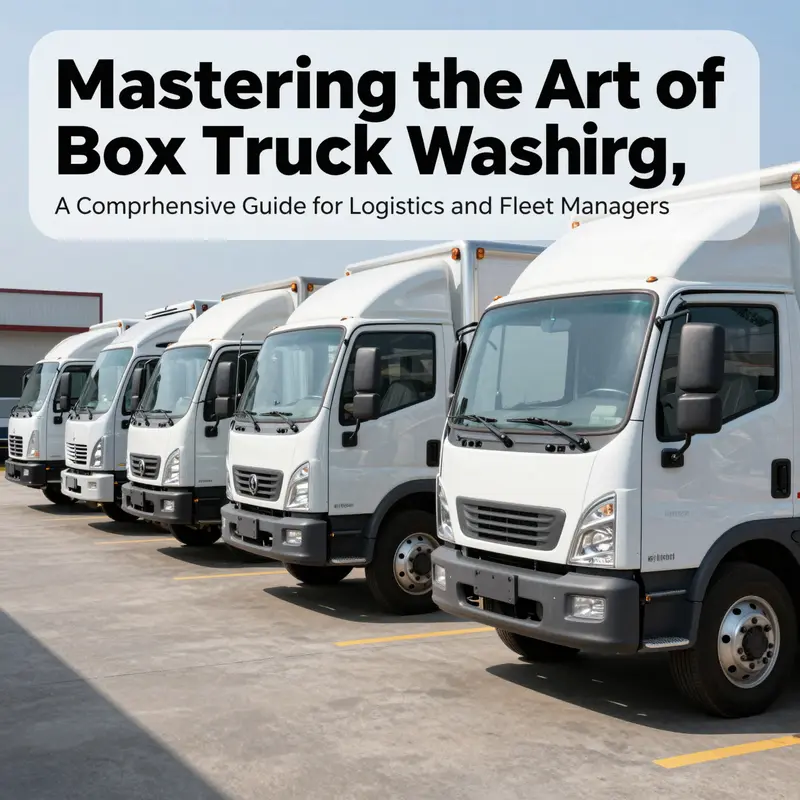
Washing a box truck might seem straightforward, but it requires an organized approach to ensure the vehicle’s longevity and aesthetic appeal. For fleet managers, trucking company operators, and construction supervisors, understanding the nuances of proper washing techniques is essential to maintain vehicle integrity and uphold company standards. This article unfolds in four detailed chapters, beginning with the necessary preparations, followed by a step-by-step washing process, critical safety and maintenance tips, and concluding with the importance of regular washing for fleet management. Each chapter elucidates aspects crucial for effective box truck maintenance, designed to aid professionals in the logistics and construction industries.
Laying the Groundwork: Thorough Preparation for Washing a Box Truck

Before the first splash of water, the success of a box truck wash hinges on what happens away from the suds. A careful, methodical preparation sets the stage for an effective cleaning that protects the vehicle’s paint, seals, and structural integrity while also safeguarding the operator. This stage is not a mere ritual of gathering supplies; it is the quiet, deliberate accreditation of a process that translates into a finish free of water spots, rust threats, and recontaminated surfaces. The idea is simple: if you start with the right plan, the wash becomes a predictable routine rather than a rushed sprint. When the truck arrives, you want the work area to feel almost ritual, as if you and the vehicle have entered into a shared understanding that cleanliness will be thorough, safe, and respectful of the truck’s long-term value. The preparation phase begins with intent—clear objectives about what you want to achieve from the wash and how you will protect sensitive components, finishes, and interior areas. Keeping that intent at the forefront helps you resist the impulse to skip steps and to improvise with tools that are not suited to the task. The result is not merely a cleaner exterior; it is a chassis and cab that look professional, perform reliably on the road, and preserve market value for a fleet that depends on steady, efficient operations.
Tools and materials form the backbone of this phase. A high-pressure washer with adjustable settings is essential, because it lets you tailor the force to different surfaces. A pH-neutral car wash soap, chosen for its compatibility with truck paint and sealants, ensures that cleaning agents neither strip protective coatings nor degrade chrome and trim. Soft microfiber wash mitts or sponges protect the surface by lifting dirt rather than grinding it into the finish, while a soft-bristled brush targets wheels, tires, and undercarriage without scratching metal or rubber. A sturdy bucket, a reliable drying system such as plush microfiber towels or chamois, and a dedicated tire cleaner with a brush for rims and calipers complete the core kit. In this preparation phase, you also set aside items for the interior and cargo bed. For metal beds, a mild detergent is suitable; for wood, gentleness is key to avoid warping. The value of having these tools organized beforehand cannot be overstated. When you can reach for the mitt, the brush, the soap, and the towels without rummaging through a jumble of odds and ends, you reduce the likelihood of rushing and making mistakes.
Choosing the right location is the next critical step. The ideal spot is a flat, well-drained area that sits away from traffic and public sidewalks. Shade matters because direct sun can cause soap to dry too quickly, leading to water spots and streaks, even on a cool day. A level surface aids in drying and reduces the risk of slipping while you move around the truck’s perimeter. The ground should be clean enough to avoid dragging grit onto the paint, and drainage needs to handle runoff without creating a slippery hazard or contaminating a storm sewer. If you operate a fleet, you may have a designated wash bay with runoff controls; if not, scout a location that minimizes environmental impact and complies with local regulations. The choice of location ties directly into efficiency: it keeps the workflow smooth, minimizes repeat passes with a dirty mitt, and reduces the chance that you will have to move equipment mid-clean. In essence, the location is not just a backdrop; it is an enabler of the entire washing sequence.
A well-thought-out engine compartment plan is another cornerstone of preparation. Engine cleaning is a delicate operation. Begin only after the engine has cooled completely; hot components can crack seals or warp hoses if hit with cold water too quickly. Protect sensitive electrical components by covering them with plastic bags or using a protective shield. If a battery is accessible, consider disconnecting the negative terminal or marking connections to prevent any short circuits, though you should only perform such steps if you are confident in your capabilities and current safety guidelines. The idea is to keep water away from air intake, exposed fuse boxes, relays, and sensor wiring. When possible, use compressed air to blow out dust from the engine bay rather than introducing water to hard-to-dry crevices. This approach reduces the risk of corrosion and minimizes the need for aggressive drying in fragile areas. A tidy cabin and cargo area is part of the broader preparation. Removing loose debris, floor mats, and seat covers before washing makes it easier to clean hard-to-reach spots later. It also prevents loose items from becoming projectiles in the high-pressure spray. The cargo area deserves particular attention: metal beds respond to mild detergents and careful rinsing, while wooden beds require gentler cleaners to prevent soaking and potential warp. Thoughtful preparation in the cargo zone protects the interior surfaces and contributes to the overall cleanliness after the wash.
Seals, gaskets, and trim deserve a moment of scrutiny during preparation. Inspect rubber gaskets around doors and the cargo area, looking for cracks or deterioration that might invite water intrusion during the wash. If seals are compromised, you may need to address those issues before cleaning to prevent leaks or seepage that can undermine the interior cleansing process. Properly functioning seals also reduce the risk that the wash will push dirt into crevices or cause streaks along edges where the sun catches the paint. This step need not be lengthy, but it is essential for preserving the truck’s exterior integrity. It is a quiet reminder that washing is not just about removing visible dirt; it is about maintaining a robust outer shell that remains resistant to the weather and the elements of daily use. The preparation phase, therefore, folds in a small audit of condition: are there loose trim pieces? Do door seals feel firm and pliable? Are the rubber gaskets at the cargo opening intact? Addressing these questions before you begin saves time later and helps ensure that the wash does not inadvertently expose weak points that require costly repairs.
Power sources and electrical safety also come into play during prep. If you plan to use an electric or battery-powered pressure washer, ensure you have access to a safe, grounded power supply with appropriate GFCI protection. In the presence of water, electrical safety is non-negotiable. Inspect cords and extensions for wear, avoid daisy-chaining cords, and keep electrical components dry while you work. The general principle is to minimize moisture at the source of a potential electrical fault. This caution extends to the broader environment: keep cords out of the splash zone and never step into a pooled area with a live outlet nearby. A well-organized power plan reduces the chance of an incident and keeps the job moving. The preparation phase also embraces a practical mindset about time management. Set aside a window of time that allows for a thorough pre-rinse, soap dwell, targeted treatments for stains, and a controlled final rinse and dry. Rushing through any of these steps invites errors and compromises quality. A disciplined schedule helps your crew stay consistent, and consistent care translates into better protection of the truck’s finish and components.
The value of preparation extends to the operational flow itself. A well-prepared wash area makes it easier to manage waste and runoff responsibly. If you operate in a regulated environment, you may have rules governing chemical use, drainage, and containment. Preemptively planning for these requirements reduces the need for corrective actions during the wash and helps keep your team aligned with safety and compliance standards. In addition to practical adherence, the preparation phase encourages a mindset of respect for the vehicle. You approach the truck with care, understanding that you are preserving a tool that fuels a business. This mindset translates into small but meaningful choices: selecting non-abrasive tools, applying soap gently, rinsing thoroughly, and drying promptly. Each choice contributes to the truck’s long-term life and to the professionalism that clients and drivers expect.
To tie preparation to practical execution, consider a quick reference embedded in your process. A prepared team benefits from a simple, shared understanding of roles and responsibilities, and a documented checklist can reinforce that understanding without becoming a burden. For instance, a concise guide can remind operators to cover electrical components, check seals, remove debris, and verify drainage before the first spray. The goal is not to create bureaucratic drag but to establish a predictable rhythm that minimizes guesswork. When a fleet operates with a consistent approach to prep, it becomes easier to scale the process, train new staff, and maintain uniform results across multiple vehicles. This alignment between preparation and performance is what converts a routine wash into a reliable, repeatable service that supports business reputation and vehicle reliability.
As you finish the preparation, you may reflect on how this phase connects to the broader practice of fleet care. The preparation you invest now reduces the likelihood of rework, saves time on the actual washing, and minimizes material waste by ensuring you use the correct cleaners and tools for each surface. It also primes the surface for whatever follow-up steps you plan, such as targeted stain treatment or wax application. You have laid a stable foundation, and when the wash proceeds, the dirt has less chance to cling stubbornly; the surface is more receptive to the cleaning agents; and the drying process will be smoother because contaminants have already been removed. This cohesion between prep and wash elevates the entire procedure from a routine maintenance task to a disciplined practice that protects a rolling business asset. For fleet operations seeking to optimize this process, consider how your facility management practices can support consistent, compliant, and efficient wash workflows across your fleet, which you can explore in more detail here: facility management for truck wash businesses.
Finally, the preparation phase invites a broader sense of responsibility that extends beyond the truck itself. Regular prep reduces the risk of accidental damage, protects the cooling system by avoiding splash onto hot radiators, and preserves interior fabrics by preventing stray chemicals from entering the cab. It also signals a culture of care within a fleet—drivers notice when the truck is treated like a valuable asset, and a fleet that takes pride in its appearance often reflects reliability in service delivery. The practice is not about indulgence; it is about stewardship. After this groundwork, you are ready to move into the actual washing with a clearer mind, a better-aligned team, and a system that prioritizes quality over speed. For those seeking a broader frame of reference on industry standards and fleet care, consult trusted sources on commercial vehicle maintenance and compliance. External guidance from established regulatory bodies can complement the preparation phase and help ensure that your wash practices stay aligned with best practices and legal requirements: https://www.transportation.gov/.
From Grime to Gleam: A Thorough, Protective Box Truck Wash That Extends Your Fleet’s Life

A box truck isn’t just a transportation vessel; it’s a mobile shop, a storefront, and a testament to your fleet’s discipline. The exterior, once a shield against the elements, becomes a canvas that speaks to customers and operators alike. A proper wash isn’t vanity; it’s maintenance with measurable payoff: protections against rust and paint wear, reduced fatigue on components, and a professional impression that travels with every mile. When you wash a box truck with intention, you’re not just removing dirt; you’re reinforcing the vehicle’s value and reliability. This chapter weaves together the practical steps, the cautions, and the mindset required to transform a routine rinse into a protective ritual that supports the entire fleet’s health over time.
Preparation is where care begins. Gather the right tools and set expectations. A high-pressure washer with adjustable pressure lets you tailor the blast to sensitive areas while still removing the stubborn grime that clings to undercarriages and wheel wells. Soft microfiber wash mitts or sponges are nonnegotiable; they cradle the paint and absorb soap without becoming abrasive. A soft-bristled brush for wheels and a sturdy bucket with pH-neutral car wash soap form the core, along with clean drying towels or chamois. The emphasis on a neutral soap isn’t cosmetic; it’s about preserving coatings and the integrity of the finish through repeated washes. And yes, plan the work location with the same care you give to the wash itself. A shaded, flat site with good drainage protects you from water spots and allows soap to do its job rather than dry prematurely. In practice, this means a driveway with a settled surface or a wash bay designed for vehicle care. Direct sun or heat radiates away moisture and invites streaks, so you avoid those conditions to keep the surface uniform as you clean.
Before you even turn on the water, take a moment to inspect the truck. Look for loose parts, damaged seals, or obvious dirt build-up that will demand extra attention. A quick survey can save you from surprises mid-wash, like a seal leaking or a stubborn stain that requires a specialized cleaner. With everything laid out, you’re ready to begin the process that begins with the most sporting ally of wash day: the pre-rinse. Start at the roof, letting gravity assist you, and work downward. The goal is to loosen the surface layer of grime, dust, and mud so that the soap can work rather than fight gravity. Focus on the upper panels first, but don’t neglect the undercarriage and wheel wells because those areas collect mud and brake dust that can abrade paint if left untreated. The high-pressure rinse should be kept at a respectful distance from trim and seals—12 to 18 inches is a useful rule of thumb—to avoid forcing water or grit into vulnerable gaps.
With the body washed loose, the real cleansing can begin. Prepare your bucket with the recommended amount of neutral car wash soap and begin washing in sections, again from top to bottom. Use a gentle, circular motion with your mitt or sponge and rinse sections promptly after washing to prevent soap from drying on the surface. This step is where many trucks gain or lose their luster. A careful touch protects the finish; aggressive scrubbing with rough towels or old rags can scratch even well-lacquered paint. The aim is to remove contaminants without introducing new ones. For stubborn stains—bird droppings, tree sap, or asphalt residue—employ a dedicated cleaner designed for those marks. Always test a small, inconspicuous area first to confirm compatibility with the paint. Let the cleaner dwell briefly as directed, then gently wipe away with a soft cloth or brush. The key here is patience. Rushing this step invites damage or uneven results.
After the body, the wheels and tires receive focused attention. The wheel wells accumulate heavy grease, brake dust, and tar that cling to rims and calipers. A stiff-bristled brush paired with a wheel cleaner (applied directly to the wheel) helps lift grime without scratching metal. Allow the cleaner to do its work for a minute or two, then scrub and rinse thoroughly. Proper wheel cleaning is not a decorative add-on; it prevents corrosion on rims and reduces the risk of grime migrating to the paint during the final rinse. The sequence—top-down washing, targeted stain treatment, and thorough wheel cleaning—keeps the process smooth and minimizes cross-contamination between dirty wheels and cleaner-swept body panels.
The interior portion of the wash day deserves its own mindful treatment, especially in the cab. Wipe the dashboard and console with a microfiber cloth lightly dampened with a mild interior cleaner or glass cleaner for the windows, taking care to avoid excessive moisture near vents or electrical components. Seats and carpets benefit from a targeted approach: remove floor mats and vacuum them thoroughly, then treat upholstery with an appropriate cleaner. If carpets show embedded soils, a carpet shampooer or a damp cloth with a mild detergent helps, followed by thorough air drying before mats are replaced. While interior cleaning might feel separate from the exterior wash, it completes the professional appearance and supports a safer driving environment by reducing dust and residues that can get into the HVAC system or impede controls.
A final rinse seals the process. A thorough sweep with clean water removes all soap and cleaner residues, eliminating the risk of water spots and streaks. Drying is the next crucial act: use lint-free towels or a chamois and begin at the top, working downward. Immediate drying prevents mineral deposits from mineral-laden water. If you’re inclined to add a protective layer, wax or a paint sealant can be applied after drying. A high-quality wax or sealant builds a shield against UV exposure, moisture, and light abrasions, helping preserve the truck’s finish between washes and making future maintenance easier. This protective layer is especially valuable for fleets that spend long hours in sun-drenched routes or near coastal environments where salt and moisture accelerate wear.
Safety and maintenance are not afterthoughts but the backbone of a durable wash routine. Never wash the engine bay while it’s hot. The sudden thermal shock from cold water on a hot engine can warp gaskets and seals. Protect electrical components by avoiding spray directly at connections, fuse boxes, or sensors; if required, use compressed air to dislodge dust rather than water. High pressure should not be used near rubber seals, trim, or lights, as aggressive blasts can loosen, crack, or misalign these parts. For metal cargo beds, mild detergents and water are generally sufficient, while wooden beds demand gentler cleaners and avoidance of soaking that could warp or swell the wood. Finally, keeping the radiator and cooling system in check through periodic flushing with a kit can help maintain engine efficiency and prevent heat-related issues that could complicate maintenance routines.
The rationale for this careful approach goes beyond appearance. Regular, correct washing guards against rust and corrosion, preserves paint integrity, and reduces the likelihood of costly repairs sparked by neglect. In practical terms, a clean truck is easier to inspect for leaks or damage, lowers the risk of hidden issues hiding in grime, and supports a fleet’s professional image. For drivers and operations managers, that means lower downtime, better reliability, and a straightforward maintenance log that reflects prudent asset care. The quiet dividends of a disciplined wash routine accumulate over miles and months, strengthening your fleet’s performance and reputation.
As you integrate these steps into a regular schedule, you may encounter situations where specialized guidance matters. For fleets that handle sensitive cargo or require rigorous maintenance standards, aligning your wash practices with industry-specific best practices can be especially valuable. For example, fleets dealing with food-grade or delicate cargos benefit from cleaners and protocols tailored to preserve cleanliness without risking residue or cross-contamination. You can explore related guidance at best-practices-for-cleaning-food-grade-tankers, which offers a focused perspective on maintaining cleanliness in demanding environments. This reference helps ensure that the principles you apply to a box truck’s exterior also harmonize with more specialized fleet needs, reinforcing the overall consistency of your maintenance program.
Even with a robust routine, keep an eye on the long view. Regular washing contributes to preventing rust and paint degradation, but it also reflects on the business itself. A meticulously cared-for truck signals reliability to customers and partners, a quiet but powerful form of nonverbal communication about your standards and care for assets. In a competitive landscape, maintenance isn’t just about uptime; it’s part of the narrative you present to clients and drivers alike. The chapter’s steps, from preparation to protection, are a practical script for turning routine upkeep into a strategic advantage.
For broader standards and governance, note that industry-wide guidelines exist to ensure consistency across fleets. While the specific procedures vary by environment and cargo, the underlying philosophy remains: wash with intent, protect with purpose, and maintain with discipline. This approach aligns with the broader ethos of fleet management, where maintenance planning, safety, and presentation converge to deliver dependable, professional service on every route. External resources illuminate the larger framework that supports day-to-day practice and long-term asset stewardship. See external guidance from regulatory and standards bodies to complement your on-site routines and keep your fleet aligned with best practices.
External resource: https://www.transportation.gov/
The Quiet Craft of Box-Truck Cleaning: Safety, Skill, and Longevity in Every Wash

A box truck carries more than freight; it carries a fuel for a business, a promise of reliability, and a daily line of communication with customers. The act of cleaning it is not a vanity ritual but a practice of care that safeguards expensive metal, preserves the integrity of the finish, and supports safe operation on crowded roads. When approached with intention, washing a box truck becomes a rhythm—top to bottom, from the roof down to the tires—that aligns maintenance with daily workflow. It begins well before the nozzle sprays a drop of water and ends with a dry, polished surface that reflects the fleet’s discipline and attention to detail. The water that cleans also reveals, and the moment of inspection that follows the wash often uncovers small issues before they become costly problems. In that sense, washing is a diagnostic act as much as a cosmetic one, a proactive practice that protects both the vehicle and the business behind it.
Preparation is the quiet foundation of success. The most routine wash can become a drama if not approached with the right mindset and the right tools. A careful operator gathers a set of necessities: a adjustable high-pressure washer that lets you fine-tune the blast, soft microfiber wash mitts or sponges that glide over paint without intent to scratch, a soft-bristled brush for wheel wells and brakes, a sturdy bucket, a pH-neutral car wash soap designed for continuous use on commercial finishes, a tire cleaner for the rubber and rims, and clean drying towels or chamois that leave no thread behind on glass or chrome. A shaded, level area with good drainage is essential. Direct sun can bake soap into the surface and leave water spots. A flat, stable surface is kinder to the undercarriage and easier on the back as you work from the top down. It is also essential to remove cargo and secure loose items inside the cab or cargo space. The interior may not be directly washed in the same session, but loose items can shift during the process, potentially causing damage or injury if they strike a person or a delicate component.
With the truck prepared, the washing itself unfolds in a sequence designed to minimize risk and maximize results. Begin with a thorough rinse from top to bottom. The roof and upper panels shed loose dust, bird fallout, and pollen, and rinsing before applying soap reduces the chance of scratching by carrying abrasive particles away rather than dragging them across the finish. The undercarriage, wheel wells, and lower panels benefit from this pre-wet as well, because gravity helps dislodge heavier debris that could otherwise smear across the paint when you begin washing. The emphasis on top-down rinsing echoes the practical aim of any exterior detailing: to prevent dirt from migrating downward as you work. When the rinse is complete, attention shifts to the wheels and tires. These are the repositories of heavy grease, brake dust, tar, and grime that can look harmless at a glance but, over time, wear down sealants and invite corrosion if left untreated. A dedicated, high-traffic tire cleaner and a stiff-bristle brush scrub the rims, calipers, and treads’ crevices. After a thorough rinse, these parts should gleam with a film-free finish and reveal any signs of wear or potential issues, such as loose lug nuts or corroded brake components, which merit further inspection.
Next comes the soap stage. A bucket of diluted, pH-neutral wash solution is swirled gently into the mitt or sponge. Working from the top down reduces streaking and ensures that soap does not pool in crevices where it could soak stubborn contaminants into the paint. The movement should be deliberate and light—circular or overlapping strokes that lift dirt rather than grind it into the surface. Abrasive tools are unnecessary and harmful here; if you encounter a stubborn speck, a soft brush or a dedicated microfiber pad should be enough to dislodge it without marring the finish. The goal is a smooth, uniform layer of soap that carries away the day’s grime in a controlled manner. For those dealing with heavier contamination, a targeted degreaser or paint-safe cleaner can be applied to the stain, left to dwell for a few minutes per the product instructions, and then gently wiped away. The aim is to treat the stain, not the entire surface, to avoid unnecessary chemical exposure and potential solvent lift that could affect adjacent coatings.
The importance of approach extends beyond the surface. A well-executed wash protects the vehicle’s skin and its innards. Water intruding into sensitive areas—electrical connections, fuse boxes, sensors—can cause corrosion or short-term malfunction. The process should include awareness of these zones and a deliberate avoidance of direct spray into them. The critical tip here is simple: keep the spray nozzles away from seals, gaskets, and electrical components while maintaining a steady rhythm of cleaning. If water does find its way into the wrong place, a quick check with compressed air can help blow out residual droplets without forcing moisture into seals, which can trap heat and accelerate wear. This careful discipline makes a wash not a one-off surface wipe but part of a broader safety and maintenance protocol.
When the body of the truck shines as the soap finishes its work, a final rinse follows. A thorough, hose-directed rinse from top to bottom eliminates every trace of soap and cleaning agents. The risk of residual cleaners left on metal is real: they can attract dust or start early oxidation if not completely flushed. A careful, full-body rinse ensures the finish remains bright and true and reduces the need for rework later when the truck is in a hurry to roll. The drying stage then preserves the newly cleaned surface. Drying should happen promptly with lint-free microfiber towels or a chamois. Leaving damp panels in sunlit heat can cause water spots as minerals crystallize on the surface. The eye remains a crucial tool here; a quick pass around the sides and a final check at seams and joints can confirm that every corner has shed moisture. The act of drying is not merely removing water; it is the final polish that completes the tactile experience of a well-kept vehicle. A light, even pressure helps avoid micro-scratches that a hurried wipe could leave behind.
Optional refinements are where a wash becomes a shield against the elements. A high-quality wax or paint sealant applied after drying can extend the gloss and add a barrier against UV rays, moisture, and minor abrasions. It is a layer—thin, resilient, and long-lasting—that compounds the investment made in the hours spent cleaning. The application is not a heavy-handed coat but a measured, even layer that follows the contours and crevices of the box. In the world of fleet maintenance, the interstice between cosmetic care and functional protection is where value accrues. A well-waxed exterior resists dirt a little longer, cleans up faster, and shows a level of professionalism to customers that speaks as loudly as any service record.
The chapter’s practical heart beats where maintenance and safety intersect with routine operations. A wash is a recurring investment that compounds longevity. That means regular attention, consistency in technique, and an understanding that each wash is an opportunity to inspect the truck’s health. A careful operator routinely checks the cargo area for corrosion, the cargo bed for signs of wear, and the mechanical exterior for leaks or unusual drips that could signal a problem brewing beneath the surface. The cargo bed, whether metal or wood, deserves its own careful examination. Metal beds benefit from a mild detergent rinse that protects against surface oxidation, while wooden beds demand gentler cleaners and a cautious approach to avoid soaking that could cause warping. The aim is balance: clean, protected, and ready for the next load.
Throughout the process, professional insight can be a boon. For fleet operators seeking speed, efficiency, and proven outcomes, a mobile wash service can bring expertise to the driveway, yard, or lot. These services come equipped with professional-grade tools and trained hands that understand how to maneuver around complex configurations, sensitive electrical features, and the subtle thresholds that differentiate a spotless finish from a dull one. For owners and operators juggling schedules, this option can reduce downtime and ensure a deep, thorough cleaning that still respects the safety and maintenance guidelines laid out here. If you want to explore a deeper, field-tested set of strategies, you can read about proven-strategies-for-cleaning-grease-and-tar-off-your-trucks-fast, which offers actionable insights that complement the methods described above. This linked resource emphasizes practical, real-world steps to tackle stubborn contaminants while protecting the truck’s finish. proven-strategies-for-cleaning-grease-and-tar-off-your-trucks-fast
Beyond the immediate act of washing, the chapter threads into larger maintenance discipline. Regular upkeep—preventive rust control, timely seal checks, and the occasional radiator flush or coolant system check—keeps the box truck reliable across seasons and routes. The cooling system, in particular, deserves periodic attention. If the radiator or related hoses show signs of buildup or reduced efficiency, a dedicated flush can help maintain engine thermal balance. A clean exterior and a well-kept engine share a common goal: they both reduce downtime, improve safety, and convey a sense of professionalism that customers notice. In a world where a fleet’s appearance matters almost as much as its on-time performance, the act of washing becomes an outward sign of internal rigor. It communicates that the fleet operator cares about details, about safety, and about the long arc of the vehicle’s life. This matters to drivers who rely on the truck to be dependable, to customers who judge a business by its presentation, and to yard managers who need a predictable schedule in the service bay or wash rack.
When a wash has been completed, the final step involves reflecting on what has been learned and what might be improved next time. The sequence—from preparation to rinse, from wheels to the body, from soap to dry, and finally to protection—creates a repeatable pattern that, with practice, becomes effortless. If a stubborn stain remains or an area shows signs of mineral deposit, note it for the next session and adjust the approach accordingly. Perhaps a longer dwell time for a degreaser in a stubborn corner or a slightly different rinse angle to dislodge debris in a tightly tucked panel. The goal is not perfection in the first pass but consistency over time. Consistency is the element that turns a routine wash into a reliable maintenance habit, and consistency is what ultimately sustains the truck’s appearance and its functional longevity.
This chapter’s thread loops back to a fundamental truth: washing a box truck is about more than removing dirt. It is a practice of care that aligns exterior presentation with internal health. Regular, correct washing extends paint life, protects trim and seals, minimizes the risk of rust, and supports safety by keeping reflectors, lights, and sensors unobstructed and functional. When the work is executed with caution and patience, the process becomes a guarantee—not of flawless results, but of ongoing attention. The business that embraces that approach signals reliability to customers, investors, and the workforce. The vehicle becomes less a symbol of a single journey and more a testament to the company’s commitment to stewardship of assets and performance on the road. In the end, the wash is a small ritual with outsized consequences: it guards the box, guards the budget, and guards the trust placed in every mile traveled.
External reference for broader understanding can be found at a respected industry resource that offers technical specifications and best practices for mobile truck washing, which complements the in-vehicle discipline described here. For more comprehensive guidance on mobile truck cleaning and related applications, refer to industry-standard material at the following external link: https://www.truckmaintenancepro.com/mobile-truck-wash-guide
Shine and Shield: Mastering the Fleet-Ready Wash of a Box Truck

A clean box truck is more than a polished surface; it is a signal of professionalism, a shield against the elements, and a practical safeguard for safety and reliability on the road. When a fleet depends on multiple vehicles daily, the way each truck is washed becomes less a hobby and more a standardized maintenance practice. The goal is not simply to remove dirt but to protect paint, rust-prone steel, seals, and essential components while keeping downtime to a minimum. This chapter threads together the why and the how in a single, continuous narrative—a practical, fleet-minded approach that respects the vehicle, the environment, and the people who maintain it. Every wash can become a routine that extends the life of the truck, preserves its resale value, and reinforces the business’s reputation for professionalism and care.
Preparation sits at the core of any successful wash. The best washing session begins long before the nozzle hits the metal. Gather tools in advance: a high-pressure washer with adjustable settings, soft microfiber wash mitts, a soft-bristled brush for the wheels, a sturdy bucket, pH-neutral car wash soap, a dedicated tire cleaner, and a stockpile of clean drying towels or a chamois. The right soap matters as much as the right pressure. A pH-neutral car wash solution cleans effectively without stripping wax or dulling the finish, and it reduces the risk of micro-abrasions caused by harsher detergents. In the same breath, plan the location. Choose a shaded, level area with adequate drainage. Direct sun or high heat can cause soap to dry too quickly, leaving water spots and streaks that require extra effort to remove. And never wash on a road or in areas where runoff is restricted or problematic—policies exist for environmental protection and fleet efficiency, and a wash bay is often the most sensible choice for a commercial operation.
The washing sequence itself is a disciplined flow rather than a series of isolated tasks. Begin with a thorough rinse from the top down. Start at the roof and work toward the front bumper, letting gravity help carry away loose dirt and debris. The top-down approach minimizes the risk of dragging dirt onto a freshly cleaned area and reduces the chance of scratching paint. As dirt loosens, consider the undercarriage and wheel wells, where mud and grime accumulate and where neglect can do the most long-term damage. A well-executed rinse also protects internal parts that might otherwise get damaged by pressure or cleaning solutions if exposure is prolonged.
Next comes the wheels and tires, a zone that often bears the brunt of heavy use. Brake dust, grease, and tar cling stubbornly to rims and calipers and are amongst the most challenging residues to remove. Use a dedicated tire cleaner and a stiff-bristle brush to attack these areas, then rinse thoroughly. Wheels are the first place a clean truck shines, but they also deserve extra attention because neglect here can quickly undermine the entire wash’s impression. As you scrub, keep the nozzle at a safe distance to avoid bending delicate components, and avoid blasting high-pressure jets directly at seals or away from sensitive weatherstripping. The goal is clean rims and an even, non-streaky surface around the tire sidewalls, not a risk to the wheel’s protective coating or the tire’s bead.
With the undercarriage addressed and the wheels treated, you transition to the body wash. Mix the soap according to the product instructions and use a wash mitt or sponge with clean, soft fibers. Begin again at the roof, working down in a smooth, gentle manner. Circular or overlapping strokes help lift embedded grime without scouring the paint. The car’s finish is a layered jewel that deserves care; rough brushes, old towels, or abrasive sponges can scratch and degrade the clear coat over time. This stage provides the bulk of the cosmetic transformation—an even, bright surface that reflects light without the dullness that comes from fine scratches or residual soap film.
Stubborn stains are the inevitable exception to any rule. Bird droppings, tree sap, and asphalt residue can etch or burn into paint if left untreated. In these cases, a targeted approach with a specialized cleaner is warranted. Apply the product directly to the stain and follow the label directions for dwell time. A soft cloth or brush should lift the stain without forcing you to scrub aggressively or repeatedly over the same area. The most critical insight here is patience: allow the cleaner to work, and avoid the temptation to wrestle the stain away with harsh mechanical action. If you can, work on small sections to prevent the cleaner from drying in place and creating additional streaks.
Rinsing comes after the soap, and this step is as crucial as the wash itself. A complete rinse removes any residual cleaner and soap film that could attract dirt or cause water spots after drying. In a fleet setting, a second rinse might be prudent after the soap has done its work, especially on large boxes where soap can cling to recessed seams or hinge points. A careful, thorough rinse reduces the potential for spotting and ensures the finish looks uniformly bright across the entire surface.
Drying should be prompt and controlled. The goal is a spotless, dry surface that resists mineral deposits and rust, especially along doors, seams, and the cargo bay edges. Use clean, lint-free microfiber towels or a chamois, drying the entire surface as you go. The trick is to work quickly to minimize the window for water spots. For metal cargo boxes and exposed edges, a quick pass with a dry towel after a final rinse is often worth the extra minutes, especially in areas with mineral-rich water or in climates with hard water. A soft touch matters here; relentless rubbing can reintroduce fine scratches, so a light, continuous motion is preferable to heavy scrubbing.
If the finish reveals its old charm—or if you want to add a protective layer—the optional step of wax or a paint sealant can pay dividends. A good wax or sealant adds UV protection and moisture resistance, giving the finish a deeper shine and creating a slick surface that sheds water more efficiently. In fleet operations, sealants can extend the interval between full washes by reducing soap film buildup and easing future maintenance. The idea is not to overdo it but to apply a measured, consistent layer that complements the truck’s color and the operator’s branding while preserving the integrity of the paint.
Crucial safety and maintenance considerations thread through every phase of the wash. Engine bays demand patience and restraint; never wash a hot engine. The heat accelerates the risk of thermal shock to seals and gaskets. If the engine has been running, allow it to cool fully before you begin. Spray risk also extends to electrical components. Direct sprays of water onto electrical connections, fuse boxes, or sensors can cause corrosion or short circuits. In most cases, a careful rinse with low-pressure water in these zones, or even a brief use of compressed air to clear dust, keeps danger at bay while still maintaining cleanliness. The safest approach is to keep the high-pressure jet at least 12 to 18 inches away from the body in sensitive areas, especially around rubber seals, trim, and lights.
The cargo area deserves attention in its own right. For metal cargo beds, mild detergent and water generally suffice, avoiding harsh chemicals that might corrode or dull the surface. Wooden beds require gentler cleaners and restraint in soaking, to prevent warping or swelling from excess moisture. The washing routine should also consider the vehicle’s climate exposure; trucks operating near salt air or in winter routes face accelerated rusting and corrosion risks, making regular, thorough cleaning part of a larger anti-corrosion plan.
Beyond the wash is an aspect of practice and timing. Washing during the day when the truck has cooled after a run helps minimize rapid drying and water spotting. If a wash must occur after driving, plan an additional dry pass to remove any residual moisture on seams and crevices. In more demanding environments—construction zones, mining areas, or fleets that see heavy debris—more frequent washing and targeted cleaning of radiators, panels, and wheel wells can prevent abrasive materials from embedding and causing long-term damage. The deeper rationale is to preempt corrosion and wear rather than merely addressing cosmetic concerns.
From a fleet perspective, the economics of washing extend beyond aesthetics. A well-executed wash reduces maintenance costs by identifying issues early: loose seals, corroded fasteners, or leaking fluids become obvious after a clean surface. For fleets, leveraging professional-grade wash bays or automated systems can boost consistency and productivity. These facilities offer controlled water usage and wastewater management, which aligns with environmental and regulatory expectations while cutting labor costs. The modern approach blends manual attention with mechanical efficiency, delivering consistent results across a fleet and supporting standardized maintenance protocols that minimize downtime and maximize uptime.
Pro tips help bridge practice and policy. A self-cleaning wash solution—no-rinse or self-scrubbing formulas—can be a handy supplementary option for quick touch-ups between full washes. However, even these solutions require adherence to manufacturer guidelines to avoid residue buildup or incompatibility with waxes or sealants. A disciplined schedule is also essential. For fleets that operate in harsh conditions, weekly washing can prevent cumulative damage from abrasive dust, road grime, and brine residues. In milder climates, a biweekly wash with periodic inspections of undercarriage components and door seals can be sufficient to maintain both appearance and integrity.
The broader value of washing extends into the professional ethos of a fleet. A truck that looks well cared for communicates reliability and competence to customers, drivers, and inspectors alike. It signals attention to safety, as dirt and residue can obscure critical components or obscure hazard markings. It also projects a brand narrative—one of careful stewardship and consistent, high standards. In practice, this translates into smoother operations, fewer delays, and better asset management. Documentation of regular washing can support fleet maintenance records, helping managers track when and how vehicles were serviced and identify trends that might warrant preventive measures.
To connect the practical with the proactive, consider the asterisk of knowledge—where to turn for deeper guidance and additional best practices. For those who want to explore robust, field-tested strategies for removing stubborn residues like grease and tar, a guided resource offers proven methods that align with the principles outlined here. Proven strategies for cleaning grease and tar off your trucks fast.
As this chapter closes, a few reflective thoughts illuminate the path forward. Washing a box truck is not merely a chore but a discipline that protects value, safety, and performance. When done with a careful plan, proper tools, and thoughtful technique, the vehicle emerges ready to transport, protect cargo, and project a professional image. The care extended during washing—temperature awareness, pressure management, chemical selection, and timely drying—feeds a longer lifespan for metal, rubber, and seals. It reduces the risk of corrosion, prevents early wear of moving parts, and keeps the truck looking consistent with the standard the fleet upholds on every route.
Moreover, washing is a touchpoint with the wider ecosystem of fleet management. It connects to environmental stewardship through responsible wastewater handling and the judicious use of cleaning agents. It reinforces compliance with regulatory expectations that govern vehicle maintenance, operations, and safety. It offers a clear line of sight into the health of a vehicle: irregular buildup may reveal alignment issues, subtle leaks, or cooling system concerns that deserve proactive attention. In other words, the wash is part of a larger maintenance philosophy—a routine that, when applied consistently, yields dividends in reliability, safety, and business reputation. The best wash is the one that becomes a regular habit, integrated into daily operations, scheduled with the same care given to oil changes and brake inspections, and executed with the same attention to detail that keeps a fleet moving smoothly, mile after mile, season after season.
External resource for further reading: https://www.caranddriver.com/features/how-to-wash-a-truck-safely-347235
Final thoughts
In conclusion, proper washing of box trucks is not merely about aesthetics; it is pivotal for maintaining vehicle performance and extending lifespan. Fleet managers and operators need to adopt systematic washing practices and prioritize safety throughout the process. By understanding the critical aspects of preparation, execution, and post-wash care, companies can ensure a reliable and professional image, ultimately contributing to overall operational success. Regular maintenance through proper washing can prevent rust, enhance resale value, and solidify your reputation in the industry. The benefits are clear—your commitment to cleanliness reinforces the quality and reliability of your service.