
Maintaining the cleanliness of fleet vehicles is crucial for logistics and construction companies alike. A clean truck not only reflects professionalism but also extends the life of the vehicle while enhancing performance. This guide outlines best practices for using truck wash solutions, detailing everything from preparing your cleaning solution to the advantages of professional services. Each chapter will provide actionable insights to optimize your truck washing process and support fleet maintenance strategies effectively.
null
null
Mastering Truck Wash Application: Practical Techniques for a Cleaner, Longer‑Lasting Fleet
Practical Application Flow
Using a truck wash effectively is a matter of sequence, technique, and care. Begin with a clear plan before opening any chemical or firing up a pressure washer. Evaluate the vehicle condition first: note mud, road salt, oil spots, insect residue, and areas that collect grime. That assessment determines the tools and method you choose. For daily maintenance, a gentle approach preserves finish and seals. For heavy buildup, move to stronger mechanical removal with controlled force. Whatever the job, work from the top down. That single habit prevents re-depositing loosened dirt onto already cleaned surfaces.
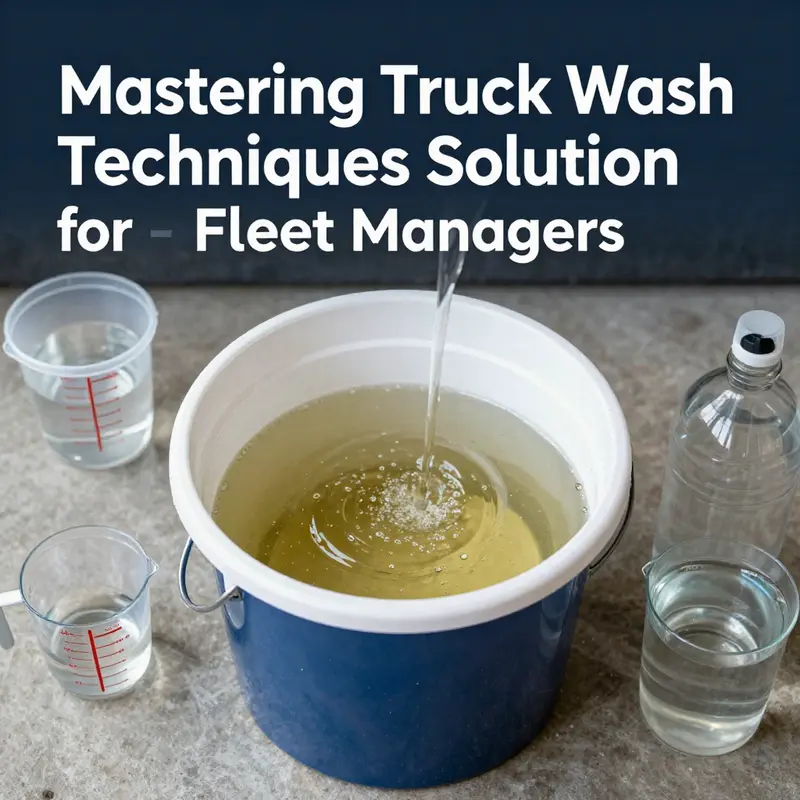
Start by preparing the cleaning solution. Measure carefully to avoid wasting product or over-concentrating the mix. Use a clean bucket and fresh water. A light, measured dilution yields a soapy solution that clings without leaving residue. For most liquid cleaners, a small capful per several liters of water is enough; the goal is active cleaning power, not sudsy excess. Mix until uniform, then apply to one section at a time. Working in sections keeps the solution active where you need it and prevents premature drying on hot panels.
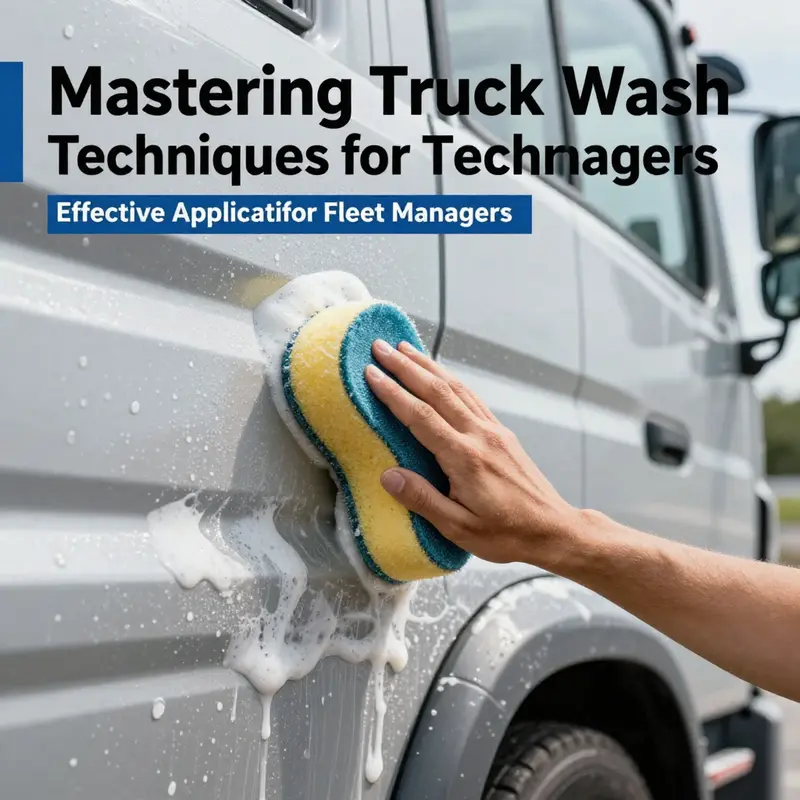
Application technique matters more than raw strength. Use a soft sponge, mitt, or low-abrasion brush for painted surfaces. Apply the solution gently and let it work. Allow a short dwell time; this softens ingrained grime and lifts contaminants. Five minutes is often enough. Longer dwell times can help with stubborn deposits, but avoid letting chemicals dry on the surface. Rinse and reapply if extra action is needed rather than increasing concentration.
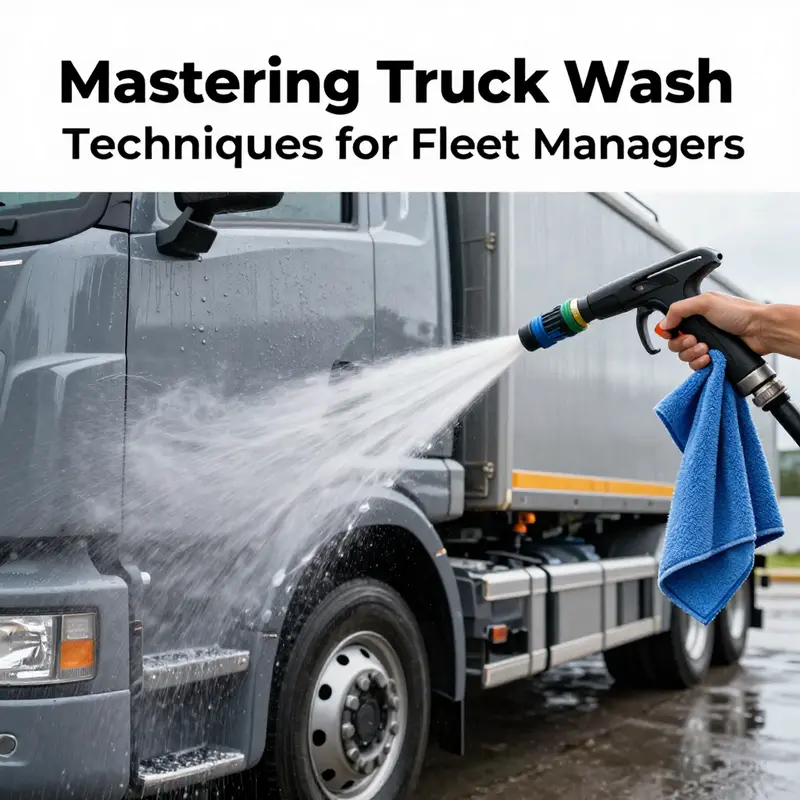
Rinse thoroughly using clean water. Pressure washers are powerful aids, but they require care to avoid damage. Set pressure between safe limits for heavy vehicles and test on a discreet area first. Use a fan nozzle to spread force evenly. Keep the lance moving and maintain a safe distance from painted surfaces, decals, sensors, and seals. Rinse from top to bottom to flush suds and loosened dirt away. Inspect wheel wells, undercarriage, and chassis as you rinse. These zones trap moisture and debris and often need targeted attention to prevent corrosion.
Drying completes the process and preserves the finish. Use a clean microfiber towel or a chamois to blot and drag water away. Avoid circular buffing that can leave swirl marks. Dry door jambs, mirrors, and seams thoroughly to prevent water accumulation. For rapid fleet turnaround, air blowers are effective at removing water from crevices and electrical connectors before hand drying.
When to choose mobile service, full-service, or self-wash depends on time, access, and the vehicle’s role. Mobile services bring high-pressure washing, skilled technicians, and convenience to your yard. They are ideal for owner-operators and busy fleets that cannot spare travel time. Mobile teams assess the vehicle, use pressure jets to dislodge tough debris, and finish with chemical application and a rinse. They can reach hard-to-access fleets and reduce downtime.
Full-service wash facilities offer controlled environments and specialized equipment. Pre-rinsing is standard practice there to remove loose soil. Many facilities use foam-delivery systems to lay thick cleaner on surfaces. Foam clings longer, increases dwell time, and aids cleaning without aggressive scrubbing. After the foam works, technicians focus on crevices and high-traffic areas like bumpers and steps. Thorough rinsing follows to eliminate any residue. Full-service sites often include undercarriage wash stations and hot water options that lift grease more effectively.
Commercial self-serve systems also have strengths. If you operate a pressure washer, set it to appropriate levels, usually within a range that balances effectiveness and safety. Use lower pressure on painted surfaces and higher pressure for wheel wells or rigid undercarriage grime. Always fit a fan tip nozzle to reduce concentrated force. When using commercial detergents, select biodegradable options to reduce environmental impact. Many systems include water reclamation features; choose them to lower water use and comply with regulations.
Pay special attention to hard-to-reach areas. Wheel wells, frame rails, and underbody components trap salt and moisture and accelerate corrosion. Use a targeted spray pattern, longer dwell time with appropriate cleaners, and repeat rinses until water runs clear. For grease and tar, combine mechanical action with solvent-based removers designed for heavy hydrocarbons. Apply solvent carefully, rinse thoroughly, and follow with a mild detergent to remove residual film.
Water tank vehicles and food-grade tankers require additional safeguards. Cleaners must be non-corrosive and food-grade approved when tanks carry potable liquids. Avoid any chemical that could leave residues or react with tank materials. Inside-tank cleaning often needs specialized procedures and certified cleaning agents, plus documented records of processes used. For external cleaning of water tank trucks, choose gentle detergents and rinse until the surface is chemically neutral to the touch. If the tank connects to a fluid distribution system, isolate and protect outlets during washing to prevent contamination.
Environmental and regulatory considerations should guide product selection and wash location. Use biodegradable detergents where possible. Capture and dispose of runoff according to local guidelines. Many operations install water recycling systems to reuse rinse water; these systems reduce water consumption and lower disposal costs. When working near sensitive areas, choose containment mats or employ wash bays with drains tied to licensed treatment facilities.
Consistency extends vehicle life. Create a washing schedule based on operating conditions rather than arbitrary intervals. Vehicles exposed to salt, mud, or corrosive materials need more frequent attention. Light-use vehicles can follow a less aggressive timetable. Keep records of wash dates and notable observations. This data guides preventive maintenance and helps spot early corrosion or wear patterns before they escalate.
Training your staff is essential. A well-trained crew recognizes sensitive components, understands safe pressure ranges, and follows correct dilution protocols. Simple mistakes like using too much pressure or the wrong nozzle can damage paint, sensors, and seals. Regular briefings on product instructions and machinery maintenance improve outcomes and reduce repair costs. Invest in training that covers both surface cleaning and the specialty needs of tank vehicles.
Choose tools and consumables that match the task. Microfiber towels, soft brushes, and dedicated wheel brushes reduce cross-contamination between greasy and clean surfaces. Replace worn brushes and launder towels separately from greasy rags. Keep spare nozzles and a pressure gauge on hand. Small investments in quality tools prevent downtime and protect vehicle finishes.
When handling heavy soils or industrial contaminants, consider pre-treatments. Apply degreasers to engine bays, wheel hubs, and areas with road film. Let the chemical penetrate, then agitate lightly before rinsing. For dried mud and caked debris, a soak and a second rinse are often more effective than excessive pressure. Mechanical scraping risks scratching paint and should be a last resort.
For fleets, consider standardized wash protocols. Standardization simplifies training and ensures each vehicle receives appropriate care. A written checklist that covers dilution rates, pressure settings, dwell times, and inspection points helps maintain uniform quality. Checklists also support compliance when cleaning food-grade or regulated vehicles.
Recordkeeping and audits complete an effective program. Note chemicals used, concentrations, wash durations, and any damage or recurring problem areas. Periodic audits of wash practices reveal opportunities to reduce water, chemical use, and labor. They also demonstrate due diligence when regulators or customers ask about cleaning practices for safety and hygiene.
Simple habits preserve a clean finish longer. Park out of direct sunlight when possible to avoid rapid drying and water spotting. Wax or apply protective sealants after washing for extended protection. Keep hinges, locks, and electrical connectors dry and treated with corrosion inhibitors when appropriate.
Finally, choose the right partner when outsourcing. A mobile or full-service provider should match your operational needs, respect regulatory requirements, and communicate clearly about chemicals and procedures used. Seek providers who offer flexible scheduling, documented processes, and experience with heavy vehicles and tankers.
For more detailed guidance on mobile truck wash operations, best practices, and equipment use, consult this industry resource: https://www.movingforward.com.au/blog/mobile-truck-wash-services
For operations requiring food-grade cleaning practices, consult the best practices for cleaning food-grade tankers for technical guidance and compliance steps: best practices for cleaning food grade tankers.
Rinse with Purpose, Dry with Care: Mastering the Core Steps of Truck Washing for Longevity and Safety
Washing a truck is more than a cosmetic touch-up; it is a maintenance act that protects metal, seals, and components from the harsh realities of the road. In many parts of the world winter brings road salt, mud, and road grime that cling to every crease and undercarriage nook. Left unchecked, these elements can etch into finishes, accelerate rust, and create invisible wear that adds up over thousands of miles. The two often overlooked, yet essential, disciplines in every effective wash are rinsing and drying. When done with intention, rinsing loosens and lifts the stubborn contaminants that a mere soaping cannot dislodge, while drying seals the surface from water spots and moisture that can seep into seals and crevices. Together, they form a disciplined rhythm that preserves the truck’s appearance and, more importantly, its structural integrity and safety on the road.
The preparation phase is quiet but vital. Before the first drop of soap touches the surface, gather your tools and lay out a plan that respects the truck’s contours. Select a suitable truck wash solution that is designed for vehicle finishes and metal protection. A clean bucket, a soft sponge or brush, and a hose or pressure washer for rinsing complete the toolkit. Do not overcomplicate the mix; a measured dilution is all you need to strike a balance between cleaning power and paint safety. In practical terms, you’ll typically mix about 20–30 milliliters of cleaner into a bucket containing roughly 9–10 liters of clean water. This ratio creates a concentrated yet safe solution that can cut through grease, salt residue, and road film without aggressively attacking the paint.
As you begin the wash, you will notice how the process becomes a dialogue with the truck’s surface. Start by applying the solution with a sponge or soft cloth, working in sections that follow the vehicle’s lines. The goal is even coverage rather than hurried scrubbing. Keep the sponge damp enough to lift dirt but not so saturated that it drips excessively into crevices. You may find it helpful to pre-wet the most dirt-laden areas—mud splashes along the doors, salt crust near the lower panels, and exhaust-scented zones around the tail—so the cleaning solution can do its job without friction that risks abrading the finish. As you work, you’ll notice the grime softening and separating from the paint. Allowing the solution to dwell for a few minutes—long enough for the salts and grime to loosen—reduces the need for aggressive scrubbing and minimizes the chance of scratching the surface.
Letting the solution sit is more than a timer; it is a deliberate pause that lets chemistry break the bonds between contaminants and metal. This dwell time, typically a few minutes, is when the cleaners do the heavy lifting. It is not a license to walk away; instead, use the time to rinse and organize your next pass. During this brief wait, you can inspect edges, wheel wells, and the undercarriage for pockets of stubborn gunk, which will guide your rinse strategy later on. If stubborn patches remain, a second light application can help without increasing the risk of soap residue drying on the surface.
Rinsing is the critical phase that follows the dwell period. Proper rinsing removes not only the suds but also the loosened salts, road films, and decayed residues that can attract more dirt if left behind. A thorough rinse begins at the top of the vehicle and follows a clean-downward path, ensuring gravity assists the removal of suds and debris. Use a steady stream of clean water and a pressure setting appropriate for vehicle finishes. The aim is to eliminate residue entirely so that the next phase, drying, proceeds without the risk of water spots or mineral deposits.
Residue left on the surface is more than an aesthetic issue. Soap and mineral traces can trap moisture and leave faint streaks that mar reflective finishes. In addition, residual salt that remains after washing can continue to corrode metal surfaces and seals, especially in joints and around exposed fasteners. A comprehensive rinse also helps to wash away brake dust and other particulates that settled during the drive. The undercarriage, wheel arches, and running boards deserve particular attention. These areas often accumulate salt and moisture after a winter drive, and they are exactly where corrosion begins if left damp. If you have the option, a separate rinse for the undercarriage is highly beneficial, with careful attention to the frame rails and suspension points. In the absence of a dedicated rinse, a longer, more deliberate pass over the lower panels with the spray at a gentle level can still yield meaningful protection.
Drying the surface follows rinsing and is just as important for long-term protection. A microfiber towel or a chamois is ideal for removing the remaining moisture without scratching. The goal is to lift water from the surface in a controlled, even manner, drying along the grain of the paint and avoiding circular motions that can generate micro-scratches. As you dry, pay attention to crevices near door handles, around mirrors, and along the seams in the cab and sleeper. Water trapped in these crevices can slowly seep into seals, causing corrosion or seal degradation over time. A thorough dry also helps you spot remaining spots that may require a quick wipe, ensuring that no moisture is left to evaporate and leave marks.
Drying is not simply about a glossy look; it is a protective practice. When the surface is completely dry, the finish remains uniform, and protective coatings—whether applied by you or installed by the manufacturer—are more effectively maintained. This is particularly important on metal surfaces and around areas prone to salt exposure. The absence of water droplets also reduces the risk of mineral deposits forming, which can be stubborn to remove in future washes and can dull the vehicle’s sheen. The end result is a truck that not only shines but also wears its protective barrier more evenly, helping to extend the life of paints, coatings, and frame components.
Beyond the basic wash, fleets and operators often consider the convenience and reliability of mobile wash services. For owner-operators, rental fleets, and busy businesses that operate daily routes, scheduling a professional detailing and wash can offer consistent results and reduce downtime. A mobile service can bring the right mix of cleaners, water access, and expertise to your location, ensuring a thorough rinse and meticulous dry each time. The decision to use a mobile service should balance cost, fleet size, and scheduling needs, but the value of professional-grade results and the time savings can be substantial for fleets that rely on clean, reliable equipment.
As you tackle stubborn residues like grease and tar that can accumulate in hubs, around running boards, and along the chassis, you may seek targeted strategies that go beyond a standard wash. For those moments, you can explore proven strategies for cleaning grease and tar off trucks fast, which offer practical approaches to break down more tenacious grime without compromising the finish. This kind of guidance emphasizes technique, dwell times, and the use of compatible cleaners that lift tough deposits while preserving metal and coatings. It is a reminder that the wash routine is not a one-size-fits-all ritual; it adapts to conditions, grime load, and the truck’s metalwork.
In the broader landscape of truck maintenance, rinse and dry are anchors in a sequence that includes pre- and post-wash checks, periodic undercarriage inspections, and the integration of wash routines into a fleet’s preventive maintenance calendar. By treating rinsing and drying as non-negotiables—part of a larger repertoire of care you apply after every trip—you create a habit that yields tangible benefits: slower corrosion, a truer paint finish, and less time spent addressing rust repairs or stubborn deposits later. You also cultivate a level of pride in the vehicle and a sense of readiness for the road that goes beyond cosmetics.
The practical rhythm of a wash, then, can be described as a disciplined conversation with the truck’s body. Start with thoughtful preparation and a careful dilution, move through methodical application, respect the dwell time that lets chemistry do the heavy lifting, commit to a thorough rinse that clears every residue, and finish with a deliberate, complete drying. The undercarriage and hard-to-reach zones deserve particular care, because neglect here compounds risk in ways that are not visible on the surface. A well-executed rinse and dry are not just about staying clean; they are about protecting value, preserving performance, and ensuring safety on each mile of the journey.
To connect these ideas with practical know-how, consider the broader context of maintenance within the trucking ecosystem. The ability to perform an effective wash in-house can be complemented by professional services when time is tight or when fleets require consistent, high-standard cleaning across multiple units. The decision to incorporate mobile wash services can be a strategic choice that aligns with fleet utilization, scheduling, and the demand for reliability on every route. This approach acknowledges that a clean truck is not an isolated aesthetic achievement but a component of a well-run operation that supports safety, efficiency, and longevity.
For those who want additional depth on handling specific grime challenges, the literature and expert guidance available online offer targeted tips and tested approaches. In particular, you can explore practical strategies for dealing with tougher residues while maintaining the integrity of protective coatings and finishes. Such knowledge reinforces the idea that washing is both science and craft, requiring a balanced approach to chemical use, dwell times, mechanical action, and drying technique. It is a reminder that daily maintenance, done correctly, compounds into meaningful gains over time, especially for vehicles that operate in harsh climates or demanding work cycles.
As you reflect on your routine, you may also consider how rinsing and drying fit into a broader, fleet-wide maintenance culture. Regular washing intervals, aligned with seasonal demands and route exposure, become not just a housekeeping habit but a strategic practice. A fleet that washes consistently reduces the cumulative burden of corrosion, keeps critical components accessible for inspection, and preserves resale value over the vehicle’s life. When you combine a disciplined rinse with a thorough dry, you are not simply removing dirt; you are engineering a sustainable practice that respects the vehicle’s engineering and the operator’s bottom line.
For readers seeking further guidance, a practical next step is to examine the latest, field-tested practices from experienced truck-wash professionals and industry suppliers. The sources emphasize the same core principles: rinsing away contaminants completely to protect finish and metal, and drying to prevent mineral deposits and moisture entrapment. These principles translate across truck sizes and configurations—from long-haul rigs to city delivery trucks—because they address the universal realities of dirt, salt, and exposure. The aim is to equip readers with a mindset: wash deliberately, rinse thoroughly, and dry completely, every time. And if conditions call for it, don’t hesitate to bring in mobile services or targeted technical guidance that helps maintain your fleet’s readiness consistent with your operating rhythms.
For readers who want a concise, actionable reference while on the job, keep the core steps in mind: mix a reliable cleaner with water at a safe ratio, apply evenly and allow a brief dwell to loosen grime, rinse thoroughly from top to bottom to remove all residues, and finish by drying completely with a microfiber cloth or chamois. This sequence is simple yet powerful, and it can be adapted to different weather, terrain, and grime loads. It is also scalable, whether you wash a single truck in a driveway, manage a small fleet, or choreograph a large-scale wash schedule for a dozen units on a weekend.
In closing, rinsing and drying are the quiet champions of truck maintenance. They are the steps that prevent damage rather than fix it after the fact. They preserve the truck’s appearance, protect its metalwork and seals, and support safer operation by reducing the risk of compromised visibility due to smeared glass or dirt-laden lights. When performed with care, these steps turn a routine wash into a protective ritual that sustains a vehicle’s performance across miles and seasons. And when combined with thoughtful deployment of professional services as needed, they form a practical, repeatable system that any operator—whether a sole owner-operator or a fleet manager—can implement with confidence.
For readers seeking additional context and practical references, see the broader guidelines and official product instructions from trusted suppliers, which provide tested recommendations based on real-world testing and industry standards: https://www.constructionsupplyspecialists.com.au/truck-wash. And for further reading on tackling stubborn residue with proven techniques, you can explore the discussed approach to cleaning grease and tar off trucks fast via a detailed online resource: Proven strategies for cleaning grease and tar off trucks fast. These resources complement the core message of rinsing and drying as the essential, repeatable steps that sustain a truck’s life, performance, and value on the road.
Clean on the Move: Unlocking Fleet Efficiency with Professional Mobile Truck Washes
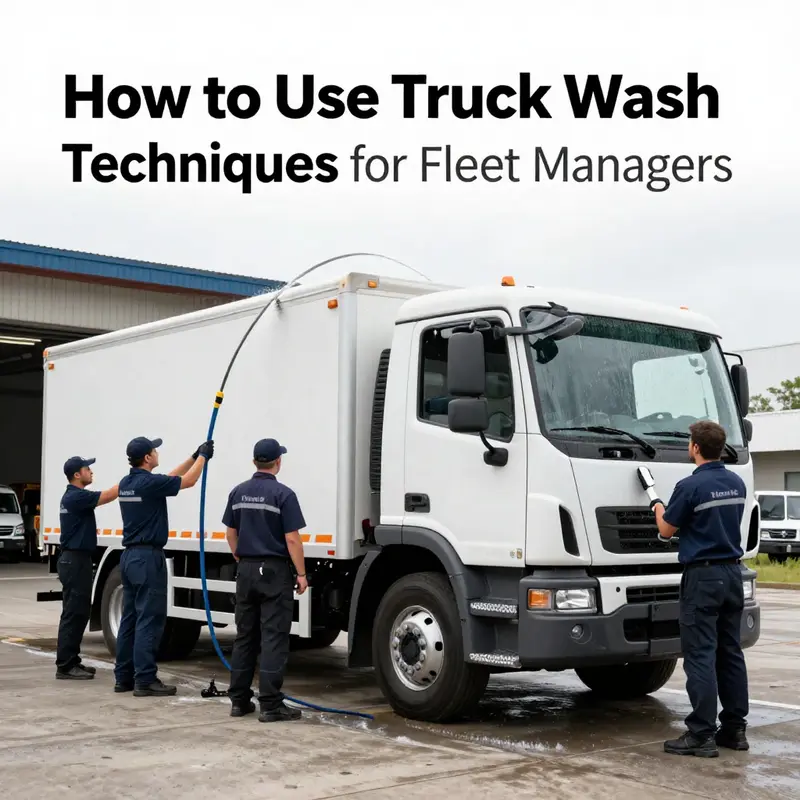
When a fleet operates on tight timelines and in diverse environments, cleanliness becomes less a cosmetic preference and more a strategic uptime decision. The question shifts from where to wash a truck to how to wash it with minimal disruption and maximal consistency. Professional mobile truck wash services—those that come to the vehicle’s location—offer a practical answer. They turn the question of cleanliness into a performance advantage by combining on-site access, specialized cleaning techniques, and a digital backbone that ties fleet hygiene directly to the broader rhythm of daily operations. In this approach, washing is not a one-off task but a scheduled, integrated part of fleet maintenance, aligned with routes, loading windows, and downtime minutes that would otherwise be lost to off-site visits and vehicle idling. The result is a cleaner vehicle, a more efficient operation, and a route to regulatory compliance that does not require large-scale logistical rearrangements.
The core appeal of mobile washing lies in its proximity and flexibility. Instead of pulling a truck off a route to drive to a fixed facility, the wash arrives where the vehicle is parked—whether that is in a warehouse yard, a distribution center, a roadside stop, or a maintenance depot. The service team brings with them not just soap and water, but a carefully engineered workflow designed to minimize wait time and maximize cleaning effectiveness. This is especially valuable for owner-operators and fleets that run on tight cycles, where even small delays can cascade into missed deliveries or late loading. The on-site model complements the realities of modern freight operations, where space is precious, schedules are strict, and every minute saved translates into more productive miles on the road.
Beyond the sheer convenience, mobile washes exist at the intersection of performance, stewardship, and scalability. The most forward-thinking mobile units deploy water-saving technology and biodegradable, non-toxic cleaners. They are built to minimize water use, often achieving substantial reductions compared with traditional fixed-site washing methods. Many programs emphasize waterless or low-water processes, which reduce runoff and environmental impact while still delivering a thorough clean. For fleets that must balance compliance with environmental goals, this is a meaningful advantage. The transparency of the process matters as well: the ability to document what was cleaned, when, and how, helps fleets meet internal standards and external regulations. In this model, hygiene ceases to be a vague expectation and becomes a trackable metric visible to managers and drivers alike.
The operational benefits extend far beyond environmental metrics. A mobile wash can be scheduled as part of a fleet’s routine maintenance, leading to reduced downtime. Rather than removing vehicles from service for a long period, wash crews synchronize with the daily workflow, performing cleaning tasks during natural lulls or between legs of a route. This synchronization is particularly valuable for fleets that operate in urban environments where access to fixed facilities is limited or where space at a loading dock is at a premium. The impact is a tangible increase in fleet availability. Vehicles spend less time waiting in line at fixed facilities, and dispatchers gain predictability because cleaning events no longer depend on a facility’s operating hours. For operations teams, this translates into more predictable turnaround times and tighter adherence to delivery windows.
A critical, often overlooked, dimension of mobile washing is how it integrates with digital workflows that fleets already use. The modern mobile wash model is not just about soap and squeegees; it is about data, scheduling, and accountability. Subscriptions and on-demand options allow fleets to tailor wash frequency to vehicle utilization, seasonality, and regulatory demands. The best programs hook into digital platforms that track service orders in real time, capture photos of the cleaned surfaces, provide time stamps for each step, and store digital signatures once a job is completed. This eliminates foggy recollections of what happened where and when. It creates a verifiable service history that can be referenced during audits or shared with maintenance teams. The digital thread also supports cost control. Managers can monitor cleaning spend against vehicle utilization, adjust subscription levels as workloads shift, and forecast future needs with a level of precision that was once difficult to achieve.
Another layer of value emerges when mobile washing is viewed through the lens of fleet standardization and emergency readiness. For large fleets, standardization means consistent cleaning protocols across all vehicles, regardless of location. It reduces variability, helping ensure that every tractor, trailer, or van leaves with a uniform appearance and a predictable level of maintenance. In an emergency response scenario—such as a sudden demand spike or a rapid redeployment of a regional fleet—the ability to deploy on-site washing quickly becomes a strategic advantage. A mobile service network can scale with demand, providing additional crews or routes as needed without the capital expense of building new washing bays or expanding a fixed facility.
Of course, no solution is perfect for every operation. Heavily soiled equipment or extreme grime may require longer cleaning times or additional treatment steps. In a mobile setup, factors such as weather, site access, and power supply can influence the duration of a wash. There is also a cost equation to consider. While water use and on-site labor contribute to savings over time, the per-vehicle price of mobile washing can be higher than occasional visits to fixed facilities, particularly when cleaning is intense. Yet for fleets that prize uptime, compliance, and predictable scheduling, the relative cost is often offset by gains in productivity and reduced downtime. The broader return on investment reveals itself not only in dollars saved, but in reputational benefits—customers see clean, well-kept equipment, and drivers experience smoother, less interrupted days.
To make a mobile washing program truly work, coordination with maintenance planning is essential. It helps to view the wash as part of a holistic vehicle care cycle, rather than a standalone event. For example, align wash windows with routine inspections or pre-trip checks so that cleaning becomes the first step in the maintenance sequence. This approach allows technicians to identify issues—such as micro-p scratches, stubborn road film, or mud from routes with heavy debris—while the vehicle is already in a service context. When a cleaning crew documents what they observed, it becomes a data point for the maintenance team and for the fleet manager. The cleanliness of the undercarriage, wheels, and other high-dirt areas often reflects road exposure and seasonal conditions; capturing these details in the service record can guide future care and material usage.
From a practical standpoint, a fleet considering mobile washing should evaluate several operational questions. How will the service integrate with existing scheduling systems? Is there a standardized checklist that ensures consistent outcomes across all vehicles? What are the cues that trigger a wash: mileage thresholds, time intervals, or visual cleanliness indicators? How will the fleet verify the work completed—photos, notes, or a digital signature—so that there is traceability for both drivers and the back office? The answers to these questions reveal a core truth: mobile washing is not a luxury but a scalable, accountable component of modern fleet hygiene that, when designed well, aligns with a company’s broader performance goals.
Another practical dimension concerns the broader ecosystem in which mobile wash providers operate. A robust program often includes access to ancillary services such as degreasing, wheel and undercarriage cleaning, or specialty treatments for trailers that carry sensitive cargo or operate in challenging environments. These capabilities, when offered on demand and at scale, enable fleets to respond quickly to changing conditions—seasonal dust in desert routes, brine exposure in winter corridors, or grease and tar buildup on heavy-haul equipment. The value here is the ability to adapt the wash service to the terrain and duty cycle of each vehicle, rather than forcing every truck into a one-size-fits-all solution. In practice, this means that a fleet can maintain a consistent standard of cleanliness while addressing the unique dirt profiles that different routes produce.
The design of a mobile wash program often emphasizes sustainability as a core pillar. Water-conserving technology, biodegradable detergents, and options for waterless operations are not mere marketing promises; they translate into measurable impacts. For urban fleets especially, reducing water use and controlling runoff helps satisfy municipal environmental requirements and aligns with corporate sustainability commitments. When a fleet can claim that its cleaning operations use 80 percent less water than conventional methods, that statistic becomes a persuasive component of supplier negotiations, community relations, and regulatory reporting. In practice, these environmental advantages also translate into practical benefits: lower water bills at the depot, fewer complaints about runoff around loading bays, and a cleaner corporate image that resonates with customers who value responsible stewardship.
Choosing the right mobile washing partner requires a balance between capability, reliability, and cost efficiency. Fleets should look for providers that can demonstrate consistent coverage across regions, predictable scheduling, and transparent processes for service tracking. A strong partner will offer clear service level agreements, routine reporting, and the ability to scale with demand. They should also be able to integrate with existing maintenance ecosystems so that wash activity becomes an automatic input into the vehicle’s care history rather than an isolated event. As with any outsourced function, the real test is not the appearance of a clean truck at a single moment in time, but the durability of that cleanliness across multiple routes, weather conditions, and load types.
For fleets intent on weaving mobile washing into their operational fabric, there is an opportunity to leverage knowledge about the broader ecosystem of truck wash services. This includes facility management considerations, fleet standardization, and emergency responsiveness—topics that many operator networks are actively refining through shared best practices. Facility management for truck wash businesses can be a helpful touchpoint for teams seeking to understand how wash as a service fits into a larger maintenance and logistics strategy. The idea is to view cleanliness as an operating discipline rather than a one-off routine, ensuring that every vehicle enters service with the same confidence in its appearance and function.
Ultimately, the choice to adopt a mobile washing model is a decision about how a fleet allocates its most precious resource: time. The ability to bring cleaning to the vehicle, to document results in real time, and to scale the service with digital workflows makes mobile washing more than a convenience. It becomes a strategic channel for sustaining uptime, ensuring regulatory compliance, and maintaining a professional image across a fleet that often travels through crowded urban corridors and remote corridors alike. The best programs blend efficient, evidence-driven cleaning with flexible scheduling, environmental responsibility, and seamlessly integrated data streams that keep the operation moving forward rather than slowing it down. When these elements align, a mobile wash doesn’t just make a truck look better; it preserves the integrity of the entire operation, from the dock to the delivery, and back again into the maintenance ledger that informs decision-making across the fleet.
External resources on the role of mobile service platforms in fleet operations can provide a practical lens on how digital tools support these workflows. For more on how digital service platforms help manage cleanliness, order tracking, and documentation in real time, see the external resources on mobile service platforms.
Final thoughts
In conclusion, implementing effective truck wash techniques is essential for any logistics or construction fleet manager. From preparing the right cleaning solution to ensuring a thorough rinse and dry, each step is vital in maintaining the fleet’s aesthetic and operational longevity. Additionally, considering professional mobile truck wash services can significantly enhance your cleaning process, allowing your team to focus on core activities. Investing in these best practices not only prolongs vehicle life but also upholds your company’s image.