
Maintaining the cleanliness of your trucks is not just about aesthetics; it is vital for preserving your vehicles’ longevity and ensuring optimal performance. Regular pressure washing is an effective method for removing dirt, grime, mud, and road salt buildup that can occur, particularly after challenging hauls or in harsh environments. The following guide presents a detailed, step-by-step approach tailored specifically for fleet managers, trucking company owners, and construction supervisors. These chapters will cover the preparation steps, equipment selection, effective pre-rinsing techniques, the proper application of cleaning solutions, and the necessary post-wash drying and finishing techniques, ensuring your trucks are both clean and well-maintained.
Laying the Groundwork: Thorough Preparation Before You Pressure Wash Your Truck
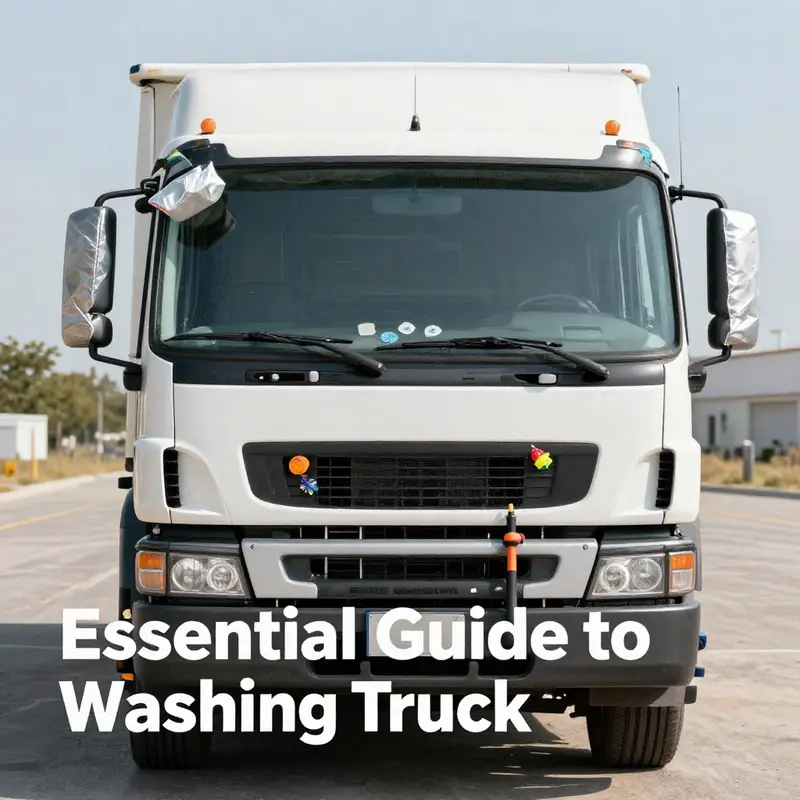
Every clean truck starts with solid preparation. Pressure washing is not only about blasting away dirt; it is about creating a safe, controlled environment where grime loosens without marring paint, seals, or fragile components. The preparation phase lays the groundwork for a successful, damage-free clean and makes the actual washing more efficient. When you invest time here, you reduce the risk of water intrusion into vents, electrical connections, and undercarriage openings. You also set a process that protects your investment and supports a consistently professional finish, whether you’re detailing a personal work truck or managing a fleet.
Begin with the site. A flat, level, well-ventilated area with good drainage is essential. A driveway or designated wash bay that directs water away from lawns, foundations, and vulnerable surfaces works best. The goal is to prevent water pooling under the tires or near the engine bay, which can amplify the wear on seals or cause slippery footing for anyone nearby. Once you pick the space, take a moment to consider the weather and the lighting. Bright daylight helps you see hidden grime and wax buildup, while shaded, overcast conditions can mask streaks that later become obvious after drying. If you are working near a public area or a shared drive, ensure you have permission to use high-pressure equipment and that drainage complies with local rules. The engine should be off and cool before you begin any work around the engine bay or exhaust components. A hot engine can blow steam and cause you to misjudge distances, increasing the risk of damage to fragile parts.
Next come the tools and materials. Gather a high-pressure washer with adjustable nozzles, a truck-specific cleaning solution, soft brushes or sponges, drying towels, and protective gear such as goggles and gloves. The goal is to use equipment that allows you to modulate pressure and spray angle. A variable nozzle system gives you the flexibility to switch from a broad, gentle rinse to a targeted sweep for stubborn grime without attacking delicate surfaces. Water volume matters as much as pressure; enough flow helps keep soap and grime moving away from the surface rather than forcing it into crevices where it can set in. Avoid household detergents. They often strip wax, dull paint, or degrade rubber seals. A pH-neutral, truck-safe car wash soap is designed to lift dirt without breaking protective coatings, so your finish remains glossy and protected after the wash.
Protecting sensitive areas is a step many skip, but it pays off in the long run. Electrical connections, fuses, sensors, antennas, and exposed wiring should be shielded with plastic bags or painter’s tape. The goal is simple: stop moisture from seeping into places it doesn’t belong. While covering these components, be mindful of vent intakes and grilles. If you must spray near a vent or intake for a stubborn spot, do so from a slight angle and with low pressure, then promptly dry the area after rinsing. This approach reduces the chance of moisture wicking into the cabin or intake plenums. It also minimizes the risk of shifting debris that can damage sensitive components when the vehicle is moved later.
Inspection follows protection. Take a careful walk around the truck to check for loose parts, damaged trim, or cracked seals. A high-pressure wash can aggravate minor faults, especially around the undercarriage, wheel wells, and doors. If you notice anything loose, loose trim, or cracked seals, address it before you apply any significant cleaning. While this is a preparation stage, acknowledging these issues early saves you from rework later, especially if you discover a problem when cleaning wheels or the underbody. Detachable items, such as floor mats or wheel covers, should be removed and cleaned separately or replaced after the wash. This not only makes the main wash more thorough but also prevents dirt from being ground into fabric or rubber during the wash cycle.
The washing technique bubble comes into your preparation with intent. Start by outlining the sequence you will follow in your head: top to bottom, front to back, and from the outside edges toward the center. This plan reduces the likelihood of running water or suds across already cleaned areas, which can cause streaks or re-deposit grime. When you line up your approach, consider the distance and nozzle selection. Maintain a safe distance—typically 12 to 18 inches—from painted surfaces to avoid chipping or forcing water into seams. A 60-degree wide-angle tip is ideal for general cleaning because it spreads water over a broad area at lower pressure, which is gentler on the finish. For stubborn spots such as wheels, brake dust, or heavy grime on the chassis, switch to a narrower 25 or 40-degree tip, but use short, controlled bursts and keep the spray moving to avoid staying in one spot long enough to mar the surface.
If you have multiple trucks or a larger fleet, the preparation phase can still stay efficient. A pro approach recognizes that large-scale washing benefits from a structured workflow and a controlled environment. In fact, many fleet operators lean on channel-type automatic wash systems for large-volume cleaning. These systems offer safe, predictable coverage with rotating nozzles that can reach 90% of a surface area in minutes, reducing operator time while maintaining consistent results. This is not a replacement for hands-on care in all situations, but it’s a compelling option for fleets that demand speed without sacrificing surface integrity. Even if you never adopt one, the underlying principle remains: create a workflow that minimizes risk, preserves protective coatings, and ensures you have a plan for every body panel, wheel, and trim piece.
As you prepare, remember that the environment you create matters. A clean, organized workspace with clearly defined zones for washing, drying, and final inspection reduces slip hazards and protects surfaces. A well-thought-out setup supports the safety of the operator and the durability of the truck. It also translates into a more consistent, professional-quality result. The preparation you invest now will show up as a smoother, faster wash tomorrow, with less need for touch-ups and fewer chances of water creeping into seams or vents.
To connect preparation with broader operations, consider the workspace and workflow details that streamline recurring cleanings. The concept is well-documented in facility management guides for truck wash businesses, which emphasize layout, drainage, and routine maintenance as essential for safe, efficient cleaning operations. Facility Management for Truck Wash Businesses. Keeping a ready-to-go kit and a clearly labeled storage area helps you move through the steps with confidence and reduces the risk of skipping important protective measures when you’re pressed for time.
In short, preparation is more than a checklist. It is a mindset that treats the truck as a clay sculpture rather than a target for an impulsive spray. Every piece of protective gear, every tool, every plan for top-to-bottom washing, and every decision about distance and nozzle angle contributes to a safer, more effective, and more durable cleaning outcome. The result is not merely a dirt-free exterior; it is a finish that remains bright, a chrome that gleams without dulling, and seams that stay sealed against the elements. The effort pays off when you slide into a fresh, confident drive and know the truck is clean without having compromised its long-term integrity. For operators managing multiple vehicles, this approach scales with you, preserving value and minimizing maintenance costs over time.
As you move from preparation to action, keep the broader purpose in view: a clean truck that looks professional and performs reliably in the months ahead. The steps outlined here form a cohesive system, not a series of isolated tasks. By starting with a strong foundation—careful site selection, the right tools, protection of sensitive areas, a thorough inspection, and a disciplined washing plan—you set the stage for a wash that respects the vehicle and your crew alike. This mindset aligns with industry practices that stress safety, efficiency, and surface care, and it paves the way for smoother, more consistent results with every wash.
External resources can further inform your approach. For a broader perspective on professional cleaning guidelines and fleet maintenance, you can explore industry resources such as TruckersReport, which offers expert-backed maintenance guidance and best-practice recommendations. External resource: https://www.truckersreport.com/
Power with Precision: Selecting the Right Equipment for a Safe, Thorough Truck Wash
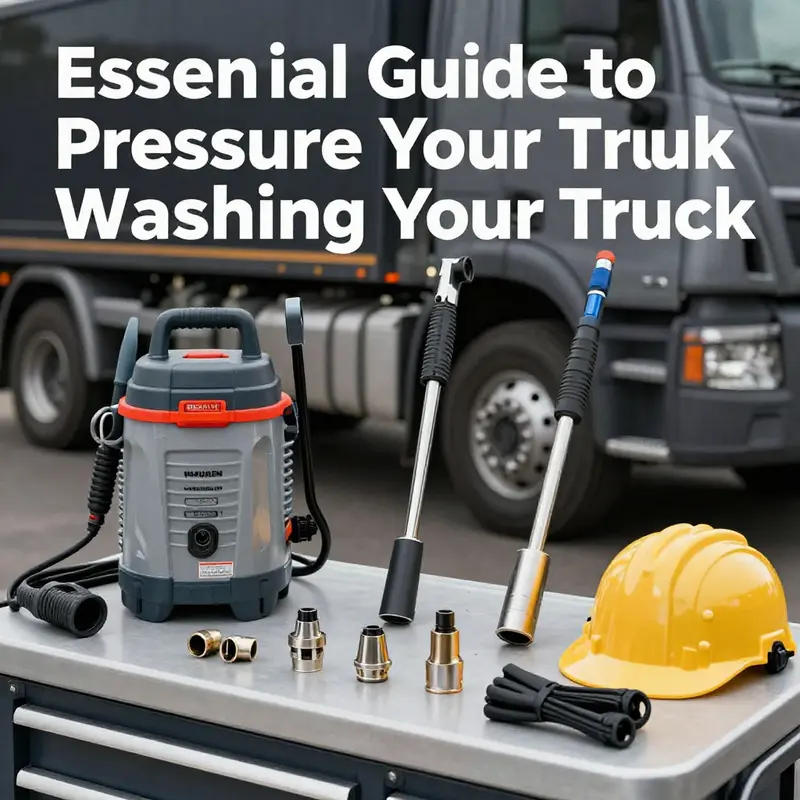
Choosing the right equipment to pressure wash a truck is not just about raw force; it is about balancing power with care to protect paint, seals, and undercarriage while achieving a deep cleanse. The truck you rely on for long hauls, heavy loads, and harsh environments deserves a washing setup that can cut through stubborn grime without leaving micro-scratches, water spots, or moisture where it could do harm. This chapter builds a practical mindset for equipment selection that respects both the science of cleaning and the art of keeping a vehicle’s finish intact. It begins with the core performance metrics—pressure and flow—and then moves through features, setup, and safety, weaving in techniques that deliver consistent results across varying soil conditions and fleet requirements. The goal is a method that feels deliberate, not frantic, so the wash improves appearance and longevity rather than inviting the next round of fixes or touch-ups.
The most fundamental question when sizing a pressure wash setup for a truck is not, in fact, how strong the unit is, but how its strength translates into real-world results without damage. The industry guidance moves from a baseline that many light-duty washers can offer—where people often confuse “more pressure equals more cleaning”—to a more nuanced standard geared toward heavier vehicles and tougher soils. For typical trucks, experts emphasize a minimum threshold that can reliably remove mud, road grime, and brake dust without deleterious effects on paint or rubber seals. A practical rule of thumb is to seek a pressure greater than a couple of thousand pounds per square inch, paired with adequate volume to keep the cleaning action continuous rather than choppy. This means aiming for a pressure range in the several hundred to a few thousand PSI tier, while never sacrificing control or safety. In other words, the best equipment for a truck is not necessarily the strongest unit on the market but the one that delivers the right combination of pressure, flow, and configurability to match the soil profile you encounter on the road.
Flow rate, measured in gallons per minute (GPM), is the other half of the equation. A higher GPM helps move grime off the surface more efficiently and reduces the time the soap and water spend on a given area, which translates to less drag on the finish from extended scrubbing and more uniform cleaning. For most trucks, a baseline of about 1.5 GPM is a practical target for efficiency, while higher-flow units in the 3–4 GPM range are often preferred for heavily soiled fleets or commercial use where time is prime and soils are stubborn. The correct pairing—sufficient PSI to break up crud and enough GPM to rinse it away in a single pass—limits the number of passes needed and reduces the chance of rubbing dirt back into the paint. It also minimizes the risk that excessive pressure will introduce water into seams, gaskets, or sensitive components.
With these metrics in mind, the next crucial question is the choice between electric and gas-powered machines, and how portability influences workflow. A mid-range, electric-powered unit with adjustable spray patterns can be exceptionally suitable for on-site truck washing in a yard or a designated wash bay. The portability helps technicians move the system around a fleet or to different job sites without dragging hoses and fuel tanks along. For larger fleets or construction, mining, or waste-management contexts, a rugged gas-powered system with higher PSI and higher GPM can offer the durability and continuous operation needed in demanding environments. The trade-off, of course, is noise, weight, and fuel considerations, which can matter when working near offices, residential areas, or customer sites with strict environmental controls. The best choice, then, is less about the brand or engine type and more about whether the unit’s specifications match the soil profile, the vehicle size, and the operational tempo of the fleet.
A crucial aspect that often determines satisfaction with a chosen setup is nozzle configuration. Begin with a wide-angle 60-degree tip to minimize surface impact during general cleaning. This lower-pressure option helps break up light grime, dust, and grime along flat panels without aggressively concentrating force on a small area. When you confront stubborn spots, such as caked mud in wheel wells, tar on undercarriage components, or oily residues around brake drums, switch to a more focused 25-degree or 40-degree nozzle. The broader spray is great for the initial pass; the narrower spray is designed for precision. Even when using these tips, the most important habit is to keep the nozzle moving and maintain a safe distance—never pressing a nozzle directly into painted surfaces from close range. A good rule of thumb is to stay at least 12 inches (about 30 cm) away from painted areas and adjust the distance based on the nozzle angle and the soil’s tenacity. These practices preserve the integrity of the finish while ensuring the spray pattern remains effective.
Beyond pressure and nozzle selection, the role of the cleaning solution cannot be overlooked, even though many truck washes rely primarily on water. A pH-neutral, truck-safe car wash soap performs the dual function of aiding grime breakdown while protecting wax coatings and sealants that preserve the finish. Household detergents, dish soaps, and caustic cleaners may strip wax or degrade rubber seals, which can set up problems down the road. When choosing a cleaner, apply it with a soft brush or sponge to the body, wheels, and chrome accents, focusing particularly on areas with brake dust buildup. Allow the cleaner to dwell for a short period—typically two to five minutes—so it has time to emulsify grease, tar, and road grime. This dwell time is a small but critical step; it reduces the need for aggressive scrubbing, which can dull the surface or introduce micro-scratches if the surface has become dry or brittle with heat.
The actual rinsing sequence is where the training of an operator begins to pay off in real-world results. Rinse from top to bottom, using a wide-angle spray to wash away soap and dislodged grime, then re-rinse as needed to ensure that every drop carries away residual residue. A cautious, methodical approach—moving slowly along the roof, down the doors, around fenders, and into wheel wells—helps avoid missed spots that become stubborn later. It also reduces the risk of water pooling in undercarriage seams or behind trim that could trap moisture. An overlooked but essential detail is the undercarriage, where caked road grit can collect and threaten components over time. A deliberate pass under the chassis with a wider spray can remove salt, grime, and debris, provided the nozzle is kept at a proper distance and not aimed directly at seals or gaskets. The best cleans combine the top-to-bottom sequence with an efficient pattern: rinse, apply, dwell, rinse again, and then inspect for any missed areas before moving to drying.
Drying is not merely a cosmetic step but a protective one. Water spots are unsightly and can be stubborn on certain finishes. Immediate drying with a microfiber towel or chamois helps prevent mineral deposits from etching the paint and reduces the risk of water marks on glass and chrome. After drying, optional wax or a ceramic coating can seal the surface, providing a barrier against road salts and grime and extending the time between washes. While no substitute for a good direct rinse, this finish layer contributes to a more uniform appearance and can make future washes faster and more effective by reducing how aggressively soils cling to the surface. The professional mindset here is to view the wash as maintenance rather than a one-off event—an ongoing practice that keeps trucks looking sharp and protecting their resale value.
Safety considerations weave through every choice in equipment, technique, and sequence. Never attempt to pressure wash a hot engine or exhaust system, and always allow a recently used vehicle to cool before washing to avoid steam burns or component damage. Harsh or caustic chemicals should be avoided, since they can degrade paint and rubber seals over time. The indiscriminate use of high-pressure streams near seals, gaskets, door edges, or electrical connections can invite leaks or electrical shorts, even when those areas appear well-sealed. Pre-rinsing is not optional; skipping it invites more aggressive cleaning, which increases the risk of scratching and makes the main wash less predictable. In the context of wheels, rims, and plastic trim, exercise restraint with high-pressure spray, especially when those surfaces are susceptible to cracking or warping. A careful operator understands that power without control is a risk, and that the correct choice of nozzle, distance, and pressure determines whether the wash yields a uniform finish or a series of minor touch-ups later.
For fleets and serious operators, the economics of wash time and throughput matter. A channel-type automatic wash system can deliver efficiency for large trucks by employing rotating nozzles that cover most surfaces quickly—often achieving 90 percent or more of the vehicle’s exterior in a matter of minutes. This approach can reduce labor costs, standardize results across a fleet, and minimize the physical wear on workers who would otherwise perform repetitive scrubbing tasks. Even with automation, the human element remains essential for pre-rinse checks, spot-cleaning stubborn areas, and performing a final inspection. The combination of a reliable machine, the right hand technique, and a disciplined workflow yields consistent results that hold up under the scrutiny of fleet maintenance standards.
In keeping with practical experience, one can explore documented strategies that emphasize targeted techniques for tough soils—grease, tar, and baked-on grime—where the right approach makes all the difference. For hands-on tactics, see the proven strategies for cleaning grease and tar off your trucks fast, which offer specific steps and sequences aligned with truck-specific soil profiles. This resource complements the general guidance here by providing actionable patterns that you can adapt to different work sites and soil conditions.
As you refine your equipment choices, remember that the best solution is not simply the most powerful unit, but the one that integrates clean performance with vehicle safety and fleet efficiency. For those managing large fleets or transitioning to a more formal wash program, the setup’s portability, the predictability of results, and the balance between cleaning power and material preservation become the metrics that determine long-term success. The story of a great truck wash is then less about chasing the strongest spray and more about orchestrating a controlled, repeatable process: the right nozzle at the right distance, the right cleaner with the right dwell time, and a wash that respects the unique finishes of modern trucks. And when the workload grows or the soil evolves, the knowledge to scale—whether through higher-capacity equipment or smarter automation—becomes the difference between a routine cleaning and an efficient, fleet-wide maintenance program.
External resource for further reading: https://www.slickproducts.com/2050-psi-electric-pressure-washer.html
Top-Down Prelude: The Essential Pre-Rinse That Sets Your Truck Cleaning Up for Success
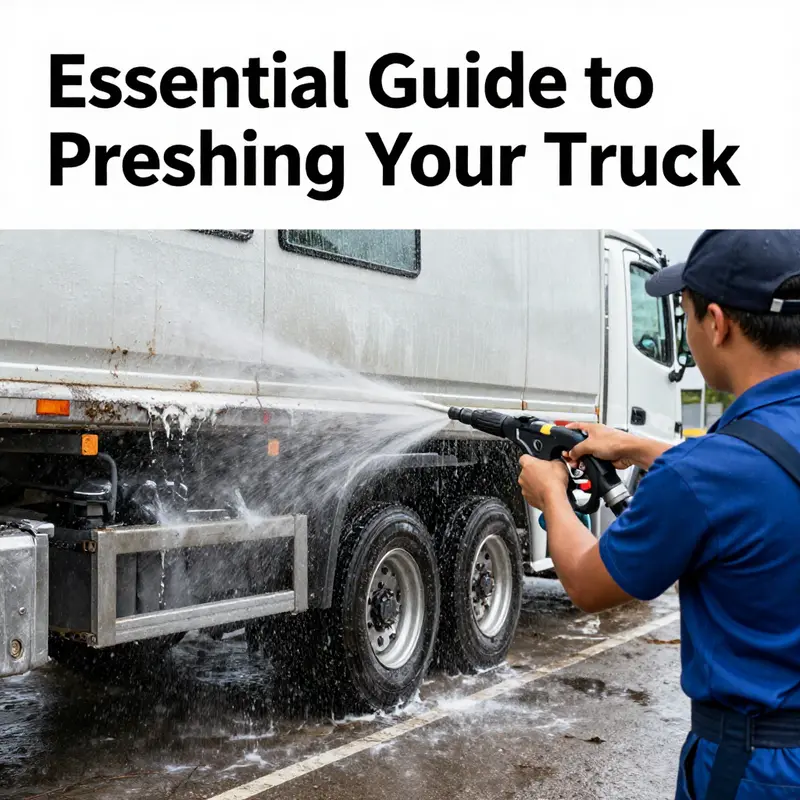
A truck is not just a vehicle; it is a canvas that loves to collect the pinpoints of its journey—mud from rural roads, road salt after winter storms, brake dust in the wheel wells, and the chalky residue that clings to chrome and plastic trim. The pre-rinse, properly executed, acts like a gatekeeper for the rest of the cleaning process. It loosens and washes away the loose debris before you unleash the more powerful cleaning forces, reducing the risk of grinding particles into paint and seals during the main wash. In practice, this is a top-to-bottom, methodical sequence that respects the truck’s geometry and the physics of water flow. Starting at the roof and moving downward, the rinse uses enough pressure to lift grime without forcing it into crevices or against delicate components. When done correctly, the grime becomes a moving target rather than a potential abraser of paint films or rubber seals, and the main wash becomes more efficient, leaving you with a cleaner finish and less risk of swirl marks or water intrusion.
Preparation for this stage remains important, but unlike the more aggressive steps that come later, the pre-rinse relies on gentle, sweeping movement and a controlled touch. Park on a level, well-drained surface, and ensure the engine is cool. Remove loose items that could become projectiles or clog the wash flow. Cover or shield sensitive areas—mirrors, lights, antennas, exposed electrical connections—with plastic or tape, and avoid spraying directly into vents, grills, or undercarriage openings unless you know you must. The goal is to establish a boundary between safety and performance: you want to clean without inviting leaks or damage.
Equipment choice matters, but the philosophy is simple: use a pressure range that is strong enough to lift surface grime yet gentle enough to protect the coating. A commercial-grade pressure washer capable of delivering roughly 290 to 725 psi, paired with a broad spray tip, is ideal for trucks. Begin with a 60-degree wide-angle tip to distribute water over broad surfaces with lower impact. For stubborn spots—particularly wheels, wheel wells, and the chassis—a switch to a 25-degree or 40-degree tip allows you to drive the dirt outward without blasting chrome or rubber seals from their seats. A critical rule that keeps you from causing damage is maintaining a safe distance. Do not point the nozzle directly at painted surfaces from a close range. A distance of about 12 inches (30 cm) provides enough buffer for most surfaces while still delivering cleaning power.
As you initiate the pre-rinse, your aim is not to finish the job but to set the stage. Rinse the entire truck top to bottom, using a moderate flow that dislodges loose mud and dust. The roof is the best starting point because gravity does the rest: water carries grime downward, and any particles dislodged from the top behave predictably as they travel with the slope of the body panels. Think of this phase as a soft grooming—your goal is to remove the loose skins of dirt and reduce the risk of those particles embedding themselves into the finish during the deeper clean. Pay particular attention to the fenders, wheel wells, and undercarriage, where heavy grime tends to accumulate. If you encounter thick clods of mud, allow them to loosen, rather than forcing them away with a harsh stream. In many shops and fleets, the pre-rinse is combined with a light cleaning solution at the wheels and lower panels, where grit is most tenacious. The solution helps swell and soften the deposits, making them easier to rinse away without abrading the surface.
Speaking of cleaners, the second pillar of an effective pre-rinse is the thoughtful use of a truck-safe cleaning solution. Household detergents or dish soaps can strip wax and degrade protective sealants, leaving the surface receptive to staining or premature wear. Instead, opt for a pH-neutral, vehicle-safe detergent designed for truck finishes, rims, and chrome. Apply with a soft brush or sponge, focusing on areas that usually accumulate heavy grime—the wheel arches, the underside of side steps, and the undercarriage where brake dust and road grime accumulate. For heavily soiled wheels, a dedicated wheel cleaner can help break down grease and brake dust more efficiently. Let the cleaner dwell for a couple of minutes to loosen set-in dirt. This dwell time is essential; it gives chemistry time to work and reduces the amount of brute-force scrubbing you later need to apply. In this phase, you are not trying to scrub every speck away; you are enabling the subsequent wash to lift and rinse with less resistance.
There is technical merit to considering heated water during the pre-rinse, especially when tackling oil, grease, and organic residues. Some high-efficiency machines offer heated water or even dual-fuel heating that can raise the water temperature during the rinse. Heated water helps the cleaning solution cut through fats and residues more readily, especially on the chassis and engine bays where oil and road grime accumulate. However, this power must be used judiciously. A heated jet should never be directed at painted surfaces from a short distance or at vulnerable seals, gaskets, or wiring bundles. The heat magnifies the cleaning action, not the risk—it simply requires more operator discipline to keep the spray moving and away from sensitive areas.
After the solution sits and the grime begins to loosen, you move into the rinse portion of the pre-rinse. Reapply the pressure washer using a wide-angle nozzle and rinse from top to bottom. This is not a second pass at the same intensity; it’s a careful, measured flush designed to carry away the detergent and the loosened debris before it has a chance to settle back onto the clean areas. Focus your attention on the hood edges, the space behind bumpers, and the wheels and tires. The undercarriage, particularly, benefits from longer, steady rinsing to ensure that any soap residue or suspended dirt does not cling to metal surfaces. If you notice the water still carrying visible residues, reapply the solution and repeat the dwell-and-rinse cycle in those zones. The aim is a uniform, residue-free surface that will respond better to the main wash and any subsequent waxing or sealing.
A small but significant decision in this stage is how you apply the cleaner to the stubborn zones without inviting water to hide in seams and seals. A soft-bristled brush works well for the wheel wells and the lower panels if you move slowly and keep the bristles damp. The key is to avoid aggressive scrubbing that could leave micro-scratches or push grit into door edges and trim. By using a gentle touch and allowing the detergent to do the heavy lifting, you minimize the chance of introducing fine scratches that are most visible on flat panels or after the coat is dry. The pre-rinse also reduces the likelihood of water being forced into vulnerable gaps, such as around door edges, trim seams, and the base of the windshield where misdirected spray can enter and create issues down the line.
For fleets and larger vehicles, there is a practical extension of this approach. Channel-type automatic wash systems—though not always within reach of every operator—offer a powerful compliment to a careful hand pre-rinse. They provide efficient, safe coverage with rotating nozzles that can reach 90 percent or more of the surface area in a fraction of the time. The important takeaway is not to rely solely on automation but to integrate it with a human-guided pre-rinse that respects the vehicle’s unique contours and the operator’s safety.
To support this approach, the literature emphasizes a consistent, process-driven workflow. It is common to see references underscoring the order of operations—top to bottom, avoid high-pressure spray on painted surfaces from close range, and use a mild cleaner on the wheels and chassis to minimize the need for aggressive scrubbing later. For readers seeking additional perspectives on how to tackle stubborn grime with balanced chemistry, a practical summary can be found in resources that discuss proven strategies for cleaning grease and tar off your trucks fast. Proven strategies for cleaning grease and tar off your trucks fast.
As you approach the end of the pre-rinse, you should observe the truck’s surface with a critical eye. The clean, hydrated look on flat panels signals readiness for the main cleaning phase. You should still see some water beading on non-porous surfaces, which is a good sign that the detergent has done its job and the water is carrying away loosened matter effectively. If you notice heavy residue in wheel wells or underbody areas, consider a targeted pre-rinse pass in those zones before applying the main cleaning solution. A thorough pre-rinse saves time later, reduces the risk of abrasive damage, and helps protect the shine you want to preserve on paint, chrome, and trim.
External reference for broader context on the subject can be found here: https://www.familyhandyman.com/article/how-to-pressure-wash-a-truck/
Chemistry in the Wash Rack: Maximizing Cleaning Solutions for a Safer, Shinier Truck
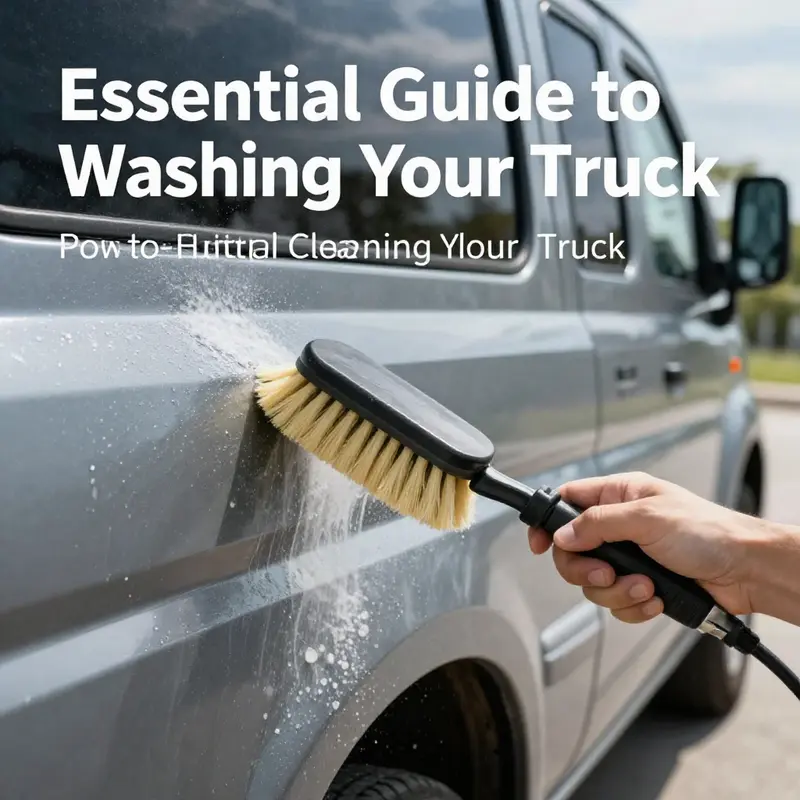
When you lift the hood, you reveal more than an engine. You expose a complex perimeter where grime, road grime, oil, and industrial residues cling to paint, rubbers, and seals. The simple act of blasting with high pressure water can remove loose dirt, but the real transformation comes from the cleaning solutions you apply and how you use them. The right detergent, chosen for the job and applied with the right technique, acts as a force multiplier. It loosens, emulsifies, and lifts stubborn deposits so the water can carry them away more efficiently. In practice, this means that a well planned cleaning solution strategy not only makes the truck look better but also reduces wear on paintwork and trims, limits the risk of scoring on metal and plastics, and shortens the overall wash cycle. The aim is not merely to remove surface dirt but to break down the matrix of contaminants that adheres to every nook and cranny after long hauls, muddy backroads, or exposure to salt and industrial dust. A thoughtful approach to cleaning solutions integrates temperature, chemistry, dwell time, and proper application as a seamless workflow rather than a series of isolated steps.
For heavy duty applications, the word hot carries real meaning. Industry experience shows that hot water, typically in a range around 80 to 120 degrees Celsius, softens and dissolves substances that cold water struggles to touch. Dried oils, asphalt residues, cement films, and stubborn grease on undercarriages and engine bays become more manageable when heat helps to loosen the bonds between the contaminant and the substrate. When heat is combined with a suitable detergent, the cleaning action becomes more powerful. The key is to balance heat with the right cleaning agent so you do not risk damage to paint, seals, or soft plastics. In environments like waste management or construction fleets, this combination is particularly valuable because it can flush away thick grime and sludge that would otherwise require aggressive scrubbing or repeated passes. The effect is not simply cleaner surfaces but a more durable finish, since cleaner surfaces are less prone to abrasion during the rinse phase and less prone to hold contaminants that can cause corrosion over time.
The choice of cleaning solution should start with compatibility and purpose. Avoid household detergents, soaps, or dishwashing liquids, which can strip wax, degrade protective coatings, or leave residues that attract new dirt. Instead, opt for pH balanced, truck-safe car wash soaps or degreasers designed to target the kinds of contaminants your truck routinely encounters. If you are dealing with oil and grease buildup in the engine bay or undercarriage, a biodegradable degreaser applied to the pretreated areas can help loosen the sludge before you even turn on the pressure. The application can be done with a soft brush or sponge to avoid scratching sensitive surfaces. In many fleets, a two step approach works well: a prewash with a general cleaner to lift light debris, followed by a targeted treatment to stubborn spots. This staged method reduces the need for aggressive scrubbing, protecting both finish and mechanical seals.
One practical approach is to treat wheels and brake dust as a focused project. Wheels accumulate a thick layer of brake dust mixed with road grime and sometimes oil splashes. A dedicated wheel cleaner, applied and allowed to dwell for a few minutes, can break down caked residue so that a wider rinse will remove it without forcing you to chase stubborn particles with a high pressure stream close to delicate finishes. After the prewash, a low to mid range spray that covers the body evenly helps prevent streaks and ensures the detergent remains in contact long enough to do its work. The concept of dwell time—how long the cleaner stays on the surface before rinsing—is essential. Giving the cleaner a few minutes to work on problem areas can dramatically improve the results, especially on chassis components, rear axles, and undercarriage panels where contaminants tend to accumulate.
The safety and environmental considerations are not afterthoughts. Modern cleaning solutions emphasize environmental responsibility, emphasizing biodegradable ingredients and formulations that minimize impact on soil and waterways. When you plan your wash, consider drainage and runoff. Use a wash bay or a designated area equipped with proper catchment systems to prevent soapy runoff from reaching storm drains or natural watercourses. This is not merely regulatory compliance; it is sound practice that protects ecosystems and supports the long term viability of fleets operating near urban centers or coastal regions. The choice of detergents should align with local regulations and the preservation of surrounding vegetation, soil, and water. The cleaner should be non-toxic to the extent possible, non corrosive to paints, and easy to rinse away with a final water blast.
From a procedural standpoint, the method of applying cleaning solutions matters as much as the solution itself. Begin with a thorough pre rinse that consolidates loose debris and reduces the likelihood of scratching during the main wash. Use a wide spray to wet the surfaces, letting the cleaner flood over contours, edges, and recesses without blasting directly at seals, gaskets, or door edges from a close distance. This helps avoid forcing water into places we want to keep dry, since moisture in the wrong locations can lead to corrosion or electrical concerns. Once the body is saturated and the cleaner has had a respectable dwell period, reapply with a more robust spray on stubborn areas. The goal is to rotate through the surface in a systematic fashion, not to linger too long on any one spot, which could risk etching or discoloration on sensitive plastics and trim. The general guidance remains to keep the nozzle at a safe distance while maintaining even coverage.
As the rinse phase begins, you will see the transformation. The water’s job now is to carry away the loosened contaminants without reintroducing new deposits. Rinsing should start at the top and move downward in long, steady passes, ensuring that soap film never sits on the surface long enough to dry into residue. A wide angle nozzle is ideal for this stage, because it reduces the risk of forcing water into places you want to protect, such as door seals or vent openings. It is during this rinse that attention to undercarriage channels, frame rails, and wheel wells pays dividends. Debris and soap residues that linger around the suspension or near the exhaust can cause corrosion if left unchecked, so a thorough rinse in those areas is not optional but essential. After the main rinse, a final wipe with a microfiber cloth or chamois can help remove any remaining water spots and reveal a more uniform sheen. The dedicated finish, whether you choose to wax or apply a ceramic seal, locks in the clean and provides a shield against future grime.
If you are integrating this approach into a fleet operation, the method scales without losing rigor. The core principle is consistency: the same cleaning agents, the same dwell times, and the same rinse technique across all vehicles. This consistency reduces training time for new staff and improves predictability of results, which matters in maintenance logs and in resale condition assessments. In practice, the use of a channel type automated wash system, particularly for large fleets, can provide efficiency and uniform coverage while still allowing operators to tailor the cleaning agents and dwell times to the specific fleet profile. The automated system handles the heavy lifting of coverage, but the operator still controls application and dwell times so that the chemistry remains the primary driver of cleanliness rather than the water jet alone.
For readers seeking a deeper understanding of how to pair cleaning agents with equipment and environmental stewardship, one pathway is to consult industry guidance on proven strategies for cleaning grease and tar off your trucks fast. This resource highlights how tailored formulas, applied in the right sequence, can dramatically improve results in challenging conditions while preserving paint integrity and component longevity. It also reinforces the idea that a clean truck is not just a cosmetic goal but a proactive element of fleet maintenance that reduces downtime and extends service life. The synergy between smart product choice, temperature management, dwell time, and careful application is what elevates pressure washing from a routine chore to a durable maintenance practice.
In closing, the cleaning solution is a pivotal ally in the pressure washing process. The temperature you employ, the cleaners you choose, and the method by which you apply them together create a scalable system for removing the most stubborn residues while protecting the vehicle’s finish and components. The aim is a thorough, efficient wash that respects environmental constraints and supports fleet readiness. When executed with care, the combined action of chemistry and water power turns a routine wash into a catalyst for longevity, reliability, and a truck that looks as good as it performs on the road. For further reading and additional context on optimizing cleanliness within fleet operations, the linked guide on proven strategies for cleaning grease and tar off your trucks fast provides practical perspectives that complement the hands on steps in this chapter, and can serve as a valuable companion as you refine your own washing routine.
External resource: FUSSEN hot water pressure washing solutions for waste management https://www.fussen.com/en/solutions/waste-management
From Wet to Wow: Mastering Post-Wash Drying and Finishing for a Showroom-Ready Truck
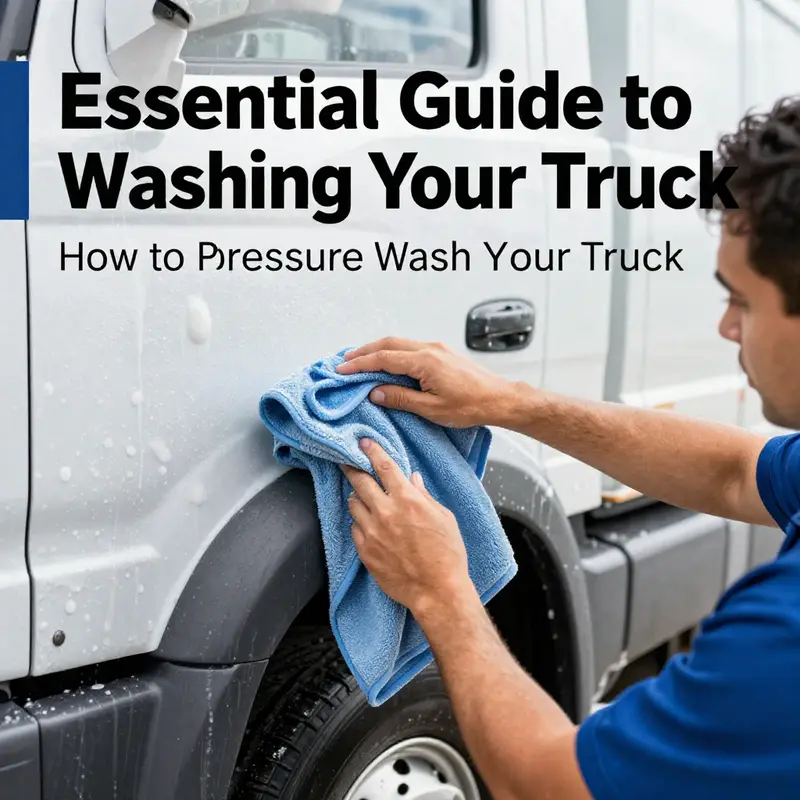
The moment the spray wand is turned off, the real work begins. Post-wash drying and finishing are not afterthoughts but essential steps that seal in the clean you’ve just built and protect the paint, trim, and bonded surfaces from water spots, mineral deposits, and the slower creep of road grime. If you think of washing as the performance and finishing as the encore, you’ll approach this phase with the care and intention needed to keep a truck looking sharp through countless miles of highway and heavy-duty use. The science of this final act is simple in principle: remove water efficiently, minimize micro-scratches, and lay down a protective layer that repels moisture and contaminants without dulling the shine. The artistry lies in the technique, the materials you choose, and the timing of the finish.\n\nBegin with the hands-off approach that respects every panel you just cleaned. Drying should feel deliberate rather than hurried. Microfiber drying towels are the workhorse here; they are soft, highly absorbent, and non-abrasive, designed to lift water away rather than drag grit across the paint. The best practice is to blot rather than rub. Lay the towel on a panel, gently lift, and move to a fresh corner as the towel becomes saturated. Rubbing can gradually create swirl marks, especially on newer finishes or darker colors where imperfections become more visible. Fold the towel frequently so you’re always using a clean, dry surface to pick up the remaining moisture. This mindset—careful touch, constant cleanliness of the tool—transforms drying from a chore into a protective habit.\n\nFor larger, more expansive surfaces such as the hood or the roof, a chamois offers efficiency without sacrificing gentleness. A good chamois absorbs water quickly and can glide across broad planes with minimal drag, but it, too, must be kept clean. Rinse the chamois often during the process to rinse away trapped dirt that would otherwise be buffed back onto the finish. The goal is to avoid any residual water that can leave mineral spots in sunlight or dusk when the panel dries unevenly. In hard-to-reach areas—the wheel wells, under the bumper, and behind intricate trim lines—additional tools come into play. A leaf blower or a compressed-air gun on a low setting can dislodge trapped droplets from nooks that towels struggle to reach. When using air, a gentle touch is essential; never blast at the seals, gaskets, or electric connections with the highest setting. The idea is controlled, directional flows that coax moisture out of crevices rather than forcing it into seams.\n\nA subtle but critical practice is timing. Water spots tend to form as the sun climbs or as panels warm from recent cleaning. If you can, finish the drying in a shaded area or during cooler parts of the day. The moment you’ve removed most of the standing water is a good moment to pause and scan for neglected corners. Inspect the mirror housings, door edges, and the bulges around the wheel arches. Water tends to hide in the smallest recesses, and those deposits, if left, can etch or corrode over time. A second pass with a fresh microfiber cloth can be all that stands between a pristine surface and a late-afternoon smear when the light hits just right.\n\nThe finishing layer is where the protective future of the truck takes shape. Wax and sealants both provide a shield, but they approach protection from slightly different angles. A high-quality wax offers a deep, warm depth of shine that many drivers find visually satisfying; it works well on older finishes and colored panels where the warmth of reflection can make a chrome trim or metallic paint pop. A modern sealant, on the other hand, often provides longer-lasting protection, better resistance to UV exposure, and more straightforward maintenance in a fleet environment where regular, consistent results matter. Regardless of choice, the best practice is to apply in a calm, shaded environment and to ensure the surface is perfectly dry before application. Any residue or dampness can cause streaking or an uneven film that defeats the purpose of a smooth finish.\n\nThe manner of application matters as much as the product itself. Use a dedicated applicator and a microfiber buffing cloth to spread the product evenly across a panel. Work in small, controlled circles or back-and-forth strokes, paying attention to overlapping areas so you don’t miss any surface. Let the wax or sealant cure for the time recommended by the manufacturer, usually a window of a few minutes, before buffing away any haze. The finish should appear uniform, with no patches or streaks. If you notice any hazing or residue during buffing, re-wipe with a clean cloth and a touch more product on the section to ensure an even removal. It’s better to revisit a panel than to hastily smear residue across a broad surface, where the final effect can be compromised.\n\nThe finishing layer does more than enhance shade and luster. It creates a barrier that makes subsequent post-wash efforts easier and more effective. A well-applied wax or sealant reduces the adhesion of road grime during the next wash, so subsequent cleanings become faster and gentler on the finish. It also helps prevent water spots by creating a continuous sheeting effect, allowing water to flow more freely off panels rather than drying in place. For those who regularly drive through industrial environments or coastal spray, the protective layer acts as a first line of defense against chemical contaminants or salt that can accelerate wear. The aesthetic payoff is rarely a mere cosmetic result; it is a practical investment in the truck’s long-term appearance and value.\n\nEven a thorough dry and finish should be validated with a final post-wash inspection. This is not a cursory glance but a meticulous check for any missed droplets, streaks, or smudges. Look closely at the chrome accents, the grille, and the door edges where water can hide and evaporate in a way that reveals streaks later under sunlight. If you see a patchy area, re-dampen the cloth and approach with a light touch. It’s in these minute details that a routine becomes reliable, and reliability is what separates a truck that stays clean for weeks from one that requires constant touch-ups.\n\nIn the fleet scenario, the routine often extends beyond personal care to standard operating procedures that ensure consistent results across vehicles, crews, and shifts. Those who manage multiple units understand the value of a repeatable sequence—each vehicle treated the same way, each surface given the same careful attention. The discipline of post-wash drying and finishing can reduce overall maintenance time and extend the life of protective coatings, and it also preserves the perceived value of the fleet, which matters for resale or client perception. To support that consistency, some professionals turn to focused maintenance protocols that pair drying with a quick post-wash check of seals and trim after the finish has cured. If you’re navigating a larger operation, integrating a simple checklist into your workflow helps ensure nothing is overlooked, from the undercarriage to the polished surfaces that catch a viewer’s eye.\n\nFor those who want a practical reference point beyond the hands-on routine, a few targeted pointers help bridge theory and daily practice. When you encounter stubborn residue—grease or tar, for instance—the same approach you used for normal grime may not suffice. In those cases, consider a dedicated grease-and-tar cleaning method before applying any finish, ensuring you do not trap contaminants beneath the protective layer. You can explore proven strategies for cleaning grease and tar off your trucks fast for deeper insight into tackling tough deposits without compromising the post-wash surface. Proven strategies for cleaning grease and tar off your trucks fast\n\nThis chapter would be incomplete without acknowledging the broader context in which drying and finishing occur. The finishing choices you make—wax, sealant, or ceramic coating—will influence your maintenance cadence, the ease with which you can achieve a spotless appearance after subsequent washes, and the overall resilience of the finish against environmental stressors. In the end, the goal is not merely to remove dirt; it is to set up a defense against it, to keep the reflective surface clean, to minimize micro-scratches that undermine gloss, and to preserve the vehicle’s value mile after mile. The routine you adopt after every wash defines the ongoing story of the truck, shaping not only its outward presentation but its long-term health and performance on the road. For readers seeking a broader look at how these practices fit into facility-level operations, a broader discussion of maintenance protocols and compliance in wash environments can be found in industry resources that outline best practices for fleet cleanliness and safety standards.\n\nExternal resource: https://www.caranddriver.com/tech/a40287695/how-to-pressure-wash-a-truck/
Final thoughts
Pressure washing your truck is a vital maintenance step that not only maintains aesthetics but also prolongs the lifespan of the vehicle and enhances its performance. By following a comprehensive approach—starting from preparation, using the right equipment, employing effective rinsing techniques, adequately applying cleaning solutions, and ensuring proper drying and finishing—you ensure that your fleet remains in optimal condition, reflecting professionalism and care in your operations. Leveraging these practices will not only benefit the truck’s surface but can also lead to reduced long-term maintenance costs, thus safeguarding your investment.