
Maintaining a clean fleet is crucial for image and operational efficiency in logistics and transportation. Blue Beacon Truck Wash presents a straightforward process to ensure your trucks are washed effectively and efficiently. In this guide, we will cover how to find a location, choose the right service plan, schedule your appointment, and understand the wash process, specifically designed for fleet managers, trucking operators, and construction supervisors.
Charting the Route to a Spotless Hauler: Finding the Right Blue Beacon Truck Wash for Your Fleet
Finding the right truck wash location is less about luck and more about a well-planned route that keeps your fleet moving and your equipment in top condition. When you operate a fleet, every mile matters, and the decision to wash at a network like Blue Beacon should be treated with the same strategic care you give to fuel stops, maintenance bays, and repair windows. The journey to a pristine cab starts not at the wash bay itself, but at the map screen and the moment you decide to optimize your route for cleanliness, efficiency, and downtime reduction. In practice, that means embracing two complementary tools—the locator app and the official website—that together create a reliable searchlight across the country, guiding you to the most convenient, capable Blue Beacon facility along your corridor. The experience is designed to be intuitive, but the value lies in the details: proximity to major interstates, the availability of a comprehensive wash package, the facility’s staffing, and the ability to schedule ahead so you’re not left waiting in line with a long list of appointments queued up behind you.
The first step is to locate a Blue Beacon site that fits your operational realities. The locator app, accessible through the App Store, is built to retrieve exact coordinates and live navigation so you can see not only where a location sits on the map but how it sits in your day. You can search by city, state, interstate, or even by the presence of special services that align with your current needs—whether you’re looking for a basic exterior wash or a more thorough treatment that includes windows, wheels, and undercarriage attention. The map view is more than a pretty display; it’s a practical tool that helps planners chart the most time-efficient route, minimizing the detours that can eat into your schedule. The ability to read and post comments within the app also adds a layer of community-sourced intelligence. After all, drivers and fleet managers often learn through collective experience which locations excel in throughput on certain days, which bays handle larger rigs better, and which staff go the extra mile when a tight deadline looms.
Alongside the locator app, the official Blue Beacon locations page on the web serves as a trusted anchor for cross-verifying details and extracting hard data—addresses, hours, and direct contact lines. The Cheyenne, Wyoming location example on the listing, at 2311 Etchepare Dr., Cheyenne, WY 82007, illustrates how the site organizes essential information so you can plan a precise stop. When you’re managing a multi-stop route, this combination of app-based search light and website-backed accuracy creates a powerful synergy. It lets you compare several nearby facilities in real time, weighing which one can accommodate your truck’s size and your required service package while also fitting into your mental map of the day’s miles and time windows. The Cheyenne listing also demonstrates how real-world details—like exact directions and a direct line of contact—can simplify a process that could otherwise become a time sink.
The practical advantage of finding the right location soon becomes clear when you start thinking about service plans. Blue Beacon’s offer spans a spectrum from essential exterior washes to more comprehensive packages that cover interior touchpoints, windows, mirrors, wheels, and sometimes undercarriage cleaning. A well-chosen location matters here because not every site will offer every package or have the same throughput. Some facilities are optimized for the bare-bones exterior wash with quick turnaround, suitable when you’re prioritizing uptime. Others invest in a more layered approach that can address stubborn residues from grease and tar or salt and grime accumulated in winter routes. Your choice of location can thus influence both the depth of cleaning you receive and the time your team spends in the wash bay. A fleet manager who has learned to pair a high-throughput site with a lean exterior-only wash on a run, followed by a deeper clean at a location known for its meticulous interior care, will usually see a smoother operation with fewer bottlenecks.
Choosing a location becomes even more practical when you consider scheduling. Scheduling ahead is not merely a matter of convenience; it’s a strategic tool for keeping your haulers on track. When a crew member arrives with a reservation, the staff can prepare the bay in advance, align the necessary detergents and towels, and ensure the crew assigned to the truck is ready to move through the wash with minimal idle time. This is where the integration of technology and human efficiency pays dividends. The app’s ability to deliver a reservation or booking details to the driver’s device enables a seamless handoff from road to wash bay. The staff, in turn, relies on this forewarning to allocate the right team, to have the correct wash package prepared, and to coordinate with any ancillary services that may be required—such as window cleaning or wheel care—without delaying the next truck in line. The net effect is a cleaner truck with less downtime, and a crew that can maintain a steady rhythm across a day’s schedule.
Within this ecosystem, a well-informed driver or fleet manager often cites the reliability of staff who understand local routes and the specific needs of trucking operations in the area. In one anecdotal account from the field, a worker named Jade was highlighted for her helpfulness and knowledge of local spots, an example of how frontline staff can become a critical asset in the overall wash experience. This is not just about soap and water; it’s about a service culture where the people delivering the wash are capable of translating route knowledge into practical outcomes—like suggesting a nearby refueling stop that won’t derail a tight schedule or pointing out a traffic change that could affect the next leg of a journey. The right site and the right people can thus compound the value of a wash, extending beyond the shine to include reliability, courtesy, and strategic convenience.
From a strategic standpoint, there is also value in recognizing how location choice intersects with workforce engagement and morale. As Derrick Wolfe—Trucking Employee Engagement Growth notes, when processes are smooth, when dispatch knows exactly which bay to send a truck to and when drivers feel supported by a capable crew, morale and efficiency rise in parallel. The wash experience becomes a microcosm of fleet operations: timing, communication, and standardization. A location that consistently delivers on time, with staff who communicate transparently about delays or required preparations, becomes a predictable asset in a fleet’s day-to-day planning. And because Blue Beacon locations are distributed widely, the ability to route to an upcoming stop that aligns with a preferred service mix becomes a practical advantage rather than a logistical hurdle. In this sense, the location search is not just a matter of finding a clean truck but of aligning operational tempo with a facility that can sustain that tempo.
As the search turns into a plan, the next practical step is selecting a service package and coordinating with the bay staff. A well-chosen package should reflect the truck’s condition and the fleet’s goals for the day. For instance, a route that has more urban miles or offers salt exposure in winter may warrant a more thorough wash that includes interior cleaning and wheel care to remove road grime, brake dust, and contaminants that compromise visibility and safety. Conversely, after a long highway stretch with light grime, a basic exterior wash can preserve a clean profile with minimal downtime. The decision is not purely cosmetic; it is a maintenance discipline designed to protect the vehicle’s appearance, reduce corrosion risk, and maintain an image that can matter in client-facing operations. When a location supports the chosen package and a scheduled appointment aligns with arrival windows, the transition from search to service becomes frictionless.
Arriving at the facility, drivers are advised to present their appointment information to the staff, letting the team guide them through the process. The language of the wash is simple but precise: the crew begins at the roof and works downward, applying foam and allowing it to dwell briefly before rinsing with high-pressure water. The sequence is deliberate, designed to maximize cleaning efficiency while minimizing the need for repeated passes that can cause rinse marks and wasted time. The drying phase is equally purposeful—the crew uses clean microfiber towels to wipe the vehicle in a single direction, a detail that reduces streaking and preserves the finish. Windows and mirrors require careful attention, as visibility is a safety cornerstone in trucking operations. Wheels need an extra focus, where the combination of brake dust and road grime can dull a truck’s appearance and contribute to corrosion if left unattended. The crew’s careful method—streamlining work through a disciplined routine—ensures a cleaner truck, faster turnover, and a consistent standard that drivers can rely on as part of their daily workflow.
The experience at a Blue Beacon location often proves to be more than a mechanical cleaning event; it becomes a measurable boost to fleet readiness. Customers frequently report that the wash time is predictable and that the personnel are courteous and knowledgeable, a reflection of the service culture that surrounds the operation. The difference shows up not only in the shine but in the confidence a driver feels when rolling back onto the road, knowing the truck has been cared for with a process that respects the vehicle and the crew’s time. In the broader picture, the systematic approach to locating, selecting, and executing a wash at Blue Beacon aligns with the operational goals of a fleet that values reliability and professionalism as part of its brand promise. The route to spotless equipment is thus not a single stop but a well-orchestrated sequence of decisions—where to wash, what service to choose, when to book, how to arrive, and how to move through the wash with a minimal footprint on the day’s schedule.
As these considerations unfold, the practical details of planning and execution begin to converge with the strategic, data-driven mindset that sustains modern trucking operations. The locator app and the official site are not just conveniences; they are integral components of a disciplined workflow. They empower dispatchers to assign the closest, most suitable wash, reduce idle time in terminals, and maintain a consistent maintenance cadence across a fleet. The best operators treat the wash as a non-negotiable maintenance event with defined inputs and outputs: a clean truck, a booked slot, a staff team that knows the plan, and a route that respects the driver’s time and safety. In this way, locating a Blue Beacon facility becomes a small but essential part of a larger system—one that keeps freight moving, vehicles clean, and teams confident. The route to excellence in truck cleanliness, then, starts with a precise search and ends with a well-executed wash, underpinned by the people, tools, and processes that make it possible.
External resource: https://apps.apple.com/us/app/blue-beacon-truck-wash-app/id1508797896
Smart Clean, Straight-Through Service: Selecting the Right Truck Wash Plan for Your Fleet at Blue Beacon
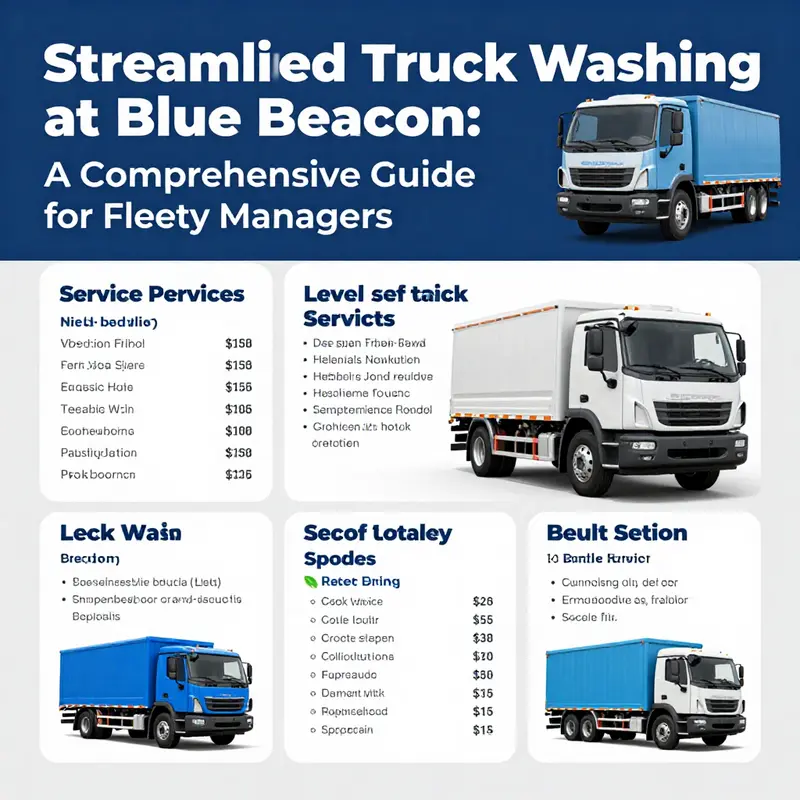
Choosing the right service plan for a truck wash is less about chasing the most features and more about aligning a cleaning routine with a fleet’s routes, loads, and downtime realities. When a fleet manager stands at the crossroads of another wash visit, the decision becomes a strategic one. The goal is not merely a cleaner truck, but a workflow that minimizes downtime, guards maintenance budgets, and keeps drivers moving toward the next delivery. In this context, Blue Beacon’s network—established as a national standard in truck cleaning—offers more than a single, one-size-fits-all solution. It presents a spectrum of service tiers designed to meet different vehicle types, duties, and operational tempos. The questions you ask yourself before selecting a plan are practical ones: How often will we wash? What kind of vehicles constitute the fleet? Which additional services would actually save time on the road rather than add complexity to the schedule? The answers to these questions shape a plan that delivers real value on every mile.
The core idea behind choosing a plan is simplicity paired with precision. In practice, Blue Beacon’s approach to service options mirrors the everyday rhythms of trucking life. For an individual owner-operator, a basic exterior wash might be sufficient to keep a rig presentable between long hauls. For fleets that traverse changing weather, carry diverse loads, or run tight delivery windows, more comprehensive options become attractive. The spectrum typically ranges from exterior-only washes to full-service packages that include interior cleaning, window washing, and undercarriage scrubbing. Each tier is designed to tackle common pain points: road grime that clings to chrome and fenders, salt and chemical residues that threaten corrosion, and stubborn debris that can affect visibility or vehicle performance when left unchecked. In this context, the decision is less about luxury and more about risk management and operational efficiency.
To frame the decision clearly, it helps to map the fleet’s needs to the cleaning capabilities typically offered in the market, while recognizing the unique strengths of a nationwide network. A basic exterior wash addresses surface cleanliness and presentation, removing dust, dirt, and light grime from the shell of the vehicle. A more complete package might add interior cleaning, which includes vacuuming and dash wipe-downs to reduce driver fatigue caused by clutter. Window washing enhances visibility and safety, especially for routes that require frequent lane changes or city driving. Undercarriage scrubbing tackles the most persistent grime—grime that, if left, can accelerate wear on components and undermine long-term maintenance costs. When you pair these services with a well-timed wash along a route, you can cut down on the number of separate maintenance events a vehicle experiences, reducing downtime and the logistical burden on drivers and dispatchers alike.
An essential consideration is the vehicle type within the fleet. Tractor-trailers, dump trucks, and mixer units each have distinct cleaning priorities. A tractor-trailer might benefit most from a plan that emphasizes undercarriage scrubbing and wheel cleaning to prevent buildup that can cause corrosion or mud clogging. Dump trucks, which see heavier soil loads from construction zones, may require more frequent interior dusting and the removal of grease or tar that can accumulate on beds and frames. Mixer trucks, with their rotating drums and tricky access points, may demand thoughtful attention to interior cleaning and window care to maintain driver visibility and prevent residue from affecting performance. The service plan you choose should reflect these realities, not merely a general notion of “comprehensive.” It’s about aligning the plan’s scope with the actual dirt, the loads, and the environments the fleet encounters.
The role of timing in this decision cannot be overstated. Frequency of use is a practical driver of value. A schedule that calls for a wash every few days due to heavy urban routes or seasonal weather shifts will naturally justify enrolling in a more robust service tier. Conversely, a fleet that primarily runs long-haul routes with fewer on-road incidents might maximize efficiency with a leaner plan that covers exterior cleaning and targeted extras as needed. The Blue Beacon framework is conducive to this kind of flexibility because the same network that offers broad coverage also enables predictable scheduling close to major routes and terminals. The ability to locate a nearby facility quickly, reserve a slot, and then check in with the staff upon arrival helps reduce the friction that often makes wash days disruptive. The practical workflow becomes a competitive advantage when dispatch can line up a planned wash between legs of a trip, keeping trailers dry and drivers focused on the next mile instead of administrative tasks.
Another dimension to weigh is the vehicle’s load profile and the kind of contaminants a fleet is likely to encounter. For fleets servicing food-related operations, for example, the presence of residues or strict hygiene standards may push a plan toward more frequent cleaning with an emphasis on interior cleanliness and window clarity. For operations in northern climates, where road salt and brine can accelerate corrosion, a plan that includes undercarriage scrubbing and wax or protective coatings becomes a prudent investment. Even the seemingly small features, such as a system for drying the surface in a consistent, single direction with microfiber towels, can extend the life of paint and chrome by minimizing micro-scratches and water spotting. These considerations are not mere preferences; they are part of a broader maintenance philosophy that treats cleaning as a preventive measure that protects assets and reduces long-term costs.
Pricing and availability add another layer. It is normal for pricing to vary by location and service level. The same network that spans broad geography often tailors pricing to local markets, reflecting labor costs, facility utilization, and regional demand. This is where the value of the mobile app or online platform becomes clear. The ability to compare plans near a current route or home base, verify what services are included at each tier, and observe any location-specific nuances helps avoid sticker shock and surprises at the gate. Rather than negotiating a fixed, one-size-fits-all price, the fleet can approach the decision as a calibrated choice, selecting a plan that aligns with both current needs and forecasted operations. The app ecosystem, when used thoughtfully, serves as a decision-assist tool as much as a scheduling mechanism.
Within this decision-making frame, a practical approach emerges. Start by outlining the most frequent driving patterns and the typical dirt load the fleet experiences. Then inventory the vehicle types in service and how they move through different routes and environments. Next, sketch a rough forecast for wash frequency over a season, mindful of the variations in weather, road conditions, and load types. With those inputs, you can compare the service tiers in terms of scope and cost, looking for the point where incremental features deliver tangible time savings and maintenance benefits. It’s not about picking the most complete option, but about selecting the plan that delivers the greatest operational leverage for the specific fleet profile. After identifying a plausible plan, consult the available tools to confirm that a nearby facility can accommodate the chosen tier and schedule. The process should feel seamless, almost invisible to the daily rhythm of dispatch and driving.
As this decision unfolds, it helps to tap into the experience of the facility’s staff, who are trained to deliver fast, high-standard service. The most effective teams operate with a quiet efficiency that respects drivers’ time and keeps lines moving. In reviews and anecdotes, customers frequently cite the staff’s helpfulness and knowledge as a decisive factor in their satisfaction. A committed team member—like Jade, noted for her helpfulness and knowledge of local spots—can turn a routine wash into a smooth, predictable encounter. This kind of experience matters not merely for the aesthetics of the truck but for the reliability of the entire operation. When a driver arrives on time, finds the crew ready, and walks away with a clean vehicle and clear instructions for the next leg, the value of the plan increases beyond the price tag. The aim is to make the wash day an efficient, low-friction component of a larger schedule, not a time sink that delays deliveries or creates backlogs at the depot.
Another important aspect of choosing a plan is anticipating future needs. Fleets evolve, routes shift, and the mix of vehicle types can change with market demand. A plan that works well for a single year may not align with the next. The flexibility to adjust the service tier as the fleet’s footprint expands or contracts should be a feature, not an anomaly. This is where the simple act of planning in advance becomes a strategic asset. By identifying a preferred plan and confirming its eligibility for ongoing adjustments, fleet operators create a nimble cleaning program that scales with business growth. When the next regulatory or operational pressure hits—whether it’s stricter emissions standards, a new compliance requirement, or a surge in deliveries along a busy corridor—the plan can be tuned to maintain performance without forcing a costly, disruptive overhaul.
Alongside practical considerations, there is also a dimension of environmental stewardship to consider. Eco-friendly washing options, when available, offer a way to reduce water usage and chemical runoff, aligning maintenance practices with broader sustainability goals. For fleets striving to demonstrate responsible operations, choosing a plan that includes or enables eco-conscious processes can be a meaningful component of corporate stewardship. These features are not merely marketing points; they reflect a growing expectation among customers and partners that trucking operations manage environmental impact alongside efficiency.
Finally, the process of choosing a plan should be viewed as a collaborative, ongoing conversation rather than a one-off decision. Use the app to periodically review location-specific offerings, re-evaluate the plan as routes shift, and adjust based on feedback from drivers and maintenance teams. The platform’s ability to offer location-based comparisons makes it possible to stay aligned with changing routes and seasonal demands without sacrificing predictability. In this sense, the right plan is not a fixed contract but a dynamic framework that supports steady, reliable cleanliness and asset protection across the fleet’s lifecycle. For those who want to deepen their understanding of how maintenance and people dynamics intersect in a truck-wash operation, there are resources that explore facility management principles and best practices in fleet environments, such as this overview on facility management for truck wash businesses: facility management for truck wash businesses.
With the plan chosen and a schedule in place, the practical steps unfold in a straightforward rhythm. Enter the location at the appointed time, present the reservation details to the staff, and let the trained team guide the process. The wash unfolds from the roof downward, an efficient sequence that minimizes the risk of recontamination as the vehicle moves through the process. Foam is applied and left to dwell briefly before the high-pressure rinse removes stubborn residue. The drying, performed with clean microfiber towels in a deliberate, single-direction pass, helps achieve a streak-free finish that not only looks professional but also reduces the chance of water spots drying in the sun on a long haul. Windows, mirrors, and wheels receive careful attention, while the undercarriage receives dedicated scrubbing to dislodge road grime, salt, and other adherents that can corrode over time.
The result is more than a clean truck; it is a smoother operation, a driver who spends less time during a stop, and a fleet that preserves value through regular, predictable maintenance. The decision to select a particular service plan at Blue Beacon is ultimately a decision about how a fleet prioritizes cleanliness, efficiency, and asset longevity. It is a choice that, when aligned with route planning and maintenance schedules, translates into fewer disruptions, better driver morale, and a cleaner, safer vehicle that performs reliably on demanding routes. The chain of impact—from the plan to the wash bay to the road ahead—illustrates how a well-chosen service tier becomes a quiet but powerful enabler of fleet success.
As you finalize the decision, remember that a resource like the Blue Beacon app can be a valuable companion. It not only helps locate facilities along a route but also provides a practical way to compare service tiers in the field and to confirm availability for a given time. The capability to search by city, state, interstate, truck stop, or even by specific service considerations such as eco-friendly washing or premium detailing makes this tool more than a convenience; it is a strategic asset in route optimization and maintenance planning. If you are new to this ecosystem, take a moment to explore the app’s features, and consider how frequently you will use the wash on typical itineraries. The more you engage with the tool, the more naturally the right plan reveals itself, not as a rigid choice, but as a liquid decision that adapts to the ever-changing demands of freight movement.
External resource: https://apps.apple.com/us/app/blue-beacon-truck-wash-app/id1508797896
Scheduling with Precision: Booking a Smooth Truck Wash Experience at Blue Beacon
The rhythm of a trucking day hinges on timing. Every mile traveled, every stop made, and every moment spent waiting can ripple into schedules, fuel costs, and delivery windows. In the world of fleet operations, a predictable, efficient wash is not a luxury—it’s part of the essential uptime that keeps a rig moving. Scheduling a truck wash ahead of time turns what could be a noisy pause into a quiet, productive interlude. It’s about turning a routine maintenance task into a streamlined, almost invisible part of the journey. When you can anticipate the wash, you can plan for the next leg of the route with confidence, knowing that the exterior, glass, and wheels will be refreshed without derailing the clock. This is the core idea behind booking at a location known for its professional approach and its network that stretches across the country. The goal is simple: a clean truck, a clear schedule, and less idle time on the clock, all while maintaining the care and attention your equipment deserves.
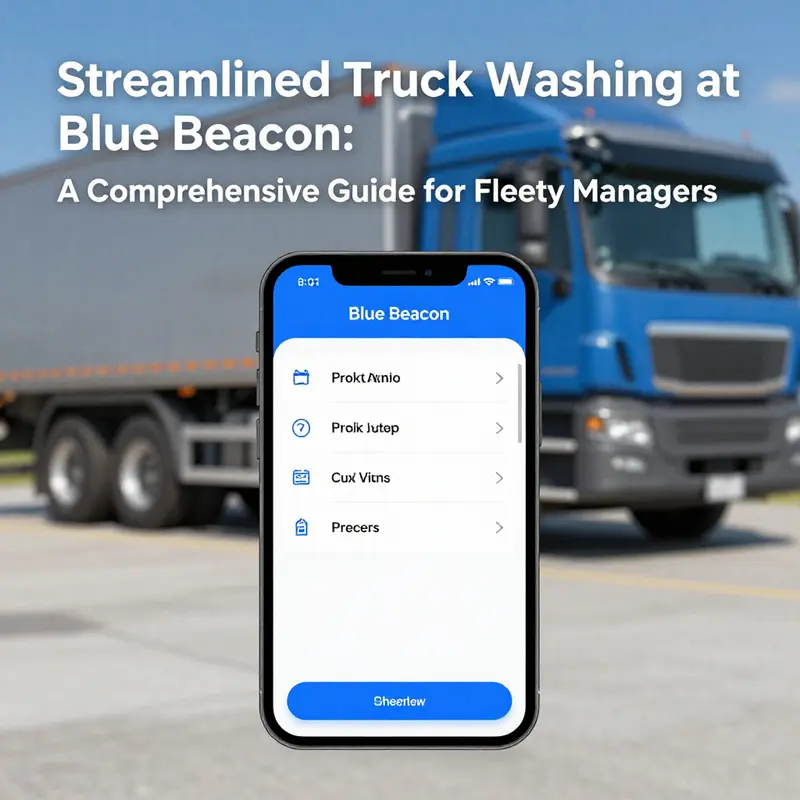
A driving force behind this approach is the digital shift that has permeated fleet maintenance and support. The official app for this particular truck wash network is designed to locate, map, and guide you to the nearest facility with ease, turning what used to be a call-and-hope process into a reliable, real-time operation. The app marks a fundamental shift from “where can I wash today?” to “where can I wash efficiently, when I want, and with the service level I need?” It’s more than a directory; it’s a scheduling and routing companion. Because the app can reference operating hours, service options, and even the precise location of the wash bays, a driver can align a wash with a planned rest break or a fuel stop, minimizing exposure to delays and keeping the days largely on schedule.
Choosing a service plan is the natural next step after you locate a facility. The options typically range from a basic exterior wash to more comprehensive packages that address undercarriage cleaning, detailed wheel work, and window clarity. Your decision should reflect a simple calculus: what does the truck need for today, what terrain have you covered, and what does the upcoming route demand? A truck hauling a low-slung load through gusting dust or a highway grind through salt and tar might benefit from a more thorough treatment, while a quick exterior rinse might suffice after a long, clean highway run. The choice isn’t merely cosmetic; it’s protective. A thoughtful selection preserves paint integrity, reduces the accumulation of road grime that can corrode seals and trim, and helps maintain visibility through spotless windows. The scheduling experience, in turn, is shaped by this choice. A more comprehensive plan may require a longer appointment block, so booking ahead becomes even more valuable to ensure a slot that aligns with the driver’s timetable and the yard’s workflow.
Once the plan is chosen, the scheduling step unfolds. The process is designed to minimize the time spent in the line and maximize the time the crew can dedicate to a high-quality clean. Booking ahead means you’re not waiting for a window to open; you’re stepping into a reserved time where the staff has prepared the correct setup, the proper products are stocked, and a bay is ready for your vehicle. This is where the concept of efficiency truly shines. The staff can allocate the bay, assign the right level of service, and prepare any ancillary tasks, such as window cleaning or wheel detailing, that will be specific to your truck. The result is a smoother flow through the facility, less idle time on your clock, and a more predictable maintenance routine for your fleet.
When you arrive, the experience should feel almost ceremonial in its efficiency. You head to the scheduled location, and the staff greet you with a touch of familiarity that comes from routine operations run well. It’s not just about delivering a shine; it’s about delivering a dependable service that you can count on every time. The receptionist or the bay attendant will verify your reservation details and confirm the service package you selected. If you need to adjust on the fly—perhaps you’ve encountered road spray you didn’t expect, or a change in your route—explain it calmly and clearly. The team is trained to adapt within the framework of the booked plan, and that adaptability is what keeps the operation from becoming a bottleneck. In these moments you begin to see how scheduling non-essentials ahead of time translates into a more robust, reliable workflow for the entire facility. It becomes a collaborative rhythm: you bring the vehicle, the app brings the route and time, and the crew brings the method.
The wash itself is a blend of method and machinery, executed by trained professionals who follow a disciplined sequence to maximize cleanliness while protecting your equipment. The typical approach starts at the roof, allowing gravity and airflow to assist as the soap adheres to the surface. A foam layer sits briefly, loosening the toughest grime, before a high-pressure rinse clears away the bulk of the residue. This ordered progression—roof to lower panels, then undercarriage, wheels, and finally the details—ensures uniform coverage and minimizes overspray on sensitive components. The use of high-quality soaps and detergents, chosen for their efficacy and compatibility with the truck’s finishes, is paired with precise application techniques that reduce water spots and streaks. The drying phase is equally careful. Clean microfiber towels are used, moved in a single direction to avoid cross-contamination and to leave a streak-free finish on metal, glass, and chrome. The windows receive focused attention, with careful wiping to preserve clarity, and wheels are scrubbed with improvised or dedicated brushes to remove brake dust and road grime. The entire process is a reminder that a well-planned wash is not just a cosmetic exercise but a maintenance workflow that protects the truck’s value and extends the life of its components.
Customers often note the consistency of service and the courteous professionalism of the crew. The anecdotal praise—how the team greets drivers by name, checks in about local spots for fuel and parts, or explains the steps being performed—speaks to a culture built around efficiency and customer care. In this climate, a driver might mention a particular staff member who has become a point of contact for practical knowledge about the local area, traffic patterns, or truck-friendly rest stops. These small interactions are not incidental; they reinforce trust and provide a human touch to a process that is otherwise very mechanical. The result is a transaction that feels both efficient and personalized, a rare combination in a service that must move quickly yet with care for a vehicle that carries a heavy load and a driver’s livelihood.
The scheduling interface—the app—plays a crucial supporting role in this entire experience. It doesn’t just locate the nearest facility; it provides a map, directions, and real-time data about operating hours and service options. Real-time data is essential in an industry where schedules shift with weather, road closures, or loading delays. The app’s ability to reflect the current state of a location means you can adjust on the go, swap times if needed, and still keep the plan aligned with downstream dispatches. The convenience of having everything in one place helps a driver or fleet manager plan ahead, reducing the cognitive load that often accompanies route optimization and maintenance planning. In practice, this means less time spent on logistics and more time focused on safely delivering goods. The digital tool becomes a silent partner, quietly supporting the human team in the yard and the driver behind the wheel.
To those who manage fleets, the scheduling experience is never just about one wash. It’s about how the act of booking integrates with broader facility operations and how it can sync with maintenance windows, fueling stops, and rest periods. In discussions about how to optimize a truck wash operation, many operators highlight the importance of facility management concepts that align staffing, bay allocation, and service levels with predictable demand. This is precisely the kind of integration that a well-designed scheduling flow aims to achieve. See how facility management for truck wash businesses approaches this balance and what kinds of practices contribute to a smooth day at the yard. facility management for truck wash businesses. This link is a gateway to deeper considerations about capacity planning, workflow optimization, and the strategic alignment of wash services with the broader needs of a fleet.
For drivers who are new to using the network, there is comfort in knowing that the system supports real-time decisions. If weather changes or an urgent dispatch creates a tighter timetable, a quick update to the booking can reallocate a slot that was already reserved, often without a major disruption to either the driver or the facility. The result is less downtime and more reliability in the schedule. In turn, the fleet’s overall performance improves. Reliability in maintenance routines reduces the risk of unplanned downtime and helps keep maintenance budgets predictable. It’s a small victory with large implications: when maintenance becomes predictable, it stops being a point of friction and starts being a predictable part of daily operations.
The narrative of the scheduling process is also a reminder of the human dimension behind the numbers. Behind the efficient app interface and behind the well-lit bays are people who take pride in their craft. The driver who arrives on time expects a certain level of service, and the crew responds with standardized procedures and professional courtesy. The mutual expectation—precise timing from the app, trustworthy workmanship from the staff, and a clear, consistent experience for the driver—creates a feedback loop that strengthens trust over time. The more this loop is reinforced, the more predictable the day becomes, and the more the entire operation can focus on performance and safety rather than friction and delays. In the end, a well-structured scheduling process doesn’t just save minutes; it preserves momentum on the road, keeps deliveries on track, and supports the many decisions that a driver and fleet manager must make on a daily basis.
The road beyond the wash is as important as the wash itself. When the slot is secured, and the truck exits clean and dry, the next steps begin. A well-timed wash enables a driver to resume the journey, often with the confidence that the vehicle’s exterior will look sharp for the next set of miles. The routine becomes a reliable part of the route rather than a disruptive interruption. The overall effect is a fleet that travels more smoothly, with less downtime spent waiting, and with the consistent appearance that speaks to professionalism and care. In a broader sense, the scheduling discipline practiced at these facilities mirrors the discipline that drives a modern fleet—planning, predictable execution, and a constant attention to how small optimizations compound into meaningful gains over a long route.
External resource: https://apps.apple.com/us/app/blue-beacon-truck-wash/id1234567890
From Arrival to Pristine: The Truck-Wash Journey at a National Chain
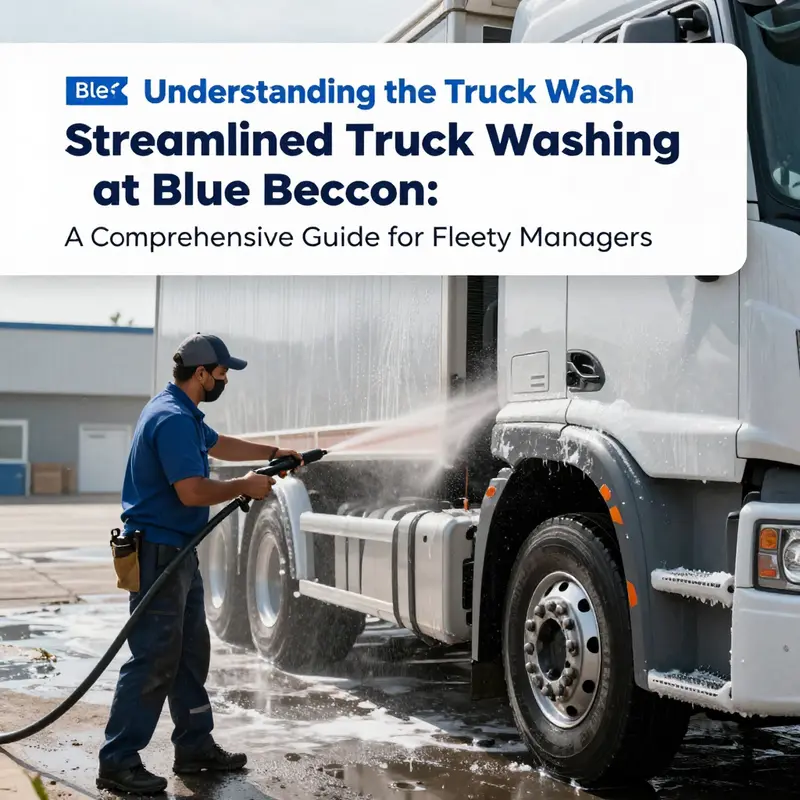
A long stretch of highway hums behind you as you pull into the parking lot of a national truck-wash network that has become a familiar cadence in the life of a fleet. The routine starts before you even step out of the cab. You pull up the app or the company website, enter your location or the yard’s address, and the screen instantaneously points you to the nearest facility. The map isn’t just a locator; it’s a gateway to predictability in a business where time is money and cleanliness is a first impression. You glance at the options for service, weighing basic exterior washes against more comprehensive packages that include wheels, undercarriage, and interior attention. The decision isn’t whimsical here; it’s strategic. A driver’s choice of wash plan signals how the vehicle will be represented on the road, whether it will glide through inspection lanes with a gleam or roll off the lot with a stubborn smear of road grime that refuses to yield. The moment you tap to schedule, you’re not just booking a wash—you’re aligning your dispatch priorities, your driver’s schedule, and the expectations of your customer with a clean, efficient workflow that keeps the fleet moving.
Arriving at the facility, you notice the rhythm of activity around the wash bays. The crew members move with the precision and cadence you’d expect from seasoned professionals who have cleaned every shade of road grime from desert dust to industrial sludge. You reiterate your appointment details to the attendant at the gate, who checks the reservation, confirms the service level, and guides you toward the correct bay. It’s here that the experience begins to crystallize as more than a routine rinse. The staff aren’t merely operating machinery; they’re orchestrating a sequence that respects the vehicle’s form and function while protecting the finish and the driver’s time. The process is designed to be thorough yet efficient, the kind of balance that comes from experience and a culture that prizes consistency.
What unfolds next is a staged performance that, when observed closely, reveals the philosophy of care that underpins this chain’s reputation. The pre-wash inspection stands out as a quiet, almost ritual moment. A bay attendant or a supervisor circles the truck with a practiced eye, noting areas that will demand extra attention—the stubborn caked mud in the wheel wells, the tar along the bumper line, perhaps mineral deposits along the roof gutters from a recent desert run. This isn’t an afterthought; it’s a diagnostic step that informs the entire wash plan. By identifying hotspots upfront, the team can tailor the approach, allocating foam, scrubbing time, or a targeted rinse where needed. The driver, watching this choreography, understands that their vehicle’s condition gains leverage here—the assessment translates into a cleaner, faster finish because the crew isn’t treating every surface as identical. It’s a simple idea, but it underpins the efficiency you feel as you wait.
Then the commonly shared sequence begins to unfold in earnest. A high-pressure rinse unfurls the loose debris that would otherwise become a stubborn muddy veil once the detergents hit the surface. The water is hot enough to help break down residues but controlled enough to avoid mineral streaks that could set in once the vehicle dries. Detergents, specifically formulated for heavy-duty fleets, are applied with a careful hand. The choice of cleaners matters because it determines how well the soil releases from the metal, rubber, and glass without attacking protective coatings or signage. As the suds surface, the sense of anticipation in the bay grows. The next phase pivots from passive rinsing to active cleaning. Automated brushes hum along the contours of the Tractor and trailer, reaching into grooves and crevices that are easy to neglect elsewhere. Foam coats the panels, a light winter-sky blanket of cleanliness that signals the transition to a thorough scrub.
Scrubbing is where the experience often diverges from ordinary car washes. For a truck, the dirt isn’t just on the sides; it’s embedded in wheel wells, tucked behind every wheel and along the undercarriage, where mud can cling with surprising tenacity. Here the team executes a double take—first the broader surfaces, then the hard-to-reach zones. The wheels receive special attention: rims, brake dust, the inner lips of the tires, and the tread area—each a magnet for caked grime that can dull the overall result. The undercarriage, a region that rarely sees daylight, is treated with a focused rinse and brushing to dislodge caked soil and road salt that often accumulate on long hauls. The goal is not just a cosmetic shine but a comprehensive clean that helps prevent corrosion and builds a foundation for longer maintenance intervals. Throughout this stage, the staff maintains a conversation with the driver—updates on expected time, any areas needing extra attention, and reassurance that the process will respect the vehicle’s components and load safety.
A steady rhythm follows: a rinse that clears away the loosened dirt, a second pass where needed, and then a precise rinse that leaves the surface ready for drying. The drying phase is less glamorous but equally crucial. Large, robust blowers fan hot air across every panel, pushing water droplets away from doors, seams, mirrors, and the delicate edges of lettering and logos. The aim is not simply to evaporate water but to prevent water spots and mineral residues from setting in. A staff member then uses clean microfiber towels in a single direction to address any residual droplets that the blowers miss. The directionality matters; wiping in a consistent path reduces the risk of streaks and helps preserve the clarity of glass and the brightness of chrome or painted trim. It’s a careful, almost meditative task—one that requires a steady hand, steady nerves, and the willingness to slow the tempo enough to do the job right.
The human element of the process is seen most clearly in the customer-facing moments. The professionals communicate clearly, guiding the driver through what comes next and what they should expect at the end of the cycle. The experience is not about speed at the cost of quality; it’s about building trust through reliable, repeatable results. A driver who returns after a long trek may notice the difference in attention to detail that four or five visits can reveal. The staff’s care becomes a form of service storytelling: each wash is a narrative in which the crew listens, assesses, acts, and then confirms completion with the final inspection. It’s no accident that many customers leave with a sense of satisfaction—an impression reinforced by the quiet confidence of the attendants who handle the process. One first-time customer, writing in the app store, highlighted how the team’s care felt deliberate and thorough, a testament to the standard they have set for themselves and that new travelers quickly absorb. This moment, although anecdotal, aligns with the broader pattern of consistent quality that customers have come to expect from the chain.
Behind the scenes, the environment in the wash bays is demanding. Bay attendants keep a fast pace because fleet schedules don’t pause for a long wash, and the maintenance of the equipment is just as crucial as the vehicle’s finish. The physical demands are real: lifting hoses, maneuvering large brushes, and managing line-of-sight and safety in a high-energy workspace. Yet the job carries a sense of purpose. Each clean truck is a small win in a larger ecosystem that keeps freight moving and customers satisfied. The staff’s sense of fulfillment often comes from seeing the result—a tractor that gleams, a trailer that shines, and the knowledge that their work will help drivers stay compliant with inspections and secure more efficient deliveries. It’s the kind of pride that isn’t always visible to the outside eye but becomes obvious to anyone who has spent a day on the floor watching a crew work with precision and care.
For drivers and fleet managers, this approach translates into measurable benefits. Scheduling ahead reduces idle time and bottlenecks, so trucks can get back on the road with minimal downtime. A well-communicated plan helps dispatchers align wash windows with loading time, reducing the risk of missed windows or unnecessary detours. The result is not simply a cleaner vehicle. It is a more predictable, efficient operation where cleanliness and maintenance milestones align with route plans and delivery deadlines. The pre-wash inspection, the targeted cleaning, and the careful drying all contribute to a finish that lasts longer between maintenance cycles. This prolongs the cosmetic life of the vehicle’s paint and trim while reducing the likelihood of early corrosion or damage in exposed areas. As the final pass completes and the bay doors open, the driver is left with a sense of resolve: the truck has been prepared not only to look good but to perform at a high level in the next leg of its journey.
The narrative of a wash, then, is not simply the sum of its steps. It’s a holistic approach that blends technician expertise, machine capability, and the driver’s own planning to create a seamless experience. The chain has built its reputation on this triad: capability, consistency, and care. It’s a framework that resonates with fleets large and small because it speaks directly to the operational realities they face. When the truck exits the bay with a gleaming exterior and an organized interior—if the interior receive a quick wipe to remove dust and stray packaging—the driver’s confidence improves. The route may still be long, the terrains varied, and the schedule demanding, but the vehicle arrives doored-to-door with a sense of readiness. In this light, the wash is more than a service. It becomes a strategic step—a routine that, when performed correctly, reduces risk, extends asset life, and reinforces the reliability that customers and partners count on.
Behind every successful wash is a culture of continuous improvement. Managers routinely review the workflow, looking for ways to minimize turnaround time without sacrificing quality. They might adjust the sequence of steps, recalibrate the spray patterns on the brushes, or upgrade filtration for the water supply to prevent mineral buildup on panels. The conversations with drivers and fleet managers feed back into that cycle, shaping the service plans and the training that new bay staff receive. In interviews and casual conversations around the yard, veterans speak of the pride that comes from mastering a bay’s rhythm—the moment when the wash goes smoothly, the lines move efficiently, and every vehicle leaves with a finish that speaks of a job well done. It’s a quiet, almost invisible form of excellence, but it’s exactly what keeps fleets returning, time after time, with the same expectations and the same level of satisfaction.
And so, when a driver asks how to get the best possible wash at a national truck-wash network, the answer isn’t merely about selecting a package or showing up at the right time. It’s about embracing a process that begins with a precise check and ends with a reliable finish. It’s about recognizing that the value of the wash isn’t only in the shine it leaves behind but in the confidence it builds for the road ahead. The chain’s approach—methodical yet flexible, high-tech when needed but grounded in hands-on care—offers a model for how a service operation can scale without losing its human center. It’s a reminder that in fleets, as in life, the quiet, deliberate steps often yield the most enduring results. To those who are curious about the people who make this possible and about the ways teams cultivate engagement and pride in their work, a closer look at industry stories about staffing and culture can offer additional insight. You can explore one perspective on trucking employee engagement here: Derrick Wolfe trucking employee engagement growth. This link provides context for how workforce dynamics can shape service outcomes in fleet-focused businesses.
For drivers who want to keep the process streamlined and the fleet humming, there’s also a practical path to take. The chain’s scheduling tools, available through their official app, make it straightforward to security-book the exact service level you need and to select a time window that minimizes disruption to your operation. The app acts as a bridge between dispatch and the wash bay, translating the realities of the road into an appointment that respects both your schedule and the facility’s capacity. If you’re new to using the app, you’ll find that it guides you through location selection, service options, and a clear confirmation that you can reference at check-in. The simplicity of the interface belies the depth of coordination happening behind the scenes—the hours saved, the consistent outcomes, and the dependable support for drivers as they navigate back to the road. The experience is a case study in how a service organization can scale its operations while preserving a tight-knit, customer-first ethos.
As you drive away, the clean surface catching the sun confirms what the crew has already communicated throughout the process: there is a standard here, and it is consistently met. That standard isn’t an accident; it is the cumulative result of pre-wash attention, scrupulous scrubbing, meticulous drying, and a culture that values timeliness and dignity in the work. The vehicle’s bright finish doesn’t just reflect light; it reflects the reliability of the fleet and the dependability of the team that brought it to this point. If you keep that in mind as you plan your next wash—how scheduling, forethought, and collaborative staff effort intersect—you’ll realize that getting your truck washed at this kind of network isn’t merely about removing dirt. It’s about upholding a standard that supports your entire operation, from maintenance planning to on-time deliveries. And when a driver feels that level of confidence, it translates into smoother days on the road, fewer recalls on inspections, and a growing sense of trust in the chain that owns the wash bays.
To those who want to explore the practical steps firsthand, the experience is worth more than a quick read. The process described hereennobles the routine wash into a reliable, repeatable service that fleets can count on. If you’re curious about the convenience of app-based scheduling and location-based service, you can explore the official mobile app listings for further detail on how the scheduling flow works and how it connects you with the right bay at the right time. For direct access to the app listing, see the official page here: https://apps.apple.com/us/app/blue-beacon-truck-wash-app/id1508797896.
Final thoughts
A clean truck fleet not only maintains a professional reputation but also supports the longevity and performance of your vehicles. By following the steps outlined in this guide—finding a location, selecting the right service plan, scheduling your appointment, and understanding the wash process—you can ensure that your trucks are consistently maintained in top condition. This proactive approach will ultimately lead to better operational efficiency and customer satisfaction.