
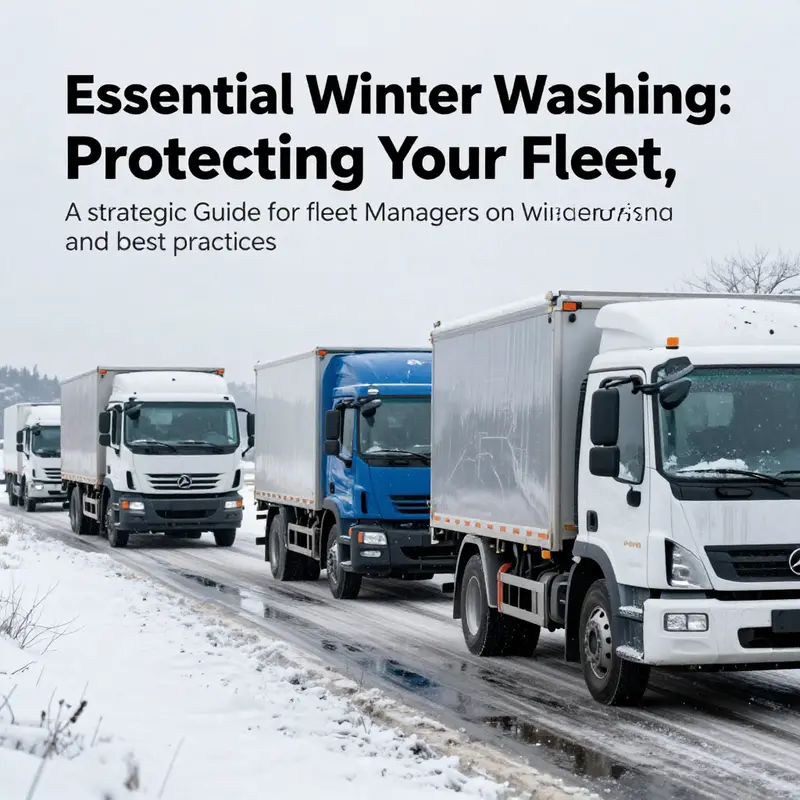
Maintaining a truck fleet during winter presents unique challenges, particularly in regions that frequently experience snow and ice. The buildup of road salts and the corrosive effects of de-icing chemicals can lay the groundwork for extensive damage if not adequately addressed. This article serves as a comprehensive guide for logistics and freight company fleet managers, trucking company owners and operators, as well as construction and mining fleet supervisors, focusing on the frequency of washing trucks during winter months. The following chapters will provide essential recommendations, explore crucial factors influencing washing frequency, and outline best practices for effective winter washing, culminating in actionable insights to safeguard your fleet’s performance and appearance.
Winter Wash Cadence: Shielding a Truck’s Skin and Structure Against Salt, Slush, and the Cold

Winter tests more than comfort; it tests the integrity of a fleet and the grit of its upkeep. For trucks that haul through snow, slush, and road salt, the question of how often to wash in winter is a maintenance imperative. Road salts cling to undercarriage, seams, and crevices, accelerate corrosion, and invite rust. Frequency should be a balance: enough to rinse away contaminants, but realistic for a busy fleet. Baseline: wash after snow or ice storms as soon as possible; aim for at least a weekly wash during regular winter operation. If exposure is high (salted routes, heavy spraying, outdoor parking), increase to 2-3 washes per week during peak periods. If exposure is moderate and parking is indoors, a 10-14 day interval can work, with vigilance after storms. Always wash the undercarriage and wheel wells; dry the vehicle thoroughly to prevent freezing at seals and edges. Consider heated wash bays in winter; apply a protective wax or sealant after washing. Use a maintenance log to track dates, surfaces cleaned, and coatings applied. In dynamic winters, stay flexible: after storms or salty weeks, wash promptly and adjust cadence as needed. The cadence, while not rigid, should remain a leading indicator of fleet health. A simple rule of thumb: 1 wash per week minimum, with adjustments based on exposure.
Shine Through the Snow: Crafting a Winter Wash Schedule for Your Truck

Winter brings a stubborn mix of challenges for any truck owner. Cold temperatures, wet slush, salt brine, and a steady stream of road grime conspire to dull paint, accelerate corrosion, and push the undercarriage toward rust before the season is done. In this climate, washing a truck is not just about looks; it is a strategic maintenance practice that protects value, fuel economy, and reliability. The question of how often to wash a truck in winter then becomes a question of balancing exposure, risk, and practicality. The answer cannot be a one size fits all prescription, because every route, every fleet, and every parking situation will shape the risk profile in different ways. Yet there is a coherent framework you can apply to set a washing cadence that guards against damage while still respecting time and budget constraints. The core idea is simple: wash when the vehicle is carrying contaminants that can cause harm, and do so in a way that minimizes the potential for freeze damage and mechanical issues. Folded into this approach are the specifics of exposure, climate, and finish, and the practical steps that ensure the washing process itself does not introduce new problems. When you take a structured, well-timed approach to winter washes, you protect paint, fasteners, seals, and the critical undercarriage assemblies that keep a truck on the road when the weather turns hostile.
The winter environment creates a paradox for maintenance. On one hand, cold air and damp conditions slow the growth of surface contaminants and make a clean finish appear less urgent. On the other hand, road salts and de-icing chemicals are relentlessly corrosive and slow-acting threats. This interplay between temporary appearances and long-term damage is why timing matters. Road salt is designed to cling and creep into crevices. It finds its way into wheel wells, underbody panels, and joints where moisture and grime collect. When left on metal and unprotected surfaces, salt salts the metal with chlorides and brines that trigger rust and deterioration over time. The same principle applies to de-icing agents applied to bridges, overpasses, and rural roads. The longer these corrosive agents sit on metal, the more opportunity they have to start the oxidation process. Washing after exposure to salted roads is not merely cosmetic; it is an essential corrosion-prevention practice that pays off in fewer repairs, safer undercarriage components, and a longer vehicle life.
To translate this into a practical washing cadence, consider three primary drivers: exposure to road salt and de-icing chemicals, driving environment and terrain, and weather and temperature. Exposure to salt is the most predictable factor in northern climates and in jurisdictions with aggressive winter maintenance programs. If your routes regularly include sections that have been treated for ice, you should plan for more frequent washes to strip away the salt before it can bake into paint and rust-prone seams. This is not a one-off event; it is an ongoing process that requires regular attention. The driving environment amplifies the effect of exposure. A truck that spends a lot of its time on highways may encounter salt, but a vehicle operating on rural, unpaved, or construction site roads will collect more stubborn grime, mud, and mineral residues. Each type of contaminant has its own cleaning requirements, and the frequency should reflect the dominant contaminants your truck encounters. The weather and temperature piece adds another layer of complexity. Wash in temperatures above freezing to avoid water freezing on metal and in door seals, and to prevent rapid contraction and expansion cycles in metal and fasteners. If the cold is extreme, a full wash may need to wait for a warmer window or be done in a heated bay by professionals who have the infrastructure to manage large vehicles without compromising components.
With these factors in mind, the guidelines used by many fleets and individual operators converge on a practical rhythm. If your truck is driven regularly in winter and encounters road salt or brine, a wash every one to two weeks helps remove accumulated salt before it can begin to corrode. This cadence aligns with the way salts accumulate and the rate at which they can begin to cause damage when left to sit. If your operation includes heavy exposure to mud, grime, or off-road conditions, the frequency rises toward weekly washes. The logic here is straightforward: off-road mud and clay particles can trap moisture and abrasive compounds that wear paint and underbody coatings if allowed to dry in place. By scheduling a wash after the truck completes a muddy leg of a route, you interrupt the abrasive cycle and restore a clean surface that better resists further buildup. For trucks parked outdoors, the exposure is higher simply because there are no controlled, indoor conditions to minimize the accumulation of snow, salt spray, and moisture. Outdoor parking necessitates a more aggressive washing rhythm than indoor storage, especially in climates with frequent snow events or heavy air pollution from road treatment.
These reminders are not merely about frequency; they also emphasize how and when to wash. Washing is most effective when the water is warm, but not hot, and when the operation includes a thorough rinse of the undercarriage, wheel wells, frame rails, and crossmembers where salt and grime tend to collect. Warm water helps dissolve salt solutions more efficiently than cold water and reduces the risk of leaving residue behind. It is essential to avoid a high-pressure blast directly on cold surfaces immediately after a drive. Rapid temperature changes can cause microcracks or stress on seals and gaskets if the metal and rubber parts have just heated up from road friction and braking. If you approach the wash with careful sequencing—top to bottom, front to back, and paying special attention to the undersides—you reduce the chance of trapping moisture in places where it can freeze and cause issues with door seals, window edges, and frame joints. After washing, comprehensive drying becomes a critical step. Water left on the door seals or around fasteners can freeze, leading to doors that balk at opening in freezing weather or to seals that lose effectiveness. Investing the time to dry thoroughly is often the difference between a clean surface and doors that stick or seals that leak when a truck hits a warmer day.
Many fleets find value in professional wash facilities during winter months. Heated wash bays provide a controlled environment that helps prevent freezing and allows larger vehicles to be washed with equipment designed to handle the weight and dimensions of trucks. The combination of warm water, heated bays, and specialized nozzles can achieve a level of cleanliness that is difficult to replicate in a home or on-site setup. For operators who balance time and cost, these professional services often yield longer intervals between washes by delivering a deeper clean and a more thorough rinse of hard-to-reach areas. Yet for many fleets, a well-planned self-wash routine in a heated bay or a sheltered facility remains a practical alternative, especially when paired with a solid maintenance schedule and proper drying techniques.
A practical cadence emerges when you align the frequency with exposure, terrain, and weather. In general terms, most truck owners should plan to wash every 1–2 weeks during winter if driving on salted roads. If mud and off-road exposure are common, weekly washes are advisable. Immediately after snow or ice storms, washing as soon as possible is prudent because the rush of road salt and brine onto exposed surfaces begins the corrosion cycle right away. When temperatures are above freezing, a wash becomes more feasible and safer for the vehicle’s metal components, seals, and electrical connections. In milder winter conditions, a monthly wash could suffice for aesthetics, but the moment you have exposure to road salt or brine, the risk escalates and so should the washing frequency. The goal is to remove corrosive residues before they can cause rust or long-term damage, especially on the undercarriage where salt accumulates and is shielded from routine cleaning.
The finish and coating on a truck also influence how often you should wash. Painted finishes, particularly darker colors, reveal grime more quickly, which can tempt a more frequent wash to preserve appearance. Travel under salty conditions with bare metal or unprotected steel surfaces demands more frequent attention. Protective coatings—whether wax-based or ceramic-like treatments—increase resistance to contaminants and can extend intervals between full washes. However, even coated surfaces benefit from regular cleansing to sustain hydrophobic properties and to avoid contaminant buildup that can compromise the coating over time. If a coating is present, you may be able to stretch to a slightly longer interval between washes, but you should not neglect the undercarriage, wheel wells, and frame where contaminants tend to congregate. The coating itself does not render steel invincible; it merely slows the rate at which contaminants bond with the surface. Regular, purposeful cleaning remains essential to maintain the coating’s effectiveness and to protect the substrate underneath.
Beyond the mechanics of washing, there is a practical, almost daily discipline that supports a healthy winter wash schedule. The moment a truck returns from a salted route or a muddy expedition, you should consider a rinse. A quick rinse with warm water can be the first safeguard against long-term contamination, especially if a full wash won’t be possible for several days. If a quick rinse is not feasible, a quick detail spray or a waterless cleaner—with a careful follow-up to dry surfaces—can keep the surface cleaner until a full wash can be completed. The aim is not to live with a crust of salt on metal bearings and fasteners; it is to minimize the time those salts have to interact with the vehicle’s skin and framework. For fleet managers, this discipline translates into documented wash windows and a simple decision tree: Was there exposure to salt or brine today? Was there mud or heavy debris? Is the temperature above freezing? If yes, plan a wash in the near term. If not, consider safe interim cleaning options and a plan to wash when conditions improve. This approach reduces the chance that a single missed wash spirals into multiple sticking points, from door seals freezing shut to wheel wells binding with caked grime.
From an operational standpoint, the decision to wash can also be integrated with broader fleet maintenance planning. There are practical steps that help turn a seasonal obligation into a manageable routine. Establish a wash log that records the last wash date, the observed level of salt exposure, and the next planned maintenance wash. This not only builds a habit but also delivers data you can review to optimize schedules across the entire fleet. If you manage multiple trucks, you may find that certain routes or shifts generate different contamination profiles, and you can tailor the wash cadence accordingly. A centralized scheduling approach can ensure that every vehicle receives appropriate attention without disrupting service commitments. When you pair a consistent schedule with accessible cleaning facilities—whether indoors, in heated bays, or in a sheltered outdoor setup—you reduce the risk of last-minute, rushed cleans that might neglect the undercarriage or wheel wells. A calm, well-planned approach to washing supports longevity and performance even in the most demanding winter conditions.
For those seeking additional guidance about managing wash operations within a broader maintenance program, it helps to learn from other fleet managers about the logistics of running wash facilities, scheduling, and compliance. A dedicated look at facility management for truck wash businesses, for example, can provide insights into how to design efficient workflows, optimize staffing, and maintain consistency across vehicles and shifts. Such resources can help you translate the science of corrosion control into practical, scalable processes that fit your operation’s size and complexity. By focusing on the system as a whole—environmental controls, workflow efficiency, and disciplined cleaning routines—you can turn a seasonal maintenance task into a reliable, value-adding practice for your fleet. For fleet operators and managers who want to dig deeper into the operational side of cleaning and maintenance, see the resource on facility management for truck wash businesses.
In sum, winter washing is not a luxury but a risk-management practice. The cadence you choose should reflect actual exposure, not a generic guideline. The most resilient plan is a blend of regular, proactive cleaning and flexible responses to weather and road conditions. Wash after exposure to salt and brine, wash weekly if you face frequent mud and off-road debris, and never skip the undercarriage rinse when conditions permit. Use warm water to dissolve residues effectively, avoid blasting cold surfaces with high pressure, and invest time in thorough drying to prevent freezing issues. Consider professional services for the convenience and thoroughness they offer, and do not overlook interim cleaning methods when full washes are not possible. By integrating these habits into a cohesive winter-wash strategy, you protect the truck’s aesthetic appeal and structural integrity while reducing long-term maintenance costs and downtime. And as always, the best guidance combines practical experience with a structured plan that can be adapted as your routes, seasons, and maintenance needs evolve.
For fleet managers who are building or refining a wash program, a practical takeaway is to tie the frequency to exposure profiles and to embed the cadence within a larger maintenance calendar. This approach ensures you do not treat washing as an isolated event, but as a key component of corrosion control and vehicle readiness. If you need a resource to help translate these ideas into the day-to-day realities of a wash bay or a mobile cleaning operation, consider the facility management for truck wash businesses resource for insights into workflows and facility design. facility management for truck wash businesses.
External resource reminder: for authoritative guidance on winter vehicle care, consult the DOT guidance on winter driving tips. DOT’s winter driving tips.
null

null
Final thoughts
Regular washing of trucks in winter is vital for preserving the longevity and integrity of your fleet. Fleet managers and operators must prioritize washing practices, ensuring that trucks are cleaned after exposure to harmful road salts and de-icing chemicals. By considering the recommendations outlined in this guide, understanding the influential factors at play, and implementing best practices for winter washing, you will significantly reduce maintenance costs and extend the lifespan of your vehicles. This proactive approach not only protects your fleet but also enhances the operational efficiency, making it an essential strategy in the winter months.