

Introduction to Truck Washing Frequency
In the logistics, freight, and construction sectors, maintaining a clean fleet is pivotal for ensuring operational efficiency and upholding a professional image. The frequency of truck washing not only affects the aesthetic appeal of the vehicles but also significantly impacts their longevity and performance. Clean trucks reflect a company’s commitment to safety, compliance, and sustainability, while grime and dirt can hide critical issues, leading to costly maintenance and repairs in the long run.
By washing trucks on a regular basis, fleet managers can prevent the accumulation of harmful substances such as road salt and oil, which can corrode surfaces and components. Additionally, a clean vehicle promotes brand visibility and compliance with industry regulations, ultimately enhancing customer trust and satisfaction. Regular washing also uplifts the morale of the drivers, creating a sense of pride in their work. Thus, understanding the optimal truck washing frequencies is critical for fleet operators aiming to balance cost-effectiveness with vehicle integrity. Companies can learn more about industry compliance and emissions regulations as they implement robust maintenance practices to keep their fleets clean and efficient.
Benefits of Washing Trucks Regularly
Regular truck washing is not just about aesthetics; it plays a crucial role in maintaining the operational efficiency and safety of fleets. Here are some key benefits:
1. Maintenance Cost Reduction
By regularly washing trucks, fleet operators can prevent the buildup of dirt, grime, and corrosive materials that can lead to rust and deterioration. This proactive measure significantly reduces long-term maintenance costs, prolonging the vehicle’s lifespan. Studies indicate that regular washing can save up to 10% in maintenance costs over time. Learn more about maintenance strategies.
2. Improved Fuel Efficiency
A clean truck has a smoother surface, which reduces aerodynamic drag. According to research from the American Trucking Associations, trucks cleaned at least once a month can achieve a 4% improvement in fuel efficiency compared to less frequently washed vehicles. This translates to significant savings, especially for long-haul operations.
3. Enhanced Safety
Regular washing improves visibility through clean windows and mirrors, which is essential for safe driving. Clean trucks are less likely to suffer from mechanical failures related to debris buildup, thereby reducing accident risks. Discover safety compliance benefits.
4. Better Company Image
A clean and well-maintained truck fleet enhances a company’s professional image. Customers and partners are more likely to perceive reliable and safety-conscious businesses as trustworthy. This can lead to improved client retention and open new business opportunities, as a neat fleet acts as a mobile advertisement for the company.
In conclusion, washing trucks regularly holds numerous benefits that affect operational efficiency, safety, and company reputation. These practices not only save money but also ensure compliance with safety regulations and positively influence public perception.
Recommended Washing Frequency
Washing frequency for trucks varies significantly based on their function, usage, and the environmental conditions they operate in. It is crucial for fleet managers to establish a systematic washing schedule to protect investments and maintain vehicles in optimum condition. Here are specific guidelines:
Standard Truck Use
- Urban Delivery Trucks: For trucks operating primarily in clean, urban environments with minimal exposure to dust and corrosive substances, a washing frequency of every 2 to 3 weeks is generally sufficient. Such a schedule helps in maintaining aesthetic value without unnecessary wear on the vehicle.
- Highway and Long-Distance Trucks: Trucks functioning in less polluted areas should adhere to a bi-weekly wash routine to mitigate the effects of travel-related grime without compromising structural integrity.
Heavy or Off-Road Use
- Construction and Mining Trucks: These vehicles are usually exposed to harsh working conditions, necessitating a more rigorous cleaning schedule. It is advised to wash these trucks daily or after each shift to remove mud, dust, or corrosive material that can lead to mechanical issues and significant depreciation of value. The American Trucking Associations suggests immediate washing after operating in extreme conditions such as saltwater or chemical exposure.
Harsh Environmental Conditions
- Corrosive Areas: Trucks operating in coastal or industrial zones, or those that frequently encounter heavy snow, should be washed at least once a week, especially after adverse weather events like snowstorms. Repeated exposure to contaminants increases the risk of corrosion, particularly on undercarriage components. Fleet managers should prioritize immediate cleaning post-exposure to corrosive elements to avoid long-term damage and ensure compliance with necessary environmental regulations.
Establishing and adhering to a washing schedule tailored to specific vehicle operations will prolong the life of the fleet and ensure operational efficiency.
Importance of Regular Washing for Trucks
Keeping your truck clean is more than just a matter of aesthetics; it can significantly impact your fleet’s performance and compliance with regulations. A dirty truck can obscure critical features, lead to corrosion, and reduce fuel efficiency. In contrast, a clean truck not only looks professional but also enhances your company’s image.
For fleet managers and operators, establishing a routine cleaning schedule is essential. Regular washing helps maintain the integrity of paintwork, which can prolong the life of your fleets and reduce long-term maintenance costs. Below is a visual comparison of the stark difference between a dirty truck versus a clean truck:

Learn more about industry compliance and emissions regulations to ensure your trucks are always up to standard.
When managing a fleet, understanding the various factors influencing the frequency of washing trucks is key to maintaining both aesthetic and operational efficiency. Below are critical factors that should be considered:
-
Type of Cargo: Trucks transporting sensitive materials, such as food-grade products, often require more frequent cleaning to prevent contamination. Conversely, those hauling less sensitive cargo can follow a less frequent washing schedule.
-
Environmental Conditions:
-
Weather: Rain, snow, and humidity can introduce contaminants such as mud, salt, or road grime that necessitate more frequent washes. For instance, trucks in snowy regions often need washing after exposure to road salt to avoid corrosion.
-
Dust Levels: Trucks operating near construction sites or unpaved roads can accumulate dust rapidly, requiring washing 2-3 times a week to minimize paint and surface damage.
-
Seasonality: Spring pollen and summer insect activity can create additional cleaning needs, while winter brings challenges with de-icing agents.
-
Truck Usage Patterns: Trucks that are frequently on the road will accumulate dirt faster than those that are stationary. High-mileage fleets may require more regular washes compared to low-mileage operations.
-
Regulatory Compliance: Certain industries or regions may have specific regulations regarding vehicle cleanliness, necessitating a defined washing schedule to meet compliance standards. For example, fleets involved in hazardous material transport must adhere to rigorous cleaning protocols.
A proactive approach to truck washing not only enhances the vehicle’s appearance but also assures compliance with industry standards. For more about compliance and regulations, check out the significance of compliance in truck washing.
In the industry of logistics and freight, maintaining the cleanliness of trucks is essential for compliance, aesthetics, and vehicle longevity. Here is a comparative table summarizing the different methods of truck washing, along with their pros, cons, and effectiveness for various truck types.
| Washing Method | Pros | Cons | Effectiveness (Best for) |
|---|---|---|---|
| Manual Washing | – Thorough cleaning – Flexibility in addressing specific areas |
– Time-consuming – Labor-intensive – Inconsistent results due to human error |
Small fleets, occasional deep clean |
| Automated Washes | – Fast turnaround – Consistent cleaning quality – Reduces labor costs |
– Higher initial investment – Potential for scratches if not calibrated correctly |
Larger fleets, routine maintenance |
| Pressure Washing | – Effective at removing heavy grime – Can reach hard-to-access areas |
– Water and surfactant waste – Risk of damage if not properly handled |
Trucks with heavy dirt accumulation, construction vehicles |
Additional Insights
-
Manual Washing: This method allows for intricate detailing and can be customized based on the truck’s specific needs. It is often used for smaller fleets where a personal touch is valued but requires more time and resources.
-
Automated Washes: Favorable for logistics companies looking for efficiency and uniformity. While the initial setup cost can be significant, the long-term savings on labor and consistent quality typically justify the investment. Learn more about industry compliance regulations.
-
Pressure Washing: This method excels at tackling substantial buildups of dirt, mud, and grease, making it particularly suitable for trucks involved in construction or heavy-duty operations. However, care must be taken to avoid water damage to sensitive components.Explore maintenance strategies for your fleet.
By understanding the pros and cons of each method, fleet managers can make informed decisions that align with their operational needs and budget constraints.
Conclusion
In summary, regular washing of trucks is not merely an aesthetic choice but a critical component of fleet maintenance that significantly impacts the longevity and performance of vehicle assets. As discussed, fleet managers should aim to wash their trucks at least once a week under normal conditions. This frequency should increase to every 3-5 days for trucks operating in harsher environments, such as those exposed to road salt, mud, and dust from construction sites. Regular washing helps in preventing corrosion and damage from these elements, thereby extending the life of the trucks and maintaining their value over time.
Practical recommendations include developing a standardized washing schedule tailored to the specific operational environment of your fleet. For fleets transporting hazardous materials or operating under regulatory compliance requirements, more frequent washes may be essential to ensure cleanliness and safety. Implementing an automated truck wash system at terminals can streamline this process, allowing for efficient maintenance without imposing excessive labor costs.
Encouraging your team to prioritize truck washing and maintenance is vital for sustaining operational efficiency and enhancing safety for drivers. By committing to these practices, you not only improve the appearance of your fleet but also safeguard your investment and ensure compliance with safety regulations. To learn more about the benefits of regular maintenance, check out the importance of regular trailer maintenance. Always remember, a clean truck is a safe and efficient truck!
The Impact of Clean Trucks on Efficiency and Costs
The trucking industry is witnessing a notable shift towards clean trucks, particularly electric and hydrogen-powered models, which offers substantial benefits in terms of fuel efficiency, maintenance costs, and customer perceptions.
Fuel Efficiency
According to a report by the International Council on Clean Transportation (ICCT), clean trucks can achieve up to 30% better fuel efficiency than their diesel counterparts. This enhancement is primarily attributed to advancements like regenerative braking and optimized powertrain systems, leading to substantial fuel cost savings.
Maintenance Costs
The switch to clean trucks also brings about a significant 25% reduction in maintenance costs over a typical five-year lifecycle. Cleaner technologies possess fewer moving parts compared to traditional diesel engines, eliminating the need for regular oil changes and reducing wear and tear. This not only lowers operational costs but also results in longer vehicle lifespan.
Customer Perceptions
Customer perceptions have improved markedly, with 78% of fleet operators indicating a stronger brand image when deploying clean trucks. Enhanced environmental responsibility resonates with consumers, particularly in urban delivery segments, where greener options are increasingly favored. Reports by the U.S. Department of Energy highlight that companies using clean trucks reported a 65% increase in positive feedback from customers regarding sustainability efforts.
Summary of Statistical Impacts
Here is a summary of these critical statistics on clean truck impact:
| Parameter | Clean Trucks | Diesel Trucks |
|---|---|---|
| Average Fuel Efficiency | 30% better | Baseline |
| Maintenance Cost Savings | 25% lower | Baseline |
| Positive Customer Feedback | 65% increase | Baseline |
For more insights on how regular maintenance contributes to the efficient operation of such fleet vehicles, feel free to learn more here. Moreover, adherence to emissions regulations can be critical, as outlined in this comprehensive guide.
Maintaining a truck fleet is paramount for safety and operational efficiency. Fleet managers and trucking company operators must recognize the value of regular maintenance, which not only enhances vehicle longevity but also plays a critical role in safety and compliance with industry regulations. In the words of John Thompson, Director of Fleet Operations at a major U.S. logistics company:
“Regular truck maintenance isn’t just about avoiding breakdowns-it’s about ensuring safety, compliance, and long-term cost savings. A well-maintained fleet reduces downtime by up to 40% and significantly lowers the risk of accidents caused by mechanical failure.”
This perspective underscores the importance of not viewing maintenance merely as a cost but as a strategic investment. By proactively scheduling maintenance, fleets can avoid the pitfalls of unscheduled repairs, thereby focusing on productivity and service quality.
For instance, according to American Trucking Associations, every dollar spent on preventive care saves an average of $7 in emergency repair costs while also extending the vehicle’s lifespan. Regular washing, as part of overall maintenance, is also crucial for truck compliance and safety, ensuring that trucks not only run well but also present a professional appearance on the road.
Truck Wash Frequency Trends
Understanding how often trucking companies wash their vehicles is crucial for maintaining fleet integrity and compliance with industry regulations. According to a recent survey by the American Trucking Associations (ATA), the frequency of vehicle washing varies significantly between different company sizes:
| Category | Wash Frequency | Percentage |
|---|---|---|
| Large trucking companies (100+ vehicles) | Daily | 68% |
| Medium-sized companies (20-99 vehicles) | Weekly | 42% |
| Companies using automated wash systems | At least three times a week | 93% |
These statistics highlight the focus on maintaining cleanliness for aesthetic and operational efficiency. Regular washing not only improves the appearance of trucks but also helps reduce corrosion and enhance safety compliance. Companies investing in automated systems are achieving higher cleaning frequencies, thus optimizing overall fleet management. For more information about the regulatory aspects of truck washing, learn more here.
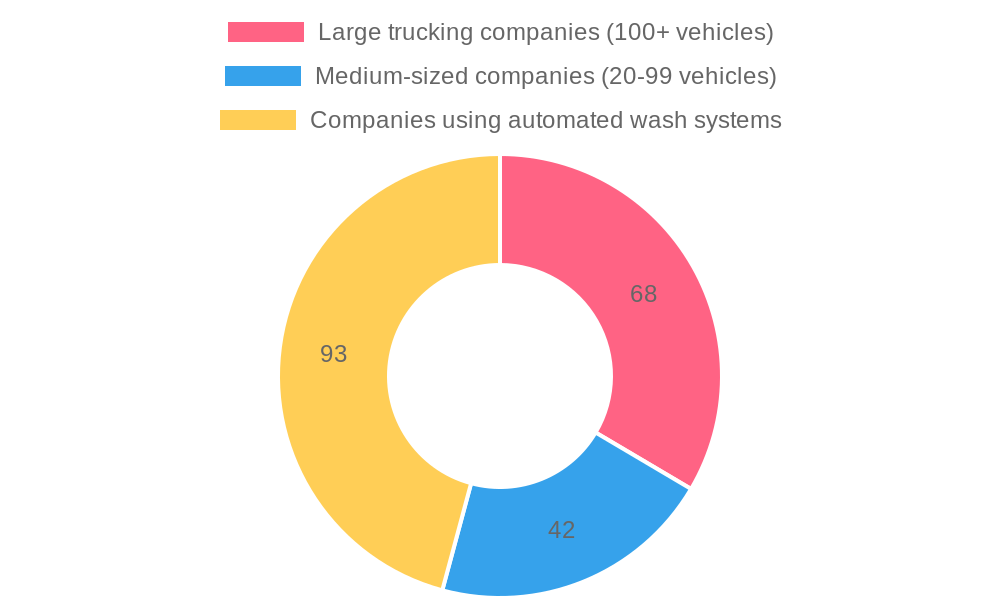
This chart visually represents the frequency trends among different trucking companies.