
Maintaining the cleanliness of your truck is essential for optimal performance and resale value. For logistics and fleet managers, understanding the costs associated with washing your trucks helps in budgeting and maintaining the vehicles’ appearance and condition. This article examines various truck washing options available today, from self-washing methods to professional services and mobile wash solutions. Each chapter provides an analytical perspective on costs and benefits, ensuring you make informed decisions about how much to wash your truck.
Budget-Savvy Self-Wash: Unpacking the True Cost of Cleaning Your Truck Yourself
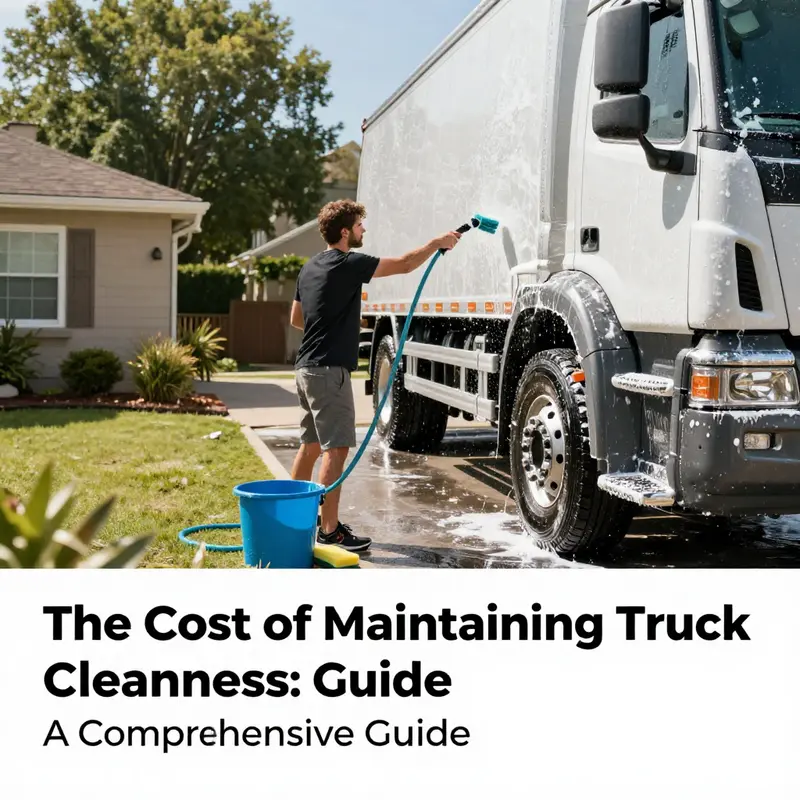
Choosing how to wash a truck isn’t just about whether you want soap on the paint or water flowing down the drain. It’s about budgeting time, money, and effort in a way that fits your routine and keeps the vehicle in top shape. For many owners, the DIY route—whether you’re washing at home or slinging suds in a self-serve bay—offers the clearest line between care and cost. The math isn’t glamorous, but it is practical: you want clean wheels and a clean exterior without breaking the bank, and you want a result that lasts long enough to justify the effort. This chapter dives into the concrete numbers behind self-wash options, distinguishing between washing at home with your own tools and using a self-serve bay. It also explores how the costs accumulate over time when you wash your truck on a schedule that balances appearance, protection, and resale value. In the end, the aim is to equip you with a clear picture of what you can expect to pay when you take the DIY approach, and how to tailor that approach to your truck’s needs and your budget.
For the average truck owner who wants to keep costs predictable, the most immediate point of reference is the DIY self-wash price you’ll encounter at a local facility. The self-serve or DIY options typically fall into a modest range that many owners find approachable. In practical terms, you’ll often see prices that hover around seven to fifteen dollars for a basic exterior wash. That range reflects a few core realities: the facility’s location, the time you’ll need to spend in the bay, and whether you add any extras beyond the basic rinse and soapy wash. The location matters—a suburban neighborhood with higher rents may charge toward the higher end, while rural or less-populated areas might lean closer to the lower end. And time is money, even when you’re the one investing the time. If you’re on a tight schedule, you might end up spending more in terms of opportunity cost if you’re waiting for a stall or juggling the wash with other errands.
If you’re washing at home, the math shifts a bit, but the logic remains the same. The initial outlay for cleaning supplies—soap, wax, a detailing product, brushes, and towels—can be as little as ten dollars and as much as thirty dollars per wash, depending on the quality and the extent of detailing you want. When you add the wax or sealant, the price climbs, but the payoff is a longer-lasting protective layer that helps your truck resist the elements and retain its shine through more of the season. The upside of washing at home is the absence of a facility fee, the flexibility to schedule your wash around weather and work commitments, and the chance to practice better water usage stewardship. The downside can be a longer time commitment, more messy cleanups in your driveway, and the need to manage hoses, buckets, and cleanup rags without losing patience.
A self-serve wash bay at a facility is a different experience from washing at home. The seven-to-fifteen-dollar price you’ll typically encounter for a basic exterior wash translates into a significant value in terms of convenience and speed. You’ll get a rinse, a soapy wash, and basic drying time—an efficient package that many drivers rely on when they’re in between long hauls or preparing to head out for the next run. But this price point doesn’t always reflect the full palette of options that may be available. Add-ons like a high-pressure rinse, an interior vacuum, tire shine, or a more advanced wax treatment can push the total per visit higher, sometimes closer to the twenty-five-to-thirty-dollar mark, depending on the bay and the region. If your goal is a balanced approach that preserves the truck’s painted surfaces and keeps the undercarriage clear of grime, you can tailor the service to your needs without overspending. In other words, you can dial in your own level of care and cost by choosing the right combination of features.
The self-serve experience also invites a practical look at time versus outcome. A clean truck, delivered efficiently, is not just about the end result but about the process itself. If you’re factoring your time as a resource, estimate how long you’ll spend in the bay. A simple exterior wash might take twenty to thirty minutes for a thorough pass, while adding a wax or sealant treatment could stretch the session into forty-five minutes or more. If you’re washing at home, you’ll add the time required for gathering supplies, setting up the hose, and tidying up after; all of which vary with the size of your truck, the level of dirt, and the complexity of the paint finish. The bottom line is straightforward: when you’re calculating DIY costs, don’t forget to account for both the monetary outlay and the time you’ll invest. The time can be a meaningful cost, especially if you’re balancing work, family, and other responsibilities.
Another important layer is the condition of the truck and the environment you’re in. Heavily used trucks operating in muddy, salty, or oil-slick conditions will require more attention and may justify higher per-visit costs if you’re aiming to protect resale value and prolong paint life. In those circumstances, a basic exterior wash may not be sufficient to preserve the undercarriage or body panels. You might choose a self-serve bay that offers a higher-pressure rinse, or add a sealant to prolong the protective layer and slow the accumulation of grime. If mud and salt have become persistent enemies, a hot-water wash option—where available—can be a wise investment because it helps break up stubborn grime and reduces the effort you’ll need to invest in scrubbing. The point is simple: context matters. Your truck’s usage pattern and exposure to contaminants should shape how you allocate your DIY budget.
The decision to wash on your own versus paying for a professional service is not solely about price. It also touches on the practicality of maintenance, the offline time you’re willing to devote, and the long-term benefits of care. A basic DIY approach, whether at home or in a self-serve bay, serves to keep costs predictable and controllable. For occasional drivers, a simple exterior wash every couple of weeks may suffice to keep paint in good condition and to reduce the risk of surface oxidation. For fleets or trucks that endure heavy operation in harsh conditions, the calculus shifts toward more frequent maintenance with higher-quality products and a more thorough wash routine. In those situations, the incremental cost of a more comprehensive wash—such as a premium wash with waxing or a focused undercarriage cleaning—can be justified by the protection it offers to the vehicle’s body, wheels, and critical mechanical components. The reinforcement here is practical: the best choice is the one that aligns with your truck’s usage profile and your financial plan, rather than the option that sounds easiest in the moment.
For readers seeking deeper strategies and a verified approach to removing tough grime, there is value in looking at proven strategies for cleaning grease and tar off your trucks fast. This resource offers methods that you can apply within a self-wash session to maximize results without pushing the cost envelope. It’s a reminder that while DIY pricing lays the foundation, the actual effectiveness of the wash depends on technique and the right sequence of steps. You’ll want to start with a clear rinse, move to a targeted soap application, and then use a thorough brush or sponge regimen to lift residue without abrading the paint. Finishing with a careful rinse and a protective layer helps extend the life of the finish and reduces the need for premature rework. The key is to match the method to the grime, not to force a one-size-fits-all approach. You can blend the guidance with your local options to find a rhythm that preserves your truck’s appearance and your wallet.
From a budgeting perspective, the DIY path shines in two practical ways: it gives you control over the scope of the wash and it minimizes recurring fees beyond the purchase of supplies. If you wash your truck regularly, investing in quality soap and a durable wax or sealant can yield a better return over time by preserving clear coat and preventing corrosion. On the other hand, the convenience of a self-serve bay—with its straightforward pricing and the option to handle the entire process in one session—offers real value for owners who want a fast refresh without thinking about long-term commitments. The trick is to approach the process with a plan: know what you want to achieve in each wash, estimate the capital outlay for supplies or the per-visit cost in the bay, and then set a cadence that balances appearance, protection, and resources.
Another practical angle is the integration of local pricing and how to stay informed about updates. Because self-serve wash prices can vary by region and by facility, it pays to check price trends in your area and to look for loyalty programs or bundles that maximize value. Many truck stops and local car wash facilities offer discounted packages for frequent users, and these packages can be particularly attractive for drivers who rack up regular washes due to long days on back roads or off-road jobs. Taking advantage of these programs requires a quick upfront assessment: how often are you likely to wash, what options do you typically use (rinse, soap, wax, interior vacuums, etc.), and how far are you willing to travel to reach a preferred location. The good news is that with a little planning, you can align your wash frequency with the most cost-effective combination of services.
A final note on costs relates to the accuracy of pricing and the reality that you may encounter slightly different numbers based on your city, your vehicle’s size, and the specific options you choose. The figures outlined here provide a reliable framework for estimating your DIY wash costs, but you should always verify local prices as you plan your next wash. To help with that, you can explore local user reviews and current rates on platforms that aggregate price data and customer experiences. The combination of current price knowledge and practical technique is what turns a simple wash into a cost-effective maintenance habit that protects your truck’s value over time.
As you consider your own budget, remember that the most economical path is not always the one with the lowest sticker price. It’s the route that keeps your truck looking good, reduces the risk of paint damage or undercarriage corrosion, and fits your schedule without creating friction in your routine. Whether you opt to wash at home with your own supplies or choose a self-serve bay for a quicker turnaround, the critical factor remains your ability to maintain a steady cadence. Regular maintenance pays off—with cleaner appearances, longer-lasting finishes, and the peace of mind that comes from knowing you’re protecting your asset. For readers who want a concise frame: a basic DIY exterior wash at a self-serve bay typically runs seven to fifteen dollars, with additional features and services raising the price toward the higher end. Washing at home can cost roughly ten to thirty dollars per wash in supplies, depending on quality and quantity, while more thorough options and wax treatments push those numbers higher. The sweet spot for many private truck owners is a basic professional wash about thirty dollars to fifty dollars every few weeks, balancing cost with care. In practice, the right choice will reflect how often you wash, how dirty your truck gets, and how much you value time versus money.
Internal link note: For readers curious about grease and tar removal strategies that complement a DIY wash, see the page on proven strategies for cleaning grease and tar off your trucks fast. This resource offers actionable steps you can apply in a self-wash session to maximize outcomes without inflating costs. proven strategies for cleaning grease and tar off your trucks fast
And when you want a sense of what similar vehicle owners are encountering in your area, consult local reviews and price listings to calibrate expectations. You’ll often find that small differences in location or facility policy can shift a price by a few dollars, which over the course of a year can amount to real savings or real expenses. In the end, the right approach to DIY washing—whether at home or in a self-serve bay—offers a practical balance between cost, convenience, and the long-term protection of your truck’s finish. It allows you to tailor the effort to your truck’s needs and your budget, so you can keep rolling with confidence and a clean, well-maintained ride.
External resource: https://www.yelp.com/search?finddesc=car+wash&findloc=
null
null
How Often and How Much: Planning Commercial Truck Washes for Longevity, Cost, and Operational Flow
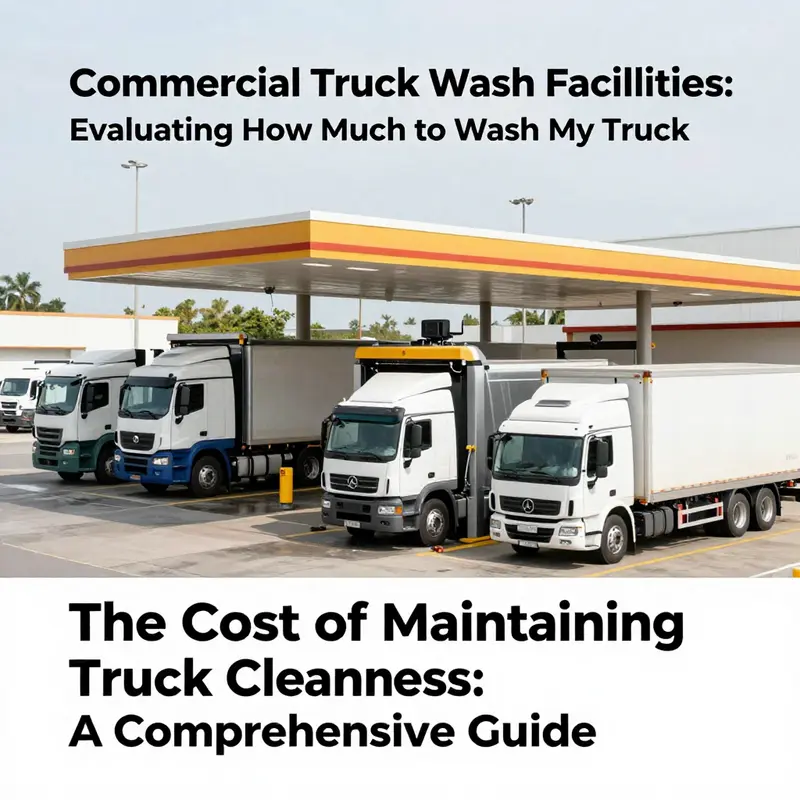
Balancing frequency, cost, and vehicle longevity
Deciding how much to wash a commercial truck is more than a budgeting question. It shapes maintenance cycles, affects resale value, and influences safety and brand perception. A pragmatic wash plan answers three questions: how often, what level of service, and where to go. The answers depend on routes, environment, cargo, regulatory needs, and the trade-offs you accept between time and expense.
Trucks that travel coastal routes or industrial corridors face salt, chemical spray, and abrasive particulates. These agents accelerate corrosion on frames, suspension components, and exposed fasteners. Frequent, targeted washes that remove salt and grime from the undercarriage yield clear maintenance savings. In contrast, trucks operating in dry, urban settings primarily need surface cleaning to keep paint and decals presentable. A one-size-fits-all schedule loses money—either through excess washing or deferred corrosion repairs.
The type of wash matters as much as frequency. Basic exterior washes remove surface dirt. They are quick and budget-friendly, ideal for scheduled upkeep between deeper services. Premium washes add protective coatings or sealants. These treatments slow paint degradation and repel contaminants, which reduces the need for aggressive cleaning later. Full detailing goes further: interior sanitation, engine-bay rinses, and meticulous wheel and chassis cleaning. For owner-operators or vehicles in customer-facing roles, detailing enhances comfort and image. For high-mileage fleets, the incremental cost of more thorough cleaning can pay off by extending component life and improving vehicle uptime.
Choose the appropriate facility by matching wash capabilities to the job. Standard truck wash stations handle routine grime and are versatile for a range of vehicle sizes. Advanced options use heated water and higher pressure, targeting grease and road-film that cling to chassis components. Automated 360-degree systems offer speed and consistent coverage for fleets with tight schedules. Mobile services deliver convenience to yards, construction sites, or loading docks and are invaluable when downtime costs exceed the price of on-site washing. Weigh the cost per wash against the indirect costs saved: fewer breakdowns, better fuel efficiency from cleaner aerodynamics, and reduced labor hours for roadside cleaning.
A practical schedule varies with use. For heavy-duty, daily-use trucks in harsh environments, weekly exterior washes and bi-weekly undercarriage attention make sense. Long-haul rigs that spend most miles on open highways can often shift to a bi-weekly or monthly routine, with targeted cleans after driving on salted roads or through heavy mud. Low-mileage vehicles used for local deliveries may only need monthly exterior washes and periodic detailing. When hazard materials or food-grade cargo is involved, follow additional sanitation rules and more frequent interior cleaning to prevent cross-contamination and meet customer expectations.
Subscription and fleet plans change the calculus. Many facilities offer scheduled packages that maintain consistency and lower per-wash costs. For fleet managers, subscriptions simplify budgeting and scheduling. They reduce administrative friction and help enforce standard wash intervals across a fleet. Bundling inspections, waxing, or underbody rinses into a single plan often yields volume discounts. A steady schedule also creates predictable service windows, improving asset uptime and planning precision. If your operation values consistency, a subscription may be the most cost-effective route.
Record keeping is frequently overlooked but essential. Track wash dates, service types, mileage, and notes about corrosion or mechanical findings. Over time, this data reveals which routes or loads cause accelerated wear. It also quantifies the return on investment for premium treatments like sealants. Use wash logs to align cleaning intervals with maintenance stops. Coordinating washes with scheduled inspections or oil changes reduces total downtime and spreads labor costs across necessary services.
Regulatory and safety considerations influence wash decisions. Certain industries require periodic washouts or certifications to maintain compliance. Food-grade tanker cleaning has specific sanitation protocols. Vehicles operating in environmentally sensitive zones may face stricter discharge rules and must use facilities equipped with proper water containment and treatment. Choose wash facilities that manage wastewater and are compliant with regional environmental regulations. This protects your operation from fines and aligns with corporate responsibility goals.
Cost management strategies help control spend without sacrificing protection. Prioritize undercarriage cleaning after winter or coastal exposure. Use basic exterior washes more often and reserve premium services for scheduled deep cleans. Rotate trucks through different service tiers based on workload and condition. Negotiate volume pricing for fleets and commit to off-peak slots for lower rates. If using mobile services, consolidate groups of vehicles to the same day and site to reduce service call fees.
When evaluating whether to invest in premium or advanced washes, consider long-term value. Protective coatings and routine underbody high-pressure cleaning reduce corrosion and paint degradation. That slows the decline in market value and lowers repair frequency. For fleets, a small up-front increase in routine wash cost often translates into measurable savings in replacement parts and bodywork. Conduct a simple cost-benefit review: compare additional wash costs against estimated savings in repairs and potential resale value retention over a vehicle’s service life.
Operational flow matters. A wash program should align with dispatch schedules, delivery windows, and driver availability. Quick automated washes work well between runs, while more intensive services require scheduling during downtime. For drivers, provide clear wash policies and incentives for compliance. When drivers understand that regular cleaning reduces breakdowns and improves cab comfort, adherence increases. For managers, centralize scheduling and use standard operating procedures to ensure consistent treatment across the fleet.
Accessibility and facility capability are practical checkpoints. Not all truck washes can handle every rig configuration. Verify clearance heights, wheelbase accommodation, and whether the facility can reach trailer undercarriage sections. Confirm the facility’s approach for heavy grime—some locations rely on touchless systems that protect paint but may struggle with caked-on substances. Others use higher-pressure, heated systems better suited for grease and road film. Match the service to the vehicle’s needs, not simply to convenience.
Mobile washing is a powerful complement to fixed facilities. It reduces vehicle movement and driver time away from routes. Mobile teams are ideal for construction fleets, delivery hubs, or remote locations. They can perform targeted washes, spot treatments for tar or grease, and interior cleanups while trucks are idle. Use mobile services when the cost of taking a truck to a facility exceeds the mobile fee. For many operations, a hybrid approach—regular fixed-facility washes supplemented by mobile visits—delivers the best balance of cost, convenience, and thorough care.
Finally, view washing as preventive maintenance. A structured wash routine identifies early signs of corrosion, loose fasteners, or damaged seals. It also improves visibility with cleaner lights and windows. Allocate part of the wash budget toward inspections and small repairs discovered during cleaning. That turns cleaning time into a proactive maintenance opportunity and reduces the likelihood of larger, costlier failures.
For fleet managers and owner-operators alike, the right answer to “how much to wash my truck” is a pragmatic schedule tailored to environment, usage, and budget. Consistency beats sporadic overhauls. Basic services performed frequently, combined with periodic deep cleans and protective treatments, usually offer the best return. Use subscriptions where possible, track wash records, and pick facilities that meet the technical demands of your routes and cargos. When in doubt, prioritize undercarriage and salt removal: these moves protect the structure and often prevent the biggest future expenses.
For guidance on modern cleaning standards and best practices tailored to commercial fleets, consult this industry guide: https://www.tampatruckwash.com/advanced-fleet-cleaning-solutions-for-2025
For insights into managing wash operations and facilities, see this resource on facility management for truck wash businesses: facility management for truck wash businesses
Mobile Truck Washes: How Much to Budget and Why It Matters
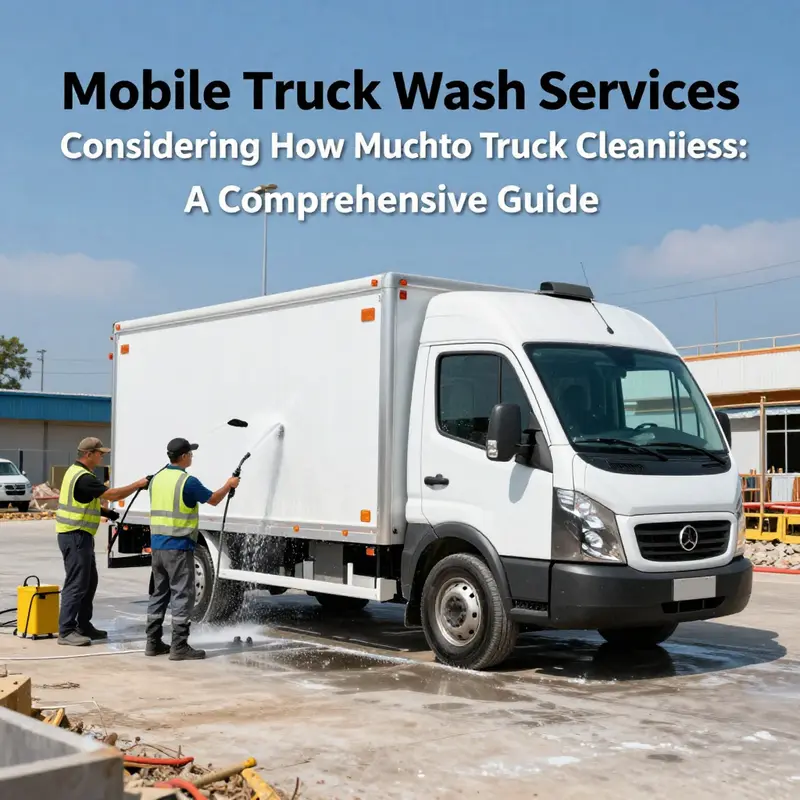
Mobile Truck Washes: Pricing, Value, and Practical Choices
Deciding how much to pay for a mobile truck wash is a practical balance between time, condition, and long-term value. Mobile services bring cleaning equipment to your driveway, job site, or fleet yard. That convenience costs more than a basic drive-through wash. Yet for many owners, the trade-offs justify the price. Understanding the typical price structure and the factors that move that price helps you choose the right frequency and package. It also answers the central question behind “how much to wash my truck”: what outcome do you need, and what are you willing to invest to get it?
A clear starting point is pricing. Mobile washes commonly quote two distinct ranges. For larger rigs like tractor-trailers, local providers often list base exterior washes around $40–$80. For on-demand mobile services that include more thorough cleaning for consumer trucks or single-unit commercial vehicles, expect typical charges of $80–$150 per visit. Those numbers reflect differences in labor, equipment, travel time, and the scope of service. A simple exterior rinse and soap will sit near the low end. A full exterior, wheel and tire cleaning, and quick interior vacuum will push toward the higher end.
Beyond base pricing, additional services are where totals climb and where you should focus your budgeting. Common add-ons include acid washes to remove mineral deposits, engine degreasing, clay-bar or light paint correction, and interior detailing. Each add-on tends to add $10–$20 or more, depending on the supplier and the difficulty of the job. Acid washing and undercarriage work often cost more than a window and tire shine package because they demand specialized chemicals and extra equipment. When your truck faces heavy grime from construction sites, oilfield roads, or salted highways, these extras are not optional; they are maintenance that prevents corrosion and protects components.
Mobile operators vary on environmental practices and wastewater handling. Many reputable teams use water-efficient tools and biodegradable shampoos, reducing the ecological footprint of washing at offsite locations. However, not all mobile washes capture and reclaim runoff. If you operate in an area with strict stormwater rules or if you need to wash within municipal or industrial yards, confirm whether the provider uses containment mats and waste disposal procedures that meet local regulations. A short conversation about water reclamation will prevent fines and protect your fleet’s reputation.
Quality also depends on training and insurance. Mobile technicians who are bonded and insured reduce liability for accidental damage or on-site incidents. Ask whether teams are vetted, how long they have worked in the field, and whether they carry insurance that covers property damage. Reliable providers usually show clear policies and can describe the chemicals and equipment they bring. If you want peace of mind, find a service that offers documented safety procedures and worker verification.
Convenience and scheduling matter, and they enter the price equation in subtle ways. Mobile washes save fuel and driver time because trucks do not need to be routed to a wash bay. For fleet managers, that reduction in downtime translates into measurable savings. If a mobile provider can service multiple trucks during a single visit, per-truck prices can fall. Many providers offer discounted packages for fleet contracts or frequent-service plans. If you plan to wash weekly or biweekly, ask about a block-of-service discount. Negotiating a regular schedule often lowers the per-wash rate substantially.
Deciding how often to use a mobile wash depends on vehicle use and exposure. A commuter-style private truck that sees light road grime requires less frequent professional attention than a construction rig covered in mud and hydraulic oil. For private owners who like a clean truck and park on paved surfaces, a thorough mobile wash every two to three months paired with occasional at-home rinses can be reasonable. For heavy users — contractors, long-haul drivers, or trucks operating in winter salt — monthly mobile washes or a combination of targeted treatments (undercarriage and acid bath) every few weeks make sense. Consider maintenance costs: neglected salt and grime accelerate rust and require early component replacement, which is more costly than preventative cleaning.
Value also ties to resale and paint condition. Regular, well-documented cleaning preserves paint and hardware. If you aim to sell your truck later, an ongoing mobile wash and seasonal detailing regimen can add real resale value. Buyers respond to a documented maintenance history that includes regular professional cleaning. That return on investment is not always immediate, but it shows up when you need to trade or sell the vehicle.
When comparing mobile washes to DIY and fixed-location services, weigh these factors: time, water use, equipment, and outcomes. DIY washes remain the lowest out-of-pocket option and let you control products and frequency. Fixed-location commercial washes may be cheaper per visit but require travel and scheduling. Mobile services command higher rates because they remove friction — someone else brings water, power, and the expertise to your location. For many owners and fleet managers, that convenience is the deciding factor.
Make the most of a mobile wash by preparing the truck and clarifying expectations. Remove personal items from the cab and note any specific problem areas, such as tar spots, bird droppings, or salt lines. Tell the provider where to focus attention and which products you prefer or reject. If you require environmentally friendly chemicals or have concerns about sensitive components, state that during booking. Clear instructions reduce surprises and minimize disputes about final pricing.
Ask about guarantees. Some mobile teams include a satisfaction guarantee or offer touch-up visits for missed spots. If paint correction or heavy-duty degreasing is required, get a written quote. For recurring work, request a service agreement that outlines frequency, services provided, and cancellation policies. A simple contract avoids confusion and helps both sides manage expectations.
Fleet managers should evaluate per-truck cost against labor savings and vehicle uptime. A provider that travels to a yard and services multiple rigs in a single day can be very cost-effective. Calculate the total cost by combining the service fee and driver downtime. In many cases, the mobile option reduces hidden costs like lost productivity and scheduling complexity. If a fleet maintains a consistent route and schedule, predictable on-site visits ensure trucks are cleaned without disrupting operations.
Environmental responsibility is increasingly important. Some mobile providers invest in water reclamation systems and closed-loop cleaning rigs that limit runoff. If environmental compliance and stewardship matter to you or your customers, prioritize providers who can describe their environmental practices. A well-run mobile operation should be able to list the percentage of water saved per job, the disposal practices for recovery systems, and the products used.
Finally, shop smart. Compare several providers in your area. Look for clear price lists, transparent add-on fees, and reviews that mention reliability and thoroughness. If you anticipate frequent washes, ask providers about loyalty pricing or prepaid packages. Prepaying for a block of washes often yields the best per-visit rate. For irregular needs, confirm that the provider charges a travel fee and whether that fee is included in the online price. Clarify cancellation rules for scheduled visits to avoid surprise charges.
For trucks with stubborn grease, tar, or food-grade residues, look into providers who specialize in heavy-duty cleaning or who reference industry cleaning strategies. Those specialists know which chemicals, agitation methods, and protective procedures are necessary to remove tough soils while protecting components and finishes. You can learn more about targeted cleaning methods and strategies for heavy soils in this guide on proven strategies for cleaning grease and tar off your trucks fast: https://tripleatruckwash.com/proven-strategies-for-cleaning-grease-and-tar-off-your-trucks-fast/
If you prefer booking through an app, check whether the provider uses instant booking, transparent pricing, and insured teams. App-based services can simplify scheduling, but confirm the details of the service and any potential fees before confirming. For an example of how mobile booking and service options are presented online, visit the mobile wash app listing referenced in research: https://apps.apple.com/app/quickwash-mobile-car-wash/id1579938799
Choosing how much to wash your truck with a mobile service is a decision about time, money, and risk. Budget with a clear view of base prices, add-on costs, and the long-term benefits of protecting your vehicle. Negotiate when you can, demand transparent practices, and prioritize providers who demonstrate environmental and safety standards. When price aligns with reliability and the right scope of work, mobile truck washes deliver clean vehicles with minimal disruption to your schedule.
Final thoughts
Understanding the costs associated with different truck washing methods allows fleet managers and trucking company owners to make informed decisions that impact the overall maintenance budget. From cost-effective self-wash options to comprehensive professional services, assessing your unique needs and the vehicle’s condition will enable you to maintain a clean and presentable fleet. Regular washing not only enhances aesthetics but also plays a vital role in ensuring long-term vehicle performance and value retention.