
Understanding the duration of truck washes is critical for fleet management, as it directly impacts operational efficiency. The time taken for a thorough cleaning can vary significantly based on the type of truck wash system used and the level of cleaning needed. Fleet managers, trucking company owners, and construction supervisors need to recognize how different washing methods can affect their fleet’s upkeep schedule. This article dissects various washing options, from touchless systems to full-service solutions, exploring their time efficiencies while considering the role of automation and other influential factors. Each chapter will provide valuable insights into how these aspects contribute to effective fleet maintenance and operational planning.
Timing the Touchless Route: How Long a Truck Wash Really Takes in a Modern Tunnel System
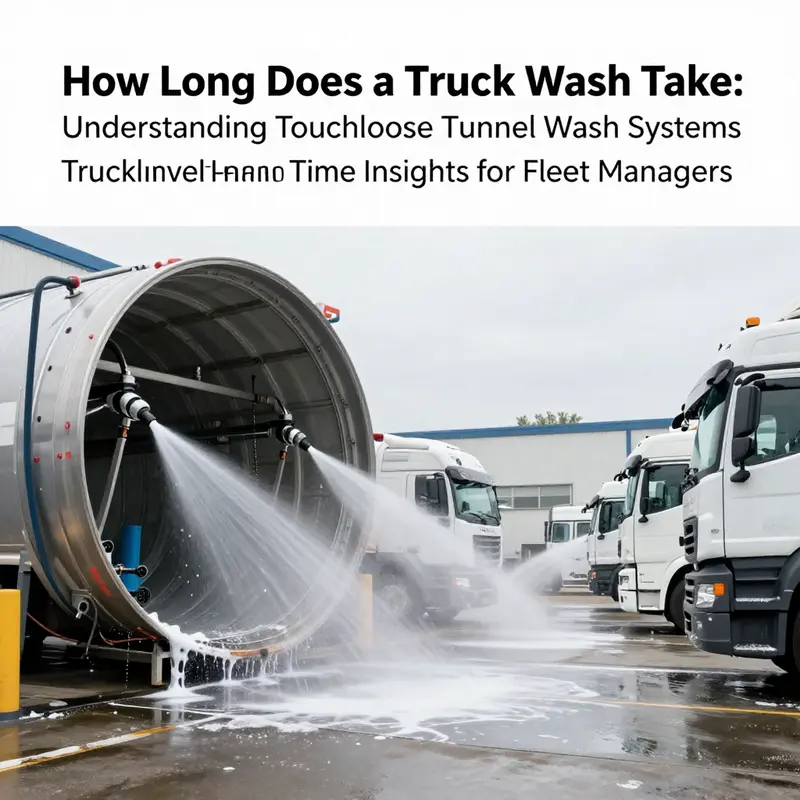
When operators and fleet managers ask how long a truck wash will take, the answer is rarely a single fixed number. Time is a variable, shaped by the washing system, the truck’s size and condition, and the service level chosen. In a modern facility that relies on touchless tunnel technology, the clock ticks differently than it does for a traditional hand-washed job or for quick on-the-spot spot cleaning. The result is a spectrum of durations, from brisk maintenance washes to more deliberate, heavy-cleaning sessions. To understand this spectrum, it helps to journey through the wash process, from first contact with water to the last gust of dry air, and to consider how each stage adds time when a truck is large, heavy with soil, or carrying coatings that require extra attention.
A touchless tunnel wash is programmed to balance speed with surface safety. Because there is no physical contact between brushes or cloths and the vehicle, the process hinges on the strategic use of pressure, chemistry, and airflow. The typical cycle duration in a touchless tunnel is not a single uniform number; it sits in a range that reflects both the system’s design and the truck’s dimensions. For smaller vehicles, the cycle can be brisk, while a full-sized tractor-trailer introduces more surface area, more crevices to reach, and more potential for stubborn soils. The result is a broader average time window, with trucks often landing toward the middle-late portion of the cycle spectrum.
Within many facilities, a common way to describe the wash sequence is to think of four core phases that unfold under computerized timing control. First comes the pre-soak, a gentle or moderately aggressive solution that begins to loosen dirt and grime before any rinsing occurs. This step is crucial for preventing stubborn soils from grinding in during the high-pressure rinse. The pre-soak stage is brief but essential; it primes the surface for the subsequent chemical action. Next is the application of specialized cleaning agents. These cleaners are formulated to dissolve a wide range of contaminants—grime, road film, grease, and mineral deposits—without ever touching the vehicle through physical contact. The precise dwell time of these chemicals can vary, and with larger trucks, the coating may need a bit more time to saturate every panel and groove.
After chemical treatment, the system delivers a high-pressure rinse. This is where most of the visible cleaning happens, and the water’s energy is tuned to remove dissolved soils while avoiding mineral deposits or streaks on hard-to-reach surfaces. The rinse is generally followed by a drying phase, often aided by strong air jets and a controlled airflow pattern. In many touchless designs, drying is designed to be thorough enough to minimize water spots while not adding excessive dwell time. The total duration of these four phases creates the overall wash time, and for trucks the duration is naturally longer due to larger exterior surfaces and more extensive mud or shellac-like road grime on the undercarriage and wheels.
So, what does this translate to in real numbers? Industry ranges show that a full wash cycle in a touchless tunnel typically takes between 10 and 15 minutes for cars and light commercial vehicles. Trucks, given their size and the extra surface area, often fall into a broader window. It’s not unusual to see average wash times for trucks in the 12 to 20-minute range, especially when the system includes additional steps like advanced drying, wax application in a separate pass, or conditioning rinses designed to minimize mineral residuals after hard-water exposure. Some facilities report express or faster options that can compress cleaning into as little as a couple of minutes, which are ideal for routine maintenance or quick spot cleaning. Yet for heavy-duty cleaning, where soil-to-steel contact must be minimized and detailing quality maintained, the longer durations are the more realistic norm.
An operator’s decision about how long to run a cycle is not only a matter of throughput. It is also a function of the truck’s size and the kind of soil present. A clean, dry, lightly soiled day cab will pass through a wash in a shorter timeframe than a tractor with a full trailer loaded with road grime, mud, and tar. Underbody grime, wheel wells, and chassis components demand more water contact time and more precise chemical targeting. In practice, a fleet manager may schedule shorter cycles for lightly maintained routes or urgent turnaround needs, while allocating longer cycles for heavier runs, post-delivery cleaning, or fleet-wide refresh campaigns. The same system that powers a rapid 2-minute express wash for light-duty vehicles can, with adjusted dwell times and seed steps, deliver a 12- to 20-minute heavy-clean cycle for larger equipment. The key is the system’s flexibility and the operator’s ability to tailor the wash parameters to the job at hand without compromising surface safety.
The operational implications of these timing choices extend beyond single-vehicle throughput. In a fleet operation, wash time affects scheduling, lane allocation, and driver wait times. A busy terminal with a steady cadence of arrivals and departures needs a predictable wash window for each truck, so that outbound freight can remain on schedule. Yet predictability must coexist with quality control. Touchless systems, by design, reduce the risk of surface damage that can accompany abrasive brushes or cloths. This protection is a major advantage for fleets that depend on preserve coatings, paints, or protective films. The trade-off is that the precise removal of stubborn contaminants may require a longer dwell time or multiple passes through the same stage, which inflates the cycle duration. For managers who juggle maintenance cycles, driver shifts, and dispatch windows, understanding this balance is essential to keep operations smooth and predictable.
In practice, the average wash time for a standard automated touchless system at many fleet-focused hubs sits around the five-minute mark for a typical maintenance wash. That figure holds when the vehicle is compact and soil load is modest, and when the facility can expedite the rinse and dry phases with calibrated water pressure and airflow. When trucks arrive with more substantial soil or when facilities integrate add-on services such as enhanced drying or protective coatings, the total time can push toward the higher end of the spectrum. It is this dynamic—speed paired with protective care—that defines modern truck washing in a way that aligns with fleet maintenance calendars. Operators craft their schedules around these realities, offering a range of service levels from express cleanings to more comprehensive detailing packages.
To a manager planning a day’s labor and bay usage, these times become more than numbers; they become a framework for efficiency. The number of wash bays, the length of the conveyor cycle, and the availability of drying capacity all combine to shape the daily capacity of a facility. A touchless tunnel wash system, with its continuous conveyor and tightly choreographed chemical delivery, can maintain high throughput when cycles stay within a predictable window. But as trucks accumulate soil or as weather patterns push heavier road grime, dwell times creep upward. In those moments, the ability to quickly detect bottlenecks—whether it’s a longer pre-soak, a delayed chemical application, or a drying station that cannot keep pace with incoming vehicles—becomes a practical skill for operations managers. It is not enough to know the numbers; one must also understand where and why these numbers shift during peak periods or seasonal changes.
The considerations above also illuminate why fleet maintenance hubs invest in system upgrades and precision control. Modern touchless tunnel systems are designed to optimize chemical droplet behavior, pressure distribution, and water usage. Advanced features, such as water softeners to reduce mineral spots, specialized detergents to break down stubborn contaminants, and advanced drying technologies to minimize post-cleaning moisture, are not cosmetic improvements. They directly influence the time-to-dry portion of the cycle and the post-wash readiness of a vehicle. When moisture is minimized at the end of the wash, not only is the truck ready for quick dispatch, but the risk of water-spotting or streaking—issues that can slow down subsequent handling or inspection—also diminishes. This, in turn, supports a smoother flow of vehicles through the facility and helps keep the cycle times within the expected ranges even on days when soils are heavier than usual.
For fleet operations aiming to optimize wash times without surrendering quality, a few practical approaches tend to yield reliable gains. First, standardize the wash plan for each vehicle class. A well-documented workflow—specifying the order of stages, the target dwell times, and the expected outcomes for light, medium, and heavy soils—reduces decision-making delays at the point of service. Second, align wash cycles with broader facility management practices. Scheduling washes in a way that anticipates peak times, buffer slots for unexpected delays, and predictable technician shifts helps maintain throughput. This is where a holistic approach to maintenance and operation pays dividends. For example, a fleet that integrates wash scheduling with overall facility management, crew training, and parts inventories can reliably meet the expected cycle times while providing room for required detailing or coatings when needed. See how this broader discipline translates into practical gains in facility operations at a dedicated resource on this topic.
facility management for truck wash businesses
Beyond the numbers and the schedules, it remains essential to recognize the purpose behind optimizing wash times. A truck wash is not merely a cleaning task; it is an operational cog in the larger machinery of delivery reliability, vehicle maintenance, and customer satisfaction. By ensuring that a truck exits a wash clean, dry, and ready for the next phase of its journey, operators reduce downstream delays, minimize re-clean requests, and protect the health and longevity of the vehicle’s exterior surfaces. The efficiency of the wash, then, becomes a signal of a well-run operation—one that respects the driver’s time, protects the asset, and supports the fleet’s on-time performance.
In wrapping this discussion, it’s helpful to remind readers of the broader context. The time a truck spends in a wash is not an isolated metric but an indicator of how a facility balances automation, maintenance, and service quality. Touchless tunnel systems show how modern cleaning can be both rapid and careful, delivering clean surfaces with reduced risk of cosmetic damage. The time saved in a single wash multiplies across a fleet’s daily schedule, translating into tangible gains in productivity and reliability. Opportunities to shorten cycle times without sacrificing results often come from refining the wash plan, investing in flexible system configurations, and building a workforce proficient in managing variable factors—from soil load to weather influence. As fleets continue to place a premium on reliable maintenance routines, the wash bay becomes a validated ally in keeping trucks on the road, cargo secure, and operations humming along smoothly.
External resource for deeper technical detail: For more technical depth on the design, standards, and applications of tunnel car wash systems, see a professional reference such as the external resource linked here. https://www.carwashindustry.com/technical-details-tunnel-car-wash-systems
Tick-Tock on the Wash Rack: Navigating Express Timelines for Truck Cleaning
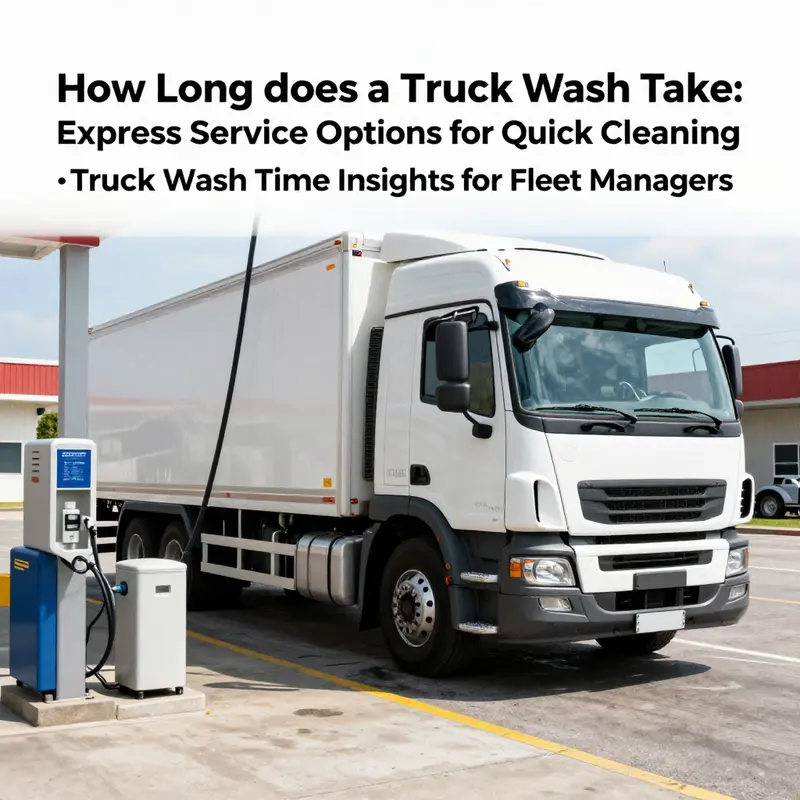
Time is a demanding metric in fleet operations. Every minute a truck spends waiting in line, pulling into a bay, or standing under a spray is a minute of productivity lost or, in some cases, a minute gained for uptime. The question of how long a truck wash takes is never answered with a single number. It varies with the wash system, the level of soil, and the service package chosen. Yet, understanding the relative durations across options helps managers plan with confidence rather than guesswork. When fleets assess their cleaning needs, they weigh the pressure to maintain a clean, compliant vehicle against the need to stay on schedule. In that balancing act, express service options emerge as a practical compromise. They offer predictable exterior cleaning, designed to restore the vehicle’s appearance and protect critical components, without consuming the whole window of a driver’s downtime. To explore these timelines, it helps to map the spectrum from the most automated, contact-minimized approaches to more labor-intensive, full-service cleanings and the mobile alternatives that bring the wash to the vehicle rather than the other way around.
A common starting point is the touchless tunnel wash, an automated system that relies on high-pressure jets and specialized detergents rather than physical brushes. In many facilities, this approach completes a standard exterior cleaning in roughly five to eight minutes per truck. The process is continuous and streamlined: a pre-soak loosens grime, high-pressure washing sloughs away road dirt, foam applies a layer of cleaner for cling and rinse, a brief waxing step adds a protective sheen, and finally a drying sequence completes the cycle. The staying power of such a setup lies in its predictability and throughput. With a conveyor system feeding vehicles through dedicated bays, operators can maintain a steady cadence, which is especially valuable in high-volume hubs where efficiency defines margins and capacity.
Yet the same system may stretch or tighten by a few minutes depending on a truck’s condition. A vehicle that arrives with a heavy layer of mud, dried clay, or insect residue requires more dwell time for the detergents to work and for the rinse to dislodge stubborn deposits. Conversely, a unit in relatively good condition can glide through more quickly with minimal dwell on the pre-soak stage. For fleets tasked with routine maintenance rather than deep cleaning, the express version of this approach—an even more streamlined, fast-track wash—exists. Some facilities offer a compact express option that can be completed in as little as two minutes. This ultra-rapid route focuses on exterior cleanliness and is well-suited to owner-operators or rental fleets that need quick, predictable results without disrupting operations. It’s not a deep cleaning, but it can be enough to remove road grime, dust, and light residues that accumulate in daily use.
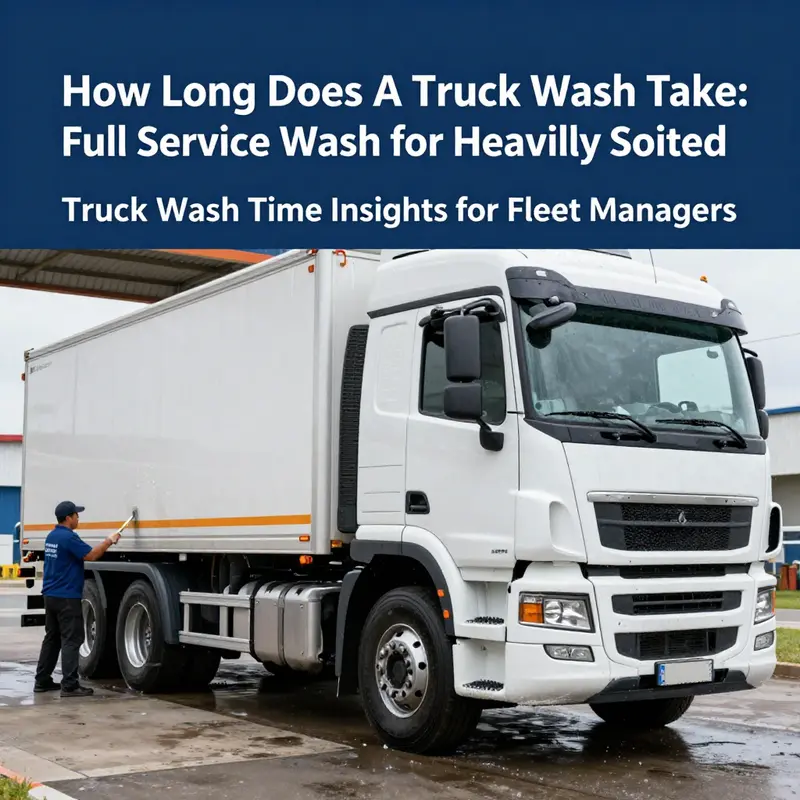
For a more comprehensive exterior clean, facilities offer what is typically called a full-service wash. In this category, the duration grows to roughly 15 to 20 minutes per truck, and sometimes longer when heavy soils are present or when the service package includes elements such as wheel cleaning, undercarriage rinses, or exterior detailing. The extended times here reflect the added labor and attention to detail. Manual detailing or heavier-duty cleaning for heavily soiled vehicles often enters this zone, where the technician might perform targeted scrubbing, focused degreasing, or more meticulous rinse and dry steps to ensure spots and micro-motes of grime are addressed. In a fleet environment, the choice between express exterior cleaning and a fuller, more deliberate service hinges on downtime tolerance, vehicle condition, and the broader maintenance schedule. The decision is rarely about a single wash time; it is about the end-to-end cycle of keeping the truck presentable and ready for service without derailing routes or delivery windows.
Beyond fixed-location wash bays, mobile truck wash services add another layer to the timing conversation. A mobile wash brings the cleaning crew to the vehicle, which offers clear advantages for fleets that need to minimize downtime or reach trucks in remote yards, on-site terminals, or tight urban environments where stopping in at a fixed facility would create scheduling friction. For most mobile offerings, exterior cleaning takes between 30 and 60 minutes, depending on dirt level and the specific services selected. Express mobile options push the time down, often completing a quick exterior clean in roughly 20 to 30 minutes. These mobile solutions emphasize speed and convenience, delivering essential exterior cleaning—removing mud, road grime, dust, and insect residue—while prioritizing efficiency so that the truck can re-enter the workflow promptly. It’s a different cadence from fixed-site washes, yet it serves a strategic purpose: minimizing downtime by meeting the vehicle where it sits.
When a fleet considers mobile versus in-house or on-site washes, several practical realities shape the time picture. First, the dirt burden is a primary variable. A vehicle with a fresh coat of salt spray in winter, or one that has logged long highway hauls, may demand more aggressive cleaning or longer treatment times. Conversely, a routine wash after a light-duty haul can be wrapped more quickly. Second, the service package—whether it’s purely exterior, exterior with wheels, or a full interior detailing package—directly maps to duration. Each added element compounds the total time, but it also increases the likelihood of returning the vehicle to peak condition. Third, the truck’s size and configuration influence throughput. A longer wheelbase or larger cab can require more time to maneuver into and out of the wash station, particularly in a busy facility where space is at a premium and drivers need clear, predictable directions.
These timing dynamics hold true across regions and market segments, though the operational tempo can differ. In modern fleet maintenance hubs where automation and efficiency are the baseline, the average wash time for a standard automated touchless system tends to cluster around five minutes. This isn’t a universal statute; it’s an operating envelope that reflects typical equipment, standard cleaning scripts, and the common dirt profile of fleets that maintain daily or near-daily use. Faster options exist and are favored in contexts where speed takes precedence over a deep, exhaustive cleanse—situations like pre-delivery checks, quick presentation for customer-facing operations, or rapid maintenance windows that align with tight departure schedules. The option to compress the wash time to two minutes is not a universal feature of every facility, but it is increasingly seen where operators have refined their wash parameters and concentrate on removing the most visible grime with minimal dwell time.
From a fleet management perspective, the implications of these timing differences extend beyond the clock. They influence labor allocation, queuing logic, and the sequencing of maintenance tasks. If a fleet owner is juggling multiple units in a yard, an express wash can be scheduled to clear the exterior quickly before a cab or trailer moves into a pre-planned maintenance block. For trucks that have just completed long-haul routes and return with heavy caked-on grime, planners might opt for a standard or full-service wash, knowing that a deeper clean will better support wheel health, undercarriage inspection, or post-haul corrosion prevention. The decision is not simply about the wash time; it’s about aligning the cleaning workflow with the broader maintenance cadence, fueling windows, loading cycles, and dispatch priorities that govern a fleet’s daily operations.
The rhythm of these choices is further shaped by the degree of automation, the availability of skilled labor for manual detailing, and the willingness of managers to embrace flexible scheduling. A fixed-frame approach—where every truck enters the same routine at the same interval—works well in facilities designed for high throughput. A more adaptive model, however, accommodates a mix of service levels and leverages pre-booking to smooth out peaks and valleys in demand. In practice, this means fleets can reserve slot windows for express exterior cleans when time is tight, while reserving longer appointments for periods when a deeper clean suits the vehicle’s condition or the upcoming service cycle. The key is to maintain predictability for drivers and planners alike, so that a truck wash becomes a reliable step in the maintenance routine rather than a point of friction.
For teams seeking actionable ways to optimize wash times without sacrificing quality, a body of field-tested practices exists. A particularly relevant resource outlines practical tactics for accelerating exterior cleaning while preserving effectiveness, emphasizing pre-clean checks, targeted cleaning sequences, and strategic decisions about when to deploy deeper cleaning versus quick exterior passes. The guidance highlights the value of prioritizing exterior dirt removal before interior detailing and undercarriage work when appropriate, ensuring that the most impactful tasks are completed first to minimize rework and time spent in the bay. This perspective reinforces the idea that the fastest wash is not necessarily the one that finishes first, but the one that gets the truck back into service with the least disruption to the driver’s schedule and the fleet’s throughput goals. For fleets seeking distilled, procedural insights, the referenced field-tested strategies offer a compact playbook to complement the straightforward time estimates described here. proven-strategies-for-cleaning-grease-and-tar-off-your-trucks-fast
As a closing reflection, the practical takeaway is clear. If you want to understand how long a truck wash takes, you must map the workflow—from the moment the truck enters the yard to the moment it exits the wash—against the service level you require. Express exterior cleans exist precisely to reduce downtime, with durations measured in minutes and deliverables tailored to speed and appearance. Full-service washes acknowledge that some scenarios demand thoroughness, trading a few more minutes for deeper cleanliness and protection. Mobile options remind us that geography and scheduling tension can be resolved by meeting the vehicle where it sits, even if that means accepting a longer total time when compared to fixed facilities. In all cases, the aim remains consistent: to restore the vehicle’s clean condition efficiently, with predictable timing that supports the broader rhythm of fleet operations. External resources can provide a broader frame for how these timeframes fit into the overall maintenance ecosystem, while targeted internal strategies help tailor the approach to a specific fleet’s needs. For readers seeking practical, field-tested techniques, the linked resource offers a concise, actionable guide to speeding up exterior cleaning without compromising results. As fleets continue to optimize, the emphasis remains on balancing speed with quality, so wash times become a reliable lever for uptime rather than a source of bottlenecks.
External resource: https://www.mobiletruckwash.com/services/quick-wash
null
null
Speed, Scale, and Sanitation: How Automation Shortens Truck Wash Times Without Sacrificing Cleanliness
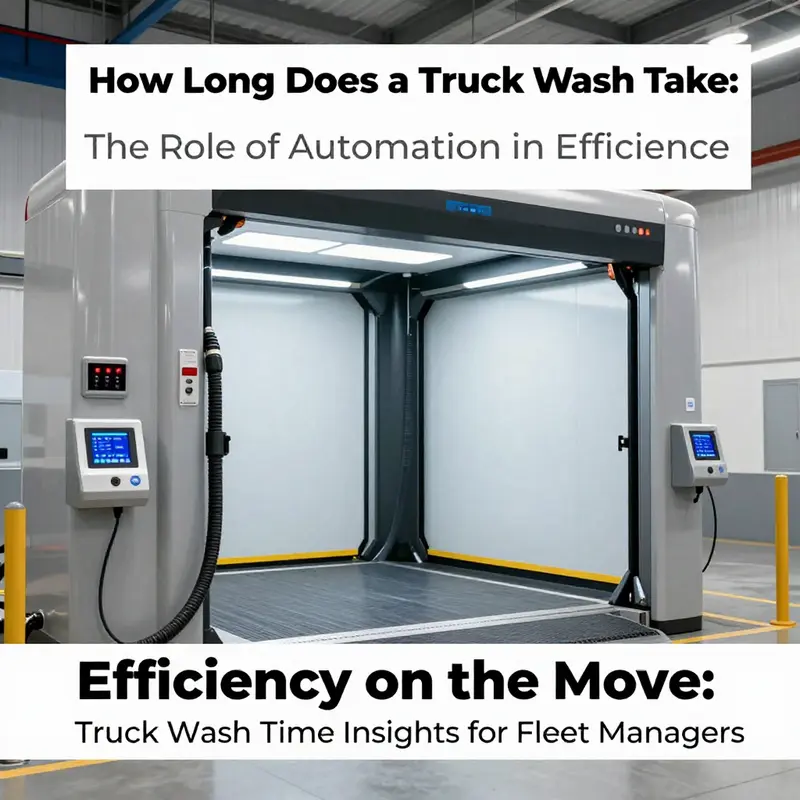
The question of how long a truck wash takes might seem straightforward at first glance, but it opens onto a landscape of choices. Today’s fleets rarely settle for a single, rigid duration. Instead, they navigate a range of wash systems, service levels, and soil conditions, all of which conspire to stretch or shrink the clock. The core driver is automation. When a facility relies on automated processes and continuous conveyance, the time from entry to exit becomes a predictable, repeatable measure—yet one that adapts to the specific cleaning package chosen and the truck’s condition. This is how automation reshapes the math of a wash from a rough estimate into a reliable throughput chart that fleet managers can read when they schedule maintenance windows or plan logistics.
Consider the spectrum of wash options in most modern hubs. A manual scrub, where workers physically wash every surface with brushes and cloths, can take anywhere from thirty to sixty minutes for a single semi-truck. The duration grows with the truck’s size, the complexity of its undercarriage, and the level of detailing requested. In contrast, automated exterior washes leverage a sequence of stages managed by a conveyor system. A touchless tunnel, which relies on high-pressure jets and detergents rather than brushes, can complete a full exterior rinse in roughly five to eight minutes under normal conditions. Some facilities push this even further with an express touchless service that can be as quick as two minutes, designed for routine maintenance or light touch-ups between longer cleanings. On the far end of the spectrum, full-service washes—those that include manual detailing, spot cleaning, and heavier degreasing—may require fifteen to twenty minutes or more, depending on soil levels and the service package selected. In industry practice, the average wash time for a standard automated touchless system in active fleet hubs tends to cluster around five minutes, which aligns with the expectations of fleets needing rapid turnover.
The mechanics behind these numbers matter as much as the numbers themselves. In a typical touchless tunnel, the vehicle advances along a continuous conveyor while a sequence of automated steps unfolds in a timed choreography. Pre-soak loosens grime; high-pressure washing dislodges caked mud and insect residue; a foam or chemical treatment helps to suspend stubborn deposits; a final rinse eliminates residual cleaners; some installations apply a wax or sealant layer; and the process concludes with a drying stage. Each step occupies a defined portion of the wash cycle, and automation ensures precise control over water use, chemical dosing, and energy deployment. The result is a standardized outcome across hundreds of washes, which is a boon for fleet operators who depend on consistent cleaning quality as a baseline, not an exception. The same automation that accelerates the process also reduces the variability that comes with human-assisted cleaning, where different workers might apply different amounts of pressure or reuse dirty rags inconsistently. The conveyor, sensors, and programmed cycles produce a uniform result, wash after wash, day after day.
Beyond raw speed, automation advances efficiency in several intertwined ways. First is time efficiency. When a full exterior wash is capped at roughly five minutes for a typical, well-maintained facility, fleets can move more trucks through a given shift, translating into higher daily throughput and shorter queue times. Express or quick-clean options matter here as well. A two-minute wash, while not suitable for deep cleaning, can serve as a gap filler for urgent returns to service or for routine maintenance between more thorough cleanings. This kind of tiered offering is not just a marketing ploy; it is a deliberate strategy to align the level of cleaning with the truck’s current needs, reducing wasted minutes and unnecessary labor. The second lever is resource efficiency. Automated systems optimize water usage by reclaiming or recycling rinse water where feasible and by metering chemical application with precision. This lowers both the direct cost of materials and the environmental footprint of each wash. Energy use follows suit; efficient pumps, timed jets, and controlled thermal inputs minimize energy waste during idle periods and peak demand. The third advantage—consistency and quality—stems from the repeatability of automation. When a truck leaves the bay, operators can reasonably expect a similar level of cleanliness across the fleet, minimizing the inadvertent over-washing of some vehicles and under-washing of others. This consistency is invaluable for fleet maintenance records and for the perception of cleanliness by customers and drivers alike.
A practical illustration of automation’s impact can be seen in facilities that have integrated advanced automated systems with data-driven management. Consider a truck wash operation that tracks cycle times, wash outcomes, and queue lengths in real time. With such data, managers can identify chokepoints—perhaps the pre-soak stage or the final drying phase—and reprogram cycles to shave seconds from each pass. In this sense, automation does not merely speed up a single wash; it optimizes the entire workflow. The result is a virtuous loop: faster washes free up bays sooner, more trucks can be served per shift, and the facility can reallocate labor toward tasks that genuinely need manual attention, such as detailing assets or addressing specific customer requests. The speed of automation does not erase the importance of skilled labor; it reallocates it to higher-value tasks, where human judgment, attention to detail, and targeted cleaning can make a measurable difference in overall vehicle condition.
The story of automation’s effectiveness is not just theoretical. Real-world evidence supports these claims. In specialized fleet maintenance hubs, automated facilities have demonstrated rapid processing times that outpace manual methods by wide margins. A notable example is the adoption of advanced automated facilities that deliver rapid and high-quality washing results, underscoring the broader trend of hardware-enabled speed in the industry. Even when the soil is heavy, automation provides clear advantages. While a manual wash for a heavily soiled tractor-trailer could stretch into longer blocks of time, automated systems still deliver predictable performance; the cycle simply includes a longer wash package or a staged sequence that engages more intensive cleaning steps. The key is that automation captures the variability introduced by different soil loads and resolves it within a known framework, rather than letting it derail the schedule.
Of course, automation is not the sole path to speed. Mobile truck wash services, another efficient option, bring professional cleaning directly to the customer’s location. These mobile outfits typically focus on surface contaminants like mud, dust, and insect residue and are valued for rapid deployment and convenience. They are ideal for routine maintenance between industrial cleaning cycles or when a fleet needs on-site service without relocating to a fixed facility. Yet mobile cleaning has its limitations; heavy oxidation, deep staining, or significant road grime undercarriage buildup often require the heavier capabilities of a fixed, automated system or a full-service wash at a dedicated facility. In combination, mobile services and automated fixed-site washes create a flexible ecosystem that can tailor wash duration to vehicle condition, location, and schedule. The result is a more adaptive approach to fleet hygiene that keeps trucks in service longer with less downtime.
To help fleet operators make informed decisions about wash durations, it helps to consider the objective of the wash in the context of lifecycle maintenance. For routine upkeep, the express or quick-clean options can be sufficient to remove surface contaminants and preserve paint integrity between more thorough cleans. For vehicles that spend significant time in harsh environments—dusty roads, off-road work, or exposure to tar and grease—a full-service wash, possibly paired with detailing, can protect components, extend the life of exteriors, and maintain resale value. In practice, managers weigh the cost of time against the value of a cleaner vehicle. Automation makes both axes more predictable: it compresses the time required for routine cycles while offering a scalable path to deeper cleans when conditions demand. The evidence across the industry suggests that automation is less about forcing every truck into a fixed, abbreviated wash and more about offering a spectrum of efficient choices that fit a fleet’s schedule, soil load, and maintenance goals.
The broader narrative is not merely about speed. It is about strategic efficiency—how time savings compound across a fleet and across a year. A well-tuned automated system reduces the marginal time cost of each wash, enabling better utilization of bays and labor. It also creates a reliable cadence that supports maintenance windows, driver scheduling, and service-level expectations with customers. In this sense, automation is a force multiplier, converting physical washing into a predictable, data-driven operation. The evolution of truck wash technology reflects a convergence of mechanical engineering and fleet management philosophy: faster cycles, smarter resource use, consistent outcomes, and the capacity to tailor the cleaning to a truck’s lifecycle stage.
For operators who want to explore the organizational implications of these efficiencies, consider the broader practice of facility management for truck wash businesses. This approach emphasizes how the physical layout, process design, and workforce deployment interact with automation to maximize throughput while protecting quality and safety. It is not just about buying faster machines; it is about orchestrating a workflow where automation, human expertise, and customer service align in a single, repeatable rhythm. When a fleet manager asks, “How long does a wash take?” the answer becomes less about a single minute count and more about the expected cycle time for the chosen package, the condition of the vehicle, and the facility’s capacity to sustain consistent performance over time. The modern wash is a systems problem solved by an integrated approach that marries engineering with operations management.
As the industry continues to mature, the narrative around wash duration will remain intertwined with automation’s ability to deliver reliability and scale. The numbers will keep shifting as new techniques reduce cycle times and as facilities innovate to handle heavier workloads without sacrificing quality. What remains constant is the central insight: automation reshapes the time equation. It transforms a potentially arbitrary duration into a measurable, dependable parameter that fleets can plan around with confidence. For practitioners, that means more predictable scheduling, fewer bottlenecks, and more efficient resource use—outcomes that align with the core objectives of any fleet operation: keep trucks moving, keep them clean, and keep costs under control.
Internal link note: For operators seeking structured guidance on aligning automation with everyday facility operations, see the discussion on Facility management for truck wash businesses. Facility management for truck wash businesses
External resource: For a broader context on how technology is transforming the truck wash industry, see the following external analysis: https://www.trucking.com/industry-insights/technology-transforming-truck-wash-industry
Timing the Wash: Unpacking How Long a Truck Clean Takes and the Factors That Shape Speed and Quality
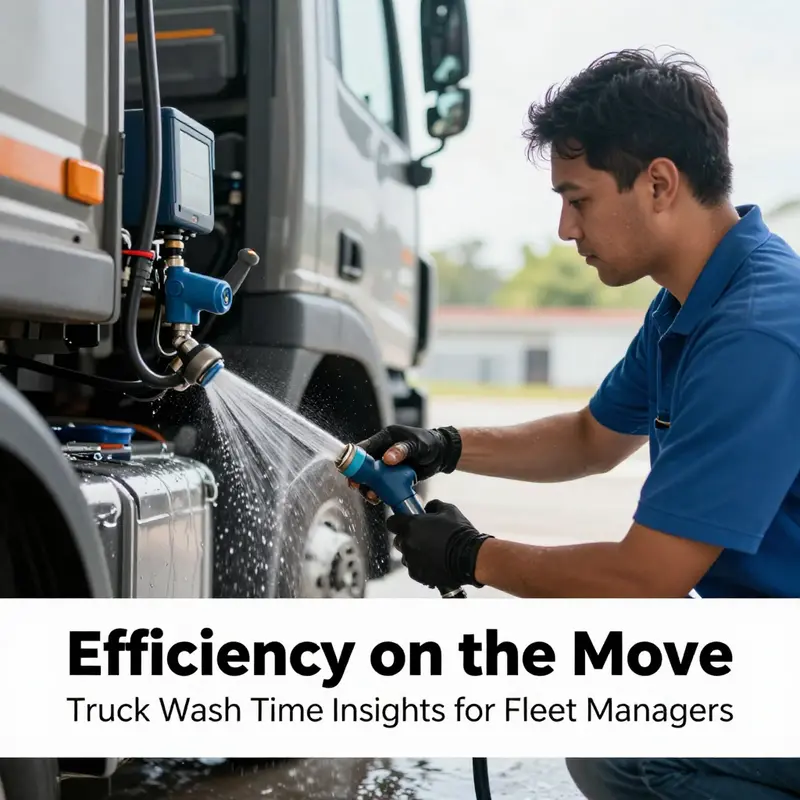
A truck entering a wash bay is more than a quick cleanse; it’s a small ritual that keeps fleets on the move. The clock starts when the vehicle slides into the entrance and the wash begins, and it stops only after the last gust of air dries the cab and trailer. The duration of a truck wash is not a single, universal number. It bends to the type of system in use, the service selected, and the truck’s size and condition. In practical terms, the industry maps wash time across a spectrum—from a brisk, high-throughput exterior rinse to a painstaking, full-detail service that touches every nook and seam of a heavily soiled rig. What dictates that spectrum is a mix of technology, process, and the relentless physics of soil and water, all aligned with the fleet’s needs for uptime, paint preservation, and long-term maintenance costs.
One of the most visible levers in any wash operation is the wash type or system. In modern, automated facilities, the fastest options are designed for rapid turnover. A touchless tunnel wash, which relies on high-pressure water jets and chemical detergents without physical contact, typically runs about 5 to 8 minutes per truck. It’s fast because the system moves on a continuous conveyor, and the detergents are chosen to loosen grime quickly while minimizing friction on the paint. Some facilities push even tighter for routine maintenance with a streamlined express option; such Fast Wash or express services can be completed in as little as about 2 minutes. These times reflect the emphasis on throughput, where fleets needing quick turnarounds value speed, predictability, and minimal downtime in the yard. Still, fast and touchless solutions are designed with limitations: while they deliver a solid exterior clean, they may not reach into wheel wells, undercarriages, or door jambs with the same thoroughness as a more deliberate approach.
Beyond these high-velocity tangents lies a broader set of wash experiences that shape the duration in meaningful ways. A Basic Exterior Wash, the simplest level of cleaning, is often quoted in the range of 15–20 minutes. This category reflects a more careful exterior treatment than a cursory rinse, typically incorporating a pre-soak, wash, rinse, and basic dry, but stopping short of interior cleaning or detailed wheel well work. The Full-Service Wash, by contrast, is a more comprehensive package. It tends to include interior cleaning, tire shine, and wax application, and it can take 30–45 minutes or more depending on the truck’s condition and the service package chosen. In some cases, heavily soiled or neglected vehicles may push the timeline into the 45-minute mark or beyond, especially if the crew includes manual detailing, undercarriage cleaning, or additional protective coatings.
A practical way to frame these durations is to recognize that the wash is a system with modular stages. Even in an automated or semi-automated setting, pre-Soak, pre-rinse, detergent application, rinse, wax or sealant, and drying are discrete steps whose duration can vary. For example, a touchless tunnel’s strength lies in speed and efficiency rather than deep, manual scrubbing. Yet for fleets that require a higher level of cleanliness—such as heavy-duty trucks operating in mud, salt, or tar—the time invested in manual detailing or targeted cleaning of wheel wells and undercarriages becomes a valuable investment in preventing corrosion and preserving resale value.
The size and condition of the truck exert a direct effect on wash time. A bigger vehicle—think long-haul tractors with multiple trailers—demands more attention to reach all surfaces, especially in the undercarriage and around the wheel assemblies. The more heavily soiled the truck, the longer the process tends to be. Mud, road salt, tar, and industrial grime require additional passes, extended agitation, or specialized cleaners. In contrast, a clean, lightly traveled chassis on a smaller delivery van can be returned to service more quickly if an express or basic exterior wash is all that is needed. The implications go beyond a single truck: a fleet manager’s decisions about which wash type to deploy at which site can have cascading effects on uptime, scheduling, and maintenance costs.
Another essential factor is the wash facility’s process and equipment. Automated car washes are designed for speed and repeatability. They can complete a basic exterior wash in under 10 minutes in many setups, but their efficiency does come with some trade-offs. Automated systems, even the most advanced, may lack the thoroughness needed for heavy-duty fleet cleaning, where large vehicles and trailers require deliberate attention to corners, underside, and frame areas that are prone to corrosion if neglected. Manual or touchless wash services offer a different balance. Manual detailing, often performed by trained technicians, can reach and treat hard-to-clean areas with precision, but the downside is time. Touchless approaches reduce the risk of paint contact and related damage, which is a crucial consideration for fleets that must protect the resale value of their vehicles. The drying stage, sometimes overlooked, is also a time-sensitive part of the sequence. Proper drying prevents water spots, streaks, and the potential for corrosion if moisture lingers in crevices. Skilled operators know that cutting corners on drying can undo the gains made by cleaning and leave the vehicle looking less than optimal, even if the exterior looked spotless as it rolled off the rack.
Quality and speed are not enemies; they are two sides of the same coin. Reputable truck wash providers emphasize a deliberate alignment of process with purpose. A rushed wash may save minutes, but it risks missed spots, insufficient drying, or the introduction of tiny micro-scratches from aggressive brushes or improper rinsing. Conversely, an overly long wash that fails to account for a fleet’s operational deadlines can become a bottleneck, reducing uptime and increasing yard congestion. The aim is to strike a balance: enough time to remove the most persistent soils and to dry thoroughly, while preserving the vehicle’s finish and enabling quick fleet turnover. The best practices in the industry underline a holistic approach to maintenance and safety. Cleanliness is not an end in itself but a means to protect paint, reduce corrosion, and extend the vehicle’s lifecycle. The costs of neglect—paint peeling, rust, and the cumulative wear from road grime—often exceed the upfront investment of a longer, more meticulous wash.
When fleets think about how to time washes into operations, the lessons are clear. In high-throughput hubs, framing wash time around the type of service and the truck’s condition helps maintain schedule predictability. A basic exterior wash conducted by a fast or touchless system can be slotted into a short window—roughly 5–8 minutes in many modern facilities—and, if needed, a 2-minute express option can handle a quick maintenance pass for light soil or pre-trip checks. For fleets requiring more than a simple rinse, a standard automated exterior wash can stay within the 10- to 15-minute range, while a more thorough exterior plus interior cleaning or detailing steps can extend to 30 minutes or more. And when the job calls for the full-package treatment—interior cleaning, wheel and undercarriage work, waxing, and protection—the clock can approach 45 minutes or more, depending on workload and the truck’s condition. All of these times assume the wash bay operates at its standard cadence, with clean water supply, proper chemical dosing, effective drying, and a well-maintained conveyor system.
From a fleet operations perspective, the choice of wash time is not just a matter of hours or minutes; it’s a decision about value. A shorter wash that leaves behind residue can lead to more frequent re-washs, wasted labor, and accelerated maintenance costs if the soil is not fully removed. Conversely, investing a bit more time upfront to ensure a thorough clean protects paint, reduces corrosion risk, and can lower long-term maintenance costs. Maintenance and safety considerations also flow into the equation. A well-cleaned truck is easier to inspect for leaks, rust, or damaged components, and a properly dried vehicle reduces the chance of water intrusion into electrical systems or cadmium-free components that could be damaged by moisture. For fleet operators, the decision often hinges on how much downtime the organization can tolerate versus how much residual risk it can absorb by skimping on cleaning.
The conversation around wash time is not conducted in a vacuum. Industry guidance and standards emphasize balancing throughput with quality, sustainability, and safety. Standards bodies and trade associations offer frameworks that support consistent practices across varied facilities and geographies. In practice, this means choosing wash programs that align with vehicle type, soil level, and the maintenance philosophy of the fleet. A well-documented approach to facility operations, including scheduling, staffing, chemical management, and equipment maintenance, helps ensure predictable wash times without compromising results. For any fleet operator, the bottom line often hinges on uptime and asset preservation as much as on the cleanliness scorecard. A clean truck is a reliable truck, and reliability is measured in miles and service intervals, not just in appearances.
To anchor these ideas in real-world guidance, many facilities rely on a practical, customer-centered approach to service selection. If a truck’s immediate job is to roll on the next route, a quick exterior wash with a dependable 5–8 minute turnaround may be the most sensible option. If a vehicle is scheduled for a client visit, inspection, or resale preparation, a more thorough treatment—leaning toward a full-service wash with interior cleaning and protective finishes—provides longer-lasting value. And when quick maintenance needs arise, an express 2-minute wash can be an indispensable tool for keeping the fleet moving. In all cases, the overarching objective is to deliver a wash that respects the vehicle, the driver, and the fleet’s operational commitments while ensuring that the investment in time translates into tangible benefits over time.
For readers seeking a deeper dive into how these practices translate into daily operations, consider the broader guidance on facility management for truck wash businesses, which explores scheduling efficiency, staffing, and process optimization. Facility management for truck wash businesses offers practical perspectives on how to balance throughput with care, helping leaders design wash programs that meet both time targets and quality standards. As a final touchpoint, industry guidelines and best practices from national associations corroborate the emphasis on protecting assets and safety through well-executed cleaning routines. External reference: https://ata.org
Final thoughts
Incorporating efficient truck wash practices is essential for maintaining fleet integrity and reducing operational downtime. By understanding the time commitments required for various truck wash systems—from automated touchless solutions to full-service detailing—fleet managers can plan more effectively, ensuring their vehicles receive the care they need without compromising productivity. Emphasizing automation, express services, and adapting wash strategies according to vehicle condition can significantly enhance efficiency in your fleet maintenance operations. The knowledge gained here can guide fleet personnel in making informed decisions that optimize both wash time and quality.