
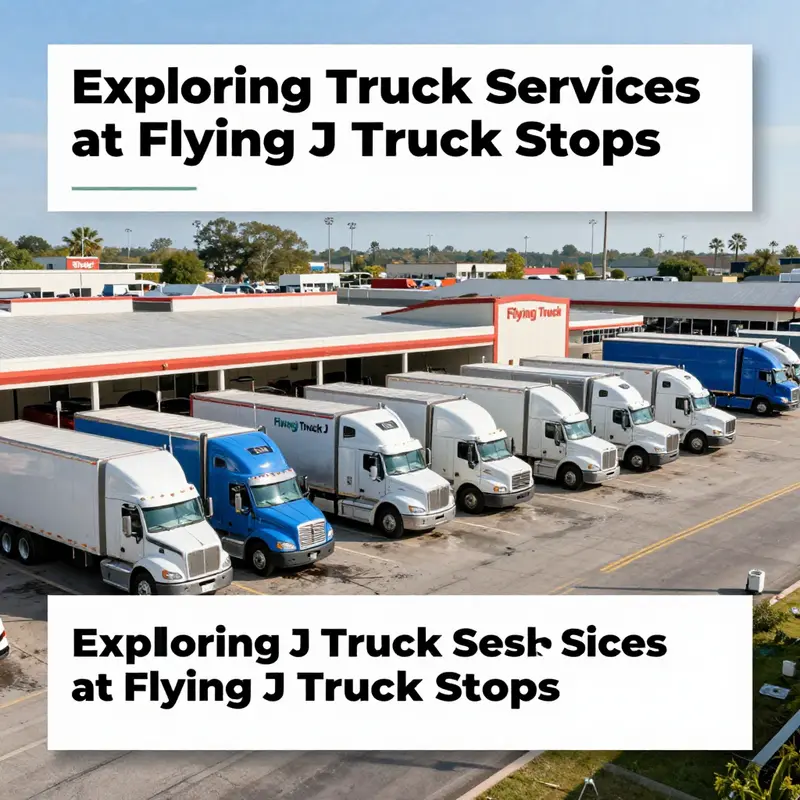
Maintaining a clean fleet is crucial for logistics, freight, and transportation sectors. Flying J Truck Stops provide truck wash services catering specifically to the needs of logistics and trucking companies. This article delves into the various truck wash services available at Flying J, outlining the types offered, the benefits of using these services, and guidance on locating the nearest facilities. With insights tailored for fleet managers and supervisors in construction and mining, this piece aims to highlight how these truck washes can support operational efficiency and vehicle maintenance.
How Flying J Truck Stops Handle Truck Washing: What Drivers and Fleet Managers Need to Know
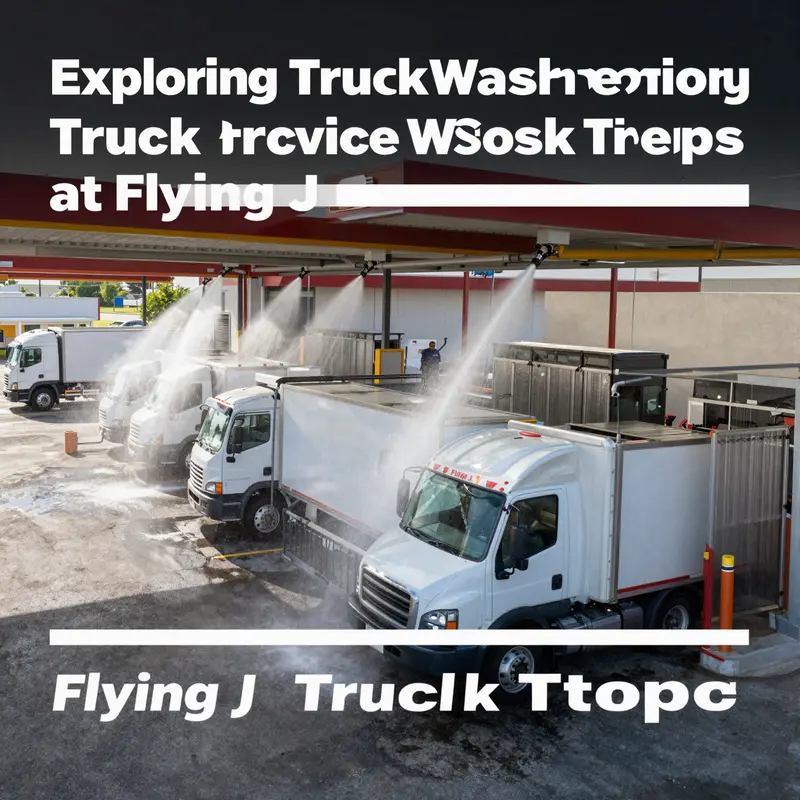
Truck wash services at Flying J truck stops: what to expect and how to use them
Many Flying J truck stops include truck wash facilities, though availability varies by location. These truck washes are part of a larger suite of services designed for long-haul drivers. They exist to keep tractors and trailers clean, safe, and compliant. This chapter explains the kinds of washes you’ll likely find, why they matter, how to confirm availability, and practical tips for drivers and fleet managers who depend on them.
A typical large Flying J site aims to be a one-stop hub for professional drivers. Alongside fuel, rest areas, and convenience stores, truck wash options are offered to maintain vehicle appearance and functionality. You may encounter fully automated truck washes, self-serve bays, and wash stations equipped for trailers. Automated washes handle most standard rigs quickly. Self-serve bays suit drivers who prefer control or need targeted cleaning. Larger wash bays accommodate articulated trucks, refrigerated trailers, and some oversized loads. Knowing which type operates at a given stop helps you plan time and costs.
Keeping trucks clean is more than cosmetic. Mud, grime, and road salt accelerate wear on components. Debris can hide damage during inspections. A roadside build-up can interfere with brake systems and lights. Clean vehicles reduce inspection hold-ups and lower repair expenses in the long run. For fleets, consistent washing protects company branding and professionalism. For owner-operators, a well-maintained rig supports resale value. When Flying J lists a truck wash among a location’s amenities, it signals a service designed to address these operational needs.
Not every Flying J has the same setup. Some locations, especially those near major freight corridors and interstates, invest in full-service wash centers. Others, smaller stops, may limit offerings to vacuum stations, air, and a standard automatic car wash that accepts trucks. Before routing a truck for a wash, confirm the facility’s capabilities. The most reliable method is to check the official site for amenities at the specific location or call the stop directly. If you operate a fleet, build a habit of verifying service listings for each scheduled stop to avoid delays on the road.
Using a truck wash efficiently requires planning. Peak hours occur before and after driver rest windows and at the start of freight runs. For busy sites, expect a queue during early mornings and late afternoons. If your schedule allows, visit during off-peak hours to reduce wait time. Drivers should be mindful of wash limitations: some automated systems have height, length, or axle clearance restrictions. Trailers carrying nonstandard equipment, tarps, or extended accessories might not be compatible. For complex rigs, look for wash bays with open access where manual or high-pressure cleaning is available.
Payment and account options differ by location. Many larger stops accept card payments at the kiosk, and some have fleet accounts or loyalty programs that offer convenience and discounts. Fleet managers should inquire about account setup for multiple drivers. Fleet accounts can streamline billing and allow centralized oversight of wash expenses. Always confirm accepted payment methods ahead of time if your driver is counting on a particular card or account.
Expect additional services that complement the wash. Vacuum stations, air pumps, and hand-drying areas are common. Some sites provide detailing services, pressure washers, and chemical treatments for heavy grime or trailer floors. These supplementary offerings help drivers finish with a truck ready for inspections and customer presentations. If you require specialized cleaning, such as food-grade tank cleaning or grease and tar removal, ask the location what capabilities they maintain or whether they can recommend a partner. For guidance on running a wash facility and managing services, see facility management for truck wash businesses.
Environmental and regulatory considerations shape how truck washes are built and operated. Proper containment and water treatment systems prevent runoff from polluting local waterways. Many regulated sites capture wash water and route it through filtration and treatment systems before disposal. This is beneficial for drivers and fleets who must comply with environmental rules and maintain a clean image. When choosing where to wash, prioritize facilities that meet local regulations and demonstrate responsible waste management.
Maintenance standards affect wash quality and reliability. High-traffic locations require frequent equipment checks to remain operational. Broken brushes, clogged nozzles, or faulty water heaters can slow operations. Drivers who rely on a particular stop should report problems to site staff. Fleet managers can track service reliability over time and consider alternative stops when repeated outages occur. A well-maintained wash reduces risk of damage during cleaning and limits the need for repeat visits.
Operational hours and seasonal effects are practical factors. Some washes operate only during business hours and may close for deep maintenance. In winter, certain sites limit wash use to prevent freezing of hoses or wash bays. Planning is critical during cold months when road salt causes heavy chassis buildup. If a nearby Flying J wash is seasonal, consider scheduling regular cleaning at intervals that match climate-driven needs.
Scheduling a truck wash can be straightforward. If the location accepts appointments, reserve a slot to minimize idle time. Otherwise, build buffer time into your driver’s route plan. For fleets moving multiple units through a single site, stagger arrival times to avoid backups. Communication between dispatch and drivers helps manage expectations and reduces wasted driving time.
Costs vary with service type and rig size. An automated wash is usually less expensive than a full-service wash with detailed hand cleaning. Trailer-only washes can carry a different price than tractor-and-trailer packages. Fleet discounts sometimes apply for volume or account holders. Drivers should weigh the benefits of a quick automated clean versus a detailed wash that removes grease, tar, and road salt.
Quality control matters to both drivers and fleet managers. Inspect a wash site’s drainage areas and water treatment systems if possible. Look for clean wash bays and adequate signage describing procedures and safety rules. Proper signage reduces errors that could damage equipment or cause injury. When staff are available, ask about cleaning agents used, and whether they are safe for painted surfaces and chrome. This attention helps avoid unintended damage.
If a Flying J location lacks a truck wash, alternatives exist. Independent truck washes, municipal commercial wash facilities, and mobile wash services offer options. Some fleets contract with third-party vendors for scheduled site washes at their yards. When a stop lacks the needed capability, weigh the cost and time of detouring against waiting to wash at home base.
Drivers should follow basic etiquette at busy wash sites. Clean up after use, respect reserved bays, and report any damage or malfunction. Keep tow straps, chains, and other protrusions secured before entering an automatic system. These precautions prevent damage to both the vehicle and the equipment.
For fleet owners, incorporating wash stops into maintenance schedules yields long-term savings. Regular cleaning helps reveal wear that might otherwise go unnoticed. It can also extend the life of components exposed to corrosive substances. Document wash history for each unit to track correlation between cleaning intervals and maintenance needs. This practice supports cost control and improves uptime.
Finally, remember that amenities vary by location. Confirm wash availability before dispatching a driver specifically for that service. Use official location listings or call the site directly to verify equipment, hours, and payment options. When planning routes for multiple trucks, create contingencies if a preferred stop has limited or no wash capabilities.
For location-specific details and to confirm whether a particular Flying J truck stop has a wash facility, consult the operator’s official site, which lists amenities for individual stops. Visit the official site for up-to-date information: https://www.flyingj.com
Rigs, Wash Bays, and Routine: How Flying J Truck Stops Meet the Clean-Drive Demands of the Modern Fleet
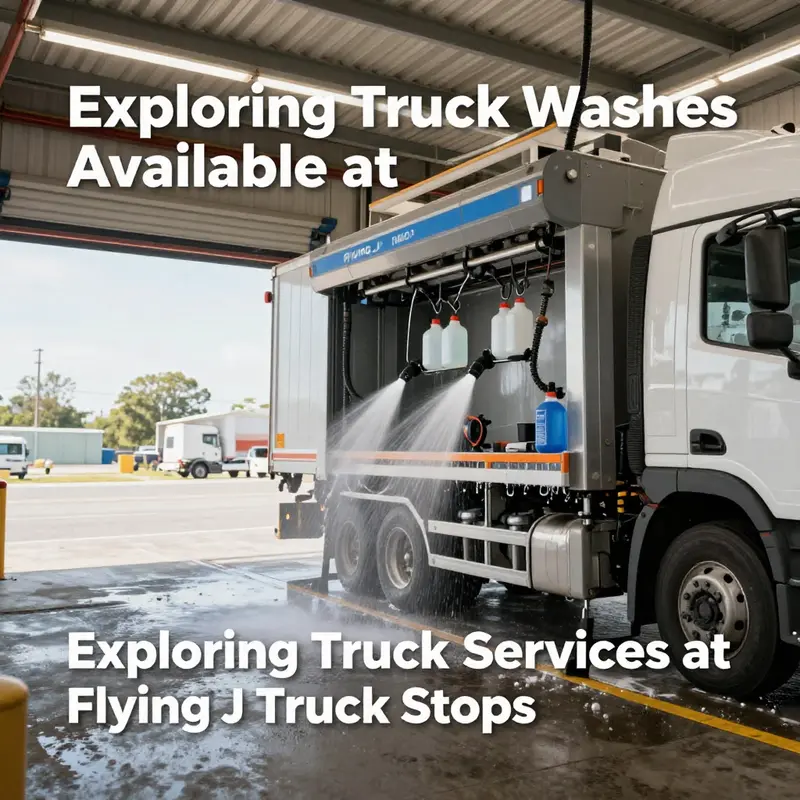
On the open highway, a clean rig is more than a matter of appearance. It signals maintenance discipline, reduces the drag that costs fuel, and helps protect sensitive equipment from road grime, chemicals, and brake dust. For professional drivers and fleet operators, the choice of where to wash a tractor and trailer can be as strategic as choosing a fuel stop or a parking spot for the night. Flying J truck stops have built a reputation among many drivers for offering wash facilities that suit a range of needs, from quick refreshes between legs to thorough cleanings that keep a fleet looking presentable and operating smoothly. The practical value rests not only in the availability of a wash but in the variety of options, the reliability of access, and the way these services integrate into a driver’s broader routine of pretrip checks, maintenance planning, and compliance with road safety standards. While not every Flying J location will mirror every amenity, the larger and more travel-heavy sites tend to present a fuller suite of wash services that can save time, protect asset value, and reduce downtime for heavy-traffic fleets. In this chapter, we explore the main wash options commonly found at Flying J locations, how each option works in practice, and what drivers and fleet managers should consider when deciding where and how to wash a rig on the road.
The most common circumstance drivers encounter is a wash bay or a wash area that accommodates trucks and trailers without requiring a separate appointment. Self-service truck washes are a familiar option for drivers who want control over the process. They typically feature rugged, vehicle-sized bays equipped with high-pressure wands, foam applicators, and rinse cycles designed to tackle the stubborn grime that accumulates on fenders, rails, and undercarriage components. Self-service rejects the rigid schedules of automatic systems and gives drivers the flexibility to tailor a wash to the day’s weather, cargo, and the truck’s current condition. For fleets that place a premium on customized cleaning—such as removing dried road tar before a delivery window or preparing a unit for a customer handoff—self-service can be a practical choice, especially when time allows and a driver wants to apply targeted attention to problem areas.
Automatic, or touchless, washes present a different rhythm. These systems rely on sensor-guided jets, high-pressure sprays, and chemical formulations to scrub and rinse without the need for a person operating the equipment. Touchless washes are especially attractive for drivers who need a quick turnaround at a busy stop or who want to avoid potential swirling and brush contact that could impart micro-scratches or minor paint wear. They also minimize the risk of damage to chrome, decals, or delicate trims when used properly, making them a reliable option for fleets that prioritize consistency and speed. However, as with any automated system, the results can depend on several factors: the vehicle’s size, the level of soil, and whether the operator selects the appropriate wash cycle for a heavy-duty vehicle. Drivers often find that a quick pre-rinse, followed by a touchless cycle, yields an adequate clean for routine road grime, after which a more thorough option might be chosen for heavy contamination or pre-delivery preparation.
Beyond the basics of self-serve and automatic washes, premium detailing at certain Flying J locations adds a layer of service that mirrors what a dedicated detailing shop could offer, but in a bayside setting that keeps a driver moving. Premium detailing packages may include interior vacuuming, window cleaning for improved visibility in rain or dawn light, tire dressing to restore a clean, professional look, and even exterior waxing or sealant application to guard against the elements and help preserve paint and chrome between long hauls. This level of service is typically aimed at fleets that want to maintain brand consistency across their assets or individual owner-operators who are preparing a truck for a high-profile delivery, a lease return, or a public-facing job that requires the truck to look pristine.
Larger fleets frequently leverage what are described as fleet wash programs. These programs are designed for volume and accountability. They may offer discounted pricing, scheduled wash windows, and detailed reporting that integrates with a fleet’s maintenance and cost-tracking systems. The ability to schedule a regular wash cadence—whether weekly, monthly, or around specific maintenance milestones—helps fleet managers forecast expenses, allocate maintenance time, and document compliance with corporate standards. In practice, a fleet wash program at a Flying J stop often means a consistent price per wash, predictable service quality, and the option to bundle wash with other amenities that a fleet relies on during a long-haul cycle, such as parking, showers, or fueling.
For drivers and fleets evaluating a wash at a given Flying J site, the best approach is to view the stop’s amenity list ahead of time. The official site usually provides a tailored snapshot for each location, including what wash types are available and what conditions may apply. This transparency helps fleets plan rest periods and maintenance windows around the wash options they depend on most. It’s also a good idea to check reviews or call ahead if a particular stop has recently added or removed services, as changes in equipment or staffing can affect the experience from one visit to the next. The variability from site to site is a reminder that the question do Flying J truck stops have truck wash is not a one-size-fits-all answer; the right choice hinges on the specific stop, its size, and the needs of the driver at that moment.
An important practical consideration for anyone who uses wash facilities regularly is the integration of washing into broader maintenance workflows. A clean truck performs better. After washing, drivers should perform a quick inspection while the vehicle is still in the bay or immediately after exiting. Look for leaks, oil spots, or residue around seams that might indicate a missed area or a need for touch-up cleaning at the next opportunity. The undercarriage and wheel wells are areas that often benefit from extra attention because road grime can hide damage or wear problems. When drivers combine a wash with a routine wipe-down of mirrors, reflectors, and taillights, they enhance visibility and safety, which is particularly important for night driving and adverse weather.
A well-chosen wash plan is also a matter of protecting the asset. Regular, consistent cleaning helps prevent buildup that can accelerate corrosion on metal components and degrade the finish of paint and chrome. For fleets that put a premium on appearance as part of the customer experience, the premium detailing option can be a wise investment, ensuring that trucks look well kept during inspections, at customer facilities, and in photo-ready delivery moments. Even in the fast lane of a busy route, the discipline of scheduling regular washes and using the appropriate level of service at each stop can save time and money in the long run by reducing the need for more extensive corrective work between maintenance cycles.
When a driver or fleet manager thinks about the mechanics of accessing wash services, the logistics matter as much as the wash chemistry. Some stops require the driver to enter a wash queue, while others offer a first-come, first-served basin approach. The presence of automated payment options, clear signage, and accessible ingress and egress routes can streamline the flow and minimize the time a truck spends stationary. This is more than convenience; it translates into a cycle time that aligns with delivery windows and dispatch constraints. For operators who manage multiple trucks, the ability to log, track, and reconcile wash events with the same software tools used for maintenance records becomes a practical asset. In many cases, fleet managers will find that a combination of wash types—self-service for a quick scrub, touchless automatic for a standard rinse, and premium detailing on demand—offers the most balanced approach to cleanliness and efficiency across a diverse fleet.
To make sense of these choices in practice, consider a typical cross-country schedule. A driver might begin the week with a thorough premium detailing at a major hub, preparing a high-visibility vehicle for client meetings or a trailer that has carried sensitive cargo. Midweek, a quick touchless wash could be used at a mid-route stop to remove the day’s grime before the next loading event. If weather dictates, a self-service option becomes a valuable fallback when the vehicle requires targeted attention to sticky residue or dried mud that a broader automated clean might not fully resolve. The key is to view the wash as part of a comprehensive, proactive maintenance routine rather than as an isolated expense. When this mindset is adopted, wash decisions become aligned with fuel efficiency, safety, asset preservation, and brand credibility—the quieter, less visible but nonetheless critical benefits of keeping the wheels turning on time and in good condition.
From a fleet-management perspective, the variation among Flying J locations means that a centralized wash policy should acknowledge site-specific realities. Some stops shine with a robust fleet-oriented program that includes clear invoicing, predictable turnaround times, and a standardized set of wash parameters that help fleet teams compare apples to apples across weeks and routes. Other sites, while valuable, may offer more limited options and require a more flexible approach. The prudent path is to build a wash strategy that treats the stop as a partner, not merely a facility, and to document the outcomes of each wash against the truck’s maintenance logs. In this way, the wash becomes a measurable, repeatable component of a fleet’s overall health management.
For operators who want to grow their knowledge base on how the larger ecosystem of truck washes operates, exploring the broader field of facility management for wash businesses can be informative. A practical resource that distills some of these best practices can be found at the internal resource titled facility management for truck wash businesses, which offers actionable insights on staffing, equipment maintenance, and workflow optimization that apply across multiple sites and service levels. This kind of guidance helps fleet leadership translate the on-site experience into a scalable framework that supports cost control, service reliability, and safety compliance over time. (Internal link: facility management for truck wash businesses)
Ultimately, the question of whether Flying J truck stops have truck wash is best answered with nuance. The short answer is often yes, many do offer wash facilities, and the options range from self-serve bays to fully automated systems, with premium detailing and fleet programs available at the right locations. The longer, more useful answer is that availability and the exact mix of services are site-dependent, and the most effective strategy is to map out the wash types that fit a driver’s route, a fleet’s maintenance calendar, and a company’s brand and safety standards. A driver should check the specific Flying J stop’s amenities before pulling in, note which wash types are available, and plan the wash activity as part of the day’s schedule rather than as an afterthought. For those who manage fleets, embedding wash data into maintenance dashboards helps ensure that cleanliness translates into performance, reliability, and long-term asset integrity. And for any driver curious about the broader context of wash operations and industry practices, the key takeaway is that a well-chosen wash routine across Flying J stops can be a meaningful lever for efficiency, safety, and professional presentation on the road.
For readers who want to explore sources beyond the practical, the official Flying J stop listing provides direct access to the specific amenities offered at each location, including whether a truck wash is available. This transparency helps drivers and fleets plan their itineraries with confidence. External reference: https://www.flyingj.com/truck-stops.
Why Choosing a Flying J Truck Wash Pays Off for Drivers and Fleets
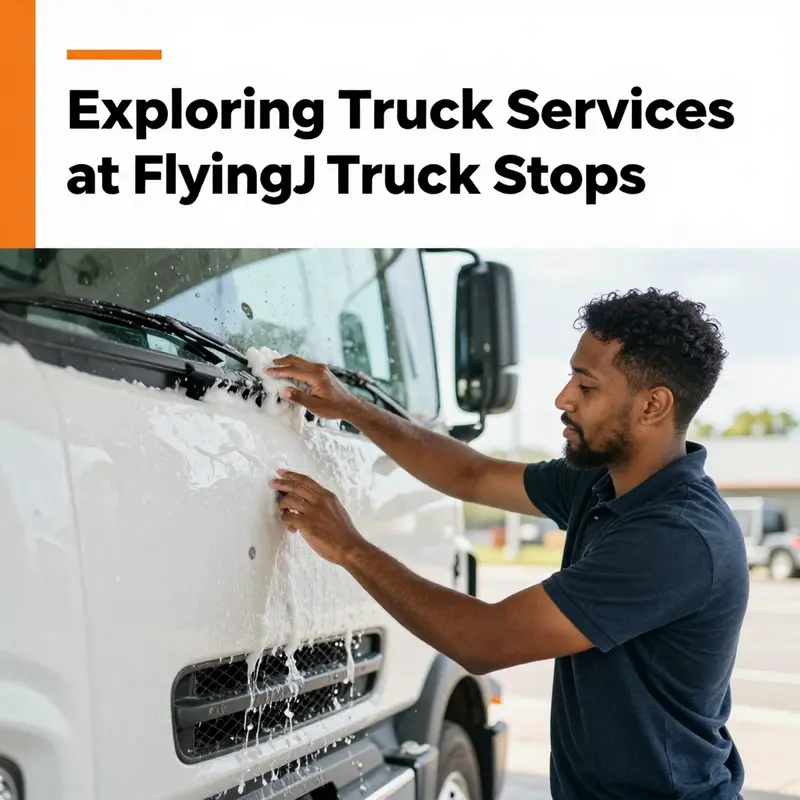
Why choosing a Flying J truck wash pays off for drivers and fleets
Using a truck wash during a stop is more than a cosmetic choice. For professional drivers and fleet managers, the decision affects safety, maintenance budgets, brand image, and operational rhythm. Many Flying J truck stops include truck wash facilities, and those services are designed to match the needs of long-haul vehicles. The practical advantages unfold across several areas: time saved on the road, protection for expensive equipment, fewer maintenance headaches, and a smoother combination of tasks during a single stop.
First, consider time and route efficiency. Flying J operates a dense network of stops across major corridors. That means a wash is often available within a short detour or during a planned break. For drivers, this reduces the time spent searching for an off-route facility. It also cuts the downtime that comes with longer stops. A truck wash at a stop does cleaning while drivers refuel, eat, and rest. This saves hours compared with arranging separate visits to local washes. For fleets, the savings multiply when multiple trucks use nearby facilities. Scheduling becomes simpler, and the predictable availability of services makes route planning more reliable.
The cleaning systems at these locations are built to meet heavy-duty demands. They use powerful water jets, industrial detergents, and dedicated wash bays. These tools are effective against road grime, salt buildup, bug residue, and mud. Removing these contaminants matters. Over time, road salt and grime accelerate corrosion. Salt in particular attacks metal fasteners, frames, and the undercarriage. Regular, thorough washes remove corrosive deposits before they can do structural harm. That preservation leads to fewer unscheduled repairs and longer intervals between part replacements.
Vehicle appearance is more than vanity. For fleets, a clean truck projects professionalism. It supports brand recognition and often influences client perception. The exterior condition of a vehicle can be the first and most lasting impression. When trucks show consistent care, they reflect disciplined operations. That can sway customer decisions and improve contract renewal rates over time. But appearance ties directly to value retention as well. Paint and finish that are maintained cost less to restore. Clean trucks typically command higher resale values and lower refurbishment costs.
Protection during cleaning is an important technical point. Many truck washes at major stops offer touchless or low-impact options. These methods rely on high-pressure water and chemical agents rather than brushes. The result is a reduced chance of surface abrasions, swirl marks, and paint damage. For fleets running wraps or custom paint, that protection preserves branding and avoids costly touch-ups. Touchless systems also better reach undercarriage areas and nooks where brushes cannot access. That means better removal of grime in sensitive spots, which reduces hidden corrosion risk.
Beyond basic washes, many locations provide integrated services that further increase value. Vacuum stations, air pumps, and sometimes detailing or spot-cleaning options are common. Combining multiple tasks into a single stop is efficient. Drivers can refuel, empty trash, clean the cab, and wash the trailer in one visit. For safety inspections and pre-trip checks, a clean vehicle makes defects easier to spot. Leaks, cracks, and hidden damage show up sooner on a clean surface. When maintenance teams can identify issues early, they reduce the chance of breakdowns on the road.
There is a financial logic to routine washing. The direct costs of washes are small compared to the expenses caused by accelerated corrosion. Routine cleaning reduces the long-term need for parts replacement. It also keeps maintenance windows predictable. Fleets that adopt scheduled washing see better lifespan for paint and metal components. That predictable lifespan supports more accurate budgeting and asset planning. When fleet managers estimate total cost of ownership, regular washing appears as a preventative investment rather than an optional expense.
Operational safety improves with clean vehicles. Headlights, turn signals, reflectors, and mirrors perform better when free of grime. Windshield and camera systems work more reliably without a layer of road film. Brake assemblies and suspension components are easier to inspect when they are not caked in dirt. Road spray and road debris can hide wear and small cracks. Washing helps reveal those issues before they create critical failures. In adverse weather, every bit of visibility and braking reliability matters.
For drivers, comfort and morale are often overlooked benefits. A clean cab and a tidy exterior help maintain professionalism and pride in equipment. Drivers who feel respected tend to take better care of their vehicles. That human side translates into lower incident rates and better adherence to maintenance schedules. A stop that offers cleaning alongside showers, dining, and rest areas supports driver well-being and retention.
Environmental and regulatory considerations also favor frequent wash use at well-equipped stops. Reputable truck wash operations manage wastewater and detergents responsibly. They use containment and treatment systems that limit pollutants entering local waterways. That contrasts with ad hoc roadside cleaning, which can release contaminants into storm drains. For fleets operating under regional environmental regulations, using permitted wash facilities helps remain compliant. It also reduces the risk of fines tied to improper disposal of wash water and chemicals.
A wider trend in fueling and service infrastructure benefits drivers who choose these stops. As some truck stops add advanced fuels, like compressed natural gas and liquefied fuels, drivers gain the ability to refuel and clean at the same location. That consolidation reduces idle time and streamlines logistics. Fleets managing multi-fuel operations find it easier to coordinate servicing at a single, familiar stop. It also minimizes route deviations, lowering fuel consumed for detours and reducing operational friction.
Practical usage tips help drivers and managers get the most from wash services. First, check the specific amenities of a location before you arrive. Not every stop has the same equipment. Some offer full automated washes suitable for both tractors and trailers. Others provide wash bays best for partial cleaning or spot treatments. Knowing the features saves time and prevents surprises. Second, schedule washes as part of routine maintenance. Frequent, lighter washes often outperform infrequent deep cleans. Third, choose touchless options for painted surfaces and wraps. Use brush or manual options when you need targeted scrubbing, such as for heavy tar or tree sap. Finally, combine washing with inspections. A quick walk-around after a wash reveals items that need attention.
From a management perspective, standardizing wash frequency across a fleet simplifies operations. Setting clear intervals based on region and route conditions helps. For trucks operating in salty winter climates, weekly washes may be necessary. In dryer regions, biweekly or monthly cycles could suffice. Standardization supports predictable costs and helps buy-in from drivers. When drivers understand the maintenance rationale, compliance increases.
There are business-level advantages that lighten a fleet manager’s workload. Using the truck wash network at major stops reduces the need to find local vendors. It also centralizes transaction records for expense tracking. Many locations accept fleet cards or offer invoicing options. That creates cleaner accounting and easier audits. For large organizations, consolidated invoicing and standardized services simplify reconciliation and internal billing.
Operational safety during washing deserves a brief mention. Large trucks require skillful positioning in automated systems. Always follow posted instructions and allow staff to assist if offered. Avoid attempting high-pressure sprays on fragile components like exposed sensors. When in doubt, select manual or assisted bays and ask for guidance. Doing so protects sensitive equipment and prevents damage.
Finally, adopting a routine that includes stop-based washing fosters a culture of preventive care. When cleaning is built into a driver’s route, it becomes habit. Equipment that is routinely inspected and cleaned signals a disciplined maintenance program. That discipline reduces surprises and improves overall uptime.
For managers seeking deeper operational perspectives on wash facility management, there are resources that explain how wash operations are run and maintained. One useful overview covers the essentials of facility management for truck wash businesses and how those principles affect service quality and compliance. For specifics on amenities at individual stops, consult the official site for the network of stops to confirm services and equipment at a chosen location: https://www.flyingj.com
Washes on the Highway: Exploring How Flying J Truck Stops Deliver Onsite Truck Wash Solutions
Truck tires hum and freight trains snarl past as long hauls stretch from dawn to dusk. For professional drivers, the road is a moving office, and the tractor and trailer are the working tools you depend on every mile. Clean equipment isn’t a luxury on a schedule; it’s a practical necessity that protects payload integrity, keeps operating hours on track, and preserves a good impression with customers and shippers. In this context, a question that comes up frequently among drivers and fleet managers alike is whether Flying J truck stops offer truck wash facilities. The short answer is nuanced. Many Flying J locations, particularly the larger hubs that sit at major junctions or high-traffic corridors, do provide on site truck wash options. Not every stop is identical, and some smaller sites may not have a wash bay at all. But the chain’s broader model often includes a wash component alongside fueling, food service, rest areas, and maintenance facilities, designed to keep trucks moving rather than forcing a detour to a dedicated washing facility. The bottom line is clear: if you plan a stop at a Flying J, it is worth checking the amenities of the specific location you intend to visit, because a full-service or self-serve wash bay is a common feature at many of the larger stops, with variations from site to site.
The wash offerings you’ll encounter fall into a few familiar categories, each designed to fit different driver needs and job conditions. There are automatic or self-serve car wash options that are calibrated for larger commercial vehicles, including heavy-duty trucks and trailers. These bays are built to withstand frequent use and to deliver a high-pressure rinse with detergents that cut through road grime, grease, and the tar that often builds up along the undercarriage and wheels. In addition to the automatic or semi-automatic bays, a number of Flying J locations feature dedicated wash bays shaded from the wind, equipped with high-pressure water and cleaning solutions designed to tackle stubborn soils without harming the metal or the linings of a trailer. The most common experience for a driver is a bay that allows either a self-serve mode with card activation or an attendant-assisted option that moves the wash through a controlled sequence. Either path has its benefits: the self-serve route offers a predictable pace and pricing, while the full-service or attendant-assisted path provides a more hands-on approach when a trailer requires targeted attention around the landing gear, wheel wells, or stubborn road film that accumulates where speed and weight take their toll.
A practical driver will notice that the overall experience at a Flying J wash bay is not limited to water delivery alone. The sites usually integrate multiple conveniences that support the cleaning process and the broader workflow of a long-haul run. Vacuum stations give the cabin a quick but essential interior refresh between legs, while air pumps and tire inflators keep the rig ready for the next lane change. Some locations even offer detailing options or add-on services that appeal to drivers who want a more thorough refresh before a delivery window closes. The combination of wash bays, vacuums, and air services might seem like a small feature set, but in practice it can shave minutes off a schedule and reduce the need for separate stops that would otherwise interrupt rest cycles or delivery commitments.
From a fleet management perspective, the decision to rely on a Flying J wash facility is often anchored in the balance between cost, time, and the operational realities of the route. The auto wash systems are designed to deliver consistency across visits, which matters for maintaining clean visuals on the road and minimizing dirt that can contribute to corrosion or wear. Yet price transparency matters as well. Pricing at wash bays tends to reflect the level of service chosen, mirroring the distinction between a quick rinse and a full-foam or brush-based cleaning. The more involved options may carry higher price points, but the payoff comes in the form of a deeper clean in a shorter amount of time, a tradeoff many fleets consider essential when routing decisions hinge on tight delivery windows. The evolving emphasis on environmental stewardship in the industry makes many sites cautious about water use and contaminant management. Modern wash bays are designed to recycle wash water and to use environmentally responsible cleaning solutions, a feature that aligns with the broader shift toward sustainability across the trucking sector.
The practicalities of locating a wash facility at a Flying J stop hinge on the specific site details. The company operates a robust location finder that enables drivers to search for nearby truck stops by entering their current location, a city, or a ZIP code. The tool presents the full slate of amenities for each location, so a driver can verify at a glance whether a full-service wash is available, what the operating hours are, and whether the wash option is automatic or self-serve. This capability is particularly valuable given the variation from site to site. A large Flying J may cluster a wash bay beneath a canopy adjacent to fueling lanes, with a separate entrance for trailers to keep the wash operations distinct from general customer traffic. A smaller or mid-size stop may rely on a single wash bay that doubles as a maintenance bay, where a technician can assist with trailers or pre-trip checks after a wash. The reality on the ground is simple: plan ahead, confirm the facility details for the day and time you intend to visit, and keep a backup plan in case a wash bay is temporarily out of service or fully booked during peak periods.
To maximize reliability, drivers often make a habit of calling ahead or stopping by the location’s frontage to gauge conditions in real time. Hours can vary by location and season, and some bays operate within a narrower window to accommodate other services at the stop. The most reliable approach is to treat the wash bay as a discretionary option you may need to pivot around rather than a guaranteed asset of every stop. This is especially true for teams that are running high-mileage routes with strict delivery deadlines where a delay from a queue at a wash bay could ripple through the schedule. The same rationale applies to pricing, which will be posted and may be subject to change based on the level of service, the weight of the load, and the presence of any environmental or regulatory surcharges in effect at the time of service.
In practice, the experience of washing a heavy vehicle at a Flying J site tends to be straightforward and driver-friendly. A typical flow begins when a driver pulls into a designated wash area and selects either a self-serve option or a staffed wash. Self-serve bays usually require payment at a card reader and then grant access to wash nozzles, brushes, and the cleaning solution that has been calibrated for heavy equipment. In many cases, the self-serve path includes a sequence that guides the driver through pre-rinsing, soap application, a thorough rinse, and a final rinse to remove residue. Staff-assisted bays offer similar results but with an attendant who can address stubborn soils, focus on problem areas like the fifth wheel or undercarriage, and ensure no residual residue remains after the rinse. In either case, the goal is a fleet-ready finish that reduces the chances of a rewash or a follow-up service later on a long assignment. The emphasis on high-pressure rinsing and tailored cleaning solutions supports a robust cleaning outcome without requiring a driver to overspend in time or money.
Beyond the wash itself, it is worth noting the broader context in which Flying J wash facilities exist. The trucking ecosystem increasingly values not just speed but the sustainability of operations. The presence of on-site wash bays can reduce the need for separate trips to third-party service centers, lowering fuel consumption and downtime. It also supports maintenance routines that include regular cleaning of trailers and tractors to minimize drag, protect paint, and extend the life of seals and gaskets. For drivers who are mindful of environmental rules and company policies, wash facilities that emphasize water recycling and non-toxic cleaners offer a straightforward compliance path that aligns with broader fleet standards. In short, the wash bay at a Flying J site is not just a convenience; it is a practical asset that helps keep the vehicle in good condition while supporting efficient routing and responsible stewardship of resources.
Finding the right Flying J location with a wash facility requires a little planning, but the process is user-friendly. The official location finder is the best starting point for real-time information. By entering your current city, ZIP code, or location, you can view a map and a list of nearby stops, each with a snapshot of the available amenities. For anyone who needs precision, the details include whether the site offers full service or a self-serve option, what the operating hours are on a given day, and whether any special restrictions apply to wash bays. This level of clarity is especially valuable when a truck is in charge of a time-sensitive delivery. A few minutes spent checking the page for a specific location can save significant time and prevent a wash bay from becoming a bottleneck in the route sequence. It also facilitates better communication within the fleet, because dispatch can plan additional buffer time or re-allocate loads if a particular stop is temporarily crowded or unavailable for the wash at the moment of arrival.
The practical advantage of knowing where a wash facility exists extends beyond the immediate task of cleaning. It feeds into a broader operational discipline that many modern fleets adopt: proactive route planning that minimizes downtime and reduces the risk of unplanned stops. When a driver knows which Flying J locations offer wash bays ahead of time, they can build in a wash into the routing plan without sacrificing efficiency. This knowledge also helps with driver well-being. Clean cabs and trailers contribute to a more comfortable resting space, especially when a driver needs to prepare for a long night shift or a critical delivery window. In addition, a well-cleaned trailer reduces the likelihood of contamination during loading and unloading, which can be a meaningful factor for teams handling food-grade or sensitive shipments. While not every stop will offer a wash facility, the pattern across the network suggests a thoughtful balance: the larger, more strategically placed Flying J sites invest in a robust wash capability because they know it matters to the driver, the fleet, and the overall reliability of the service network.
For those who are curious about the knowledge base behind these wash facilities, the industry has observed a growing emphasis on best practices for maintaining wash infrastructure and aligning it with fleet needs. Operators and site managers increasingly focus on standardizing wash processes and ensuring consistent outcomes across locations. This includes adopting clear safety protocols for high-pressure operations, maintaining water recycling systems, and training attendants to handle the unique demands of oversized trailers. The result is a more predictable and efficient experience for drivers who rely on these facilities as part of their daily routines. If you are an operator or fleet professional who wants to dive deeper into the organizational side of wash facilities, there is a body of guidance that covers facility layout, maintenance scheduling, and staffing strategies that keep wash bays productive and safe. See guidance on facility management for truck wash businesses for a broad view of how to optimize the wash environment while aligning with industry standards. facility management for truck wash businesses.
To wrap the practical reality around this topic, consider the day a driver arrives at a Flying J with a trailer coated in a mix of road dust, grease, and winter road grime. The wash bay becomes a critical tool, a controlled environment where water pressure and cleaning agents work in concert to restore the vehicle’s exterior to a state that minimizes corrosion risk and preserves the appearance of the fleet. For some drivers, the experience is routine and efficient, a simple break in the journey that this stop can provide without a detour. For others, it is a welcomed opportunity to address payload integrity and prepare the rig for a precise delivery window. Either way, the wash facility, when present, supports both the practical needs of maintenance and the business needs of on-time performance. It is part of the larger ecosystem of the Flying J stop, a node where fueling, rest, logistics, and vehicle care intersect on the roadside.
When the subject turns to reliability, the most important takeaway is straightforward: verify the specific Flying J location before you plan around it. The network is broad, but not every site mirrors the same amenities. The best way to guarantee access to a wash bay is to consult the location page in real time and, when possible, call ahead or check for any posted notices about maintenance or temporary closures. The goal is to minimize risk and maximize clarity so the wash becomes a predictable, repeatable part of your route rather than a blind spot in your plan. In a business where every mile and every minute counts, that clarity is worth its weight in clean equipment and satisfied drivers.
For live, location-specific details, the official Flying J location finder remains the authoritative source. It is the quickest way to determine which nearby stops offer wash facilities and to confirm the exact type of wash available, along with hours and service options. As with any service linked to a moving operation, the best outcomes come from proactive planning, clear communication, and a willingness to adapt to the realities of the road. The wash bay at a Flying J stop is more than a feature; it is a practical asset that helps keep fleets moving, protect equipment, and support a fleet culture that prizes reliability and efficiency. The next leg of the journey may bring a different set of road conditions, but the core idea remains stable: when you need a clean truck and a clean slate for the miles ahead, a Flying J wash facility can be an important ally on the highway.
External reference and further reading: For a direct link to the official location finder and the latest site details, drivers and fleet managers can refer to the Flying J locations page at https://www.flyingj.com/locations. This external resource provides real-time data and location-specific amenity lists to help plan a wash stop with confidence. In addition, for broader industry insights and practical guidance on wash operations, readers may explore related case studies and best practices covering facility management for truck wash businesses and other operational considerations through industry resources.
Final thoughts
Utilizing truck wash services at Flying J Truck Stops can greatly enhance the maintenance and longevity of your fleet. Knowing the types of truck washes available, the benefits they offer, and how to locate these facilities will empower fleet managers and supervisors to make informed decisions that contribute to operational excellence. Regular washing not only improves vehicle appearance but also helps maintain vehicle performance, further reducing long-term upkeep costs.