
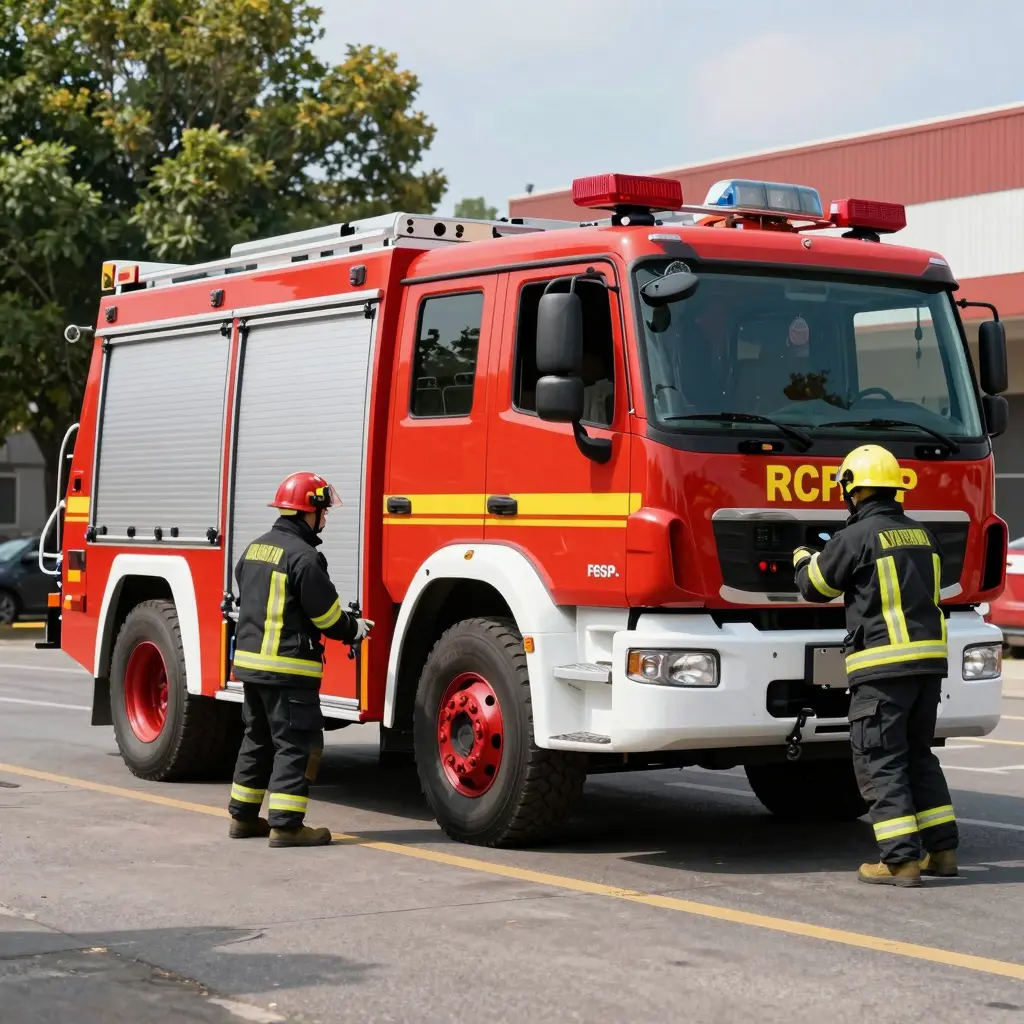
In the fast-paced world of emergency services, the rescue pumper has emerged as a vital asset, blending firefighting capabilities with rescue operations. These vehicles are not just firetrucks; they are carefully engineered to tackle a variety of urgent situations, from extinguishing flames to providing critical support in life-threatening emergencies. For business owners, understanding the significance of rescue pumpers goes beyond the realm of public safety; it touches on community resilience and operational efficiency. When a disaster strikes, the rapid response of emergency services greatly relies on the readiness and capability of their equipment, and a well-equipped rescue pumper can be the difference between life and death. Investing in a rescue pumper not only supports municipal services but also reinforces a company’s commitment to safety and community support, thereby fostering trust and goodwill among customers. As such, exploring rescue vehicles can be an enlightening endeavor, shedding light on how these multifaceted machines serve diverse roles, including supporting local jurisdictions during emergencies and enhancing overall community preparedness.
The History of Rescue Pumpers
Rescue pumpers, crucial components of firefighting apparatus, have evolved significantly since their inception. The roots of this essential equipment can be traced back to the early days of fire-fighting, when communities relied on basic water pumping systems to extinguish blazes. Historically, the first fire pumps were simple hand-operated designs, and they relied largely on human power, usually carried by horse-drawn carriages. As urban areas grew and firefighting techniques advanced, the need for more efficient and effective rescue pumpers became apparent.
In the early 20th century, rescue pumpers began to transition from horse-drawn vehicles to motorized versions. This shift was driven by the increased urgency of firefighting tasks and the demand for faster response times. The introduction of gasoline engines transformed not just the speed but also the operational capacity of these vehicles, allowing for higher water pressure and greater pumping efficiency. By the 1940s, innovations continued with the integration of advanced hydraulic systems, which further improved the capabilities of rescue pumpers.
As technology progressed, modern rescue pumpers adapted to meet a variety of new challenges. The introduction of electronic controls, enhanced firefighting equipment, and specialized storage compartments made these vehicles more versatile. Today’s rescue pumpers feature sophisticated onboard systems, including GPS technology and sophisticated communication tools that enhance the coordination of emergency responses. Fire departments are now able to deploy rescue pumpers equipped with diverse tools for medical emergencies, technical rescues, and hazardous material incidents, showcasing their evolution from mere fire suppression to comprehensive emergency response units.
Moreover, the evolving nature of urban environments has prompted manufacturers like CRRC Vehicles to innovate further. Today’s rescue pumpers are designed with improved maneuverability to navigate congested city streets and come equipped with multi-functional capabilities to handle various emergency scenarios. As the demands on fire safety and response continue to grow, rescue pumpers will invariably adapt, ensuring that firefighting professionals have the tools needed to combat modern challenges efficiently.
For business owners interested in acquiring advanced firefighting apparatus, exploring the innovations available in fire rescue vehicles offers insights into the modern adaptations of the rescue pumper.
Comparison of Popular Rescue Pumpers
This table outlines key features, specifications, and performance metrics of popular rescue pumpers available in the market.
| Model | Engine | Pump Capacity | Water Tank Capacity | Notable Features | Source |
|---|---|---|---|---|---|
| E-One / International VM8 | Freightliner | Hale Qmax 1500 GPM | 1000 gallons | High tech, modular compartment arrangements | Greenwood Emergency Vehicles |
| Spartan Gladiator | Unknown | Unknown | Unknown | Advanced cab, improved lighting, remote-control deck gun | Firefighter Nation |
| Loveland Fire Dept Rescue Pumper #769 | Unknown | Waterous 1500 GPM | Unknown | OnScene Solutions LED lighting | SVI Trucks |
| Crown Point Fire Rescue | Cummins L9 | Unknown | Unknown | Robust performance, designed for rescue operations | MacQueen Group |
This table provides a quick overview of the different specifications and features. For more detailed options, visit our fire rescue products page.
Technology Behind Modern Rescue Pumpers
Modern rescue pumpers are pivotal in emergency services, integrating cutting-edge technologies that enhance their operational capabilities and efficiency. These advancements are crucial for business owners in the emergency services sector, as they directly impact response times, safety, and the overall effectiveness of rescue operations.
Key Technological Innovations
-
Automation: Today’s rescue pumpers incorporate advanced automation systems that streamline operations. Automated equipment, such as water supply management and safety features, allows firefighters to focus on critical tasks during emergencies. For example, many pumpers now use Intelligent Control Systems which enable real-time monitoring of the vehicle’s performance and environmental conditions.
-
Safety Features: Safety is paramount in emergency operations. Modern pumper designs include advanced safety features like the Compressed Air Foam Systems, which improve firefighting effectiveness while reducing the risk of danger to both the crews and victims. Additionally, integrating systems like the Command Light Knight Series enhances visibility during nighttime operations, reducing accidents and injuries.
-
Efficiency Innovations: Enhancements in efficiency are also critical. Automated water supply management technologies enable quicker access to water sources, allowing for reduced time in setting up operations at the scene. This not only saves time but also improves the overall operational effectiveness of rescue teams.
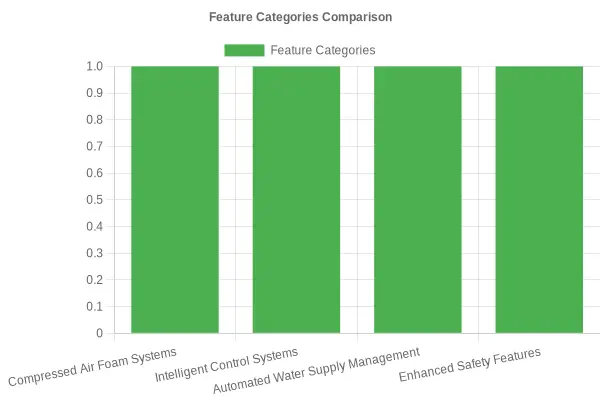
The following chart summarizes these technological advancements and their benefits:
| Feature Category | Description | Source URL |
|---|---|---|
| Compressed Air Foam Systems | Husky™ 3 foam system, 500-gallon tank size. | Pierce Manufacturing |
| Intelligent Control Systems | Advanced control systems improve safety, optimize processes. | Smart Manufacturing |
| Automated Water Supply Management | Automated supply control enhances operational efficiency. | Ferrara Builds Systems |
| Enhanced Safety Features | Incorporation of safety gear and systems, e.g., Command Light Knight Series. | Chint Global |
Impact on Business Operations
The integration of these technologies not only enhances operational efficiency but also increases the effectiveness of emergency service providers. For business owners, investing in modern rescue pumpers equipped with automation and advanced safety features translates into better service delivery, reduced operational risks, and increased trust among the community served. This can lead to higher funding opportunities and community support, ultimately benefiting the bottom line of emergency service organizations.
By adopting these innovative rescue pumpers, businesses can ensure they are equipped to meet modern challenges in emergency response, enhance safety for personnel, and improve resource allocation during critical incidents. For further exploration on modern fire rescue technologies, visit our product pages to learn more about what we offer.
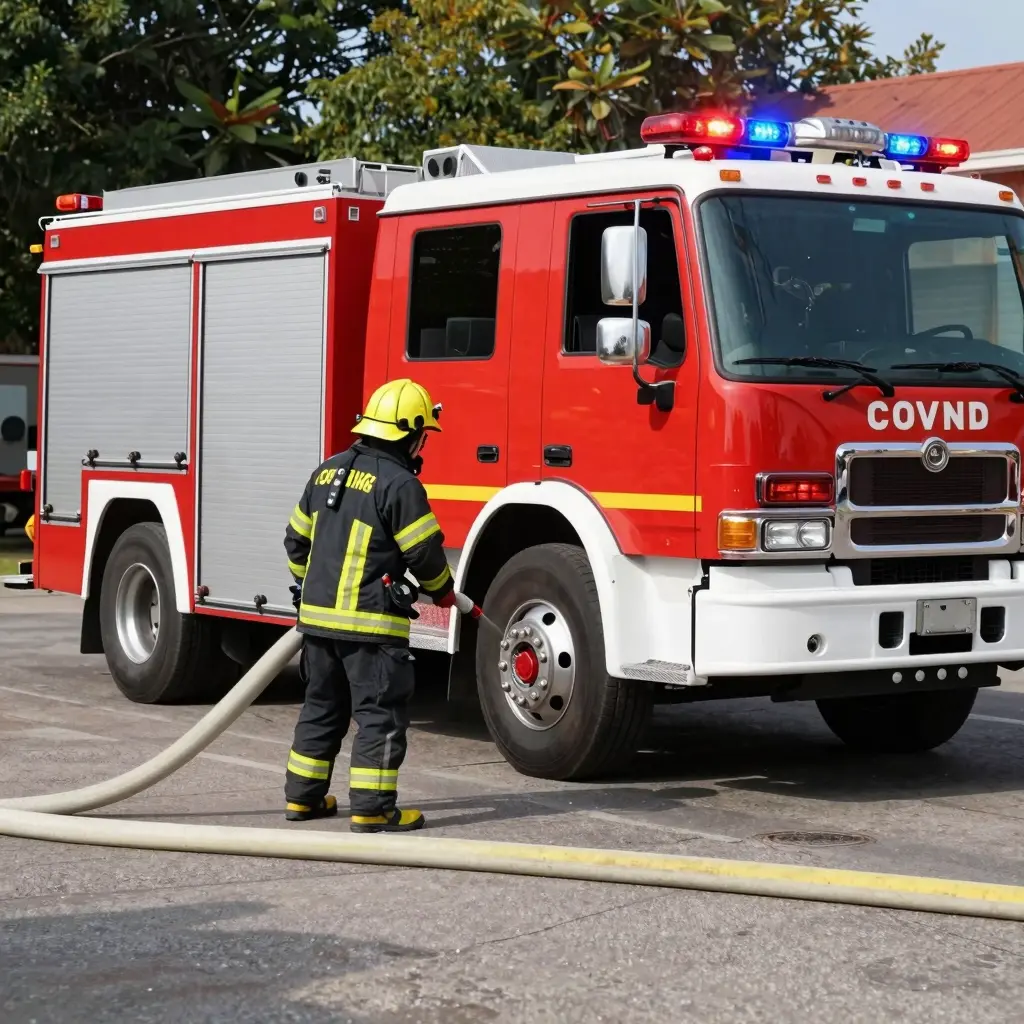
Here is a high-quality image depicting a rescue pumper responding to an emergency situation. This visual engagement helps to underline the importance and effectiveness of rescue pumpers in critical operations for municipalities and businesses alike. For more information on various fire and rescue vehicles, check out the fire rescue category.
Rescue pumpers are playing an increasingly pivotal role in firefighting and emergency response for business owners managing fire and rescue services. Below is a summary of notable user feedback and testimonials highlighting the experiences of various fire departments with rescue pumpers.
Growing Popularity Among Fire Departments
Many rural and suburban fire departments have been integrating rescue pumpers into their fleets as they prove to be more versatile than traditional firefighting vehicles. According to an article from Fire Apparatus Magazine, these vehicles handle both fire suppression and various rescue scenarios, helping fire departments eliminate the need for separate rescue trucks. This transition is seen as both efficient and cost-effective, enabling quicker response times and improved emergency capabilities.
Testimonials from Fire Service Leaders
-
Oakfield Fire and EMS: The Fire Chief of Oakfield Fire and EMS expressed pride in their newly acquired Custom Rescue Pumper. He highlighted the complex process of designing and procuring a new fire truck and expressed satisfaction with the final product delivered by Custom Fire. The testimony reflects not only on the vehicle’s performance but also on effective collaboration during the design phase.
-
Santa Clara County Fire Department: Recently, this department took delivery of two custom rescue pumpers tailored to meet evolving rescue service demands. Their commitment to advanced capabilities is indicative of a broader trend where departments need vehicles that can address a variety of emergency scenarios effectively. This acquisition also signifies an investment in modern firefighting technology, leading to better efficiency in operations.
-
Longmont Fire Department: Notably, they have put five Pierce Velocity custom rescue pumpers into frontline service, showcasing how these vehicles are now being used for a myriad of emergencies. The department’s adoption of these multi-functional vehicles demonstrates the trend toward versatile equipment in modern firefighting techniques. More details can be found in the article by The Big Red Guide.
-
Miami-Dade Fire Rescue: Their recent decision to equip their E-ONE Custom Rescue Pumpers with decontamination options reflects an innovative approach to firefighter safety and operations. Such modern adaptations are becoming crucial in handling hazardous materials, emphasizing user feedback that prioritizes safety and effectiveness in daily operations.
Conclusion
The feedback from various fire departments underscores the growing importance of rescue pumpers in enhancing operational capabilities and responding effectively to emergencies. The insights provided through these user testimonials not only serve to validate the investment in rescue pumpers but also highlight the necessity for such vehicles in today’s complex emergency scenarios, making them crucial assets for business owners in the fire and rescue sector.
For more information on rescue pumpers, you can visit our fire rescue section to explore various options tailored for emergency services.
“Rescue pumpers are pivotal in modern fire services as they allow fire departments to downsize their fleets without compromising response capabilities. These vehicles merge firefighting and rescue functionalities, enhancing operational efficiency.”
This quote succinctly captures the growing significance of rescue pumpers in the emergency services landscape. As business owners in the emergency vehicle sector, understanding these insights can help guide your investments in technology and safety protocols. The integration of firefighting and rescue operations into one efficient vehicle not only modernizes the fleet but also enhances the effectiveness of emergency responses. For additional insights on rescue pumpers and their importance, consider exploring how these vehicles adapt to meet varying emergency challenges.
Market Trends in the Rescue Pumper Industry
The rescue pumper industry has been witnessing significant growth over the past few years, driven by increasing safety requirements and innovations in firefighting technologies. In this section, we will explore the recent market trends, including sales volume and growth rates, accompanied by a visual representation.
Recent Trends
- Rising Sales Volume: The total sales volume of rescue pumpers has been steadily increasing from 2021 to 2023.
- Market Growth: This sector has experienced strong growth, reflecting the heightened focus on emergency services and public safety.
- Technology Adoption: As firefighting technology evolves, adoption rates for new tech in rescue pumpers are at an all-time high, enhancing operational efficiency and safety.
Sales Volume Chart
Here’s a visual representation of the sales volume in the rescue pumper market:

The chart illustrates the increasing sales volume over three key years: 2021, 2022, and 2023.
| Year | Sales Volume (Units) | Market Growth Rate (%) | Technology Adoption Rate (%) |
|---|---|---|---|
| 2021 | 100 | 5% | 30% |
| 2022 | 200 | 10% | 45% |
| 2023 | 300 | 15% | 60% |
For more insights into our product offerings, check our fire rescue categories.
Conclusion and Call to Action
In conclusion, the significance of rescue pumpers cannot be overstated, especially for business owners who value safety and emergency preparedness. These versatile vehicles serve not only as a resource for firefighting but also play a crucial role in managing a variety of emergencies. Their efficiency and multifunctionality can greatly enhance the readiness of communities and businesses alike, emphasizing the need for reliable emergency equipment to safeguard properties and lives.
Rescue pumpers are increasingly being adopted by rural and suburban fire departments, as they offer the capability to handle diverse emergency situations. As outlined in the discussions, investing in such vital equipment is an essential step in ensuring community safety and resilience against unforeseen events. By choosing high-quality rescue pumpers, business owners align themselves with industry standards that prioritize safety and response efficacy.
Moreover, partnering with CCIG brings added benefits, such as access to advanced technology and integration of innovative fire-rescue solutions. CCIG stands as a leader in manufacturing, providing businesses with state-of-the-art vehicles crafted for exceptional performance and reliability. Their commitment to professional growth and customer service primes them as an ideal partner for businesses in need of cutting-edge fire and emergency apparatus.
Act now to join forces with CCIG and enhance your business’s emergency preparedness. Embrace the importance of safety by investing in a constant, reliable solution for your community. Explore our range of rescue pumpers and discover how CCIG can help you elevate your emergency response capabilities today!

Best Practices for Maintaining Rescue Pumpers
Maintaining rescue pumpers is essential to ensure their longevity and operational reliability. Here’s a list of best practices for business owners:
-
Regular Inspections: Conduct routine inspections of mechanical components, pumps, hoses, and electrical systems. According to FireRescue1, regular checks help catch problems early.
-
Preventive Maintenance Schedule: Establish a preventive maintenance schedule to follow daily, monthly, and yearly checks. Following maintenance principles can almost double the lifespan of equipment, as echoed in various studies on fire apparatus.
-
Thorough Training for Operators: Ensure all operators are adequately trained to handle and understand the equipment and its maintenance requirements. Training contributes to better handling and care, which is vital in extending the lifespan of rescue pumpers.
-
Cleanliness and Care: Keep the pumpers clean. Regular washing prevents corrosion and build-up, which can impair the vehicle’s functionality over time. It’s an effective way to enhance the overall durability of emergency vehicles.
-
Fuel and Fluid Checks: Regularly check fuel levels and fluid quality (like oil and coolant). Contaminated fluids can lead to significant mechanical failures.
-
Maintain Documentation: Keep detailed records of inspections, repairs, and any incidents involving the pumpers. This documentation assists in identifying recurring issues and compliance with safety regulations.
-
Invest in Quality Parts: Utilize high-quality replacement parts and accessories during maintenance to maintain performance and reliability. As seen with businesses that invest in reliable equipment, maintaining optimal functionality is crucial for emergency response operations.
By implementing these practices, business owners can ensure that their rescue pumpers remain efficient and reliable, which is essential for any emergency response team.
For more information about different types of fire rescue vehicles, check out our collection of fire-rescue equipment.