
For fleet managers, trucking company owners, and construction supervisors, maintaining a clean truck fleet is not just a matter of aesthetics; it’s essential for performance, safety, and compliance. This guide delves into do-it-yourself (DIY) truck wash options available near you, highlighting their features and benefits. The subsequent chapters will explore these options in detail, the advantages they offer fleet management, and their environmental implications, providing a comprehensive overview tailored to professionals in the logistics and freight sectors.
From Maps to Machines: Navigating DIY Truck Wash Options Near You
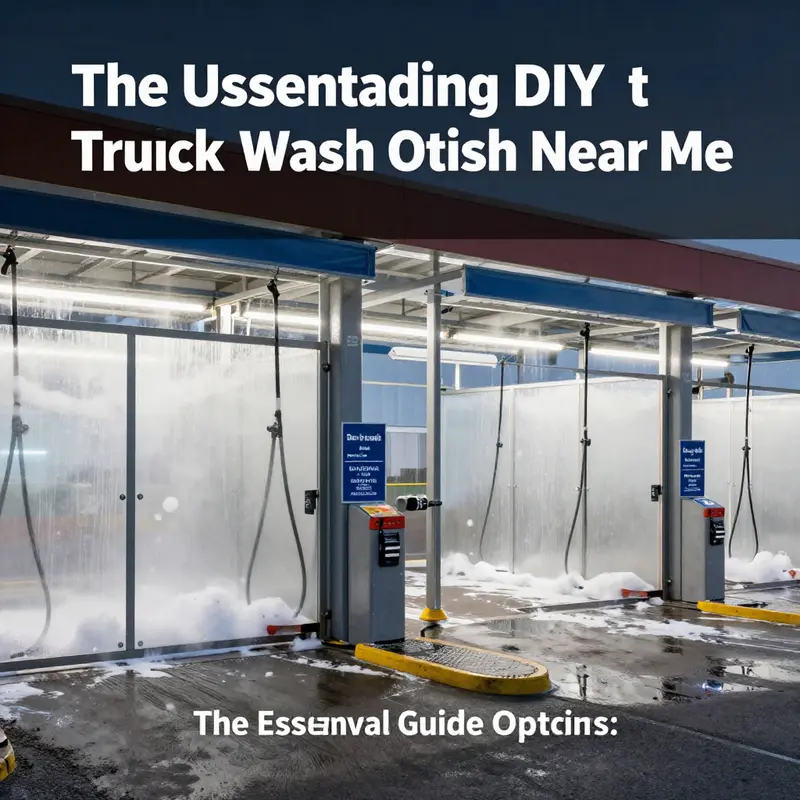
Finding a do-it-yourself truck wash near your location is more than a casual search; it’s a practical step toward reclaiming control over the cleanliness and maintenance of your fleet. When you type a simple phrase like “do it yourself truck wash near me” into a map or search bar, you’re not just locating a place to scrub off road grime. You’re identifying a space where you can set the pace, apply your preferred methods, and tailor the experience to your truck’s unique needs. The initial results you’ll see on popular mapping services usually come with a snapshot of hours, directions, and customer feedback. This is more than convenience; it’s a way to gauge reliability and accessibility for vehicles of varying sizes, from light-duty rigs to heavy-duty tractors. In practice, the search becomes a practical planning tool rather than a mere convenience, especially for operators who want predictable turnaround times and hands-on involvement in the washing process.
What you’ll encounter in most self-serve bays is a straightforward setup designed for efficiency and control. Typically, a DIY truck wash offers bays equipped with high-pressure hoses, soap dispensers, brushes or mitts, and drying tools. The user is often responsible for initiating the wash, selecting the appropriate settings, and performing the scrubbing in a deliberate sequence. This arrangement is appealing to drivers who prefer to supervise every step, ensuring that stubborn exhaust grime, road tar, or mud is treated with the attention it deserves. The cost structure tends to be transparent and per-bay or per-minute, which can be considerably more economical than full-service options when you’re managing a fleet that requires frequent washes. Moreover, with DIY bays, you can decide when to rinse, when to apply a pre-soak, and how aggressively you want the rinse cycle to behave, all of which can influence the overall finish and the time spent in the bay.
Even within the same category, the landscape is evolving. Some facilities now blend do-it-yourself elements with automated features that mimic the efficiency of an automatic wash while preserving the control that a driver values. Think of touchless cleaning that relies on high-pressure water jets and chemical detergents, allowing you to initiate a thorough clean without physical contact with sensitive paint surfaces. This hybrid approach can be particularly appealing for trucks with intricate chrome trim, delicate decals, or recently repainted panels where abrasion is a concern. The experience remains hands-on, yet the system can deliver a more uniform pre-rinse and initial soap application, reducing scrubbing fatigue and enabling more time to focus on detail work. For operators aiming to balance convenience with effectiveness, these hybrid models offer a middle ground that can align with tighter schedules and evolving fleet standards.
Yet the DIY option isn’t purely about speed. It also invites consideration of environmental responsibility and resource stewardship. In recent years, a growing portion of DIY truck wash facilities has incorporated water reclamation and recycling systems. For fleets that wash in high volumes, reclaiming rinse water and reusing water where feasible isn’t just about complying with local regulations; it’s about reducing operational costs and minimizing the environmental footprint of routine maintenance. While these systems require thoughtful planning—adequate space, appropriate drainage, and a robust filtration process—the payoff can be substantial in both cost and sustainability. If your operation involves a large fleet or frequent cleaning, a bay with a built-in reclamation loop can standardize outcomes while lowering overall water consumption and waste generation. Even when a facility lacks advanced recycling infrastructure, you can still adopt water-conscious practices, such as limiting water pressure to necessary levels and reusing wash water where permitted by code, to support responsible operations.
For fleet managers and shop operators, the choice of a DIY option is often part of a broader strategy. It’s not just about the bay itself but about how the space integrates with the rest of your maintenance ecosystem. A well-chosen DIY setup can complement a broader maintenance schedule by providing predictable interim cleaning between more intensive washes or detail jobs. It can function as a staging area for pre-trip inspection, tar removal, or post-delivery touch-ups that keep trucks in service longer and on schedule. The decision to invest in or rely on a DIY wash capability may hinge on the balance between upfront costs, ongoing operating expenses, and the reliability of the facility’s hours and access. In a sense, the map search becomes a map for maintenance strategy, guiding you toward facilities that fit both the vehicle and the operation’s cadence.
As you navigate these choices, consider how the wash environment aligns with your broader operational goals. The DIY context is not only about cleanliness; it’s about control over exposure to cleaning chemicals, timing for the wash cycle, and the opportunity to inspect the vehicle during the process. A bay that gives you the option to soak, foam, rinse, and dry—while letting you observe each step—enables a more deliberate approach to care. For truck owners who transport specialized cargo or who operate in markets with strict vehicle appearance standards, this level of control can translate into tangible benefits. It can reduce the risk of paint wear, minimize the chance of residue that could attract dirt immediately after washing, and support a consistent finish across the fleet. In practice, you might begin with a pre-soak to loosen heavy grime, move to a controlled soap application for embedded contaminants, and complete the cycle with a high-volume rinse that preserves surface integrity.
The practical workflow in the bay often mirrors the rhythm of a well-managed maintenance day. It typically starts with a safe, open approach to the vehicle as you enter the bay, ensuring there’s ample clearance for mirrors, antennas, and exhaust stacks. A pre-rinse helps to dislodge loose soil and soften caked mud, while a targeted pre-soak can address stubborn tar or road grime that tends to cling to wheel wells and undercarriage components. The main wash follows, where you apply chosen cleaning agents and scrub the surfaces in a deliberate, systematic motion. The sequence is essential; skipping steps can leave residues that later attract dirt or cause streaking on glass and chrome. A thorough rinse removes detergent and dislodged material, followed by a controlled dry to minimize water spots and to protect metal surfaces from rapid oxidation. Each bay operates like a small, independent workshop, yet the choreography of steps remains consistent, providing predictability that fleets appreciate as a form of operational discipline.
Within this practical framework, the decision to pursue DIY washing near you can also be evaluated against the cost of full-service alternatives. When a driver or a fleet manager evaluates the per-bay price, additional line-item considerations emerge. Time is money, and the ability to schedule a wash between routes, or to perform multiple washes across a fleet in a supervised, staged manner, can yield not only direct savings but also indirect benefits in vehicle uptime and driver satisfaction. A DIY option offers the possibility of adjusting the intensity and duration of each wash to match the truck’s current condition and the route history. If a rig just returned from a gravel-heavy corridor, you might allocate more time to the undercarriage and wheel wells. If it’s a regular route with minimal dirt, a lighter pass can suffice and free up bay time for other units. In controlled, well-managed fleets, those micro-decisions accumulate into meaningful efficiency gains each quarter.
As with any operational choice, the landscape is not static. New facilities continually update their offerings, blending self-service autonomy with technology to improve results and safety. The most forward-thinking DIY bays highlight user-friendly interfaces, well-marked safety zones, and clear guidance on chemical usage and waste handling. They also provide visible access to the tools you need for detailing work, including brushes, microfiber drying towels, and protective gear. When you’re evaluating a potential bay, take note of how well the space accommodates large vehicles, how easy it is to maneuver around in tight corners, and whether there are clear paths for entering and exiting adjacent bays without interrupting other drivers. A well-designed facility reduces the risk of accidental bumps, improves wash quality, and minimizes the time drivers spend repositioning. Such considerations matter just as much as the detergents and water pressure in determining the overall effectiveness of a DIY wash program.
If you’re thinking beyond the immediate wash, consider linking your DIY wash activities to broader operational practices. There is a clear link between vehicle cleanliness and compliance with fleet maintenance standards, including inspections, grease management, and emissions considerations. A clean truck not only presents better for customers but also helps technicians spot issues more quickly during routine checks. Regular, methodical cleaning can support long-term maintenance schedules by reducing corrosion risk on critical components, making it easier to spot leaks, worn seals, or loose fasteners before they escalate into costly failures. In some operational contexts, this approach aligns with fleet-wide goals around reliability, safety, and compliance, reinforcing a culture where maintenance is integrated into daily routines rather than treated as a separate task. When you view the DIY wash as a microcosm of the maintenance landscape, its value extends beyond aesthetics.
For operators seeking to formalize this approach, there is a practical avenue to consider that ties directly into everyday management. There is value in thinking of the DIY wash bay as part of a broader facility ecosystem, where scheduling, staffing, and consumables are coordinated with maintenance checklists and route planning. In this sense, the bay becomes a node in a larger network of operations, a place where data about wash frequency, chemical usage, and cycle times can be collected and analyzed for continuous improvement. To illustrate this idea in a concrete way, you can explore how a dedicated facility management framework could be adapted to truck wash operations. A resource focused on the broader topic of facility management for truck wash businesses provides actionable insights into layout planning, equipment maintenance, and workflow optimization that can help you design, operate, and scale a DIY wash operation with discipline and foresight. Facility management for truck wash businesses offers a roadmap for aligning the wash space with fleet needs, safety protocols, and long-term growth.
An underappreciated but practical consideration is the logistics of staffing and self-service access. If you manage a fleet that operates around the clock, you may encounter drivers who prefer to wash after late deliveries or between legs of a long-haul journey. In such cases, a well-lit, clearly signed, and well-ventilated bay can comply with safety expectations while offering the flexibility that modern operations demand. If access is limited by hours or by the need for a staff member to supervise the bay, consider how you might adjust day-to-day processes to maintain cleanliness without compromising route reliability. The ability to schedule a wash, especially during tight freight windows, can transform a DIY option from a convenience into a strategic asset. The best DIY bays acknowledge this need and provide transparent rules, fair pricing, and predictable hours that align with driver schedules and route calendars.
In the broader context of truck-wash infrastructure, even the choice of location matters. Proximity to your depot or the most common routing corridors can reduce deadhead miles and save focus for the drivers who must park, wash, and then proceed to the next leg of their trip. Many operators also weigh safety and environmental considerations when choosing a bay destination. A facility that adheres to rigorous waste management practices, has well-maintained drainage systems, and provides clear instructions on chemical handling will usually outperform a location that lacks this basic infrastructure. When you combine practical workflow with thoughtful site selection, you end up with a DIY wash program that is reliable, cost-effective, and aligned with your operational standards. In this way, the initial act of searching for a do-it-yourself truck wash near you becomes a strategic step toward more predictable maintenance outcomes and a more resilient fleet routine.
The ecosystem of DIY truck washes near you offers a spectrum of options—from straightforward, paint-friendly scrubbing bays to more technologically integrated environments that minimize contact and maximize consistency. Your choice will depend on vehicle type, cargo, and the degree to which you value control versus convenience. It will hinge on whether you need a space that can quickly accommodate multiple tractors, or if you prioritize a smaller, more intimate bay where attention to detail takes precedence. It will also reflect your environmental commitments and your willingness to integrate water-recycling systems into your maintenance workflow. In any case, what remains central is the driver’s ability to manage the process with care, to observe the vehicle with an eye for early signs of wear, and to document outcomes so that future washes can build on past results. The result is not just a cleaner truck, but a more reliable vehicle, a safer working environment for drivers, and a maintenance culture that values proactive care as part of everyday operations.
For those who want to push the idea even further, remember that a well-chosen DIY wash option can dovetail with other maintenance disciplines. It can act as a stepping stone to more advanced detailing tasks, mechanical inspections, and even small-scale preventive measures that keep fleets in service longer. When you view the process through this integrated lens, the act of washing becomes more than a routine chore; it becomes a foundational practice that supports uptime, efficiency, and professional pride across the organization. The journey from a simple map search to a well-run DIY bay is therefore not just about cleanliness; it’s about building a resilient, self-sufficient maintenance habit that serves drivers, customers, and the business as a whole.
As you close the loop on your exploration of do-it-yourself truck wash options near you, you’ll likely feel a sense of clarity about how to proceed. You’ll know what to look for in a facility, how to structure a wash cycle that protects surfaces and finishes, and how to integrate the bay into your broader fleet maintenance strategy. You’ll be better prepared to evaluate the trade-offs between full-service convenience and DIY control, and you’ll be ready to make decisions that keep trucks clean, on time, and ready for the road. And when you do, you’ll have a concrete blueprint: start with a smart search on maps, choose a bay that aligns with your vehicle types and route patterns, follow a deliberate workflow, respect safety and environmental guidelines, and link this practice to a broader maintenance framework that emphasizes consistency, accountability, and continuous improvement. For a deeper dive into aligning wash facilities with broader fleet goals, you can explore additional resources that discuss facility management for truck wash businesses.
External resource note: For a comprehensive overview of DIY truck wash systems and installation considerations, an external reference provides detailed specifications and case studies that can inform decision-making around capacity, water use, and maintenance requirements. https://www.washtec.com
On-Demand Shine, On-Route Readiness: The Real Value of a Do-It-Yourself Truck Wash Near You

Locating a do-it-yourself truck wash near you can feel like a small detour in a long haul, but the payoff is larger than a cleaner rig. In practice, a nearby DIY wash station is more than a convenience; it becomes a steady, repeatable maintenance habit that keeps a fleet looking professional, protects components, and supports efficient schedules. When drivers pull into a familiar bay with a plan rather than a scramble for a quick rinse, the truck itself becomes a moving business card—pristine, organized, and ready for the next delivery. The value of such a station lies in the everyday realities of trucking life: the recurring need to remove road grime, salt, tar, and the inevitable chemical stains that accumulate on trailers, cabs, and undercarriages after hours on the road. The concept of “near me” carries practical weight because proximity translates into time saved, fewer delays, and more predictable maintenance cycles. The decision to use a local do-it-yourself wash is not merely about saving a few dollars per wash. It is about carving out space in a tight schedule where cleanliness translates into uptime, safety, and customer trust. A truck that looks clean and feels well cared for is more than a cosmetic asset; it signals readiness to a dispatcher, a customer, and a roadside inspector. In environments where municipal rules and environmental standards govern vehicle operation, a DIY station that emphasizes efficiency and accountability becomes a strategic advantage. The focus here is on the advantages that accrue when a fleet or independent operator chooses a nearby self-service option and makes it a recurring practice. The path to realizing these benefits hinges on understanding how a DIY truck wash near you can balance cost, control, and convenience without compromising quality or safety. To start, the most immediate and visible benefit is cost savings. DIY operations charge far less per session than full-service or mobile detailing, and the savings compound when you establish a regular washing rhythm rather than waiting for a scheduled appointment. Over weeks and months, the numbers add up, especially for larger fleets or owner-operators who log significant miles and accumulate grime with every crossing of state lines. The math is straightforward: lower per-wash fees, fewer bundled services, and the freedom to clean on your own timetable. This is not about cutting corners; it is about optimizing a resource that ships with the job: time and money. A well-sourced DIY wash near your route allows for careful budgeting around maintenance without sacrificing frequency or thoroughness. In many cases, the cost savings come with a quality of wash that meets or exceeds expectations for commercial vehicles. The hands-on nature of DIY washes encourages careful attention to the entire vehicle, including areas that automated systems may gloss over, such as the undercarriage, frame rails, and hard-to-reach corners behind modern bumpers and wheel wells. This enhanced level of control matters in the long run because it helps prevent corrosion, preserves paint and chrome finishes, and keeps the vehicle in good operating condition. When a driver has direct input into the cleaning process, they can tailor the wash to the specific conditions of the route they just completed. A salt-spread from a winter run, a mud-caked trailer after a dusty desert crossing, or tar from an urban project—each scenario calls for a targeted approach. The DIY setting allows a driver to respond immediately, applying more attention, time, or a different cleaning solution to the problem areas. The result is a vehicle that not only looks clean but also has a longer life for critical components. Alongside cost savings and tighter control, flexibility and convenience emerge as essential advantages. A nearby DIY wash is an operational backbone for fleets that run tight schedules and varied routes. Rather than waiting for a mobile detailer or booking a full-service appointment, drivers can fit a wash into a natural pause during the day, between deliveries, or during a rest break. The ability to wash before a customer call, after a long haul, or during a window in the schedule reduces idle time and helps maintain a high level of readiness. In practice, modern DIY facilities are thoughtfully equipped to cover the full range of cleaning needs. High-pressure hoses deliver a thorough rinse that loosens stubborn soils. Foam cannons help lift grime without scrubbing aggressively, and robust brushes enable scrubbing where needed, all with operator input that prevents over-washing sensitive surfaces. A well-designed station also provides vacuum stations, allowing drivers to catch loose debris inside the cab and the sleeper area. This combination of tools translates into a comprehensive cleaning experience that can be completed in a relatively short time, often within a single break or a few minutes between legs of a route. The practical efficiency of DIY wash stations hinges on the quality of the setup. Lighting that improves visibility in low-light hours, clear ramp space for maneuvering large trucks, and well-maintained equipment all matter. A clean, well-lit facility reduces the chance of accidental damage to the vehicle and helps the driver feel confident about performing the wash without outside assistance. When a near-me option is reliable and well-maintained, it strengthens the driver’s sense of autonomy and professionalism. It is also worth considering the environmental angle. The growing emphasis on sustainability in the trucking industry places a premium on water efficiency and responsible chemical use. Do-it-yourself stations that employ water recycling or capture systems can dramatically reduce consumption and waste. Biodegradable detergents and environmentally friendly cleaners help minimize the impact on ecosystems and municipal water treatment systems. This alignment with green practices does more than satisfy regulatory expectations; it reflects a broader commitment to responsible stewardship that resonates with shippers, customers, and local communities. For operators who manage fleets, the environmental considerations tie directly into compliance and risk management. Municipalities increasingly scrutinize vehicle cleanliness in certain zones, particularly ports, distribution centers, and urban corridors. A well-kept truck is less likely to trigger complaints or draw penalties during inspections, and it also projects a responsible image when passing through gatehouses and delivery points. DIY wash stations frequently become a reliable part of a fleet’s standard operating procedure because they integrate these environmental and regulatory considerations with practical, everyday use. The cumulative effect of these benefits—cost efficiency, greater control, and flexible scheduling—translates into measurable improvements in operational efficiency. Regular cleaning reduces the buildup of corrosive elements that degrade undercarriages and brake lines, lowers maintenance costs, and minimizes unexpected downtime. When a driver can quickly attend to a spill or stain immediately after a haul, the chance of long-term damage declines. This proactive approach supports smoother maintenance cycles and reduces the risk that a vehicle will require a more extensive, expensive intervention later. The professional impression created by a well-maintained truck cannot be overstated. Clients and dispatchers often judge reliability by the vehicle’s appearance; a clean, orderly unit signals discipline, attention to detail, and a commitment to uptime. In turn, this perception can influence customer confidence and even affect rates and contracting opportunities over time. A DIY wash near me thus becomes an unseen but vital safeguard for brand integrity, driver morale, and the overall performance of a fleet. The practical routines of a DIY wash—pre-rinse, targeted application of cleaners, scrubbing in stages, and a thorough rinse—mirror the structured approach of a well-run maintenance program. The driver who adopts this rhythm does not simply remove dirt; they create a cleaner environment for the vehicle’s systems, which contributes to better cabin air quality, improved visibility through cleaner windows, and a more comfortable ride for the driver. Regular cleaning also supports compliance with environmental and public-health standards by ensuring that waste materials—oil residues, grease, or other contaminants—are removed in a controlled manner at an appropriate sink, where waste water can be treated according to facility rules. The cumulative value of these advantages becomes clearer when considering the larger context of fleet management. A DIY wash near your route acts as a reliability buffer, reducing the likelihood of last-minute scrubs and emergency detailing sessions that disrupt schedules and inflate costs. It supports a more predictable maintenance calendar, where wash days are scheduled alongside tire rotations, oil changes, and other routine checks. For owner-operators and small fleets in particular, this synchrony is essential to preserving cash flow and keeping drivers focused on delivering goods rather than chasing maintenance tasks. The decision to use a nearby DIY wash is also a decision about the kind of relationship you want with the facilities that support your operation. A station that consistently delivers clean facilities, up-to-date equipment, and clear safety protocols becomes a partner in your efficiency rather than a mere service point. That means easy access to bays, straightforward payment and rate structures, and a facility where the staff or site management emphasize safety, waste disposal, and equipment maintenance. In this sense, the near-me factor becomes an anchor for a broader philosophy of maintenance discipline: a routine that treats washing as an essential, repeatable operation rather than a one-off chore. The structural benefits of DIY washes extend beyond the immediate vehicle. When you operate in an ecosystem that values cleanliness and ready-to-go equipment, you also reinforce a culture of pride and accountability in your organization. Drivers who participate in their own cleaning routine often take more care when handling cargo and securing loads, because they see the direct link between the cleanliness of the vehicle and the performance of its components. The undercarriage, for instance, is a critical zone that is easy to neglect in quick washes but that benefits greatly from a deliberate, hands-on approach. Removing salt spray and road grime from axles, frame rails, and suspension components reduces corrosion risk, mitigating long-term maintenance costs and extending the meaningful life of these parts. In practice, a near-me DIY wash station facilitates this deeper care without forcing a driver into lengthy, specialized detailing sessions. It provides the flexibility to address items as soon as they are noticed, rather than letting grime accumulate and harden. The overall effect is a fleet that looks presentable and performs consistently, with fewer interruptions for heavy cleaning or costly remediation work. A practical note for maximizing the value of a local DIY wash is to consider it as part of a cross-functional routine. If your operation already runs a fleet-wide preventive maintenance plan, integrate wash days with checks on tires, lighting, and brake lines. This approach ensures that the visual cleanliness aligns with the mechanical health of the truck, and it helps managers build a more cohesive picture of vehicle readiness. The result is not just a shiny exterior but a sense of preparedness that travels with the truck wherever it goes. The decision-making process for choosing a specific DIY wash near you benefits from a broader view of facility standards and capabilities. Look for stations that offer spacious bays designed to accommodate large chassis and long trucks, with clear signage for the proper use of equipment and safety rules. Accessibility matters, especially when drivers are operating on tight timetables. Sufficient lighting, clean drainage, and properly maintained vacuums can turn a routine wash into a meaningful, efficient routine rather than a stressful, time-consuming task. When these elements come together, the DIY wash becomes more than a place to scrub off road grime; it becomes a critical component of the fleet’s reliability thread. As the chapter closes on this reflection, consider the link to broader industry knowledge that supports the operational choices described here. A resource focused on the management aspects of truck wash facilities provides practical guidance for improving efficiency, safety, and environmental compliance across locations—and it underscores that a well-run DIY wash near you can fit into a scalable, responsible business model. For those who want to explore this dimension further, the idea of facility management for truck wash businesses offers a framework for optimizing staffing, scheduling, equipment upkeep, and customer experience at scale, helping owners transition from “a place to wash” to “a system that sustains uptime.” facility management for truck wash businesses While the specifics of each station will differ, the underlying principles—cost discipline, hands-on control, flexible timing, environmental stewardship, and operational efficiency—remain consistent. The near-me DIY wash is a practical embodiment of those principles on the ground. It gives drivers the autonomy to maintain their own vehicles in tune with their individual routes, while the fleet manager gains a reliable touchpoint for upkeep that can be integrated into broader planning. In short, a do-it-yourself truck wash near you is not just a place to rinse a truck; it is a strategic node in the logistics chain, a place where cost-conscious operators can protect asset value and preserve uptime, where hands-on care meets efficient process, and where environmental responsibility aligns with commercial imperatives. For those seeking a broader sense of how these facilities fit into the industry’s ongoing evolution, current best practices in cleaning, maintenance, and compliance offer a well-lit path forward. The result is a cleaner truck fleet that travels with confidence, presents a professional image, and operates within a framework that supports sustainable, efficient business. To further explore the broader standards and features that shape these environments, see the external resource on industry infrastructure and practices: https://www.washworld.com/.
Hoses, Storm Drains, and Hidden Costs: The Environmental Toll of Do-It-Yourself Truck Washing Near Me
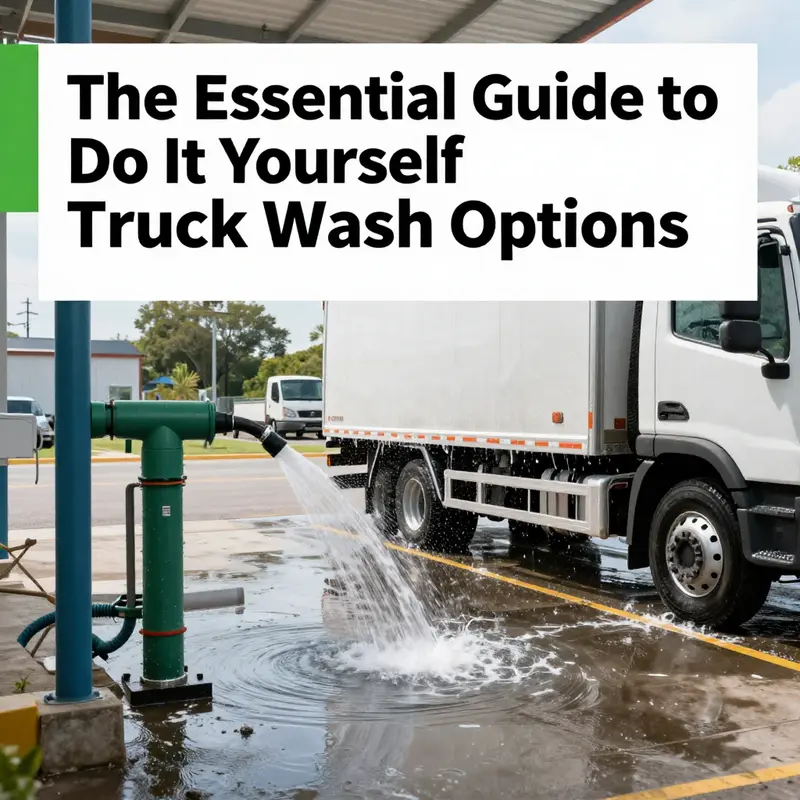
Pulling into a DIY truck wash bay can feel convenient, almost practical in the moment. The spray stings the air, the water pressure cleans stubborn grime, and the truck’s chrome gleams as the sun catches the droplets. But behind that familiar, almost satisfying routine lies a web of environmental consequences that often goes unseen. The choice to wash a heavy vehicle in a do-it-yourself setting is not simply a question of time, cost, or personal preference. It involves groundwater and surface water, stormwater infrastructure, and the health of local ecosystems. In this chapter, we peer beneath the surface of the DIY wash experience to understand its environmental footprint, considering broadly the way water is used, how pollutants travel, and what happens to wastewater after the spray stops. The aim is not to vilify every spontaneous wash but to illuminate the costs and to point toward practices that reduce harm without sacrificing the practical benefits of keeping trucks clean in a busy logistics landscape. In doing so, we also weave in the practical realities of local conditions, such as water availability and the capacity of communities to treat wastewater, while acknowledging how readers can balance efficiency with stewardship.
First, consider water use. A do-it-yourself approach to washing a truck typically relies on manual or semi-automatic equipment that delivers a high level of water flow with each pass over the surface. According to recent environmental assessments, manual car washes—common in DIY setups—consume roughly 100 to 120 liters of water per wash. That figure is not an occasional anomaly; it reflects the pattern of many DIY operations that forego the closed-loop, recycled-water systems more common in commercial environments. By comparison, many automated car wash facilities employ water recycling and reuse strategies that bring per-wash consumption down to approximately 30 to 50 liters. The contrast is stark. In a region where drought is a real and recurring concern, those extra tens of liters per wash accumulate quickly. For a fleet that requires regular maintenance, the difference translates into meaningful water-savings over months and years, especially if dozens of trucks are washed weekly across many yards. It is not merely a matter of personal cost at the tap; it is a matter of regional water budgeting, community resilience, and the ability of municipalities to provide clean water for households and essential services.
Water quantity, however, is only part of the story. The way that water carries contaminants away from the wash site matters as much as how much water is used. In a DIY truck wash, runoff typically flows directly into storm drains without treatment. That untreated water can carry detergents and surfactants, which lessen water clarity and can disrupt aquatic life by altering the chemistry of streams and rivers. It can also transport oil residues that cling to the truck’s undercarriage and wheels, as well as heavy metals shed from brakes, lubricants, and various mechanical wear. Together, these substances degrade water quality, posing risks to fish, amphibians, and other wildlife that rely on clean waterways. In urban and suburban neighborhoods, the cumulative effect of countless washes can become an invisible, yet persistent, source of pollution that stresses a watershed beyond its natural capacity to dilute and degrade contaminants.
If we widen the lens to consider wastewater treatment, the contrast between DIY setups and professional facilities becomes more pronounced. In many areas, there is a lack of robust wastewater treatment infrastructure to filter out the kinds of pollutants found in truck wash effluent. The absence of closed-loop systems means that pollutants are not filtered before reaching rivers, lakes, or oceans. The consequences are far-reaching. Along with detergents and oils, heavy metals can accumulate in sediments, altering the ecological balance of a waterway and threatening organisms that rely on clean, oxygen-rich environments. The absence of treatment also means a higher likelihood of contaminants spreading through the food chain, with uncertain long-term effects on wildlife and, by extension, on human health in communities that rely on those same water bodies for recreation and nourishment.
Energy consumption is another often overlooked piece of the environmental equation. High-pressure hoses are energy-intensive, particularly when a truck requires multiple passes and when operators use tools that require sustained power for extended periods. While the direct energy footprint of a single DIY wash may seem modest, the cumulative impact across a city’s countless DIY bays can be substantial. The emissions associated with generating that energy—whether from natural gas, coal, or increasingly, electricity from an array of fuel sources—contribute to broader greenhouse gas emissions and fossil fuel depletion. The picture grows more consequential when we consider the number of days and seasons in which DIY washing happens, away from the regulated and monitored environment of professional facilities. In the aggregate, the energy dimension amplifies the environmental toll and highlights another reason to reexamine how we approach truck cleaning near me in the first place.
Sustainability is not simply about what happens at the nozzle or the drain; it also encompasses how cleaners are chosen and how the facility is managed. The detergents and cleaning agents used in DIY washes are an important variable. Some products break down more readily than others, and some contain components that can be more harmful to aquatic life if they enter waterways untreated. In the absence of proper chemical management and disposal protocols, the use of strong cleaners at scale compounds environmental risk. Professionals in the field increasingly emphasize selecting products that are biodegradable, phosphate-free, and designed for compatibility with water-recycling processes. While this is a best practice within commercial facilities, it also underscores a broader point: even when DIY washing is chosen for immediate convenience, awareness of chemical selection matters for downstream environmental effects. By choosing gentler formulations and by limiting the concentration of cleaning agents, an operator can reduce the potential harm of runoff and improve the overall environmental outcome, even if the wash remains DIY.
Looking to the future, the most straightforward path to reducing harm is to shift toward facilities that are designed with water recycling and responsible waste management in mind. Commercial car washes that operate closed-loop water systems capture rinse water, remove contaminants, and reuse as much water as feasible, releasing only treated effluent that meets environmental standards. This approach not only lowers water use per wash but also reduces the volume and toxicity of effluent entering storm drains. It is a practical strategy for fleets that require consistent cleaning schedules while also seeking to minimize environmental impact. The implications go beyond water savings; they touch upon the broader ethics of trucking as a critical component of the supply chain. The industry relies on reliable cleaning to protect cargo integrity, safety, and vehicle longevity, yet it also bears a responsibility to avoid degrading the ecosystems that sustain communities and commerce alike.
In the broader conversation about environmental stewardship, it is worth acknowledging that responsible DIY practices exist. Operators who insist on washing trucks themselves can adopt a few disciplined measures to lower their footprint. Containment features such as berms or enter-and-exit channels can help keep runoff from entering storm drains in the first place. Temporary filtration or grease interceptor devices can be employed to capture larger solids and reduce pollutant loads before water is directed toward any drainage system. Even modest changes—reducing water flow without sacrificing cleaning effectiveness, using biodegradable detergents, and scheduling washes during times when local water pressure and energy supply are more favorable—can cumulatively yield meaningful improvements. Yet the essential tension remains: the DIY approach is inherently more water-intensive and more likely to release pollutants into the environment than a modern, well-managed professional system with recycling and treatment capabilities.
The tension between convenience and environmental responsibility is not just theoretical. It translates into real costs for communities that rely on clean water bodies for drinking supplies, fishing, recreation, and tourism. Economies around trucking and logistics are intertwined with the integrity of local watersheds. When untreated or inadequately treated wash water reaches streams and rivers, communities bear the burden of water treatment, wildlife management, and potential public health risks. These costs may not appear on a single worker’s receipt at the bay door, but they accumulate in municipal budgets, environmental cleanup programs, and long-term ecosystem resilience. In this sense, the practice of washing trucks—whether DIY or professional—becomes a study in stewardship. It asks whether the immediate gains of cleanliness should be weighed against the longer arc of water availability, habitat protection, and public health.
The practical takeaway for operators and fleets is clear. If DIY washing remains a recurring option, it should be exercised with a mindful appreciation of its environmental footprint. This means more than using less water; it means considering how to prevent runoff, how to minimize chemical impact, and how to ensure that any wastewater goes through the least possible disruption to waterways. A viable option is to align with facilities that emphasize water conservation and pollutant control. The opportunity to do so is not purely aspirational; it is grounded in proven practices that many businesses are already implementing. For instance, many truck wash facilities now incorporate steps to capture and treat wash water, manage chemical use, and reduce energy consumption through efficient equipment and smart scheduling. The broader trucking community benefits when these practices become standard, not only for the environment but for the durability of fleets themselves, which rely on clean, well-maintained surfaces and components to perform safely on the road.
There is also a social dimension to consider. For drivers and fleet managers who operate across multiple regions, the environmental standards and regulations governing truck washing can vary. In some places, local ordinances or state laws require certain treatments or prohibit certain types of discharges. In others, the absence of strict rules makes it tempting to wash at home without planning for the downstream consequences. This is not a call to uniform regulation alone; it is a call to informed decision-making that acknowledges environmental costs. The more that operators understand the relationship between washing practices and watershed health, the more responsibly they will approach the decision to wash DIY or to seek out a facility with robust water-management systems. It is a matter of balancing efficiency with responsibility, time with stewardship, and convenience with the long arc of community well-being.
To ground this discussion in concrete terms, it helps to turn to established resources that examine the broader implications of car wash services across the industry. The Environmental Protection Agency has conducted research that highlights the environmental dimensions of car wash activities, including water use, runoff, and treatment considerations. While DIY decisions can be practically driven, the EPA’s findings underscore a universal principle: when the washing process is not integrated with water recycling and pollutant control, the environmental costs rise. This perspective is not a call to abandon DIY washing altogether, but a reminder that each wash has a footprint and that the footprint can be reduced through better design, better practices, and shared infrastructure. For readers who want to explore this further, the EPA’s report provides a detailed framework for understanding how car wash activities interact with water resources and what steps enterprises can take to minimize harm while maintaining the operational advantages of cleaning fleets.
The practical question then becomes this: how might a reader translate these insights into action without abandoning the practical need to keep trucks clean? The answer lies in a mix of improved DIY practices and selective use of professional, water-efficient facilities. On the DIY side, operators can implement basic containment and filtration measures to prevent runoff from entering storm drains. They can opt for cleaning agents that are biodegradable and designed to work with lower volumes of water, and they can schedule washing when local water demand is lower or when electricity and fuel supplies are more favorable from a sustainability standpoint. On the professional side, fleets can favor facilities that operate closed-loop water systems, which reduce fresh-water demand and minimize pollutant discharge. Such facilities often pair water recycling with appropriate chemical management and proper disposal of rinse water. The net effect is a reduction in per-wash water use, a smaller environmental footprint, and a more predictable operational profile for fleets that must maintain high cleanliness standards without compromising water resources.
In the end, the question of whether a do-it-yourself truck wash near me remains the best option cannot be answered in isolation. It must be weighed against the broader environmental costs, the local water-supply realities, and the long-term needs of the ecosystems that support the communities tied to trucking and logistics networks. The narrative is not a simple binary choice but a spectrum of options, each with its own benefits and responsibilities. The most prudent path recognizes the value of efficiency and convenience while also centering environmental stewardship. When possible, fleets should lean toward configurations that maximize water reuse, minimize chemical waste, and ensure any effluent is captured and treated properly. The most responsible choice, especially in regions facing water scarcity or stricter environmental standards, is to integrate the DIY approach with professional systems that guarantee water recycling and pollutant control. This does not erase the convenience of DIY washing; it reframes it within a broader strategy that protects water resources, supports healthy ecosystems, and sustains the long-term viability of the trucking industry.
For readers who want to explore practical steps that align with these principles, there is value in engaging with facility-management resources that address how to run a truck-wash operation with a focus on environmental performance. A detailed discussion of facility management for truck wash businesses can illuminate process design, water handling, chemical management, and staff training—elements that directly influence environmental outcomes. By approaching DIY washing with an eye toward these management practices, operators can implement safer, more sustainable routines. Facility management for truck wash businesses is a starting point for readers who want to translate environmental insights into actionable operations, without surrendering the practical advantages of keeping fleets clean on the road.
In closing, the environmental footprint of do-it-yourself truck washing near me is a multifaceted issue. It combines measurable factors—water use, pollutant loads, energy consumption—with broader, often indirect effects on aquatic ecosystems and community well-being. The contrast with professional facilities that employ water recycling and rigorous waste management highlights a pathway toward lower impact without sacrificing the essential function of keeping trucks safe, presentable, and in good repair for the demands of daily operations. The dialogue around DIY washing is not simply about reducing water use; it is about reimagining the process to safeguard waterways, protect wildlife, and ensure that the trucking sector can continue to support commerce in a way that respects the shared resources on which everyone depends. In a landscape where water is a precious resource and where communities place higher expectations on environmental responsibility, choosing or designing wash solutions that minimize runoff, treat or recycle water, and manage chemicals responsibly becomes a practical, measurable, and ethically sound choice. Detailed, practical resources and expert guidance can help readers move from awareness to action, bridging the gap between the immediacy of a wash bay and the longer-term stewardship of water resources. External resources provide guidance on environmental responsibilities and best practices, helping readers to make informed choices about where and how to wash trucks in ways that align with local conditions and broader sustainability goals.
External resource: the EPA report on environmental impact of car wash services.
Final thoughts
In conclusion, utilizing do it yourself truck wash options can offer substantial benefits to fleet managers and trucking company owners. By understanding the various facilities available, assessing the inherent advantages such as cost savings and enhanced efficiency, and recognizing the environmental impact of these practices, stakeholders can make informed decisions that align with their operational and sustainability goals. This approach not only preserves vehicle aesthetics and performance but also fosters an environmentally friendly fleet management strategy.