
Clogged windshield washer systems in trucks can significantly reduce visibility, impacting safety and operational efficiency. For fleet managers and operators, understanding how to dissolve clogs in windshield washer elbows is crucial. This article details effective methods ranging from warm water application to mechanical clearing techniques. Prevention strategies are also discussed to ensure these issues are minimized in the future. By following the insights provided in each chapter, you can maintain a clear line of sight and efficient vehicle functionality.
From Ice to Flow: Safe, Stepwise Solutions for Clearing a Clogged Windshield Washer Elbow on a Truck
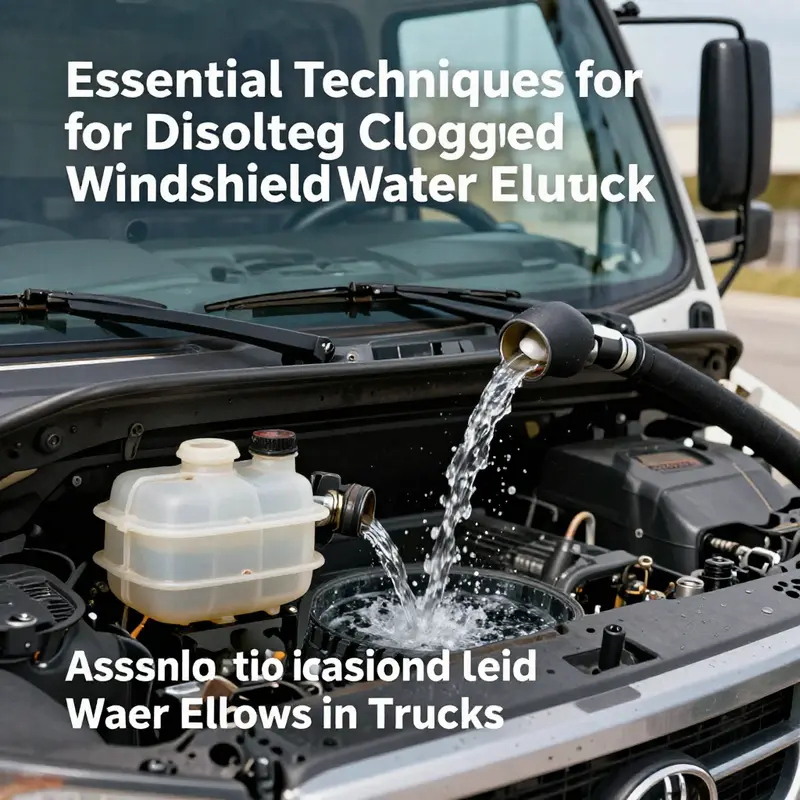
Clearing a clogged windshield washer elbow on a truck demands patience, method, and respect for the system’s delicate balance. The elbow, a small hard-plastic junction where the hose meets the spray line, is the choke point where ice and debris accumulate in cold conditions. When the reservoir water sits idle and the spray nozzles sputter or stay dry, the instinct to yank and twist can do more harm than good. The goal is not to blast the block with brute force, but to reintroduce liquid, thaw what is frozen, and keep the pump and lines intact. This means a measured sequence that starts with the least invasive approach and escalates only as needed.
To approach the problem safely, begin with diagnosis. Is the interruption due to ice in the elbow, or could a stubborn bit of debris be obstructing the route from the reservoir to the nozzle? In truly cold weather, ice buildup is the most common culprit. A sudden loss of spray with a hard stop, sometimes accompanied by a faint crackling sound, often signals ice. If you can access the elbow, you might feel resistance when gently probing with a stiff strand of wire, but resist the urge to force it. If the elbow is tucked behind a wheel well or a bracket, document the plan to access it safely rather than trying to work blindly while the vehicle remains in service. The moment you suspect a frozen segment, the priority is thawing without warping the plastic or blowing out a fragile line.
One of the gentlest, first-line remedies is the warm-water method. Fill the washer reservoir with water that is comfortably warm to the touch, roughly in the range of forty to fifty degrees Celsius. Boiling water must be avoided; the rapid temperature swing can crack glass or deform soft plastics in the line. As the warm water sits, it begins to thaw the ice crystals that cling to the elbow and the nearby tubing. Allow the liquid to circulate for a minute or two, then test the spray. If you see any sign of return, even a trickle, keep the process gentle. Refill as needed and monitor the system without forcing it. This approach is deliberately conservative: it focuses on melting ice and restoring a pathway rather than pushing liquid through a stubborn block that might be ice anchored in more than one bend.
If warm water alone fails to release the blockage, consider introducing a winter-focused washer fluid additive or de-icer to the reservoir. These formulations are designed to lower the freezing point of the solution and to help dissolve ice crystals that cling to the lines. Always follow the product instructions and avoid overfilling. The added fluid can lubricate the hose and nozzle seals, which reduces the risk of a leak once flow returns. In parallel, ensure the reservoir is not completely depleted, because a dry pump is prone to overheating when the system is coaxed back to life.
A careful application of heat can provide a deeper thaw, but it must be done with restraint. A heat source such as a hair dryer or a low-wattage heat gun can be directed toward the frozen elbow with the unit at a safe distance. Keep the nozzle moving, and avoid lingering heat in one spot. The objective is to elevate the temperature of the affected area just enough to loosen the ice, not to melt or warp the plastic or to soften any nearby fittings. If softening is noticed, stop immediately and reassess. Use a gloved hand to feel for a return of softness or give from the tubing, which might indicate the plastic is starting to deform.
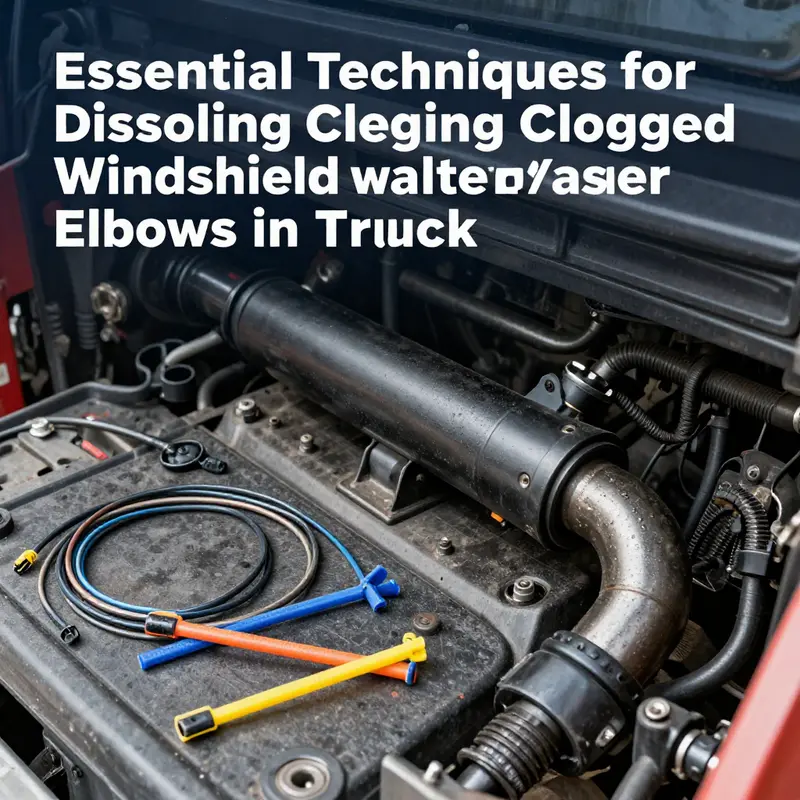
When the elbow is accessible, a gentle mechanical clearance can be employed. A small, flexible wire or a soft pipe-cleaner can be threaded into the line to dislodge any ice fragments or trapped debris. Do not use pointed tools or anything that might puncture the hose. The act should be performed with the system off and the battery disconnected if you are working close to live electrical components. If progress remains stalled after careful probing, step back and re-evaluate rather than forcing a renewal of flow. In some trucks, the elbow sits in a location that makes access hazardous; know when to stop and seek professional help to avoid potential damage to the pump or the lines and to prevent a dangerous spill of washer fluid.
In addition to resolving the current blockage, the chapter should emphasize prevention. The winter months invite repeated freezing when reservoirs sit idle overnight. Switch to a winter-grade washer fluid with a proven antifreeze property, typically rated well below freezing, so that the fluid remains fluid in the cold and reduces ice formation at the source. Check that all connectors are snug, that clamps have not loosened in vibration, and that the path from reservoir to nozzle is free of sharp bends that might amplify ice formation. Routine checks can avert frequent clog events and reduce downtime for a fleet. In the broader context of keeping a truck-wash operation running, attention to such maintenance tasks becomes part of facility management for truck wash businesses. This framed approach supports consistent operations across a fleet and minimizes costly downtime during frost.
If you still cannot restore flow after exhausting these approaches, do not force the system. Forcing liquid through a frozen or partially blocked line can crack the elbow, split the hose, or burn out the pump. In that case, it is prudent to arrange for hands-on inspection by a technician or to replace the affected elbow and nearby tubing as a single service item. The goal is a reliable, repeatable spray that works in cold weather, not a temporary workaround that invites a larger repair.
For readers seeking a practical, model-spanning reference, remember that solutions like these hinge on reducing temperature shock and balancing the line between thawing and avoiding damage. A careful, staged approach—warm water, then anti-freeze formulations, then cautious heat, and finally mechanical clearing—offers a robust framework to restore function without inviting collateral damage. And while the guidance here centers on the elbow and its immediate surroundings, it sits within the larger discipline of maintaining a truck’s fluid systems in challenging weather. Keeping the approach consistent with established best practices helps ensure that a fleet can stay on the road during winter—with minimal downtime and minimal risk to the hardware.
External resources can deepen understanding beyond the immediate steps. For more detailed, model-agnostic guidance on frozen washer lines and related maintenance considerations, you can consult widely used repair resources that discuss safe thawing practices and subsequent checks. As you plan, keep in mind that the exact route to resolution can vary by vehicle model, hose routing, and climate, so adapt the process with caution.
External resource: https://www.caranddriver.com/repair/how-to-fix-frozen-windshield-washer-fluid-lines
De-Icing the Big Rig: Clearing a Clogged Windshield Washer Elbow with Commercial De-Icers
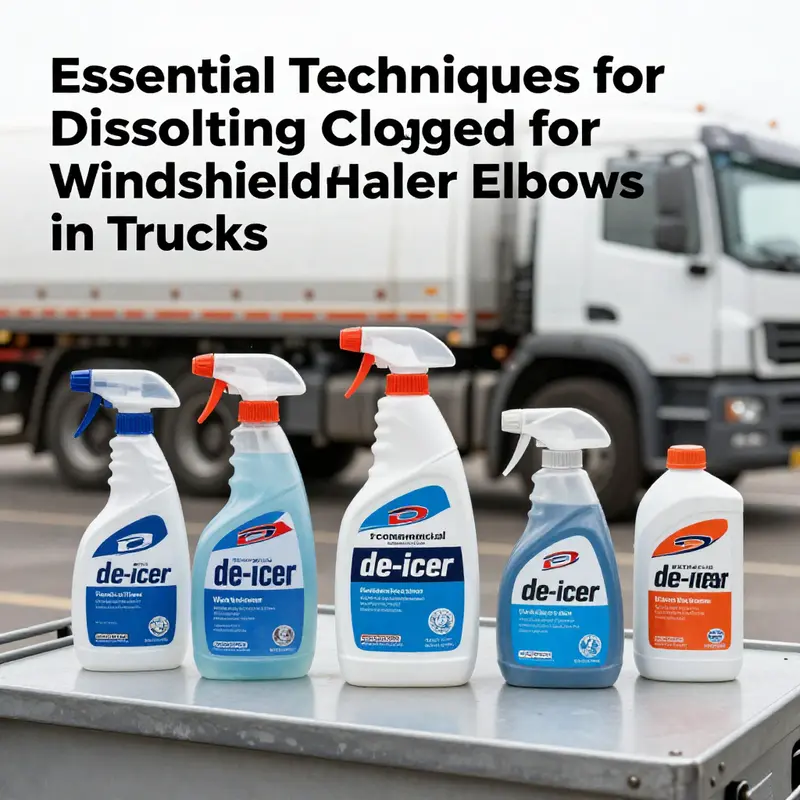
When a truck’s windshield becomes a personal safety issue, every minute counts. In cold weather, the windshield washer system can freeze or accumulate debris in the elbow that feeds the nozzle. A clogged elbow doesn’t just mean missed spray; it can result in impaired visibility during rain, sleet, or snow, creating a hazardous driving condition for long-haul crews and regional fleets alike. This chapter focuses on a practical, field-ready approach to dissolve that blockage using commercial de-icer solutions. It stays away from complex tricks or shortcuts and centers on reliable chemistry, careful application, and prudent prevention so you can get back on the road without risking damage to hoses, connectors, or the pump. The goal is to restore a steady, reliable flow while maintaining the integrity of rubber seals and plastic tubing that serve as the lifeline from reservoir to nozzle. In the broader scope of fleet maintenance, this approach aligns with disciplined workflows that keep critical systems operable under demanding winter conditions. For a broader view of how such maintenance fits into facility operations, consider exploring the plan outlined under Facility management for truck wash businesses.
First, identify the clog with a calm, measured diagnostic. Confirm that the obstruction resides in the elbow or the short tubing leading to the nozzle by observing whether fluid movement halts at the elbow while the reservoir remains full. If you can observe, gently loosen or disconnect the hose at the elbow to test flow directly from the reservoir. This helps distinguish a blocked elbow from a partially collapsed line or a pump inlet issue. It’s crucial to turn the vehicle off and let components cool before you manipulate any hoses or fittings. Resist the urge to force fluid through a stubborn bend; that pressure can rupture seals or crack connectors, especially when the system is cold and brittle. A careful assessment sets the stage for a controlled intervention rather than a risky, one-off “pound it free” maneuver.
Commercial de-icer solutions designed for automotive use offer a practical path to thawing frozen elbows fast. These products are formulated to melt ice quickly and to inhibit re-freezing in cold environments. They are typically non-corrosive and safe for rubber and plastic components when used as directed, and they often include additives that help keep residual moisture from re-freezing on contact surfaces. When you apply a de-icer, the key is to maximize contact with the affected path without inviting overuse that could dilute the reservoir or dilute other critical fluids in the system. If you can access the elbow directly, spray liberally into the elbow and along the length of the tube where the blockage is suspected. The objective is not to flood the reservoir but to ensure a sustained melt that penetrates ice crystals and dislodges any sediment that may have accumulated from winter use. This step should never be rushed; allow the solution to sit for several minutes to penetrate deep-seated ice before attempting a test spray.
The practical method of application hinges on a straightforward sequence. Disconnect the washer hose at the elbow if the design permits, then introduce the de-icer into the elbow and along the path of the tubing. Let the solution work for five to ten minutes, giving it time to penetrate and loosen the ice or packed debris. After the waiting period, reconnect the hose and perform a cautious test by activating the washer. If you still observe resistance or a partial flow, repeat the application in short cycles rather than forcing continuous pressure through brittle tubing. Repeated, gentle applications are often more effective and less likely to induce leaks than a single, aggressive burst. It can also be helpful to intermittently massage the tubing by gently flexing the section near the elbow as you reassemble, which can aid in releasing trapped ice crystals that have formed a partial blockage.
The role of temperature management in this process cannot be overstated. While de-icers are designed to handle subfreezing conditions, pouring hot liquids directly onto plastic or rubber components is risky. Extreme temperature fluctuations can cause warping, micro-cracking, or softening of seals. In addition to the immediate de-icing step, consider a light flush with lukewarm water after the blockage clears. This helps rinse away melted ice and any residual de-icer residues that might otherwise attract new ice formation during cold starts. If you perform a flush, ensure the water you introduce is warm rather than hot, and avoid exceeding the temperature tolerance of the reservoir and hoses. The combination of controlled de-icer application and a gentle flush creates a clean, dry passage that remains resistant to rapid refreezing.
Prevention is the most reliable strategy to minimize recurring clogs. Winter-grade washer fluids with low freezing points are essential for keeping lines clear in extreme cold. Look for formulations that are rated for the coldest operating environments your fleet encounters, often indicated by a sub-freeze tolerance such as -20°F or lower, and, when possible, as low as -40°C. Pair these fluids with routine maintenance that includes periodic flushing of the system before severe cold sets in. Additional preventive measures can include insulating wraps around exposed tubing and, where feasible, the installation of a heated washer system in the most vulnerable segments of the hose run. Simple, proactive steps reduce the need for mid-season interventions and help ensure the pump and lines endure the harsher months without damage from repeated freeze-thaw cycles.
The broader maintenance narrative around clearing a clogged windshield washer elbow also intersects with operational readiness and fleet reliability. Keeping the washer system functional is part of a holistic approach to vehicle readiness, where technicians and drivers alike recognize the signs of looming problems and act quickly to prevent them from escalating. Regular checks of the reservoir level, cap seal, and visible tubing condition can catch early signs of wear that might predispose the system to freezing. For fleet managers, this means incorporating washer system checks into routine pre-trip inspections and ensuring that vehicles in cold climates carry winter-grade fluids and an easily accessible means of applying de-icer when needed. The discipline of small, consistent maintenance tasks pays dividends in uptime and safety across the fleet. In this spirit, consider linking these practices to the broader maintenance framework outlined in Facility management for truck wash businesses, which discusses how to structure preventive care, track interventions, and coordinate repair efforts in a way that supports safety and efficiency across the operation.
Finally, the practical workflow described here is designed to be resilient, even when access to the elbow is constrained by vehicle geometry or infection of ice into hard-to-reach corners. If you cannot reach the elbow safely, do not force the system. Instead, explore alternatives such as loosening accessible connections further back along the tubing or relocating to a service bay with more room to work. The aim is to restore a reliable flow without creating new points of failure, such as punctured lines or a stressed pump. When in doubt, err on the side of caution and return to the task with a fresh approach after a brief cooldown. This methodical, patient approach reduces the likelihood of collateral damage and preserves the integrity of critical components for the long haul.
For readers seeking a more detailed, vehicle-specific walkthrough that aligns with professional repair practices, the following external resource provides practical, step-by-step guidance on frozen windshield washer fluid lines. It offers deeper insights into troubleshooting, appropriate temperatures, and real-world scenarios encountered by drivers in winter conditions: https://www.caranddriver.com/repair/how-to-fix-frozen-windshield-washer-fluid-lines
Melt, Move, and Maintain: Safely Free a Frozen Windshield Washer Elbow on a Truck

Visibility on the open highway is non-negotiable, especially in winter when glare and spray compound the risk of a missed stop or a missed turn. A truck’s windshield washer elbow is a small, stubborn ally in this fight, yet when ice clogs that elbow, the entire system can stall. The blockage is not just a nuisance; it threatens your ability to clear the windshield when you need it most. The remedy, when approached with care, is straightforward: introduce controlled heat to melt the ice at the elbow, allow the remaining fluid to reestablish flow, and finish with a flush of clean, winterized washer fluid to prevent a reoccurrence. The goal is not brute force but a measured thaw that respects the materials—plastic housings, rubber hoses, and the pump that pushes fluid through the system. This approach keeps the lines intact while restoring function, and it aligns with the broader practice of preventive maintenance that keeps a fleet on the road rather than sidelined by preventable failures.
The most reliable and safest route begins with a warm-air strategy. A shop air heater, a heat gun, or even a hair dryer set to a gentle heat can be deployed to target the base of the windshield washer elbow where the hose connects to the reservoir. The technique is simple enough in concept: aim the heat at the junction, not the entire length of the hose, and keep the heat source at a respectful distance—about six to eight inches. Move slowly along the elbow and the nearby tubing, pausing briefly at each bend or junction to let the warmth penetrate without concentrating heat in one spot. Ice behaves like a stubborn glaze; it takes time to soften, and a patient, systematic pass often wins where a quick blast would only risk warping or soft-plastic deformation. The key is continuity and control. Rather than a single hot burst, think in increments, lifting around the elbow as if you were unfurling a small frozen knot. In most cases, you’ll notice the resistance ease as the ice gives way and the pathway clears enough for the fluid to begin circulating again.
If the truck has been operating and has recently generated heat from the engine, a secondary option exists that can expedite the thaw. With the engine warm, it’s possible to apply warmth from the engine compartment toward the affected area. This method leverages the residual heat in the engine bay, which can travel through the firewall area to the elbow and hose. The approach should still be gentle: just enough warmth to soften the ice without overheating the plastic fittings. This option is particularly useful when the elbow sits in a location where a dedicated heat source would be awkward to position. The aim remains the same—melt, not melt down. In situations where accessibility is limited, a slow, cautious blend of exterior warmth and ambient cabin heat can make a noticeable difference, all while minimizing the risk of cracking or warping.
Warm water, when used with caution, can aid the thaw, but it should never be the primary tactic. Pour warm water over the exterior of the elbow and adjacent hoses rather than directly onto the components from a hot tap. The sudden temperature shift can stress plastics and rubbers, and direct hot water can cause piping to crack or fittings to loosen. Instead, rely on the sustained, controlled warmth of the heat source first, then a measured rinse with warm fluid once the ice has begun to yield. The water should be warm, not scalding, and applied in a manner that gradually reactivates the flow without shocking the system.
Safety must govern every move. Never use boiling water or direct flame anywhere near the washer system or its surroundings. The combination of heat, pressurized fluid, and vulnerable plastics creates a recipe for damage if misjudged. Do not force the washer nozzle or hose if resistance persists. Forcing can rupture a line, twist a connector, or lift a seal, turning a minor snag into a costly repair. After the block is cleared, it’s prudent to flush the system with clean washer fluid, which serves to rinse out any dislodged ice fragments and to dilute the residual antifreeze or additives. This practice reduces the chance that a re-frozen plug will form during the next cold snap and keeps the path clear through the next set of subfreezing mornings.
Beyond the immediate thaw, think about long-term resilience. Winter-grade washer fluids with anti-freeze properties are essential for fleets operating in freezing zones. These fluids are formulated to resist crystallization at low temperatures, which dramatically lowers the odds of re-clogging the elbow and tubing. While it may be tempting to push the limits with a one-time fix, the best outcomes come from combining a careful thaw with a proactive switch to winterized fluid that remains fluid even in harsher conditions. The maintenance mindset here mirrors the broader discipline of fleet operations: identify failure modes, implement simple but effective countermeasures, and revisit those measures as seasons change. With winterized fluid in place and a thawing procedure that respects the integrity of plastic and rubber components, the washer system can recover its function without inviting collateral damage.
Access matters as much as technique. If the elbow is tucked in a hard-to-reach corner, it may be necessary to gently reposition hoses or temporarily relieve nearby clamps to gain a safer line of sight and better heat distribution. In such cases, consult the vehicle’s maintenance manual for model-specific guidance, and proceed with care to avoid inadvertent injury to wiring or nearby components. The moment you feel or see resistance, pause and reassess rather than pressing forward. This caution is not hesitation; it is respect for the hardware that keeps lines clear and visibility high. When broader maintenance planning is considered, consult related resources on fleet upkeep and compliance, such as truck-wash-industry-compliance-emissions-regulations.
As a final note, keep in mind that the goal is not a one-off fix but a reliable, repeatable approach to winter maintenance. If accessibility is an obstacle, or if the elbow sits at a point where heat cannot be applied without risk, a broader diagnostic check can ensure there are no other contributing issues—such as a collapsed hose or a compromised reservoir. In those cases, taking a step back to verify the integrity of the entire washer circuit can prevent future outages. The principle remains constant: gentle heat to thaw, followed by a careful rinse and a winter-ready fluid, safeguards both driver visibility and component life. For readers seeking a more comprehensive, model-agnostic walkthrough that extends beyond the thaw, there are established guides that cover the nuances of freezing lines and how to access hoses in larger vehicles. A detailed exterior reference emphasizes the importance of patience and methodical progress when those hoses hide under the hood or behind a firewall, guiding you toward a successful resolution without collateral damage.
External resource: For a detailed, model-specific walkthrough on clearing frozen windshield washer lines, see MotorTrend’s practical guide. It complements the method described here and reinforces the emphasis on safe heat application, careful observation, and post-thaw flushing to prevent re-freezing. https://www.motortrend.com/cars/how-to-clear-frozen-windshield-washer-lines/
In sum, thawing a frozen windshield washer elbow on a truck hinges on a disciplined sequence: apply controlled heat to the elbow interface, leverage engine heat when feasible, use warm water with care, and finish with a thorough flush and winterized fluid. Maintain a cautious, patient posture throughout, and treat the path as a fragile connection that must be preserved as you restore flow. This approach reduces downtime, extends component life, and keeps the crucial sightline clear when road conditions demand it most.
null
null
Freeze-Proofing the Windshield Washer Elbow: Proactive Maintenance for Truck Visibility
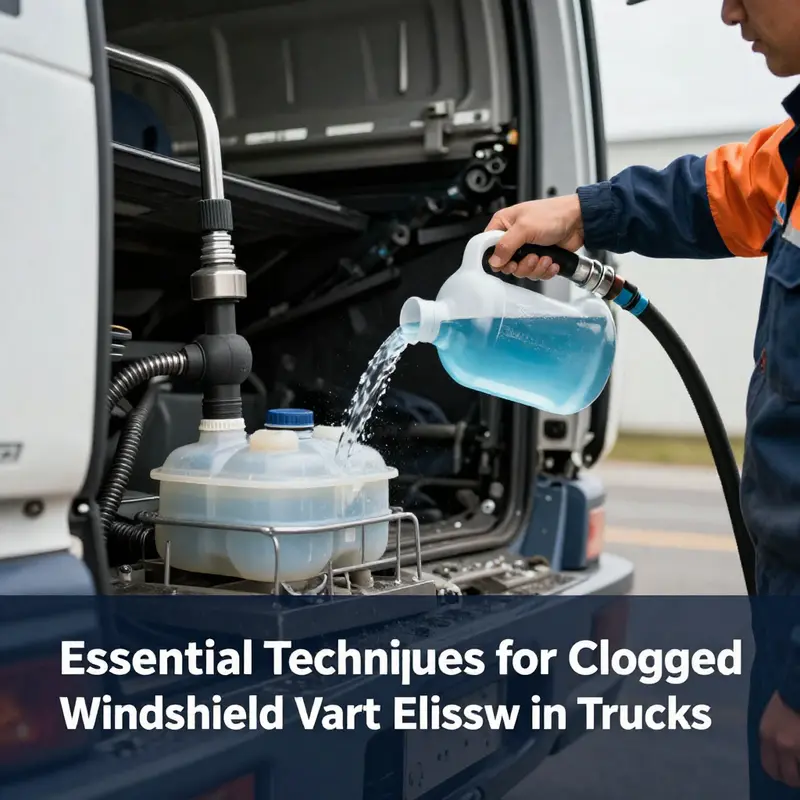
A clogged windshield washer elbow on a heavy truck can turn a routine drive into a risky voyage when weather turns nasty. The small elbow is a gateway between reservoir fluid and the spray nozzles, and in cold climates it is especially vulnerable to ice, sludge, and debris that hitch a ride through regular use. The solution lies not in dramatic repairs, but in disciplined prevention: a steady routine that keeps the system clean, the fluid properly formulated, and every component aligned so the spray remains reliable when it is most needed. The approach is practical, straightforward, and scalable for fleets of any size, weaving together habits that protect visibility without slowing operation.
Regular system flushing is the first pillar of prevention. Flushing the washer lines with clean water helps dislodge sediment and residual debris that accumulate as trucks bounce along roadways, through construction zones, or across snowy landscapes. A gentle flush clears the path for the fluid to move freely, reducing the chance that a minute blockage grows into a stubborn ice plug once temperatures drop. The cadence should fit the climate and the duty cycle of the vehicle: more frequent flushing during winter or after periods of high dust and road salt exposure, and at least on a routine schedule in other seasons. After flushing, refill with the washer fluid chosen for the season. The aim is not a quick tick on a maintenance log but a consistent flow that reaches every nozzle with even pressure. When the lines are consistently clear, the spray feels reliable from the driver’s seat, a subtle but essential confidence booster on wet or frosted mornings.
Quality washer fluid is the second pillar. Winter-grade formulations are designed specifically to prevent the liquid from freezing inside the tubing and elbow. Plain water is generally a poor choice in cold months, because it can freeze, expand, and stress plastic parts, potentially causing hairline cracks or sudden restrictions in the elbow. The right antifreeze balance keeps the spray system responsive after a night spent in subfreezing air. Compatibility is key, so fluid choices should respect the reservoir’s materials and the pump’s tolerances. The goal isn’t to chase maximum antifreeze concentration but to strike a stable equilibrium that maintains clarity without compromising spray quality or hose integrity. This balance supports consistent operation across a fleet, even when units operate in mixed environments—urban routes, rural highways, and distant yards with varying temperatures.
Inspection and cleaning form the third pillar of prevention. Visual checks should become part of a quick pre-trip or post-trip routine. The nozzle and elbow can accumulate ice crystals, dirt, or tiny ice shards from road spray, and these obstructions can alter spray patterns or slow down the flow. A careful inspection helps catch trouble before it becomes a nuisance. If you spot ice or silt near the elbow, a gentle wipe and a soft brush can remove most debris. For stubborn buildup, a careful puff of compressed air may clear the path, but avoid sharp implements that could nick the hose or poke through the plastic. In some configurations, accessing the elbow for a more thorough check is feasible without disassembling the system; if so, take the time to verify that the pathway remains smooth and continuous. The key is to preserve the elbow’s shape and the integrity of the tubing while ensuring unimpeded flow.
Maintenance of the reservoir itself deserves attention as well. Contaminants like dust, leaves, or sediment can ride into the system with refills and linger in the reservoir bottom. Keeping the cap clean and sealed when the truck is idle, particularly during windy or dusty seasons, minimizes moisture ingress and particulate contamination. Periodic reservoir cleaning—rinse, dry, and then refill—reduces the risk of downstream clogs by eliminating the debris that would otherwise travel toward the elbow. A clean reservoir pairs with clean fluid to deliver a steady spray that reaches the windshield under a wide range of driving conditions. If you keep the reservoir pristine, you reduce the likelihood that even a small ice crystal could anchor itself to the elbow as temperatures swing.
The potential benefits of these preventative habits multiply when a filter is added to the system. Installing a modest inlet filter traps particulates before they enter the fluid stream, offering a protective layer that helps the liquid maintain a smooth flow through the hoses. This is not about overengineering; it is about small, thoughtful protection against the everyday dirt and road grime that barrels through trucking corridors. In practice, the filter acts as a first line of defense, catching debris before it has the chance to create a blockage or to seed ice formation within the elbow during cold cycles. For fleets, filters can be integrated into maintenance checklists without complicating day-to-day operations, creating a predictable pattern of upkeep.
Storage and seasonal transitions complete the preventive cycle. After the harsh weather season, if the truck will sit idle for extended periods, consider draining excess washer fluid to avoid stagnation and the risk of freezing within the lines. Alternatively, maintain a winter-appropriate solution designed to resist freezing during extended downtime. The underlying principle is simple: minimize stagnation, preserve fluid quality, and keep the system ready for rapid reactivation when duties resume. This mindset resonates beyond the washer system and dovetails with broader winterization practices—ensuring that a truck’s entire fluid ecosystem remains cohesive and dependable in the face of freezing temperatures.
The payoff of these preventive measures is larger than a clear windshield. For drivers, reliable visibility reduces the cognitive load during challenging weather, enabling quicker decisions and safer lane changes. For fleet operators, consistent maintenance lowers the probability of mid-route failures, emergency service calls, or unexpected downtime that can ripple across schedules and customer commitments. Prevention becomes a quiet asset, compounding safety, efficiency, and reliability across hundreds of units rather than a single vehicle. The discipline of upkeep, therefore, translates into tangible operational resilience.
To translate this into everyday practice, embed these habits into the maintenance culture of the operation. A simple cadence can anchor the approach: monthly system flushes, quarterly reservoir inspections, and annual checks of filter integrity. When these routines become routine, drivers and technicians operate with a shared expectation of readiness, even as weather and road conditions change. In this sense, prevention is not a one-off job; it is a continuous, shared responsibility that strengthens the entire trucking ecosystem. For fleets seeking scalable, ongoing practices, integrating washer-system care with broader facility-management concepts helps align wash-roomes, yard schedules, and vehicle readiness into a unified workflow. facility-management-for-truck-wash-businesses. This approach keeps the focus on cleanliness, flow, and readiness across the entire wash and fleet ecosystem.
For those who want further context, an external resource provides practical guidance on maintaining washer systems in larger vehicles. It reinforces that consistent care—not ad hoc tinkering—is the path to lasting reliability. See Truck Washer System Maintenance Tips for detailed, truck-specific recommendations and step-by-step reminders about diagnosing and addressing frozen washer lines. External link: https://www.truckingmagazine.com/maintenance/2025/12/truck-washer-system-maintenance-tips. In short, the preventive habits described here are not just about avoiding a nuisance. They are about preserving visibility, safety, and efficiency on long-haul roads and rough country highways alike. As the calendar turns toward winter, the routine becomes a quiet cornerstone of professional trucking life, a practice that keeps the spray steady and the road ahead clear, no matter what weather imposes.
Final thoughts
Proper maintenance of windshield washer systems is not just about immediate fixes but also about preventing future issues. Implementing techniques such as using warm water, commercial de-icers, and mechanical tools, as well as adopting preventative measures, can ensure that your fleet maintains optimal visibility. By staying proactive, fleet managers and operators can enhance safety and reliability across their operations.