

Fleet managers and operators often seek convenient solutions for maintaining their vehicles, but using dish soap for washing trucks can have unforeseen negative effects. This article delves into why dish soap can damage automotive paint, explains the importance of pH balance in cleaning products, and provides safer alternatives that protect your fleet’s appearance and longevity. Understanding these aspects is crucial for maintaining the value and integrity of your vehicles over time.
Dish Soap Dilemma: Why Kitchen-Grade Cleaners Undercut Your Truck’s Shine and What Really Protects the Finish

If you pull into a truck wash bay and glance at the sink of dish soap beneath the counter, you might chuckle at the idea of using it on a moving machine that soaks up sun, road spray, and rust-prevention challenges. Yet many drivers and shop crews still reach for that bottle in a pinch, hoping the grease-cutting power will do the job faster and cheaper than a purpose-made wash. The impulse is understandable. Dish soaps are designed to remove oil and grime from kitchens, and their chemistry is crafted to make water more aggressive at dissolving residues. In the world of automotive finishes, however, that same aggressiveness becomes a liability over time. The surface you see—glossy paint, smooth panels, and the subtle sensors and seals that keep a truck weatherproof—depends on a delicate balance of cleaners, oils, and protective coatings. When you disturb that balance with a detergent formulated for dishes, you invite a cascade of consequences that may not be immediately visible, but accumulate with every wash.
The heart of the issue lies in pH. Dish soap tends to sit in the alkaline range, often around pH nine or ten. That may be excellent for breaking up kitchen greases and fats, but it’s a different story for automotive finishes. Car washes and shampoos designed for painted surfaces are meticulously formulated to be pH-balanced, gentle enough to preserve wax and polymer sealants, yet effective enough to lift grime, brake dust, and road film. When a high-alkaline cleaner meets a car’s finish, the protective layers—wax, sealants, and coatings—are the first line of defense that gets compromised. These layers don’t merely give the truck its shine; they also act as a barrier to UV light, acid rain, bird droppings, and mineral deposits. Once you strip them away, the paint underneath is left more vulnerable to the elements, and that vulnerability compounds as wash cycles accumulate.
The primary harm is not always dramatic in a single wash. A one-off use may remove a noticeable amount of gloss or leave a faint film, but the real danger is cumulative. Wax and sealants are designed to last for months, not years, and a harsh alkalinity can shorten that lifespan. The more you expose the surface to alkaline cleaners, the faster those protective layers erode. In practice, this means more frequent need for wax or sealant reapplications, deeper micro-scratches from unmaintained surfaces, and a slower recovery of the truck’s luster after normal cleaning. It’s not that a dish-soap wash instantly ruins a finish; it’s that repeated exposure creates a slow drift away from the surface protection you counted on when you bought the truck’s coatings.
Consider the chemistry beneath the surface. The paint itself is a spectrum of polymers and resins laid down in layers, each with a role in color, gloss, and hardness. The wax sits on top as a sacrificial layer, offering a glistening shield against UV light and contaminants. Sealants and polymer coatings extend that shield, bonding to the paint to provide durability and a smoother, hydrophobic finish. When a cleaner with strong alkaline properties is introduced, it disrupts these bonds and can alter the microtopography of the paint. The surface may appear the same to the naked eye, but the microscopic ridges that hold wax and sealants can be flattened or dullened. The long-term result is a surface that loses its ability to shed water efficiently, which invites mineral deposits, water spots, and micro-scratches that catch on the rag and magnify in sunlit panels.
Beyond the paint, the rubber and plastic components around doors, windows, and trims also face risk. Dish soap’s cleansing power is not a blanket pass; it’s a targeted attack on oils, and rubber seals rely on flexible oils to maintain their shape and integrity. Repeated exposure can dry out seals, leading to shrinkage, cracking, and a reduction in their sealing effectiveness. The consequences aren’t dramatic at first—perhaps a whisper of wind noise or a slight increase in minor leaks during heavy rain—but they accumulate. The door seals that keep dust out and heat in can lose their elasticity, and the trim around windows and lights can fade or become chalky. It may seem inconsequential, but in a fleet or a show truck, those tiny compromises can translate into uncomfortable cabin heat, rattles, or the need for more frequent maintenance.
People who manage fleets often speak about maintenance as a chain of decisions that weigh present convenience against future costs. A wash that saves a few minutes today might require re-waxing a week earlier than planned, or it might necessitate a more frequent visit from the detail crew to refresh the finish. That is the practical truth behind the research and the experiences of seasoned detailers: clean surfaces deserve cleaners formulated to protect them. The IDA’s guidance (and similar industry standards) emphasizes that using non-automotive cleaners disrupts the pH balance of vehicle surfaces and accelerates the breakdown of factory-applied sealants. The same guidance notes that while the occasional use of household cleaners may not trigger catastrophic damage, repeated exposure accelerates aging and dullness. The nuance is important. It isn’t a ban on all dish soaps, but a warning that daily or weekly use as a primary cleaning method is not compatible with durable finishes.
The narrative around dish soap’s impact also intersects with the realities of heavy-duty environments. Trucks are not simply painted metal; they are moving canvases that collect road grime, tar, fuel splashes, and a chorus of environmental challenges. The fastest way to remove grease is often the most aggressive approach; perfection, in the real world, comes from a calibrated routine. In practice, professionals advocate for a wash routine that respects the finish and the coatings that keep it vibrant. A dedicated automotive shampoo, paired with a careful wash technique, can remove stubborn deposits without compromising the surface’s protective layers. The difference is not merely cosmetic; it extends to longevity, resale value, and the ease of performing future maintenance.
The logic of alternatives is straightforward. pH-balanced automotive shampoos clean effectively while maintaining the integrity of wax and sealants. They are designed to lift contaminants away from the finish without altering the pH balance that keeps coatings intact. A well-chosen automotive shampoo also helps maintain gloss and clarity by preserving the surface’s micro-surface texture that reflects light evenly. When you use a product that respects this balance, you gain a cushion against future maintenance costs and a more predictable cleaning outcome across a fleet’s many vehicles.
A practical approach to ensure you’re not negotiating with risk for the sake of convenience involves adopting proven cleaning practices beyond the right product choice. For example, starting with a maintenance wash that lightly removes surface grime and then applying a second pass for tougher residues can reduce the need for aggressive cleaners. Pre-wetting the surface to reduce friction during scrubbing, using soft washing tools, and avoiding harsh scrubs on edges and corners all contribute to a gentler but still effective cleaning routine. This mindset—cleanliness without compromise—reduces the likelihood that you’ll see micro-scratches or dulling after a season of fleet washing. It also minimizes the chance that you’ll inadvertently strip protective layers, since the cleaner you rely on and the scrubbing technique work in harmony.
Incorporating knowledge from field-tested practices adds another layer to your decision-making. Industry reviewers and fleet managers who have faced the consequences of improper cleaning emphasize that the chemistry of the wash should align with the surface you’re treating. They often refer to specialized strategies that combine careful product selection with disciplined technique. For example, when faced with baked-on grease, a targeted pre-wash or a pre-soak can help loosen deposits before any contact with the paint. The goal is to minimize mechanical abrasion and chemical aggressiveness at the same time. The outcome is not just a cleaner truck but a more durable finish that maintains its protectors longer and stays visually appealing between major detail sessions.
There is a broader business dimension to this topic as well. Fleet managers and shop operators consider the cost of coatings, re-waxing intervals, and the time spent addressing inevitable gloss loss. A clean, protected finish does more than impress customers; it also signals attention to maintenance that can translate into higher resale value and lower insurance or warranty concerns tied to surface deterioration. When a fleet is painted or when a high-gloss finish is part of the brand identity, the incentive to protect that finish becomes a critical operational decision, not a cosmetic preference. That is why the shift away from dish soap toward dedicated automotive cleaners is not just about vanity; it’s about lifecycle management and cost efficiency across a vehicle’s working life.
To connect these ideas with actionable steps, consider a simple decision framework that begins with the end in mind: what is the finish’s intended lifespan, and what is the maintenance cadence? If the goal is to preserve gloss and protective layers for as long as possible, the first move is to retire dish soap from the regular cleaning routine. Replace it with a pH-balanced automotive shampoo and a wash method that minimizes abrasion and avoids aggressive scrubbing on delicate edges. The second move is to schedule periodic protected coating refreshes—not as a luxury, but as essential maintenance that supports long-term looks and protection. The third move is to train personnel on the basic science behind the wash: why pH matters, how coatings work, and how to recognize signs of coating breakdown, like uneven sheens or a quicker-than-expected buildup of mineral residues after washing. This knowledge isn’t merely theoretical; it translates into lower maintenance costs and fewer calls to the detail crew in-between scheduled services.
In the glide from theory to practice, one can still acknowledge the realities of busy trucking life. A single quick wash, performed with household soap, might slip by without immediate consequences. The risk emerges when the clock repeats that sequence week after week, month after month. At that point, the cumulative effect becomes measurable: less resistance to water sheeting, more persistent water spots, and a dulled surface that takes longer to restore to showroom gloss after a routine wash. The memory of the finish—the feel of the surface under a microfiber, the way light plays across a well-painted panel—begins to fade as the protective layers thin out. The tone of the paint shifts from vibrant to muted, a subtle but real transformation that fleet managers and owners notice in the mirrors and on the sales floor.
For those who want to ground this discussion with practical guidance, there are resources and case studies in the industry that explore how professionals approach washing, detailing, and protecting heavy-duty finishes. One practical resource, for instance, lays out strategies that balance speed with protection and offers a concise rationale for using purpose-made cleaners over kitchen-grade alternatives. The argument rests on long-term outcomes rather than short-term gains, and it resonates with the daily realities of fleets that must keep hundreds of miles of roadworthiness and appearance in view. As a reminder, the reference material underscores that while an occasional dish soap wash may not derail a finish, repeated use accelerates barrier degradation and dulls the paint’s luster faster than most fleet guidelines anticipate. To explore these ideas in a compact, field-tested format, you can consult resources that distill the best practices for cleaning grease and tar off trucks quickly and effectively, which provide practical steps that align with the goals of surface preservation.
Ultimately, the choice around dish soap isn’t only about what cleans best in the moment. It’s about aligning cleaning habits with the science of finishes, coatings, and seals. It’s about selecting products that respect the surface, rather than fighting it. And it’s about recognizing that maintenance is a chain of small decisions—each wash, each wipe, each choice of product—that collectively determines how well a truck ages and how confidently it performs on the road and in every yard where it rests. When you adopt a routine built on pH-balanced automotive shampoos, soft tools, and careful technique, you’re choosing a path that preserves gloss, lengthens coating life, and keeps the finish resilient against the daily onslaught of road grime.
For readers who want to dig deeper into the practical side of this topic, the following resource offers a concise view of how professionals approach cleaning and detailing for heavy-duty vehicles. It emphasizes the kinds of strategies that reduce maintenance costs while maintaining fleet appearance and longevity, including guidance on selecting the right cleaners and applying them with care. As with any rule in maintenance, the emphasis is on consistency and knowledge—knowing why a product is chosen and how it interacts with the finish, rather than simply trusting convenience or speed. For additional context, see the external discussion in popular coverage that addresses the broader risks of household cleaners on vehicle finishes, which underscores that caution is warranted when a vehicle is the face of a business and a core asset of a fleet.
Internal link reference: proven strategies for cleaning grease and tar off your trucks fast
External reference: https://www.popularmechanics.com/cars/how-to/a29467135/dish-soap-car-wash-risks/
Balancing the Shine: How pH in Automotive Cleaners Protects Your Truck’s Finish
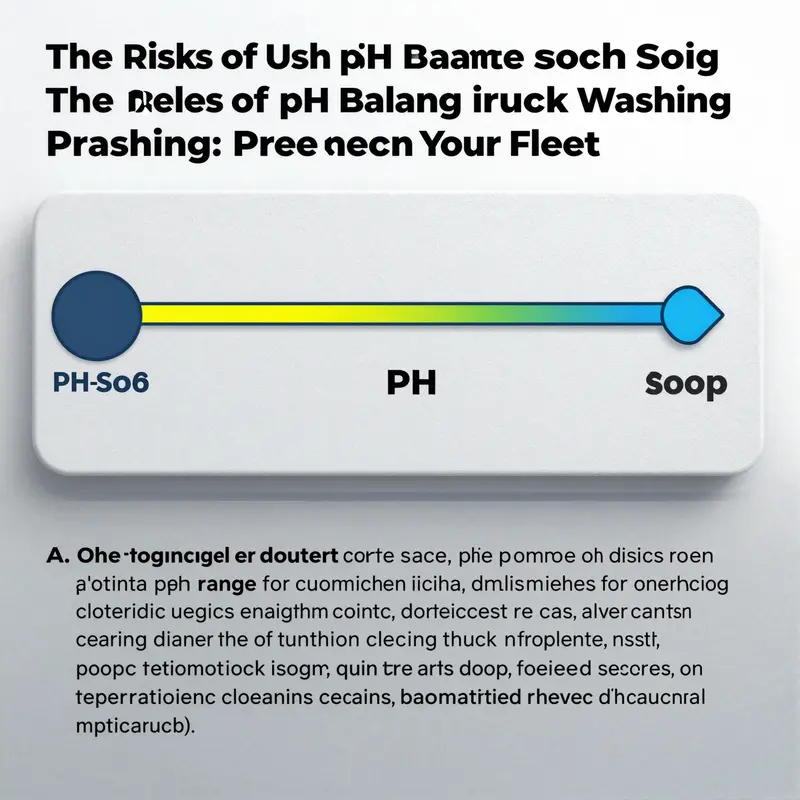
Cleanliness and protection converge in a kitchen sink insight that many truck owners rarely connect: the pH balance of the cleaner you choose matters as much as the water temperature or the technique you use. In the broader arc of keeping a vehicle looking showroom-clean while protecting investment, the pH of every wash becomes a quiet hero or a subtle saboteur. The idea that any soap can do the job is appealing because it promises convenience and speed. But the long-term reality is more nuanced. A truck’s finish isn’t just a paint layer. It is a carefully engineered system: a base coat of pigment, a clear coat that shields the color, and often waxes, sealants, or durable polymers that add gloss, depth, and protection against UV radiation, bird droppings, tree sap, and mineral residues. When you wash, you are not simply removing surface grime. You are also deciding how much of that protective system you want to preserve for the next few months or years. The science behind pH balance in automotive cleaning products helps explain why the simple choice to swap a dish soap for a purpose-built automotive shampoo can be one of the most consequential decisions a caretaker makes for a truck’s longevity and its resale value.
A practical way to frame this issue is to imagine the finish as a living skin on the vehicle. It thrives when kept clean, but it also relies on a delicate chemistry that prevents it from drying out, cracking, or losing its natural oils and coatings. The detergency of a cleaner derives not only from how well it lifts dirt but also from the pH level at which it operates. A pH-balanced formulation, typically around neutral, is engineered to lift dirt and contaminants without aggressively attacking coatings designed to stay attached to the paint. For this reason, a pH-neutral car shampoo is often the first choice for regular maintenance washing. It allows you to rinse away grime while preserving the wax, sealant, or polymer layers that give a truck its enduring sheen and its barrier against the elements. When a cleaner sits outside that neutral zone, even if it is excellent at removing traffic film, it can inadvertently strip away the protective layers that keep the finish resilient over time. The difference between a wash that merely cleans and a wash that sustains protection can be subtle day-to-day, but it becomes obvious after a few seasons of use as gloss dulls and small blemishes accumulate.
The available guidance from industry associations emphasizes this balance. The International Detailing Association has underscored that non-automotive cleaners can disrupt the pH balance on vehicle surfaces and accelerate the breakdown of factory-applied sealants. That warning is not a scare tactic; it is a reminder that cleaners are not interchangeable tools. The pH of a product does not exist in a vacuum. It interacts with the surface chemistry of the paint, the underlying primer, and the protective coatings that were applied at the factory or later in life. Even a routine wash, if done with a cleanser that skews the pH too far in either direction, can gradually erode the very shield designed to keep the finish resilient to UV rays and environmental contaminants. The cumulative effect matters. A wash that strips wax or sealant a little bit each week will not yield dramatic changes after a single session, but after several cycles the difference is measurable: reduced beading, increased water absorption on the surface, more rapid appearance of micro-scratches, and a gentler response to subsequent contaminants like sap or mineral deposits.
What makes pH balance so central to this discussion is its direct influence on three interwoven outcomes: the removal of dirt, the preservation of protective coatings, and the maintenance of surface gloss and color depth. A neutral or near-neutral formula lifts dirt without aggressively attacking coatings or the delicate crosslinked layers that give a finish its durability. In contrast, cleaners that skew alkaline can strip or soften protective layers, while acidic cleaners may etch or dull surfaces that are designed to retain a certain level of oils and polymers. The careful reader will notice that the goal is not to maximize detergent power in the short term but to optimize the combination of cleaning efficacy and coating preservation over multiple wash cycles. Foam, dwell time, and agitation are all important, but without pH balance, even the best technique risks undermining the very protection that makes a vehicle easier to maintain and more resilient against environmental onslaughts.
Turning to the practical side, pH-balanced car shampoos are designed to work with modern washing tools that some readers may already own or have easy access to in a home setup. Foam cannons and foam rollers, for example, are powerful because they allow the cleaning solution to dwell on the surface longer, encapsulating dirt and lifting it away without forcing the cleaner to directly scavenge the coating. When the formula is pH-balanced, that dwell time becomes more forgiving. It gives the cleaner a chance to work on stubborn residues such as bird droppings or tree sap while staying gentle enough to keep waxes or polymer seals intact. The result is a safer, more consistent cleaning experience where you can achieve a glossy finish and a durable surface without the typical price of aggressive scrubbing or frequent re-waxing. The synergy between a balanced formula and modern washing tools is a practical embodiment of the longer-term philosophy: protect what you have, while you remove what you don’t.
Of course, the decision to use a pH-balanced automotive shampoo should be framed within a broader washing routine. Two-bucket methods, rinsing between passes, and careful drying all contribute to preserving surface integrity. When you introduce a product within the optimal pH range into that routine, you can see the benefits more clearly. The wash becomes not just a chore but a maintenance discipline that supports the truck’s sustained appearance and protection. The emphasis here is not merely on aesthetics; it is on the deeper technical reality that each wash is a small investment in the vehicle’s long-term resilience. Salient improvements accumulate: better clarity in color depth, more pronounced gloss under sunlight, less clouding of the clear coat, and, perhaps most important, a lower likelihood of micro-scratches that come from using harsher cleaners or aggressive scrubbing. In this sense, pH balance is a strategic choice, a quiet partner in the ongoing effort to reduce the total cost of ownership by maintaining coatings that preserve value and reduce the need for early refinishing.
For those who are tempted to reach for a dish soap due to familiarity or perceived grease-cutting power, the contrast is instructive. Dish soaps are engineered to cut oil, and their pH tends toward the alkaline end of the spectrum. That high alkalinity is what makes them so effective at kitchen tasks: they emulsify oils, break down fats, and rinse away residue quickly in a sink environment. But a truck’s paint system is not a kitchen surface. It is a weathered, layered structure that a car wash routinely treats with UV exposure, temperature shifts, and airborne contaminants. When you apply a degreasing mindset to a painted surface in this context, you are not just cleaning. You are altering the chemistry of the surface enough to thin protective layers gradually. The result can be a finish that loses its luster, becomes more permeable to contaminants, and shows more rapid aging with each subsequent wash. The caution becomes more urgent when you consider the habit many owners have of washing their vehicles in outdoor environments where sun, wind, and mineral-heavy water interact with any residual cleaners on the surface. A cleaner with a robust alkaline character can leave behind a film that, when exposed to sun, accelerates oxidation and dulls the paint. In time, the cumulative effect is visible: less clarity in metallic flecks, muted reflections, and a finish that seems to drink water rather than bead it in a satisfying, protective way.
In the conversation about best practices, it is important to acknowledge that pH-balanced formulations do not merely avoid damage; they can actively support improved cleaning efficiency when used properly. The right shampoo helps the dirt to lift away rather than smear. It can reduce the risk of micro-scratches that occur when an abrasive residue remains on the surface and the wash mitt drags across the paint. Moreover, industry guidance consistently points to pH-balanced products as better companions to protective coatings. By preserving waxes or sealants, these products help maintain the very barrier that makes subsequent cleaning easier and more effective. The gloss and clarity you see after a wash are not accidents; they are the visible signs of a chemistry that respects the surface and a technique that supports the objective of lasting protection. It is a reminder that washing is not only about removing dirt; it is about maintaining a crafted chemistry that keeps the finish resilient to the environment.
To bring this idea into a concrete decision you can apply next time you plan a wash, consider a few practical steps. First, choose a pH-balanced automotive shampoo designed for paint protection, rather than a general-purpose cleaner or a degreaser. Second, pair it with the right cleaning tools: a high-quality wash mitt, a soft brush for wheel wells, and a foam cannon or foam roller to maximize dwell time without aggressive scrubbing. Third, adopt a deliberate washing rhythm: pre-rinse to loosen surface grit, gentle two-pass washing with fresh cloths or mitts, and a thorough rinse to lift away the loosened dirt before any towel drying. Fourth, dedicate time for a final inspection to ensure no residue remains that could attract dust or sap between washes. In doing so, you implement a routine that respects the objective of maintenance rather than a single, immediate result. The overarching message is straightforward: if you want to protect the finish and keep the vehicle looking sharp for years, you should align your cleaning products with the chemistry of your coatings and your washing technique with the physics of dirt removal. The pH balance, in this sense, becomes a practical compass guiding every wash, rather than a theoretical footnote.
For readers seeking deeper practical guidance beyond the everyday routine, there is value in exploring resources that translate pH balance into actionable strategies. One such resource highlights proven methods for addressing tough residues like grease and tar while maintaining surface integrity. If you follow those strategies closely, you’ll see how a balanced cleaner makes it easier to encapsulate and lift away stubborn contaminants without compromising protection on the paint. In addition, modern detailing practice recognizes that pH balance is not a static label but a dynamic factor that interacts with the equipment and the technique used. When you use a foam-based application with a neutral to slightly alkaline cleaner, the surfactants can latch onto dirt more effectively, and the coating beneath remains shielded from the harsher washing actions. The combination of thoughtful product choice, proper application, and careful technique yields a finish that remains vibrant while staying responsibly protected from the elements over time.
For readers who want a direct path to applying these ideas in real-world truck care, consider exploring resources on the detailed maintenance of heavy vehicles and the role of wash practices in fleet management. Within professional fleets, where the cost of coating wear and the need for consistent aesthetics intersect with uptime and safety, the emphasis on pH-balanced formulations becomes part of a broader standard of care. Adopting these practices can improve cleanliness while reducing maintenance overhead, supporting a fleet’s overall performance and image. The narrative here is not merely about keeping a truck clean; it is about maintaining its protective envelope while ensuring that routine care does not undermine it. This perspective reframes cleaning from a quick fix to a strategic activity that supports long-term durability and value.
For those who want a direct line to practical, tested methods, a resource such as proven strategies for cleaning grease and tar off your trucks fast offers a concise set of steps that align with the larger principle of pH-balanced care. The emphasis in that approach is to remove tough residues with a cleaner that remains gentle on the finish, a reminder that even the most stubborn contaminants can be managed without sacrificing protection when the product chemistry and the technique work in concert. The appeal of such an approach is not merely in ease but in predictability: you know what to expect from a wash when you select the right pH-balanced product and apply it with a method that respects the coating system under the paint.
In the end, the question is less about the relative power of one cleaner versus another and more about the chemistry that underpins a successful wash. A pH-balanced automotive shampoo represents a thoughtful compromise between cleaning power and surface preservation. It is designed to lift, not strip; it aims to preserve the protective layers that make the finish last longer and look better. The choice to use dish soap, with its alkaline tilt, is not inherently catastrophic in a single wash. It becomes a concern when repeated over time and combined with sun, rain, and road debris, because the cumulative stripping of wax or sealant reduces the surface’s resilience. The long view of maintenance, then, suggests a disciplined approach: reserve dish detergents for non-vehicle tasks and rely on pH-balanced car shampoos for routine washing, while integrating a wash technique and protective regimen that reinforce the finish rather than erode it.
As you consider your own truck care routine, remember that the goal is sustainable protection. The subtle balance of pH in your cleaning products plays a decisive role in that outcome. The chemistry you tolerate each wash shapes the next, and the next after that. If gloss, clarity, and durability are your benchmarks, the path is clear: choose pH-balanced formulas, use them with appropriate tools, and keep the protective coatings intact. Your truck will thank you with a finish that stays brighter and more resilient through seasons, while the maintenance burden remains manageable and predictable. For those who want to extend this approach into more comprehensive fleet practices, a broader set of best practices and coaching on facility management for wash operations can complement the science, ensuring that every wash contributes to a longer, cleaner life for each vehicle in the fleet.
External resource: A comprehensive technical guide to pH-balanced car cleaners provides a technical perspective on how modern formulations are developed to strike the right balance between cleaning power and surface safety. This resource can deepen understanding of why pH-neutral and near-neutral products are favored in many professional settings. https://www.carpro.com/technical-guide-pH-balanced-car-cleaners
Internal reference: For readers looking to connect these cleaning principles with practical fleet maintenance and operational efficiency, see the dedicated discussion on proven strategies for cleaning grease and tar off your trucks fast, which aligns with the emphasis on protective coatings and safe cleaners. proven strategies for cleaning grease and tar off your trucks fast.
Safe, Effective Replacements: What to Use Instead of Dish Soap on Your Truck
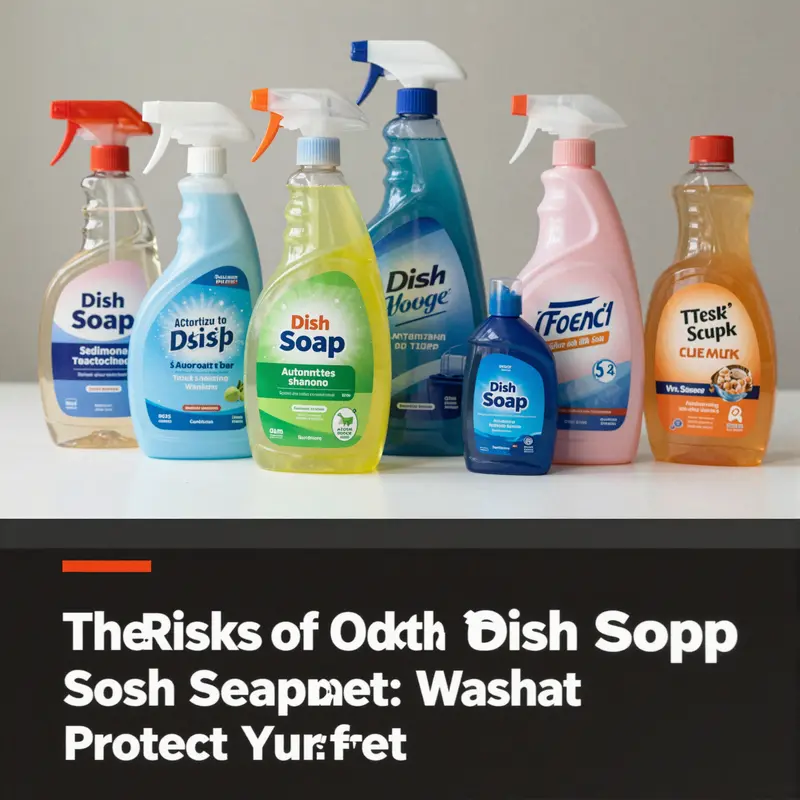
Choosing the right cleaner for your truck matters as much as choosing the right fuel. Dish soap may remove grease quickly, but it does so by stripping protective oils and polymers from paint. Over time this leads to faded color, premature oxidation, and frequent reapplication of wax or sealant. Instead, use cleaning approaches and products formulated to preserve finishes while removing road grime. This chapter explains which alternatives work best, why they work, and how to use them to protect your truck for years.
Start with the principle that governs safe truck washing: maintain the protective layers. Paint, factory clear coat, wax, and modern polymer sealants together create a barrier. This barrier repels contaminants, reduces UV damage, and preserves gloss. Household detergents are designed to remove oils at all costs. Automotive wash products are engineered to clean while leaving protective molecules in place. That difference in design is what protects your truck’s finish.
When choosing a commercial automotive wash, look for three core attributes: neutral pH, surface lubrication, and dilution control. Neutral pH means the formula sits near 7, avoiding acidic or strongly alkaline chemistry. That prevents chemical attack on wax and sealants. Surface lubrication is the ability of the wash to suspend and float dirt. Lubricating washes reduce the chance of swirls and scratches during contact. Dilution control ensures you can mix the product at the right concentration, matching soil levels without wasting product. Concentrated, dilution-based shampoos are often cheaper per wash and let you dial strength up or down for heavy contamination.
Not all vehicle-safe wash products are the same. Some include conditioning additives that help preserve wax and enhance gloss. Others prioritize maximum foam and visual appeal, which helps some people gauge coverage while washing. Still others focus on environmental biodegradability for sensitive sites. Consider your priorities: if you store the truck outdoors in sun and salt, pick a wash that supports sealants. If you wash on a farm or remote location, biodegradable and phosphate-free formulas reduce environmental impact. If you manage a fleet, pick a concentrated product that saves time and reduces waste.
How you wash matters as much as what you use. Adopt a gentle, controlled technique to avoid mechanical damage that no soap can prevent. The two-bucket method is the industry standard for safe cleaning. One bucket holds the wash solution, the other holds clean rinse water for your mitt. Rinse the mitt in the clean bucket before reloading it with shampoo from the wash bucket. This simple step dramatically reduces the number of abrasive particles that contact paint. Use a soft, high-quality wash mitt rather than sponges or brushes. Microfiber or natural lambswool mitts trap grit inside the fibers and release it when rinsed.
A foaming lance or foam cannon attached to a pressure washer adds another layer of protection. Foam clings to surfaces and dissolves grime without scrubbing. Let thick foam dwell for a few minutes to loosen embedded contaminants. Avoid letting foam dry on paint. Rinse thoroughly with low-pressure water, working from the top down.
Hard water plays a large, often-overlooked role in wash outcomes. Minerals in hard water leave spots that look like etching over time. Use filtered or softened water when possible. If you can’t, use a water spot remover or a low-ionic rinse agent designed for automotive use. These products reduce mineral deposits and leave a clearer surface for drying and protection.
Drying completes the process and protects the finish. Air-drying invites water spots and deposits. Use a clean microfiber drying towel or a blower to remove standing water. Pat and drag techniques can both work, but always use a towel that’s galaxy-free and washed in a detergent that won’t add residues or softeners. Residues left by household fabric softeners can smear or reduce the effectiveness of subsequent waxes and sealants.
For heavy contamination such as tar, asphalt, or tree sap, use targeted cleaners formulated for those soils. These products dissolve stubborn residues without attacking clear coat or wax. Pre-treat problem areas while the vehicle is cool and shaded. Let the cleaner penetrate briefly, then remove gently with a microfiber cloth and follow with a full wash using your chosen neutral shampoo. Avoid aggressive solvents that remove wax and accelerate oxidation.
Clay and decontamination chemistry are complementary to the wash step. After washing, clay mitts or clay bars remove bonded contaminants like rail dust, brake dust, and industrial fallout. Use a dedicated clay lubricant during this step. Clay cannot discriminate between grease and protective layers, so it’s important to use one that is safe for painted surfaces. A proper decontamination session leaves the paint slick and ready for protection, not bare or chemically altered.
Maintenance of existing protection pays dividends. Waxes and sealants have finite life spans. Rather than stripping them frequently with harsh cleaners, top up protection with maintenance sprays and quick detailers designed to reinforce sealants between full treatments. These products do not replace a full wax or sealant, but they extend service life and keep gloss high with minimal effort. For heavy-use trucks, plan a maintenance cycle: wash weekly, quick detail monthly, and reapply paste wax or polymer sealant every three to six months depending on exposure.
If you run a fleet or wash trucks commercially, efficiency and repeatability are crucial. Standardize on a wash system that balances cost and protection. Train staff on proper concentration, dilution, and wash technique. Use signage and checklists to ensure the two-bucket method, pre-soaking, and correct drying are followed. Small investments in training reduce long-term paint repair costs. For specialized vehicles such as food-grade tankers, consult cleaning best practices that align with sanitary requirements while preserving exterior finishes. If you handle tar and grease regularly, integrate specialized pre-cleaners into a workflow to avoid resorting to harsh household products.
Environmental stewardship matters when choosing wash chemicals. Many automotive shampoos now claim biodegradable formulas. Biodegradability helps, but it does not eliminate local regulations about runoff and disposal. When washing at home, avoid sending soapy water into storm drains. Use designated wash pads or direct runoff to landscaped areas that can absorb detergents. Commercial facilities often have reclamation systems that capture and treat wash water. If you are responsible for a truck wash site, invest in proper drainage and treatment to comply with local environmental regulations and protect community water quality.
Cost often drives the decision to use household detergents. Yet the apparent savings are deceptive. Repeatedly stripping wax and repainting affected panels costs far more than a quality wash product and a few microfiber towels. Evaluate cost per wash for concentrated automotive shampoos. Many are highly concentrated and can supply dozens of washes per bottle when diluted correctly. Consider long-term value in terms of paint preservation, resale value, and time saved on corrections and paint repairs.
There are niche tools and approaches that enhance results. A snow-foam pre-wash softens grime and reduces the need for physical scrubbing. A pH-neutral wheel cleaner can remove brake dust without damaging clear coats or coatings. Use separate mitts for wheels and body to avoid cross-contamination. When polishing or compounding is necessary, test small areas first. Polishing removes small amounts of clear coat to level defects, so use it sparingly and follow with high-quality protection.
When selecting any product, read labels carefully. Look for words like “pH-neutral,” “safe for wax and sealant,” and “biodegradable.” Avoid terms that emphasize degreasing strength without automotive context. If a technical data sheet is available, check pH range and recommended dilution ratios. Many manufacturers also provide application guides and dilution charts to support proper use.
Finally, a mindset change helps maintain a truck’s finish. Treat washes as preservation, not punishment. Gentle, regular cleaning keeps contaminants from bonding and reduces the need for aggressive chemicals. Invest in protective measures such as paint protection film or ceramic coatings if you want longer intervals between maintenance washes. These products add another barrier against chemicals, UV, salt, and scratches. However, even with advanced coatings, use compatible wash products and techniques to avoid reducing their lifespan.
If you want a deeper dive into field-tested wash workflows for tough soils like grease and tar, see this practical guide on proven cleaning strategies. It covers targeted cleaners, mechanical removal, and safe follow-up steps to preserve paint and coatings: Proven strategies for cleaning grease and tar off your trucks fast.
For those seeking a single external reference to a manufacturer resource mentioned in research, refer to the product information available at: https://www.chemicalguys.com/products/mr-pink-super-suds-car-wash. Use it only to compare dilution and application notes against your chosen, brand-neutral product.
Adopting the right alternatives to dish soap requires small changes. Switch to neutral pH, automotive-formulated shampoos. Use proper dilution. Embrace foam pre-washing and the two-bucket method. Dry with clean microfiber towels. Pre-treat stubborn spots with targeted removers. Maintain wax and sealant life with quick detailers. Train staff and follow environmental rules. Together, these steps protect your truck’s finish and keep it looking its best for far longer than household soaps ever will.
Final thoughts
Using dish soap for washing trucks poses significant risks to vehicle paint and protective coatings. Over time, these adverse effects can lead to costly repairs and decreased vehicle value. Understanding the importance of using pH-balanced automotive cleaning products is essential for maintaining your fleet’s appearance. Transitioning to safer alternatives not only protects your investment but also ensures longevity and aesthetic quality. Prioritizing the right cleaning methods is a decision that reflects on your commitment to asset management.