
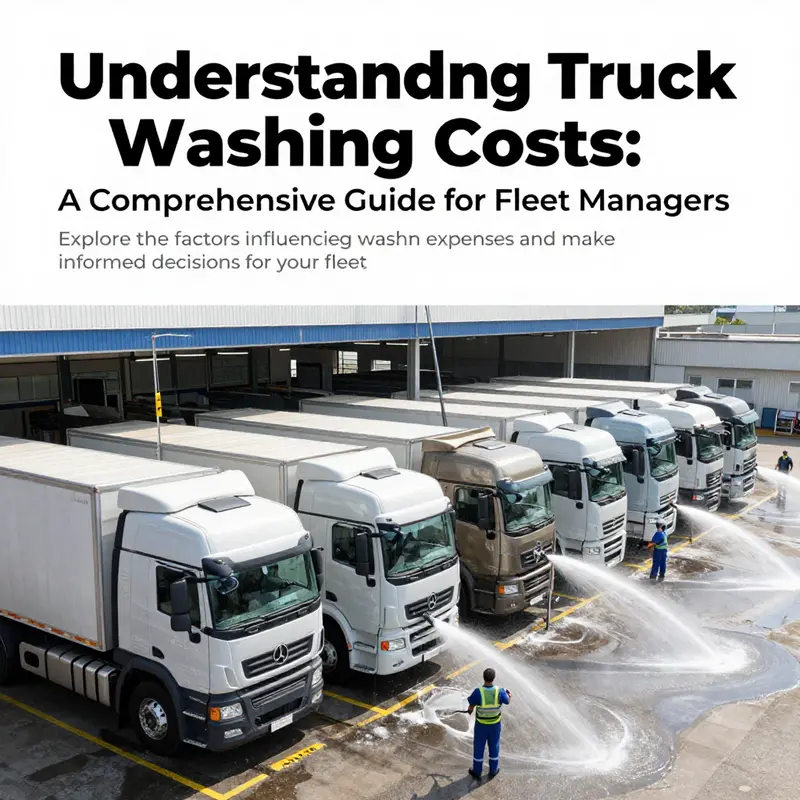
Effective fleet management requires understanding various operational costs, including vehicle upkeep, which features washing as a significant component. Maintaining the cleanliness of trucks not only enhances their appearance but also contributes to prolonged vehicle life and compliance with safety regulations. This article delves into the costs associated with washing different truck types, ranging from light-duty to specialized vehicles. Each chapter provides a detailed analysis of price ranges, breaking down the factors that influence these costs to guide fleet managers and company owners in making informed budgetary decisions.
The True Price of a Clean Ride: A Cost Analysis for Washing Light-Duty Trucks
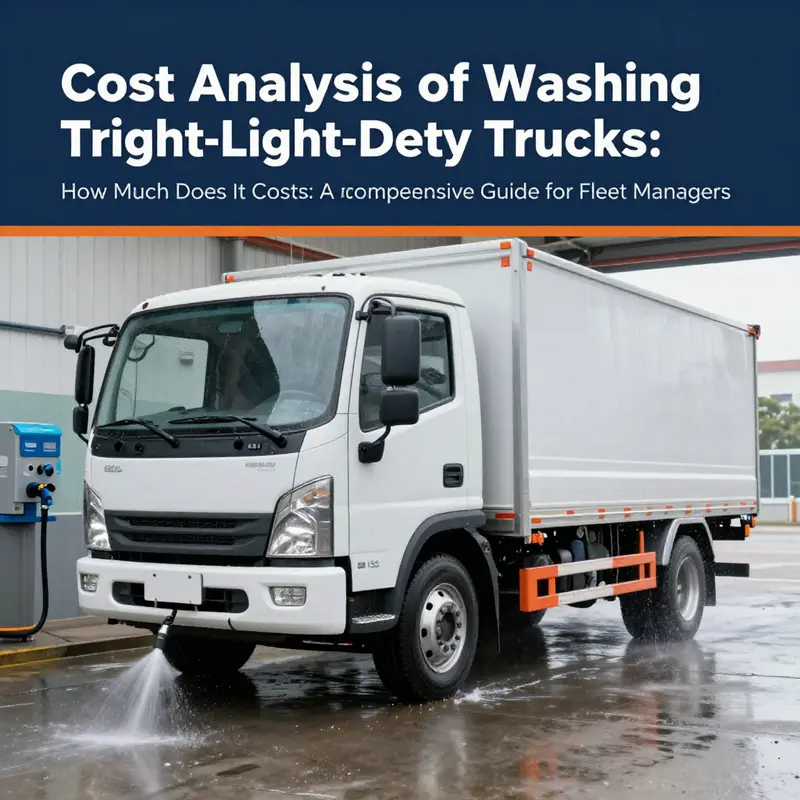
To understand the cost of washing a truck, you must look beyond the sticker price and examine the architecture of pricing in the wash industry: vehicle size, service depth, location, and the method of washing. The numbers bounce around because there are many levers that influence the final bill. For light-duty trucks—the pickups and compact cargo vans that make up most personal and small-business fleets—the ticket is usually smaller than for heavy-duty vehicles, yet it still can surprise you when you add optional extras or switch from a quick rinse to a full interior detail. The base exterior wash—often the first line item on any receipt—tells part of the story. In many markets, a basic exterior wash for a light-duty truck lands in the mid-range of the overall spectrum, typically around $30 to $60. This band captures the simplest, quickest service: a rinse, soap application, and a final rinse to remove surface dirt, with careful attention to avoid splashback on sensitive components. The lower end belongs to self-serve or automated queues where labor is minimal and the machinery handles most of the work. The upper end belongs to full-service bays where technicians are prepared to manage not only the exterior but to pay attention to contours, undercarriage spray, and the removal of stubborn road film. It’s important to recognize that even within this basic tier, the particulars of your truck matter. A larger cab, more protruding bumper, or more aggressive dirt can require extra passes, more water, and longer spray times, nudging the price upward.
But driving costs upward is not just about what the machine does. There are many hidden or overlooked costs that can creep into the bill. The level of grime and debris is a prime example. A pickup hauling mud from a construction site or a spray of salt-laden winter roads will demand more brushing, more scrubbing, and sometimes more drying time. Even within the same service category, a dirty, textured surface will hold onto grime longer than a smooth panel, demanding more product and more labor. In light-duty vehicles, these dynamics can push a straightforward exterior wash from the $30–$60 band toward the $70, $90, or higher marks in busy urban markets or during peak seasons when demand competes for space and staff. It is not uncommon for occasional promotions to lower the effective price, but those promotions usually apply to a clearly defined set of services and a limited time window.
What begins to separate the light-duty wash from the deeper cleaning is the range of add-ons that owners often value for the aesthetics and the durability they imply. If you want your truck to glisten after a wash, you may gravitate toward tire shine or wheel detailing, paint sealants, or waxing. Each add-on is a separate line item that compounds the base price. The math becomes more pronounced when interior cleaning is included—especially for vehicles used in messy environments or for crews who transport cargo or animals. An interior cleaning can transform a simple wash into a more comprehensive service, and with that transformation often comes a step up into the higher end of the pricing spectrum. The detail specialists who handle interiors can vacuum, wipe down dashboards, and refresh fabric or leather surfaces, while sometimes treating stubborn odors. In a comprehensive package for a light-duty truck, you can see final totals that crest around the $120 to $150 mark in many markets when you combine exterior detailing with interior care. In other words, the difference between a standard wash and a premium package can be a matter of a few tens of dollars or a doubling of the ticket depending on the service depth and the quality of products used.
Location plays a decisive role as well. Urban centers, coastal regions, and economically strong municipalities tend to show higher posted prices, and sometimes greater variability within a single shop, than rural areas. The price pressure in city centers comes from higher labor costs, greater demand for on-site facilities, and the cost of water disposal and environmental compliance that facilities must manage. Vendors might also price packages to reflect the convenience of a one-stop, all-inclusive experience for busy fleets that want to minimize downtime. That convenience factor, in turn, trickles into the sticker price, particularly when customers seek predictable, all-inclusive rates or fleet pricing that bundles multiple services.
These pricing dynamics extend beyond the simple exterior wash and into the realm of service type and vehicle class. Light-duty trucks, in the context of professional pricing, are typically treated differently from heavy-duty trucks or large vans. The latter require more time, more water, and often more specialized equipment for safe handling of larger bodies and undercarriages. When you scale up to heavy-duty or larger vehicles, the baseline wash tends to sit higher—think in the realm of roughly $30–$50 for a basic wash, with premium offerings for deep cleans pushing well beyond that range. The more comprehensive the service, the more pronounced the cost differences become. This is the moment where customers begin to differentiate between practical, everyday maintenance and the more luxurious maintenance experiences that some fleet operators value for the long-term health of their assets.
Yet even within the light-duty sphere, there is a surprising breadth of pricing strategy across providers. Some organizations offer a tiered menu with clearly defined inclusions for the base level, a mid-level that adds interior wipe-downs and windows, and a top tier that includes engine-bay detailing or scuff removal and protective applications. Other outfits price by time and materials, particularly those that pride themselves on meticulous attention to detail and the use of premium products. It is not unusual to see price friction around the margins, where a customer who wants a wash that is just enough to look good may pay substantially less than a customer who requests the whole works including protective coatings. In markets with strong competition, some shops attempt to entice regular customers with discounted bundles or loyalty cards. Bulk packages for fleets, where several trucks receive routine cleans on a fixed cadence, are a practical way to manage and predict expenses for businesses that run on tight margins.
To understand what these numbers actually mean in practice, it helps to consider a few concrete scenarios. Imagine a small fleet driver who uses a compact service truck for daily tasks and returns home each night. A basic exterior wash in a suburban shop might fit neatly into the $30–$60 bracket, especially if the truck is not heavily soiled and the weather has been kind. If that same driver adds a wipe-down of the interior and a light protective spray, the total might tip into the $70–$100 zone. If the driver seeks more involved work—interior detailing, glass treatment, and a quick engine-bay spruce—the final price could land in the $120–$150 range as the market data suggests. On the other hand, a larger light-duty truck, like a crew-cab work truck with a higher front profile and more body surface area, may come in closer to the mid-point of the charge range even for the basic level, simply because more surface area requires more water and time. The difference between a larger light-duty vehicle and a smaller one is often less about luxury preference and more about the physics of holding up to the water and the friction of scrubbing a bigger canvas.
Why should a reader care about these distinctions? Because the numbers tell a story about the value proposition of keeping a vehicle roughly clean and well-maintained versus chasing a pristine showroom finish. Many owners think of washing as a routine maintenance task, and it is, in many cases, the first curtain call of a vehicle’s aesthetic and protective life cycle. A clean truck is less likely to accumulate road grime that can damage paint or accelerate corrosion, and it leaves a better impression in customer-facing settings, which can matter for a fleet that meets clients or prospects at job sites. The water used in modern washes is often recycled, the runoff is managed, and many operators are mindful of environmental standards that govern how long trucks stay in the bay and how effluent is treated. Those considerations ripple into the price structure, sometimes in the form of higher safety standards or stricter odor and vapor controls, but they also reflect ongoing investments in equipment and training that help capture better results with less waste.
The numbers are not only a function of the vehicle but also of the method and the business model behind the shop. Self-service bays present a dramatically lower ticket, in the neighborhood of roughly $10–$20, whereas automated or full-service professional washes command higher prices due to labor intensity, equipment maintenance, and the physical footprint of the operation. The self-service option is practical for the owner who wants to take charge of grime with minimal attention to detail and with control over the water volume and soap strength. This is often chosen by individuals who want to tackle a quick maintenance chore and do not require a pristine finish. In contrast, the automated and full-service routes prioritize convenience and speed, delivering consistent results at the cost of a higher price tag.
From a consumer perspective, the best approach to forecasting costs is to be clear about the desired outcome. If the aim is simply to remove dirt and prevent surface degradation, a basic exterior wash will usually suffice and will keep expenses reasonable. If the goal is to boost curb appeal for a truck that plays a role in sales or client interactions, a premium wash with possible interior cleaning becomes a valuable investment. The decision often hinges on how long you intend to keep the vehicle in service and what your brand impression matters most. Fleet managers may weigh the cost against downtime, as a clean truck can reduce delays at job sites and can potentially extend the life of the finish by removing corrosive road salts and chemical residues sooner rather than later.
It is also worth acknowledging the role of regional economics and competition in shaping price. Some markets are more price-sensitive than others, with shops seeking to attract regular business by offering bundled services or loyalty discounts. Others position themselves as premium providers, inviting customers to pay for a higher level of service and a more polished finish. The result is a spectrum that spans the $10–$20 self-serve tier, the $30–$60 basic exterior for light-duty trucks, the $70–$100 interior add-ons, and the $120–$150 bracket for a comprehensive upgrade on a light-duty vehicle. The spectrum is not only about the surface of the paint but about the ownership philosophy behind the vehicle. A business that prioritizes fleet image, durability, and risk mitigation may justify higher upfront costs for a more thorough clean, particularly if the job reduces repair costs or extends the life of the finish.
Finally, we weave a practical thread: what does the 2024 landscape look like? Current market data suggests that the core anatomy of prices remains stable yet nuanced. The baseline for light-duty exterior washing sits in the lower to mid portion of the spectrum, with $30–$60 as a common reference in many markets. The upper end—that which blends exterior care with interior work and protective treatments—arrives most readily in the $120–$150 range for a standard light-duty truck. The exact quote, of course, hinges on the truck’s size, condition, desired outcomes, and the shop’s pricing philosophy. A notable takeaway from the broader industry references is that while the sticker price is informative, the final figure often includes optional services, regional surcharges, or promotional bundles that can tilt the cost by a considerable margin. For readers who want a broader, data-driven view of 2024 prices and the factors driving them, an authoritative price list and factor analysis are available through external resources. When you plan your next wash, the best practice is to call ahead with a clear list of your expectations and to confirm which options are included in the quoted price. This helps ensure that you are comparing apples to apples across shops.
In closing the loop between numbers and practice, consider the role of ongoing education and standards. The repair and maintenance ecosystem surrounding truck washing emphasizes not only the immediate task of removing grime but also the long-term implications for vehicle health, environmental stewardship, and cost containment. The chapter above has shown how demand, vehicle typology, and service depth combine to shape what you pay, and it highlights how emerging practices in water recycling, chemical use, and labor efficiency continue to exert downward or upward pressure on price depending on how you value speed, steadiness, and outcomes. The industry continues to evolve not just through advances in cleaning technology but also through the organizational maturity of fleets—how they standardize service expectations, how they negotiate pricing, and how they plan for the lifecycle costs of keeping vehicles in good condition.
Turning back to the real world, the practical question often reduces to a simple calculus: if you know what you want to achieve, you can estimate the likely price range with moderate confidence, then adjust for local quirks. A basic exterior wash for a light-duty truck—common for many home and small-business owners—will typically land in the $30 to $60 range, while an enhanced package with interior work and protective treatment can approach or exceed $150 on the same class of vehicle, depending on the market. The variance underscores the value of shopping around, asking for itemized quotes, and considering whether a higher upfront cost might yield longer-term benefits in the form of increased resale value, better paint integrity, or easier maintenance down the road.
If you’re reading with an eye toward budget planning for a fleet, the conversation shifts again. Fleet pricing often hinges on consistency and predictability, not necessarily the lowest possible per-vehicle price. Many operators opt for negotiated packages that cover routine washes at set frequencies, with varying levels of service on different truck classes depending on usage and exposure. This approach shifts discussions away from single-visit sticker prices and toward annualized costs per vehicle, enabling a more accurate projection of maintenance budgets. It also invites structured decision-making around when to upgrade to a deeper clean or when to switch to a different service cadence in response to changing operating conditions, such as seasonal salt application or shifting weather patterns that increase soil and grime loads.
For readers who want to deepen their understanding of the pricing ecosystem and how it intersects with fleet management, the following thought helps: pricing in truck washing is not a static number but a negotiated, context-rich value proposition. It reflects the cost of labor, the expenses of water treatment and disposal, the price of specialized detergents and waxes, and the capital costs of the equipment that makes the wash possible. It also mirrors the value a shop places on customer retention and the efficiency gains that come from repeat business. The right shop for your needs is not always the cheapest; rather, it is the one that consistently meets your expectations for cleanliness, speed, reliability, and the quality of the finish, while maintaining a transparent pricing structure.
In sum, the light-duty truck market offers a wide and comprehensible range of prices that can be navigated with a clear aim in mind. A straightforward exterior wash can be as affordable as $30, and a comprehensive treatment for a light-duty vehicle can move into the $150 neighborhood. The difference is driven by the depth of service, the size of the vehicle, the location, and the business model of the provider. As you plan your next wash, the wisdom lies in defining the precise outcome you want and then seeking a clear, itemized quote that matches that outcome. This approach minimizes price surprises and helps you understand the true return on investment of a clean, well-maintained truck.
External reference: https://www.autocare.org/truck-wash-costs-2024
This content should be accompanied by a single, focused internal reference to industry standards on compliance and emissions regulations, as noted earlier in the piece: truck wash industry compliance and emissions regulations.
null
null
null

null
Cost of Care on the Road: The Real Price of Washing a Truck
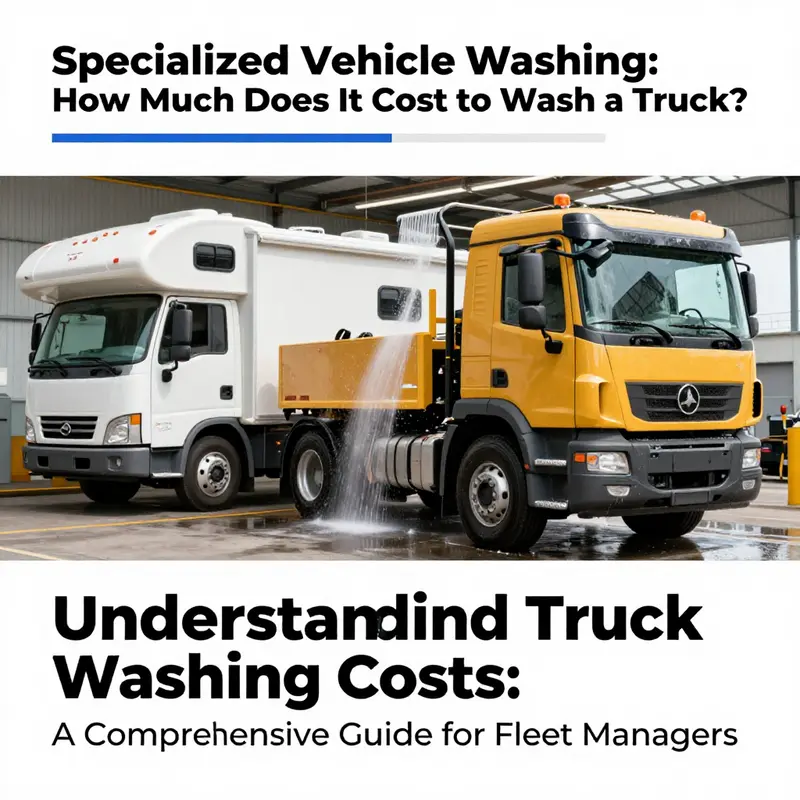
Washing a truck is more than a simple price tag attached to a spray of water and soap. It’s a decision that blends practical needs with the realities of vehicle size, service expectations, and the daily economics of keeping a fleet and individual workhorses clean. When you pull up to a wash bay, the numbers that later appear on the ticket aren’t just about aesthetics. They reflect the weight of the truck on the scales of labor, equipment, water use, time, and even regional market dynamics. The cost to wash a truck, in other words, is a spectrum that stretches from a quick exterior rinse to a meticulous, interior-focused detailing that could rival the price of a midrange maintenance service. To understand that spectrum, it helps to look at the factors that consistently shape the final bill and how they interact in practice for light-duty trucks, heavy-duty fleet vehicles, and everything in between.
First, size matters in a very literal sense. Light-duty trucks and small vans, typically weighing around five thousand to six thousand pounds, are the easiest to handle in most standard wash facilities. A basic exterior wash for these smaller vehicles commonly falls in a practical range of roughly $20 to $40 USD. This usually covers an exterior rinse and a basic soap application, and sometimes a quick dry finish. The price reflects the shorter wash cycle and the lower water and labor requirements. Move up a notch to heavy-duty trucks and larger commercial vans, and the calculus shifts. Larger vehicles demand more time, more water, and more attention to detail—especially if the cab and frame are exposed to harsher road conditions or industrial debris. In many markets, a basic exterior wash for these bigger machines tends to range from $30 to $50 USD. The bump in price corresponds to the greater surface area to clean and the extra manpower or automated cycles required to reach tight spots around wheel wells, running boards, and the undercarriage.
But most users don’t stop at a basic exterior rinse. The next tier—premium or deep-clean services—adds interior cleaning, more aggressive wheel and brake-assembly attention, and sometimes protective finishing steps. For a large truck, the premium or deep-clean option can stretch from $80 to $200 USD or more. The upper end reflects the enhanced labor intensity and specialized processes, such as heavy-duty vacuuming, stain treatment, clerical wipe-downs of dashboards, and, in some cases, waxing or sealing to protect paint and chrome against industrial grime or driving through harsh climates. These services are not merely about vanity; they are about extending the life and usability of the truck’s surfaces and interior components, reducing long-term maintenance costs by preventing corrosion, wear, and interior damage that could escalate if left untreated.
Specialized vehicles—RVs, motorhomes, and heavy construction equipment—represent the outer edge of cost variability. For these, deep cleans or full detailing can begin at around $100 USD and easily exceed $500 USD for a complete, professional detailing job. The range here mirrors the sheer scale of the vehicles and the complexity of cleaning every nook, seam, and crevice. The exterior and interior work on a large motorhome or a piece of heavy equipment is a different beast entirely, often requiring extraction tools, specialized solvents, and more extensive mechanical access. The market recognizes this by pricing these jobs with a premium that parallels the unique demands of the equipment.
Beyond the sticker price on the ticket, there are several commonly encountered washing formats, each with its own pricing logic. Automated truck wash systems, whether tunnel-style or brush-based, promise speed and consistency across a fleet. They are engineered to handle big volumes with sensors and multiple cleaning stages, which makes them appealing for fleets that need to clean dozens or hundreds of trucks on a tight schedule. The upfront investment for such systems—both purchase and installation—tends to be substantial. In many cases, the per-truck cost of a wash in a fleet setting is competitive, but the price paid by an individual, single-truck operator can vary widely depending on the local market and the terms of a service contract. It’s common for the per-wash price to be higher than a typical passenger car wash, because the vehicle’s size and the cleaning requirements are more demanding. A conventional car wash in the United States often averages between $10 and $20 per exterior wash, but trucks routinely command higher rates due to the scale and complexity involved. In practical terms, fleet managers might negotiate volume discounts or maintenance packages to keep per-unit costs predictable over time, while a lone owner-operator may see a higher per-wash premium for occasional services.
Manual or self-service options offer another dimension of cost, especially for operators who want flexibility or lower upfront costs. In many markets, self-serve bays with high-pressure sprayers and foam applicators charge between $5 and $10 per session. These costs typically cover exterior cleaning alone and usually exclude interior detailing, waxing, or more thorough wheel care. For some operators, self-service is a convenient way to perform regular touch-ups without committing to full-service detailing or an ongoing maintenance contract. The lower price point does, however, come with trade-offs in time, effort, and the completeness of the cleaning.
For those who require a more comprehensive treatment—the kind that ensures a long-term return on investment for fleet appearance and asset protection—full-service detailing for large trucks is an option that sits on the higher end of the spectrum. These details can include interior vacuuming, carpet and upholstery treatment, dashboard and console cleaning, exterior waxing, chrome polishing, wheel and tire scrubbing, and treatment for door jambs and undercarriage components. Depending on the vehicle’s size, condition, and the particular package, prices can easily push beyond $100 USD and approach or exceed $200 USD in many regions. The more intricate the job, the more the service will lean on experienced technicians, specialized products, and extended labor time.
Location and regional market factors also play a critical role. Urban centers and regions with higher costs of living or stricter environmental regulations tend to push wash prices upward. Water usage, disposal requirements, and emissions considerations can add modest or meaningful costs to the operation, and those costs are often passed on to customers either directly as line-item charges or indirectly through higher base prices. Conversely, rural or cost-competitive regions may offer lower price points, but the trade-off can be in shorter hours of operation, longer wait times, or less comprehensive services. In many markets, fleet operators negotiate ongoing services that balance price with reliability, scheduling, and the speed of throughput—factors that matter when a truck must be back on the road within a tight window.
The type of washing system used in a given facility also shapes the cost landscape. Automated systems can drive down long-term labor costs, especially for fleets that require consistent throughput and predictable results. Yet, because these systems rely on large equipment and ongoing maintenance, the per-wash price can reflect both the efficiency gains and the depreciation of the investment. Manual or semi-automated operations—whether full-service bays or self-serve stations—tend to align more closely with local labor costs and the price of specialized cleaning products. The decision for a truck owner or fleet manager often balances speed, consistency, and the level of cleanliness required against the total operating cost per mile or per month.
Another practical lens is to think about the cost in terms of the vehicle’s lifecycle and its working environment. A truck that operates in an urban area with heavy traffic, frequent stop-and-go cycles, and exposure to road salt or industrial dust may benefit more from regular, deeper cleanings. Regular maintenance washes can prevent the buildup of corrosive materials, protect paint finishes, and extend the life of chrome and rubber components. In some cases, businesses view washing not as a cosmetic expense but as a preventive maintenance measure that reduces long-term repair costs. From this perspective, even a premium detailing is an investment that pays off through lower corrosion risk, better resale value, and a more professional fleet appearance that can influence customer perception and driver morale.
Price is only one reason a fleet or individual might choose one washing approach over another. Convenience, reliability, and the ability to tailor services to a truck’s condition and route are equally important. Many operators appreciate the option of a maintenance plan that bundles regular washes with interior care, waxing, and wheel detailing, creating a predictable monthly expense rather than an unpredictable per-wash bill. In some cases, a fleet manager might opt for an automated system for routine cleans while reserving mobile or on-site detailing for after heavy loading or post-storm scenarios. The goal is to align cleanliness with uptime and operational efficiency, not merely to satisfy a cosmetic standard.
For readers who want to explore how facility considerations influence costs, there is a broader discussion on facility management for truck wash businesses that delves into scheduling, capacity planning, and quality control. This resource helps illuminate how operators decide which wash formats to deploy and how to price services in ways that balance throughput with performance. You can learn more about these considerations at the following internal resource: Facility Management for Truck Wash Businesses. The guidance there emphasizes the importance of aligning service offerings with fleet needs, environmental compliance, and the realities of maintenance cycles, which all feed back into pricing decisions.
Of course, every quote should be treated as a starting point rather than a final figure. The precise price a customer sees depends on the vehicle’s specific size and condition, the chosen service level, and any add-ons such as wax, sealant, headlight restoration, or tire dressing. If a truck has a stubborn stain in a cabin or a stubborn brake-dust buildup in wheels, a service may require additional time or a specialized product. Likewise, if the truck passes through a location with rainy or muddy conditions, a wash that includes more thorough undercarriage cleaning or protective treatments may be warranted. In all these cases, the best practice is to request a detailed, itemized quote that names each service and the associated charge. This approach helps prevent surprises when the job is completed and ensures that the operator’s expectations align with the actual work performed.
Beyond the mechanics of pricing, customers should also consider value. A higher up-front price may translate into a shorter wait time, more thorough cleaning, or a longer-lasting finish. A lower price might appeal in the moment, but if it results in repeated visits for touch-ups or neglect of essential areas—like wheel wells or undercarriage—the total cost over a season can be higher. As with any service that blends labor, materials, and specialized machinery, the true cost of washing a truck is a function of both the immediate ticket and the longer-term outcomes. For fleet operators, those outcomes often include greater uptime, enhanced safety perception, and the maintenance of asset value over the vehicle’s useful life.
If you’re contemplating whether to invest in automated capacity or lean into manual service options, it helps to map out your typical wash frequency, vehicle mix, and the time costs you incur when a truck is out of service. The math isn’t always straightforward, but it becomes clearer when you consider not only the per-wash price but also the workforce efficiency, fuel savings from shorter downtime, and the potential resale premium of a well-maintained asset. In communities where environmental rules shape operating costs, factor in disposal and water treatment requirements as well. When these elements are weighed together, the resulting decision about how to wash a truck becomes a strategic choice about reliability, asset longevity, and the ability to keep moving—literally and financially.
For readers who want to dig deeper into the practicalities of fleet upkeep and the economics of maintenance, the broader literature on truck wash operations offers useful context about pricing structures, service mix, and efficiency improvements. The most helpful takeaway is that cost clarity comes from an honest assessment of needs, not from chasing the lowest price alone. A well-chosen wash program aligns with the truck’s operating life, the driver’s schedule, and the fleet’s long-term cost of ownership. In practice, that means a careful comparison of the available options, a focus on the services that deliver durable value, and a willingness to invest in a system that supports uptime and professional standards while staying within budget.
External Resource: For a broader overview of car wash pricing and a field-tested perspective on how professional car washes price services, see this external resource to complement the truck-specific considerations: How much does a professional car wash cost?.
Final thoughts
Understanding the costs associated with washing various types of trucks equips fleet managers and business owners with the knowledge needed for effective budget planning. From light-duty pickups to specialized vehicles, recognizing the factors influencing pricing allows for smarter financial decisions and better fleet maintenance strategies. Regular washing not only keeps vehicles looking professional but also extends their lifespan, making it a worthwhile investment for any logistics or trucking operation.