
Understanding the financial implications of truck washing and waxing is crucial for logistics and freight company fleet managers, trucking company owners and operators, as well as construction and mining fleet supervisors. This guide explores the varying costs associated with these essential services, examines the different influencing factors, and provides actionable insights on service options. In the chapters that follow, we will analyze cost factors that impact pricing, conduct a comparative analysis of prices across various locations, discuss available service options including basic and advanced detailing, and break down package pricing for comprehensive services. By the end, you’ll have a clearer understanding of how to allocate your budget effectively for truck maintenance and appearance enhancement.
What Drives the Price: Understanding the True Cost to Wash and Wax Your Truck
What Drives the Price: Understanding the True Cost to Wash and Wax Your Truck
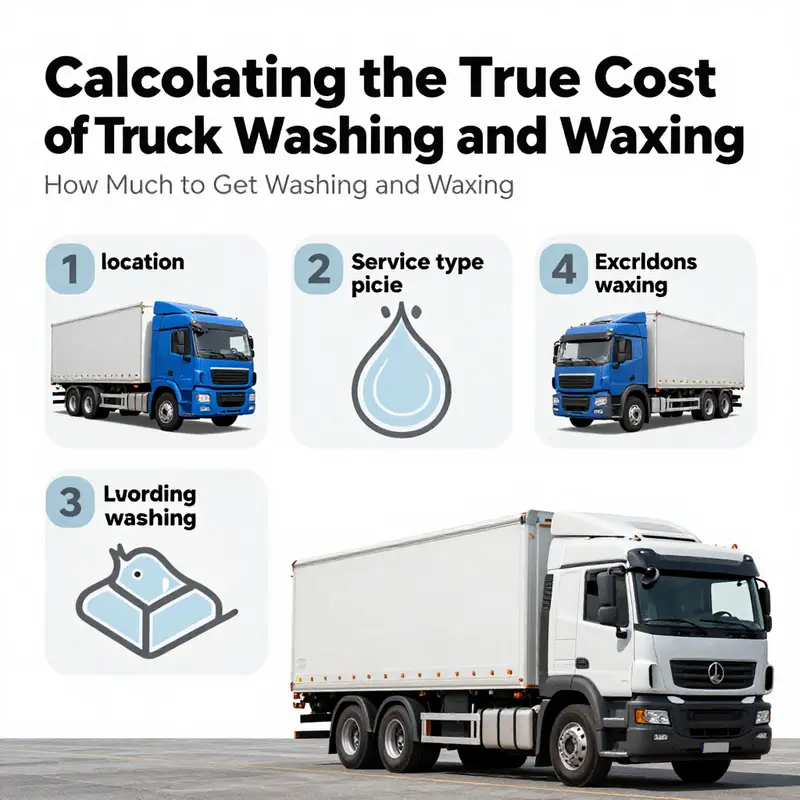
Deciding how much to spend on washing and waxing a truck starts with understanding the many variables that influence price. The headline figures—$30 for a quick exterior wash or $300-plus for a full-service detailing—are only the visible part of a larger picture. Underneath those numbers are choices about service type, vehicle size and condition, region, and long-term priorities like paint protection and maintenance budgets. Framing the cost around these factors helps you make smarter decisions and avoid surprises.
First, consider the type of service you want. A basic exterior wash is the most affordable option. It removes surface dirt, rinses away road grime, and typically includes wheel cleaning and drying. Price ranges often fall between $30 and $70 for trucks, but that depends on size. A compact pickup will sit at the lower end; a crew cab or long-bed truck will edge higher because of the extra square footage involved. Basic washes are fast and effective for routine upkeep, but they do not address embedded contamination or provide long-lasting paint protection.
A full-service clean moves beyond the basics and represents the mid-to-high price tiers. These packages commonly include interior vacuuming, window cleaning, trim dressing, and a professional wax application. The wax stage adds both gloss and a protective layer against UV rays, road salts, and light contaminants. For larger trucks or those requiring more intensive interior work, full-service jobs can push into the $150 to $400 range. The upper end reflects more labor, premium materials, and the time needed to reach into nooks like under-seat crevices and bed rails.
When a truck arrives heavily soiled—coated in mud, covered in salt, or carrying grease and tar—the service provider must allocate more time, stronger chemicals, and sometimes extra equipment. That increases cost. Heavy contamination often necessitates pre-wash treatments, agitation with brushes, and repeated rinses before a wax can be safely applied. If paint correction or spot restoration is required because of oxidation or swirl marks, labor and materials add up quickly. In extreme cases, professional paint correction or a ceramic coating will be recommended; those are specialized services with prices well above a standard wax.
Vehicle size matters more than most owners realize. A small pickup can be treated somewhat like a large car for price estimation. But extended cabs, long beds, dual-rear-wheel setups, and commercial trucks add surface area and complexity. Extra panels, taller profiles, and roof access increase time and risk. Detailers factor that into quotes. Heavy-duty commercial trucks such as semis or trailers often attract distinct pricing tiers because the equipment, water handling, and waste management requirements differ from consumer vehicles. It is not uncommon for commercial wash services to price such jobs over $300 depending on scope.
Location and local market conditions shape costs, too. Urban areas with higher labor and rental rates generally charge more than rural markets. Regions that experience severe winters may also price washes higher during and after the season because trucks require more frequent cleaning to remove corrosive road salts. Mobile services can be convenient but often include travel fees, especially for remote pickups or jobs outside normal service zones. If you choose a mobile detailer, ask whether their rate includes travel time and whether there are minimum charges for on-site work.
Service type introduces another layer of variation. Automated gantry or conveyor systems provide fast, repeatable washes and are well-suited to busy fleet operations. The capital investment for industrial systems is high, which influences the pricing structure and makes these systems more practical for businesses than individual owners. Manual detailing by a trained technician offers more control and customization. Manual waxing, for instance, allows the technician to choose the appropriate product and application method for your truck’s paint condition, resulting in better protection and finish. That expertise costs more, but it can extend the life of the paint and reduce future maintenance expenses.
Waxing itself is not a single uniform service. There are differences in product and technique. Traditional paste or liquid waxes offer a glossy finish for a limited period. Synthetic sealants last longer and resist environmental contaminants better. Ceramic coatings represent a more durable, hydrophobic layer that can command premium pricing and sometimes replace regular waxing routines. A single wax application by a professional will increase the bill modestly, while a multi-step paint protection package including machine polishing and ceramic treatment will drive the price up substantially.
For fleet managers, cost calculations must include operational efficiencies. Investing in an automated wash bay might have a steep upfront cost, but it can lower per-vehicle expenses through reduced labor and water use. Automated systems also decrease turnaround time, which matters for fleets trying to keep vehicles on the road. Conversely, outsourcing fleet washes to a commercial provider can be simpler operationally but may cost more per wash. Many fleets negotiate contracts or volume discounts to control costs. If managing a fleet, evaluate whether the capital expenditure of an in-house system will pay back through lower unit costs and improved vehicle longevity.
Individual truck owners should weigh convenience and return on investment. Regular professional washing and waxing protect paint and can preserve resale value. If you maintain a vehicle for many years, a modest investment every few months on quality washes and waxes may save money by avoiding more costly paint repairs. On the other hand, owners who drive in low-risk environments may find that a solid at-home wash plus occasional professional waxing strikes the best balance between cost and care.
Another often-overlooked element is environmental and regulatory compliance. Commercial detailers and truck wash facilities must manage wastewater and chemical runoff responsibly. Facilities that treat and recycle water, or that follow strict pump-and-disposal rules, may charge more to cover those compliance costs. That fee supports environmentally responsible operations and reduces legal risk for both the service provider and their customers.
Timing and scheduling can also affect price. Peak seasons or busy weekends may carry higher rates or require appointments. Some shops offer off-peak discounts or subscription plans with regular visits baked into a lower per-wash cost. Subscription models are especially appealing for owners who want consistent protection without negotiating price each time.
When comparing quotes, ask providers for a clear breakdown. A transparent invoice should spell out the services included: pre-wash, wheel cleaning, tar removal, decontamination, waxing, interior cleaning, and any extra fees such as travel or heavy-soil charges. Understanding what is bundled prevents double-payment for services or disappointment when results don’t meet expectations. It also empowers you to choose ala carte options if you want to control spending.
Finally, consider long-term value rather than just the lowest upfront price. A cheaper wash that leaves contaminants on the paint can accelerate deterioration and require costly corrective work later. Conversely, a professional wax applied correctly can stave off UV damage and corrosion, protecting your investment. For many owners, spending a bit more on quality now reduces total ownership costs over time.
For practical planning, expect a basic wash and wax for a truck to fall between $50 and $80 in most markets. For more comprehensive services that include interior work or paint correction, budgets in the $150 to $400 range are realistic. Commercial or heavy-duty trucks can exceed these amounts depending on size and soil level. If you manage multiple vehicles, explore contract options or automated solutions to optimize costs.
For advice on tackling stubborn contaminants like grease and tar before or instead of a full detailing service, check the detailed guide on proven techniques for fast cleaning. For a deeper dive into service options and pricing mechanics across systems, see this external pricing guide: https://www.example.com/pressure-washer-pricing-guide
Shine by Region: Unpacking What It Really Costs to Wash and Wax a Truck Across Locations
Pricing a truck wash and wax is rarely a single number you can memorize and apply everywhere. It is a moving target shaped by geography, the exact service mix you select, and the physical dimensions of the vehicle you’re protecting. When you start to map out what you should pay, you quickly see the same rule hold true across continents and countrysides: the more complex the service and the more expensive the operating environment, the higher the final bill tends to land. Yet even within those broad boundaries, the numbers tell a nuanced story about value, effort, and the distinct needs of hauling fleets, owner-operators, or weekend-warriors who want their truck to look as good as it performs on the road. This chapter explores that landscape in a way that helps you translate price into value, whether you’re tucked into a dense urban corridor or parked in a rural outpost, whether you opt for a quick exterior refresh or a full detailing that touches every nook and crevice of the chassis and cab.
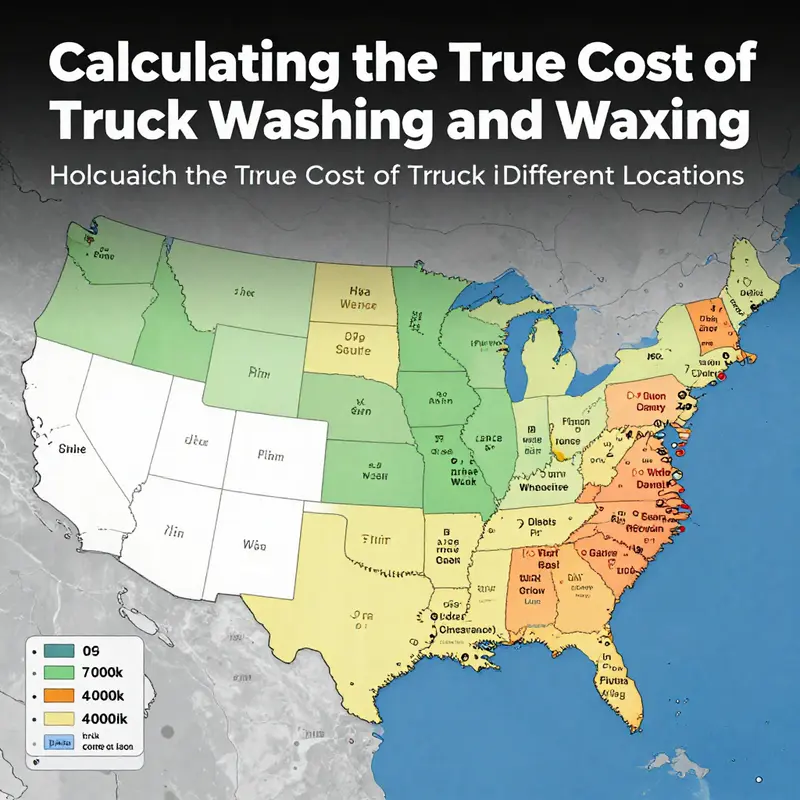
To begin, the most obvious divider in price is location. Major metropolitan areas typically host higher price tags, and not just because the workers command higher wages. The cost of doing business in big cities—rents, utilities, insurance, and compliance costs—softly inflates every service a detail shop offers. When you request a basic wash and wax in a city such as a major coastal metropolis, you should expect something in the range of roughly one hundred to three hundred dollars or more. Those figures capture the simplest exterior cleaning, a wax layer that enhances shine and provides a degree of paint protection, and a dependable drying and wheel cleaning routine. It is not unusual for add-ons—like faster turnaround, weekend appointments, or premium wax formulas—to nudge the total higher still. The differences become even starker if you are chasing a premium detail package that promises interior cleaning, heavy paint correction, or high-end wax applications, especially in urban neighborhoods where the detailing ecosystem has developed sophisticated capabilities to meet the demands of fleets and luxury truck enthusiasts alike. In such markets, the line between a routine wash and a full, showroom-worthy finish can stretch toward three hundred dollars or more.
In contrast, smaller cities and rural towns often present a different pricing rhythm. In those less congested settings, competition remains healthy, but the overheads are lower, and the range for a standard exterior wash and wax tends to sit between fifty and one hundred fifty dollars. The smaller price tag does not imply a lesser result; rather, it reflects a market where labor costs, real estate, and utility bills do not scale as aggressively as they do in dense metro areas. A self-serve option, which lets you do a portion of the work yourself, carries its own appeal and can be drastically cheaper—think around thirty to seventy dollars for a basic exterior wash and a quick wax. For fleets or drivers who want to balance cost with convenience, mobile detailing services have emerged as a popular middle ground. They bring the showroom finish to your parking lot or job site, which saves time and travel, and those services commonly fall in a range from eighty to two hundred fifty dollars, depending on the truck’s size, the scope of work, and whether the crew brings extra equipment to reach areas that are often overlooked in a shop setting.
The size of the truck itself is a critical, sometimes overlooked, driver of price. A large crew cab with a long bed, heavy-duty duals, or an oversized exterior surface area requires more wash time, more wax product, and sometimes stronger protection coatings to withstand the harsher conditions that larger haulers face. A longer vehicle also means more attention to wheel wells, undercarriage areas, and roof surfaces that might trap road grime in ways a standard pickup does not. When the service profile expands—from a quick exterior wash to interior detailing, engine bay cleaning, or a multi-step polishing process—the incremental cost rises in a way that mirrors the job’s increasing complexity. The market, in turn, reflects these realities in once again broader price bands for larger trucks, with the potential for premium charges in cities or shops that specialize in fleet work and high-end detailing. The same logic applies to applications such as ceramic coating or paint correction; the price can escalate quickly when technicians invest significant labor hours and specialized materials to restore, refresh, or protect a finish that endures through hard use and frequent exposure to the elements.
Beyond the base service type and vehicle size, the method of service adds another layer of price distinction. Self-serve options, often available in more rural or suburban areas, tend to be the most affordable pathway: you get a place to wash your own vehicle with access to water, soap, and basic rinse stations, and perhaps a modest wax or paint sealant add-on. These options are ideal for owners who want to steward costs while still achieving a cleaner surface and a modest level of protection. The typical price spectrum for a standard exterior wash plus a light wax in such settings tends to be well under a hundred dollars, with variability tied more to the local fee structure and the extent of the wax protection than to the actual cleaning time. In contrast, professional full-service shops, mobile detail providers, and fleet-focused facilities price their offerings according to a more formalized value proposition. They account for labor intensity, the quality of materials used, the equipment footprint, and the convenience factor. A basic exterior wash and wax at these shops may fall in the one-hundred-dollar to three-hundred-dollar range, while premium detailing packages can push beyond the four-hundred-dollar mark, especially when the service includes interior refreshment, engine bay detailing, or long-term protective coatings.
Seasonality also nudges price in noticeable ways. When roads are coated with salt in winter or when road trippers hit the highway in late spring and summer, demand for cleaning and protection rises. Shops often respond with pricing adjustments that reflect the surge in bookings, the wear and tear on vehicles, and the value customers place on maintaining a pristine appearance during peak travel periods. In some markets, you may see a modest uptick in price during these high-demand windows, paired with incentives such as bundled services or loyalty discounts. For fleets, the variable is even more pronounced; the demand curve is shaped not just by the calendar but by route patterns, maintenance cycles, and the pressure to keep fleets looking professional for customer-facing operations. The practical upshot is simple: if you book during a lull—off-peak months or midweek time slots—you stand a better chance of snagging favorable pricing or more flexible scheduling, whereas peak seasons can test your tolerance for both price and wait times.
A broader regional lens helps place these numbers in context. The same set of services can be priced differently in neighboring regions due to differences in local economic factors, labor markets, and the readiness of the detailing ecosystem to meet high-precision standards. In many parts of the world, industry guides and price calculators emphasize that the most accurate pricing comes from a local quote, because even nearby towns can exhibit meaningful divergence once you factor in the exact service level, the truck’s dimensions, and the specific materials used in the wax or sealant. It is worth noting that global industry observers often cite the same patterns: price bands widen with service depth and vehicle size; smaller markets tend to offer more affordable baseline options; and additional layers of detailing, such as paint correction or ceramic coatings, can dramatically lift the total price, particularly in urban hubs with discerning customers or fleets that demand top-tier finishes.
For anyone seeking to navigate this landscape with clarity, a pragmatic approach is to compare apples to apples. Start by solidifying the scope: are you after a standard exterior wash, a complete wash and wax, or something more intensive like interior cleaning or paint protection? Then align the service setting with your needs: a self-serve bay may be enough if your goal is to maintain a clean exterior between longer services, while a mobile detail that comes to your location can save time and provide convenience, albeit at a premium. Finally, factor in your truck’s size and the environmental realities of your locale. If you’re a fleet manager juggling dozens of trucks, you’ll likely encounter tiered pricing, volume discounts, and fleet programs that optimize both cost and consistency. If you’re a private owner with a single vehicle, the gap between a reliable exterior wash and a more ambitious detailing package might feel more like an investment in appearance and protection rather than a routine maintenance expense.
To deepen the practical value of these observations, consider the advice that many long-standing detailing professionals share about selecting a provider. Look for transparency in pricing, clear descriptions of what is included in each package, and evidence of trained operation—safety practices, proper water usage, and careful surface handling that respects paint and trim. Read customer reviews with a critical eye for consistency, such as whether the shop keeps its promises on turnaround times or how it handles add-ons and upcharges. The goal is to establish a working expectation that aligns with the vehicle’s needs, the owner’s priorities, and the realities of the local market. In regions where the local economy supports higher service costs, you may find value in investing in a more comprehensive package that preserves the finish and reduces maintenance costs over time. The flip side is that in communities with robust competition and lower overhead, you can secure excellent results at a more modest price point, with room to select a lighter service when the priority is simply a clean, protective surface.
For readers who want to explore further regional trends and practical pricing insights, an external resource that surveys these dynamics provides helpful context. This guide surveys the costs associated with washing and waxing trucks and offers a framework for interpreting price differences across regions and service types. It is a useful reference as you plan maintenance cycles, budget for fleet upkeep, or simply decide how to allocate funds for the appearance and protection of your equipment over time. The discussion also highlights how price signals reflect not just labor and materials, but the value drivers that customers care about—durability, aesthetics, and the time saved by choosing mobile or premium services.
Within the practical workflow of budgeting for a wash and wax, it is worth acknowledging that the process of getting a truck cleaned and protected is not merely about vanity. A well-executed exterior wash and wax acts as a protective shield against environmental elements, helps preserve the paint finish, and can contribute to a more professional image that matters when meeting clients, prospective partners, or regulatory reviewers. The ability to maintain consistent appearance also translates into longer-term savings, as a well-preserved finish resists the buildup of contaminants and reduces the frequency of more intensive detailing sessions. With that in mind, the decision to pay more for a higher-tier service can be understood not as a simple expense but as an investment in longevity, reliability, and the impression your fleet leaves on the road and in the yard. The pricing landscape across regions ultimately reflects the convergence of these values into tangible, trackable outcomes for drivers, fleets, and shop operators alike.
Internal resources can help you triangulate a fair price in your area while supporting the broader narrative of regional pricing. For readers curious about the broader regulatory and compliance backdrop that often accompanies truck wash operations—consider a resource on truck wash industry compliance and emissions regulations. This material provides a lens into how environmental and safety expectations shape service delivery, equipment choices, and ultimately the cost structure of detailing providers. Such knowledge can empower you to ask informed questions when you request a quote and to assess whether a shop’s practices align with your own sustainability and safety standards. Visit https://tripleatruckwash.com/truck-wash-industry-compliance-emissions-regulations/ for more information.
As you move through the pricing landscape, a practical takeaway emerges: use local price quotes as the anchor for your expectations, then weigh the value of convenience, longevity, and finish quality against the headline price. If you are managing a fleet, you will likely find that the most cost-effective path involves a blend of regular exterior maintenance, periodic interior refreshes when needed, and a strategic use of premium services in line with the vehicle’s duty cycle and the quality standards you wish to uphold. For a single vehicle, the choice between a quick exterior wash and a more detailed protection plan becomes a matter of balancing budget with the perceived return on investment in gloss, protection, and the time saved by fewer repeat visits. The price ranges described here—from the modest self-serve options to the higher echelons of premium detailing—map onto real-world decisions about when to seal, when to polish, and when to simply give your truck a reliable, road-ready shine that lasts between service intervals.
In closing, the regional variations in wash and wax pricing are not random; they reflect a complex ecosystem where labor, material costs, local demand, vehicle size, and the level of service combine to define the final bill. Consumers benefit from recognizing these layers, asking explicit questions about what is included in each package, and comparing quotes not just by sticker price but by the overall value delivered. The next chapters will continue to build on this foundation by examining how to estimate cost for a specific truck profile, how to interpret price calculators offered by some providers, and how to plan maintenance cycles that maximize protection while controlling expense. The map of price points across regions is not a detour from the main topic, but a guide to understanding what it takes to keep a truck not only clean but also protected as it carries your business to every mile of the road.
Choosing the Right Service Mix: How Service Options Drive the Cost to Wash and Wax Your Truck
Service choice shapes price and value when washing and waxing a truck. The range of options spans a simple rinse to a full, protective regimen that preserves paint, prevents corrosion, and upholds a professional image. Understanding what each option actually delivers—and how it affects cost over time—lets owners and fleet managers decide where to invest for the best balance of appearance, longevity, and operational efficiency.
At the most basic level, a routine exterior wash is priced to move: it cleans surface grime, road film, and visible dirt with detergent and water. These services are efficient and affordable because they focus on immediate appearance and speed. When a wash is paired with a standard wax application, you add a thin layer of paint protection that improves gloss and repels light contaminants. This combination is the entry point for people who want regular upkeep without a major investment. Typical prices for this tier are lower because labor time is short and materials are minimal.
Move up from that baseline and you encounter premium wash-and-wax services. These packages bundle more time, skill, and higher-grade products. They often include undercarriage cleaning, which targets grime and salt that accelerate rust and underbody corrosion. For trucks operating in harsh climates or on salted roads, undercarriage cleaning is not cosmetic: it’s preventative maintenance. Premium packages also commonly incorporate a thorough wheel and brake cavity clean, tire dressing to restore a polished look, and a more durable wax formula applied with careful prep. The prep stage—clay bar treatments, iron-spot removal, or light decontamination—takes time but ensures the wax bonds to a clean surface, producing a deeper, longer-lasting shine.
Beyond that, comprehensive detailing raises the price further by expanding scope. Interior detailing, engine bay cleaning, and paint correction are examples. Paint correction addresses surface defects like swirl marks and light scratches through polishing; it requires experienced technicians and specialized equipment. For a truck with faded paint or heavy swirl marks, paint correction followed by a high-quality wax dramatically improves appearance but also increases cost substantially. Ceramic coatings and long-term sealants represent another high-end option. These polymer or ceramic layers can cost more upfront but offer months or years of durable protection and reduced washing frequency. The trade-off is the initial price: ceramic and professional-grade coatings are labor-intensive and use premium materials, which pushes their cost above standard waxing services.
How these options translate into dollars depends on several predictable factors. First, size matters: pickup, heavy-duty, and commercial trucks require more product and labor. Second, the level of surface preparation dictates price. A surface that needs decontamination, clay treatment, or light polishing requires more time and therefore a higher charge. Third, geographical location and the service provider’s positioning influence rates—urban detailers and specialty shops will command higher fees than a self-serve facility or a mobile detailer operating with lower overhead.
A clear way to think about pricing is to view service tiers as risk-management choices. Basic wash-and-wax packages cost less now but provide limited protection, shifting the burden of long-term paint maintenance to the future. If you want to maintain resale value and reduce the risk of paint failure or corrosion, higher-priced services that include undercarriage cleaning and premium waxes or coatings reduce that risk. For fleets, the calculus includes brand image and duty cycle: a business that presents clean trucks presents a professional brand and may earn trust with clients. Integrating higher-tier washes into a fleet maintenance schedule can slow paint degradation and cut long-term repainting and body repair costs.
Operational efficiency is another deciding factor. For fleets or owner-operators, time off route is costly. Integrated networks of professional wash sites with predictable standards allow drivers to clean vehicles during regular stops. This minimizes downtime and keeps vehicles on schedule while maintaining appearance. When operators can charge washes to fleet accounts or pay with fleet cards, administration is simpler and budget forecasting becomes easier. Strategically placed wash facilities on routes make it possible to schedule service without detours. For companies without such access, mobile detailers that come to the vehicle deliver convenience but may charge more per visit for travel and single-unit service.
Choosing the right mix also depends on use case. Trucks carrying dry goods that rarely enter corrosive environments have different needs than vehicles hauling bulk materials, tankers, or food-grade cargos exposed to sticky residues. For the latter, specialized cleaning processes and compliance standards are often required. If your truck hauls food-grade or hazardous materials, invest in facilities and services that follow appropriate cleaning protocols and regulatory requirements; these services command higher fees because they require proper waste handling and trained staff.
Another dimension is frequency. Regular, moderate washes with a quality wax can prevent the build-up of contaminants that force costly corrective work later. In practice, this means scheduling routine wash-and-wax visits and reserving premium correction or ceramic coating services for intervals when they provide the most benefit. This layering approach creates steady protection while avoiding unnecessarily frequent high-cost interventions.
Labor and materials explain much of the price variance. A basic wax may be a spray-on polymer that takes minutes to apply and buff. Premium waxes and sealants require hand application, curing time, and careful buffing. Paint correction is labor-intensive, often requiring hours of skilled machine polishing. Ceramic coatings demand thorough prep, multi-stage applications, and a controlled environment to cure properly. These distinctions justify the upcharge: you pay for time, skill, and product performance.
For fleet managers, standardization is key. Choosing a service level and a limited number of approved providers ensures consistent results and simplifies budgeting. It also helps with compliance and reporting: providers that track service history and report results allow managers to spot trends, such as accelerated wear on certain routes that may need different cleaning schedules or protective measures. When wash stops are integrated into routes, drivers can maintain the required appearance standards without disrupting operations. There are tangible savings here: fewer repaint jobs, reduced corrosion repairs, and the avoidance of emergency downtime for corrective maintenance.
For individual truck owners, the decision is personal and tied to priorities: aesthetics, longevity, resale value, or simplicity. A pick-up used for daily commuting may only need periodic basic washes and waxes to look good. A truck used for hauling in corrosive environments will benefit more from premium protection and undercarriage cleaning. Mobile detailers offer a middle ground: they bring premium service to your driveway at a cost reflecting convenience.
Finally, choose providers with traceable standards. Shops that advertise trained technicians and consistent protocols often deliver more reliable results. Some operators offer membership or subscription plans that reduce per-visit costs and encourage regular maintenance. These plans can be particularly cost-effective for trucks in constant service, because they spread preventive maintenance across months and reduce the chance of expensive repairs.
If you manage trailers as well as tractors, remember that trailer cleaning deserves the same attention. Regular trailer maintenance supports safety, compliance, and appearance. For guidance on routine trailer care, see this resource on the importance of regular trailer maintenance.
For an industry perspective and a network of professional truck washing options that link to fleet payment systems and trained staff, consult the external source at the end of this chapter. It illustrates how integrated service networks can reduce downtime and standardize cleaning across large fleets.
In short, price reflects the bundle of tasks performed, the skill required, and the products used. Decide first what outcome you need—basic cleanliness, long-term protection, or full corrective care—then match that outcome to a service tier that balances upfront cost with long-term savings. The right choice keeps the truck looking professional, reduces the risk of paint and structural damage, and aligns with how the vehicle is used and maintained.
External reference: https://www.shell.com/fleet-solutions/truck-washing.html
Polished on the Road: What It Really Costs to Wash and Wax a Truck
When a fleet rolls into a wash bay, price is more than a number; it’s about protection, resale value, and the impression a well-maintained fleet makes. Prices vary with truck size, region, service level, and whether you want exterior only or full detailing. Understanding package scopes helps fleet managers align cost with value, avoiding waste on services that don’t move the needle. A basic exterior wash removes dirt, grime, and salt and may include window cleaning; price ranges from roughly $30 to $70, depending on vehicle size and local labor costs. A deluxe wash adds wax, tire shine, undercarriage cleaning, and enhanced polish; typical price range is $70 to $150, though premium markets can go higher. A full interior plus exterior detail covers interior sanitization, deep cleaning of carpets and seats, plus exterior work and often a stronger protective coating; prices often start around $150 and can rise into the several-hundred-dollar territory depending on condition and scope.
Final thoughts
The cost of washing and waxing trucks involves multiple factors including location, service type, and package options. By carefully considering these elements and understanding the varying prices available in different regions, fleet managers and trucking operators can make informed decisions that align with both their budgets and maintenance standards. It’s essential to evaluate the comprehensive packages that combine both exterior and interior services, ensuring a pristine fleet appearance that meets industry standards. By adopting a strategic approach to truck maintenance costs, businesses can enhance their operational efficiency and extend the longevity of their fleets.