
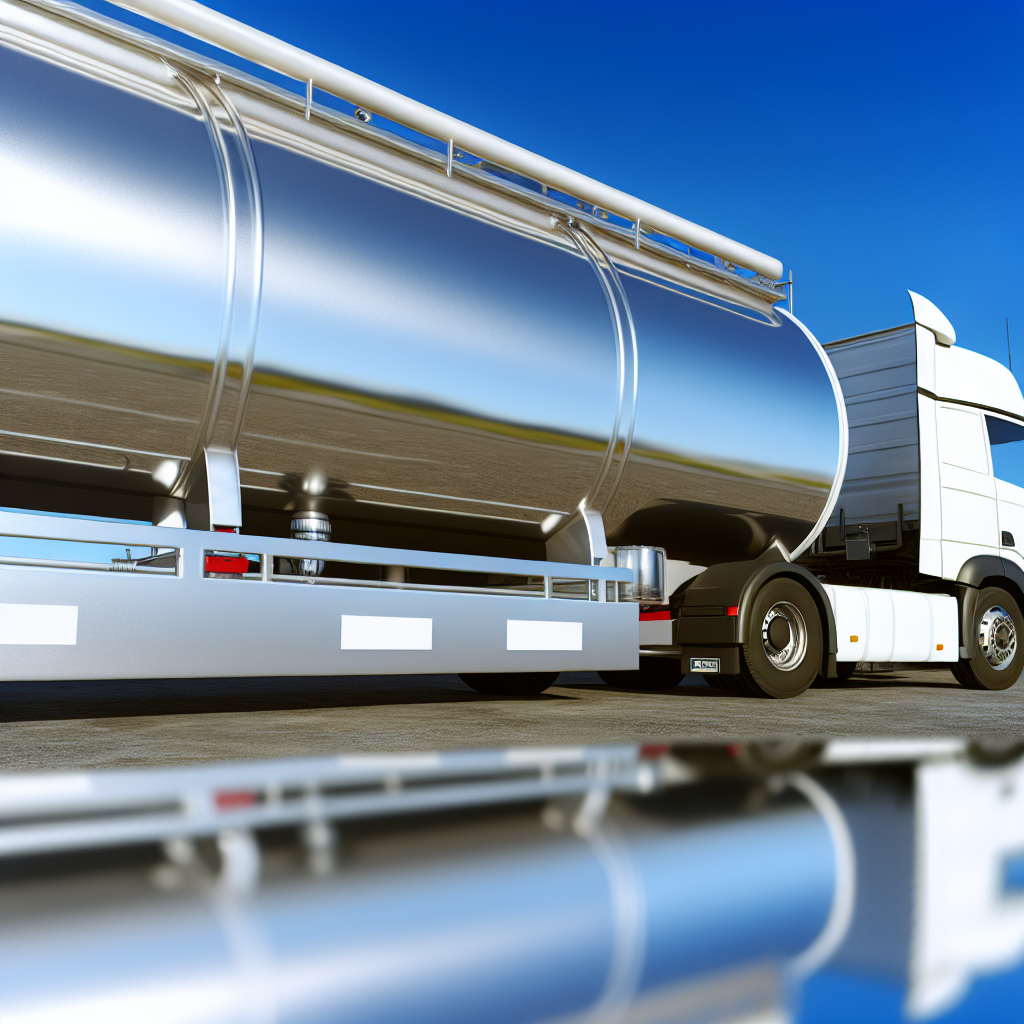
Introduction: Food Hygiene Practices in the Transportation Industry
In the food transportation industry, ensuring the highest standards of hygiene is not simply a best practice; it is an absolute necessity. With the impressive growth of Derrick Wolfe Trucking, which has burgeoned from a single vehicle to a fleet of nearly thirty, the focus on cleaning food-grade tankers has never been more critical. Derrick Wolfe Trucking has not only excelled in transporting food-grade materials but has also established itself as an expert in the intricate procedures of cleaning and sanitizing tankers effectively. This expertise is crucial, as the repercussions of neglecting hygiene can be severe, leading to product contamination and lost customer trust.
As we delve into this article, we will explore the many dimensions of food-grade tanker hygiene, highlighting effective cleaning techniques that safeguard the integrity of the products. Join us as we uncover the strategies and practices that help maintain safety and compliance in a rapidly expanding industry.
Benefits of Effective Cleaning Techniques for Food-Grade Tankers
Using effective cleaning methods for food-grade tankers has several advantages, especially in meeting health regulations, ensuring customer satisfaction, and boosting business reputation. Here are some key benefits:
- Health Regulations Compliance: Following health rules is vital for food transport. Effective cleaning helps tankers meet FDA standards, avoiding fines and shutdowns.
- Customer Satisfaction: Clean and sanitized tankers build trust with customers. Producers will prefer your service when they know their products are safely transported.
- Business Reputation: A focus on cleanliness greatly improves a company’s standing in the industry. Good reviews and testimonials often come from strong hygiene practices.
- Lower Contamination Risks: Proper cleaning reduces the chances of cross-contamination, ensuring food safety.
- Higher Client Retention: Businesses that uphold high cleaning standards see better customer loyalty, growing trust and perceived reliability.
- Employee Efficiency and Safety: Effective cleaning practices make operations smoother and create a safer workplace, leading to better employee retention.
Statistics show that companies prioritizing hygiene tend to experience fewer foodborne illnesses and recalls. This attention to cleanliness can save a lot of money in legal costs and lost business, highlighting the importance of effective cleaning in overall success.
In conclusion, effective cleaning methods are not just necessary for compliance; they also strengthen customer satisfaction and business reputation.

Derrick Wolfe’s Insights on Cleaning Food-Grade Tankers and Business Success
Derrick Wolfe, the founder of Derrick Wolfe Trucking, has built his business on the principle that cleanliness and quality are non-negotiable in the food transportation industry. He emphasizes the importance of maintaining hygiene standards, stating, “It’s really simple, but a lot of companies get that part wrong.” This straightforward acknowledgment reflects a nuanced understanding of the repercussions that can arise from neglecting cleanliness.
Wolfe’s commitment to effective cleaning techniques goes beyond mere compliance; it’s about establishing trust with both clients and consumers. He believes that thorough cleaning practices are essential for customer satisfaction. As he puts it, “You can never communicate enough,” highlighting the need for open and consistent dialogue about food safety and cleanliness standards.
Moreover, Wolfe understands that running a successful trucking operation intersects significantly with how well food-grade tankers are maintained. “I take the time to know their families, to know their hobbies, what makes them tick, what they like and what they don’t like,” he shares, demonstrating his belief in building relationships that extend beyond just business transactions. This approach fosters loyalty, which is particularly vital in an industry where trust is paramount.
Wolfe’s strategic vision illustrates that ensuring the utmost hygiene in food-grade tankers is not just good practice—it’s a crucial aspect of sustaining and growing a trucking business. His insight that “I try my best to stay relevant” speaks volumes about his dedication to continuously improving operations to meet the industry’s evolving standards.
In conclusion, Derrick Wolfe’s perspectives on cleanliness and relationships within the trucking business underscore a significant reality: the path to success in the food transport sector is paved with rigorous hygiene practices and genuine connections with clients and employees alike.
Specific Cleaning Techniques for Food-Grade Tankers
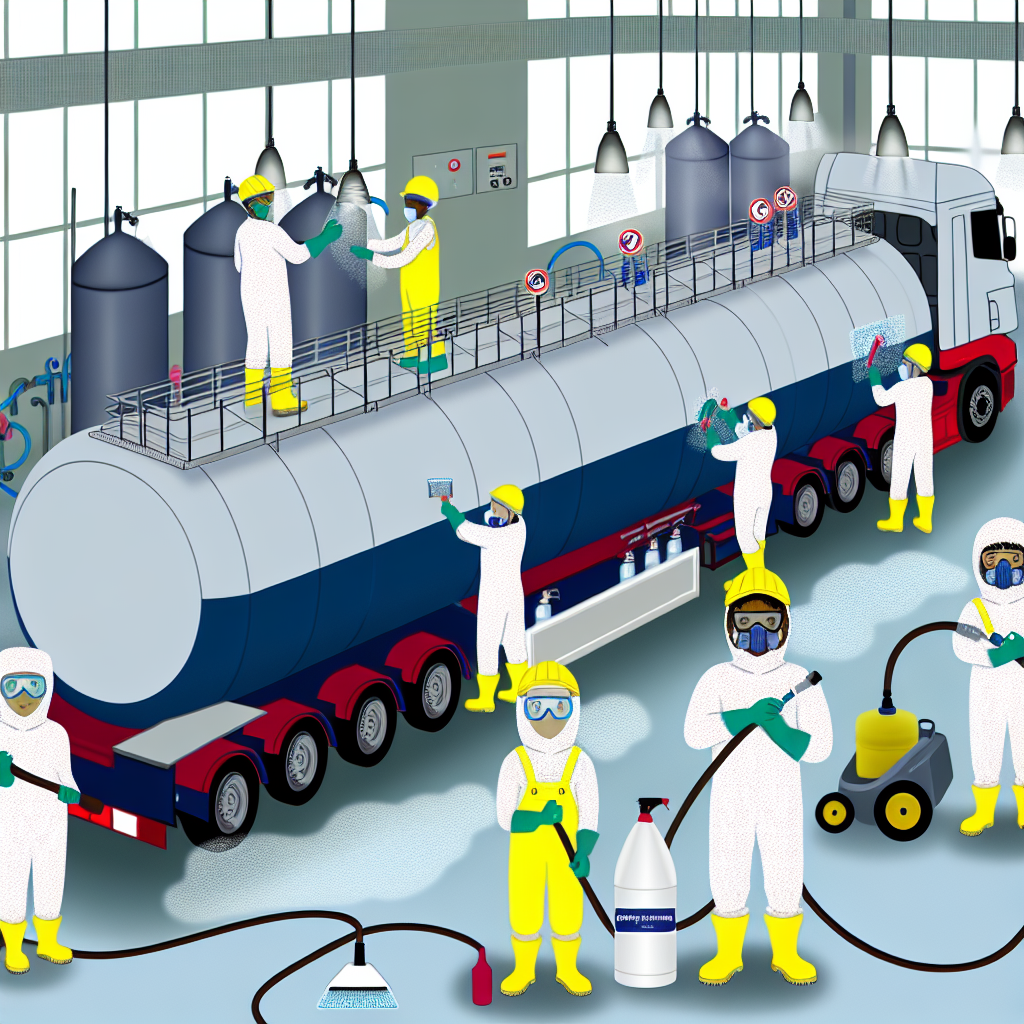
Properly cleaning food-grade tankers is essential to maintaining high hygiene standards and ensuring the safety of transported goods. The following techniques are commonly used in the cleaning process:
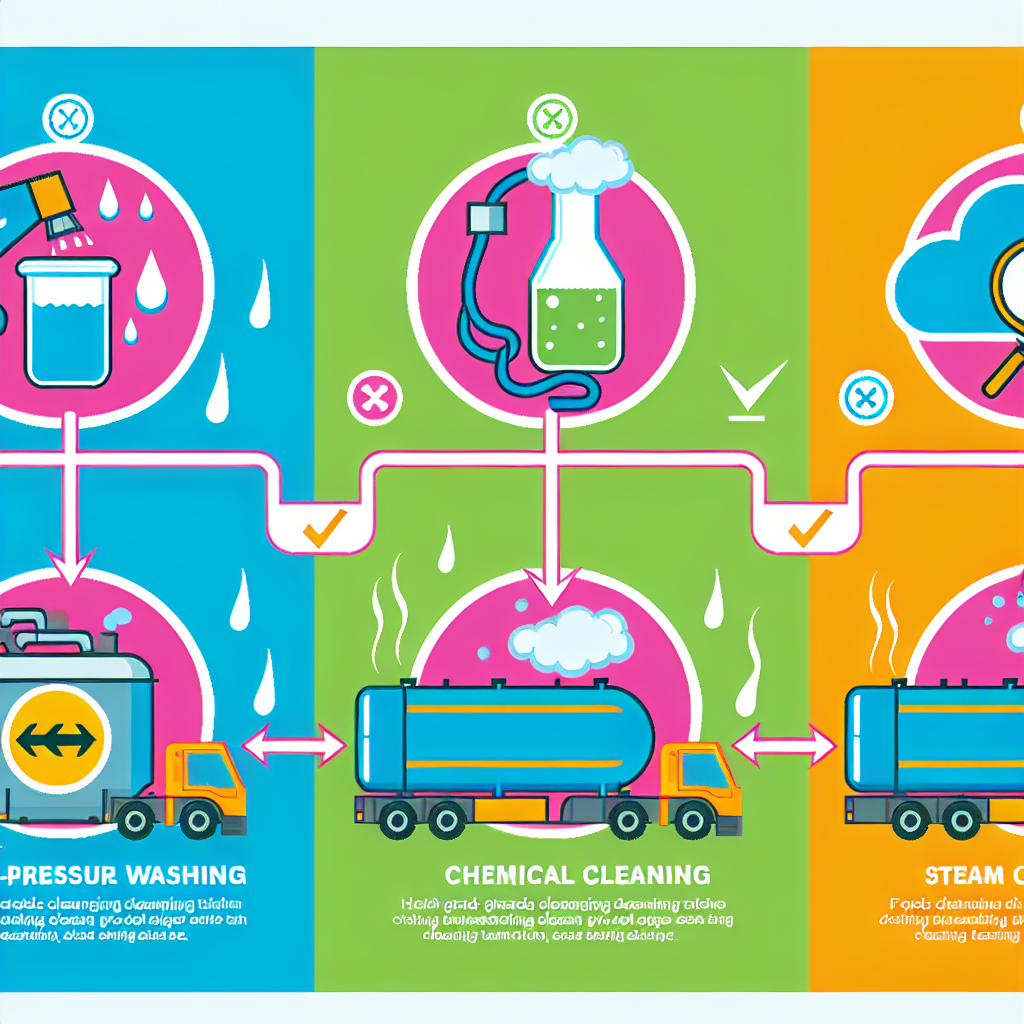
- High-Pressure Washing: This method utilizes powerful jets of water to remove residues from internal tanker surfaces. It is effective in detaching stubborn substances and is a critical first step in the cleaning process. Equipment such as a high-pressure washer, equipped with adjustable nozzles, allows operators to customize the pressure and angle to suit various cleaning scenarios.
- Chemical Cleaning Agents: The use of specific cleaning agents designed for food-grade materials ensures thorough sanitation. These agents often include alkaline cleaners, acid-based cleaners, and sanitizers that eliminate pathogens without leaving harmful residues. Operators must be trained to select appropriate cleaning chemicals for different types of cargo that were transported, keeping in mind the product’s compatibility with certain agents.
- Steam Cleaning: Utilizing steam cleaning can effectively sanitize surfaces while minimizing water usage. The high temperatures involved help kill germs and bacteria, making it an excellent option for food-grade tankers. Steam cleaning requires specialized equipment that can generate steam at controlled temperatures and pressure levels.
- Regular Inspections and Documentation: It is vital for operators to conduct routine inspections post-cleaning to ensure that all residues are removed and surfaces are sanitized. Documenting cleaning protocols and inspections is also necessary to provide evidence of compliance with food safety standards and to aid in potential audits.
By implementing these techniques consistently, operators can maintain the integrity of food-grade tankers, prevent cross-contamination, and meet regulatory requirements for safe food transportation.
User Adoption of Cleaning Technologies in the Food-Grade Trucking Industry
In recent years, the food-grade trucking industry has witnessed a notable shift towards the adoption of advanced cleaning technologies. With a growing emphasis on hygiene compliance and operational efficiency, companies are increasingly investing in automated cleaning systems that not only streamline the sanitation process but also reduce labor costs.
The adoption of eco-friendly cleaning agents has also seen a significant rise, tapping into the increasing consumer demand for sustainable practices. Furthermore, enhanced workforce training has become essential in ensuring that cleaning protocols are thoroughly adhered to, resulting in improved cleanliness standards and reduced contamination rates.
Industry insiders report a positive trend where businesses adopting these technologies are experiencing lower instances of foodborne illnesses and product recalls, reflecting a stricter compliance with cleaning standards.
In addition to hygiene improvements, the implementation of advanced cleaning technologies has led to substantial operational efficiencies. Companies are reaping the benefits of better compliance with hygiene regulations and, as a result, are gaining enhanced customer trust and satisfaction.
Many trucking firms are now leveraging real-time monitoring systems that track cleaning protocols, ensuring that operations consistently meet regulatory requirements. The push towards automation and advanced cleaning machinery has significantly minimized human error and improved turnaround times in cleaning processes. This efficiency not only saves valuable time but also reduces operational costs, enabling trucking companies to concentrate on their core business while ensuring that food-grade tankers are kept in pristine condition.
| Method | Benefits | Potential Drawbacks |
|---|---|---|
| High-Pressure Washing | Efficiently removes residues; customizable pressure usage | Requires water access; may not eliminate all contaminants |
| Chemical Cleaning Agents | Thorough sanitation without harmful residues | Requires knowledge of compatibility; potential chemical hazards |
| Steam Cleaning | Effective germ elimination; minimal water usage | Requires specialized equipment; time-consuming setup |
| Regular Inspections | Ensures compliance; aids in potential audits | Additional labor costs; time-consuming documentation process |
Conclusion
In the world of food-grade transportation, effective cleaning techniques are indispensable. This article emphasizes the critical benefits of upholding stringent hygiene standards, which include health regulation compliance, enhanced customer satisfaction, and a fortified business reputation. Derrick Wolfe’s perspectives reinforce that cleanliness is a foundational pillar of success within the trucking industry, emphasizing practices that establish trust among clients and employees.
Additionally, the proliferation of advanced cleaning technologies marks a significant trend, making it easier for companies to improve efficiency while adhering to the highest hygiene standards. Given the pivotal role of food-grade tankers in ensuring food safety, it is essential for trucking businesses to embrace these hygiene measures and integrate modern cleaning methodologies into their operations.
Ultimately, investing in effective cleaning practices transcends mere compliance; it is a strategic decision that can drive profitability and secure long-term success in the competitive food transportation sector. By prioritizing hygiene, trucking companies can cultivate a robust business foundation that highlights their commitment to quality and reliability in every delivery.
Final Thoughts and Call to Action
Derrick Wolfe Trucking exemplifies how rigorous cleaning practices can profoundly impact the food transportation industry. Their commitment to maintaining high hygiene standards not only protects the integrity of the food being transported but also fosters trust with clients and consumers. Such dedication to cleanliness is essential for long-term success and establishes a benchmark within the industry, encouraging others to follow suit.
As you reflect on the insights shared in this article, consider implementing effective cleaning techniques in your own operations. Embrace modern cleaning technologies and prioritize hygiene to enhance your business reputation and ensure compliance with industry standards. If you want to learn more about effective cleaning methods or how to improve your practices, reach out today to discover valuable resources and strategies that can elevate your business in the competitive food-grade transportation sector.
In the ever-evolving landscape of food-grade tanker cleaning, the integration of advanced cleaning technologies into established techniques is crucial for maximizing efficiency and effectiveness. While traditional methods form the foundation of good hygiene practices, the continuous advancement in cleaning technologies invites operators to enhance their operations significantly.
By leveraging innovative solutions, such as automated systems and eco-friendly agents, businesses can not only streamline their processes but also ensure compliance with the highest industry standards. As we explore the user adoption of these technologies, we can see how they are redefining the cleaning paradigm within the food-grade trucking sector.
SEO Optimization
To enhance your understanding and implementation of food hygiene standards, consider referring to the following authoritative sources:
- FDA Food Safety Regulations: This site provides comprehensive guidelines regarding the FDA’s regulations and requirements for food safety in various areas, including transportation.
- WHO Guidelines on Food Safety: The World Health Organization offers guidelines and best practices for ensuring food safety across all sectors, including transport.
- USDA Food Safety and Inspection Service: This resource includes key information on food safety standards and cleaning protocols to maintain hygiene in food-grade transport.