
The task of maintaining a clean fleet is critical for Logistics, Freight, and Construction companies. This guide addresses a common concern: can trucks with bed covers safely navigate car washes? Understanding the compatibility of various truck bed covers in washing scenarios is vital for fleet managers, as it influences vehicle care and longevity. In the following chapters, we will explore considerations for car washing with covers, how different cover types impact wash options, and best practices to ensure optimal maintenance without compromising truck integrity.
Riding Through the Rinse: Safe, Practical Guidance for Car Washes with a Truck Bed Cover

The question of a truck bed cover surviving a car wash is not only about convenience; it is about understanding how different cover designs respond to the wash environment and how a carryover of water or pressure can affect both the cover and the truck. In practice, you can generally go through many car washes with a bed cover, but the outcome depends on a few careful considerations: the type of cover you have, how well it is secured, and the kind of wash you choose. The underlying principle is simple: when the cover is fully closed, properly locked, and the car wash is gentle enough to respect the edges and seals, the process can be routine rather than risky. Conversely, if you ignore the basics, what seems like a minor risk can become a stubborn leak, a stretched seam, or a misaligned latch. The wisdom here is not about avoiding car washes altogether but about aligning your approach with the design and purpose of your specific cover and the capabilities of the wash you plan to use. Oddly enough, the simplest factor is often the most decisive: secure the cover first, and then choose a wash that minimizes the chance of water pressure and aggressive brushes baying at the edges. This mindset—prepare, protect, and proceed—attends to the materials, the seals, and the long term health of the bed system while preserving finish on the truck itself. In the larger picture, this approach also aligns with best practices for maintaining a fleet or a personal vehicle where the cover is a functional part of the truck rather than an add-on. It is useful to frame the decision around three practical realities: the design of the cover, the wash environment, and the maintenance routine that follows a wash. Each reality shapes the possible outcomes and helps avoid the common missteps that can lead to compromised water seals, cosmetic wear, or nuisance leaks. The core message from manufacturers and maintenance guides is consistent: if there is any doubt about the wash environment, choose a softer option and test the process with the cover in the safest configuration first. For the responsible owner, the goal is to protect both the cover and the vehicle while keeping the wash experience efficient and predictable. The discussion that follows weaves together the practicalities of cover design, the realities of car wash technology, and the habits that preserve long term performance. It is not a manifesto against car washes; it is a practical guide that helps you navigate choices and actions with confidence. The difference between a good outcome and a problematic one often comes down to two questions that are worth asking before you roll into the bay: Is the cover fully closed and locked, and what kind of wash is planned? The rest of the considerations flow from those anchors. When a cover is retractable and designed for ease of use, it usually relies on weather-resistant materials that can stand up to outdoor exposure and routine cleaning. Still, these covers have seams, seals, and hardware that can be sensitive to pressure, especially at the edges where water can attempt to seep in. If a car wash employs high-pressure jets or aggressive rotating brushes, that setup can test the integrity of those seams and the alignment of the seals. The clear rule in this context is simple: open water pressure under the wrong circumstances can find a way into the bed, bending or loosening the components that keep the cover dry and secure. In contrast, a hard tonneau, whether folding or rigid, offers a different set of realities. Hard covers tend to shrug off higher water velocity better than fabric, vinyl, or composite materials. They are less likely to bow, tear, or deform from direct spray on the surface. Yet they are not invincible. The abrasive contact with brushes, the pressure of strong spray against the edges, and the potential for water to accumulate under seals when gaps are present still pose risks. The bottom line with hard covers is not that they are immune, but that their sturdier construction creates a higher barrier to water intrusion and superficial damage. Even so, the best outcomes hinge on keeping the cover properly sealed and ensuring there is no water pooling under or around its edges after the wash. The practical implications of these design realities become obvious when you picture the actual wash process. A soft-touch or touchless wash is preferable for most bed covers because it minimizes direct contact with the edges and reduces the chance of abrasion or seam strain. Soft-touch systems use gentler bristles and slower brush rotations, while touchless bays rely on high-pressure rinses and strategic detergents rather than physical contact. Both approaches have their virtues, but they share a common benefit: they are less likely to disrupt a properly closed cover than traditional automatic brush systems that skim high across surfaces. If you must use a standard automatic wash, there are two important guardrails: first, ensure the cover is fully closed and securely latched; second, accept the heightened risk that comes with edge exposure and be prepared for a thorough post-wash inspection. The simplest, most reliable rule for the wash itself is to keep the cover away from direct spray that hits the seals or the underside of the cover with force. The reality is that water can find its way into small channels or under misaligned edges if the wash is not gentle enough, or if the cover’s seals have started to degrade. That is why the prewash check is not a mere formality. It is a routine part of safeguarding the condition of the cover and the truck. Before you approach the bay, take a moment to inspect the bed area for any loose debris, leaves, or grit that could be driven into the seals or into drainage channels during the wash. Debris can snag the edges, cause uneven cleaning, or clog drainage. A clean bed area also helps the cover seal more efficiently, reducing the chance of water tracking along seams during rinsing. The practical steps after the wash matter just as much as the approach into the bay. Once the wash is complete, step back and allow the cover to dry naturally in a shaded setting, away from direct sun that can cause fading or warping. If you notice water trapped under the cover, wipe it away with a clean, lint-free towel and give the area time to dry before placing any load on top of the cover or closing the tailgate. This routine not only protects the cover’s material and seals but also helps prevent mold growth or lasting damp odors in the bed. If the cover includes wiring, lighting, or other integrated features, a postwash check is essential. Moisture near electrical components can lead to corrosion or short circuits, so carefully inspect any conduits, seal points, and protective housings to confirm they remained sealed during the wash. This kind of vigilance is part of responsible ownership and is consistent with broader maintenance practices that apply to any truck accessory that interacts with water and weather. Regular, after-wash inspections are the best early warning system. They empower you to catch minor issues—like a slightly loosened latch, a small crack in a seal, or a seam beginning to separate—before they become major problems. If you find signs of wear or deterioration, follow the manufacturer’s guidance for repair or replacement rather than improvising. The overarching precept to keep in mind is simple: protect the cover by enforcing a disciplined sequence—close, lock, choose a wash that minimizes pressure and contact, then dry and inspect. It is also prudent to recognize that manufacturing guidelines vary, and following the exact advice supplied with your specific bed cover model will generally yield the best outcomes. While the overarching principles align across brands—the emphasis on secure closure, careful wash selection, and thorough postwash checks—the precise recommendations can differ when the edge designs or seals incorporate unique features. In practical terms, this means that you should always consult the care and maintenance instructions delivered with your cover. Those guidelines are tailored to your model and will address edge protection, seal compatibility, and any precautions specific to that design. Beyond the technicalities of the wash itself, there is a broader operational dimension. For fleet operators or owners who routinely schedule multiple washes for many vehicles, integrating bed cover care into routine maintenance is a smart move. It creates uniform expectations, reduces downtime, and preserves the value of the cover over time. For operators, the discipline of incorporating cover care into facility management for truck wash businesses helps align maintenance cycles with wash schedules, staff training, and safety procedures. This perspective acknowledges that a bed cover is not a mere accessory; it is a functional system that interacts with the wash process and with the daily rhythms of vehicle upkeep. A steady routine built around secure closure, appropriate wash selection, and postwash checks can be integrated into standard operating procedures without creating friction with the washing workflow. The result is a smoother experience for drivers, a longer life for the cover, and cleaner trucks overall. It is worth citing that a number of reputable care guides emphasize the same sequence: secure the cover, pick a low contact wash, minimize exposure to high pressure near seals, dry carefully, and inspect for wear after each session. In practice, this translates to an obvious but sometimes overlooked habit: do a quick visual scan of the seals after you park, before the next loading or unloading, to ensure nothing has shifted during the wash. This habit, small as it seems, reduces the chance of small leaks becoming a bigger issue, and it reinforces a culture of proactive maintenance. The conversation about bed covers and car washes also sits within the larger context of how we treat vehicle accessories as part of the vehicle itself, not as afterthoughts. This mindset supports better paint protection, better water management around the bed area, and longer service life for the cover’s components. It also frames the choice of wash type as not merely about convenience but about compatibility with the operational realities of a truck with a bed cover. For a driver who values efficiency, a soft-touch or touchless wash becomes a reliable default whenever possible. If circumstances demand a brush-based wash, the emphasis shifts to meticulous preparation and postwash care to mitigate risk rather than accepting it as an inevitable part of the process. In addition to the wash selection, consider the role of detergents and cleaning agents. Harsh detergents, bleach, or acidic cleaners can degrade the materials used in many bed covers. Opt for pH-neutral cleaners or those recommended by the cover manufacturer. This small but meaningful choice reduces the likelihood of material degradation and extends the life of the cover’s surface and seals. For stubborn stains, a gentle approach works best: a soft-bristled brush and spot treatment rather than aggressive scrubbing. The goal is to keep the material intact while achieving the desired cleanliness. The drying phase deserves its own attention, because improper drying can lead to warping or mold growth in some fabrics. Allow the cover to air dry completely, preferably in a shaded area. Direct sun can fade materials and warp certain fabrics or vinyl blends. When drying is finished, a light wipe with a clean, lint-free towel can remove residual moisture. Avoid compressed air or high-powered blowers that could disrupt the seams or seals. Even a careful dry-down is incomplete without a postwash inspection. Look for signs of wear, cracks, or seal deterioration along the edges. If integrated lighting or wiring is present, verify moisture remains away from any electrical components. The aim is to catch issues early, when they are easiest and cheapest to repair. Readers who manage multiple beds or a fleet should also appreciate how these practices scale. A standardized wash and care routine across vehicles improves predictability, reduces maintenance incidents, and supports a safer, cleaner fleet operation. In the gear of fleet operations, there is wisdom in treating bed cover care as part of a broader maintenance framework. For operators who run facilities that serve many trucks, a well-documented procedure for bed cover care can support staff training and equipment longevity. It also helps ensure that drivers understand what to expect and how to help protect the cover during each wash. When the routine is clear, the wash bay becomes a space where the vehicle and its accessory are treated with equal care, and the overall experience remains smooth for everyone involved. For readers seeking further guidance on maintenance practices relevant to truck wash operations, consider exploring resources that discuss facility management for truck wash businesses. This kind of guidance can provide broader context for how to schedule, document, and enforce cover care within everyday operations. Please note that the exact recommendations may vary with cover design, climate, and wash equipment, so the manufacturer’s directions remain the most reliable source. In closing, the practical path through a car wash with a bed cover is a disciplined one: close and lock, choose a gentle wash, monitor for water intrusion, dry and inspect, and treat any wear promptly. With that approach, you can expect your cover to endure, your truck to stay clean, and the workflow of car wash visits to stay efficient. For operators and informed owners alike, embracing the routine as part of overall vehicle care elevates the experience from a simple wash to a maintenance practice that protects both asset and investment. Internal links to established industry practices can help reinforce this approach. For example, see the discussion on facility management for truck wash businesses. This kind of integration underscores the idea that bed cover care is not an isolated chore but a facet of responsible fleet stewardship. External resources can offer additional perspectives on maintenance and product care for decorative or protective vehicle components. For more detailed care guidance, consult reputable care and maintenance resources such as the following: https://www.solariscover.com/care-and-maintenance/.
Car Wash Compatibility: Navigating Truck Bed Covers Through Automated Washes Without Damage
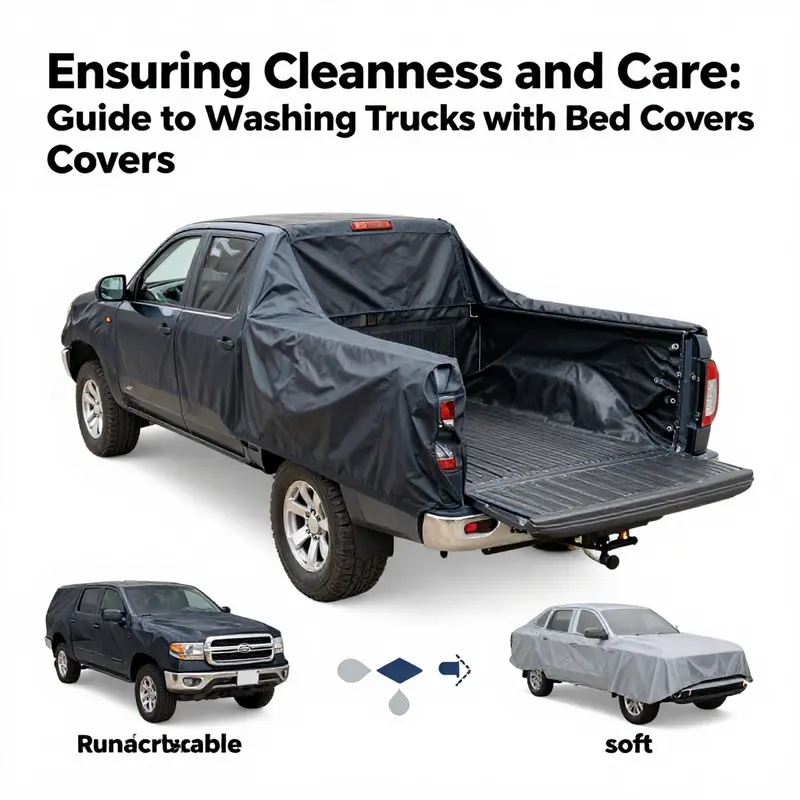
The moment you roll into a car wash with a truck bed cover in place, a brief calculation runs through your mind. Will the cover hold up to the jets, brushes, and the confined space of the tunnel? Will water seep under seams, or might the hardware loosen just enough to cause a future leak or misalignment? These questions are not academic for anyone who relies on a covered bed for weather protection, security, or cargo management. The reality is nuanced: you can often pass through a car wash with a bed cover, but the decision hinges on the type of cover, how it is secured, and the type of wash you choose. A practical understanding of these factors turns a routine maintenance task into a straightforward, low-risk procedure rather than a potential headache that leads to a damaged seal, a scratched surface, or an adjustment bill you did not expect to pay. In this sense, the question becomes less about a binary yes or no and more about a set of best practices that respect the engineering behind each cover while aligning with the accessibility and safety standards of modern car wash systems.
Behind the practical advice lies a spectrum of designs and materials that shape how a cover behaves in a wash. Retractable or roll-up covers, for instance, are popular for their convenience and versatility. They tend to employ weather-resistant fabrics such as vinyl or reinforced textiles stretched over a supporting rail system. When these covers are fully closed, locked, and properly tensioned, they create a relatively tight barrier that discourages water from pooling on top or seeping into the bed area. The critical caveat is the possibility of water finding a path around the edges, particularly where the cover seams or the sealing gaskets meet the weatherstripping of the truck tailgate. In many automatic car washes, high-pressure water jets operate at the entrance or along the tunnel where the cover edges align with the wash. If the car wash uses aggressive brushing or if the cover feet and side rails protrude into zones where the wash machinery moves, the risk can shift from seepage to physical interference. The result can be a delayed cycle, a misaligned cover, or in a worst case, boundary wear on the material that sits closest to the jets. For drivers who rely on their covers for long-haul protection, this distinction matters: a gentle, low-pressure wash with soft brushes can often be completed with no incident, while a high-pressure, abrasive approach might complicate the simple act of cleaning.
Hard tonneau covers, whether folding styles or rigid plastic constructions, present a different calculus. These covers are generally more robust against direct water pressure and the swirling action of water jets, thanks to their rigidity and the absence of fabric seams. Yet this rigidity carries its own vigilance. A hard cover can present a larger, more rigid interface with the car wash tunnel. If the cover is not securely fastened or if there are protruding edges, a wash machine’s mechanical components—such as overhead arms or tunnel guides—could contact the cover. In addition, some hard covers rely on bottom seals or lip channels to keep the bed watertight; if these seals are compromised or misaligned, water may accumulate beneath the cover during the wash, an outcome that defeats the protective purpose of the bed cover and can lead to corrosion or mold if not addressed promptly after the cycle. The more robust structure of hard covers generally withstands the wash experience better than soft fabrics, but the margin for error narrows when the wash involves aggressive mechanical action or when the cover is not properly locked down.
Given these dynamics, the practical path through an automated wash begins with a disciplined set of preparations. First, ensure the cover is fully closed and locked before approaching the wash bay. This step is not merely a courtesy; it is a safety requirement that reduces the risk of wind uplift, edge flutter, or water intrusion that can occur if the cover loosens during the lift and wash sequence. Second, align your choice of wash type with the cover and the environment. Where possible, opt for a soft-touch or touchless wash. Soft-touch washes minimize abrasive contact that could disturb delicate seams or edge details, while touchless systems reduce direct contact with the cover altogether. If you must use an automatic brush system, pay extra attention to the areas where the cover interfaces with the tailgate and the vehicle’s bed rails. A careful approach during the wash cycle—slower speeds through the tunnel, avoidance of high-pressure jets near the cover interface, and an anticipation of where the brushes are most likely to contact the cover—can substantially reduce risk.
The guidance from manufacturers reinforces this cautious approach. For retractable designs, the consensus is direct: safe operation is contingent on the cover being fully closed and locked, with the wash settings favoring gentler interactions. This stance aligns with the practical observations of users who report clean results when the wash affords soft-touch or touchless options and when the cover is sealed against the elements rather than exposed to aggressive water jets. The logic is straightforward: a well-secured, properly designed system behaves like a weatherproof lid, not a loose sheet that flaps at the mercy of the wash’s spray. When these conditions hold, the primary concern shifts from damage to performance. The cover continues to protect the cargo from precipitation, sun, and dust while the vehicle undergoes cleansing. The rare exception would be a wash with unusually high kinetic energy or a design flaw in the cover that creates a weak seam or unsealed joint that water can exploit.
From a design perspective, the differences between soft and hard covers come into sharper relief when considering routine commercial and industrial cleaning cycles. Industry literature notes that covers engineered for frequent cleaning emphasize durability features such as sealed seams, UV-resistant coatings, and reinforced frames. In practice, covers with smooth, streamlined profiles and minimal snag points tend to fare better in wash tunnels, especially for fleets that rely on quick turnarounds and consistent performance. Such profiles reduce turbulence and snagging as the vehicle travels through the wash, and they also simplify post-wash checks for any trapped moisture or debris. This is not merely a matter of comfort or convenience; it translates into tangible gains in maintenance efficiency and vehicle downtime. In fleet operations, the capacity to pass through a car wash without incident reduces the total cost of ownership by limiting unnecessary repairs and preserving the vehicle’s paint and protective coatings.
The practical advice also extends to everyday usage. If a cover is coated with UV-resistant materials, you have a buffer against sun exposure during parking and while awaiting service, a practical advantage in many regions. Yet UV resistance does not shield the fabric from the abrasion of high-pressure sprays, so even durable soft covers benefit from being treated with appropriate care products and from washing in gentler modes whenever possible. A recurring theme in expert recommendations is the importance of confirming that all seals, gaskets, and weatherstrips around the bed are intact and clean. Dirt, grit, or salt can accumulate in tiny crevices and keep the cover from forming a tight seal, which can amplify the risk of water entry during the wash. Regular inspection of the cover’s mounting hardware, rails, and locking mechanisms helps ensure that no part is loose or misaligned, which could otherwise exacerbate problems during a wash cycle.
Of course, there is a practical, real-world balance to strike. The owner who uses a cover to secure tools, ladders, or sensitive cargo may prioritize the protection offered by the cover more than the mere cosmetic concern of a wash. For these drivers, a prewash check becomes a ritual: inspect the cover for any signs of wear, verify the lock is secure, and confirm that the bed area is free of loose items that could become projectiles during wash cycles. The truck bed cover is a tool for protection, but it is not indestructible. The more we understand its limitations, the better we can tailor our car wash choices. A simple rule emerges: when in doubt, opt for gentler wash environments and slower speeds. When the cover is trusted to do its job, the wash becomes a routine maintenance step rather than a test of the equipment’s resilience.
Industry voices also point to the value of standardized practices across fleets and facilities. A common thread is the role of communication between fleet operators and wash facilities. When drivers and facility teams align on water pressure, brush aggressiveness, and the bed cover’s design, the likelihood of a successful wash increases. This alignment reduces the risk of miscommunication, which could otherwise lead to inadvertent damage. In practice, fleet operators who standardize wash preferences and provide simple guidelines to drivers and wash personnel tend to minimize downtime and repair costs. The operational logic here is not hidden or exotic; it is about consistent, clear expectations and documentation that a cover is built to withstand routine cleaning when used as intended.
For readers who want to explore the broader implications, consider how this topic intersects with the operational aspects of modern truck fleets. The implications extend beyond the immediate wash cycle. Regular car wash safety practices influence the longevity of the cover and the vehicle’s exterior, particularly the paint and clear coats that deserve protection during routine maintenance. What begins as a straightforward encounter with an automatic wash transforms into a consideration of how the entire vehicle system—bed cover, seals, rails, and paint—interacts under pressure, humidity, and mechanical motion. In practical terms, this means choosing covers tested for car wash resilience, following manufacturer recommendations, and selecting washes that minimize aggressive contact. The result is a smoother workflow in which the vehicle remains protected while meeting the cleanliness standards that fleets and individual owners expect.
This approach also echoes the broader trends in the industry toward design-for-serviceability. A cover that is easy to close, secure, and inspect after each wash reduces the cognitive load on drivers and maintenance staff. Quick-release mechanisms, weatherproof zippers, and non-abrasive surface finishes are not mere conveniences; they are strategic features that extend the life of both the cover and the truck’s finish. In environments where a car wash is a regular maintenance touchpoint, these features become a form of risk management, translating into fewer unplanned downtime events and a higher certainty that the vehicle will be ready for its next job without additional repair cycles.
In sum, the compatibility of a truck bed cover with automated car washes is not a myth or a fixed rule. It is a practical outcome shaped by cover type, secure locking, wash type, and informed usage. For retractable or soft covers, the safest path through an automatic wash is a closed, locked position paired with a gentle wash mode. For hard tonneau covers, the risk is lower in direct water exposure but higher if edges protrude or if seals are compromised. Across both categories, proactive maintenance, adherence to manufacturer guidance, and an awareness of the wash equipment’s behavior are the core ingredients of success. When these pieces come together, the car wash remains a reliable entry point for vehicle cleanliness rather than an unpredictable hazard that could compromise the cover or the finish. For anyone managing a fleet or simply protecting a prized investment, this pragmatic approach offers a practical roadmap: know your cover, know your wash, and insist on a setup that prioritizes a clean vehicle with a secure, protected cargo area.
If you want to explore how cleaning operations align with truck bed equipment on a broader scale, there is value in looking at facility management approaches that emphasize consistency, safety, and efficiency across wash lines. These principles, when applied, help ensure that covers and other bed accessories perform as designed in real-world settings. For a concise primer on how facilities manage truck wash operations in a way that supports equipment like bed covers, see the resource focused on facility management for truck wash businesses. As you plan or refine your own wash workflow, this can serve as a practical reference to align maintenance practices with the realities of modern wash environments. And for those seeking a direct safety reference on car wash use from a manufacturer perspective, official guidance from established cover makers confirms that a properly closed and secured cover is essential, with touchless or soft-touch washes highlighted as preferable options. external resource: https://www.bakflip.com/support/faq
Washing Through With a Bed Cover On: A Practical Guide to Protecting Your Truck’s Lids and Latches in Car-Wash Bays

The question of whether you can run a truck through a car wash with a bed cover installed is never simply yes or no. It is a practical assessment of how the cover is built, how it’s secured, and how the wash facility operates. Most people assume that a simple rinse will suffice, but in truth the interaction between moving water, brushes, and a sealed lid can reveal a lot about durability, weather resistance, and maintenance. The core idea is straightforward: the cover should behave like a lid that keeps the bed dry, not a loose sail that can be whipped by high-pressure jets. The way a cover behaves in a car wash depends on its design. Retractable, roll-up styles, known for ease of use and weather resistance, are commonly tested against normal rain and light exposure. They are designed to close tightly when locked, but the seams, seals, and hardware can be stressed by aggressive spray patterns or very near brushing at the edges. The risk is not simply water getting underneath; it is water finding seams, and mechanical force trying to shift parts that are meant to stay secure during regular use. For hard tonneau options, the story shifts toward rigidity. A folding or rigid plastic cover tends to withstand more water pressure and direct contact. Yet even these sturdy designs can experience trouble from sharp, abrasive brushes or from water pooling beneath the lid if the under-seal does not hold perfectly. This is not about scaremongering; it is about attention to the wash setup and the cover’s condition. In most cases, when the vehicle enters a low-pressure or soft-touch wash, and the cover is fully closed, secured, and left alone during the wash cycle, risk is minimized. In contrast, a high-pressure spray or an aggressive automatic brush system that can reach the upper edges of the bed almost always demands extra caution. The guidance is clear: protect the cover by design, protect the cover by practice, and protect the cover by choosing the wash that fits the situation. A good rule of thumb is to treat the bed cover as a sensitive accessory that benefits from space-age care rather than a stubborn, indestructible shield. The guidance that emerges from manufacturers and industry practitioners is consistent: never attempt to pass through a car wash with the cover in a partially opened state, and always verify that the locking mechanism is engaged before you roll in. The rationale is simple. The seals and their connections are designed for a weather-tight fit when the lid is closed; leaving the latch partially undone invites water intrusion and potential edge damage from spray streams or brushes. And if the wash uses a high-pressure pattern near the edges, the risk of water seepage or dislodgement increases. In short, car washes are not universally designed with bed covers in mind, but a careful approach can make the interaction safe and routine. It is not that the cover becomes unusable in a wash, but that certain combinations of cover type, wash type, and maintenance state can generate avoidable wear or minor incidents. The conversation then turns to best practices, which are no more than a compact playbook for common sense: close and lock the cover, select the gentlest washing method available, and then verify the result. This framework forms the backbone of a practical procedure that keeps both the mechanical parts and the protective surface in good condition while preserving a clean vehicle. For readers who want a broader view of how car wash facilities can protect truck accessories, there is value in looking at how these bays are managed and how staff are trained to handle vehicles with add-ons. A resource that outlines facility management considerations for truck wash environments can be a useful companion to this chapter: facility-management-for-truck-wash-businesses. This kind of guidance helps owners and operators align their wash bays with the realities of modern truck accessories, reducing the likelihood of incidental contact or miscommunication that could lead to damage. At the same time, practical, on-the-ground experience from owners and technicians emphasizes that a well-secured cover and a gentle wash regimen are the most reliable combination for success. The point is not to complicate the process but to simplify it through method and attention to detail. The bed cover, after all, exists to protect the cargo and the truck’s bed from the elements. It should not become a liability in a wash bay. The small, but meaningful, actions — closing the cover completely, ensuring the lock engages, opting for soft-touch or touchless systems, and avoiding aggressive brushes near the cover’s perimeter — add up to a routine that keeps wear and tear to a minimum. When the wash is behind you, a quick check can confirm that nothing is loose, and that water has not seeped into seams or into the under-coverage spaces. A dry post-wash inspection is as important as a dry morning after a rainstorm. The steps that follow are well aligned with the broader care routines for any protective lid or tonneau that graces a modern truck. First, a rinse with a gentle stream to remove loose dirt on both the truck bed and the cover helps prevent fine scratches that can occur during cleaning. Then, use a soft brush or sponge together with a mild, pH-neutral soap. Harsh solvents or abrasive cleaners are out of the question because they can degrade materials such as vinyl, fiberglass, or other common cover substrates. The aim is to maintain the surface’s integrity and to avoid inducing stiffness or cracking that could compromise the seal. If your truck carries a bed liner, you should also consider product compatibility. Some cleaners interact poorly with rubberized liners or tub liners and can cause swelling or softening, which may affect fit and protection. This is a nuance that underscores the importance of reading both the cover’s care guide and the bed liner’s maintenance instructions before mixing cleaners. After washing, thorough drying becomes critical. Water trapped under the cover or in crevices can contribute to mold or mildew, especially in humid climates. A microfiber cloth, or a gentle air-dry routine, helps ensure that nothing remains damp where it matters most. The final decision point, when considering whether to keep the cover in place during subsequent cleaning, is practical and situational: removing the cover for a more thorough clean might deliver better access to the truck bed and the underside of the cover. If you choose to remove it, the reinstall should be done with equal attention to alignment and locking. This is not a one-off decision, but a regular consideration depending on how often you wash, how dirty the bed gets, and what kind of cover you own. The manufacturer’s recommendations, of course, should guide any decision. They provide material-specific guidance on cleaning techniques and compatibility with cleaning products and detergents. In the end, the most reliable practice emerges from combining a cautious approach with a well-understood maintenance routine. A cover should be treated as a precision element of the truck’s exterior, not a casual accessory that can weather careless treatment. This alignment between care and function ensures that the cover continues to perform its protective role without compromising the wash experience or the truck’s aesthetics. When you think about the overall lifecycle of your bed cover, you can see how a disciplined approach to car washing becomes part of responsible ownership. And when you work with a wash facility that understands the dynamics of vehicle accessories, you gain a partner in preserving your investment rather than a constraint. The overarching message is straightforward: prioritize secure closure, choose gentler wash options, and maintain a routine that keeps the cover and bed dry and well cared for. If you need a concise checklist to reference in a busy week, it is just this: verify closure and lock, select soft-touch or touchless, avoid aggressive edge brushes, rinse before cleaning, use a soft brush with neutral soap, check for water under the cover, and reassemble carefully if you remove the cover for a deeper clean. For readers seeking a broader, facility-level perspective on how wash bays can be configured to protect accessories, the internal resource referenced above provides a useful starting point. And for those who want an authoritative outside perspective on bed-cover care, a widely referenced consumer guide emphasizes protective measures that are easy to implement yet impactful. External resources, including this care guidance, offer additional confirmation that responsible maintenance is an ongoing practice rather than a one-off event. By combining a careful, wash-by-wash approach with attention to the materials and build of the cover, owners can navigate the car wash experience confidently. The goal is not simply to survive a wash but to preserve the cover’s integrity so that it continues to perform when the storm clouds roll in and the daily dust returns. In this way, the wash becomes part of the vehicle’s overall maintenance routine, rather than an event that threatens the cover’s longevity. For readers who want to dive deeper into care specifics, the following authoritative resource on bed-cover care provides detailed guidelines and cautions.
External resource: https://www.nissanusa.com/trucks/navara/d40/bed-cover-care
Final thoughts
In conclusion, the ability to safely wash trucks with bed covers hinges on understanding various cover types and applying best practices in washing techniques. Fleet managers must remain vigilant in following recommendations to maintain truck integrity and prolong vehicle lifespan. By implementing appropriate washing strategies, you ensure a clean fleet that represents your company’s commitment to professionalism.