
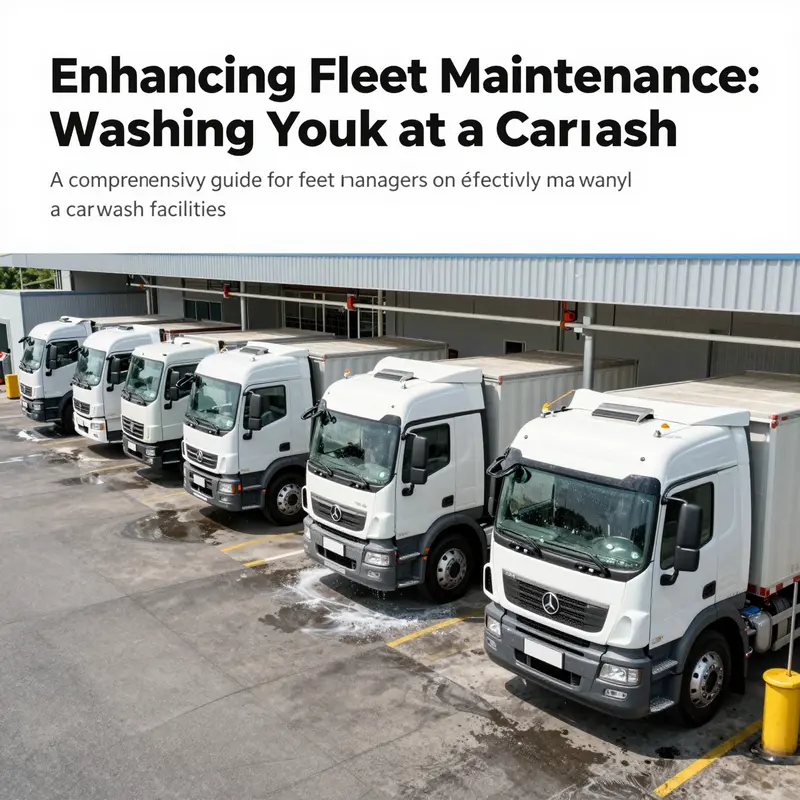
Maintaining a clean and well-kept fleet is crucial for logistics, trucking, and construction companies. Regular washing not only enhances the aesthetic appeal of your trucks but also aids in preserving their condition and longevity. This article delves into the pivotal question: Can I wash my truck at a carwash? We’ll explore the essentials of truck washing, the specifications for compatibility with carwash systems, the recommended techniques and products, and finally, how to select the right carwash facility. Each chapter will build upon this foundational question, guiding fleet managers, owners, and supervisors toward optimal truck maintenance practices.
Can I Wash My Truck at a Carwash? A Practical Guide to Safe, Thorough Cleaning
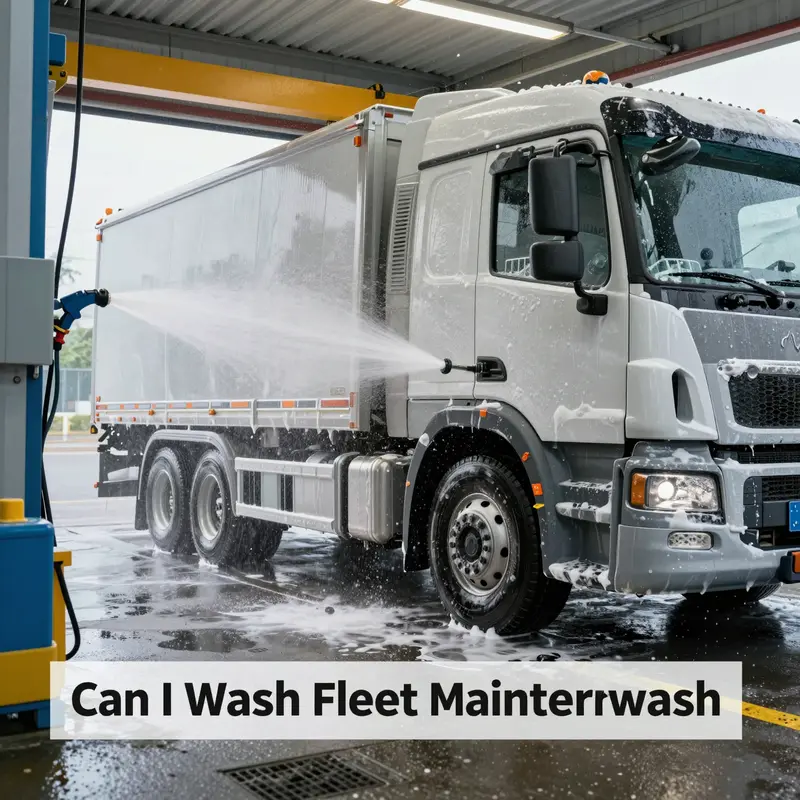
Pulling into a carwash with a truck can feel like entering a space built for a smaller, nimbler vehicle. The question that often comes up is simple in form but layered in detail: can a truck be washed at a carwash, and if so, how do you navigate the process to protect the truck and still get a clean result? The short answer is yes, you can typically wash a truck at a carwash, but size, weight, and the vehicle’s specific build matter. Bigger trucks, longer frames, extended beds, and higher ground clearance push the boundaries of some facilities. This is where common sense meets practical planning. A carwash is designed to remove dirt and grime efficiently, and most modern centers can handle larger vehicles such as SUVs, vans, and light-duty trucks. Yet not all carwashes are set up for heavy-duty or unusually large trucks. Before you roll in, take a moment to check the facility’s specifications. Signs that indicate truck acceptance, height or length restrictions, and lane or tunnel clearances can save you from a frustrating stop-and-go moment. When in doubt, a quick phone call to confirm truck-friendly options and scheduling can prevent surprises and ensure you won’t be redirected to a tailpipe-wrenching back-and-forth. The practical route is to treat the trip as you would with any service that depends on machine capabilities: confirm, then proceed with a plan that minimizes risk to the vehicle while maximizing cleanliness.
The choice between automatic systems—whether they lean toward touchless or soft-touch technology—also influences both care and outcome. A touchless wash uses high-pressure water and cleaning agents without contact. A soft-touch wash relies on brushes or cloths that glide over the surface. Each approach has trade-offs. High-pressure jets can deliver a thorough rinse, but for trucks with sensitive trim, mirrors, seals, or painted edges near the bed and cabin, aggressive jets aimed at areas not designed for such pressure can cause micro-abrasions, loosened seals, or dulling of trim over time. If you value finish and long-term protection, you might favor a touchless or soft-touch option, and you might even steer toward a facility that offers a gentle cycle specifically described for larger or more delicate vehicles. The goal is to balance getting the dirt off with preserving the integrity of finishes, chrome, and weatherproof seals that endure hundreds of miles of road exposure.
Beyond the choice of wash type, the cleanliness you achieve is shaped by preparation and products. The pre-wash step, often offered as part of the wash package, matters more for trucks than for compact cars. Start by rinsing off loose debris—stones kicked up by tires, road sand, and winter salt. Trucks with long bedding or exposed frames accumulate grime in crevices that can trap grit during the wash cycle. Pre-rinse helps to mitigate this and reduces the chance that abrasive particles will grind into paint or clear coat during the main wash. If the facility offers a pre-soak or a rust-and-grime treatment, consider applying it to the most soiled areas: the wheel wells, the underside of the cab, the rocker panels, and the front bumper where road spray tends to cling.
Choosing the right cleaning agents is another piece of the puzzle. It is tempting to reach for household detergents because they’re readily available, but they can strip wax layers, dull finishes, and degrade protective coatings over time. Professional-grade car wash soaps are formulated to be effective at removing road grime while preserving paint, wax, and sealants. They’re typically pH-balanced to minimize surface damage and are designed to work in tandem with the wash method selected by the facility. If you have a truck with specialized finishes, metallic coatings, or older paint that’s more susceptible to staining or micro-scratches, mention this at the outset so attendants can adjust the process accordingly or recommend a gentler cycle.
Attention to the undercarriage and wheel areas is especially important for trucks, because these components encounter salt, mud, and slush far more often than smaller vehicles. A thorough carwash can rinse these areas, but undercarriage cleanliness depends on the system’s capabilities. Some automated systems offer an undercarriage wash feature or elevated spray aimed at the chassis, while others may focus primarily on the body surfaces. If you cross into an area with a high undercarriage load or wheel-arch grime, you might prefer a wash that explicitly treats those zones or opt for a manual rinse service afterward. If the truck has a heavy buildup of grease or tar from road work, look for facilities that advertise more robust cleaning agents or enhanced rinsing steps designed for grease, oil, or tar removal.
Another layer to consider is the risk to sensitive areas such as seals, weatherstrips, and mirrors. These elements can suffer from high-pressure contact or mechanical brushing. The best practice is to avoid aiming jets directly at seals or at the edges of trim where the risk of dislodgement or micro-damage is higher. If you notice a facility’s wash tunnel leans toward stiff brushes or aggressive jets at the entry or exit zones, you may want to opt for a soft-touch cycle or a fully touchless sequence. While these choices may take a little longer or require a specialized lane, they tend to preserve the truck’s finish and trim, especially on newer models or vehicles with chrome accents that can be sensitive to pressure and abrasion.
Washing frequency is another practical consideration for trucks, which accumulate more dirt, salt, and residue than many passenger vehicles, particularly if they operate in off-road environments, rural areas, or heavy-traffic industrial zones. A routine wash not only maintains appearance but also helps mitigate corrosion and wear caused by road salts and grime that can settle into crevices over time. For fleets and owners who rely on trucks for daily work, setting a regular wash schedule can be part of preventive maintenance—just as oil changes and tire rotations are. The decision about how often to wash hinges on use, climate, and exposure. In winter months, salt buildup is a common concern, and more frequent washing can reduce corrosion risk. In summer, a regular wash helps maintain paint and reduces the risk of baked-on grime that can degrade clarity in headlights and affect heat dissipation around components.
Preparation for a wash extends beyond the exterior. A quick interior check can prevent moisture or residue from becoming a nuisance after the wash. If the truck has a cab or sleeper area used for long hauls, removing loose items, securing mats, and ensuring that windows are closed helps ensure nothing shifts or leaks during the rinse. After the wash, drying is not merely about finishing with a neat look. Water spots on metal surfaces can form, particularly on older paint or unprotected surfaces. Drying with a chamois or microfiber towels reduces this risk and gives you a head start on any further detailing. For trucks with heavier paint or as part of a protective strategy, applying a wax or sealant after the wash—if the carwash offers it or if you choose to do it later at home—can extend protection against future grime and make future cleaning faster.
In practice, many professional truck owners favor dedicated truck wash facilities for the most demanding needs. These facilities are designed to accommodate larger vehicles, offer higher water flow, and often provide more extensive drying capabilities and stronger cleaners tailored to trucks’ unique challenges. They also typically manage traffic in a way that minimizes cross-traffic between smaller vehicles and bigger ones, reducing the risk of accidental contact with mirrors, antennas, or long bed configurations. When your routine involves frequent washes, exploring a truck-focused facility can yield time savings and a more thorough clean, which is especially valuable after off-road work, construction sites, or routes that involve heavy-duty road grime.
For readers seeking a deeper dive into how facilities optimize workflows to serve larger vehicles, see the discussion on facility management for truck wash businesses. It offers a practical look at how teams plan truck-compatible lanes, calibrate water pressure, and train staff to handle the nuances of different truck models—without sacrificing throughput or vehicle care.
External resource to augment practical steps: Car and Driver’s guide on car-wash tips for trucks provides additional, field-tested considerations on safe practices, choosing between wash types, and protecting finishes when cleaning larger vehicles. You can find that resource here: https://www.caranddriver.com/features/a49632815/car-wash-tips-trucks/
In sum, yes, you can wash your truck at a carwash, provided you approach the process with awareness of the vehicle’s size, the facility’s capabilities, and the sensitivities of the truck’s finishes and components. Start with verifying the facility’s truck compatibility and lane availability, then choose a wash type that aligns with your finish and trim needs. Prepare by removing loose debris and selecting a professional-grade cleaning solution, and decide in advance whether to prioritize a brisk, efficient rinse or a more protective, gentle approach that preserves seals and trim. If the environment calls for extra care—such as extensive undercarriage exposure or stubborn grime—consider a truck-focused wash facility or request a soft-touch or touchless cycle and follow up with thorough drying and, if desired, protective sealant. By treating your truck with deliberate, vehicle-aware care, you’ll simplify maintenance, extend paint life, and keep the vehicle looking professional on the job and on the road. For further exploration of how truck-focused facilities optimize operations and care, the linked resource on truck-wash facility management offers a deeper perspective, and the external Car and Driver guide provides practical context for everyday decision-making when choosing a wash pathway.
Can I Wash My Truck at a Carwash? Balancing Size, System Types, and Finish Preservation
The question of whether you can wash a truck at a carwash is generally yes, but success depends on size, wash type, and finish care. Start by checking clearance and bay length; many facilities advertise truck-friendly bays with higher ceilings and longer wash lanes. If you’re unsure, call ahead or look for posted height limits (often around seven feet for height and longer lengths for full-size pickups). If your truck has a lift kit, roof rack, or oversized tires, verify compatibility before entering. The wash type is the next consideration: touchless automatic washes minimize contact with your finish but may leave stubborn grime behind, while foam brush systems scrub more thoroughly yet can introduce micro-scratches if the brushes are worn. For polished finishes, a touchless or gentle foam option paired with a low-pressure rinse is a safer baseline, with a follow-up hand wash for tough grime if needed. Detergents matter: select pH-neutral, non-abrasive car wash soaps that won’t strip coatings; avoid household detergents. If your truck has a ceramic coating or sealant, inform the attendant so they can choose compatible cleaners. Undercarriage and wheel wells deserve extra attention, especially in winter road salt conditions; confirm the facility offers an undercarriage option or request a targeted rinse. Finishes are best preserved by communicating any protective coatings to the attendant and choosing a wash cycle that respects them. Before entering, remove loose items and retract any racks or roof-mounted equipment to reduce collision risk. After the wash, dry thoroughly with a microfiber towel to minimize water spots and help seals stay intact. For fleet operators, establish standard procedures for different vehicle sizes and finish conditions to streamline the process. In summary, yes, you can wash a truck at a carwash, but success comes from confirming clearance, selecting a suitable wash type, using coating-safe detergents, and performing a careful post-wash dry. For deeper technical context on carwash systems and specifications, consult industry resources that explain how wash machines handle larger vehicles and protect finishes.
Washing a Truck at a Carwash: Safe Methods, Coatings, and the Right Tools for a Protected Finish
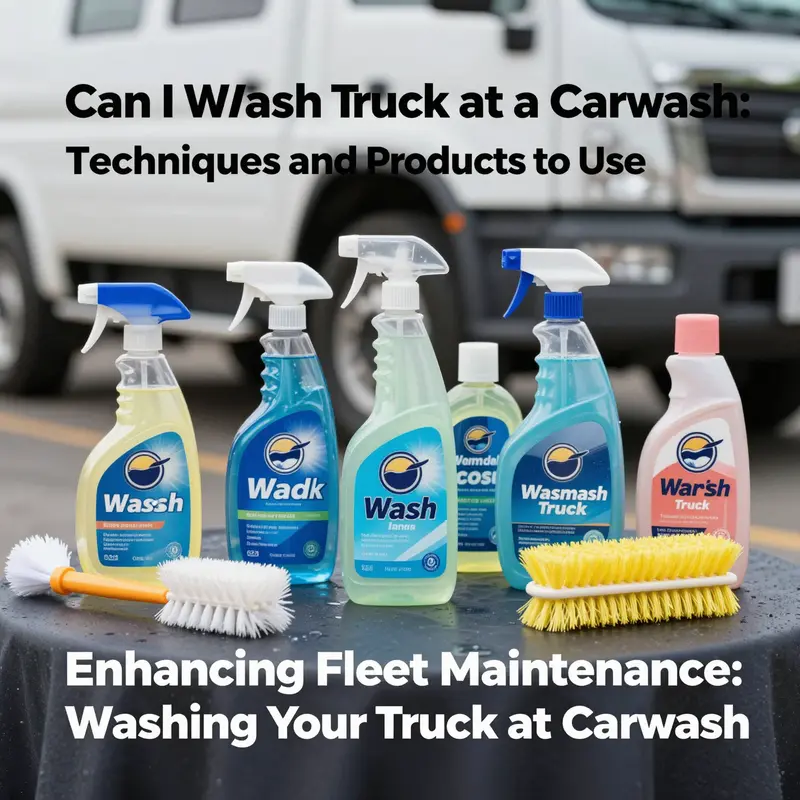
Washing a truck at a carwash is convenient and practical for keeping a large vehicle looking sharp. Carwashes are designed with trucks in mind, offering bays, wash arms, and drying equipment that accommodate size and mass. A thoughtful approach helps protect the finish, coating status, and the environment. When you pull in, you’re combining science—the way water, soap, and rinse cycles interact with paint and coatings—with practical habits for the right wash type, products, and drying technique. The goal is not just cleanliness but a protected, durable finish.
First, verify the facility’s specs. Trucks vary in height and width, and not every bay suits every body style. Before you roll in, confirm the bay clearance and that mirrors and doors won’t snag. If you drive a lifted or unusually wide rig, call ahead or pick a facility marketing vehicle-size compatibility. Inside, choices range from touchless automated washes to foam brush or cloth-based systems. Each has a place depending on coating status and contamination level. Touchless washes minimize swirl risk but may struggle with stubborn grime; foam or cloth systems can clean more deeply but require careful technique to avoid micro-marring. Base the decision on your truck’s coating status and the current grime.
The core of a successful wash is the cleaning product. Use a gentle, pH-balanced car wash soap, especially with protective coatings. Household detergents can be too harsh and may strip waxes or degrade coatings. A professional-grade, pH-neutral formula that suits coated or uncoated finishes is preferable. The right soap lifts dirt and oil without removing protective layers and gloss. For trucks exposed to road grime and salt, a balanced soap works with the wash’s rinse cycles to minimize micro-marring and water spots. Avoid gimmicky additives that leave residues on trim, seals, or glass. If your coating is ceramic or a high-gloss clear coat, choose cleaners compatible with those finishes to preserve slickness and depth.
Drying is where the finish can shine or reveal flaws. Dry promptly with a soft, ultra-absorbent cloth designed for automotive use, or a high-absorbency microfiber. Blot and roll rather than rub to avoid moving abrasive particles across the paint. If the facility offers warm-air or forced drying, use it to speed up the process, but finish with a hand-dry on wide panels and edges to catch moisture in seams and underbody areas. The goal is a thorough, water-spot-free dry from top to bottom.
Don’t neglect the undercarriage and wheels. Undercarriage rinses help remove salt, mud, and road grime that accumulate on trucks. A targeted, low-pressure rinse around rocker panels and wheel wells can prevent deposits from drying into stubborn layers. Pay attention to seals and joints; avoid high-pressure jets that could force water into spaces not designed for it. Use dedicated wheel-area treatments if needed to manage brake dust and road grime without harming seals.
Technique matters as much as product choice. Start with a light pre-rinse to loosen dust, then apply soap to lift film from the paint. If you’re using a foam brush system, allow the foam to contact the surface gently so it lifts grime without harsh rubbing. Rinse until the water runs clear and free of suds, then dry firmly with careful attention to glass, trim, and door jambs. If coatings or sealants are present, ensure compatible cleaners and tailor the wash schedule so you don’t degrade the finish.
Beyond the wash, choose facilities that emphasize environmentally responsible practices, such as water recycling and responsible chemical management. Fleet operators may seek facilities that demonstrate environmental compliance and staff training as part of a broader finish-protection strategy. For fleets, the facility choice can be part of a larger program that includes maintenance scheduling and coating longevity considerations. Resource discussions, such as facility management for truck-wash operations, can provide useful context. External reference: https://tripleatruckwash.com/facility-management-for-truck-wash-businesses/
If you’ll cycle through carwash options regularly, build a routine around coating-friendly care: select wash types based on coating status, use a pH-neutral soap, dry thoroughly, and spot-check for residue in door jambs and underside panels. When in doubt about coatings, consult a detail guide on coating longevity and wash parameters, then tailor your approach. DIY washing at home is possible, but a carwash can offer speed, consistency, and access to equipment suited for large vehicles, helping protect the finish for work, leisure, and daily use. A well-chosen carwash experience turns routine cleaning into a protective service for your truck’s appearance and resale value. The bottom line: wash quality depends on facility fit, product compatibility, and a disciplined drying routine that minimizes water spots and swirl marks. External reference: https://www.autolusterpro.com/top-10-best-car-wash-products
Choosing the Right Carwash Facility for Your Truck: A Practical Guide to Safe, Effective Cleaning
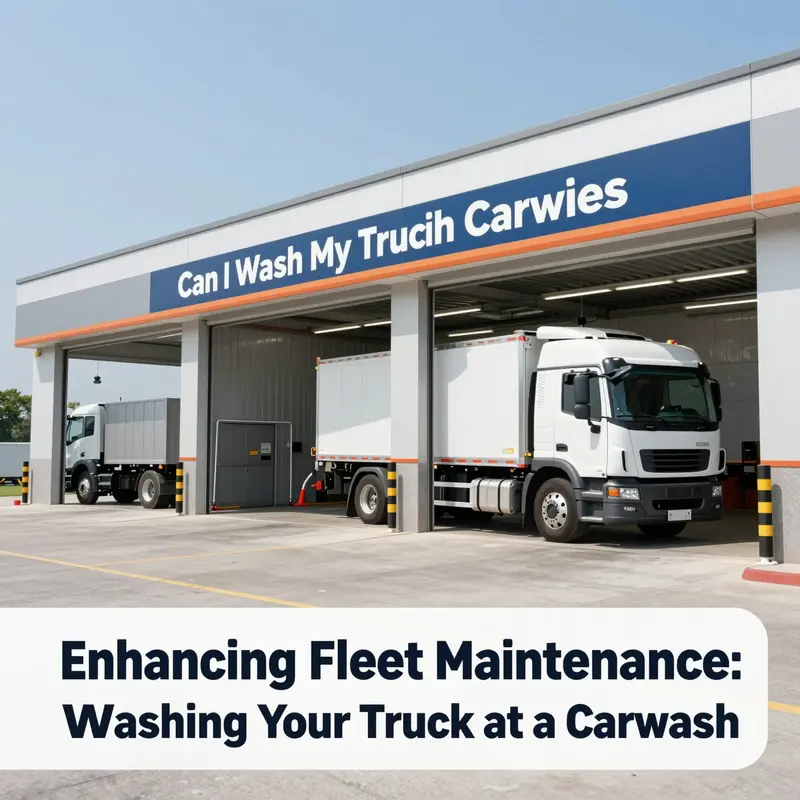
Washing a truck at a carwash is absolutely doable, and for many fleets and individuals it’s the most convenient way to keep a big vehicle looking clean. Yet trucks are not just bigger cars; they carry wider wheelbases, taller profiles, and undercarriages that collect mud, grime, and road salt in ways compact cars rarely do. Because of that, the choice of facility and the method you select within that facility matters as much as the washing itself. A little pre-thought can protect paint, trim, seals, and the finish you’ve spent time and money maintaining. It starts with recognizing that not every carwash can handle a truck, and not every wash system in a truck-friendly facility is ideal for every situation. The goal is a clean result that preserves the vehicle’s integrity while minimizing risks that come with aggressive cleaning.
If you’re in the market for a truck wash, the first impression should be about compatibility. A facility that can handle the height, width, and maneuvering space of a truck is essential. Some carwashes are built with a standard sedan in mind and impose height or width restrictions that might trap you in a bay or require a risky squeeze. Look for clear signage about vehicle size limits, or better yet, ask in advance. A quick call or a check of the facility’s hours and bay specifications can save you from a frustrating detour. Beyond the numbers, observe the wash bays themselves. Do they offer a drive-through option with generous clearance? Are there dedicated lanes or large, open bays designed for larger vehicles? If the answer is yes, you’ve found a facility that recognizes the practical realities of trucks and tailor-made cleaning throughputs.
Beyond clearance, the wash system you select plays a pivotal role in the final outcome. Touchless automatic washes rely on high-pressure jets and strong chemical cleaners without physical contact, which reduces the chance of swirl marks and minor scratches. For many trucks, especially those with intricate trim, chrome accents, or hard-to-reach body lines, touchless options are a smart starting point when you want to avoid any tangible contact with the surface. However, if you’ve got stubborn grime, clay-like mud, or decal residue, you may want a system that combines effective cleaning with gentle contact. Foam brush or soft-pad systems glide over the surface, offering more scrubbing power than pure touchless methods while still prioritizing paint safety. They are particularly useful for areas that accumulate grime in crevices, such as wheel wells, undercarriages, and the gaps around fenders and cargo beds—zones where trucks tend to collect the worst of the road grime. The best facilities either provide a choice between these two broad approaches or offer a truck-specific wash program that balances agitation and protection. If you’re unsure which system to choose for a given cleaning job, ask the staff about the typical results they see with trucks of your size and configuration. A thoughtful attendant who understands the unique contours of a truck can steer you toward the right wash cycle.
None of this matters as much as using the right cleaning products. Professional-grade car wash soaps are formulated to lift dirt without stripping protective waxes or harming clear coats. Household detergents—dish soap, laundry soap, or other off-the-shelf cleaners—can compromise paint protection, strip wax, and alter the finish over time. When selecting a service, confirm that the facility uses pH-balanced cleaners appropriate for automotive finishes and that they offer a wash program compatible with your vehicle’s finish. Some owners also prefer to add wax or sealant protection during the wash process; if your plan includes such protective treatments, check that the system’s products won’t conflict with your existing coating or ongoing maintenance schedule. The more you know about the cleaners being used, the less chance you have of compromising chrome trim, rubber seals, or painted surfaces.
The undercarriage and sensitive components deserve special attention, especially for trucks that run on rougher roads or carry payloads that throw up extra debris. A wash that includes an undercarriage rinse or a targeted spray can prevent corrosive road salt from lingering on critical areas. But the same water pressure that helps clean can also cause trouble if misapplied. High-pressure jets aimed at seals, weatherstripping, or exposed wiring can lead to leaks or damage over time. You should inform the attendant if your truck has recently replaced seals, new trim, or delicate electrical connectors. Request that the operator avoid blasting high-pressure jets directly at these areas or, if that isn’t possible, that at least those zones be shielded during the wash. A responsible carwash will respect these needs and tailor the approach to your particular vehicle.
As with any vehicle service, environmental responsibility matters. Reputable carwashes manage water thoughtfully, recycling and treating wastewater to minimize ecological impact. Many facilities have invested in water reclamation systems and treatment plants to reduce consumption and ensure the effluent meets safety standards before it’s discharged or recycled back into the process. This is not only good for the environment; it also reflects a facility’s professionalism and long-term thinking. When you visit or call, ask about wastewater handling and whether the operation is designed to minimize waste. Some local operators may even publish environmental performance data, including water consumption per wash cycle and the percentage of water recycled. If you’re evaluating multiple options, choose the facility that combines strong washing performance with a clear commitment to eco-friendly practices. The right choice will give you peace of mind that you’ve chosen both a clean look for your truck and responsible stewardship of water resources.
For owners who value convenience or who operate on a tight schedule, the availability of mobile or on-demand detailing services is increasingly a part of the market. Apps and platforms now connect truck owners with professionals who come to your location with truck-friendly equipment and specialized techniques. These services can be a timesaver when you’re managing a fleet or juggling a workday. The caveat is to verify that the mobile operator has equipment capable of handling a vehicle of your dimensions and is trained to protect sensitive areas just as a traditional carwash would in a bay. Whether you’re opting for in-person service at a reputable brick-and-mortar site or leveraging a mobile detailing visit, the emphasis remains the same: confirm that the system and approach maximize paint protection, avoid aggressive practices, and respect the physical constraints of your truck.
If you’re uncertain where to begin in your search, digital tools and location-based apps can help you pinpoint truck-friendly facilities near you. In practice, it’s wise to look for places that clearly advertise truck compatibility and to read reviews from other truck owners about paint integrity after the wash. A facility that consistently delivers clean results without swirls or blemishes is more likely to have staff trained in how to handle larger vehicles and to know when a different wash approach is warranted. When you make contact, describe your truck’s year, make, model, any after-market coatings, and any areas you want treated with care. The more detail you provide, the more accurately the facility can tailor the wash. Some operators will also offer a walk-through or a prewash assessment to identify potential risk zones and confirm that your chosen wash cycle will deliver the results you expect.
In addition to the wash method and the environmental credentials, consider the overall facility experience. A truck-friendly carwash should respect your time with clear pricing, transparent options, and staff who can explain the differences between wash types and the expected outcomes for trucks. A well-managed operation will also keep the bays clean and organized, minimizing the chance of accidental bumper strikes or the unhealthy accumulation of residue around the wash lines. The rapport you build with staff can translate into better guidance on choosing the right cycle for the season, the level of road grime you’re dealing with, and any seasonal protective treatments that might help preserve paint and trim.
For a deeper dive into how facilities can optimize operations around large vehicles, there is value in exploring resources that discuss truck-wash throughput, equipment deployment, and safety protocols. If you want to explore this topic further, consider the concept of facility management for truck wash businesses, which addresses staffing, maintenance, and equipment choices that keep a truck wash efficient and safe for oversized vehicles. This perspective can be especially useful for fleet managers who are weighing which facilities to partner with or for shop owners planning to expand capacity without compromising vehicle safety. Taking a holistic view of the wash experience—from access and layout to the chemistry of cleaners and the mechanics of the wash system—will help you select a facility that consistently delivers a high-quality finish without unintended damage.
Choosing the right carwash for a truck is not about chasing the most aggressive wash or the cheapest price. It’s about aligning the facility’s capabilities with your vehicle’s needs, validating the cleanliness outcomes you expect, and ensuring that the approach protects the surfaces you rely on for protection and appearance. The processing mind-set should be simple: know your truck’s dimensions, understand the wash options, confirm the products used are safe for paint and seals, and request gentle handling where it matters most. In practice, this translates into choosing a facility that clearly communicates its truck capabilities, offers a respectful wash program for larger vehicles, and backs it up with staff who can tailor the process to your specific truck. It’s a practical balance of efficiency, protection, and environmental responsibility, delivered in a way that makes keeping a truck clean both straightforward and reliable.
To further explore related considerations, you can look into broader discussions about truck wash practices and industry practices that inform how facilities serve larger vehicles. For broader context on where to wash your car and regional options, see external resources that discuss best places to wash your car in different locales. External reference: https://www.lasvegassun.com/autos/2026-02-03/best-places-to-wash-your-car-in-las-vegas/
Final thoughts
Cleaning your truck at a carwash can be both effective and efficient when done correctly. It’s crucial to understand the specifications and compatibility of your vehicle with the carwash system to avoid any potential issues. Additionally, utilizing the right techniques and products ensures that your trucks are maintained in peak condition, extending their life and enhancing their appearance. By choosing a reputable carwash facility, you are investing in the upkeep of your fleet. Prioritizing regular cleaning within your maintenance schedule will reflect positively on your operations and brand image.