

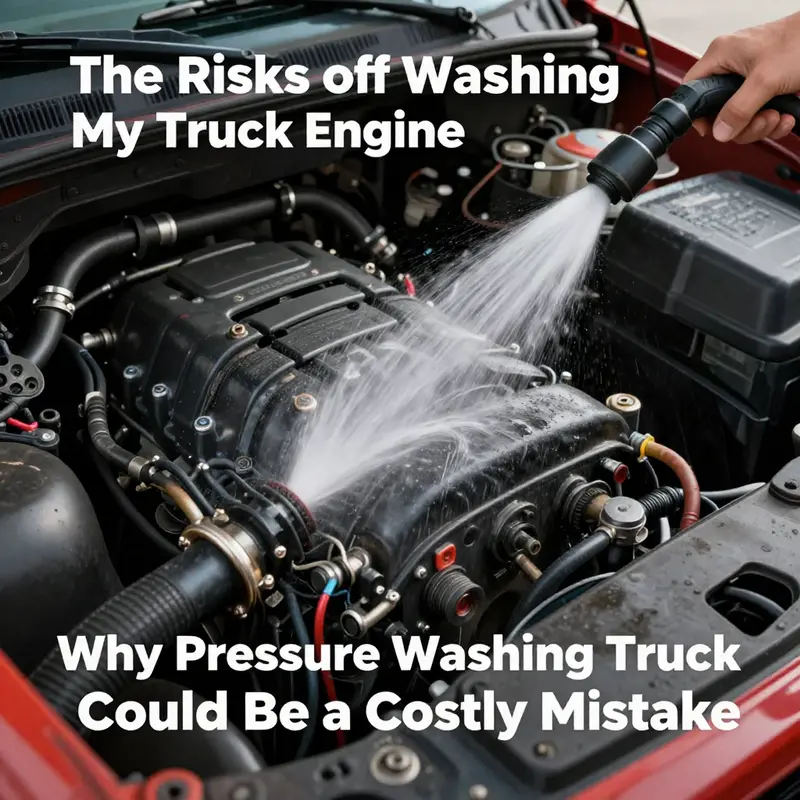
Effective fleet management relies heavily on maintaining the integrity of your vehicles, including their engines. For fleet managers and trucking company operators, the question of whether to pressure wash truck engines is a critical one. While pressure washing offers the allure of a quick and effective clean, the potential hazards far outweigh the benefits. This article discusses the risks associated with pressure washing your engine, outlines safer alternatives, and delves into professional cleaning methods that ensure your engine remains reliable and resilient. Each chapter builds upon the insights essential for maintaining fleet efficiency without incurring unnecessary costs.
null
null
Beyond the Spray: Safe, Smarter Ways to Clean Your Truck Engine Without High-Pressure Water

Engine bays sit at the intersection of heavy dirt, heat, and a tangle of wires and sensors that quietly run a vehicle’s brain. It’s tempting to reach for a pressure washer the moment grime shows up on the hood, the valve covers, or the nearest visible hose. Yet the physics and the electronics in today’s trucks tell a different story. High-pressure water isn’t just a gentle bath for grease; it can become a forceful tool that dislodges seals, forces water into connectors, and accelerates corrosion where you can’t see it. The engine bay is not a simple, watertight compartment but a complex landscape of gaskets, seals, and fragile electronics. The ECU, the ignition system, and sensor connectors all ride the edge of today’s increasingly compact and sensitive designs. A spray that is strong enough to lift away stubborn grime can push water into small crevices, coaxing electrical shorts, corrosion on metal threads, and long-term reliability issues. For many owners, the risk isn’t just a momentary hiccup; it can translate into expensive diagnostics, misfires, or clogged sensors that shift the way the engine runs, even when the problem isn’t obvious at first glance. The engine bay is also a heat factory; it routinely cooks components during operation. A sudden rush of cold water—from a pressure washer or a chilly outdoor spray—can shock metal surfaces that are already hot from running. Thermal stress can cause microcracks in alloys and joints, especially in older engines where aging seals and weakened gaskets have already taken a natural toll. The consequences may not appear immediately. A minor crack or a degraded seal may gradually allow moisture to wick into threads and connectors, leaving a trail of intermittent electrical issues that are tricky to diagnose. Those who see it as a quick cosmetic task often underestimate the long tail of damage that can accrue after a single “clean-up” session. Yet the engine bay still needs care, and there are paths that respect the machinery while still delivering a cleaner, safer result. The key is to acknowledge that not all grime is created equal, and not every method is appropriate for every bay. A measured approach to cleaning—one that emphasizes protection, control, and time—can deliver a clean, presentable engine without inviting water where it doesn’t belong. The practical approach begins with understanding the two kinds of grime most owners encounter: surface dirt that sits on top of plastics and metal, and oil-and-carbon deposits that cling to metal, valve covers, heat shields, and the underside of hoses. Surface dirt is the most forgiving. It’s often a mix of dust, road grime, and the occasional splatter from a spill or a lube job. Oil and carbon, on the other hand, cling tenaciously to hot forms and seams. When you over-wet an engine bay, you don’t just remove dirt; you introduce moisture into places that aren’t designed to celebrate a damp life. A balanced cleaning routine acknowledges this distinction and relies on methods that minimize risk while maximizing cleanliness. The safer path begins with dry cleaning, a method that has gained traction among professional shops and conscientious owners alike because it reduces or eliminates water altogether. Dry cleaning uses specialized microfiber cloths and non-aqueous engine surface cleaners that lift and trap grease without saturating the components. In practice, a monthly routine for light soiling can keep the bay looking neat and prevent the buildup of stubborn films. The cleaners used in this approach are designed to evaporate or be easily wiped away, so you can remove grime without forcing moisture into sensors, connectors, or hidden channels. This method shines in protecting the delicate electronics that power modern engines. An independent guide from 2026 notes that such an approach can achieve up to eighty percent of the cleaning effectiveness of water-based methods, while keeping electronics safe from intrusion. The difference in risk is not merely theoretical; it translates into fewer chances of short circuits, corrosion at weak points, and long-term reliability concerns. The dry-cleaning approach also encourages the owner to attend to the engine bay with a routine that fits a schedule. For light soiling, a quick wipe can do wonders between more thorough services. The idea is not to replace more rigorous maintenance or professional attention but to provide a reliable, low-risk option for regular upkeep. For those who want to broaden their options beyond cloth-based cleaning, an effective strategy is to treat the exterior engine surface with a dedicated engine surface cleaner that remains non-aqueous and compatible with plastics and metal components. Such cleaners are formulated to break down oil films while remaining comfortable on seals and gaskets. They help dissolve and lift residues that would otherwise settle and cure into a coating, making the next wipe easier and more complete. The result is a cleaner engine bay that looks better and operates more predictably, with less risk of water-related surprises. Of course, there are times when you must introduce water, especially if you’ve just completed a long trip through mud or if a stubborn oil stain demands more aggressive action. When water becomes a consideration, the safest practice is to minimize pressure and maximize protection. Before any rinse, it is wise to shield critical electronic components from direct spray with waterproof plastic covers or silicone shields. This is not a cosmetic step; it’s a preventative shield that creates a barrier between the spray and the sensitive wiring harnesses. The temperature of the water matters as well. Lukewarm water—roughly forty to sixty degrees Celsius—reduces thermal shock and avoids chasing heat into the cooling system or exhaust components. A gentle spray nozzle is essential; it should be set to a light jet rather than a forceful stream that can shear off fragile seals. The objective is not to wash away oil with brute force but to rinse away surface grime while keeping moisture away from the critical areas. After any water exposure, thorough drying is essential. Compressed air is an efficient way to evacuate moisture from crevices and connectors. A lint-free towel can follow to remove residual droplets, but the air helps reach spots a towel can’t touch. After drying, starting the engine at idle for a short period—five to ten minutes—helps to evaporate any remaining moisture and allows the alternator and other components to operate normally without lingering dampness around the sensors. This sequence—wet rinse, protection, careful drying, and brief engine run—constitutes a safe hybrid technique that many automotive experts acknowledge as preferable to indiscriminate high-pressure washing. Even with a cautious water approach, the core rule remains: never spray directly at electrical components, sensors, or the ECU. If any area looks suspicious or you feel uncertain about a particular hose or connector, err on the side of safety and refrain from direct spraying in that spot. The third option—professional steam cleaning—addresses the need for real cleanliness while actively mitigating moisture risks. Steam cleaning uses heated vapor to break down oil and carbon deposits without applying water pressure. Trained technicians guide the process, using controlled heat and vapor to loosen contaminants while shielding the most sensitive regions with protective measures. Steam cleaning is particularly appealing for engines that have heavy soot buildup or where a traditional wash would be impractical due to access constraints. The heat and moisture are managed in a way that minimizes the chance of water intrusion into electrical components and reduces the likelihood of warping or gasket damage that can occur with harsher cleaning methods. Professional steam cleaning is a service many fleets and individual owners consider every couple of years as part of a broader maintenance program. A 2026 engine care guide highlights this method as a preferred option for cases with stubborn grime, especially when the aim is to restore a near-new appearance without risking the integrity of the engine bay. While steam cleaning is more expensive than a simple wipe, it offers a level of control and safety that is hard to match with DIY methods, particularly for vehicles in daily heavy use or those with aging electrical systems. The beauty of these safer approaches is that they do not force a single solution onto every situation. Instead, they provide a spectrum of strategies that match the severity of grime with the level of risk you’re willing to accept. For routine maintenance and light soiling, dry cleaning with microfiber cloths and non-aqueous cleaners can deliver a fast, low-risk result that keeps electronics safe and surfaces looking good. For more persistent grime or when a wash is unavoidable, a controlled, low-pressure water rinse with protective shielding can do the job without inviting problems. And when the bay needs a deeper, more thorough treatment, professional steam cleaning offers a robust, low-risk option backed by trained technicians who understand the delicate balance of heat, moisture, and electronic protection. In practice, many professional shops and dealerships avoid high-pressure engine washing altogether. They rely on a combination of dry cleaning for routine upkeep, targeted rinses with protective measures for occasional deep cleaning, and steam cleaning services for significant grime accumulation. This approach aligns with modern maintenance philosophies that treat the engine bay as a sophisticated, sensitive ecosystem rather than a simple metal shell that can tolerate harsh treatment. If you’re considering what to do for your own truck, the choice should be guided by the level of dirt, the presence of oil seeping and smoke residues, the age of the vehicle, and how comfortable you are with taking steps to shield electronics. It’s not just about appearances; it’s about preserving reliability and avoiding costly downtime caused by moisture-related faults. On a practical level, you can implement a routine that keeps the bay looking presentable without inviting risk. Start with dry cleaning for monthly upkeep, particularly if you drive in dusty or dirty conditions. Schedule a more thorough exterior check after long trips or exposure to heavy road grime, and opt for a supervised, low-pressure rinse if needed, ensuring you’ve covered sensitive components. Finally, for vehicles with heavy soot, stubborn caked oil on valve covers, or signs of通 moisture intrusion into unusual connectors, consult a professional steam cleaning service that specializes in engine bays. The goal is to maintain a clean, well-presented engine without compromising the integrity of electronic systems or accelerating wear on seals and gaskets. As you adopt these practices, you may find that your truck not only looks better but also runs more consistently because the maintenance routine minimizes the chance of dirt-related faults throwing off sensors or fueling maps. The balance is in protecting what matters—electronic reliability, thermal integrity, and the long-term health of seals—while still achieving the cleaner, neater engine bay that many drivers value for pride of ownership and perceived vehicle care. For readers who want to explore exterior cleaning strategies in more depth, there are established methods that fleets use to manage grime outside the engine bay without touching critical components. These proven strategies for cleaning grease and tar off your trucks fast offer practical lessons in handling stubborn exterior soils while preserving underlying materials, and they can complement the engine-focused routines described above. Proven strategies for cleaning grease and tar off your trucks fast. In the end, the overarching message is simple: avoid direct high-pressure water exposure to the engine bay. The best results come from dry cleaning for routine maintenance, carefully shielded, low-pressure rinses when needed, and professional steam cleaning for tougher cases. These options keep your engine bay clean and visually appealing while protecting the electronics and mechanical joints that keep your truck reliable on the road. If you treat the engine bay with respect and apply a measured cleaning plan, you’ll reduce the chance of moisture-related problems and extend the life of components that often determine how smoothly your truck runs under demanding conditions. The ready flexibility of these methods also gives you room to tailor your approach to your vehicle’s age, the climate you operate in, and your personal preference for maintenance cadence. Nothing about a modern engine’s cleanliness requires taking unnecessary risks, and the smarter path is to balance the desire for a pristine bay with the knowledge that certain tools, when misapplied, can do more harm than good. With a clear understanding of the risks, a prudent plan, and access to dependable techniques, you can maintain an engine bay that looks good and functions reliably without the dangers that come with aggressive high-pressure washing. External resource: Safe Engine Cleaning Methods – Pacific Auto (2026) https://www.pcauto.com.cn/tech/engine-care/20260127/5321.html
Beyond the Blast: Safe, Professional Engine Bay Care Without Pressure Washing

Many truck owners imagine that a strong spray is the fastest way to a clean engine bay. But modern engines include electronics and sealed compartments that do not respond well to high pressure. Water can be forced into gaps, sensors, and connectors, and even water resistant parts can suffer from jet shock. Steam and warm water can cause thermal stress on metal parts and gaskets. For these reasons professionals avoid pressure washing engines and instead use controlled non pressurized methods that clean effectively while protecting critical systems.
A practical safe approach starts with cooling. Let the engine cool completely after a return from a drive. Once cool, protect sensitive components with simple barriers such as plastic bags or engine covers that cradle the electronics but still allow air flow. This keeps water out of electric boxes while letting heat escape.
Next apply a high quality automotive engine degreaser to the most soiled areas. Choose a product designed for engines and follow the dwell time on the label. Do not spray directly on sensors or exposed electrical housings. The cleaner works best when it sits for a few minutes so it can loosen oil and grime.
Then gently agitate with a soft brush. A toothbrush or light engine brush can reach crevices around valve covers and seam lines. Use a soft touch to avoid scratching metal or loosening hoses. Work in small sections and keep the brush clean.
After lifting grime, switch to a wipe down rather than a rinse. Use clean, dry microfiber towels to remove loosened dirt. In areas with residual moisture near connectors use a cool air blow dryer on a low setting to evaporate water without applying heat that can distort plastic or rubber.
If you want to avoid any liquid altogether you can use a dry clean method. Mist a tiny amount of degreaser onto a clean dry microfiber cloth and wipe the engine bay surfaces. This reduces moisture while still lifting oil and dirt.
For deeper cleaning a steam cleaning option can be considered. A trained technician uses very low pressure and high temperature vapor to dissolve grease and lift grime without forcing water into sealed areas. The steam dries quickly and leaves little residue. Distance and temperature are important to protect sensors and wiring.
Safety and maintenance notes. Never use high pressure water on an engine bay. Do not start cleaning while the engine is hot. Cover electronics and remove seals only when the bay is dry. Use products that are designed for engines rather than household cleaners. A disciplined routine of cooling, protection, targeted cleaning, careful drying, and final inspection makes engine bay care reliable.
Beyond the engine bay the same careful approach applies to overall vehicle cleanliness. Regular checks of hoses and wiring during cleaning sessions help catch wear early. A clean engine bay communicates care and can support long term reliability.
Bottom line. You can achieve a clean engine bay without a pressure wash by applying cooling, protection, safe degreasers, controlled drying, and the option of steam cleaning when needed.
Final thoughts
Maintaining the health of your truck engine is crucial for enhancing durability and ensuring operational efficiency. The allure of pressure washing may seem compelling, yet the risks involved can lead to serious financial repercussions down the line. Emphasizing safe cleaning alternatives and professional methods will safeguard your fleet’s integrity. By adopting prudent cleaning practices, you fortify your truck engines against damage, ultimately extending their lifespan and enhancing your company’s bottom line.