

Maintaining the cleanliness of truck engines is essential for fleet performance, yet the method of cleaning is crucial. Power washing, while seemingly an appealing option for truck engine maintenance, poses considerable risks that fleet managers and operators must face. Understanding these risks, exploring effective alternatives, and recognizing long-term consequences are vital for maintaining both fleet vehicles’ performance and longevity. The sections to follow will dissect the dangers associated specifically with power washing, provide safer techniques, and highlight the importance of proper engine maintenance.
Unmasking Hidden Hazards: The Perils and Pitfalls of Power Washing Your Truck Engine

Power washing a truck engine may appear to be a quick fix for stubborn grime and built-up dirt, but beneath this seemingly simple cleaning method lies a labyrinth of potential hazards. When you look closely at an engine bay, you immediately notice that it houses an intricate assembly of electrical connectors, sensors, wiring, seals, and metal components that are delicately balanced to work together. A high-pressure water stream, particularly one exceeding 1,000 PSI, can be far too forceful, potentially damaging components that are neither designed nor built to endure such an aggressive cleaning process. This chapter explores the inherent risks and hidden dangers of power washing your truck engine and provides insight into safer, more effective alternatives.
The heart of any truck lies in its engine—the powerful component that delivers performance and reliability. However, modern engines are far more complex than the older, simpler models of decades past. Today’s engines incorporate sophisticated electrical systems, integrated sensor networks, and a plethora of rubberized and plastic elements that all play vital roles. These components are vulnerable to the high-velocity impact of pressurized water. Electrical connectors, which ensure that the engine control unit (ECU) and numerous sensors operate in harmony, are particularly sensitive. When high-pressure water finds its way into these connectors, even a small breach can trigger short circuits, leading to malfunctions that may require extensive and costly repairs.
Consider the wiring harnesses that dot the engine bay. They provide the necessary electrical pathways for signals to travel from the control systems to the myriad sensors and active components. The insulation that protects these wires is not designed to repel jets of high-pressure water for prolonged periods. Once water seeps past the insulation, it can corrode the metal inside, potentially resulting in erratic sensor behavior and electronic failures. The consequence of such damage might not be immediately evident, slowly degrading performance and reliability until the issue becomes critical.
Alongside electrical risks, there is the danger of physical damage inflicted on the engine’s construction. Components such as gaskets and seals are engineered to maintain the delicate balance of pressures and temperatures within the engine. When a sudden burst of cold water meets the residual heat of a running engine, thermal shock sets in. Thermal shock, which is the result of rapid temperature changes, can cause metal components to warp or crack. Seals may lose their pliability, resulting in leaks that compromise engine performance and in worst-case scenarios, lead to complete engine failure. In this light, the porous nature of gaskets and seals not only makes them susceptible to water infiltration but also means that the long-term effects could be disastrous.
Another prominent risk is corrosion. While modern materials have been developed with improved resistance to environmental factors, the risk of rust and corrosion remains. When water, especially if it contains minerals or impurities, becomes trapped in engine crevices, it provides the perfect conditions for oxidation. Corrosion is a slow and relentless process that can severely diminish engine performance over time. What might seem like a minor inconvenience initially could evolve into a critical problem that affects the longevity and efficiency of the entire powertrain. The buildup of rust not only reduces the integrity of metal surfaces but also can lead to misalignment of engine components, further risking mechanical failure.
Furthermore, the high-pressure water used in power washers is not a gentle cleanser but an aggressive force that can push dirt and grime deeper into crevices rather than dislodge it. The intense force works similarly to a pressure cooker, driving contaminants far beneath the surface. In many cases, this means that the cleaning process is not only ineffective but could also complicate future efforts at removing the ingrained dirt. The risk of inadvertently spreading contaminants across the engine bay adds an extra layer of complication, making the overall process counterproductive.
It is also important to emphasize that many truck manufacturers provide explicit guidelines regarding engine cleaning. Although some modern engines might be marketed as being more resilient or “washable” under controlled circumstances, this often implies light cleaning methods rather than the use of a full-scale power washer. Manufacturers understand the fragility of modern engine components and typically suggest that only a gentle, low-pressure method be used for cleaning. Ignoring these recommendations can result in voiding warranties and exposing the vehicle to unnecessary and time-consuming repairs. Adhering strictly to manufacturer guidelines is not just a recommendation—it’s a necessary precaution to ensure long-term engine reliability.
While many truck owners seek the convenience and speed of a power wash, it is crucial to consider that the perceived cleanliness might come at a steep cost. The trade-off between superficial appearance and genuine engine health is a critical one. Often, the visual appeal of a spotless engine bay is overshadowed by the hidden risk of compromised internal components. The promise of low maintenance and extended engine life is one that could be shattered by inadvertent water-related damage. Each time high-pressure water is applied, the potential for an unseen defect or micro-damage increases. Over time, these small issues accumulate, potentially culminating in a significant, costly failure. The risk, therefore, is not merely in the immediate cleaning session but in the cascading effects that may manifest over the lifespan of the truck.
The potential for harm extends to the tires, hoses, and even the electrical wiring that connects to sensor modules. For instance, many sensors located near the engine rely on finely tuned exposure to ambient conditions. When water invades these systems, it often leads to erratic readings. Such misleading data can cause the engine control unit to adjust fuel mixtures or ignition timing inappropriately, leading to diminished performance or even catastrophic engine misfires. The insured longevity of the engine may be undermined by these micro-level issues, which are often overlooked until they escalate into large-scale, expensive repairs.
What are the viable alternatives, then, for truck owners determined to keep their engine bays looking as clean as the exterior? Experts universally caution against the use of power washers for engine cleaning. Instead, they recommend a more conservative approach that focuses on manual cleaning techniques. A carefully executed manual cleaning process begins with ensuring that the engine is completely cool. This might seem like common sense, but it is a critical first step. A hot engine, when subjected to cold water, can experience thermal shock. By waiting until the engine has fully cooled, you reduce the chance of cracking metal components or warping delicate parts.
Next, it is advisable to cover or shield the most sensitive areas of the engine, such as the electrical connections, the ECU, and the sensors. This protective barrier can be formed using plastic bags or specifically designed engine covers that help to isolate components from potential water exposure. Once these areas are safely protected, a degreaser intended for automotive engines should be applied. The degreaser works to break down accumulated grime and grease, making it easier to remove. In this approach, a soft-bristle brush or even a sponge is the tool of choice, ensuring that the cleaning agent is distributed evenly without the risk of the aggressive force that accompanies a power wash.
After the degreaser has had sufficient time to work its magic, it should be gently wiped away using a damp cloth. This step, while seemingly mundane, is critical in ensuring that no residual chemicals are left behind to cause further damage. A meticulous drying stage follows, where air or compressed air may be utilized to remove any lingering moisture. Ensuring that the engine is completely dry before starting it up is paramount because residual water can potentially lead to short circuits or corrosion if the engine is put back into use too quickly. Each of these steps is designed to successively mitigate the risks inherent in using high-pressure water to achieve a clean engine bay.
It is easy to be tempted by the undeniable convenience and speed of power washing, especially in an era where efficiency is prized above all. However, when it comes to the health and longevity of a truck engine, the adage that ‘fools rush in where angels fear to tread’ rings particularly true. The aggressive nature of power washing is at odds with the delicate intricacies of modern engine components. The very process intended to cleanse can instead corrode, damage, and impair the engine that so reliably powers your truck. The risk of electrical faults and water-induced corrosion far outweighs any perceived benefits. In fact, investing time in a thorough, considered cleaning approach not only extends the life of your engine but also prevents the potentially astronomical costs of repairs that might result from a simple, yet catastrophic, cleaning error.
A case in point is the often-overlooked impact of high-pressure cleaning on engine-mounted sensors. Even sensors that appear to be robust in design are vulnerable to water intrusion. When water infiltrates these sensors, even in minuscule quantities, the results can be unpredictable. Erratic sensor inputs can lead to improperly adjusted combustion processes or errant engine diagnostics. The engine control system, which depends on accurate sensor feedback, may respond by altering performance parameters, resulting in decreased efficiency and, in some cases, operational failures. This chain reaction exemplifies the delicate balance within which modern truck engines operate, where even a small deviation from the norm can have significant consequences.
Moreover, power washing can also be particularly detrimental if any existing issues in the engine bay are present, no matter how minor. Seemingly insignificant cracks in rubber hoses or signs of wear on protective coverings can be exacerbated by the force of pressurized water, accelerating deterioration and potentially leading to more dire mechanical or electrical failures. Over time, these small issues can combine, culminating in a situation where the truck’s overall reliability is severely compromised. Each component, though appearing robust individually, becomes a potential point of failure when subjected to excessive and unnecessary stress from water power. The risks are cumulative, hampering both the performance during short-term use and the overall longevity of the engine.
Engineers and mechanics alike repeatedly stress the importance of following proper cleaning protocols. For those who wish to remain proactive in the maintenance of their truck, it is imperative that cleaning methods are chosen not only on the basis of their immediate cosmetic benefits but also on their long-term effects. By opting for a gentler cleaning regimen, you preserve the integrity of the engine and avoid the pitfalls that spring from a misguided reliance on power washing. The precision engineering that goes into crafting a modern truck engine demands an equally precise approach to its maintenance.
In addition to the practical risks discussed, there is a significant psychological barrier to accepting that the quickest and easiest option is not always the best one. Many truck owners justify the use of power washers because of the immediate satisfaction provided by a sparkling engine bay. However, when viewed in the context of long-term maintenance and overall vehicle performance, this narrow view often proves to be shortsighted. The allure of instant gratification must be balanced with an understanding of the potential risks and future expenses. Prudent maintenance practices, such as those advocated by experienced mechanics and detailed in discussions about effective cleaning techniques, underscore the advice to avoid high-pressure water methods. For a deeper dive into more measured and effective cleaning approaches, consider exploring the article on effective cleaning strategies for truck engines, which provides additional insights and practical techniques to ensure your engine remains in peak condition.
One must also appreciate the interplay between aesthetics and functionality. A visually impressive engine bay might boost confidence in the machine’s well-being, but appearances are often deceiving, hiding internal vulnerabilities. A method that prioritizes cosmetic appeal over mechanical integrity invariably leads to compromises. Professionals in the automotive industry continuously remind truck owners: the superficial shine of a power-washed engine rarely compensates for the potential internal damage inflicted. The emphasis should be on maintaining robust engine health, which requires respecting the delicacy of the intricacies hidden beneath the surface.
It is also worth noting that the environmental factors surrounding the cleaning process can inadvertently amplify the risks. For instance, using cold water to wash a warm engine can trigger thermal contraction, leading to micro-fractures in metal surfaces. Even if these fractures are not immediately visible, they can propagate over time under the stress of regular operation, compromising the engine’s structural integrity. Additionally, chemical cleaners mixed with water may react unpredictably with engine materials when exposed to high-pressure streams. The chemical interactions could weaken protective coatings and make surfaces more prone to corrosion. Thus, it becomes apparent that the risk extends beyond simple mechanical damage and enters the realm of chemical and thermal instability.
For those who remain intent on using water-based methods due to time constraints or convenience, it is imperative to adopt a highly disciplined approach. First, confirm that the engine has cooled completely, which cannot be overstated given the dangers of thermal shock. Next, carefully isolate the sensitive components. Using plastic coverings, secure loose wiring supports, and identify critical areas that must remain untouched. Once these safeguards are in place, a specialized, automotive-grade degreaser is the only cleaning agent recommended. Apply this agent carefully with a soft brush, ensuring that every movement is deliberate and gentle. The goal here is to dislodge the dirt without applying the force that could trigger damage. After the degreaser has penetrated and loosened the grime, remove the residue with a damp cloth, taking care not to saturate areas that have not been protected. Finally, invest time in thoroughly drying the engine bay, either by hand or with compressed air, ensuring no water is left behind to cause corrosion or further damage. This meticulous approach stands in stark contrast to the indiscriminate intensity of power washing.
The emerging consensus among technical experts is clear: when it comes to cleaning your truck engine, caution and precision are paramount, while the allure of power washing must be resisted. The layered complexity of modern engine systems means that every component, no matter how small, requires careful consideration and gentle treatment. The potential consequences of carelessness are far from trivial, ranging from minor annoyances to catastrophic failures. In an era where technological advances have made engines both more capable and more sensitive, employing outdated or aggressive cleaning techniques is not just ineffective—it is perilous.
In summary, while the concept of power washing your truck engine may initially seem like an efficient solution for a crude aesthetic problem, closer scrutiny reveals a host of dangers that undermine the long-term reliability and performance of your vehicle. The intricate network of electrical components, combined with the vulnerability of seals, gaskets, and metal surfaces, forms a veritable minefield where even a small misstep can lead to serious repercussions. The risks of electrical short circuits, thermal shock, corrosion, and internal component displacement all coalesce into a compelling argument against the use of high-pressure water cleaning for truck engines. Responsible truck maintenance demands a more conscientious approach—one that respects the delicate engineering of today’s engines and prioritizes longevity over a fleeting shine.
For those in doubt, engaging the services of a professional mechanic or technician who has experience with sensitive engine components can be an invaluable step. Their expertise can help identify potential vulnerabilities and suggest cleaning methods that are tailored to the specific make and model of your truck engine. In this way, you can balance the aesthetic desire for a clean engine bay with the practical need to preserve engine function and integrity.
Ultimately, the decision of how to maintain your truck engine should be guided by a deep understanding of the risks involved and the long-term implications of any cleaning method. The superficial benefits of a power-washed engine bay are quickly eclipsed by the hidden dangers that lurk beneath the surface. By taking a careful, measured approach to engine cleaning, you invest not only in the immediate appearance of your truck but in its reliability, performance, and longevity for years to come. For further external insights and recommendations, you may wish to consult resources such as the comprehensive overview on engine cleaning practices available at MotorTrend. In doing so, you arm yourself with the knowledge necessary to make informed decisions that protect both your investment and the substantial effort that goes into maintaining a high-performance truck engine.
In conclusion, while the allure of an effortlessly clean engine via power washing is undeniably attractive, the inherent risks far outweigh the benefits. The process, when applied to a modern truck engine, poses significant threats ranging from electrical malfunctions and sensor damage to corrosion and thermal shock. It is a stark reminder that in the world of automotive maintenance, speed and convenience must never trump safety and precision. By choosing a methodical, manual approach to cleaning—and by taking the time to meticulously protect and care for each component—you ensure that your engine remains robust, reliable, and ready to deliver peak performance mile after mile.
Gentle Cleaning Innovations: Safeguarding Your Truck Engine with Modern Techniques

Truck engines are built to withstand the harsh conditions of the road, but they are also fragile machines that require careful maintenance. Over time, grime and oil buildup can detract from performance and appearance, making routine cleaning an essential part of truck upkeep. While many truck owners are tempted to use high-pressure power washing for a quick cleaning fix, experts warn that power washing can lead to significant risks. In this comprehensive chapter, we explore a range of gentle yet effective cleaning alternatives that protect your engine’s intricate electrical systems and sensitive components, ensuring long-term reliability and safety.
Because power washing involves jets of high-pressure water blasting through your engine bay, it can force moisture into areas that were meant to stay dry. Particularly vulnerable are the seals surrounding the Engine Control Unit (ECU), sensors, wiring harnesses, and electrical connections that help keep your engine running at peak performance. When water enters these areas, it raises the risk of short circuits and corrosion. The result may be not only an unsightly engine compartment but also an engine that malfunctions or fails entirely. This makes it crucial to look into alternative cleaning techniques that offer the benefits of removing grease and dirt without causing damage.
One of the most highly recommended alternatives is the use of a specialized engine degreaser designed to work without water. This dry cleaning technique involves applying a formulation specifically created to break down oils and accumulated grime. The process starts by allowing the engine to cool completely, then carefully spraying a foam or liquid degreaser over the engine bay. The degreaser penetrates the layers of grease and grime, softening and dissolving them. After a period of several minutes in which the cleaner works to break down contaminants, you can gently wipe away the residue with a clean, lint-free cloth or soft brush. The absence of heavy water streams in this process makes it safer because there is no danger of forcing water into restricted areas. Moreover, by paying special attention to sensitive parts such as the battery, fuse box, alternator, and ignition coils, you can protect these elements by covering them with plastic wraps or bags during the cleaning process.
Many truck owners have found success with this dry cleaning method because it preserves the integrity of the engine while ensuring that all traces of accumulated contaminants are removed. Using engine-specific cleaning agents reduces the chemical stress on metal surfaces and helps maintain the delicate balance between lubricating oils and protective coatings that have been carefully optimized by manufacturers. Even stubborn oil sludge that has packed into crevices can be tackled by gently scrubbing with a soft-bristled brush – something as simple as an old toothbrush – before a final wipe-down. This method enables gradual, controlled cleaning that poses minimal risks to electrical circuits and mechanical parts alike.
Another increasingly popular and advanced method for engine cleaning is dry ice blasting. This process, also known as dry ice cleaning, harnesses the power of highly compressed air to propel small pellets of dry ice onto the engine surface. Because dry ice sublimates almost immediately upon contact with the surface, it creates a thermal shock that dislodges dirt, grime, and oil deposits without introducing liquid water into the equation. The rapid transition from solid to gas effectively lifts contaminants from the engine surfaces, including hard-to-reach areas around valves and intricate metallic parts.
The appeal of dry ice blasting lies in its non-abrasive, chemical-free process that leaves no secondary residue behind. For truck owners who are looking for a deep, thorough cleaning of the engine bay, dry ice blasting emerges as a sophisticated alternative to power washing. Although this method might require professional equipment and expertise, the investment is worthwhile for those who wish to confront longstanding oil buildup and carbon deposits without risking the integrity of the truck’s systems. Dry ice cleaning not only safeguards the engine’s sensitive components but also offers an environmentally friendly approach since it eliminates the need for harsh chemical degreasers and heavy water usage.
While both dry engine degreasing and dry ice blasting have significant advantages, some truck owners may still consider a more controlled use of water through a low-pressure wash. This method, which involves using water at pressure levels significantly lower than power washers (ideally less than 50 PSI), is a compromise that permits the use of water while still reducing the risks associated with high-pressure streams. However, this approach requires stringent precautions: all key electrical systems must be fully covered and sealed off, and the water must not be allowed to strike the components directly. After application of the gentle water stream, it is essential to dry out the engine bay immediately. Tools such as compressed air or even an industrial-grade blow dryer can be employed to ensure that no residual moisture remains that could later lead to corrosion or electrical shorts.
Low-pressure washing, when performed with meticulous care and full protective measures, can be effective for routine maintenance. However, it demands a disciplined approach and awareness of the intricate layout of the engine bay. By ensuring that protective coverings are present and that water is applied sparingly, truck owners can achieve a balance between cleaning and protection. In the context of maintaining vehicles, this method must be seen as a temporary alternative rather than a long-term solution, as any mistake in covering vital areas may lead to expensive repairs.
It is important to understand that the overarching aim of all these techniques is to maintain and protect the engine’s functional integrity while ensuring an attractive, clean engine bay. In contrast to power washing, which might appear to offer a quick and convenient solution, these alternatives emphasize controlled processes that address both the removal of contaminants and the safeguarding of sensitive components. Traditional wisdom in truck maintenance now suggests favoring methods that are patient and measured rather than quick but potentially hazardous. In this way, investing a little extra time and care to apply engine degreasers or employing dry ice blasting can ultimately extend the life of your engine and contribute to smoother, more reliable truck operations.
One of the primary reasons that these gentle cleaning methods are preferable is their cumulative benefit of preserving not only the physical state of engine parts but also the overall performance and reliability of the vehicle. Engines today are marvels of modern technology, boasting complex electrical networks that are finely tuned to interact with mechanical systems. The precision with which sensors and control units operate means that even a small amount of lost water or moisture can disrupt the delicate balance. For instance, a slight electrical fault in the sensor that monitors engine temperature may lead to malformed data being sent to the ECU, which in turn could reduce efficiency or trigger erroneous alerts. It is this level of interdependence that makes any inadvertent water intrusion particularly dangerous.
In addition to protecting these highly technical components, alternative cleaning approaches also focus on preserving the integrity of seals and gaskets. A significant risk associated with power washing is the sudden exposure of hot engine parts to cold water—a phenomenon that can induce thermal shock. Thermal shock is known to cause microfractures or warping in metal components such as cylinder heads and engine blocks. Over time, these microscopic damages can collectively undermine the structural integrity of the engine, leading to leaks and diminished performance. In contrast, using a gentle degreaser or controlled low-pressure application avoids the extreme temperature gradients that produce such stresses.
Another aspect of engine care relates not only to immediate performance but also to long-term durability. Corrosion and rust are the natural enemies of any mechanical system, and the engine bay—when exposed to water—can become a breeding ground for these degrading processes. Water, when allowed to remain trapped within metallic crevices, acts as a catalyst for oxidation. This oxidization gradually deteriorates essential components, making the engine more vulnerable to breakdowns. The alternatives discussed here, with their emphasis on minimal water use and careful drying, significantly reduce the potential for such long-term damage. By methodically applying a dry cleaning agent and ensuring that no moisture lingers, truck owners can forestall the onset of rust and other forms of corrosion.
Beyond the purely technical benefits, these alternative cleaning techniques also embody a broader philosophy of preventive maintenance. Just as routine oil changes and regular inspections are key to ensuring optimal performance, using appropriate cleaning methods is a proactive measure that prevents future complications. By opting for engine degreasers, dry ice blasting, or very careful low-pressure washes, you are not just cleaning your truck; you are investing in its longevity and financial prudence. A well-maintained engine bay not only looks clean but also reduces the risk of costly repairs that can arise from minor yet cumulative damage caused by water exposure.
The principles underlying these safe cleaning alternatives extend to the notion of risk management. In the context of vehicle maintenance, every action carries with it a set of risks and rewards. Power washing might deliver immediate gratification through a sparkling engine bay, but the hidden costs—in potential electrical faults, compromised seals, and eventual corrosion—far outweigh the superficial benefits. In contrast, the alternative methods discussed here may require more time and effort, yet they provide a lasting benefit by ensuring that every delicate component in the engine remains protected. This is a decision driven by long-term thought rather than short-term convenience, and ultimately, it reflects a more considered approach to truck maintenance.
Adopting these gentle cleaning innovations begins with a clear understanding of your engine’s vulnerabilities. Many truck owners may be unaware that their engine bay is a complex interplay of high-performance components, all working together to deliver reliable power. The compact nature of modern engine bays means that even a minor misstep in cleaning can result in unintended water intrusion or chemical damage. Therefore, a necessary step in any cleaning regimen is to map out the areas that require special care. One should start by identifying and isolating the parts that are absolutely off-limits—for example, covering the battery and sensitive electronic modules with robust plastic or even waterproof tape. This preliminary oversight not only prevents accidents during cleaning but also ensures every subsequent action is mindful of these protected zones.
In every phase of this process, attention to detail is paramount. When applying a specialized engine degreaser, use a controlled spray technique that minimizes runoff and overspray onto adjacent areas that might not need treatment. Allow the cleaner to penetrate for a precise interval; too short an exposure might render the product ineffective, while too long could potentially damage delicate paint or rubber seals. The same cautious mindset applies to dry ice blasting. Though the process is inherently safe for engine components, it must be performed in a controlled environment to ensure that the fast-moving pellets do not strike loosely fastened parts with undue force. By carefully calibrating the pressure and angle of application, professionals can maximize cleaning efficiency while safeguarding the engine’s inner workings.
It is worth noting that many truck owners have already experienced the benefits of transitioning away from power washing. Anecdotal evidence and case studies consistently show that engines cleaned using these gentle methods tend not only to look better but also to perform more reliably over time. For example, when oil sludge is removed properly using a targeted degreaser, sensors that monitor engine performance are less likely to get fouled by residues. This, in turn, translates to more accurate readings, improved fuel efficiency, and reduced wear and tear on vital components. In one instance, a fleet manager reported that after adopting regular cleaning with dry ice blasting, maintenance costs dropped significantly while engine performance showed measurable improvement. Such stories serve as practical endorsements of the superiority of these modern, gentle cleaning techniques.
Moreover, preventive maintenance through safe cleaning is a testament to the value of investing time upfront to save on potential repair costs in the future. The avoidance of high-pressure washing minimizes the risks of electrical failures that could otherwise lead to expensive repairs or even complete engine replacement. It is always far more cost-effective to prevent damage than to repair it after the fact. This philosophy is not only relevant to individual truck owners but also critical to fleet managers who are responsible for maintaining dozens, if not hundreds, of vehicles. When every truck in a fleet is maintained using these advanced cleaning alternatives, the cumulative benefits in reliability, longevity, and safety are substantial.
For those who are curious about additional safe cleaning techniques and procedures, there are ample resources available that explore these methods in depth. For example, you can find a detailed article on effective strategies for cleaning away grease and tar that further underscores the importance of gentle cleaning methods. This guide offers practical advice and real-world examples of how proper cleaning techniques have helped restore engine performance without exposing critical components to heavy water usage or chemical damage. It is a valuable resource for anyone dedicated to proactive maintenance and long-term truck care. You can read more about these strategies in a comprehensive online article on the subject here.
Throughout this exploration of alternative cleaning methods, one consistent theme remains: a renewed focus on caution, precision, and quality. The temptation to opt for power washing springs from its immediate visual payoff. However, the underlying risks—from electrical shorts to compromised seals and persistent corrosion—present too great a hazard for those who simply need a quick fix. Instead, methods like dry cleaning with an engine degreaser and dry ice blasting emphasize a careful, measured approach, ensuring that the cleaning process contributes to both performance and longevity.
Furthermore, the adoption of these techniques reflects an evolution in how truck maintenance is viewed. Rather than relying solely on speed and convenience, modern truck owners are increasingly valuing methods that offer lasting benefits. This shift in mindset is crucial for a technology as complex as today’s engines, where the interplay of mechanical and electronic systems demands careful handling. The move towards safer cleaning procedures is emblematic of a broader trend in the automotive maintenance industry: a focus on sustainable practices that minimize risk and maximize the lifespan of critical vehicle components.
It is also important to acknowledge that while alternative cleaning methods may require a bit more diligence and sometimes professional intervention, they are ultimately more forgiving when it comes to the long-term health of your truck engine. A thorough cleaning protocol that incorporates these safer techniques can be integrated into regular maintenance schedules with minimal disruption. The time taken to protect components via proper covering and controlled cleaning is vastly outweighed by the benefits of avoiding significant repairs later on.
In practice, many professional mechanics and fleet managers have already shifted away from high-pressure cleaning methods to embrace these innovations. Their experiences reveal that a methodical, careful approach yields superior outcomes. By employing engine degreasers and utilizing dry ice blasting, they have achieved impressive results in removing persistent buildup without compromising the engine’s performance. This transition has led to a noticeable improvement in vehicle reliability, fuel efficiency, and even resale value, as a well-maintained engine bay is an indicator of conscientious care.
As truck engines continue to evolve with the integration of more sophisticated electronic systems, the importance of using gentle cleaning techniques cannot be overemphasized. Engine bays now host a variety of sensors, wiring systems, and control units that, when functioning harmoniously, deliver power and efficiency. Any breach in this delicate system risks a cascade of malfunctions. Therefore, every cleaning session becomes an exercise not only in aesthetics but also in precision engineering. By understanding the properties of modern engine construction—the interplay of metals, plastics, and electronic components—you can better appreciate why traditional power washing, with its uncontrolled streams of water, is no longer acceptable.
The journey to safer engine cleaning begins with education and a commitment to practice better maintenance habits. It entails acknowledging that the techniques of yesterday may no longer suffice in an era when technology and design push the envelope of what is possible—and what is at risk. Engaging in routine cleaning using these advanced methods ultimately reflects a respect for your truck, ensuring that it continues to perform reliably under the most strenuous conditions and carries you safely mile after mile.
Embracing these gentle cleaning innovations is a decision informed by prudence, experience, and a forward-thinking perspective on maintenance. Rather than taking shortcuts that might offer an immediate shine but jeopardize long-term operation, truck owners are encouraged to adopt practices that merge thorough cleaning with protective measures. Each step, from the application of a carefully selected degreaser to the controlled delivery of low-pressure water or dry ice pellets, is designed to work in harmony with the engine’s sensitive systems. This proactive approach helps ensure that even the most complex and modern engines receive the care they require.
For those seeking even deeper insights into the complexities and benefits of these alternative cleaning methods, additional external resources provide an expansive view on the topic. One such external reference is an article available on Motor.com, which delves into detailed comparisons between high-pressure washing and safe cleaning alternatives. The article offers a useful examination of the potential hazards of water exposure to sensitive engine components, and it underscores the importance of gentle cleaning techniques. For further reading on safe alternatives to power washing engine bays, refer to Motor.com’s article here.
In conclusion, the evolution of truck engine cleaning is a narrative of increased safety, efficiency, and respect for modern technology. While the allure of power washing has persisted in the past due to its immediate results, we now understand that the risks it poses far outweigh its benefits. By moving towards controlled, thoughtful cleaning methods such as using specialized engine degreasers, employing dry ice blasting, or even resorting to a prudent low-pressure water wash, truck owners can ensure that their engines remain both visually appealing and functionally robust. This chapter serves as an encouragement to embrace such innovations and to view cleaning as an integral part of engine care and longevity. Ultimately, every carefully executed cleaning procedure is a step toward preserving the performance and reliability that drivers depend on every day.
Maintaining a truck engine is not merely about aesthetics but about preserving the complex interplay of components that make your vehicle run smoothly. The strategies outlined here represent a shift away from risky habits and towards a future where maintenance practices are aligned with modern engineering. As the industry continues to evolve, so too must our methods of care. Embracing new technologies and techniques for cleaning is not only smart—it is essential for anyone who values the long-term health of their truck engine.
Truck owners, fleets, and maintenance professionals alike are encouraged to adopt these gentle cleaning innovations. The process might require more time and attention than the quick fix of power washing, yet the benefits—in extended engine life, improved safety, and lower repair costs—are undeniable. With an informed approach and careful execution, you can safely refresh your engine bay, ensuring that your vehicle remains in peak operating condition while standing as a testament to the advancement of automotive maintenance practices.
Beyond the Surface: Navigating the Long-Term Impacts of Power Washing and Maintaining Your Truck Engine
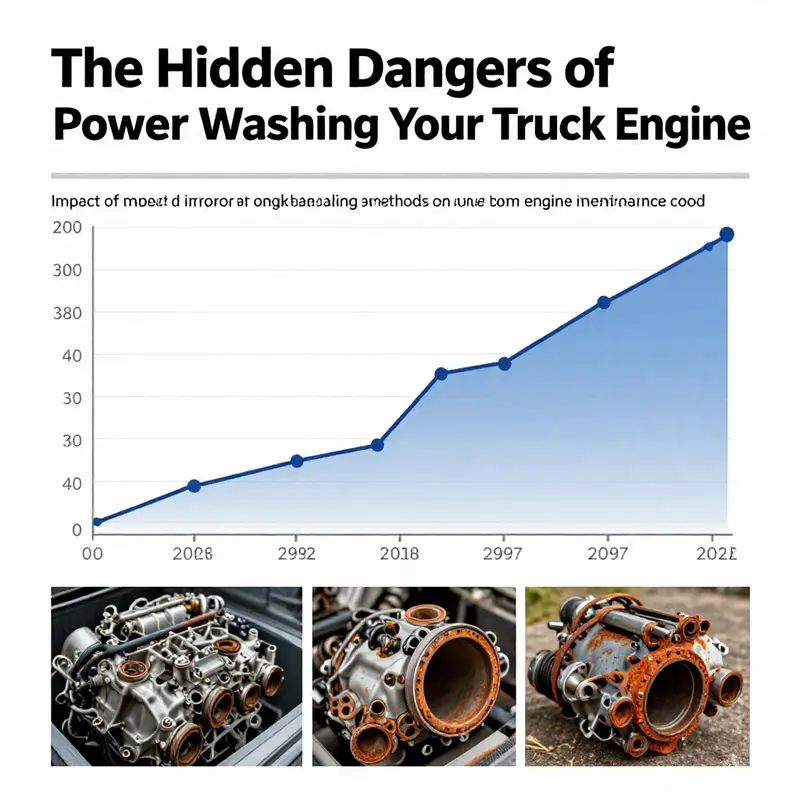
Introduction to the Delicate Balance
When considering whether to power wash your truck engine, it is essential to understand that the choices you make today can have significant ramifications for your vehicle’s reliability and longevity. Many truck owners are tempted by the transformative potential of a high-pressure wash, hoping to rejuvenate engine bays and remove stubborn grease. However, behind the apparent allure lies a complex interplay of factors that could end up costing you both time and money. As you weigh the short-term benefit of a visually clean engine against the potential for long-term damage, it is crucial to consider that modern truck engines are sophisticated machines where even minor missteps in maintenance can lead to major automotive failures.
The Hidden Dangers Lurking in High-Pressure Water
Modern truck engines are engineered with intricate systems and sensitive components, making them especially vulnerable to excessive moisture. The very force that power washing wields against stubborn grime can also injure delicate parts that have been precisely calibrated for optimal performance. Among these are the electrical components that form the heart of the engine’s operational system. The Engine Control Unit (ECU), along with myriad sensors and wiring harnesses, resides in close proximity to parts that are often exposed during cleaning. With power washing, water is propelled at velocities capable of penetrating protective seals. When moisture infiltrates these seals, critical components can short circuit, leading to expensive repairs or irreparable damage. This risk magnifies when the engine is still warm, as thermal expansion and contraction can compromise the integrity of seals that normally serve to keep water out.
The dangers of high-pressure washing extend to essential mechanical components as well. Engine gaskets and seals, responsible for preventing leaks of oil and coolant, are particularly vulnerable when subjected to sudden blasts of cold water while the engine material is still hot. Such rapid temperature changes can cause thermal shock, potentially resulting in cracks within engine blocks or warping of cylinder heads. Even if immediate catastrophic failure does not occur, the gradual degradation of these components can lead to leaks or mechanical imbalances that impair vehicle function over time.
Understanding the Long-Term Effects on Engine Integrity
Over time, the repeated exposure of engine elements to forced water can culminate in irreversible deterioration. Beyond the immediate risks of electrical shorts and gasket failures, prolonged moisture exposure fosters an environment ripe for corrosion and rust. Metal parts, which are essential for maintaining structural integrity and ensuring proper engine lubrication, can begin to rust when water becomes trapped in concealed crevices. This not only undermines the performance of the engine but can also shorten its operational lifespan significantly.
In addition to corrosion, the rubber and plastic components within the engine bay deserve special attention. High pressure from water jets has the capacity to erode these materials gradually, leading to brittle hoses, cracked plastic covers, and even compromised wiring insulation. Such damage might not manifest immediately but can have compounding effects, resulting in a scenario where seemingly minor imperfections evolve into major operational hazards. The gradual loss of flexibility and durability in these non-metallic components is a silent enemy that worsens the condition of the engine as time goes by.
Navigating the Myriad Risks with Informed Choices
Faced with these significant risks, many truck owners find themselves caught in a conundrum. On one hand, there is the desire to maintain a pristine engine bay—a reflection of meticulous care and a source of personal pride. On the other, there is the overwhelming evidence that high-pressure cleaning methods can lead to costly future repairs and severe engine damage. In the quest for an ideal balance, it becomes clear that manual cleaning methods, when executed properly, offer a far superior alternative. By using gentle detergents and carefully applied cleaning techniques, you can achieve effective cleaning without subjecting your engine to unnecessary stress.
One of the most critical lessons learned from automotive experts is that cleaning an engine should be considered a meticulously planned procedure rather than a spontaneous act of rejuvenation. First and foremost, the engine must be completely cool before any cleaning begins. This precaution is not just a matter of comfort; it is fundamental to preventing the shock that results when cold water meets hot metal. When planning a thorough engine cleaning, it is wise to invest in specialized cleaning agents designed for engine bays. These agents are formulated to break down grease and grime without harming vital seals or electronic components.
Once the degreaser has been applied, it is essential to manually remove the buildup using soft brushes and rags. Manual scrubbing affords you the ability to control the amount of moisture that comes in contact with delicate parts. Unlike power washing, which directs an overwhelming amount of water in a short time, hand cleaning offers precision and caution. In cases where rinsing is unavoidable, use a low-pressure hose or even a spray bottle to gently remove residues. At this point, essential components such as the ECU, wiring harnesses, and connectors are typically protected by covering them with waterproof materials. Taking these steps helps ensure that water does not breach areas that it should never approach.
Proper engine cleaning is part of a broader engine maintenance routine that includes regular checks and timely replacements of various components. While the aesthetic benefit of a clean engine bay is undeniable, it is the maintenance of underlying mechanical and electrical systems that ultimately guarantees reliability and longevity. In essence, a well-maintained engine is less likely to suffer from the adverse effects of moisture and other damaging elements. This holistic approach to maintenance extends beyond mere cleanliness and into the realm of preventive care—servicing oil, filters, belts, hoses, and more on a regular schedule.
The Financial and Functional Impact of Improper Cleaning
For many truck owners, one of the biggest concerns associated with power washing is the potential for exorbitant repair bills and reduced resale value. A truck that has undergone repeated high-pressure cleaning runs the risk of developing issues that not only compromise performance but also diminish overall reliability. Electrical failures, often hidden until they escalate, can leave you stranded or necessitate a complete overhaul of the engine control system. In economic terms, the costs associated with such repairs often far exceed any savings one might hope to realize by dazzling onlookers with a shiny engine bay.
Furthermore, the aesthetic appearance of a truck is only one part of its total value. Underneath a glossy exterior, the unseen damage inflicted by improper cleaning methods can erode trust, functionality, and safety. The cumulative effect of such damage often manifests in chronic engine problems, increased fuel consumption, and even diminished power output. When these issues arise, they underscore an important lesson: a superficially clean engine is no substitute for rigorous, regular maintenance. The fundamental components of the engine must be treated with the utmost care to preserve the extended functionality of your investment.
In light of these concerns, it is important to refer to reliable sources before deciding on a maintenance method. Manufacturers such as Ford, Chevrolet, and Ram provide comprehensive guides and maintenance manuals that detail safe cleaning practices and stress the importance of manual methods over high-pressure alternatives. For example, the Ford Motor Company Owner Manual offers detailed insights into proper care routines that help owners avoid the pitfalls of improper cleaning techniques. Such authoritative sources reinforce the idea that engine maintenance is not an area where shortcuts should be taken.
Incorporating Best Practices in Engine Maintenance
The route to preserving your truck engine’s health lies in establishing a routine that prioritizes both safety and effectiveness. Over the long term, it is this dedication to best practices that can significantly mitigate the risks posed by moisture and mechanical stress. Start by adopting a mindset that views engine cleaning as part of a larger maintenance program. During routine service intervals, conduct a visual inspection of the engine bay to identify potential problems such as oil leaks, rust spots, or worn-out cables. These early signs often indicate issues that may have been exacerbated by aggressive cleaning techniques.
The first step in any safe cleaning operation is preparation. Always ensure that your engine has sufficiently cooled down, as thermal shock can be a direct consequence of applying cold water on a hot engine surface. Before initiating the cleaning process, cover sensitive components. Items like the ECU, exposed wiring, and the fuse box should be shielded with waterproof coverings. This precautionary measure is vital to ensure that cleaning efforts do not inadvertently damage the electronic heart of the engine. Once the protective coverings are in place, apply an engine-specific degreaser that is gentle yet effective. It is crucial to allow the cleaning agent ample time to break down stubborn grease and tar accumulation.
As you begin to gently scrub the engine bay, remain vigilant about the pressure and volume of water used. Instead of resorting to power washers, consider employing soft cloths or brushes. The act of hand cleaning not only minimizes risk but also allows you to target specific areas that require attention while avoiding unnecessary exposure to high-pressure water. In this context, learning about proven strategies for cleaning grease and tar off trucks fast can offer further insights into effective manual methods that protect the integrity of your truck engine. Such strategies underscore the importance of precision and control during the cleaning process, ensuring that every component is treated with care.
After the cleaning has been carefully completed, it is imperative to painstakingly dry the engine bay. The drying process is as crucial as the cleaning itself because any residual moisture can become a breeding ground for corrosion and rust. Air drying in a well-ventilated space is recommended, as it allows the engine bay to reach ambient temperature gradually and evenly. In situations where time is of the essence, carefully wiping down surfaces with a dry, lint-free cloth can hasten the drying process without introducing the risks associated with quick-drying methods that might inadvertently dislodge or disturb engine components.
A Holistic Perspective on Maintenance and Longevity
Looking at engine maintenance through a holistic lens reveals that the act of cleaning is only one facet of the overall health of your truck. Regular maintenance routines should encompass tasks that are fundamental to ensuring the longevity of your engine. Among these are periodic oil changes, air filter replacements, and the timely inspection of belts and hoses. These maintenance activities are designed to work in tandem with proper cleaning to safeguard the functional integrity of the engine. The cumulative effect of these efforts is a well-maintained engine that not only performs efficiently but also stands up to the rigors of daily use.
It is equally important to recognize that while a visually appealing engine bay is a point of pride, it should never come at the expense of mechanical reliability. The long-term damage that can result from aggressive power washing is a stark reminder that appearance does not always equate to performance. Instead, the focus should be on implementing controlled, informed cleaning practices that are supported by a rigorous maintenance schedule. With this balanced approach, you ensure that the engine retains its resilience and continues to function optimally even under demanding conditions.
In the realm of truck maintenance, the role of preventive care is paramount. It is easier and more cost-effective to invest time in proper maintenance than to address the consequences of a failure that could have been foreseen. This perspective is increasingly relevant in today’s automotive landscape, where advanced technological integrations mean that even minor errors in handling can lead to significant, multi-faceted issues. Strategic maintenance, therefore, must be proactive rather than reactive. Regular inspections offer the chance to address even small signs of wear before they develop into serious flaws capable of causing systemic damage to the engine.
Looking to the Future with Confidence
Adopting best practices for cleaning and maintenance allows you to look to the future with confidence. A truck engine that has been well-cared for is more reliable, efficient, and ultimately more economical over its lifetime. By resisting the lure of a quick and seemingly effective fix, you preserve not only the mechanical integrity of your vehicle but also its overall performance. The long-term benefits of investing in safe cleaning methods far outweigh any short-lived appeal of a sparkling engine bay achieved by risky power washing.
Understanding the potential long-term effects of power washing contributes significantly to fostering a culture of preventive care. As truck engines become increasingly advanced with sensors and integrated safety systems, the margin for error narrows considerably. When you apply sensible caution, you set the stage for a harmonious relationship with your vehicle’s maintenance needs. This foresight not only prevents unforeseen complications but also paves the way for more efficient and cost-effective management of vehicle upkeep.
In this context, it is also beneficial to reflect on the broader implications of meticulous engine maintenance. The care you invest in your truck today is an investment in its performance tomorrow. Machinery that is maintained properly tends to exhibit longevity that far surpasses its neglected counterparts. Routine assessments, gentle cleaning practices, and timely interventions ensure that your vehicle remains in optimal working condition—ready to conquer the challenges of long-haul journeys and daily commutes alike.
The Critical Role of Owner Vigilance
While the physical act of cleaning is important, owner vigilance plays an equally significant role in maintaining engine health. Attentiveness to the signs that indicate potential issues—such as unusual sounds, slight leaks, or intermittent electrical glitches—can be the difference between a minor hiccup and a major mechanical failure. It is always advisable to pay attention to these early warning signals. Routine visual inspections must become an integral part of your maintenance routine. When you inspect your engine bay, you are not merely looking at external cleanliness but assessing the overall health of your engine.
For instance, observe any discoloration on metal surfaces, which might suggest the onset of rust, or the softening of rubber components, which indicates degradation. A simple visual check can prompt you to take corrective measures before moisture damage turns into a costly repair scenario. In light of these practical considerations, owner education emerges as a key theme in the landscape of vehicle maintenance. By staying informed and exercising caution, you ensure that your truck remains robust and reliable over its life span.
Concluding Thoughts on a Sustainable Approach to Engine Maintenance
In the grand scheme of vehicle maintenance, the decision to power wash a truck engine is emblematic of a deeper choice about how you value and preserve your investment. Embracing a sustainable approach to engine care involves not merely ensuring that components are free of grease and grime but doing so in a manner that respects the engineering integrity of the machine. The more you learn about the inherent risks of high-pressure washing—from the potential for electrical shorts in the ECU and sensor arrays to the irreversible damage to gasket seals and rubber components—the clearer it becomes that traditional, manual cleaning methods are the prudent choice.
It is crucial to transcendentally understand that quick fixes may provide instant gratification, but it is the careful, methodical actions that truly safeguard your truck’s performance in the long run. Every time you engage in proper maintenance practices, you add to the longevity and dependability of your engine. The principles discussed here should serve as guiding lights for anyone serious about the stewardship of their vehicle; these practices are derived from sound engineering advice and years of accumulated practical wisdom in the trucking industry.
In closing, adopting a comprehensive, well-informed approach to engine maintenance means acknowledging that there are no shortcuts when it comes to managing high-performance machine components. A truck engine is a complex assembly where the interplay of mechanical, electrical, and chemical processes demands careful attention and respect. By resisting the temptation of aggressive power washing and instead choosing methods that align with the nuances of modern engine design, you position yourself as a diligent custodian of automotive reliability.
For those who are dedicated to both the aesthetics and the structural health of their vehicles, remember that every maintenance action must respond to the unique challenges posed by your engine’s environment. As you move forward, let this proactive mindset guide you to invest your energy in sustainable practices that keep your truck performing at its best, mile after mile. This strategic, cautious approach not only protects your investment today but also ensures that your truck remains a reliable partner well into the future.
Final thoughts
In summary, while the convenience of power washing might appeal to many fleet managers and operators, the associated risks significantly overshadow any potential benefits. From damaging sensitive electrical components to promoting corrosion and preventing longevity, the consequences of power washing can be severe. Alternatively, employing safe manual cleaning techniques provides not only a thorough cleaning solution but also enhances engine durability. By prioritizing proper maintenance practices, fleet operators can safeguard their investments and ensure vehicle reliability and efficiency for the long haul.