
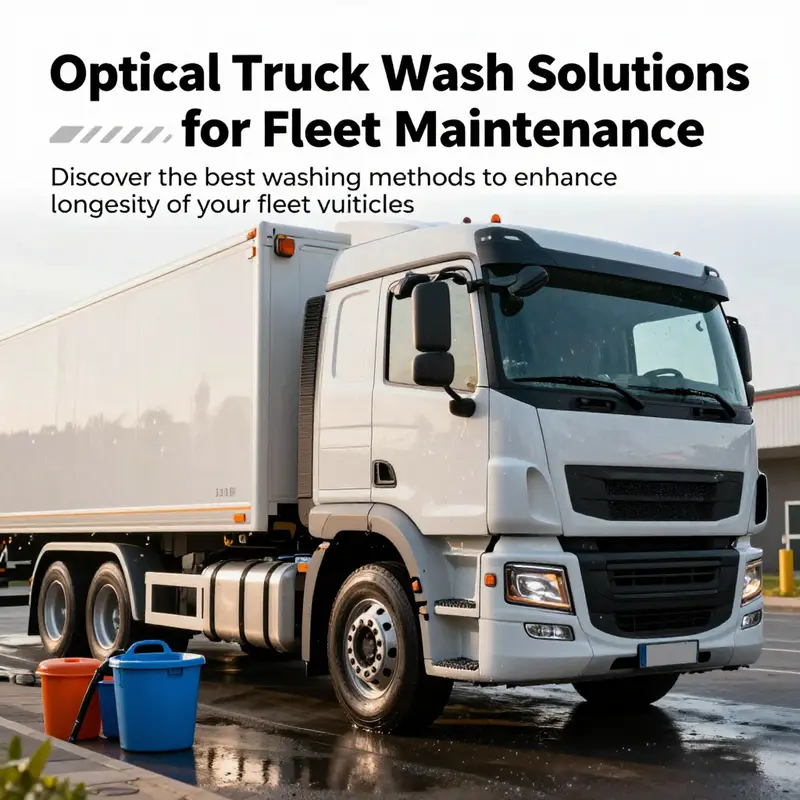
Maintaining a clean fleet is crucial for logistics and trucking companies to ensure operational efficiency, safety, and longevity of their vehicles. Selecting the best truck wash is integral to this maintenance process. This article explores the efficiency of professional automated truck washes, the importance of specialized detergents, and the safety considerations that should guide fleet managers and owners in their choice. By understanding these critical aspects, you can streamline your truck maintenance practices and enhance your fleet’s reliability.
Rethinking Clean: How Automated Truck Washes Deliver Speed, Safety, and Fleet Readiness
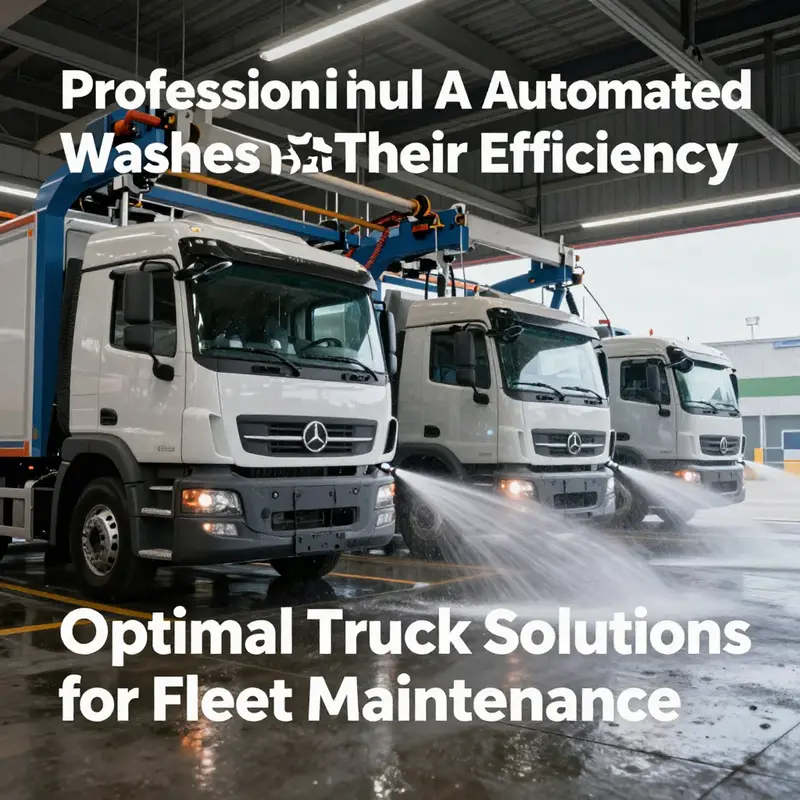
Cleanliness is more than appearance on a highway horizon. For fleets that move goods across regions, the right wash process protects asset value, ensures safety, and minimizes downtime. In this light, the best truck wash isn’t a vanity choice; it’s a strategic operation that balances location, technology, and workflow. Professional automated truck washes are designed to handle large vehicles at high volumes while delivering consistent results. They combine heavy-duty cleaning with precise control to remove mud, road salt, oil, tar, and other industrial residues that accumulate during long hauls or demanding site work. The result is not only a fresher exterior but a cleaner undercarriage and drivetrain area, where neglect can lead to corrosion, wear, and reduced efficiency. In a world where fleet performance is measured by uptime and risk mitigation, the efficiency and reliability of automated wash systems stand out as a keystone capability that supports overall logistics strategy.
The core appeal of automated systems lies in their ability to apply powerful yet regulated cleaning. A truck wash designed for professional use relies on a suite of interrelated components that work in concert. At the heart of many installations is a rotary wheel system that actively engages the vehicle’s tires during the wash. This mechanism ensures the wheels—often the most stubborn surfaces due to brake dust, tire residue, and accumulated debris—receive thorough attention. The same system can gently rotate the vehicle so that every quadrant of the wheel well and sidewall passes through the wash zone, reducing manual intervention and the likelihood of missed spots. Adjacent to this, high-pressure water jets deliver strong, focused streams that reach the undercarriage, tire treads, and exposed chassis contours. The precision of these jets allows operators to target stubborn grime without relying on excessive force that could harm paint or seals. The result is a more uniform cleaning outcome across the entire vehicle rather than a quick, generic rinse that leaves stubborn pockets of dirt behind.
A well-designed wash sequence typically unfolds through staged cycles that begin with a pre-soak to soften grime. This initial step lowers the surface tension of road grime, oil, and tar so subsequent cleaning becomes more efficient. After pre-soak, multiple rinse stages sweep away loosened contaminants and cleaning agents, culminating in a final drying phase. The drying stage is not simply a matter of spraying air; it uses hot air blowers or high-velocity fans to evacuate moisture from crevices, undercarriage nooks, and door seals. The quality of this finish matters. Residual dampness can attract new dirt, promote freezing in winter, and complicate post-wash inspection checks. A comprehensive dry cycle, therefore, is as critical as the wash itself.
Efficiency in these environments comes from control systems that adapt to the vehicle being washed. Modern automated washes rely on sensors and software to determine the truck’s size, shape, and even rough weight. In turn, the system adjusts water pressure, nozzle angle, and cycle duration. This closed-loop control reduces water and chemical waste while maintaining consistent cleaning quality. The same automation preserves safety by limiting pressure in sensitive areas such as nearby sensors, headlights, and chrome trim where damage would be costly and time consuming to repair. Beyond the spray arms and nozzles, durable mechanical components are built to withstand the harsh conditions of roadside grit, winter salting, and constant use. The steel framing, protective coatings, and heated enclosures contribute to reliability, enabling round-the-year operation in both hot and cold climates.
Water management is another defining feature of professional washes. A closed-loop system collects wash water, allows solids to settle, and uses filtration and chemical treatment to keep the basal cleaning agents effective. Minerals and sediment are removed or reduced so that reused water remains capable of delivering a strong cleaning result without introducing excessive scum or residue. This approach delivers a dual benefit: it minimizes freshwater consumption and reduces effluent that would otherwise require treatment before discharge. In an era of heightened environmental scrutiny, such water recycling strategies are not merely cost-saving conveniences; they are operational imperatives that align with broader sustainability goals for fleets and their partners.
In practice, the performance benefits of automated washes translate into tangible metrics. A well-maintained system can clean a large truck in under ten minutes, with many cycles completing in five to seven minutes when conditions are favorable and the vehicle is properly positioned. Even at higher throughput, the process remains thorough due to the staged approach and selective targeting of problem zones. The mechanical robustness of the wash structure—thick-gauge steel, corrosion-resistant finishes, and integrated heating to prevent freezing—ensures year-round reliability. The combination of speed and depth is what makes automated truck washes appealing. For operators with tight schedules, the ability to clean, inspect, and move a vehicle within a tight window reduces downtime and helps maintain a predictable fleet cycle.
An often overlooked but equally important advantage is safety. Automated systems standardize the cleaning geometry, reducing the risk of human error that can occur with manual scrubbing. Operators are shielded from hazardous mixtures and heavy scrubbing tasks, while the vehicle itself is protected by calibrated pressure settings and cutoffs designed to prevent damage to sensitive components. The undercarriage, often the most challenging area to maintain, benefits especially from high-pressure jets aimed at the chassis and suspension regions. Clean undercarriage and wheel wells not only improve longevity but also contribute to safer brake performance by keeping dust and grime from interfering with critical components. When fleets consider the total cost of ownership, safety benefits—reduced manual handling injuries, lower risk of surface damage, and fewer incidental repairs—often prove as decisive as speed and water efficiency.
Choosing the best wash for a given operation requires a nuanced view of needs. Location and access matter; a facility that is close to distribution hubs reduces travel time and vehicle idle periods. The type of truck in the fleet matters as well. Heavy-duty tractors, flatbeds carrying tar-adhered loads, and refrigerated trailers each present different cleaning challenges. In some cases, the exterior may require lighter washing while the undercarriage demands more aggressive treatment due to road grime and winter salt exposure. The level of contamination drives the choice of cycle intensity and spray configuration. A fleet that handles tar or grease will benefit from additional pre-treatment steps or targeted jets designed to loosen and lift tough residues without compromising paint or rubber seals. A fleet that routinely travels in dusty, clay-rich terrain will demand more frequent wheel and undercarriage cleaning to protect bearings and the braking system from abrasive deposits.
Efficiency isn’t only about speed. It also encompasses resource use and maintenance discipline. A well-run automated wash station uses sensors to tailor the wash pattern to each vehicle, preserving water and chemical resources while ensuring consistent results. It also relies on preventive maintenance to prevent nozzle clogging, pump wear, and filter fouling. Routine checks keep pressure within the designed range, avoid unnecessary abrasion on chrome and rubber, and extend the life of the entire wash line. This alignment between cleaning effectiveness and equipment health is essential for fleets that rely on predictable performance across dozens or hundreds of daily operations. It is through this convergence of high-pressure delivery, staged cleaning protocols, intelligent control, and water stewardship that automated washes earn their reputation for reliability and value.
From a fleet-management perspective, the decision to invest in automated wash capacity often sits at the intersection of facility planning and operations optimization. The wash is more than a service; it is a critical node in the logistic web. When a depot is planned, the wash configuration can be integrated with inbound/outbound traffic flow, vehicle parking, and drainage infrastructure. The goal is to minimize the walk-time for drivers between wash and service bays, reduce queueing at the wash entrance, and orchestrate wash cycles to fit into the broader dispatch schedule. There is little room for ad hoc solutions when thousands of miles and multiple teams depend on consistent service windows. The best wash is the one that slots neatly into the daily rhythm of the fleet while maintaining a high standard of cleanliness and undercarriage integrity. To support this, many operators look to management resources that cover facility layout, staffing, preventive maintenance, and safety protocols. For practical guidance on keeping a truck wash operation efficient and resilient, see facility-management-for-truck-wash-businesses.
Beyond the immediate gains in cleanliness and safety, automated washes contribute to fleet readiness in a broader sense. A clean exterior and well-maintained undercarriage influence vehicle economy and driver confidence. Clean paint reduces corrosion risk at joints and fasteners, while a thorough wash eliminates road grit that can cause clogging in cooling channels and spray nozzles. When a truck is ready for the next assignment, the perception of a well-maintained asset matters as much as the actual mechanical condition. In markets where customers demand punctual deliveries and strict compliance with safety standards, the visibility of a clean, well-kept fleet can reinforce reliability in the eyes of partners and customers. The cumulative effect is a smoother operation with fewer maintenance surprises, shorter turnaround times, and more predictable service levels across the network.
As fleets plan for growth, the choice of wash strategy becomes a lever for scalability. Automated systems that are modular and expandable accommodate growing fleets without necessitating a complete rebuild. New bays, upgraded nozzles, or enhanced recycling capabilities can be integrated to keep pace with increased volume. The modern wash facility, then, is not a static investment but an evolving platform that adapts to changing routes, containerized logistics, and new cleaning challenges that accompany expanded operations. In this sense, the best wash is a solution that remains adaptable, delivers consistent results, and complements the broader goals of the fleet—from uptime to safety to environmental stewardship.
For readers seeking a deeper technical overview of the systems that power these washes, external resources offer an in-depth look at the engineering and performance metrics behind contemporary equipment, including details about cycle timing, energy recovery, and fluid dynamics. One such resource provides a comprehensive snapshot of how high-efficiency wash lines integrate with maintenance programs and facility operations. You can explore these aspects further via the following external reference: https://www.tornadowash.com
In sum, the best truck wash for a given operation is not a single model or a generic recommendation. It is a thoughtfully chosen capability that aligns with where the trucks go, what they carry, and how the fleet keeps moving. It is a system that can handle the worst grime with controlled pressure, minimize water usage through recycling, and finish with a dry, ready-to-work vehicle. It is a facility that fits into the daily tempo of dispatch and maintenance planning, supports driver safety and productivity, and underpins the broader goal of fleet readiness. When that alignment exists, automated washes offer a decisive advantage over other cleaning approaches, turning a routine maintenance task into a reliable, speed-preserving, and cost-conscious element of modern trucking operations.
Detergent Alchemy: How Specialized Cleaners Define the Best Truck Wash Experience
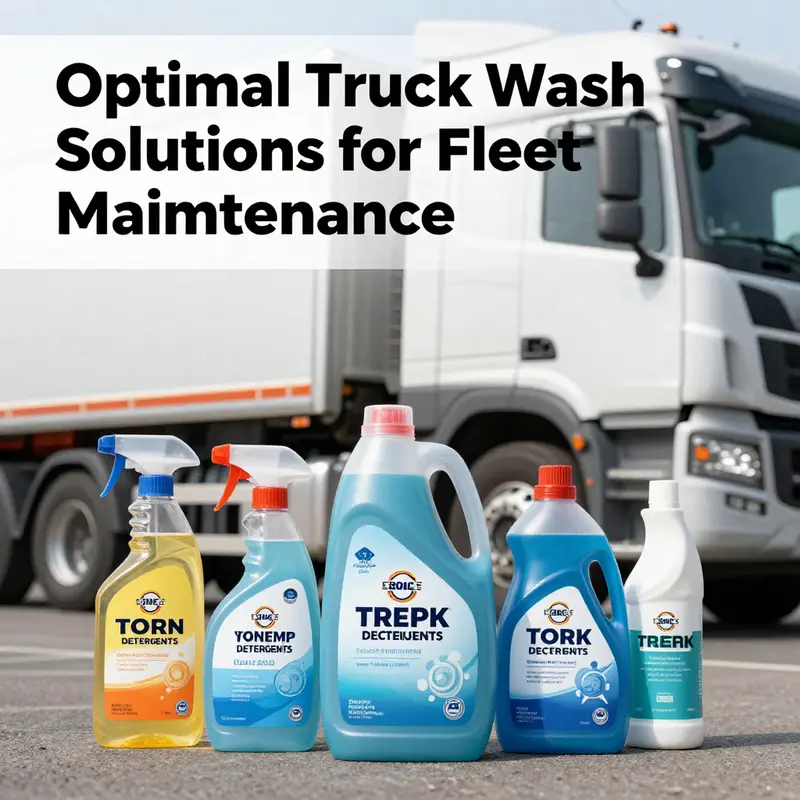
The best truck wash is not a single instrument but a carefully composed system. Among the moving parts of that system, specialized detergents stand as the quiet workhorses that determine how clean a fleet can realistically become without compromising longevity or safety. In the world of commercial vehicles, the dirt is not merely surface grime; it is a cocktail of heavy mud, road salt, grease from engines and transmissions, oil residues, brake dust, tar from road surfaces, and sometimes industrial contaminants that cling stubbornly to every contour. A generic soap may rinse away some of this, but it is the chemical craft of trucking detergents that breaks the grip of the toughest soils, protects delicate finishes, and harmonizes with the mechanics of an automated wash cycle. When fleets talk about the best truck wash, they are really talking about the most reliable combination of high-pressure water, robust cleaning agents, and systemic safeguards—where the detergent is the strategic choice that unlocks performance across the entire wash sequence.
The distinctive value of specialized detergents begins with their chemical formulation. They are not simply more aggressive versions of car wash soaps. Professional-grade detergents for trucks are engineered with precise balances of surfactants, solvents, and builders that reflect the unique demands of large, high-mileage vehicles. Surfactants reduce surface tension so water can wet complex surfaces—around cab corners, undercarriages, frame members, and wheel wells—without leaving behind residual film. Builders and chelating agents complex hard water minerals and mineral-based soils, which helps the cleaning agents stay effective even when mineral content varies from one facility to another. In other words, the detergent system is designed to turn stubborn contaminants into emulsions that the high-pressure jets can dislodge rather than smear or bake into paint or chrome. This chemistry is what allows a wash to be swift, consistent, and gentle on sensitive surfaces.
A central benefit of specialized truck detergents is their compatibility with a fleet’s risk controls. Paintwork on commercial tractors, trailers, and box bodies carries decals, chrome trim, and rubber seals that demand respect. A formula tuned for trucks targets heavy soils while minimizing abrasive action on coatings and gaskets. In practice, this means detergents that reduce surface abrasion and limit micro-scratches, helping maintain resale value and aesthetic appeal. Detergents engineered for trucks also consider the undercarriage, where road grime and salt can cause accelerated corrosion if residues linger. A well-chosen formula contains corrosion-inhibiting components that stay active through the rinse cycle, leaving metal surfaces less prone to rust when the vehicle returns to duty in harsh environments.
Beyond raw cleaning power, environmental responsibility drives the development of modern truck detergents. Many professional formulations are biodegradable, low-sudsing, and compatible with closed-loop water recycling systems that industrial wash facilities rely on to minimize water use and wastewater generation. This ecology of cleaning aligns with fleet sustainability goals while simplifying regulatory compliance. It is no longer enough to wash a truck well; the wash must also manage environmental footprint. The detergent’s design supports this objective by enabling thorough cleaning with less water and easier sludge separation, which reduces energy consumption, sludge handling costs, and discharge concerns. In practice, fleets can realize a cleaner vehicle and a cleaner ledger when the detergent is chosen for its environmental profile.
The role of detergents extends into corrosion prevention as well. Road salt in winter, industrial residues near construction sites, and tar or asphalt residues from highway repair work can leave residues that are not only unsightly but corrosive. Specialized detergents contribute to fleet longevity by softening and suspending corrosive residues, making them easier to wash away and less likely to linger on vulnerable spots like fasteners, seams, and undercarriage surfaces. When detergents are formulated with corrosion-inhibiting components, they deliver a twofold benefit: immediate soil removal and longer-term protection of critical metal elements. This dual action matters because the most thorough wash is one that does not simply expose clean paint but also defends the metalwork that supports the truck’s structure and payload.
Another practical dimension concerns performance across variable operating conditions. Fleets run in temperate zones, freezing climates, dusty desert highways, and coastal corridors where humidity and salt aggression differ. Detergents specialized for trucks are designed to maintain performance across a broad spectrum of temperatures and water pressures. In cold weather, certain formulations reduce freezing risk and remain effective against slush and road grime that becomes more tenacious when temperatures drop. In hot, dusty environments, they still emulsify grip-heavy soils, allowing the wash to proceed quickly without requiring repeated cycles. This reliability matters because the best wash is not the one that cleans perfectly only some days; it is the system that delivers consistent results every shift and every season.
The synergy between detergent chemistry and the wash system itself is essential. An automated truck wash relies on high-pressure water cannons, rotating arms, and timed spray sequences to achieve uniform coverage. The detergent must cooperate with this hardware to maximize contact time where it matters: under the cab, along the frame rails, and in the wheel wells where salt and grime linger. The detergents also interact with the wash’s mechanical design to avoid staining or etching finishes during aggressive cleaning. A well-matched detergent avoids creating heavy suds that hinder vision or clog nozzles while still providing sufficient foaming to lift off contaminants. In short, the effectiveness of a truck wash cannot be divorced from the detergent chemistry; each reinforces the other in a carefully choreographed routine.
An often overlooked but critically important consideration is how detergents integrate with the fleet’s broader maintenance philosophy. A top-tier wash can extend the intervals between paint touch-ups or undercarriage rust remediation by reducing the rate at which contaminants re-deposit after rinsing. This outcome is not just about aesthetics; it is about maintaining the structural integrity of the vehicle and the efficiency of its operation. Fleet managers increasingly view wash-day decisions through the lens of lifecycle cost of ownership. The detergent choice becomes part of a larger equation that weighs cleaning effectiveness, material compatibility, environmental impact, and long-term durability. When detergents are specified with corrosion inhibitors and anti-redeposit properties, the wash becomes a protective service rather than a mere cleansing ritual.
To the fleet operator, the practical implication is straightforward: a detergent designed for trucks is a concrete lever for improving wash quality and minimizing risk. Operators should seek formulations that are specifically labeled for heavy-duty vehicles and compatible with their wash hardware. The detergent should be tested for compatibility with the truck’s paint and decals and should perform well under the facility’s typical water chemistry and temperature range. Operators should also look for products that are compatible with their facility’s recycling and wastewater treatment processes. When a detergent aligns with environmental and operational workflows, it unlocks a smoother, faster, and more reliable cleaning cycle.
The decision pathway for selecting a specialized detergent is not purely technical; it is also logistical. Fleets consider cost per wash, the frequency of washing, and the diversity of their equipment. A single fleet may operate tractors with trailers, tankers, and straight trucks, each with different surface areas and soil profiles. A detergent that handles asphalt, grease, brake dust, and salt without requiring multiple formulations simplifies procurement and reduces the risk of using an unsuitable product on sensitive surfaces. In this context, the “best” wash emerges as a product of compatibility and performance across the fleet’s entire wash-cycle ecosystem. A good detergent, paired with calibrated water pressure, temperature, and dwell time, yields a predictable, repeatable result that saves time and protects equipment.
The practical demonstrations of detergent performance can be nuanced. For instance, a fleet that regularly tows or transports asphalt or tar-containing loads will encounter sticky, stubborn soils that cling even after a routine rinse. In such cases, the detergent’s emulsifying capacity and solvent balance become especially important. As discussed in proven strategies for cleaning grease and tar off your trucks fast, the right detergent acts not only to lift these soils but to keep them suspended so they are removed by the wash’s final rinse rather than redepositing on crevices and seals. That balance—between strong cleaning action and controlled residue—is what separates the best truck wash from a good one. The phenomenon is most evident in the texture of the undersides and the rear doors, which often collect the bulk of road grime and require precise, targeted cleaning. A detergent that remains stable under high-pressure spray and resists forming heavy suds around the spray nozzles will sustain a more efficient process and reduce maintenance downtime.
Moreover, the integration of specialized detergents with the broader water system is essential for sustainable operations. Many modern truck washes lean on closed-loop water systems to reclaim and reuse wash water. In these environments, detergents must be compatible with filtration and recycling processes so that they do not generate excessive sludge or interfere with water clarity. Biodegradability becomes more than a marketing claim; it becomes a practical sustainability feature that reduces the burden on wastewater treatment and aligns with environmental regulations. The best detergent, in this sense, is one that performs its cleaning job while simplifying the facility’s water management workflow.
Finally, the discussion of detergents would be incomplete without acknowledging the importance of training and procedural discipline. A well-dressed chemist’s bottle is nothing without a trained operator delivering the right amount at the right time. Fleet teams benefit from clear guidance on dilution ratios, contact times, and wash cycle sequencing. The best truck wash is thus a synthesis of smart formulation, precise dosing, and disciplined operation. When these elements converge, maintenance budgets tighten, downtime shrinks, and the fleet presents a consistently polished image to customers and inspectors alike. In this synergy, the detergent is not a commodity; it is a strategic instrument that elevates the entire washing process from routine maintenance to a reliable, performance-enhancing service.
For fleets seeking to deepen the conversation beyond the surface gloss of “more pressure equals cleaner,” it helps to connect these chemical and operational insights to real-world practice. To explore how cleaning strategies translate into tangible results, readers can follow practical discussions such as proven strategies for cleaning grease and tar off your trucks fast, which link to on-the-ground approaches for handling the most challenging soils while protecting sensitive surfaces. This perspective reinforces a central thesis: the best truck wash is attained when detergent design, equipment capability, and environmental considerations converge in a single, predictable workflow.
As you plan for a fleet-wide cleaning program, remember that the detergent choice resonates with every other component of the wash system. The nozzle geometry, the timing of spray sequences, the dwell periods, and the final rinse all reveal their true value only when the detergent has been selected with awareness of soil type, substrate protection, and environmental expectations. The result is a wash that not only shines but endures—protecting paint, preserving decals, extending component life, and maintaining a fleet’s professional appearance through countless miles of operation. And in that sense, the best truck wash is the one that respects the science of detergents as much as the physics of water and the craft of engineering behind the automated wash bay.
For readers who want to engage more deeply with the topic of detergents and their impact on cleaning efficiency, a broader view is available through external resources that discuss the broader category of professional truck wash soaps and their role in fleet maintenance. To broaden your understanding of how detergent choices influence wash economics and environmental compliance, refer to respected industry discussions linked in external guidance: https://www.fleetwassupply.com/professional-truck-wash-soaps.
Internal reference to field-tested techniques can also be found in related discussions on grease and tar removal strategies for heavy-duty trucks, which provide practical context for when and how specialized detergents can make the biggest difference on the line. For example, readers may explore the concept that detergents are most effective when used in concert with properly calibrated pressure and dwell times, a principle that underpins successful cleaning programs across diverse fleets. For those who want a concise synthesis of those ideas, consider the internal discussion documented in proven strategies for cleaning grease and tar off your trucks fast, which elaborates how chemical action and mechanical action work together to produce fast, reliable results.
In sum, the best truck wash is achieved when specialized detergents are selected with a clear understanding of the soils you encounter, the surfaces you protect, and the environmental and operational constraints you must honor. Detergent chemistry does not exist in a vacuum; it informs and is informed by the entire wash ecosystem—from water recycling to undercarriage protection to the cadence of automated cycles. When fleets choose detergents with the right balance of cleaning power, surface safety, and environmental responsibility, they set the stage for a wash process that consistently delivers clean vehicles, lower maintenance costs, and a stronger, more professional fleet image for every mile of road ahead.
Safety as the Cornerstone: How Precautions Define the Best Truck Wash
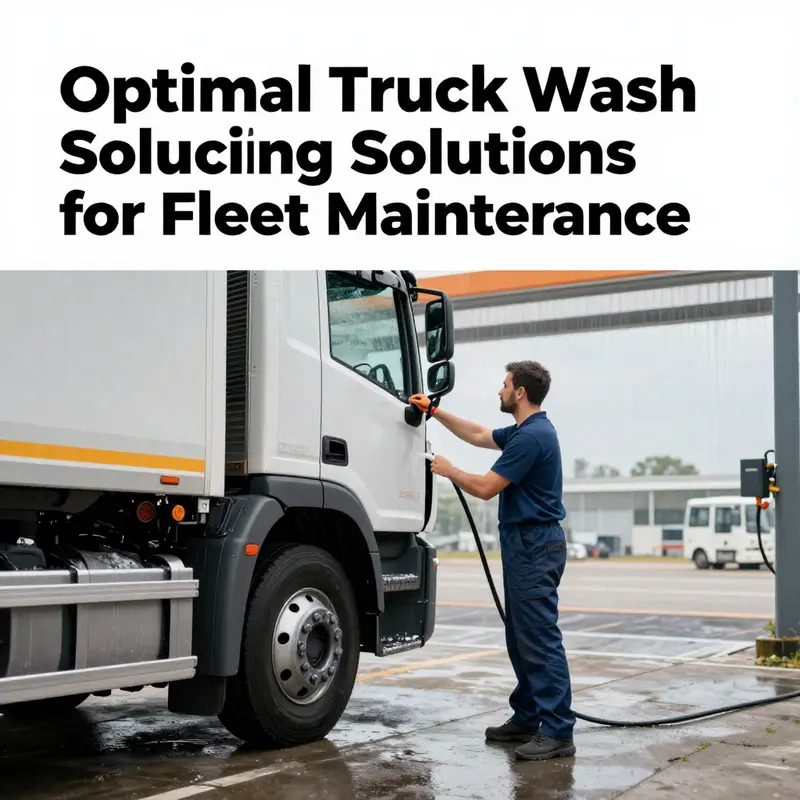
Choosing the best truck wash is rarely a matter of chasing the fastest option or the flashiest facility. It is, at its core, a safety decision. When you turn the key on a truck that carries heavy loads, unpredictable materials, and a highway’s worth of road grime, you are trusting a wash to protect both your investment and the well-being of the people who operate, load, and steer it. The best wash for any given truck depends on needs, location, and the type of vehicle, but the constants across top-performing facilities are unwavering—precision in technique, care in materials, and an explicit commitment to safety that travels from the wash bay to the cab and beyond. A robust safety framework does not merely prevent accidents; it elevates the entire cleaning process, delivering a cleaner truck without compromising paint, seals, or undercarriage components. It also reduces downtime, which matters as fleets stretch across vast territories and tight schedules. In other words, safety isn’t optional in the search for the best truck wash; it is the most reliable indicator that a wash will protect your asset while delivering the thorough cleaning necessary for long, demanding trips across lanes and landscapes that would test any vehicle.
Any discussion of the best truck wash must begin with the clear recognition that high-pressure water systems, when applied judiciously, offer substantial advantages. Large trucks accumulate mud, salt, tar, and stubborn industrial residues far more than passenger vehicles do. High-pressure jets, distributed with precision and controlled by expert operators or automated systems, can dislodge heavy grime from wheels, undercarriages, and frame rails where dirt tends to accumulate. Yet the same force that helps remove stubborn soils can also damage delicate surfaces if misapplied. Therefore, the safest—and often the most effective—approach is not “more pressure” but “smarter pressure.” Reputable washes calibrate water pressure to suit different zones of the vehicle: the undercarriage and frame receive strong cleansing while painted surfaces and rubber seals are treated with gentler passes or alternative rinses. This philosophy anchors the best practices in the industry and, more importantly, protects the value embedded in every truck’s finish and hardware.
A second pillar of safety rests on the cleaning solutions themselves. The ideal wash employs neutral pH or mildly alkaline detergents formulated specifically for automotive surfaces. These cleaners are engineered to cut through oil, grease, and road film without stripping waxes, sealants, or protective coatings. Household detergents—think dish soap or laundry products—may seem convenient but can progressively degrade protective layers and degrade paint over time. The difference is not merely cosmetic: degraded coatings make future cleanings more difficult, invite corrosion in exposed metalwork, and shorten the life of seals and gaskets. The right chemistry goes hand in hand with the right technique. A well-chosen detergent loosens grime, while rinsing steps carry away residue and prevent streaking that can mask remaining contaminants or create slippery spots when the truck returns to the road. The best washes also consider environmental stewardship and water chemistry, using filtered or recycled water where feasible to minimize mineral deposits and grit that can scratch surfaces during a rinse.
The people who operate and supervise these washes are as important as the machines and the cleaners. Staff training and professionalism create the environment in which safety can flourish. Trained technicians know not only how to run a high-pressure system but how to protect the wheels, mirrors, lights, and trim from inadvertent contact. They understand which parts of a truck require extra shielding, and they respect electrical housings, control modules, and exposed wiring that lives near the chassis and undercarriage. A professional crew does more than perform a sequence of wash steps; they implement a safety culture that anticipates hazards, uses protective barriers, and communicates clearly with drivers about what to expect during the process. This is not mere pedantry. A well-trained team reduces the risk of human error, which is a leading source of damage or injury in any wash operation. For owners and fleet managers, this translates into predictable outcomes and fewer ride-alongs to address concerns after every wash.
The relationship between water quality and pressure control is the third cornerstone. Even the most advanced automated wash bays can inflict damage if water is unfiltered or the pressure is miscalibrated near sensitive components. Reputable facilities deploy systems that filter grit and particulates from incoming water and regulate nozzle pressures to protect glass, seals, and electrical components. Pressure management becomes even more critical when vehicles carry special cargo or are configured with aerodynamics devices, plastic moldings, or aftermarket components that require gentler handling. The link between water quality and the longevity of your truck’s appearance and performance cannot be overstated. When corrosion protection and paint integrity are preserved, maintenance costs decline, and downtime for touch-ups or remedial work decreases.
Pre-wash inspection and protective measures form the next essential layer of safety. A careful pre-wash assessment helps identify pre-existing damage—such as chipped paint, loose trim, or cracked seals—that could worsen if exposed to aggressive cleaning. Experienced wash teams also employ protective covers or shields to guard sensitive areas during the process. These might include shielding for electrical components near the battery compartment or exposed wiring harnesses around the engine bay, as well as coverings to prevent overspray on seals and gaskets. The small, often unseen steps taken before the water starts to flow can save a truck from costly follow-up repairs. The same vigilance should extend to the post-wash phase, where a thorough check ensures no new scratches, missed spots, or residual residues have been left behind. The post-wash audit, brief as it sounds, serves as a quality guarantee and a safety net for customers who count on the wash to protect their investment.
Facility safety and hygiene tie the process together into a coherent and reliable experience. A clean, organized wash bay is a signal that safety is embedded in everyday operations. Clutter, loose hoses, or slippery floors are not merely inconveniences; they are potential hazards for drivers in motion and technicians at work. Clear traffic patterns, non-slip surfaces, and well-marked zones help prevent collisions and reduce the likelihood of equipment strikes. Adequate lighting and regular maintenance of pumps, nozzles, and drainage systems keep operations safe and predictable. In a well-run wash facility, the sequence of steps—from vehicle approach to final rinse and exit—reads like a carefully choreographed routine designed to minimize risk. This kind of discipline becomes a practical language that drivers can learn and rely on, a shared assurance that the truck and its crew will be treated with respect and care.
Safety, however, should not be seen as a barrier to efficiency. The best washes balance thoroughness with speed by deploying calibrated automation and smart workflow design. Automated washes can deliver consistent results in a fraction of the time that manual washing would demand, but only when the system is tuned to respect vehicle geometry and materials. A well-configured bay uses adaptive cleaning cycles that adjust to the size of the rig and the nature of the soil. In this sense, efficiency and safety are not antagonists; they are two sides of the same coin. The fastest wash that risks damage is not a better option than a slower, safer process that preserves the truck’s finish and mechanical integrity. The most reliable choice, therefore, is a facility that clearly communicates its safety standards, demonstrates them in practice, and measures performance not only by cleanliness but by the absence of new damage.
The decision framework for the best wash also hinges on the practical realities of location and accessibility. A wash that is far from your route, or one with inconsistent hours or unpredictable staffing, will force you to trade safety for convenience. The best option is a facility that can be integrated seamlessly into a fleet’s routine—one that offers predictable scheduling, transparent pricing, and a safety program that is visible in every aspect of the operation. When evaluating candidates, drivers and fleet managers should consider not just the cleanliness outcomes but the process by which those outcomes are achieved. Ask about pre- and post-wash procedures, the kinds of protective measures used in sensitive areas, and how the staff handles exceptions such as damaged components or unusual cargo. And always look for a facility that understands the broader context of vehicle care—tire pressures, wheel alignment, and brake performance all interlace with the wash experience because the vehicle’s safety performance depends on how well it is cleaned and protected.
For operators who want to translate safety into a more strategic advantage, consider how your facility’s safety practices can inform broader fleet policies. A well-run truck wash can become a partner in preventive maintenance. When a wash records and reports any wear patterns or damage observed during cleaning, it provides data that can feed into maintenance schedules, inform driver training programs, and guide purchasing decisions for protective coatings or trims. In this way, safety is not merely a risk mitigation tactic; it becomes a driver of operational efficiency and longevity. If you are exploring options and want to align facility design with best safety practices, you can look into resources on facility management for truck wash businesses, which offer guidance on layout, workflow optimization, equipment maintenance, and safety protocols. See Facility Management for Truck Wash Businesses for more on these considerations. This kind of integration helps ensure that safety translates into consistent, high-quality outcomes across every wash.
As you weigh the evidence and weigh the tradeoffs between speed, cost, and safety, remember that the best truck wash is not simply the one that cleans best in a single pass. It is the facility that consistently protects the truck’s finish, protects drivers and workers from harm, and holds a reputation for reliability. The emphasis on safety—through balanced pressure, appropriate cleaning chemistry, skilled personnel, protective procedures, and a clean, hazard-free environment—defines what it means to present a truly best-in-class wash experience. When these elements align, you gain more than a clean exterior and a gleaming undercarriage; you gain the confidence that your fleet is ready to roll with minimal risk of damage, downtime, or unexpected maintenance. In a business landscape where uptime matters as much as uptime itself, safety-first truck washing is not a luxury. It is a prudent investment in asset protection, a shield for drivers, and a facilitator of consistent, predictable fleet performance. For readers who want to explore broader safety guidelines in the regulatory space, authoritative resources such as state DMV guidelines provide useful context for how safe vehicle handling and maintenance practices intersect with cleaning standards and compliance, ensuring a holistic approach to vehicle care. External resource: California DMV guidelines at https://dmv.ca.gov.
Final thoughts
Choosing the best truck wash is a vital decision for logistics and trucking companies aiming to maintain the efficiency and safety of their fleets. Professional automated washes combined with specialized detergents ensure thorough cleaning without compromising the integrity of the vehicles. Additionally, being mindful of safety considerations protects both the assets and the employees involved in the washing process. By integrating these practices, fleet managers can optimize maintenance routines, safeguard vehicles against damage, and extend their operational lifespan.